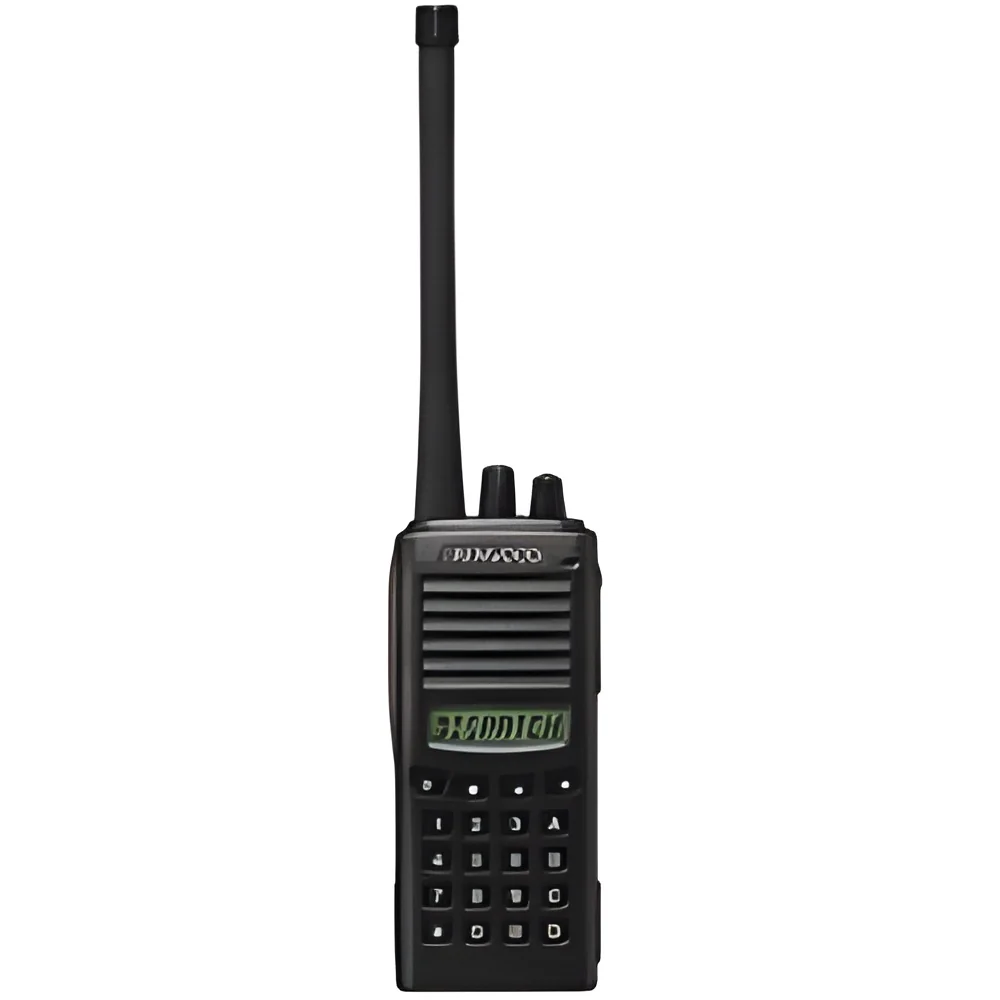
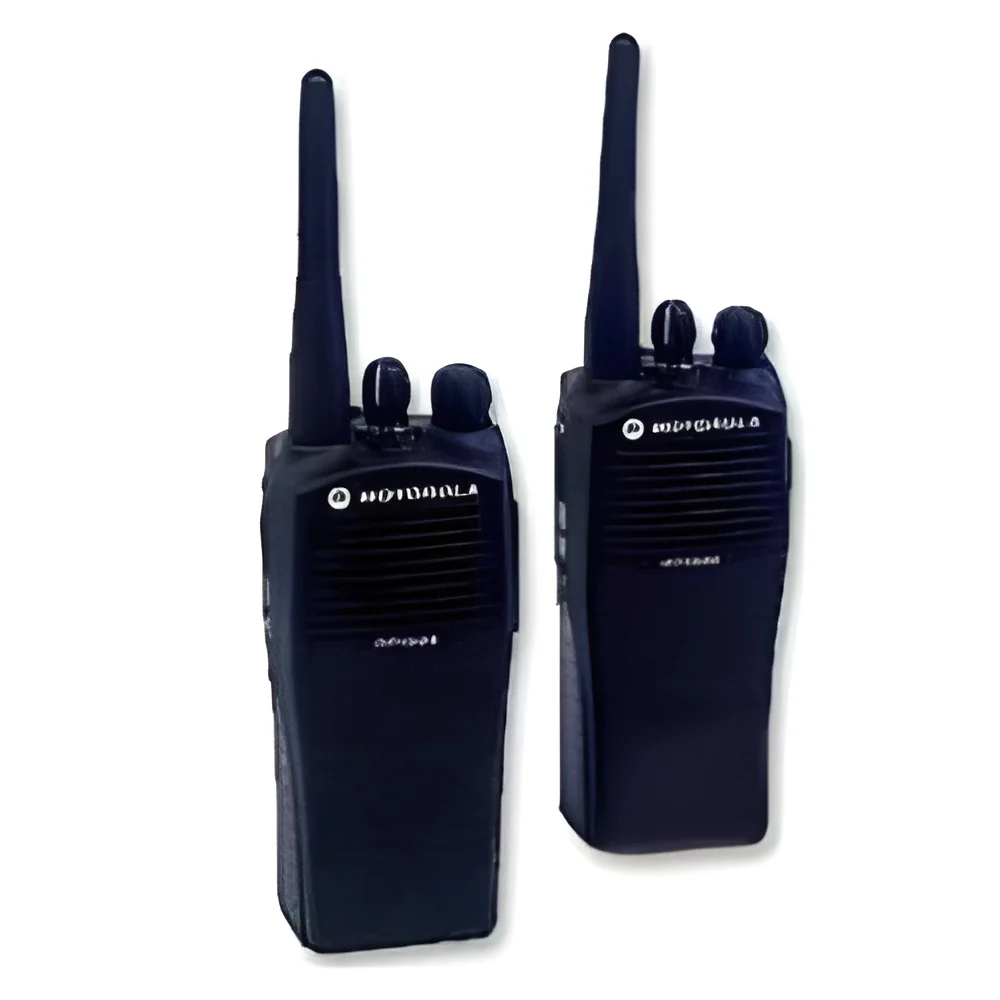
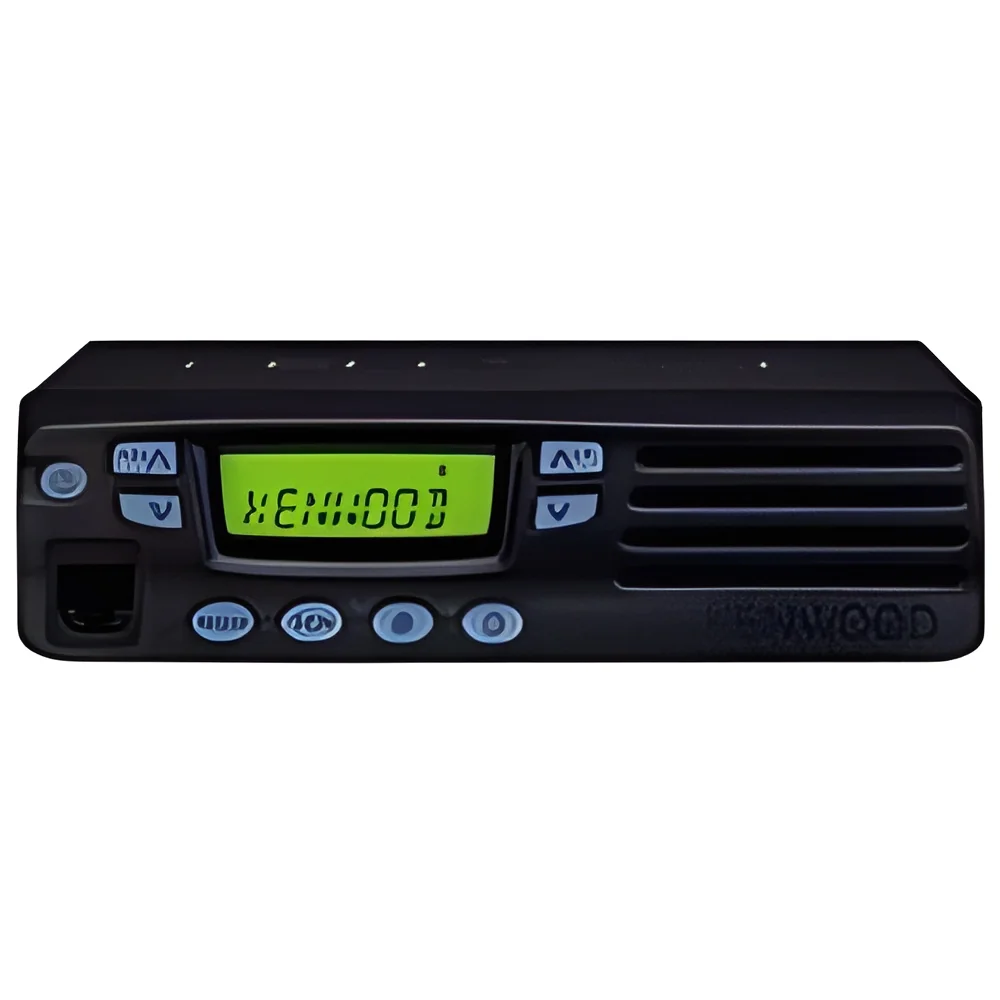
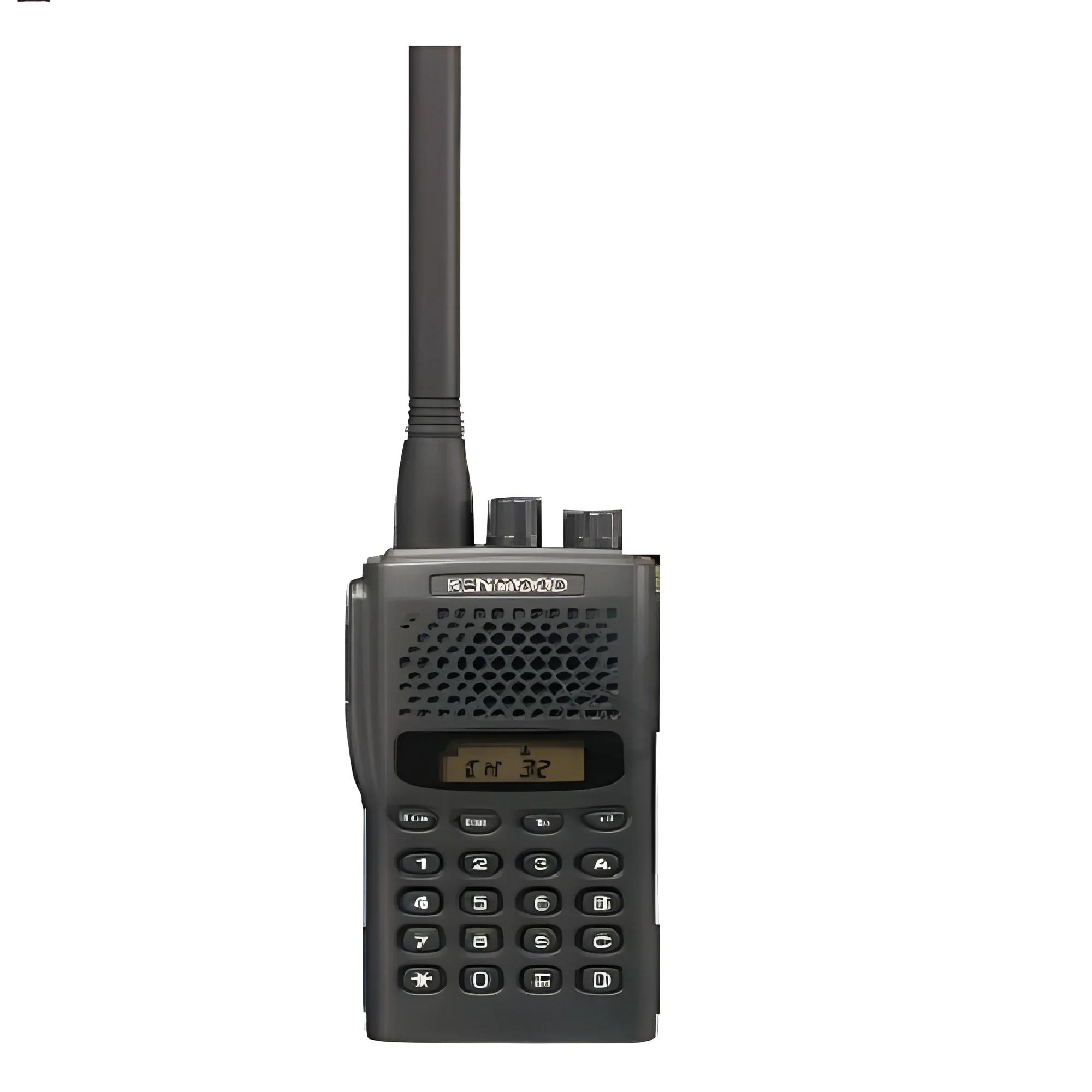
Key Features and Specifications
Two-way radios come equipped with a range of features and specifications designed to meet the varied needs of businesses. These features enhance functionality, durability, and user experience. Below are some key specifications that buyers should consider when selecting two-way radios.
Key specifications include:
1. Frequency Range
- Determines the distance over which the radio can communicate.
- Common ranges include VHF (Very High Frequency) and UHF (Ultra High Frequency).
2. Battery Life
- Indicates how long the radio can operate on a single charge.
- Typical battery life can range from 8 to 24 hours depending on usage.
3. Channel Capacity
- Refers to the number of channels available for communication.
- Radios may offer anywhere from 8 to 256 channels.
4. Durability Rating
- Indicates resistance to environmental factors such as dust and water.
- Often rated with IP (Ingress Protection) scores, such as IP54 or IP67.
5. Weight and Size
- Affects portability and ease of use.
- Lightweight models are often preferred for extended use.
6. Audio Quality
- Refers to clarity of transmission.
- Features like noise-cancellation technology can enhance clarity in noisy environments.
7. Range
- Indicates the maximum distance between radios for effective communication.
- Ranges can vary from 1 mile to over 30 miles, influenced by terrain.
8. Compliance Standards
- Two-way radios may adhere to specific industry standards and regulations.
- Compliance with CE certification ensures adherence to safety and performance benchmarks.
In summary, understanding these key features and specifications is crucial for businesses looking to invest in two-way radios. Choosing the right specifications will enhance communication efficiency and meet operational demands.
Common Applications and Use Cases
Two-way radios serve a multitude of industries, each with specific communication needs. Their versatility makes them suitable for various applications.
1. Construction: In construction sites, two-way radios facilitate communication among crew members, ensuring safety and coordination in dynamic environments.
2. Hospitality: Hotels and event venues use walkie talkies for quick communication among staff, enhancing guest service and operational efficiency.
3. Retail: Retail management relies on two-way radios for coordination between departments, inventory management, and loss prevention efforts.
4. Security: Security personnel utilize two-way radios for immediate communication during incidents, improving response times and safety.
5. Transportation: In logistics and transportation sectors, walkie talkies aid in coordinating deliveries and managing fleet operations effectively.
6. Emergency Services: First responders use two-way radios for critical communication, ensuring coordinated responses during emergencies.
7. Event Management: Large events depend on two-way radios for seamless communication among event staff, security, and vendors.
Product Variants and Subcategories
Two-way radios come in various models and configurations to suit different operational needs. The diversity in product variants allows businesses to select the best fit for their requirements.
Analog Two-Way Radios: These radios provide basic communication functionality and are easy to operate. They are ideal for small teams or businesses with straightforward communication needs.
Digital Two-Way Radios: Digital radios offer enhanced features such as better audio quality, increased range, and advanced security options. They are suitable for larger organizations requiring robust communication solutions.
Rugged Two-Way Radios: Designed for demanding environments, these radios are built to withstand harsh conditions. They are commonly used in construction and outdoor settings.
Rechargeable Two-Way Radios: These models feature rechargeable batteries, reducing operational costs associated with disposable batteries. They are commonly used by teams with high communication frequency.
Benefits and Advantages
Investing in two-way radios offers numerous benefits for businesses looking to improve communication. These advantages contribute significantly to operational efficiency and safety.
1. Instant Communication: Two-way radios enable immediate voice communication, allowing quick decision-making and responsiveness.
2. Enhanced Safety: Clear communication helps in managing safety protocols, reducing accidents and improving overall workplace safety.
3. Cost-Effective: Using two-way radios eliminates the need for costly mobile phone plans, making them a budget-friendly communication option.
4. Increased Productivity: Quick and efficient communication allows teams to coordinate tasks better, leading to enhanced productivity.
5. Durable and Reliable: Many two-way radios are built to withstand tough conditions, ensuring reliability in various environments.
6. User-Friendly: Most models are simple to operate, requiring minimal training for employees to use effectively.
Buying Guide for B2B Buyers
When sourcing two-way radios, businesses should consider several key factors to ensure they select the right product for their needs.
1. Quality Assessment: Evaluate the quality of radios based on durability, battery life, and audio clarity. Look for products that have been tested and certified for performance.
2. Supplier Verification: Verify suppliers to ensure they have a good reputation and a track record of reliability. Check customer reviews and request references if necessary.
3. Pricing and MOQ: Understand the pricing structure and minimum order quantity (MOQ) requirements. This helps in budgeting and ensures you can meet your communication needs without overcommitting.
4. Delivery and Lead Times: Consider logistics and delivery times when placing orders. Ensure that the supplier can meet your timeline for receiving the radios.
5. Compliance Requirements: Be aware of any regulatory compliance needed for the radios, especially if they will be used in regulated industries. Ensure that the products meet necessary safety and performance standards.
Compliance and Certifications
Compliance and certifications are critical for ensuring the quality and safety of two-way radios. Key standards include ISO 9001, which ensures quality management systems are in place. Additionally, many two-way radios carry the CE mark, indicating they comply with European safety, health, and environmental protection standards.
Safety and testing requirements are essential to guarantee that the radios function effectively under various conditions. This includes adherence to protocols for durability and performance in challenging environments.
Regional compliance can vary. It is vital for buyers to understand the local regulations that may affect the use of two-way radios, particularly in industries where communication devices are subject to strict oversight.
Why Source Two-Way Radios (Walkie Talkies) from Pepagora?
Pepagora provides a trusted platform for sourcing two-way radios with several key advantages. One significant advantage is the verified supplier network. This ensures that buyers have access to reputable suppliers who meet stringent quality standards.
The streamlined Request for Quotation (RFQ) process simplifies the procurement experience. Buyers can easily request multiple quotes and compare options, making it easier to find the best fit for their needs.
Trade assurance and support are additional benefits offered by Pepagora. This buyer protection mechanism ensures that transactions are secure and that buyers receive the products as promised.
Lastly, Pepagora's regional coverage extends to areas such as India, the GCC, and Southeast Asia. This geographic reach allows businesses in various locations to access quality two-way radios efficiently, regardless of their operational base.

 IN
IN