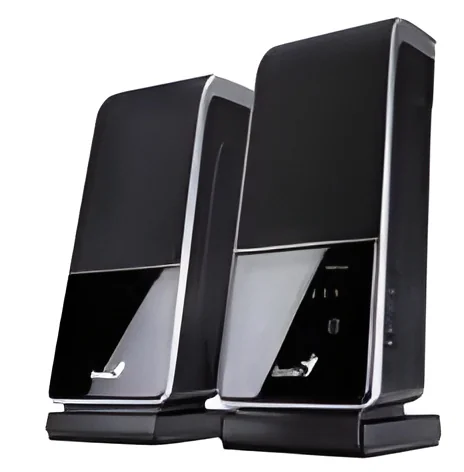
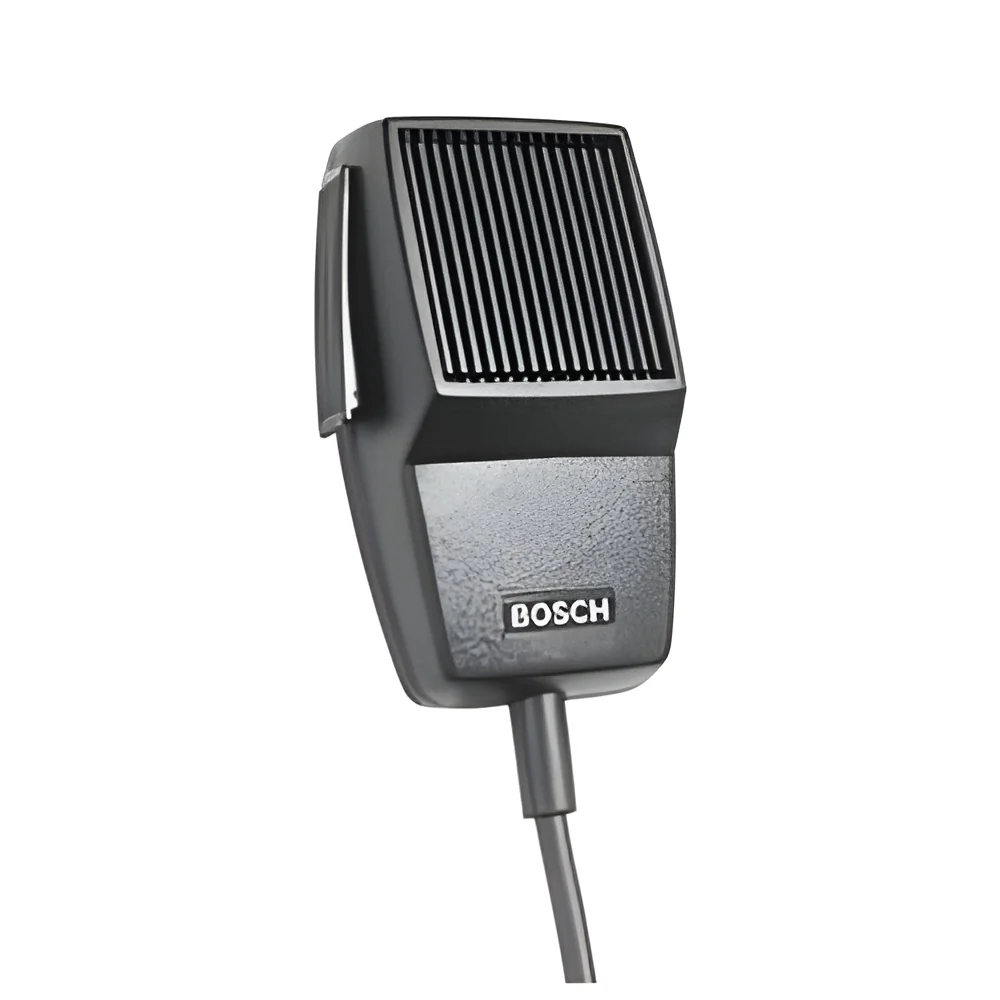
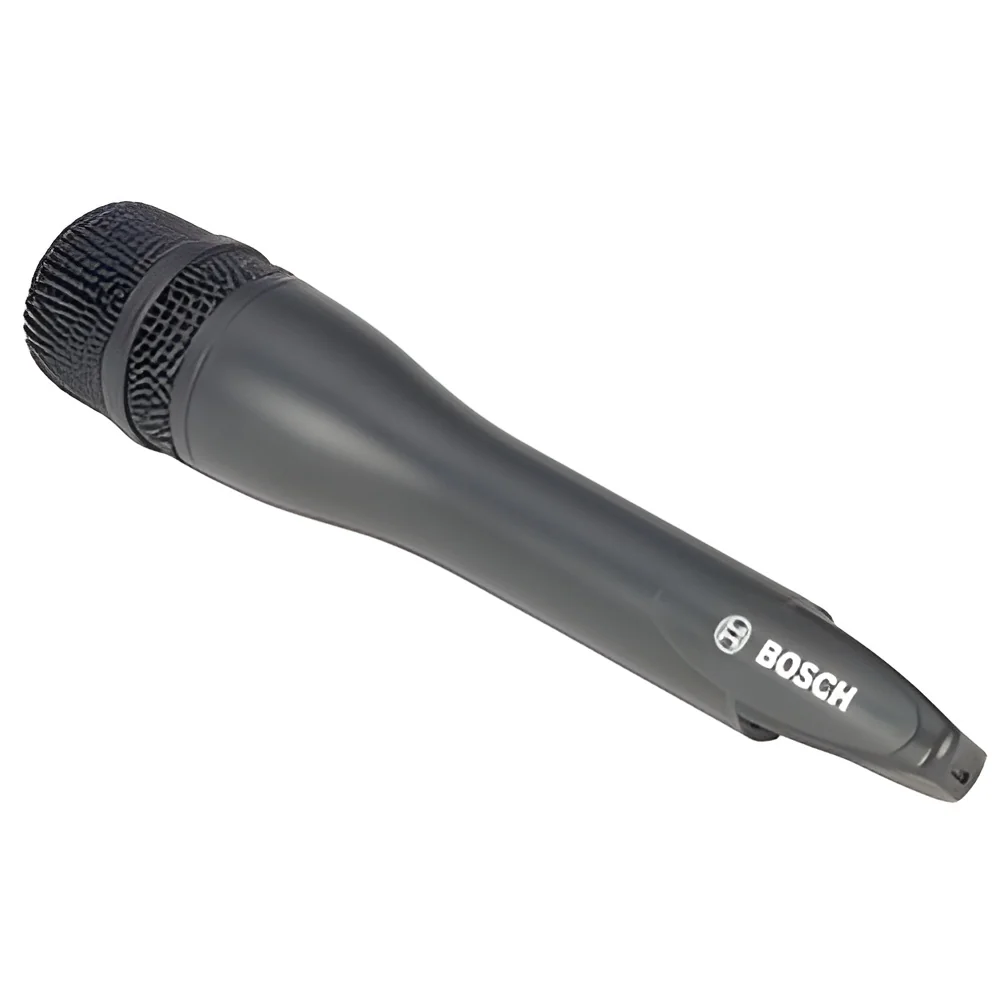
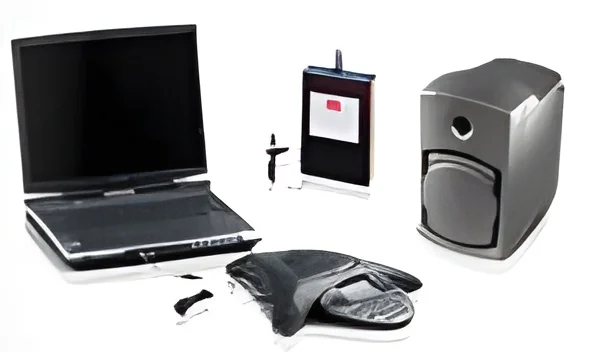
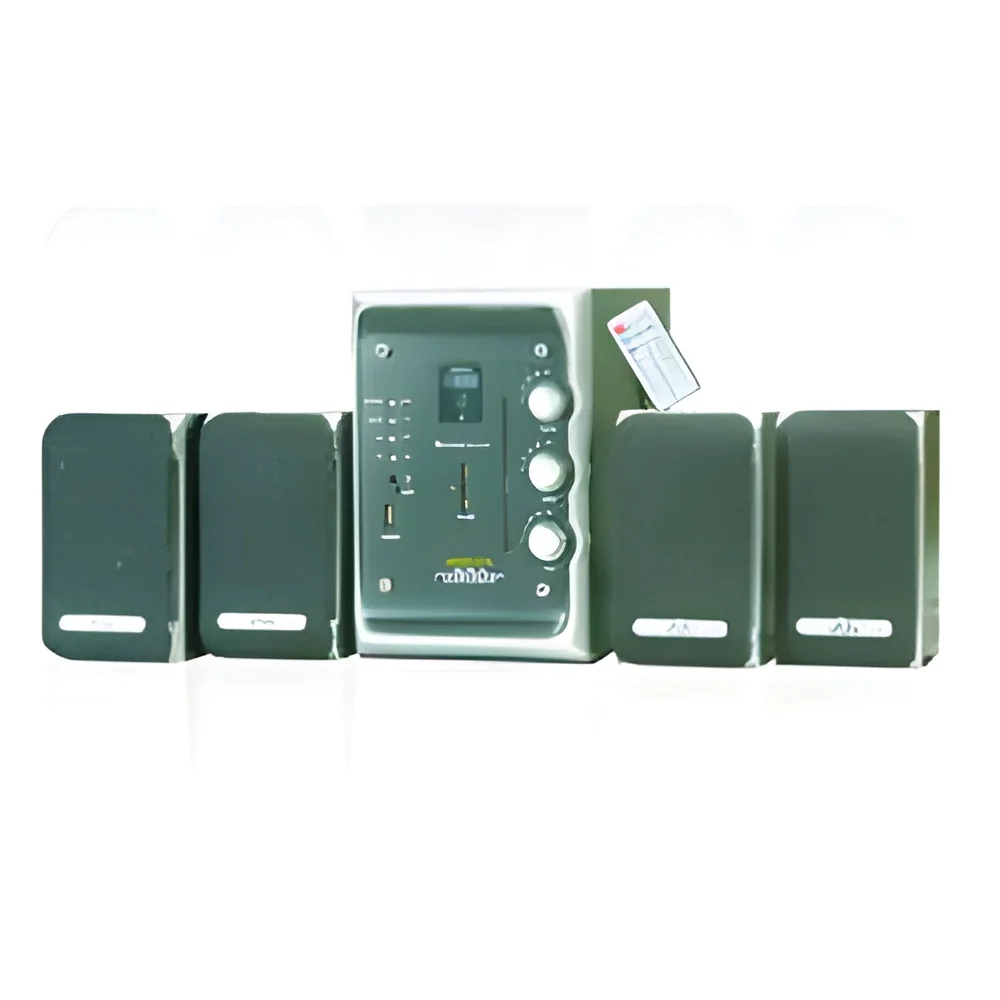
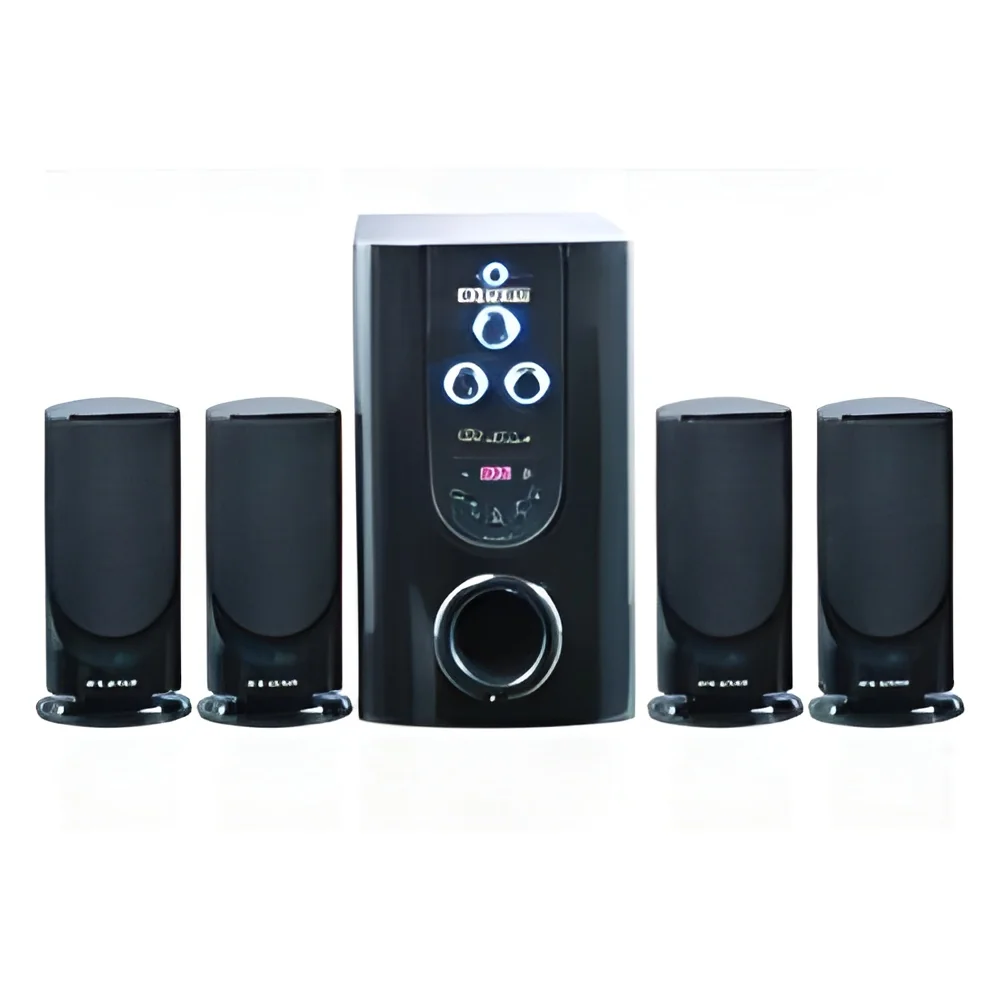
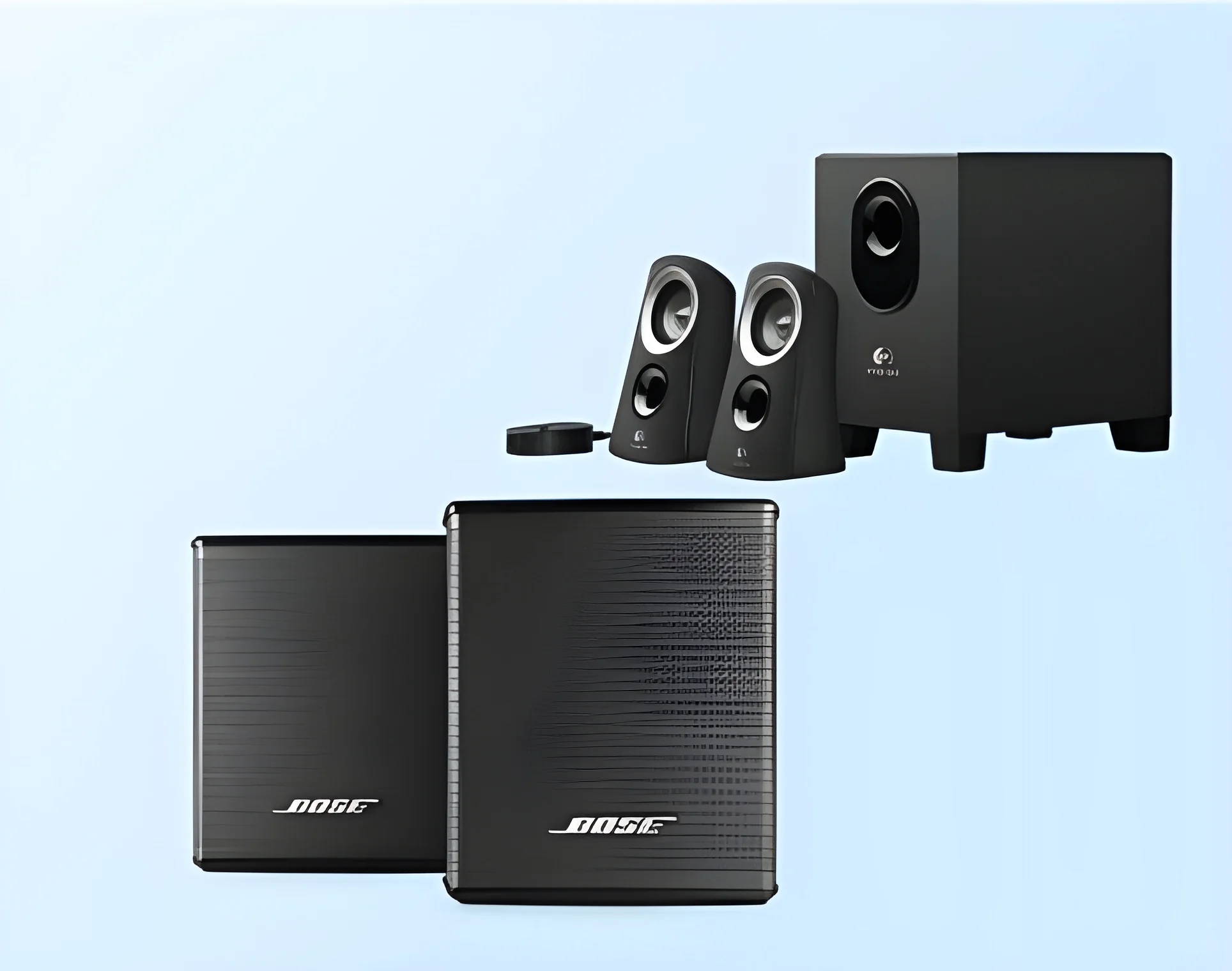
What are Audio Conferencing Systems?
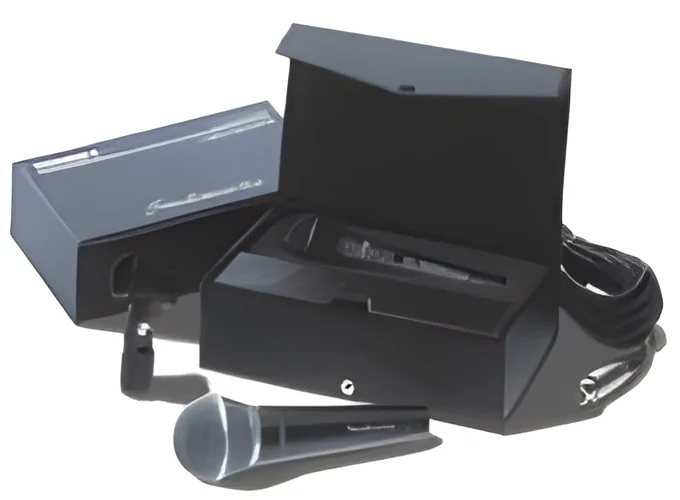
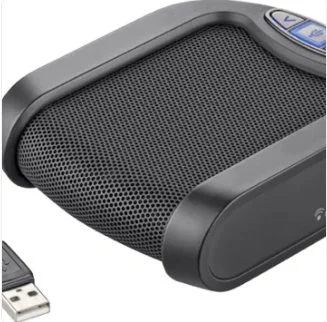
Audio Conferencing Systems are communication tools designed to facilitate real-time audio interactions among multiple participants, regardless of their geographical location. These systems enable businesses to conduct meetings, discussions, and collaborative sessions using telecommunication networks. They typically include microphones, speakers, and an interface for managing calls, ensuring clear audio quality and user-friendly operation.
The primary uses of Audio Conferencing Systems encompass remote meetings, team collaboration, and client communications, making them essential for businesses aiming to maintain efficiency in a globalized work environment. Industries such as corporate, education, and healthcare increasingly rely on these systems to enhance communication and reduce travel costs. The relevance of audio conferencing is underscored by the growing trend towards remote work and virtual collaboration, driving demand for reliable and effective communication solutions.
As the market for audio conferencing systems evolves, businesses are seeking advanced features like integration with video conferencing, mobile accessibility, and cloud-based solutions. This evolution reflects the broader shift towards digital communication technologies, making audio conferencing systems a critical investment for modern enterprises.
Key Features and Specifications
Audio Conferencing Systems come equipped with a variety of features that enhance their functionality and user experience. When selecting a system, understanding the key specifications is crucial for making informed decisions.
Key specifications include:
1. Audio Quality
- High-definition audio to ensure clarity
- Noise cancellation features for background sound reduction
2. Connectivity Options
- Wired and wireless connectivity, including Bluetooth and USB
- Compatibility with various devices like smartphones and laptops
3. User Capacity
- Ability to accommodate multiple participants, typically ranging from 5 to 100
- Options for large-scale conferences through integration with additional equipment
4. Control Interface
- User-friendly interface for managing calls and settings
- Remote access and control capabilities
5. Integration Capabilities
- Compatibility with popular communication platforms such as Microsoft Teams and Zoom
- API support for custom integrations
6. Portability
- Lightweight and compact designs for easy transport
- Battery-powered options for mobile use
7. Security Features
- Encryption protocols to protect sensitive information
- User authentication and access controls
8. Warranty and Support
- Manufacturer warranty terms and duration
- Availability of technical support and resources
In summary, understanding these key features and specifications will help businesses choose an audio conferencing system that best meets their needs and enhances their communication capabilities.
Common Applications and Use Cases
Audio Conferencing Systems serve a wide range of industries and applications, providing essential communication solutions.
1. Corporate Sector: These systems facilitate team meetings, project discussions, and client presentations, enhancing collaboration among remote teams.
2. Education: Institutions use audio conferencing for online classes, webinars, and faculty meetings, providing an interactive learning environment for students.
3. Healthcare: Medical professionals utilize these systems for telemedicine consultations, allowing for patient assessments and follow-up discussions from various locations.
4. Government: Audio conferencing supports inter-agency communication and public announcements, streamlining operations within government entities.
5. Non-Profit Organizations: Non-profits leverage audio conferencing for board meetings and community outreach programs, making it easier to connect with stakeholders.
6. Financial Services: Banks and financial institutions employ these systems for client consultations and internal training sessions, ensuring compliance and security.
7. Legal Firms: Lawyers use audio conferencing for client meetings and case discussions, allowing for efficient communication without the need for physical presence.
Product Variants and Subcategories
Audio Conferencing Systems come in various configurations to meet diverse business needs.
Portable Audio Conferencing Systems
These compact systems are designed for on-the-go use, featuring easy setup and battery options. They are ideal for businesses that require flexibility in their meeting environments.
Integrated Audio Conferencing Systems
These systems offer advanced features such as seamless integration with video conferencing tools and collaboration software, making them suitable for larger organizations with complex communication needs.
Tabletop Conferencing Systems
Designed for use in conference rooms, these systems provide high-quality audio and user-friendly controls. They are perfect for organizations that frequently host meetings with multiple participants.
Benefits and Advantages
Investing in Audio Conferencing Systems provides numerous advantages for businesses looking to enhance their communication strategy.
Key benefits include:
1. Cost Efficiency: Reduces travel expenses by enabling remote meetings, resulting in significant savings for organizations.
2. Improved Collaboration: Facilitates real-time communication among teams, enhancing productivity and project outcomes.
3. Flexibility: Offers the ability to connect from various devices and locations, accommodating the needs of remote and hybrid work environments.
4. Ease of Use: User-friendly interfaces make it simple for employees to join and manage meetings, reducing the learning curve.
5. Enhanced Audio Quality: High-definition sound ensures clear communication, minimizing misunderstandings.
6. Scalability: Systems can be easily scaled to accommodate growing teams and increasing meeting demands.
Buying Guide for B2B Buyers
When sourcing Audio Conferencing Systems, it is important to consider several key factors to ensure you select the right solution for your organization.
1. Quality Assessment: Evaluate the audio quality and technology used in the system. Look for specifications that guarantee clarity and reliability during calls.
2. Supplier Verification: Research potential suppliers thoroughly. Check for customer reviews, industry experience, and compliance with standards to ensure a trustworthy partnership.
3. Pricing and MOQ: Understand the pricing structure and minimum order quantities. Compare multiple suppliers to find the best value for your investment.
4. Delivery and Lead Times: Confirm lead times for delivery to avoid disruptions in your operations. Ensure suppliers can meet your timeline requirements.
5. Compliance Requirements: Investigate any industry-specific compliance needs, such as safety standards or certifications, to ensure the system meets all regulatory requirements.
Compliance and Certifications
Audio Conferencing Systems must adhere to various quality standards and industry certifications to ensure safety and performance.
Relevant quality standards such as ISO 9001 focus on quality management systems, ensuring that products consistently meet customer expectations. Additionally, compliance with safety and testing requirements is essential to protect users and maintain operational integrity.
Industry certifications like CE signify that the product meets European health, safety, and environmental protection standards. This certification assures buyers of the system's reliability and safety in use.
Regional compliance considerations may vary by location, requiring suppliers to be familiar with local regulations to ensure that their products meet necessary requirements. Understanding these compliance factors is critical for organizations to mitigate risks associated with non-compliance.
Why Source Audio Conferencing Systems from Pepagora?
Pepagora offers a comprehensive platform for sourcing Audio Conferencing Systems, ensuring that buyers have access to a wide range of quality products from verified suppliers.
Verified Supplier Network: Pepagora's rigorous vetting process ensures that all listed suppliers meet strict quality and reliability standards. This gives buyers peace of mind when making purchasing decisions.
Streamlined RFQ Process: The platform simplifies the request for quotation process, allowing buyers to easily compare prices, specifications, and supplier capabilities. This efficiency helps organizations find the best products for their needs.
Trade Assurance and Support: Pepagora provides trade assurance to protect buyers throughout the purchasing process. This includes support for any issues that may arise, ensuring a smooth transaction.
Regional Coverage: With a strong presence in India, the GCC, and Southeast Asia, Pepagora connects buyers with suppliers in their region, facilitating faster delivery and better communication. This geographic reach makes it easier for businesses to source high-quality audio conferencing systems tailored to their specific requirements.

 IN
IN