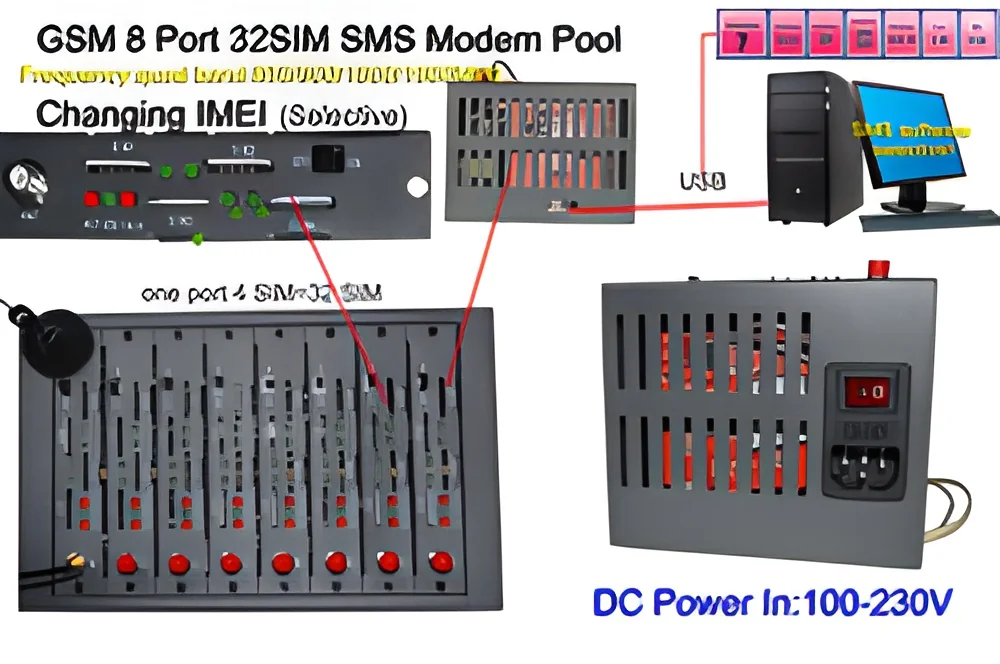
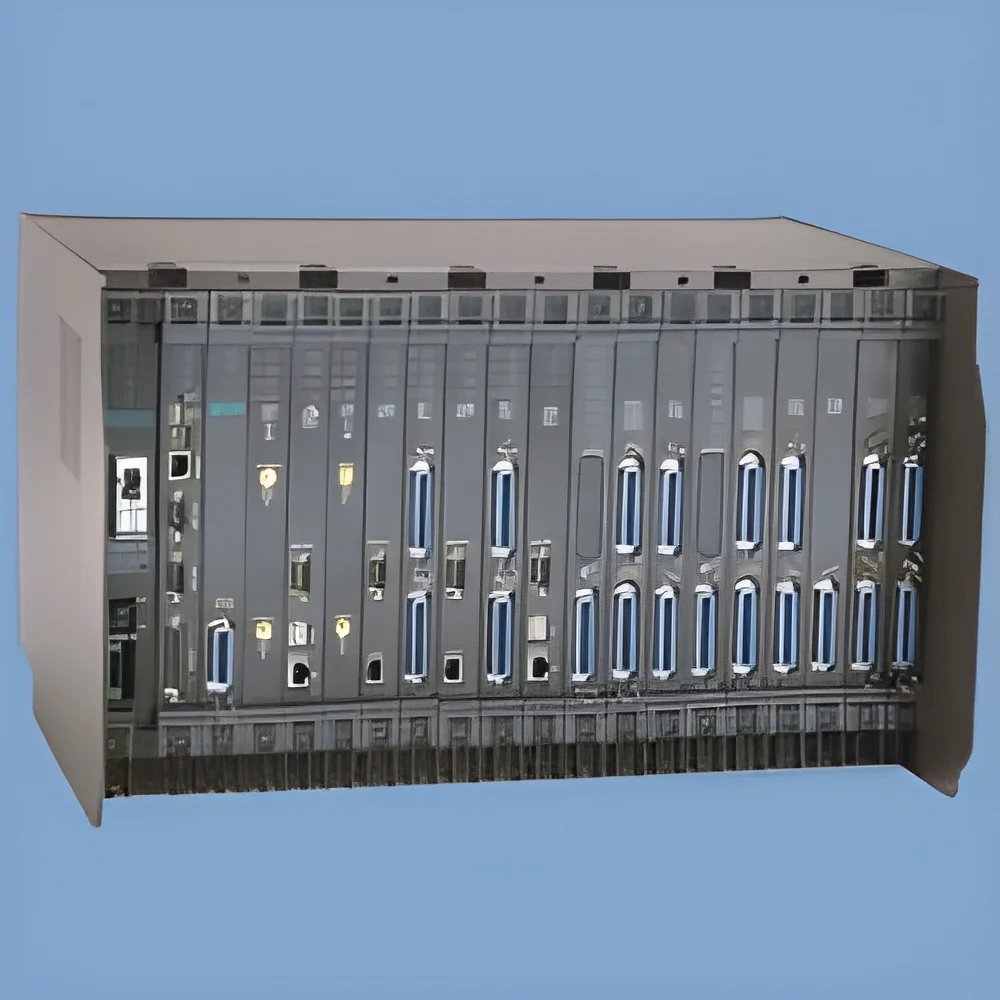
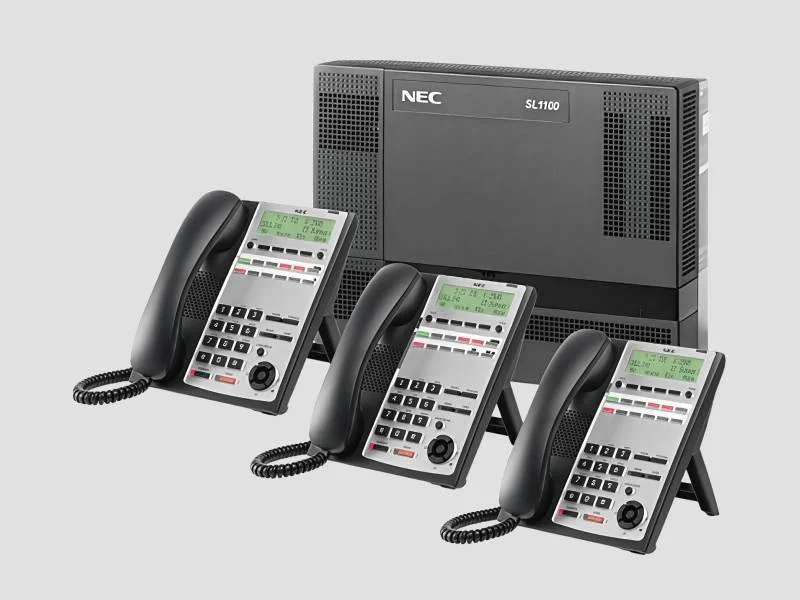
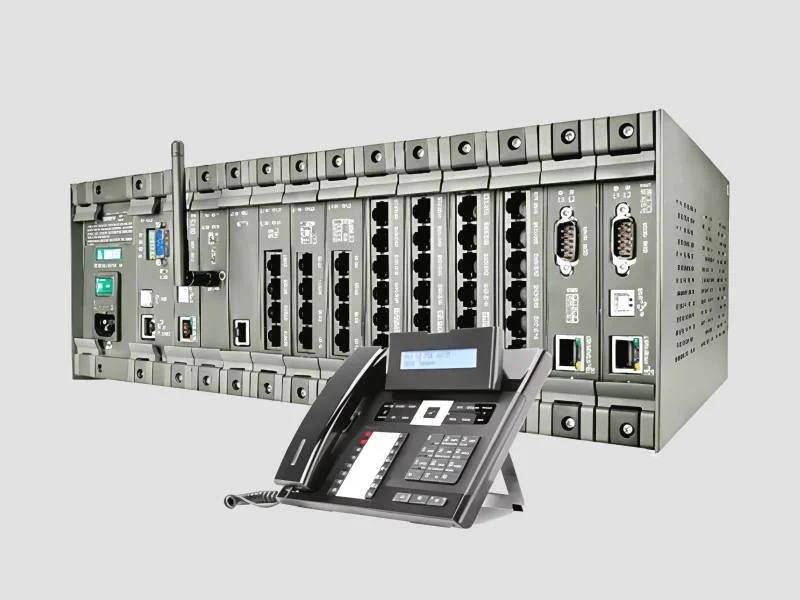
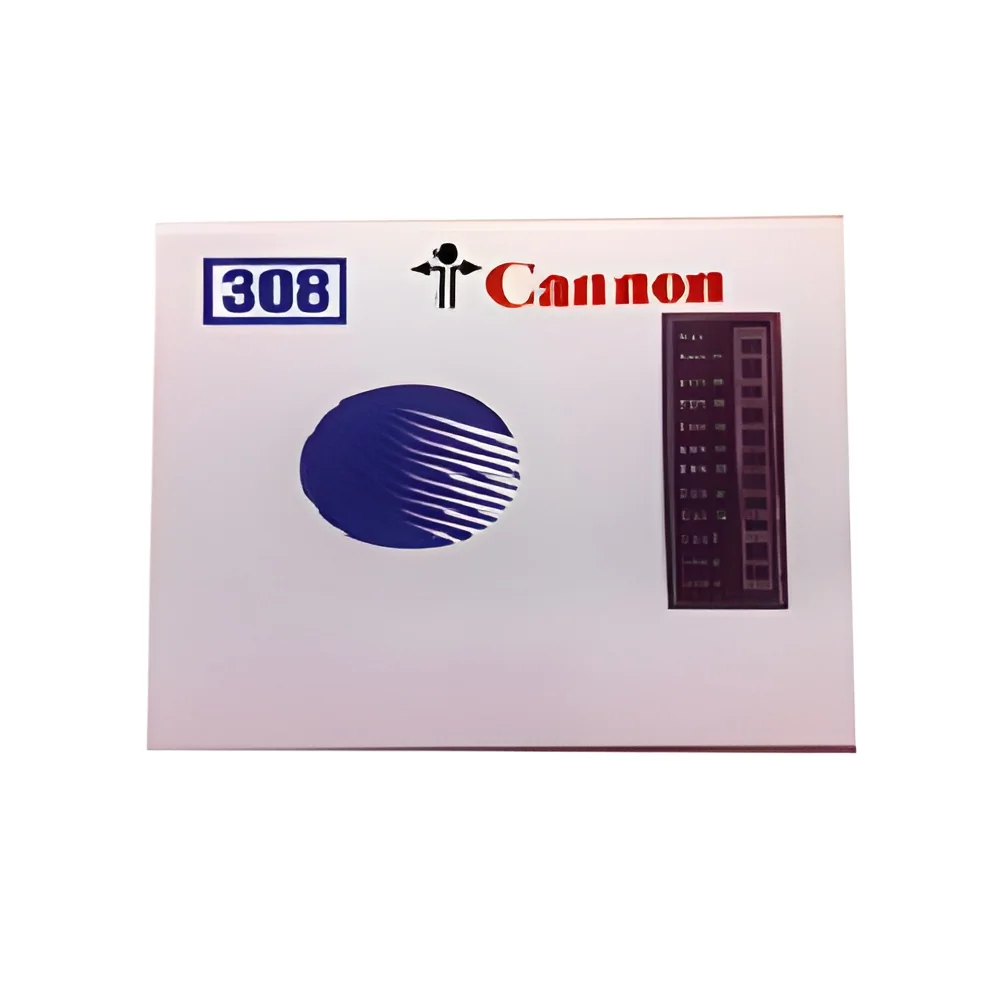
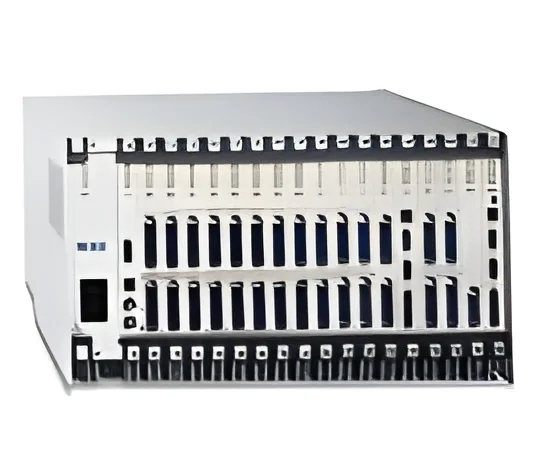
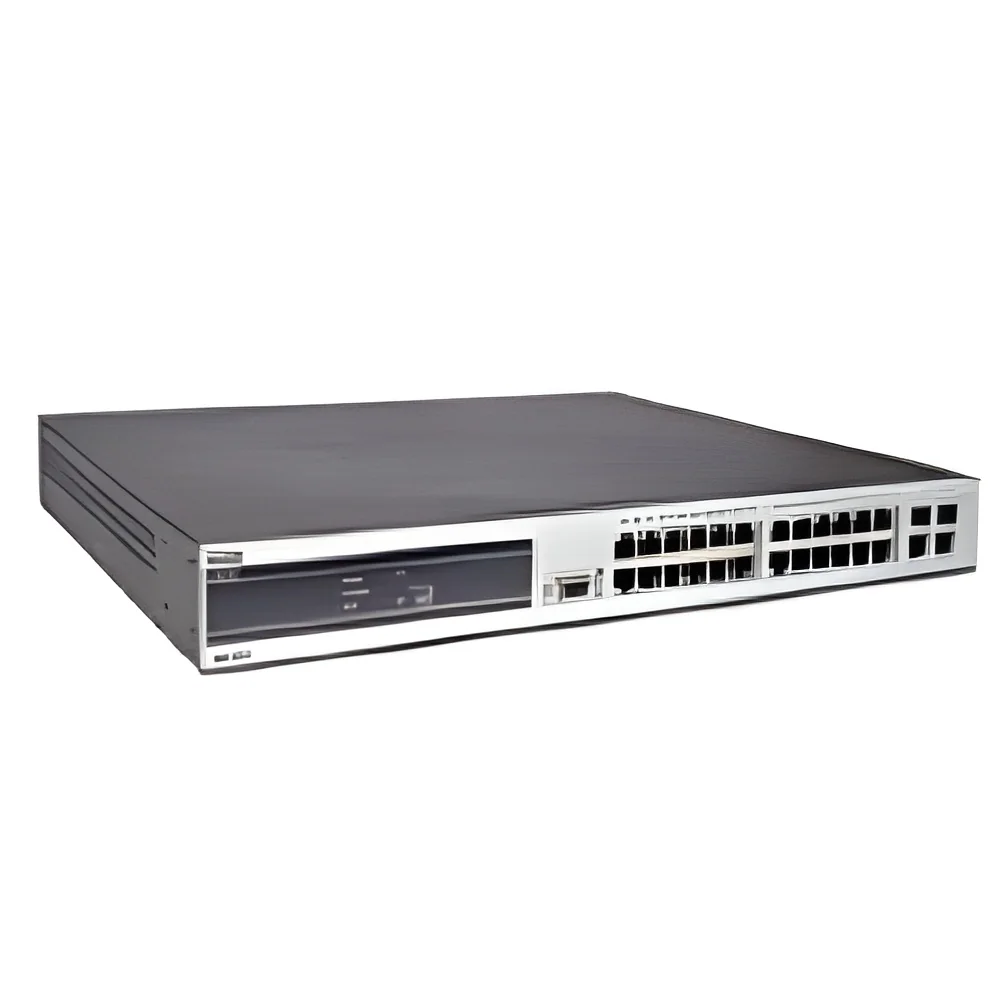
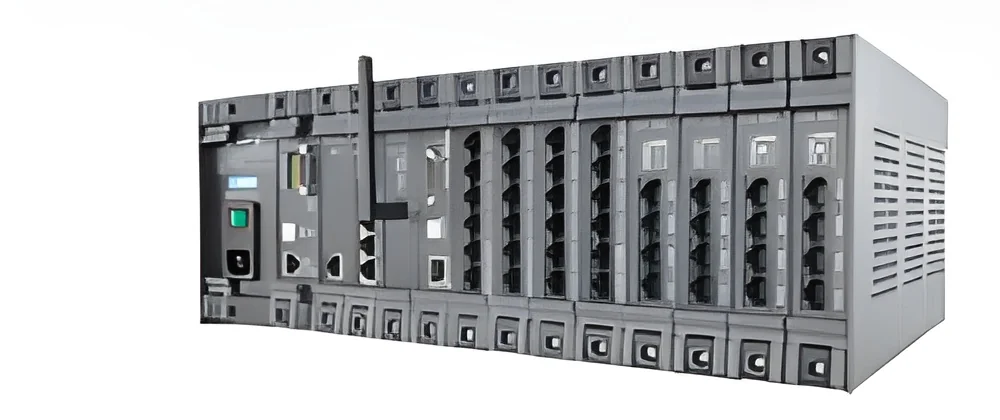
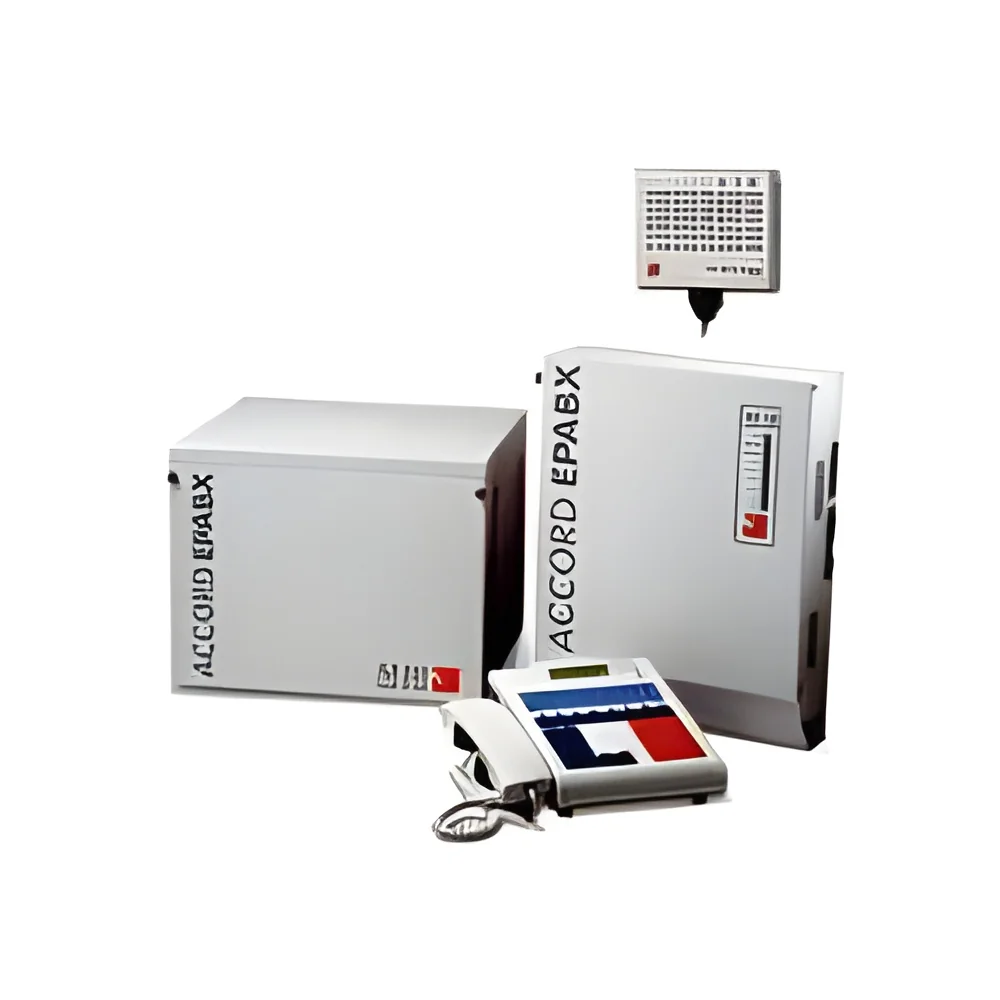
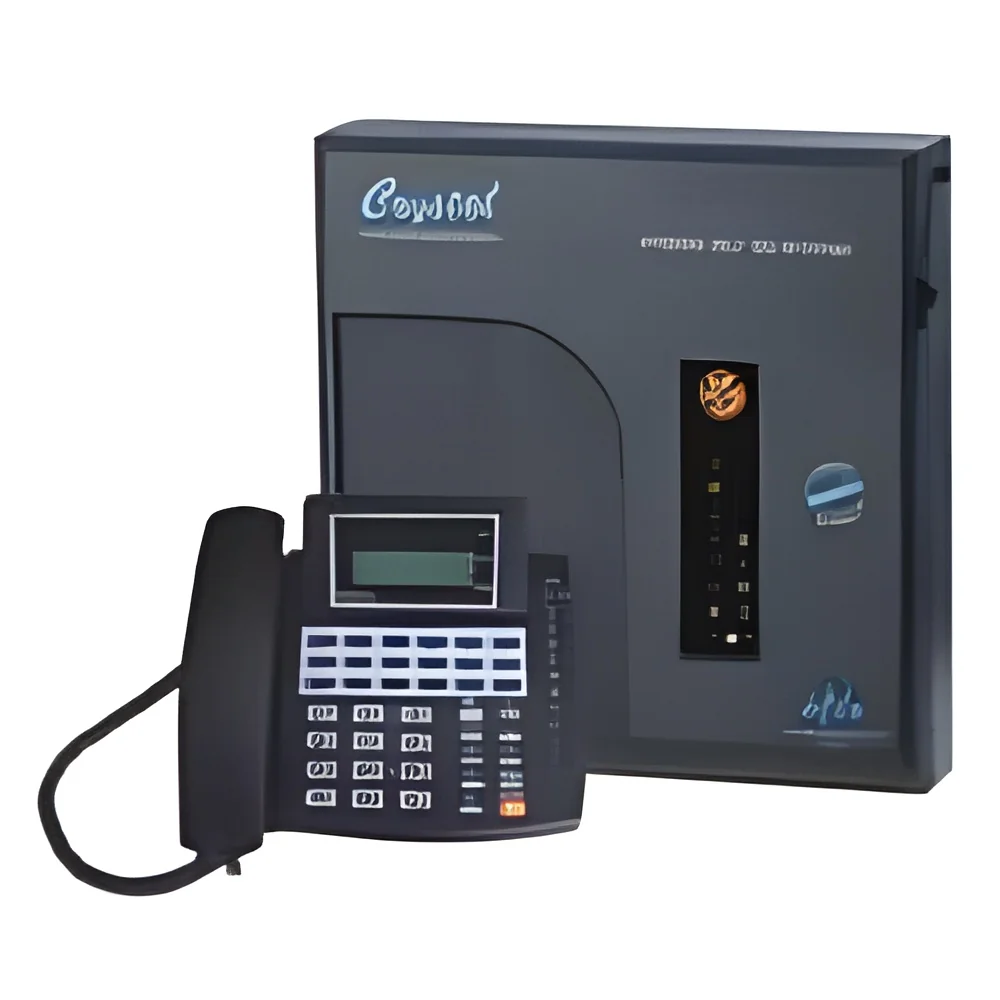
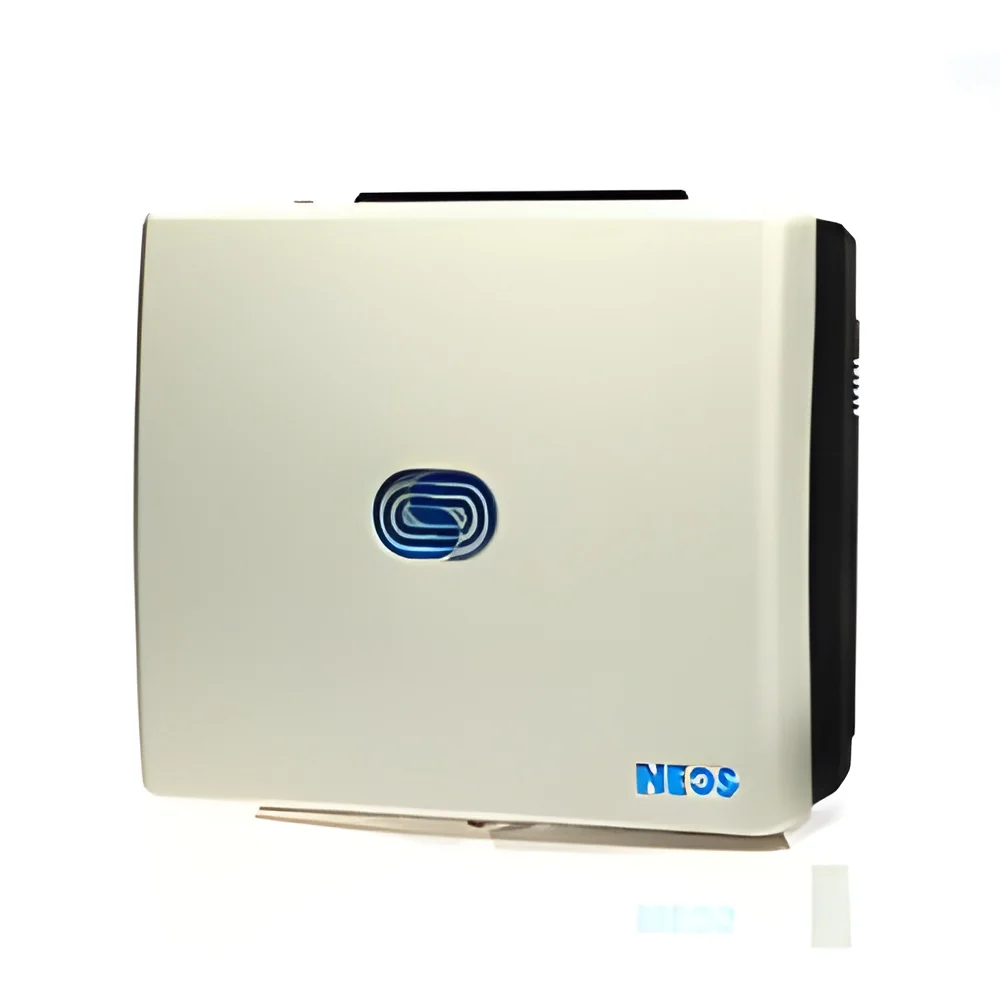
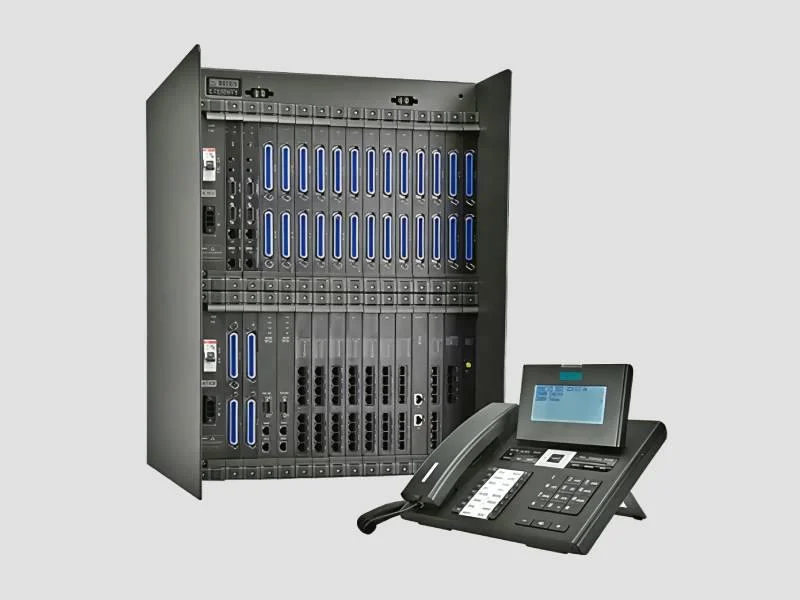
What are PBX Systems?
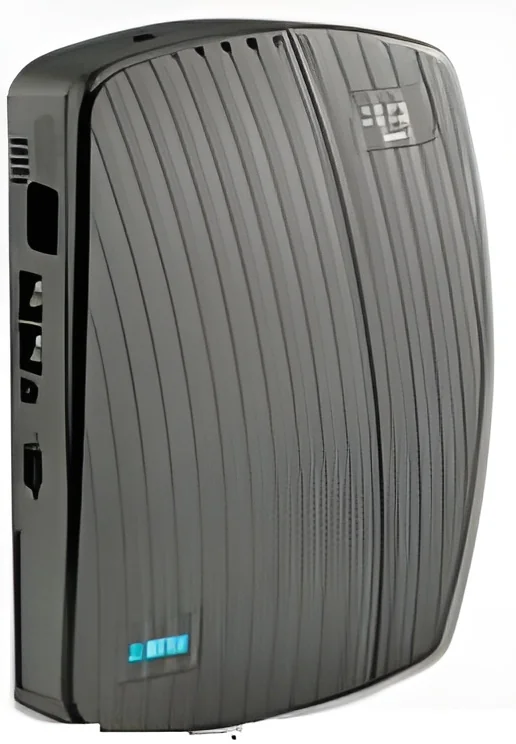
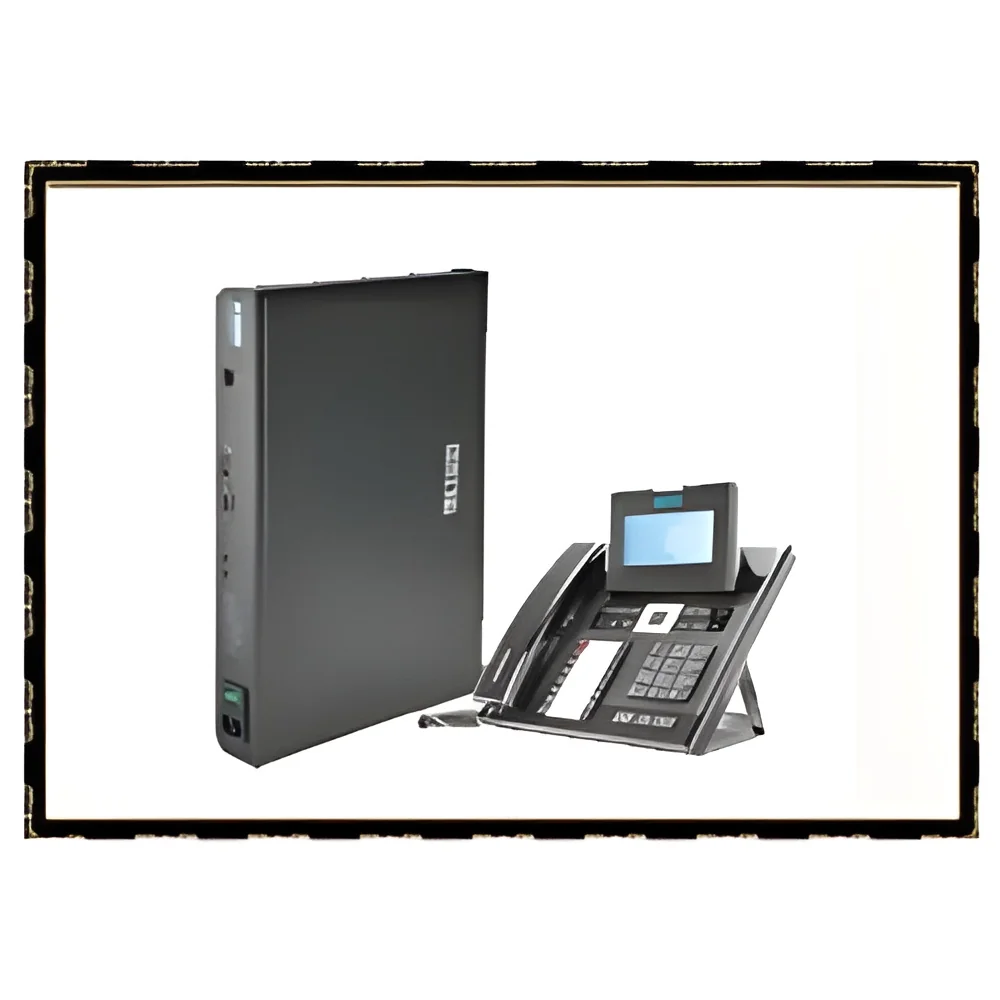
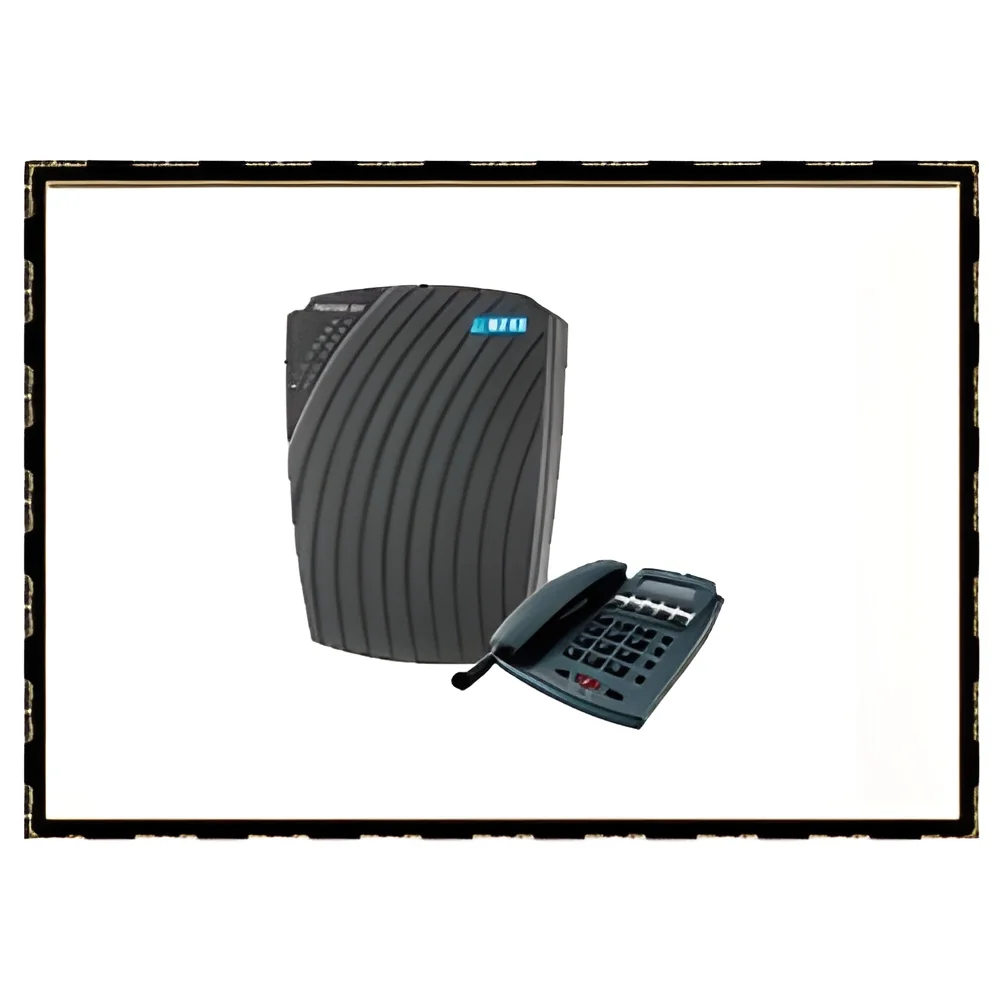
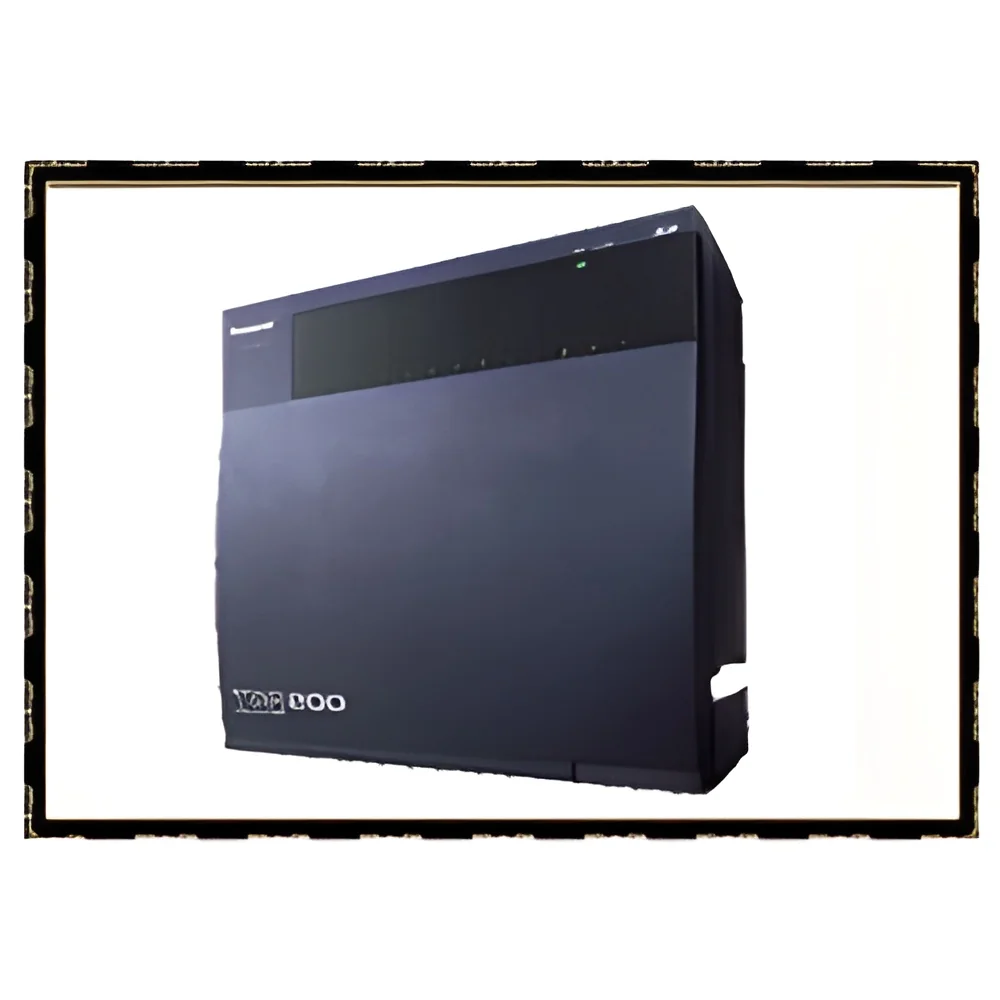
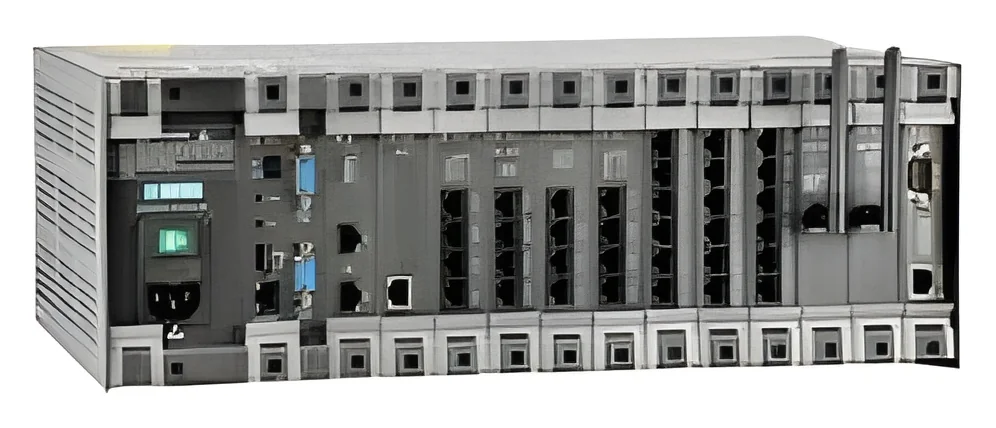
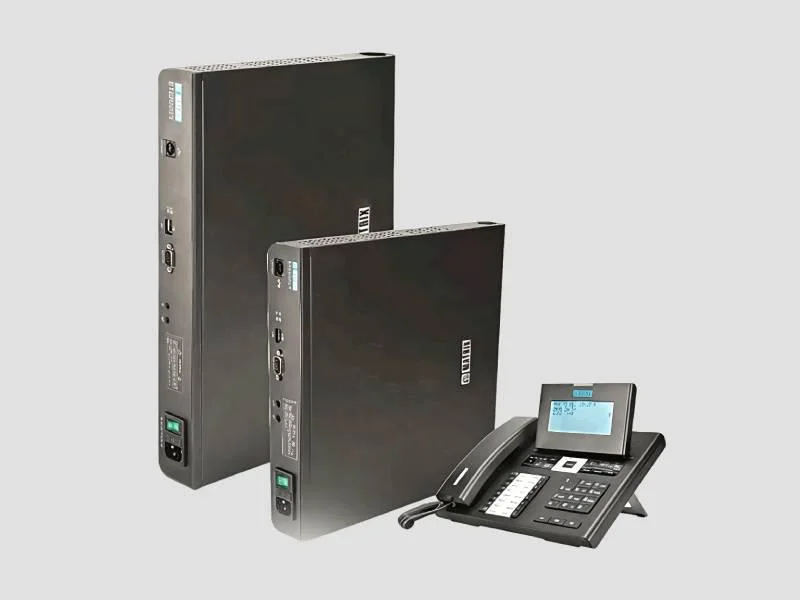
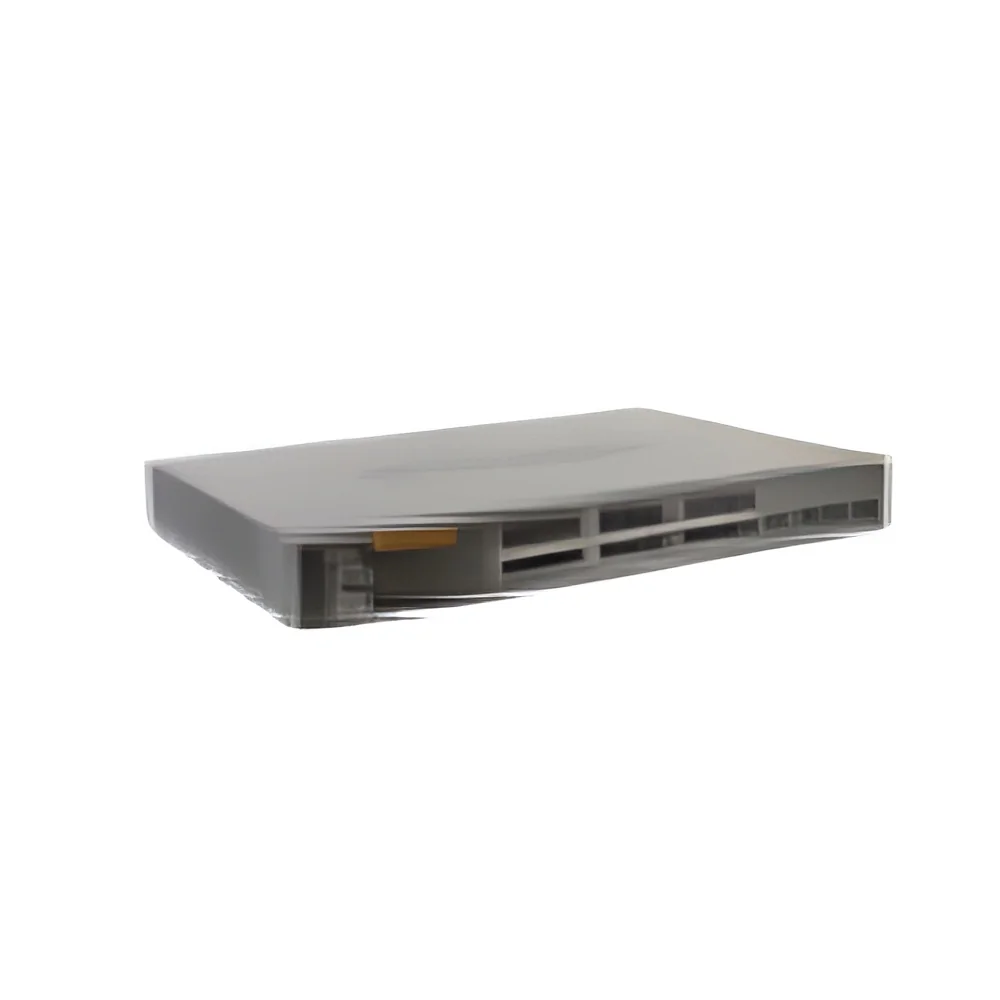
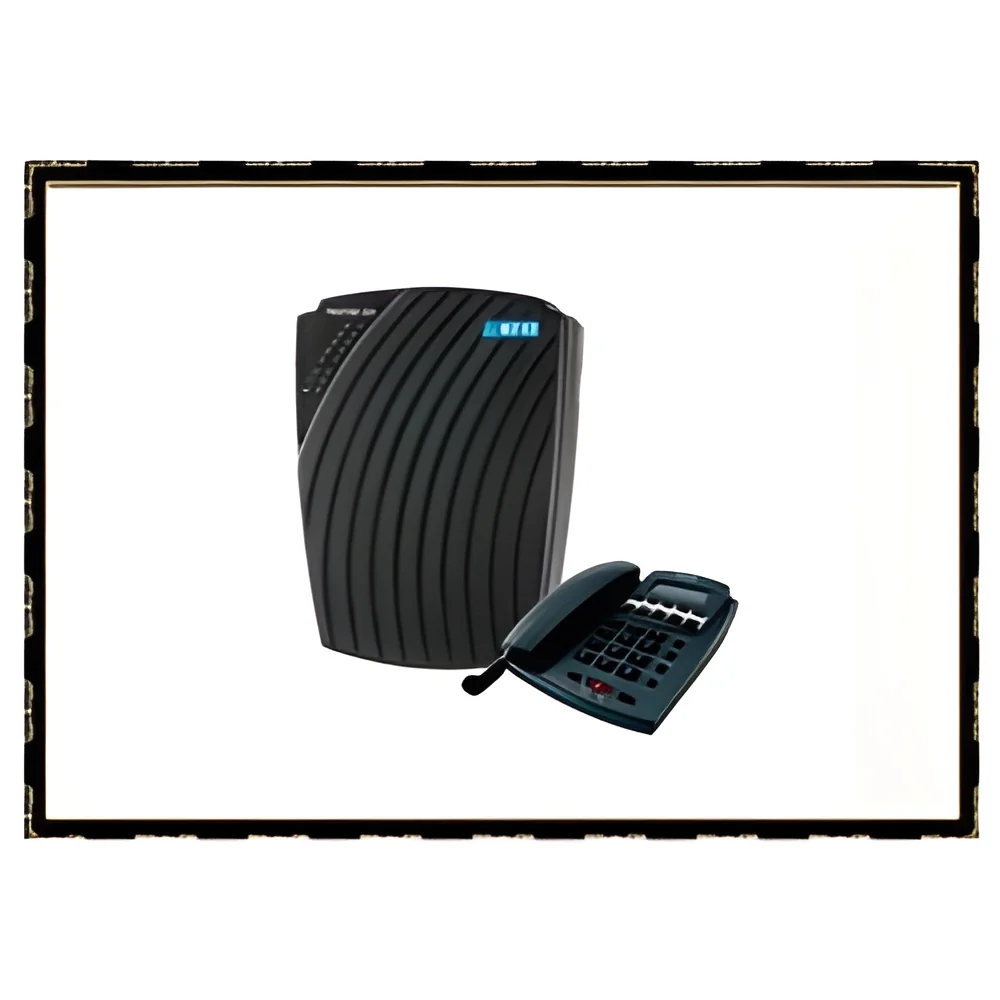
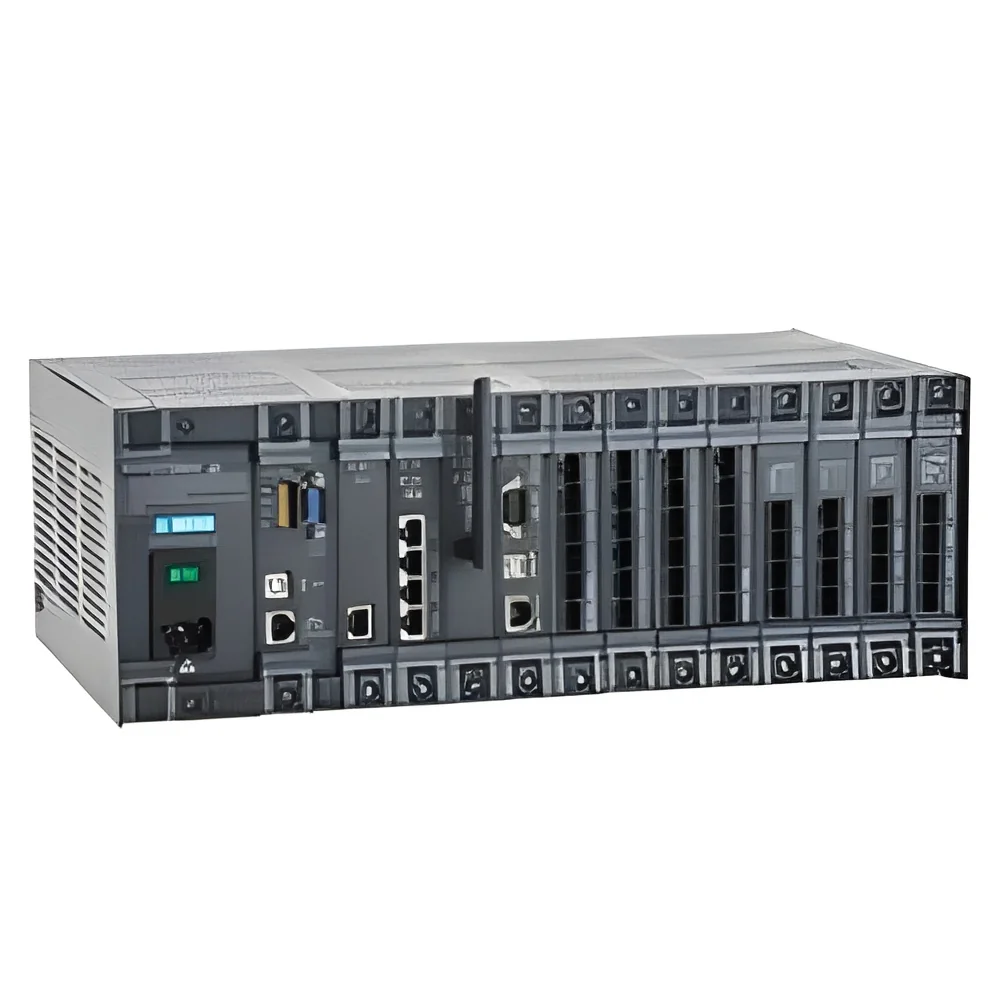
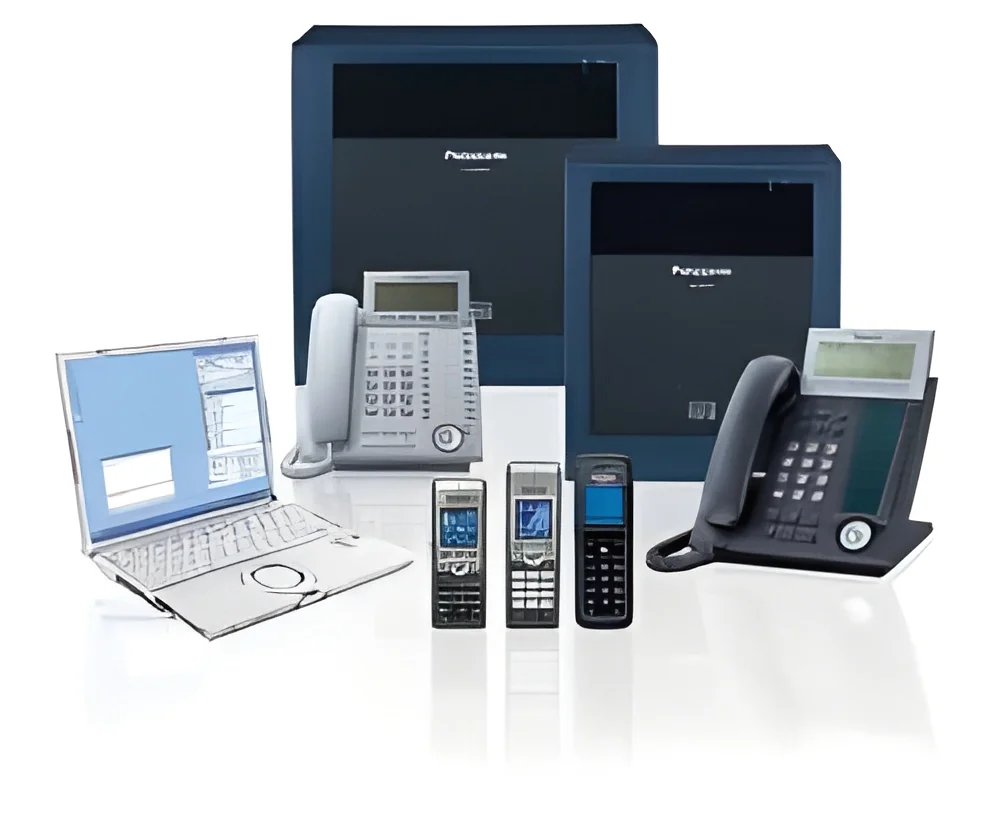
PBX, or Private Branch Exchange, systems are telecommunication solutions used by businesses to manage incoming and outgoing calls. These systems provide a private telephone network within an organization, allowing internal communication among employees while also facilitating external calls. PBX systems can be hardware-based (traditional PBX) or software-based (IP PBX), and they include features such as call routing, voicemail, and conference calling.
In a business context, PBX systems are critical for enhancing communication efficiency. They are commonly used in various industries, including finance, healthcare, and hospitality, where seamless communication is vital for operations. By centralizing call management, businesses can reduce costs, improve customer service, and streamline workflows. This technology has evolved significantly with the advent of VoIP (Voice over Internet Protocol), which allows businesses to leverage internet connectivity for telephony services.
The market for PBX systems has grown as companies increasingly recognize the value of effective communication solutions. As remote work and digital communication become more prevalent, the demand for flexible and scalable PBX systems continues to rise. This trend indicates a shift towards more advanced systems that can integrate with other business tools and enhance overall productivity.
Key Features and Specifications
PBX systems come with a range of features and specifications designed to meet diverse business needs. Understanding these specifications is essential for selecting the right system for your organization.
Key specifications include:
1. Call Handling Capacity
- The number of simultaneous calls the system can handle.
- Technical parameters can vary widely, often ranging from 10 to several hundred calls.
2. Voicemail Features
- Options for voicemail-to-email, voicemail management, and personalized greetings.
- Many systems offer centralized voicemail access for ease of use.
3. Call Routing Options
- Features such as automated attendants and call queues.
- Ability to route calls based on time, caller ID, or department.
4. Integration Capabilities
- Compatibility with CRM systems, email platforms, and other business applications.
- Seamless integration can enhance productivity and data management.
5. Remote Access
- Options for remote users to connect via mobile apps or softphones.
- Important for businesses with remote or hybrid work models.
6. Scalability
- Ability to add or remove lines and features as the business grows.
- Flexibility to adapt to changing business requirements.
7. Security Features
- Options for encryption, secure access protocols, and firewalls.
- Critical for protecting sensitive communication data.
8. User Interface
- Intuitive design for easy navigation and management.
- User-friendly dashboards can enhance the overall user experience.
In summary, the features and specifications of PBX systems play a crucial role in determining their effectiveness in meeting business communication needs.
Common Applications and Use Cases
PBX systems are versatile and find applications across various industries.
1. Healthcare: Hospitals and clinics use PBX systems to manage patient calls, streamline communication between departments, and ensure quick access to critical information.
2. Finance: Banks and financial institutions rely on PBX systems for secure communication, customer service support, and efficient call management during peak hours.
3. Hospitality: Hotels and resorts utilize PBX systems to enhance guest services, manage internal communications, and facilitate service requests through direct dialing.
4. Education: Schools and universities implement PBX systems to manage communications among staff, students, and parents, while also supporting remote learning environments.
5. Retail: Retail businesses use PBX systems to handle customer inquiries, manage order processing, and maintain effective communication between stores and headquarters.
6. Real Estate: Real estate agencies benefit from PBX systems for managing client communications, scheduling appointments, and facilitating team collaborations.
7. IT Services: Technology companies utilize PBX systems to support client interactions, project management communications, and internal collaboration among remote teams.
Product Variants and Subcategories
PBX systems come in various forms to cater to different business needs and preferences.
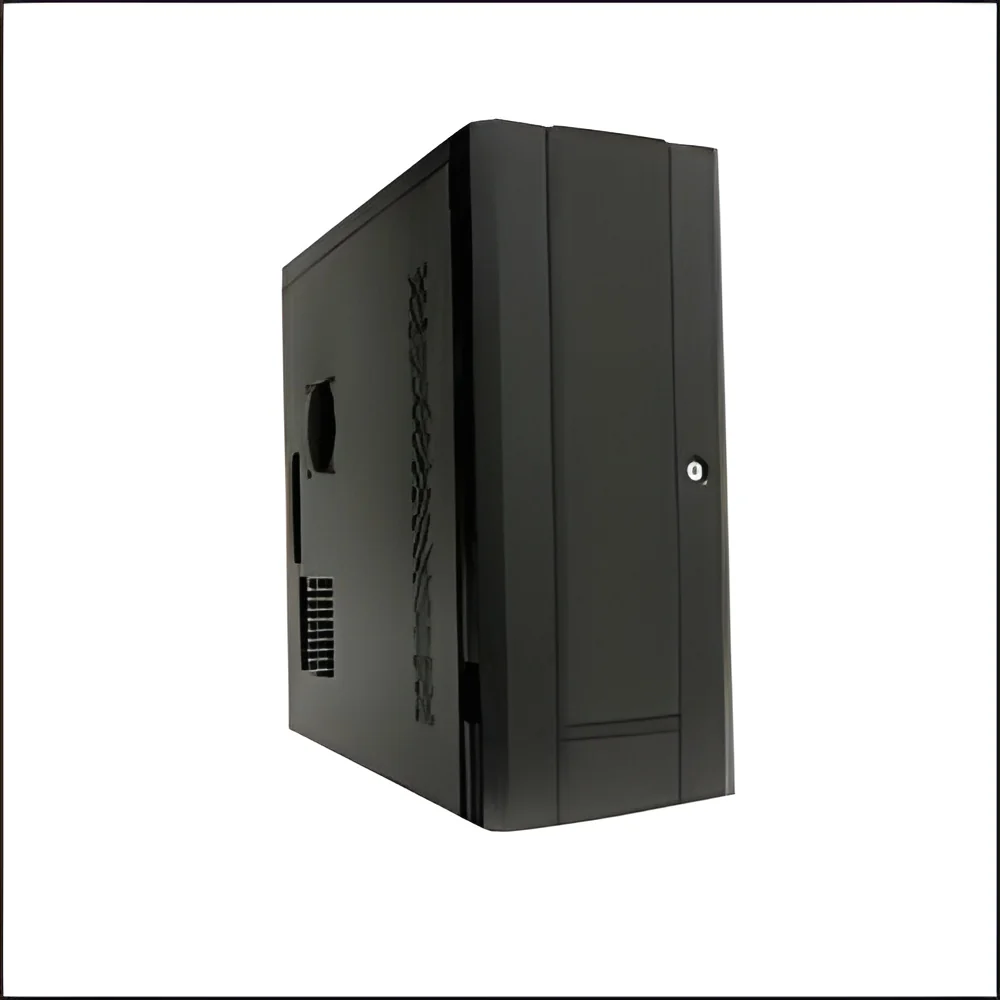
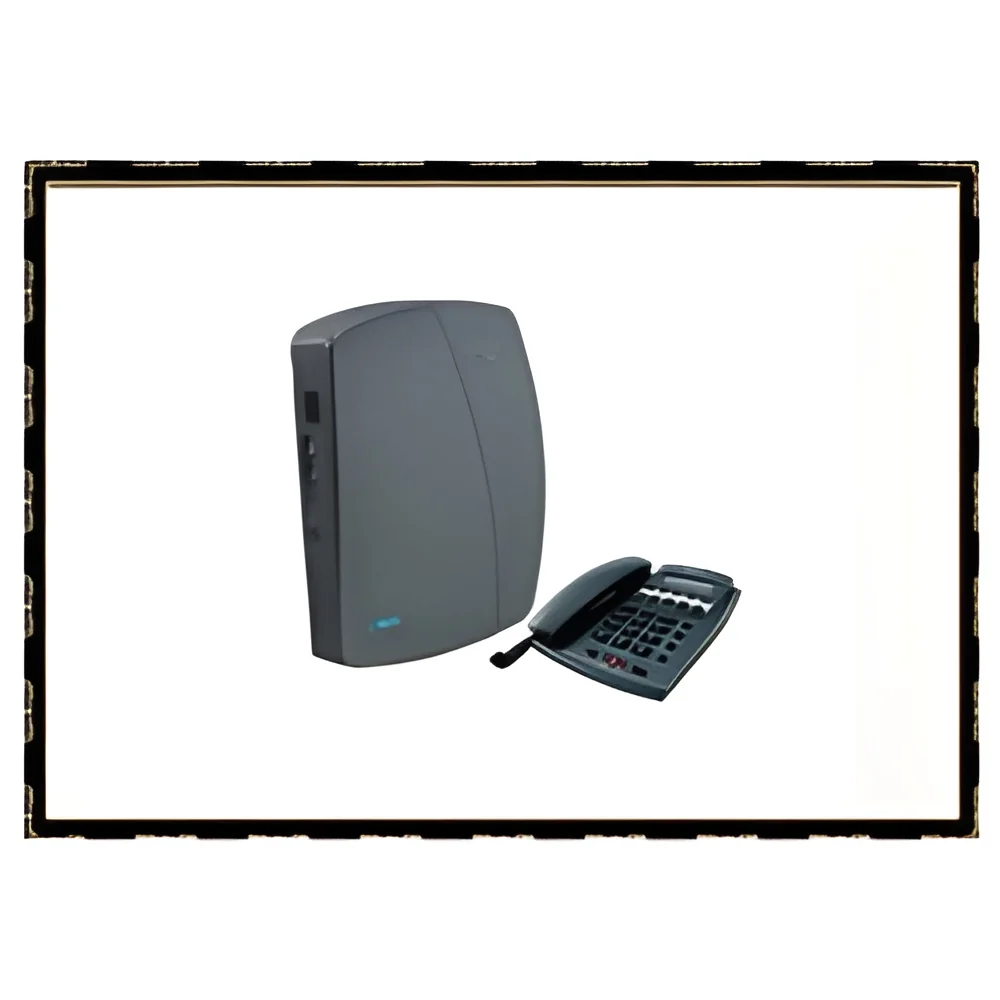
Traditional PBX Systems: These are hardware-based systems that require on-site installation and maintenance. They are suitable for businesses that prefer a physical infrastructure for their telecommunication needs.
IP PBX Systems: These systems utilize internet protocols to manage calls, allowing for greater flexibility and features such as video conferencing. They are ideal for businesses looking to leverage VoIP technology.
Virtual PBX Systems: A cloud-based solution that requires no physical hardware, virtual PBX systems offer scalability and ease of use, making them suitable for startups and small businesses.
Benefits and Advantages
Investing in a PBX system provides numerous benefits for businesses.
1. Cost Efficiency: PBX systems can significantly reduce communication costs, especially for long-distance calls and international connections.
2. Enhanced Communication: These systems improve internal and external communication, facilitating better collaboration and customer interaction.
3. Scalability: PBX systems can grow with your business, allowing you to add features and lines as needed without major overhauls.
4. Improved Customer Service: With features like call routing and automated attendants, businesses can provide faster and more efficient service to customers.
5. Flexibility: The ability to integrate with various business applications enhances operational flexibility and supports remote work environments.
6. Security: Modern PBX systems often come with advanced security features to protect sensitive communication and data from breaches.
Buying Guide for B2B Buyers
When sourcing PBX systems, several factors should be taken into account to ensure a suitable choice for your organization.
1. Quality Assessment: Evaluate the system's durability, performance, and feature set. Seek solutions that offer reliable service and meet your specific communication needs.
2. Supplier Verification: Vet potential suppliers to ensure they have a good reputation and provide quality products. Check reviews and request references if necessary.
3. Pricing and MOQ: Understand the pricing structure and minimum order quantities. Compare costs among different suppliers to ensure you receive value for your investment.
4. Delivery and Lead Times: Consider logistics and delivery schedules. Ensure that the supplier can meet your deadlines for installation and setup.
5. Compliance Requirements: Verify that the PBX system meets any relevant industry regulations and compliance standards. This may include data protection and telecommunication guidelines.
Compliance and Certifications
PBX systems are subject to various quality standards and certifications that ensure their reliability and safety. For instance, many PBX products adhere to ISO 9001 standards, which focus on quality management systems and continuous improvement. Compliance with such standards is crucial for guaranteeing that the products meet customer and regulatory requirements.
Additionally, many PBX systems are certified with CE markings, indicating conformity with European health, safety, and environmental protection standards. This certification is essential for businesses operating in Europe or those looking to enter the European market.
Safety and testing requirements also play a vital role in the production and operation of PBX systems. Manufacturers must ensure that their products meet regional compliance considerations and pass necessary testing to confirm their functionality and safety.
Why Source PBX Systems from Pepagora?
Pepagora provides a trusted platform for sourcing PBX systems, offering numerous advantages to B2B buyers.
Verified Supplier Network: Pepagora connects buyers with a network of verified suppliers, ensuring that businesses can find reliable partners for their telecommunication needs. This verification process reduces the risk of subpar products and services.
Streamlined RFQ Process: The platform simplifies the request for quotation process, allowing buyers to easily compare options and make informed decisions. This efficiency saves time and enhances the procurement experience.
Trade Assurance and Support: Pepagora offers trade assurance to protect buyers in their transactions. This includes support throughout the purchasing process, ensuring that any concerns are addressed promptly.
Regional Coverage: With a focus on markets in India, the GCC, and Southeast Asia, Pepagora provides extensive regional coverage, making it easier for businesses to connect with suppliers that meet their specific needs. This geographic reach enhances the accessibility of quality PBX systems across different regions.

 IN
IN