What are VoIP Phones?
VoIP phones, or Voice over Internet Protocol phones, are communication devices that utilize the internet to transmit voice data. Unlike traditional telephone systems that rely on circuit-switched networks, VoIP phones convert analog voice signals into digital data packets. These packets are then transmitted over the internet, allowing for voice communication over long distances with reduced costs and increased flexibility.
VoIP phones are primarily used in business environments to facilitate communication among employees, clients, and partners. They enable features such as call forwarding, voicemail, and conferencing, which enhance productivity and collaboration. Many businesses adopt VoIP technology to streamline their telecommunications and reduce operating costs, particularly with regards to long-distance and international calls. The growing trend of remote work has further increased the relevance of VoIP phones in modern office setups.
In the context of the telecommunications market, VoIP technology is rapidly gaining traction. With the advancement of internet infrastructure and increased internet penetration, many organizations are transitioning from traditional phone systems to VoIP solutions. This shift underscores the importance of VoIP phones in enhancing business communication and reflects a broader trend towards digital solutions in various industries.
Key Features and Specifications
VoIP phones come equipped with a range of features and specifications that cater to the needs of businesses. These devices not only provide basic calling capabilities but also offer advanced functionalities that enhance user experience and operational efficiency.
Key specifications include:
1. Voice Quality
- HD voice quality for clearer conversations
- Low latency and jitter for seamless communication
2. Connectivity Options
- Ethernet ports for wired connections
- Wi-Fi compatibility for wireless connectivity
3. Display Type
- LCD screens for easy navigation and visibility
- Color displays for enhanced user interface
4. Power Options
- Power over Ethernet (PoE) support for easier installation
- Optional AC power adapter for flexibility
5. Security Features
- Encryption protocols to ensure secure communications
- Network protection mechanisms against unauthorized access
6. User Interface
- Intuitive menus for easy operation
- Customizable settings for individual user preferences
7. Conference Calling
- Support for multi-party calls to facilitate group discussions
- Dedicated conference buttons for quick access
8. Compatibility
- Interoperability with various VoIP services and systems
- Integration capabilities with business applications
In summary, VoIP phones are designed to enhance communication efficiency with a variety of features that cater to modern business needs.
Common Applications and Use Cases
VoIP phones find applications across various industries, serving diverse communication needs.
1. Corporate Offices: VoIP phones are widely used in corporate settings for internal and external communications. They enable efficient collaboration through features like video conferencing and call transfer.
2. Call Centers: In call centers, VoIP technology allows for the management of large volumes of calls. Features such as automatic call distribution and real-time monitoring enhance customer service.
3. Healthcare: VoIP phones are used in healthcare facilities to improve communication between staff and patients. They facilitate quick access to information and enable telemedicine services.
4. Education: Educational institutions utilize VoIP phones for communication among faculty, staff, and students. Features like voicemail and conferencing support collaborative learning environments.
5. Retail: Retail businesses leverage VoIP phones for customer service and internal communication. They enable quick resolution of inquiries and improve customer engagement.
6. Hospitality: In the hospitality industry, VoIP phones enhance guest services by providing direct communication channels for inquiries and support.
7. Remote Work: With the rise of remote work, VoIP phones are essential for maintaining communication between remote employees and their teams, ensuring business continuity.
Product Variants and Subcategories
VoIP phones come in a variety of types, each designed to meet specific needs within different business environments.
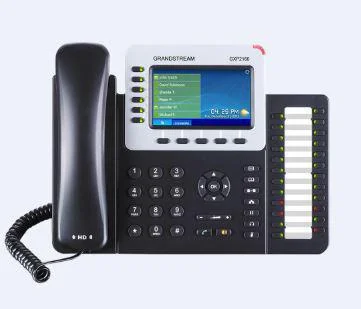
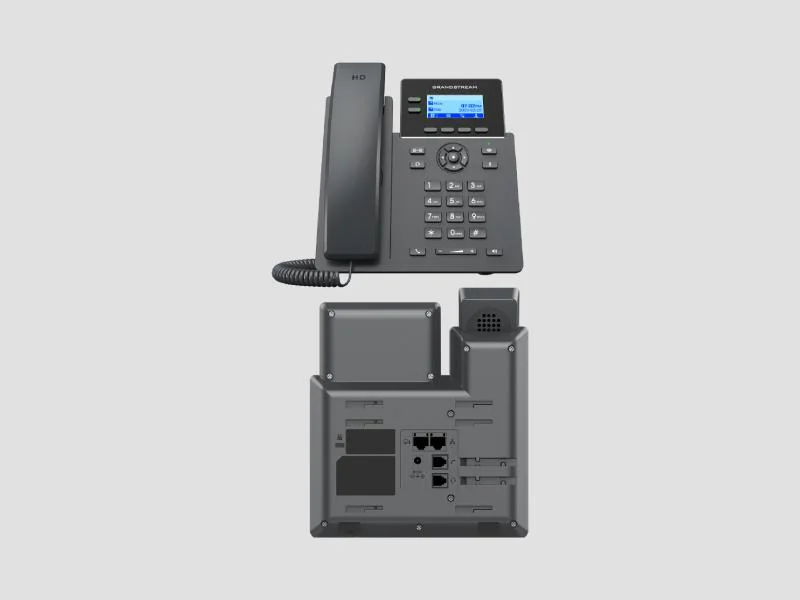
Desktop VoIP Phones: These are traditional-looking phones that connect directly to the internet or a network switch. They are ideal for office settings and typically include features like large displays and programmable keys.
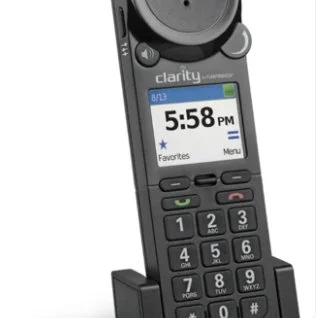
Wireless VoIP Phones: These models operate over Wi-Fi, providing mobility within the office. They are perfect for businesses where employees require flexibility and the ability to move around while on calls.
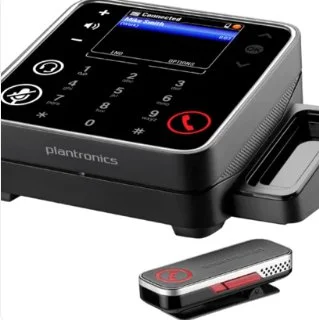
Conference Phones: Designed specifically for conference rooms, these phones have enhanced microphone and speaker capabilities to facilitate group calls. They often include features like noise cancellation and wideband audio.
Softphones: Softphones are software applications that allow users to make calls using their computers or mobile devices. They are useful for remote workers and those who prefer not to use traditional hardware.
Benefits and Advantages
VoIP phones offer several benefits that can improve business operations.
1. Cost Savings: VoIP technology reduces costs associated with traditional phone systems, especially for long-distance calls, thus lowering overall telecommunications expenses.
2. Scalability: Businesses can easily scale their VoIP systems by adding or removing lines without significant infrastructure changes, making it cost-efficient as they grow.
3. Enhanced Features: VoIP phones provide advanced features such as call recording, voicemail to email, and unified messaging, improving communication efficiency.
4. Flexibility: Users can make and receive calls from anywhere with an internet connection, enabling remote work and mobility.
5. Improved Collaboration: Features like video conferencing and team messaging enhance collaboration among employees, improving productivity.
6. Easy Integration: VoIP systems can easily integrate with existing business applications, providing a seamless user experience.
Buying Guide for B2B Buyers
When sourcing VoIP phones for your business, several factors should be considered to ensure you make an informed decision.
1. Quality Assessment: Look for VoIP phones that meet high-quality standards in voice clarity and reliability. Review user feedback and product specifications to gauge performance.
2. Supplier Verification: Vet suppliers thoroughly to ensure they offer reliable products and support. Check for certifications and industry reputation before making a purchase.
3. Pricing and MOQ: Understand the pricing structure and minimum order quantities (MOQ) before committing. Compare offers from different suppliers to find competitive rates.
4. Delivery and Lead Times: Inquire about delivery timelines and logistics to ensure that your VoIP phones arrive on schedule. Factor in any potential delays that may affect your operations.
5. Compliance Requirements: Ensure that the VoIP phones comply with industry standards and regulations. This may include certifications like CE and other relevant quality measures.
Compliance and Certifications
VoIP phones must adhere to specific quality standards and certifications to ensure reliability and safety. Common standards include ISO 9001, which outlines requirements for quality management systems, ensuring manufacturers maintain consistent product quality.
Industry certifications like CE indicate that the products meet European safety, health, and environmental protection standards. Compliance with these standards not only assures product quality but also builds trust with customers.
Additionally, safety and testing requirements are essential to ensure that VoIP phones operate effectively and securely within their intended environments. Businesses should also consider regional compliance needs, which may vary based on local regulations and market demands.
Why Source VoIP Phones from Pepagora?
Pepagora offers a trusted platform for sourcing VoIP phones, providing several key advantages to B2B buyers.
Verified Supplier Network: Pepagora features a robust network of verified suppliers who meet stringent quality and reliability standards. This ensures that buyers can confidently source their VoIP phones.
Streamlined RFQ Process: The request for quotation (RFQ) system simplifies the sourcing process, allowing buyers to receive competitive quotes directly from suppliers. This efficiency saves time and enhances decision-making.
Trade Assurance and Support: Pepagora provides trade assurance to protect buyers against potential risks in transactions. Dedicated support is available to assist with any inquiries or issues that may arise during the sourcing process.
Regional Coverage: With a strong presence in India, the GCC, and Southeast Asia, Pepagora offers geographic coverage that allows businesses to source VoIP phones tailored to their regional needs. This broad reach enhances accessibility and convenience for buyers looking to enhance their communication capabilities.

 IN
IN