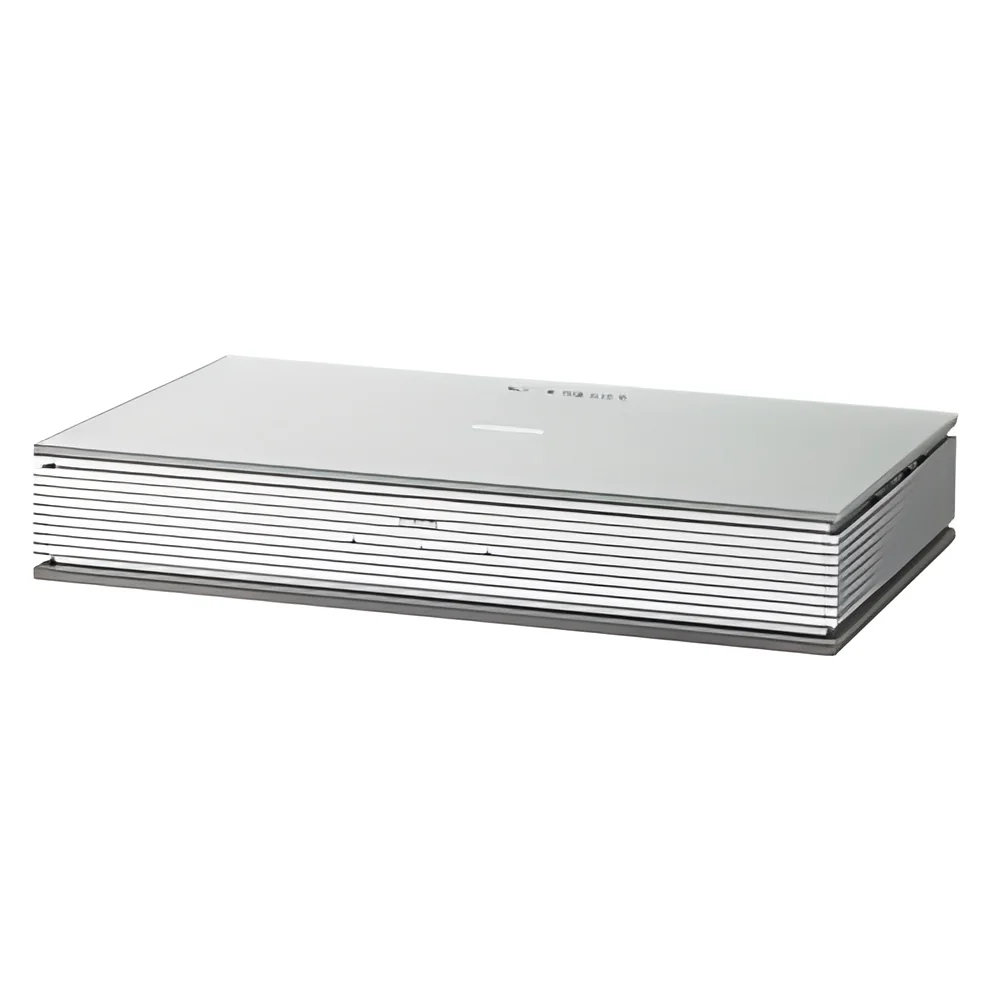
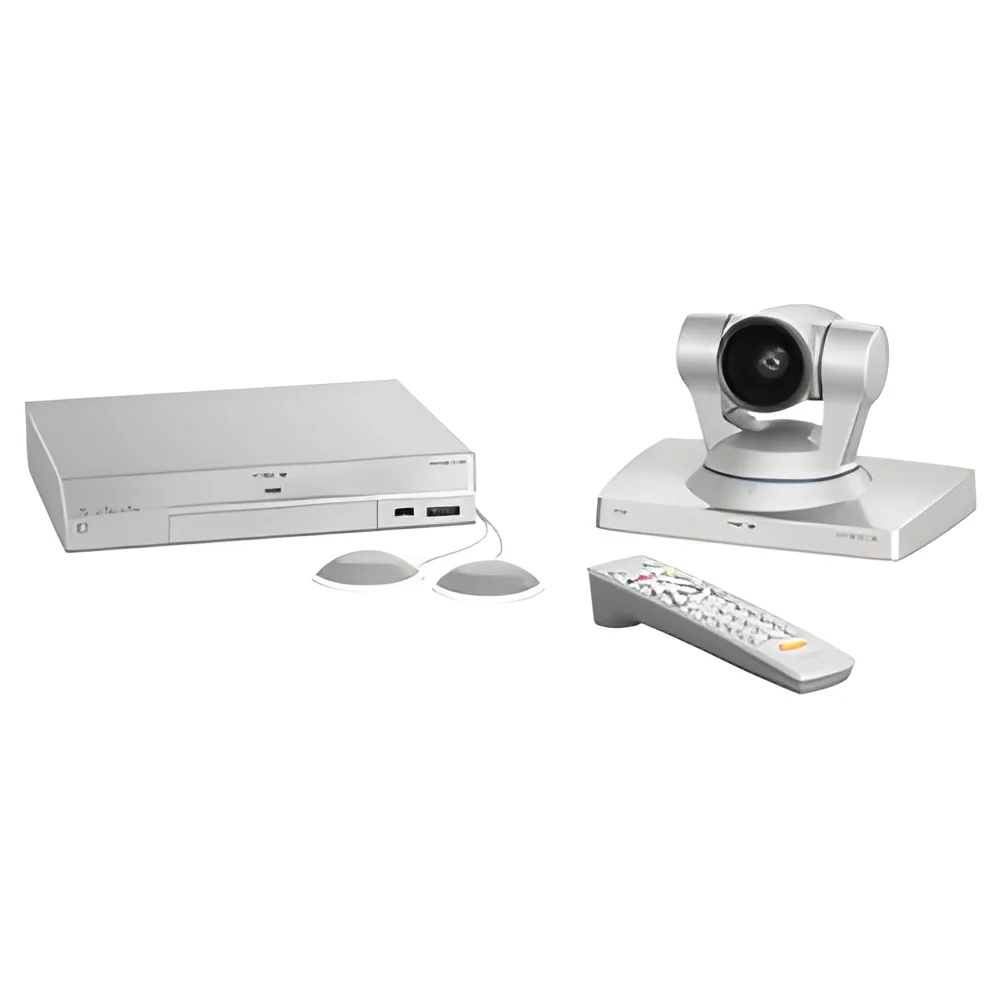
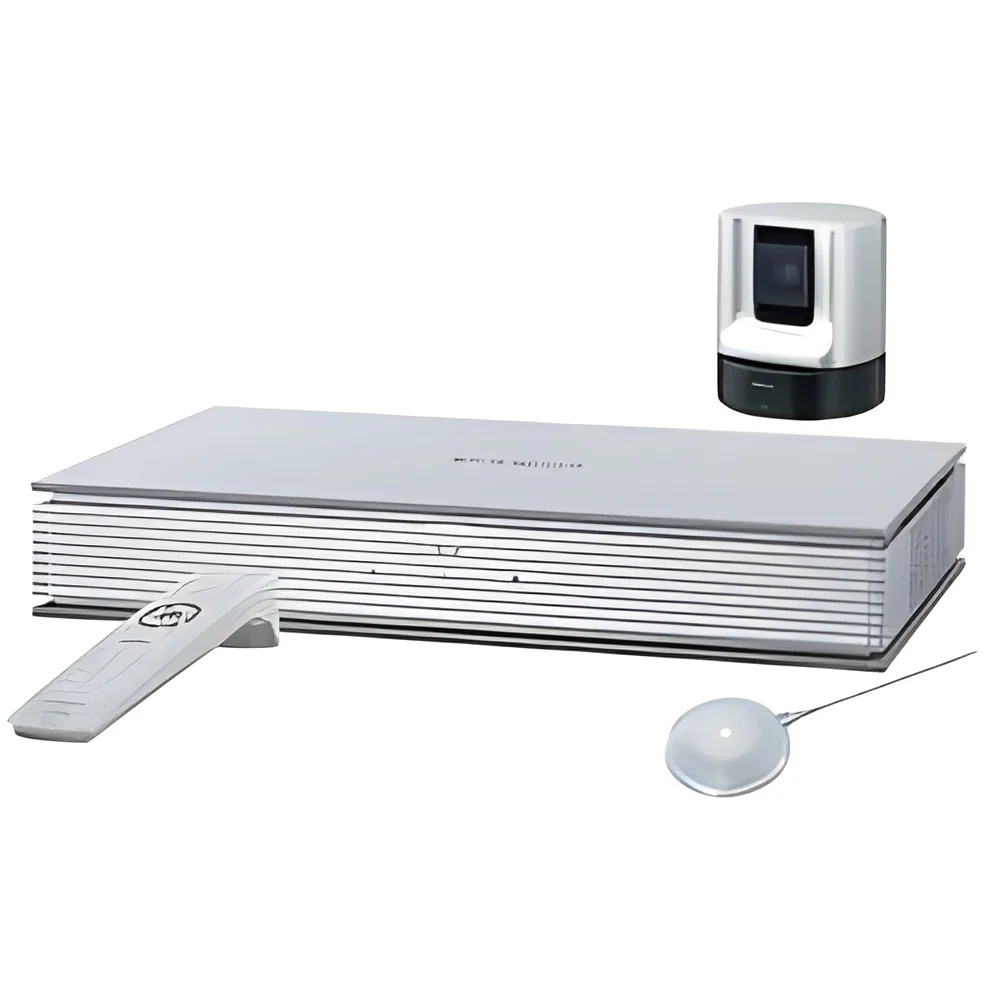
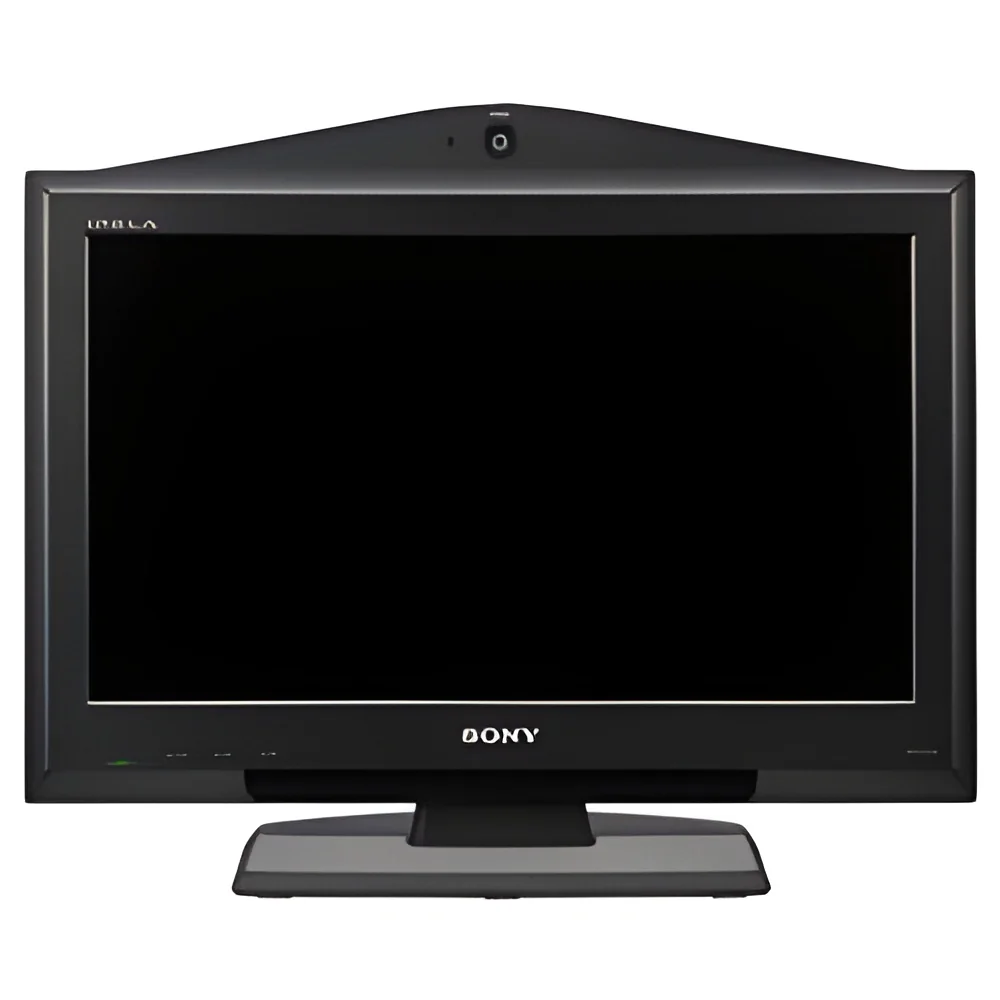
šŖšµš®š š®šæš² š©š¶š±š²š¼ šš¼š»š³š²šæš²š»š°š¶š»š“ š¦šššš²šŗš?
Video conferencing systems are integrated technology solutions that enable virtual meetings through audio and video communication over the Internet. These systems combine hardware and software to facilitate real-time collaboration among participants, regardless of their location. Users can connect via computers, tablets, or dedicated video conferencing devices, making it a versatile choice for businesses.
These systems are primarily used for business communications, training sessions, remote collaboration, and client meetings. They enhance productivity by allowing teams to interact in a face-to-face format without the need for travel. This is particularly beneficial for organizations with distributed teams or clients across different regions. The growing trend of remote work has further increased the relevance of video conferencing systems in various industries, establishing them as essential tools for effective communication.
šš²š šš²š®šššæš²š š®š»š± š¦š½š²š°š¶š³š¶š°š®šš¶š¼š»š
Video conferencing systems come equipped with a range of features designed to enhance user experience and functionality. Key specifications can vary based on the manufacturer and model, but generally include the following.
1. Resolution
- Typically available in HD (720p), Full HD (1080p), and 4K resolutions.
- Higher resolutions provide clearer video quality for a more professional appearance.
2. Audio Quality
- Features such as noise cancellation and echo reduction.
- Microphone sensitivity and speaker quality contribute to clear audio transmission.
3. Connectivity Options
- Support for wired (Ethernet) and wireless (Wi-Fi, Bluetooth) connections.
- Compatibility with various platforms like Zoom, Microsoft Teams, and Google Meet.
4. Camera Features
- Pan-tilt-zoom capabilities for dynamic viewing.
- Wide-angle lenses to capture more participants in a single frame.
5. User Interface
- Intuitive controls for easy navigation and management of meetings.
- Touchscreen interfaces enhance user interaction.
6. Security Features
- Encryption protocols to protect data during transmission.
- User authentication options to restrict access.
7. Integration Capabilities
- Ability to connect with other software and applications.
- API availability for custom integrations.
8. Scalability
- Options for small to large teams, with expandable features as needed.
- Ability to add more participants as organizational requirements grow.
In summary, video conferencing systems are equipped with advanced features that cater to various business needs, ensuring effective communication and collaboration.
šš¼šŗšŗš¼š» šš½š½š¹š¶š°š®šš¶š¼š»š š®š»š± šØšš² šš®šš²š
Video conferencing systems serve a wide array of industries, providing tailored solutions for specific applications.
1. Education: Institutions use video conferencing for remote learning, allowing teachers to conduct classes and engage with students in real-time.
2. Healthcare: Telemedicine applications utilize video conferencing for virtual consultations, enabling doctors to meet with patients without requiring travel.
3. Corporate: Businesses leverage these systems for team meetings, project collaborations, and client presentations, enhancing overall productivity.
4. Legal: Law firms use video conferencing for remote depositions and client meetings, facilitating legal processes without geographical constraints.
5. Government: Agencies utilize video conferencing for public hearings and inter-departmental meetings, improving communication efficiency.
6. Events: Organizations host virtual conferences and webinars using video conferencing technology to reach larger audiences.
7. Sales: Sales teams conduct virtual demos and client meetings to showcase products and services, reducing travel costs.
š£šæš¼š±šš°š š©š®šæš¶š®š»šš š®š»š± š¦ššÆš°š®šš²š“š¼šæš¶š²š
Video conferencing systems come in various forms to meet diverse organizational needs.
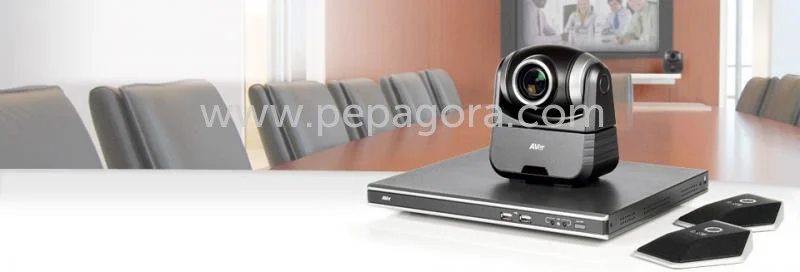
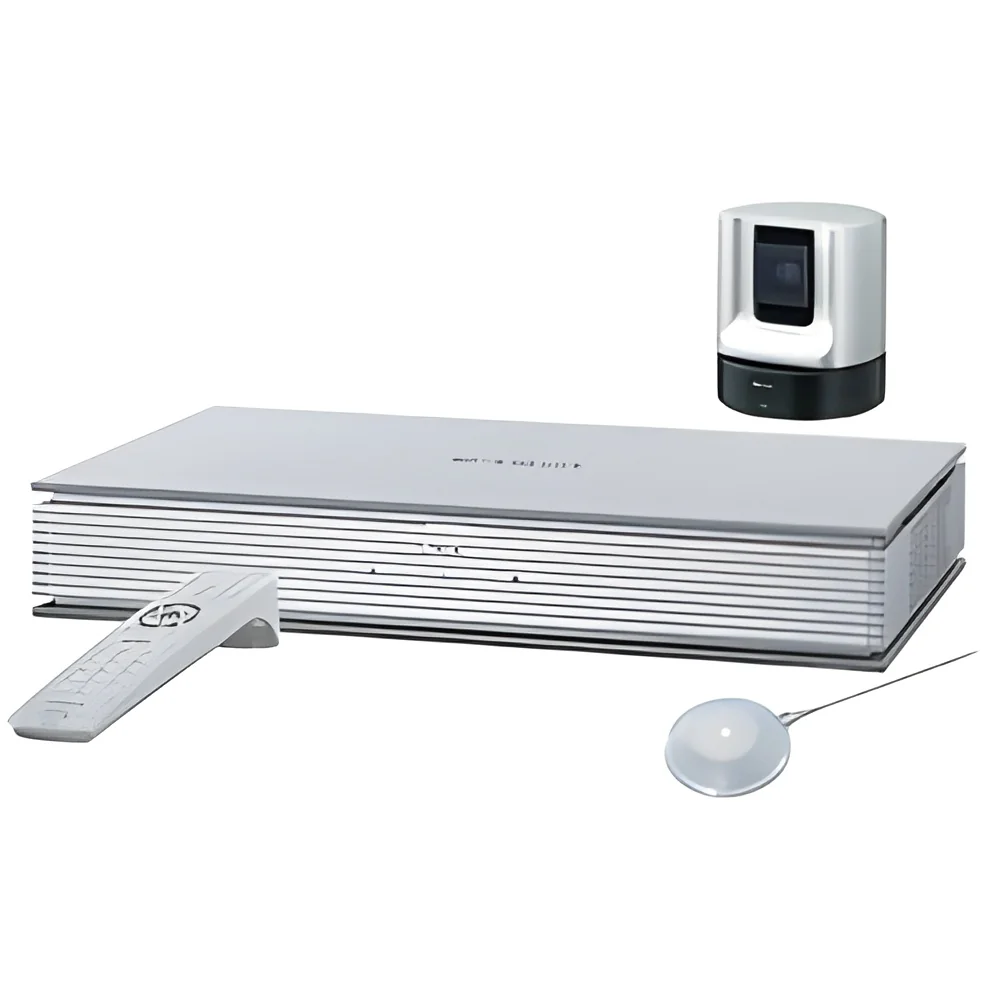
All-in-One Systems: These are integrated solutions that combine a camera, microphone, and speakers into one unit, ideal for small to medium-sized meeting rooms. They offer simplicity in setup and operation.
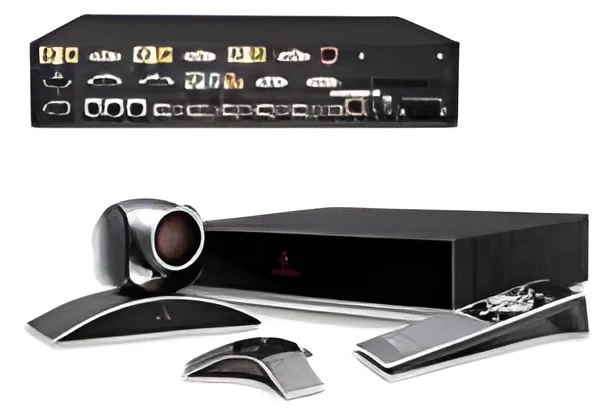
Dedicated Conference Room Systems: These comprehensive setups are designed for large conference rooms. They typically feature multiple cameras, high-quality audio equipment, and advanced software to support larger groups.
Portable Video Conferencing Kits: These kits are designed for remote teams or traveling professionals. They are lightweight, easily transportable, and often include plug-and-play capabilities for quick setup.
šš²š»š²š³š¶šš š®š»š± šš±šš®š»šš®š“š²š
Video conferencing systems offer significant advantages for businesses seeking to enhance communication and collaboration.
1. Cost Savings: Reduces travel expenses associated with in-person meetings, allowing for more budget allocation to other areas.
2. Increased Efficiency: Facilitates quick meetings and decision-making, helping teams respond faster to business needs.
3. Flexibility: Supports remote work and collaboration, enabling teams to connect from anywhere at any time.
4. Enhanced Collaboration: Visual and audio interactions foster better teamwork and understanding among participants.
5. Improved Engagement: Face-to-face interactions, even virtually, keep participants engaged and focused during meetings.
6. Scalability: Easily adapts to the growing needs of businesses, accommodating everything from small team meetings to large conferences.
šššš¶š»š“ ššš¶š±š² š³š¼šæ šš®š šššš²šæš
When sourcing video conferencing systems, several factors should be considered to ensure the right fit for the organization.
1. Quality Assessment: Evaluate the audio and video quality to ensure clear communication. Look for systems with high-resolution capabilities and superior audio features.
2. Supplier Verification: Vet suppliers to confirm their reliability and track record. Check for customer reviews and assess their service support.
3. Pricing and MOQ: Understand the price range and minimum order quantities. Compare different suppliers to find competitive pricing without compromising quality.
4. Delivery and Lead Times: Consider logistics and the supplier's ability to meet delivery deadlines. Timely delivery is crucial for implementation.
5. Compliance Requirements: Ensure that the selected systems meet relevant regulatory standards and certifications, such as CE, to avoid compliance issues.
šš¼šŗš½š¹š¶š®š»š°š² š®š»š± šš²šæšš¶š³š¶š°š®šš¶š¼š»š
Video conferencing systems must adhere to specific quality standards and compliance requirements to ensure safety and reliability. Compliance with ISO 9001 indicates a commitment to quality management systems. This standard ensures that manufacturers consistently meet customer and regulatory requirements.
Additionally, video conferencing systems should have relevant industry certifications, such as CE marking, which signifies compliance with European safety standards. This certification ensures that products meet health, safety, and environmental protection requirements.
Safety and testing requirements are crucial in the manufacturing of video conferencing systems. Products should undergo rigorous testing to guarantee reliability and performance under various conditions. Manufacturers must also consider regional compliance regulations, ensuring that systems are suitable for the markets they operate in.
šŖšµš š¦š¼ššæš°š² š©š¶š±š²š¼ šš¼š»š³š²šæš²š»š°š¶š»š“ š¦šššš²šŗš š³šæš¼šŗ š£š²š½š®š“š¼šæš®?
Pepagora provides a trusted platform for sourcing video conferencing systems, offering several key advantages to buyers.
Verified Supplier Network: Pepagora ensures that all suppliers are thoroughly vetted, giving buyers confidence in the quality and reliability of the products they purchase.
Streamlined RFQ Process: The platform offers a user-friendly quotation system that simplifies the process of requesting prices and information from multiple suppliers, saving time and effort.
Trade Assurance and Support: Buyers benefit from trade assurance that protects their purchases, along with dedicated support to address any issues or concerns that may arise during the sourcing process.
Regional Coverage: Pepagora serves a wide geographic area, including India, the GCC, and Southeast Asia. This extensive reach allows buyers to connect with suppliers that best meet their local needs, enhancing accessibility and convenience.