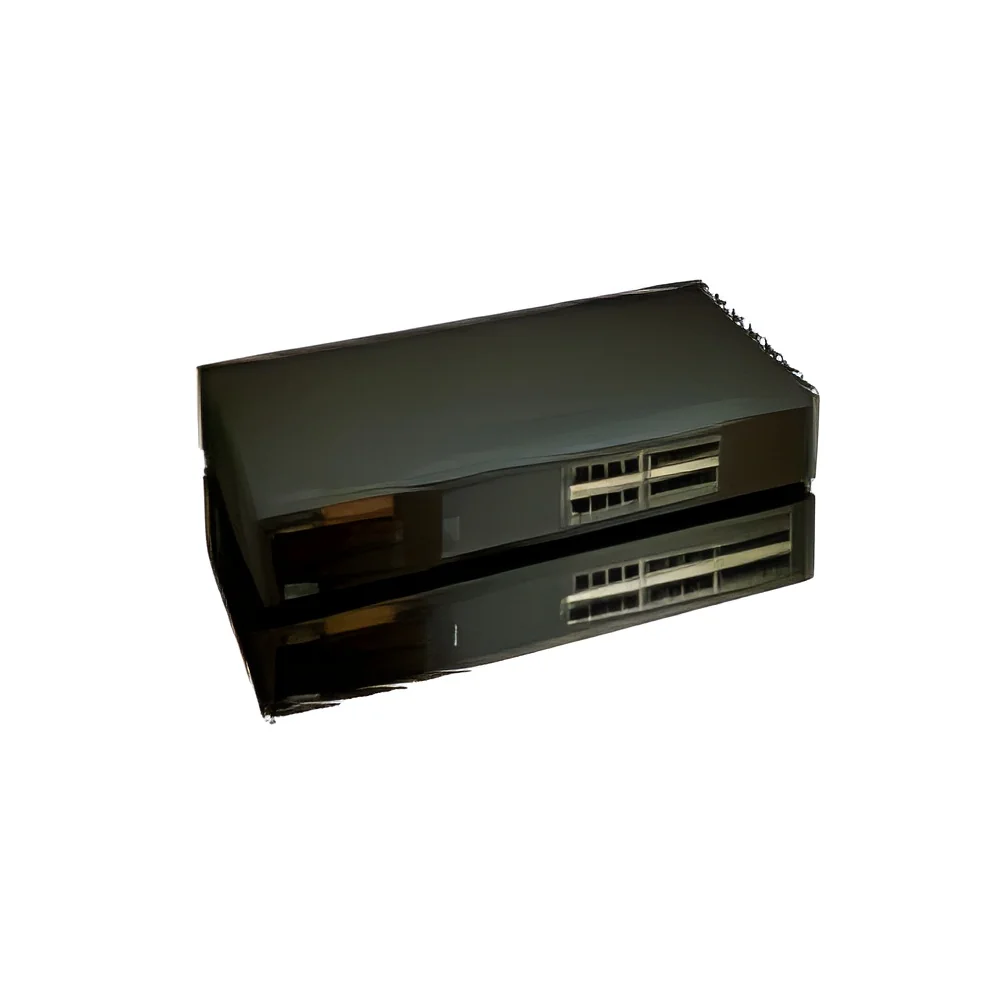
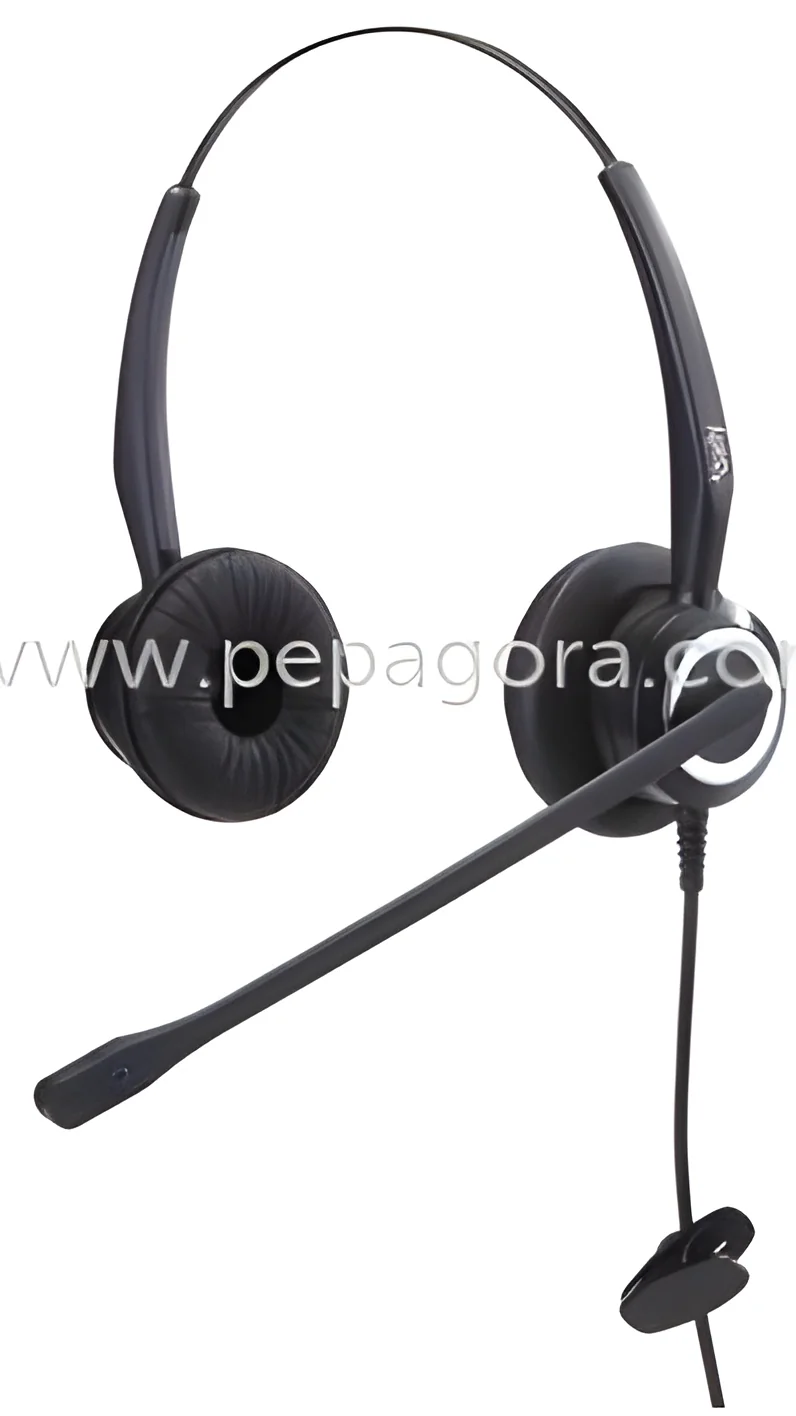
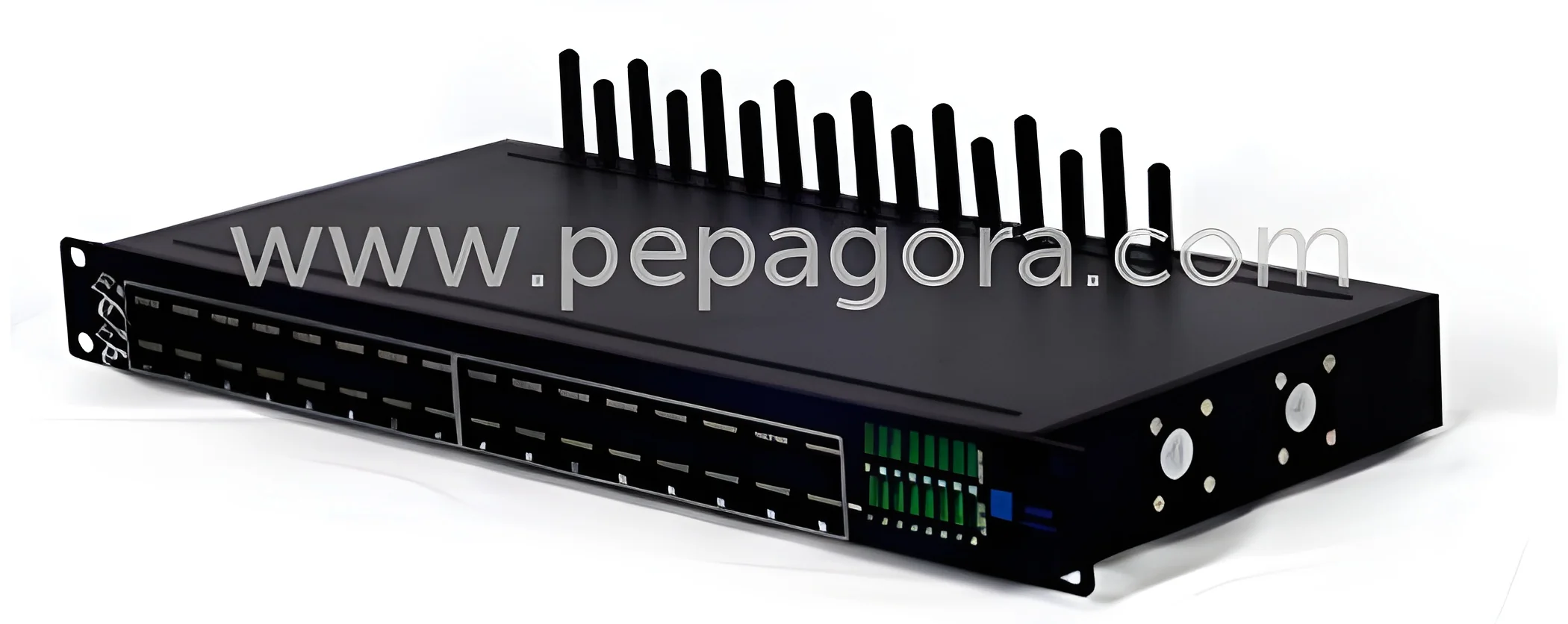
What are IP Telephony Devices?
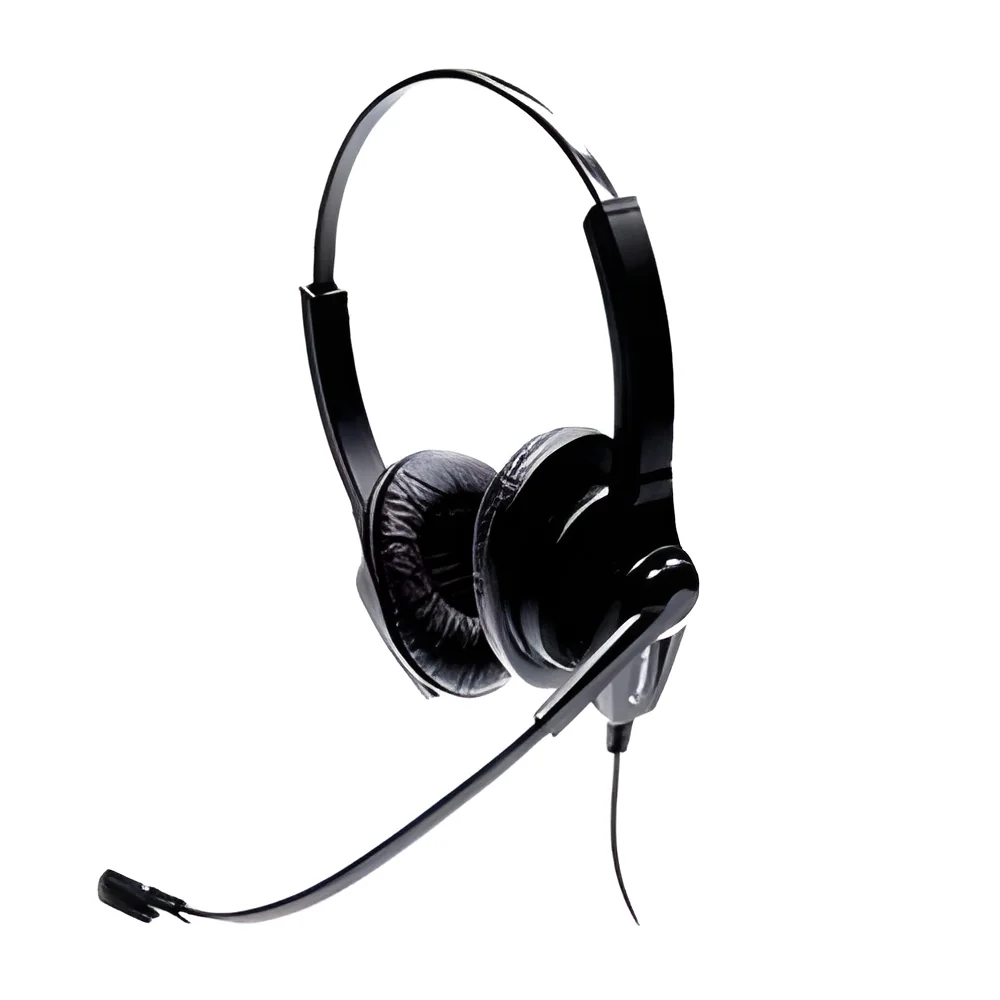
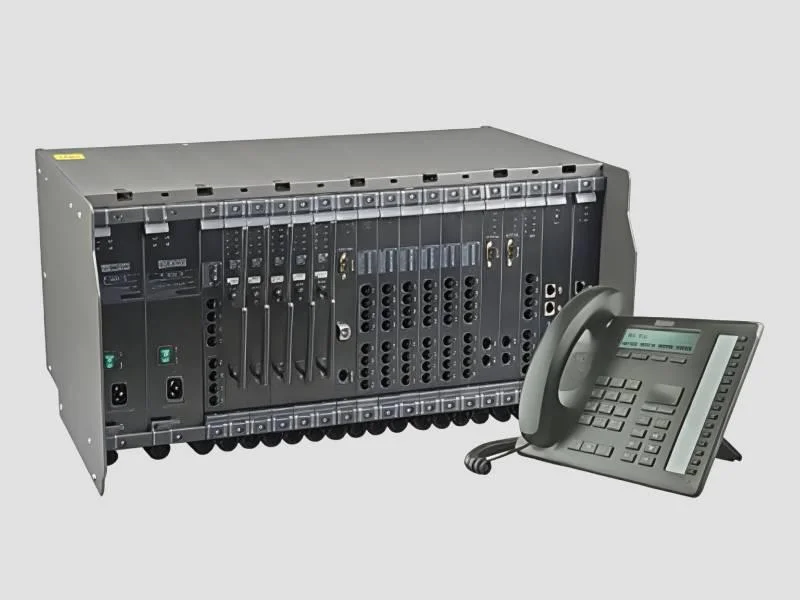
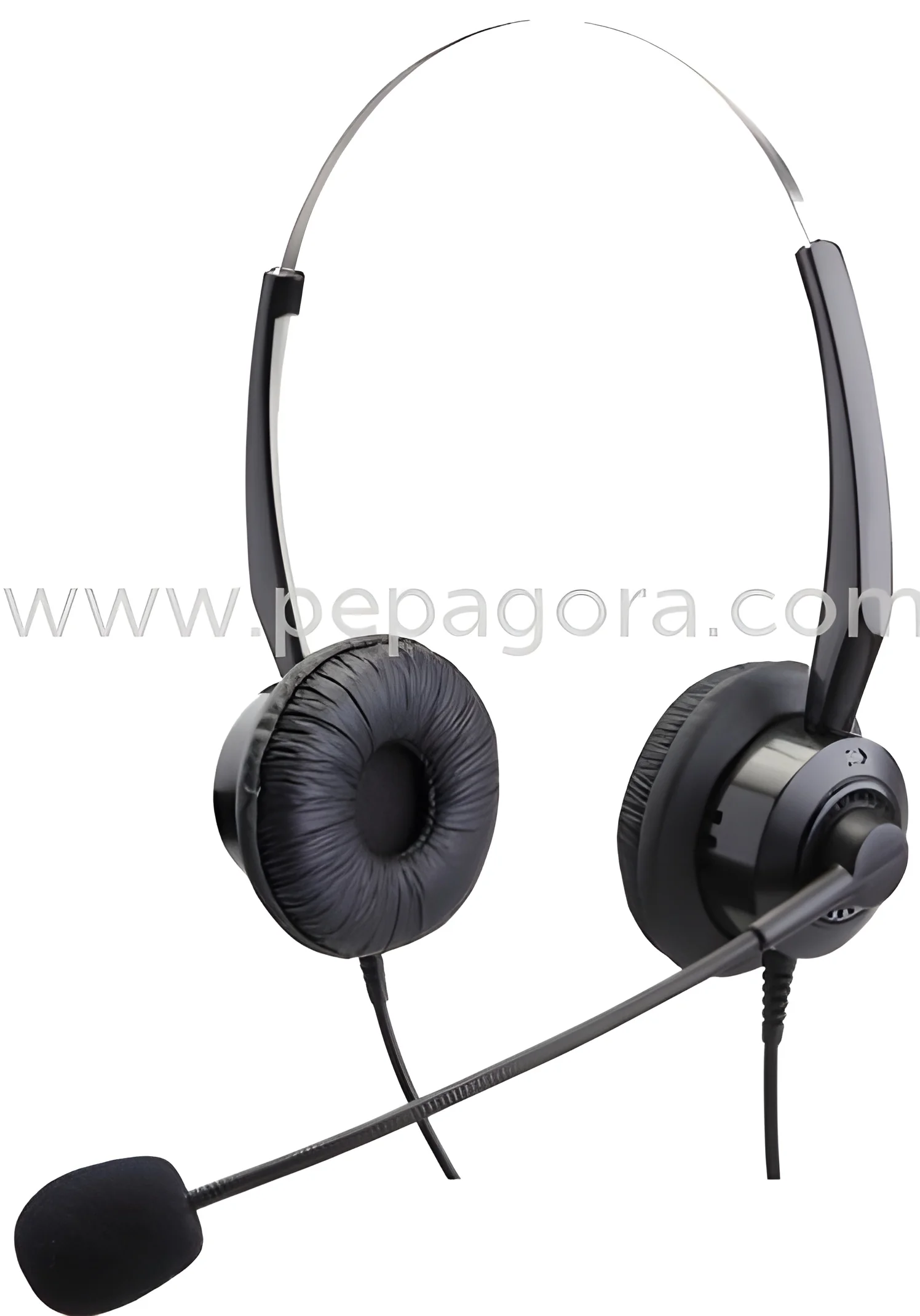
IP Telephony Devices are communication tools that utilize Internet Protocol (IP) technology to transmit voice, video, and other multimedia content over the internet. Unlike traditional telephony systems that rely on analog signals and public switched telephone networks (PSTN), these devices convert audio signals into digital data packets. This allows for greater flexibility, scalability, and integration with other internet-based applications.
The primary use of IP Telephony Devices in businesses is to enhance communication efficiency and reduce costs associated with traditional phone systems. They enable features such as video conferencing, voicemail-to-email, and call forwarding. Businesses can leverage these devices for internal communication, customer service, and remote work solutions. As the global workforce continues to adapt to digital transformations, IP telephony plays a crucial role in maintaining connectivity and collaboration.
In the current market context, IP Telephony Devices are essential for organizations across various industries. They are especially relevant in sectors where communication is critical, such as healthcare, education, and customer service. With the rapid growth of VoIP technology and the increasing need for remote communication solutions, the demand for these devices continues to rise.
Key Features and Specifications
IP Telephony Devices come equipped with a range of features that enhance communication and usability. These devices are designed to meet the needs of modern businesses and offer flexibility and functionality.
Key specifications include:
1. Audio Quality
- HD voice quality for clear communication.
- Wideband audio support to enhance voice clarity.
2. Connectivity Options
- Ethernet ports for wired connections.
- Wi-Fi capability for wireless networking.
3. User Interface
- Intuitive touchscreen or button interface.
- Customizable display options for ease of use.
4. Security Features
- Encryption protocols to protect data transmissions.
- Secure login options to prevent unauthorized access.
5. Power over Ethernet (PoE)
- Capability to receive power through Ethernet cables.
- Simplifies installation by reducing the need for additional power sources.
6. Compatibility
- Integration with various VoIP platforms and software.
- Support for multiple codecs to ensure versatility.
7. Expansion Options
- Ability to connect additional devices or accessories.
- Scalable solutions that grow with business needs.
8. Call Management Features
- Support for call forwarding, hold, and transfer.
- Advanced features such as call recording and conferencing.
In summary, the features and specifications of IP Telephony Devices are designed to enhance communication efficiency, security, and user experience, making them an essential investment for modern businesses.
Common Applications and Use Cases
IP Telephony Devices serve a multitude of industries, providing versatile communication solutions tailored to specific needs.
1. Healthcare: Used for telemedicine consultations, patient follow-ups, and staff communication within hospitals.
2. Education: Facilitates virtual classrooms, student-teacher interactions, and administrative communications.
3. Call Centers: Supports high-volume inbound and outbound calls, enhancing customer service operations.
4. Retail: Aids in customer engagement, inventory management communications, and inter-store coordination.
5. Government: Enables efficient communication between departments and public services, improving response times.
6. Financial Services: Supports secure client communications, remote consultations, and internal team collaboration.
7. Manufacturing: Enhances communication across production lines, supply chain coordination, and remote monitoring.
Product Variants and Subcategories
IP Telephony Devices are available in various configurations to suit different business needs. Each variant offers unique features and applications.
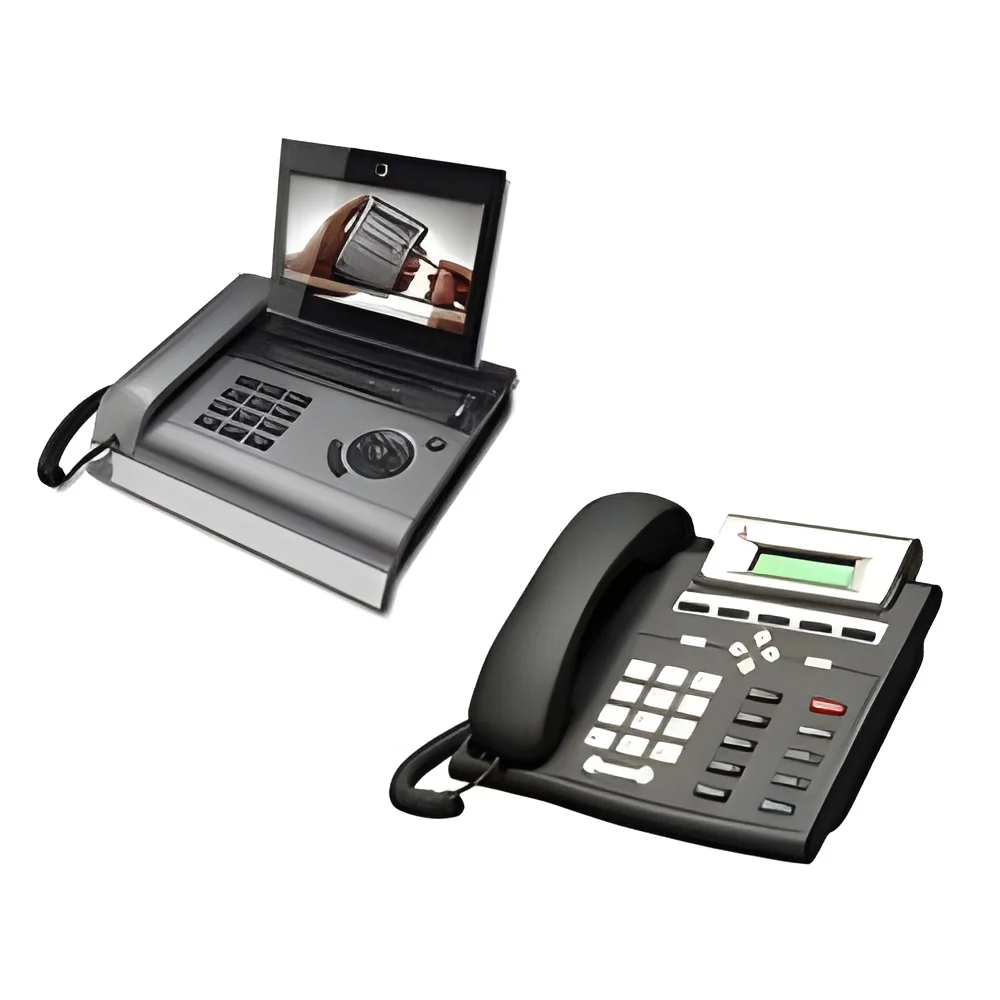
Desktop IP Phones: These devices are designed for office environments and often include features like large screens, multiple line support, and customizable buttons. Ideal for professionals who require constant communication.
Conference Phones: Specifically designed for larger meetings, these phones offer superior audio quality and multiple microphones. They are perfect for collaborative environments and help facilitate group discussions.
Softphones: Software-based applications that run on computers or mobile devices. They offer flexibility for remote work and are often equipped with video conferencing capabilities.
Wireless IP Phones: These devices provide mobility within the office environment, allowing users to make calls from anywhere within the Wi-Fi range. They are suitable for dynamic workspaces and customer-facing roles.
Benefits and Advantages
IP Telephony Devices offer numerous benefits that enhance communication efficiency and business operations.
1. Cost Savings: By utilizing internet connections for calls, businesses can significantly reduce telecommunication costs.
2. Scalability: These devices can easily expand with the business, accommodating new users without major infrastructure changes.
3. Enhanced Features: Advanced functionalities such as voicemail-to-email, call routing, and video conferencing improve overall communication.
4. Flexibility: Users can access communication tools from various locations, supporting remote work and mobile operations.
5. Improved Collaboration: Integration with other business applications fosters teamwork and enhances productivity.
6. Reliable Performance: High-quality audio and video capabilities ensure clear communication, reducing misunderstandings.
Buying Guide for B2B Buyers
When sourcing IP Telephony Devices, it is essential to consider several key factors to ensure you make an informed decision.
1. Quality Assessment: Look for devices that meet industry standards for audio quality and reliability. Consider user reviews and product ratings to gauge performance.
2. Supplier Verification: Ensure that suppliers are reputable and have a track record in providing quality products. Check for certifications and customer feedback.
3. Pricing and MOQ: Understand the cost structure, including any minimum order quantities. Compare prices across different suppliers to find the best value.
4. Delivery and Lead Times: Assess the supplier's ability to meet your delivery timelines, especially for large orders. Consider potential delays and plan accordingly.
5. Compliance Requirements: Verify that the devices meet local regulatory standards and certifications, such as CE. Ensure that they align with your organization's compliance needs.
Compliance and Certifications
IP Telephony Devices must adhere to various compliance and certification standards to ensure quality and safety. One of the primary certifications is CE, which indicates conformity with health, safety, and environmental protection standards for products sold within the European Economic Area.
In addition to CE, manufacturers may seek to obtain ISO 9001 certification, which demonstrates a commitment to quality management systems. This standard ensures that the products meet customer and regulatory requirements consistently.
Safety and testing requirements are crucial in maintaining device integrity and performance. Manufacturers must conduct rigorous testing to comply with regional regulations, ensuring that devices operate safely in intended environments.
Regional compliance considerations may vary based on market requirements, making it essential for businesses to confirm that their IP Telephony Devices are compliant with local laws and standards.
Why Source IP Telephony Devices from Pepagora?
Pepagora provides a trusted platform for sourcing IP Telephony Devices, offering several key advantages to B2B buyers.
Verified Supplier Network: Pepagora has established a comprehensive network of verified suppliers. This ensures that buyers have access to high-quality products from reputable manufacturers.
Streamlined RFQ Process: The request for quotation process is designed to be user-friendly, allowing buyers to compare multiple offers quickly. This helps in making informed purchasing decisions.
Trade Assurance and Support: Pepagora offers trade assurance to protect buyers, ensuring that transactions are secure. Support is available throughout the purchasing process to address any concerns.
Regional Coverage: With a strong presence in regions such as India, the GCC, and Southeast Asia, Pepagora provides extensive geographic reach. This enables businesses to find suitable IP Telephony Devices tailored to their specific regional needs.

 IN
IN