What are Wireless Antennas?
Wireless antennas are devices that transmit and receive radio signals, enabling wireless communication between devices. These antennas play a crucial role in various communication systems, such as Wi-Fi, cellular networks, and satellite communications. By converting electrical signals into radio waves and vice versa, wireless antennas facilitate connectivity across different platforms without the need for physical cables.
In the business context, wireless antennas are extensively used in a variety of applications, including telecommunications, broadcasting, and industrial automation. They support data transfer in environments where traditional wired connections are impractical. Wireless antennas are vital for businesses that rely on robust and reliable communication infrastructures to maintain operations and connect with customers or partners.
As industries evolve with advancements in technology, the demand for high-performance wireless antennas continues to grow. Market trends indicate a shift towards more efficient, long-range, and multi-band antennas designed to meet the increasing demands of modern communication networks. This relevance underscores the importance of choosing the right wireless antenna for specific business needs.
Key Features and Specifications
Wireless antennas come with a range of features and specifications that cater to various applications. Understanding these specifications is essential for selecting the right antenna for your business needs.
Key specifications include:
1. Frequency Range
- This specifies the range of frequencies over which the antenna operates.
- Common ranges include 2.4 GHz, 5 GHz, and other bands depending on the application.
2. Gain
- Gain measures the antenna's ability to direct radio waves in a specific direction.
- Typically expressed in decibels (dBi), higher gain indicates a stronger signal.
3. Polarization
- Polarization describes the orientation of the radio waves.
- Common types include linear and circular polarization.
4. Radiation Pattern
- This defines the directional characteristics of the antenna.
- Patterns can be omnidirectional, directional, or sectoral.
5. Impedance
- Impedance is the measure of resistance in the antenna.
- Standard values are typically 50 ohms or 75 ohms.
6. Connector Type
- Connectors determine how the antenna interfaces with other devices.
- Common types include SMA, N-type, and RP-SMA connectors.
7. Operating Temperature
- This indicates the temperature range in which the antenna can function effectively.
- Data not available.
8. Humidity Control
- This refers to the antenna's ability to withstand moisture and humidity levels.
- Data not available.
In summary, understanding these key features and specifications is vital for businesses looking to invest in wireless antennas that meet their specific communication needs.
Common Applications and Use Cases
Wireless antennas are utilized across numerous industries, each with unique applications.
1. Telecommunications: Wireless antennas are critical for mobile networks, enabling cellular communication and data transfer for millions of users.
2. Broadcasting: In the broadcasting industry, antennas transmit radio and television signals, ensuring high-quality reception for audiences.
3. Industrial Automation: Many manufacturing facilities use wireless antennas for machine-to-machine communication and IoT applications, enhancing operational efficiency.
4. Transportation: Wireless antennas support connectivity in vehicles, facilitating GPS tracking, vehicle-to-vehicle communication, and traffic management systems.
5. Healthcare: In healthcare, antennas are used in telemetry and remote monitoring systems, allowing for real-time patient data transmission.
6. Retail: Retail environments utilize wireless antennas for point-of-sale systems and inventory management solutions, improving customer service and operational workflows.
7. Smart Cities: Wireless antennas play a pivotal role in the development of smart city infrastructure, enabling connectivity for sensors and public services.
Product Variants and Subcategories
Wireless antennas come in various designs and configurations to meet diverse customer needs.
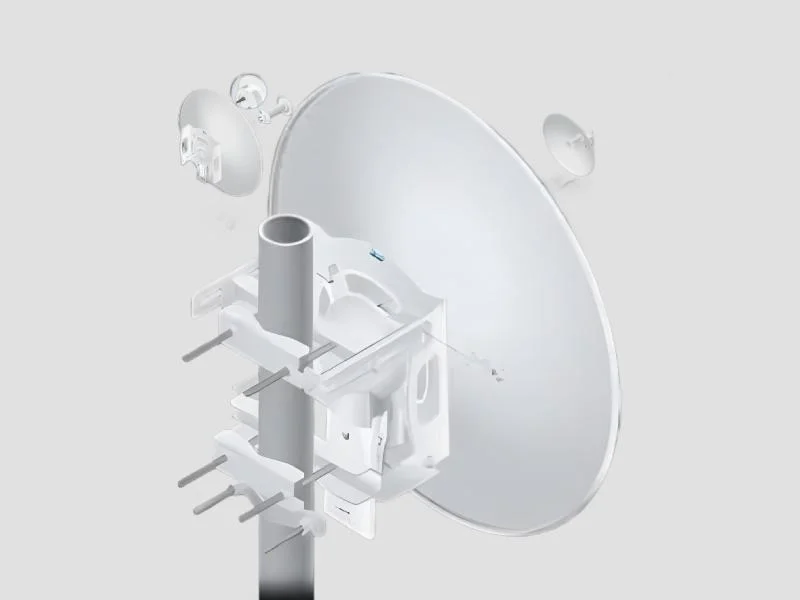
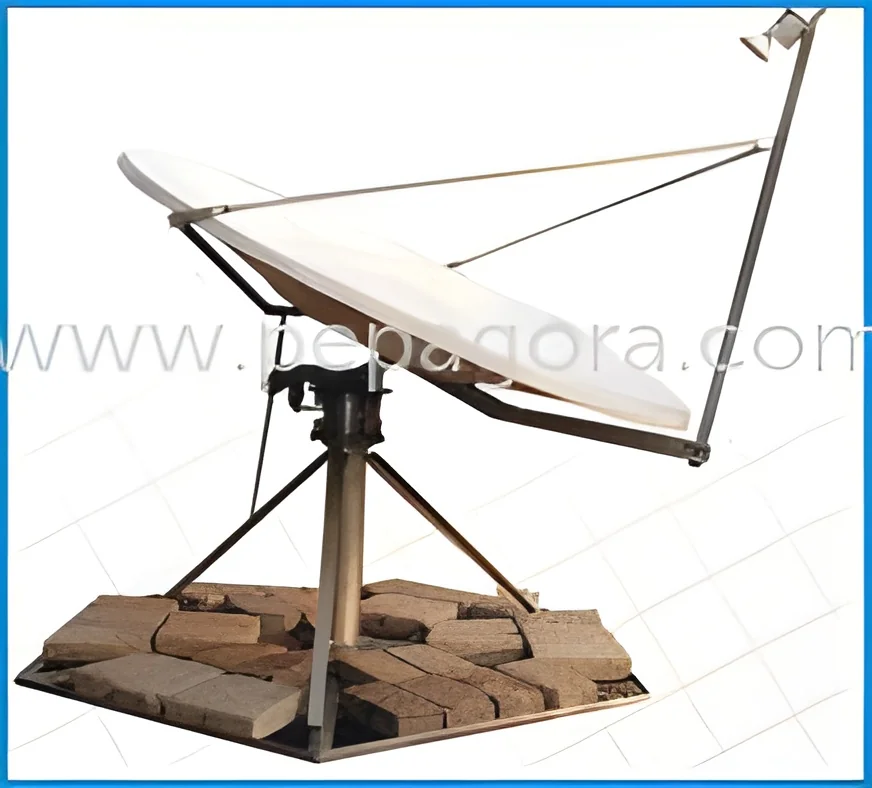
Directional Antennas: These antennas focus their signal in a specific direction, providing increased range and performance for point-to-point communication. They are ideal for applications such as rural broadband and long-distance links.
Omnidirectional Antennas: These antennas radiate signals in all directions, making them suitable for applications where coverage is needed in multiple directions, such as Wi-Fi hotspots and mobile communications.
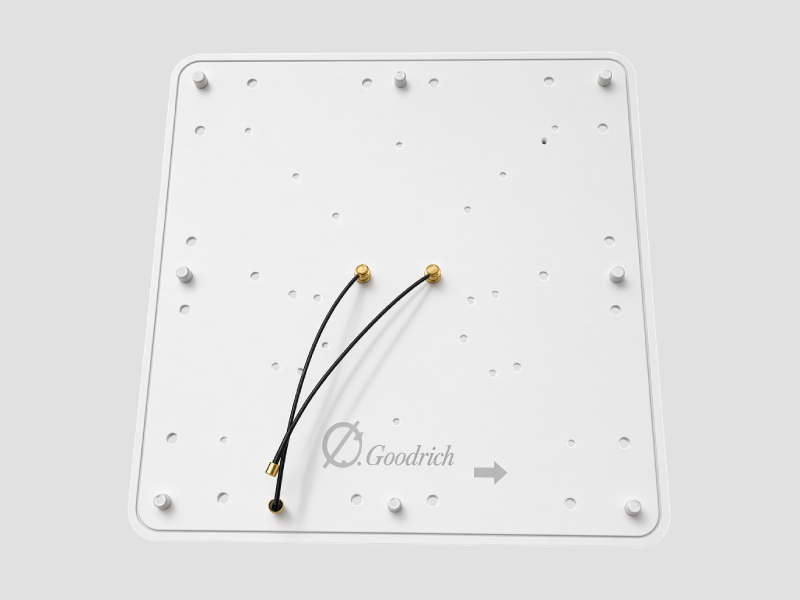
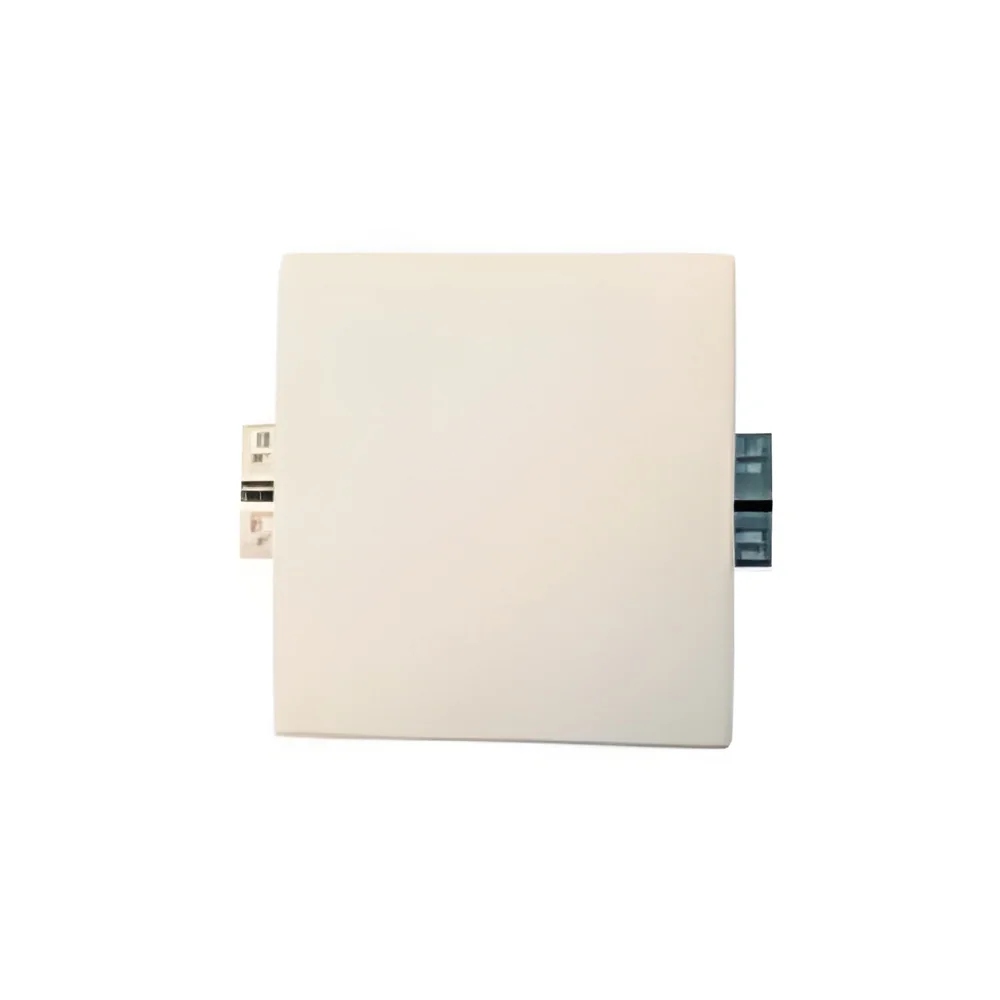
Panel Antennas: Typically used in fixed installations, panel antennas provide a controlled radiation pattern and are often employed in cellular and wireless network applications.
Yagi Antennas: Known for their high gain and directional capabilities, Yagi antennas are used in applications requiring long-range communication, such as amateur radio and television reception.
Benefits and Advantages
Wireless antennas offer several benefits that make them essential for modern communication systems.
1. Flexibility: Wireless antennas provide the ability to connect devices without physical cables, offering flexibility in installation and usage.
2. Cost-Effectiveness: By reducing the need for extensive wiring and infrastructure, wireless antennas can lower overall installation and maintenance costs.
3. Scalability: Businesses can easily expand their wireless networks by adding additional antennas as needed, accommodating growth without significant investment.
4. Improved Connectivity: High-quality antennas enhance signal strength and coverage, minimizing dropouts and ensuring reliable communication.
5. Easy Deployment: Wireless antennas are generally straightforward to install and configure, allowing for quicker deployment compared to wired solutions.
6. Enhanced Mobility: Wireless antennas enable mobility for devices, providing seamless connectivity for users on the move.
Buying Guide for B2B Buyers
When sourcing wireless antennas for your business, it is essential to consider several key factors.
1. Quality Assessment: Evaluate the quality of antennas based on manufacturer reputation, customer reviews, and product certifications to ensure reliable performance.
2. Supplier Verification: Conduct thorough research to verify potential suppliers, including checking references and certifications to ensure they meet industry standards.
3. Pricing and MOQ: Understand the pricing structure and minimum order quantities (MOQ) of potential suppliers to assess budget alignment and purchasing flexibility.
4. Delivery and Lead Times: Inquire about delivery schedules and lead times to ensure you receive antennas when needed, minimizing potential disruptions.
5. Compliance Requirements: Familiarize yourself with applicable regulatory requirements and industry standards to ensure the antennas meet compliance needs.
Compliance and Certifications
Wireless antennas are subject to various compliance standards and certifications that ensure their quality and safety.
ISO 9001 is a widely recognized standard for quality management systems, ensuring that manufacturers maintain consistent quality in their products. Compliance with this standard is critical for businesses seeking reliable antennas.
CE certification indicates that a product meets European safety, health, and environmental protection standards. This certification is essential for antennas sold in European markets, assuring customers of product reliability.
Additionally, wireless antennas must adhere to safety and testing requirements to confirm their performance and durability in various environmental conditions. This includes testing for electromagnetic compatibility (EMC) and other operational standards.
Regional compliance considerations may vary, and businesses should be aware of local regulations when sourcing antennas to ensure they meet specific market requirements.
Why Source Wireless Antennas from Pepagora?
Pepagora provides a trusted platform for sourcing wireless antennas, offering several key advantages for B2B buyers.
Verified Supplier Network: Pepagora ensures that all suppliers in its network are thoroughly vetted, providing buyers with confidence in the quality and reliability of the products they purchase.
Streamlined RFQ Process: The platform simplifies the request for quotation (RFQ) process, allowing buyers to easily obtain competitive quotes from multiple suppliers, saving time and resources.
Trade Assurance and Support: Pepagora offers trade assurance to protect buyers throughout the purchasing process, ensuring that they receive the products as described and on time.
Regional Coverage: With a broad geographic reach across India, the GCC, and Southeast Asia, Pepagora connects buyers with local suppliers, enhancing accessibility to quality wireless antennas suited to regional needs.

 IN
IN