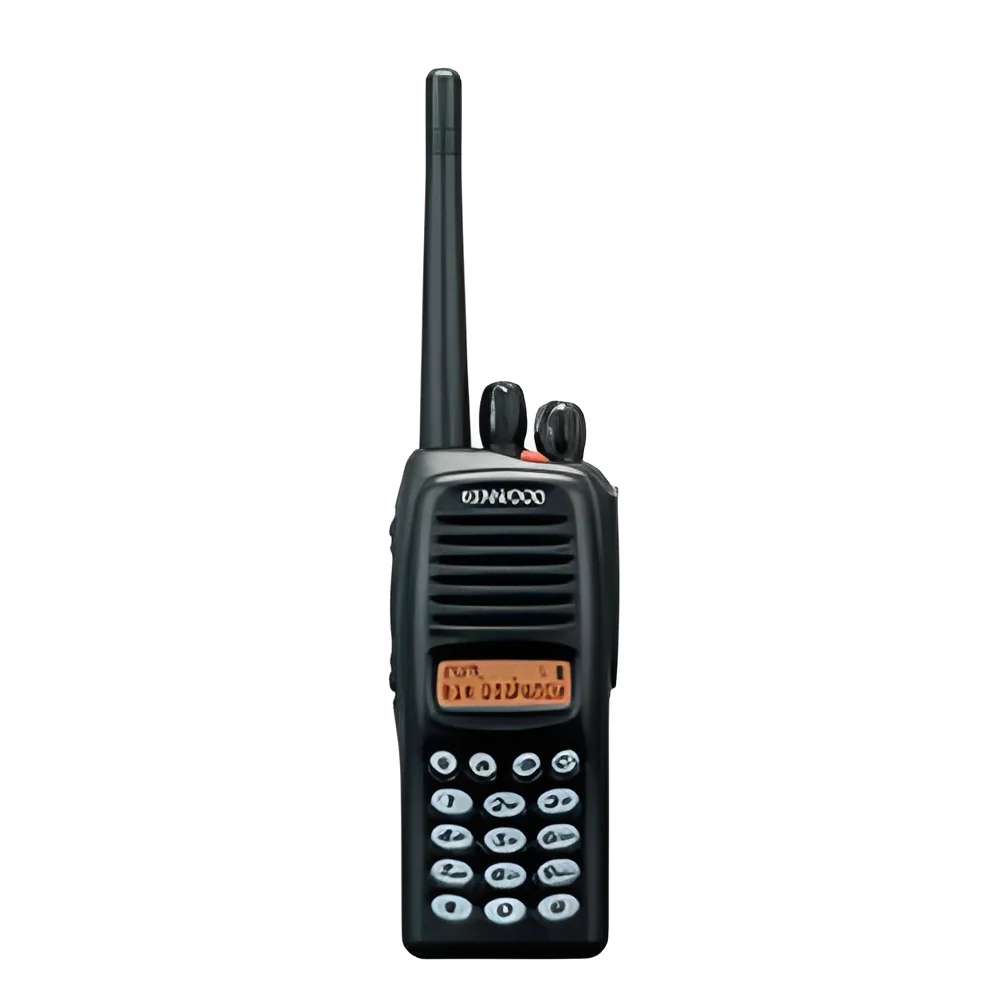
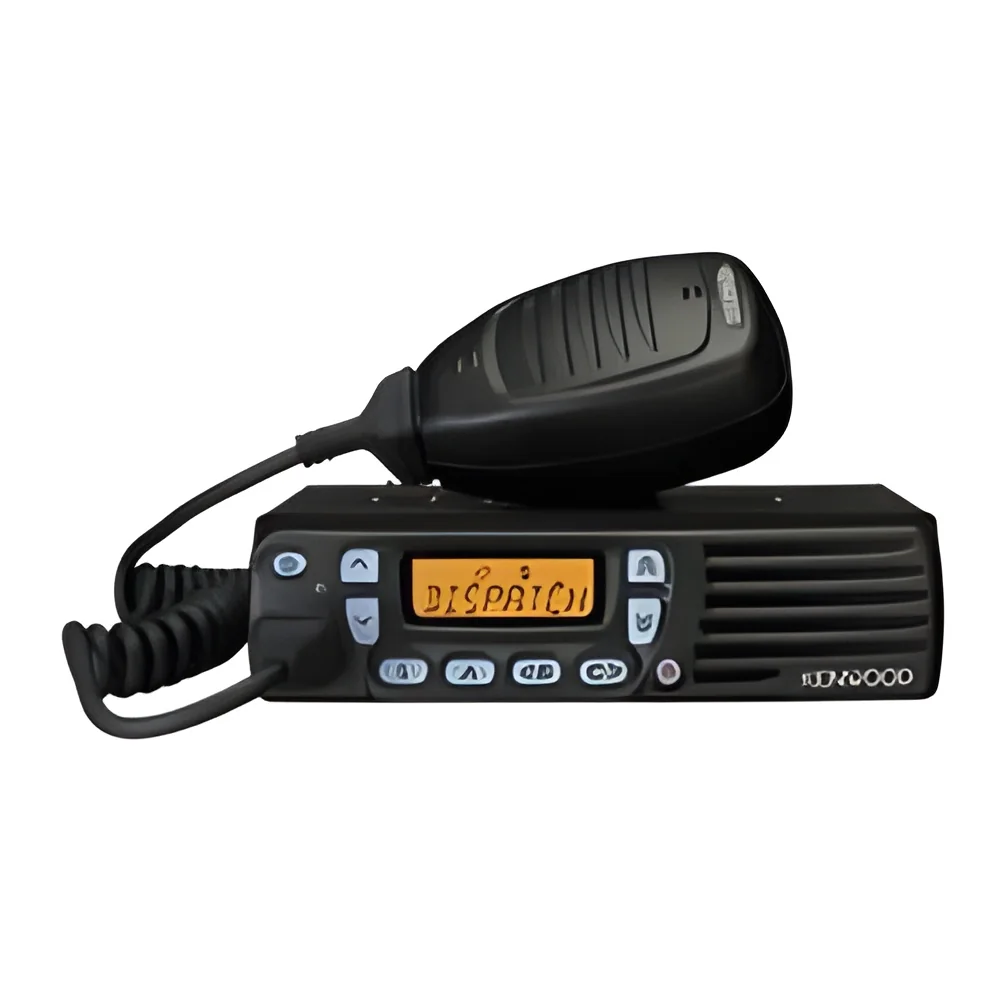
What are Wireless Intercom Systems?
Wireless intercom systems are communication devices that enable two-way audio communication without the need for physical wiring. They use radio frequency signals to transmit audio between units, allowing seamless communication across various distances. These systems consist of a transmitter and a receiver, which can be standalone units or integrated into larger communication networks. They are designed to operate over different frequency bands, ensuring clear and uninterrupted communication.
The primary uses of wireless intercom systems span various business applications, including security, facility management, and event coordination. They are particularly beneficial in environments where mobility is essential, such as warehouses, manufacturing plants, and hospitals. With the ability to facilitate instant communication, these systems enhance coordination and response times, making them invaluable in critical situations. As businesses increasingly prioritize effective communication solutions, the demand for wireless intercom systems continues to grow across various industries.
In the current market, wireless intercom systems are relevant due to their versatility and ease of installation. Many businesses are transitioning from traditional wired intercom systems to wireless models, seeking the flexibility and convenience that wireless technology offers. As technology advances, these systems are becoming more sophisticated, incorporating features such as enhanced audio quality and extended range, positioning them as a preferred choice in the industrial communication landscape.
Key Features and Specifications
Wireless intercom systems come equipped with a range of features tailored to meet diverse communication needs. These systems are designed to be user-friendly and reliable, making them suitable for various business environments. The following specifications are critical when evaluating wireless intercom systems:
1. Operating Range
- This refers to the maximum distance between units for effective communication.
- Typical ranges can vary from 100 meters to over 1,000 meters, depending on the model.
2. Frequency Bands
- Wireless intercom systems operate on specific radio frequencies, which can affect performance and interference levels.
- Common frequency bands include 433 MHz and 2.4 GHz.
3. Power Source
- Units may be powered by rechargeable batteries or AC power adapters.
- Battery-operated models offer greater flexibility for placement.
4. Audio Quality
- High-quality audio ensures clear communication, which is essential in noisy environments.
- Look for systems that specify noise cancellation features.
5. Number of Channels
- Systems can have multiple channels, allowing users to set up different communication lines.
- More channels mean better organization in busy environments.
6. Security Features
- Many systems include encryption to protect communications from unauthorized access.
- Look for features like secure pairing between units.
7. Ease of Installation
- Wireless intercom systems are generally easy to install, requiring minimal technical skills.
- Check for plug-and-play capabilities for quick setup.
8. Additional Features
- Some systems may offer features like intercom to mobile connectivity, remote access, and integration with other security systems.
In summary, understanding the key features and specifications of wireless intercom systems can significantly enhance decision-making for businesses looking to improve their communication capabilities.
Common Applications and Use Cases
Wireless intercom systems find applications across numerous industries due to their versatility and efficiency.
1. Security: In security operations, wireless intercom systems facilitate immediate communication between security personnel, enhancing response times during incidents. They are commonly used in commercial buildings and events.
2. Manufacturing: In manufacturing facilities, these systems help coordinate activities on the production floor. Workers can communicate with supervisors or other teams without leaving their stations, boosting productivity.
3. Healthcare: Hospitals and clinics utilize wireless intercom systems to improve communication among staff members. This ensures that medical personnel can quickly relay important information and respond to emergencies.
4. Education: Schools and universities use these systems for communication between faculty and staff. They are particularly useful for coordinating events or managing emergencies.
5. Hospitality: Hotels and resorts implement wireless intercom systems to enhance guest services. Staff can communicate efficiently across the property, ensuring timely responses to guest requests.
6. Construction: On construction sites, effective communication is vital for safety and productivity. Wireless intercom systems enable seamless communication among workers and project managers.
7. Retail: Retail environments use wireless intercom systems for coordinating staff and managing inventory. They help improve customer service by facilitating quick communication.
Product Variants and Subcategories
Wireless intercom systems come in various configurations to suit different operational needs.
Portable Intercom Systems
These units are lightweight and battery-operated, making them ideal for temporary setups or events. They offer flexibility and ease of use, allowing staff to move freely while maintaining communication.
Wall-Mounted Intercom Systems
Designed for fixed installations, these systems are ideal for offices or reception areas. They provide a reliable communication solution without the need for handheld devices.
Multi-Channel Intercom Systems
These systems support multiple channels, allowing different teams to communicate without interference. They are especially useful in busy environments like factories or large venues.
Benefits and Advantages
Investing in wireless intercom systems provides numerous benefits that enhance operational efficiency.
1. Enhanced Communication: Wireless intercom systems facilitate instant communication, reducing delays and improving response times in critical situations.
2. Increased Mobility: These systems allow users to move freely while staying connected, which is essential in dynamic environments like warehouses and construction sites.
3. Cost-Effective: Without the need for extensive wiring, wireless intercom systems can reduce installation and maintenance costs.
4. Easy Installation: Most wireless intercom systems are simple to set up, requiring minimal technical expertise, making them accessible for various businesses.
5. Flexibility: Wireless systems can be easily relocated or expanded, adapting to changing business needs and environments.
6. Improved Safety: In emergency situations, wireless communication ensures that personnel can quickly relay information, enhancing overall safety.
Buying Guide for B2B Buyers
When sourcing wireless intercom systems, it is crucial for B2B buyers to consider several factors to ensure they make an informed decision.
1. Quality Assessment: Evaluate the build quality and performance of the intercom systems. Look for reliable brands known for durability and performance in industrial environments.
2. Supplier Verification: It is essential to vet suppliers for credibility and reliability. Check customer reviews, certifications, and product warranties to ensure they meet industry standards.
3. Pricing and MOQ: Understand the pricing structure and minimum order quantities. Compare multiple suppliers to find the best deal while ensuring quality is not compromised.
4. Delivery and Lead Times: Confirm delivery times and logistics capabilities to ensure timely availability of the systems when needed.
5. Compliance Requirements: Ensure that the systems comply with relevant industry regulations and safety standards. This includes certifications like CE which indicate adherence to quality and safety protocols.
Compliance and Certifications
Wireless intercom systems must adhere to various compliance and certification standards to ensure safety and reliability. One notable standard is ISO 9001, which outlines quality management principles that manufacturers should follow to ensure consistent quality in production.
Industry certifications such as CE indicate that the products meet European health, safety, and environmental protection standards. This certification is crucial for suppliers looking to enter markets in Europe and other regions requiring compliance.
Beyond certifications, wireless intercom systems must undergo rigorous safety and testing requirements to ensure they perform reliably in different environments. This includes testing for durability, signal strength, and battery life.
Additionally, regional compliance considerations may vary, so it is essential for buyers to be aware of local regulations that may affect the usability of the systems in specific markets.
Why Source Wireless Intercom Systems from Pepagora?
Pepagora provides a trusted platform for sourcing wireless intercom systems, offering several key advantages that stand out in the marketplace.
Verified Supplier Network: Pepagora has established a rigorous vetting process for suppliers, ensuring that buyers have access to reputable manufacturers. This network guarantees quality and reliability, giving buyers confidence in their purchases.
Streamlined RFQ Process: The quotation system at Pepagora simplifies the procurement process. Buyers can submit requests for quotes and receive competitive pricing options from various suppliers, making it easier to compare and select the best offers.
Trade Assurance and Support: With trade assurance features, Pepagora protects buyers from potential risks associated with purchasing. This support includes dispute resolution and assistance throughout the buying process, ensuring a smooth transaction.
Regional Coverage: Pepagora's extensive geographic reach spans India, the GCC, and Southeast Asia. This broad coverage allows businesses in these regions to access high-quality wireless intercom systems tailored to their specific needs.

 IN
IN