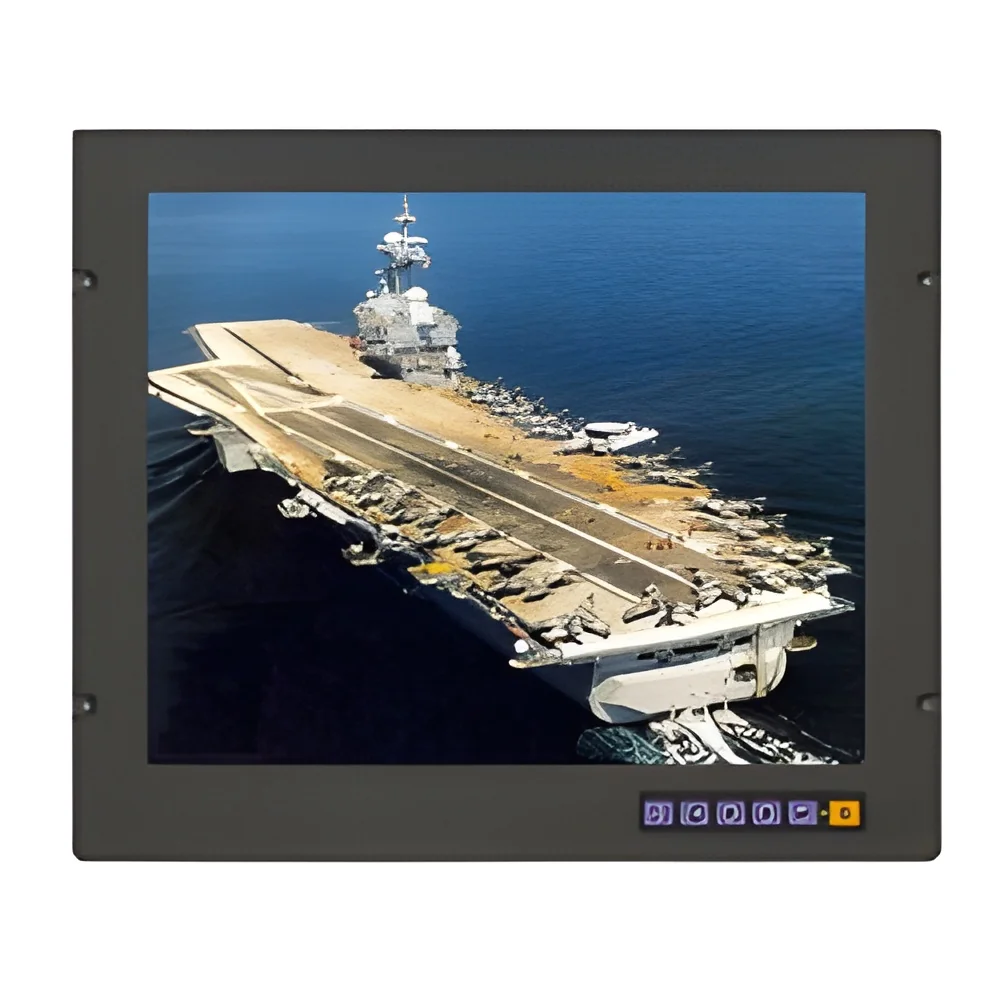
What are Marine Communication Equipment?
Marine Communication Equipment refers to the devices and systems used for communication in maritime environments, particularly on ships and offshore platforms. These tools are essential for ensuring safety, facilitating navigation, and maintaining operational efficiency at sea. They include various technologies such as radios, satellite communication devices, and emergency signaling systems that allow users to communicate over vast distances and in challenging conditions.
The primary uses of Marine Communication Equipment encompass navigational communication, distress signaling, and routine operational communication among crew members. Businesses in sectors such as shipping, fishing, and offshore oil and gas rely heavily on these systems to ensure compliance with international regulations and to enhance safety protocols. Moreover, as maritime operations expand globally, the demand for reliable communication tools continues to grow, making these systems vital for operational success and risk management in the marine industry.
The relevance of Marine Communication Equipment in today's market cannot be overstated. With increasing maritime traffic and the need for regulatory compliance, the equipment is critical in preventing accidents and ensuring efficient operations. As technology evolves, the integration of advanced communication systems into marine applications has become a priority for companies aiming to maintain competitiveness in the industry.
Key Features and Specifications
Marine Communication Equipment is designed with several key features that enhance its functionality and reliability. These specifications are crucial for ensuring that the equipment performs effectively in various marine environments.
Key specifications include:
1. Communication Range
- The distance over which the equipment can effectively transmit and receive signals.
- Typically ranges from a few nautical miles to hundreds of miles depending on the technology used.
2. Frequency Bands
- Refers to the specific frequencies used for communication.
- Common bands include VHF, UHF, and SSB, each serving different communication needs.
3. Power Output
- Indicates the strength of the transmitted signal.
- Measured in watts, with higher outputs resulting in better range and clarity.
4. Weather Resistance
- Equipment is designed to withstand harsh marine conditions.
- Ratings such as IP67 indicate protection against water and dust ingress.
5. User Interface
- Refers to the ease of operation for crew members.
- Features such as touchscreen displays and intuitive menus enhance usability.
6. Emergency Features
- Systems often include distress signaling capabilities.
- May include functions like DSC (Digital Selective Calling) for emergency communication.
7. Compatibility
- Equipment may need to integrate with existing systems.
- Compatibility with standard protocols ensures seamless operation.
8. Certification Standards
- Equipment must meet various marine industry standards for safety and performance.
- Most equipment is certified under CE regulations.
In summary, understanding these specifications helps businesses choose the right Marine Communication Equipment that meets their operational needs and regulatory requirements.
Common Applications and Use Cases
Marine Communication Equipment finds applications across various industries, each with specific communication needs.
1. Shipping Industry: In commercial shipping, communication equipment is crucial for navigation, cargo coordination, and emergency communication between vessels and shore-based operations.
2. Fishing Industry: Fishing vessels rely on communication systems for coordinating efforts, sharing catch information, and ensuring safety during fishing operations.
3. Offshore Oil and Gas: Marine communication is vital for offshore platforms, providing real-time communication between crew members and support vessels, as well as emergency response coordination.
4. Search and Rescue Operations: Emergency services utilize marine communication equipment to coordinate search efforts, ensuring quick response times and effective collaboration among rescue teams.
5. Marine Research: Research vessels use communication systems to relay data back to shore and coordinate with other research teams, ensuring efficient information exchange.
6. Tourism and Recreational Boating: Charter services and recreational boaters depend on reliable communication for safety and navigation, particularly in remote areas.
7. Naval Operations: Military vessels utilize advanced communication systems for secure and tactical communications during missions.
Product Variants and Subcategories
Marine Communication Equipment comes in various forms to cater to different operational needs. This diversity allows users to select equipment that best fits their specific maritime applications.
VHF Radios
VHF radios are widely used for short-range communication among vessels and between vessels and shore stations. They are essential for daily operations and emergency communications.
Satellite Communication Systems
These systems provide long-range communication capabilities, allowing vessels to maintain contact with the shore regardless of distance. Ideal for remote maritime operations, they ensure constant connectivity.
Emergency Beacons
Emergency beacons are critical for distress signaling, providing a means for vessels to signal for help in case of emergencies. These devices enhance safety by ensuring that vessels can communicate their location in distress situations.
Digital Selective Calling Systems
DSC systems enhance traditional VHF communication by allowing users to send automated distress signals. This technology improves response times and enhances safety at sea.
Benefits and Advantages
Investing in Marine Communication Equipment offers several advantages for businesses operating in maritime environments.
Key benefits include:
1. Enhanced Safety: Reliable communication reduces the risk of accidents and improves response times in emergencies.
2. Regulatory Compliance: Proper communication systems ensure adherence to international maritime regulations, helping companies avoid penalties.
3. Operational Efficiency: Efficient communication streamlines operations, facilitating coordination and reducing delays in maritime activities.
4. Real-Time Monitoring: Advanced communication systems allow for real-time data exchange, improving situational awareness for crews.
5. Improved Connectivity: Satellite systems ensure vessels remain connected even in remote areas, enhancing operational capabilities.
6. Increased Productivity: Effective communication tools enable faster decision-making and coordination among team members, leading to higher productivity.
Buying Guide for B2B Buyers
When sourcing Marine Communication Equipment, businesses should consider several critical factors to ensure they select the right systems for their needs.
1. Quality Assessment: It is vital to evaluate equipment quality through industry standards and certifications. Buyers should look for products that meet established marine safety and performance standards.
2. Supplier Verification: Vetting suppliers is crucial to ensure reliability and quality. Buyers should research supplier backgrounds, customer reviews, and industry reputation before making purchases.
3. Pricing and MOQ: Understanding the pricing structure and minimum order quantities helps businesses manage budgets effectively. Buyers should compare prices across different suppliers to ensure competitive rates.
4. Delivery and Lead Times: Timely delivery is essential for operational planning. Buyers should inquire about lead times and shipping options to avoid delays in receiving equipment.
5. Compliance Requirements: Businesses must be aware of regulatory compliance related to marine communication equipment. This includes understanding necessary certifications and safety standards applicable in their region.
Compliance and Certifications
Marine Communication Equipment must adhere to various quality standards and certifications to ensure safety and performance.
Relevant quality standards include ISO 9001, which sets requirements for quality management systems, ensuring consistent quality in manufacturing processes. Other standards such as HACCP and GDP may apply depending on specific operational contexts.
Industry certifications play a crucial role in validating the equipment’s reliability. The CE mark indicates compliance with European Union safety, health, and environmental protection standards, assuring users of the equipment's quality and safety.
Safety and testing requirements are essential for marine communication devices. Equipment must undergo rigorous testing to ensure functionality in extreme marine conditions.
Regional compliance considerations may also vary, requiring businesses to be aware of local regulations regarding marine communications. Understanding these compliance requirements is essential for ensuring that the equipment is suitable for use in specific areas.
Why Source Marine Communication Equipment from Pepagora?
Pepagora provides a trusted platform for sourcing Marine Communication Equipment, offering several key advantages for businesses in the maritime industry.
Verified Supplier Network: Pepagora connects buyers with a network of verified suppliers, ensuring quality and reliability. This network allows businesses to source equipment confidently, knowing they are working with trusted partners.
Streamlined RFQ Process: The request for quotation (RFQ) process on Pepagora is designed to be straightforward. Buyers can easily submit their requirements and receive competitive quotes from multiple suppliers, saving time and effort in the sourcing process.
Trade Assurance and Support: Pepagora offers trade assurance, providing buyers with protection throughout the purchasing process. This support includes assistance in resolving any issues that may arise, ensuring a smooth transaction.
Regional Coverage: With a strong presence in regions such as India, the GCC, and Southeast Asia, Pepagora facilitates access to a broad market for Marine Communication Equipment. This regional coverage allows businesses to tap into diverse supplier options and meet their specific operational needs.

 IN
IN