
 IN
Voile Woven Fabric
1 products available
What are Voile Woven Fabric?
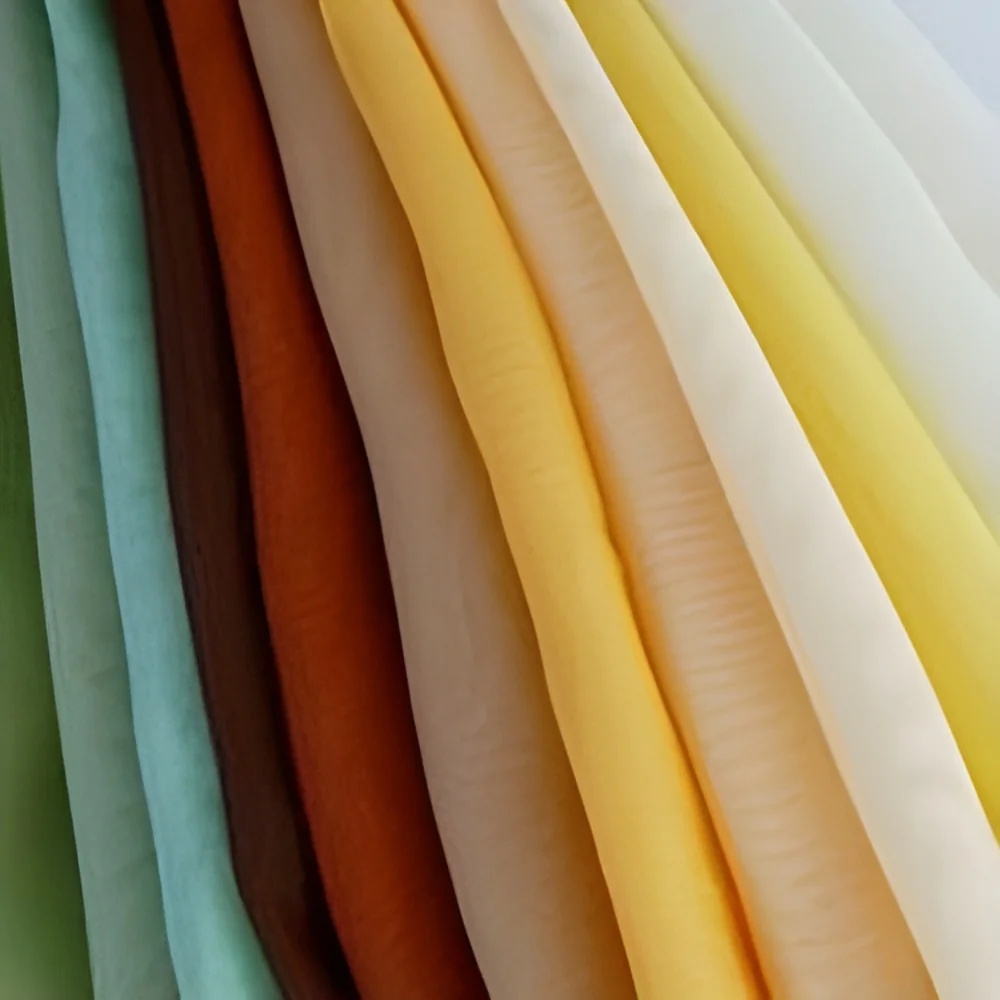
Voile woven fabric is a lightweight, sheer textile known for its soft texture and elegant drape. Typically made from cotton or polyester fibers, this fabric features a plain weave that creates a delicate and airy appearance. Voile is often used in various applications due to its versatility, allowing for both functional and decorative uses. Its breathability and lightness make it suitable for a range of products where a soft finish is desired.
In the B2B context, voile woven fabric is commonly used in the fashion and home textiles industries. It is favored for applications such as curtains, dresses, and blouses, where a lightweight yet durable material is necessary. Additionally, voile can be utilized in upholstery and crafting, further expanding its market relevance. The fabric's ability to blend with other materials enhances its appeal in diverse design projects, making it a staple in many manufacturing processes.
As industries increasingly focus on sustainable and quality materials, voile woven fabric remains a relevant choice. Its adaptability to various market needs ensures that it continues to be a significant player in both fashion and home décor sectors.
Key Features and Specifications
Voile woven fabric offers numerous features that make it suitable for various applications. Understanding its specifications is crucial for businesses looking to source this material effectively.
Key specifications include:
1. Material Composition
- Typically composed of cotton or polyester
- Can be blended with other fibers for enhanced properties
2. Weight
- Lightweight fabric, usually ranging from 40 to 100 grams per square meter
- Ideal for creating airy garments and textiles
3. Width
- Common widths range from 45 to 60 inches
- Allows for versatile applications in clothing and décor
4. Transparency
- Sheer quality provides a delicate look
- Varies based on weave density and fiber type
5. Drape Quality
- Excellent draping characteristics for flowing designs
- Suitable for layering and soft silhouettes
6. Color and Print Options
- Available in a wide array of colors and patterns
- Can be dyed or printed for customized designs
7. Care Requirements
- Generally machine washable, but specific care instructions may vary
- Requires gentle handling to maintain fabric integrity
8. Flame Retardancy
- Some variants are treated for increased flame resistance
- Important for safety in certain applications
Voile woven fabric is known for its lightweight and versatile nature, making it a preferred choice in various industries.
Common Applications and Use Cases
Voile woven fabric is widely utilized across several industries due to its unique properties.
1. Fashion Industry: Voile is often used to create elegant apparel such as blouses, dresses, and skirts. Its soft texture and breathable nature make it ideal for spring and summer collections.
2. Home Textiles: In home décor, voile serves as a popular choice for sheer curtains and drapes. Its lightweight quality allows for natural light to filter through while maintaining privacy.
3. Upholstery: Some manufacturers use voile for light upholstery applications, offering a delicate appearance in furniture design.
4. Craft and DIY: Voile is favored in the crafting community for projects requiring a soft, flowing fabric. Its ease of handling makes it suitable for various creative applications.
5. Event Decor: Event planners often use voile to create soft backdrops and draping for weddings and special occasions, enhancing the overall aesthetic.
6. Accessories: Voile is also used in making scarves and wraps, providing a stylish and lightweight option for accessory lines.
7. Children’s Clothing: Due to its softness, voile is a common choice for children’s garments, ensuring comfort and breathability.
Product Variants and Subcategories
Voile woven fabric comes in various forms, catering to different needs and preferences within the market.
Lightweight Voile
This variant is particularly thin and airy, making it ideal for summer garments and lightweight curtains. Its delicate nature allows for elegant draping and movement.
Cotton Voile
Made primarily from cotton, this version retains the lightweight quality while offering a natural feel. It is often used in fashion applications and home textiles for its breathability and comfort.
Polyester Voile
Polyester variants provide increased durability and wrinkle resistance. They are commonly used in event décor and commercial applications where longevity is essential.
Benefits and Advantages
Sourcing voile woven fabric presents multiple advantages for businesses.
Key benefits include:
1. Versatility: Voile can be used in a wide range of applications, from fashion to home textiles, offering flexibility for manufacturers.
2. Lightweight: The fabric’s lightweight nature makes it easy to handle, transport, and incorporate into various designs.
3. Sheer Quality: Its transparency allows for creative layering in design, appealing to fashion and décor markets.
4. Customizability: Voile can be easily dyed and printed, enabling businesses to create unique designs tailored to customer preferences.
5. Breathability: The fabric’s breathable properties make it suitable for warm weather clothing and home textiles, enhancing comfort.
6. Cost-Effectiveness: Voile is generally affordable, making it an economical choice for businesses without compromising quality.
Buying Guide for B2B Buyers
When considering purchasing voile woven fabric, it is essential to evaluate several key factors to ensure a successful sourcing experience.
1. Quality Assessment: Buyers should examine the fabric’s composition, weight, and finish to ensure it meets their quality standards. Requesting samples can aid in this evaluation.
2. Supplier Verification: It is vital to vet suppliers to establish credibility. Look for reviews, certifications, and previous client testimonials to gauge reliability.
3. Pricing and MOQ: Understanding the pricing structure and minimum order quantities (MOQ) is crucial. Negotiating favorable terms can lead to better procurement outcomes.
4. Delivery and Lead Times: Discuss logistics and expected lead times with suppliers to ensure timely delivery of products. This consideration is especially important for time-sensitive projects.
5. Compliance Requirements: Ensure that the fabric meets relevant regulatory standards and certifications, particularly if it will be used in specific applications requiring compliance.
Compliance and Certifications
Voile woven fabric is subject to various quality standards and certifications that ensure its safety and reliability in industrial applications.
Relevant quality standards, such as ISO 9001, emphasize the importance of maintaining quality management systems for manufacturers. This ensures that products meet customer and regulatory requirements consistently.
Industry certifications like CE demonstrate compliance with European health, safety, and environmental protection standards. This is particularly important for businesses exporting products to regions with strict regulatory frameworks.
Safety and testing requirements also play a crucial role in ensuring the fabric is free from harmful substances. Manufacturers often conduct testing to confirm the fabric's safety for consumer use.
Moreover, regional compliance considerations must be taken into account, especially when sourcing materials from different countries. Understanding local regulations can help businesses avoid potential legal issues and ensure smooth operations.
Why Source Voile Woven Fabric from Pepagora?
Pepagora is a trusted platform for sourcing voile woven fabric, offering several key advantages for B2B buyers.
Verified Supplier Network: Pepagora provides access to a network of verified suppliers, ensuring that businesses can source high-quality materials from reputable manufacturers. This verification process helps mitigate risks associated with unreliable suppliers.
Streamlined RFQ Process: The platform features a streamlined request for quotation (RFQ) system that simplifies the sourcing process. Buyers can easily submit inquiries and receive competitive quotes, saving time and effort.
Trade Assurance and Support: Pepagora offers trade assurance programs that protect buyers against potential issues during transactions. This support fosters confidence in sourcing decisions and encourages long-term partnerships.
Regional Coverage: With a strong presence in regions such as India, the GCC, and Southeast Asia, Pepagora facilitates access to a diverse range of suppliers and products. This geographic reach enables businesses to tap into local markets effectively and efficiently.


 India
Frequently Asked Questions
What are Voile Woven Fabric?
Voile Woven Fabric is a lightweight, sheer fabric made from cotton or a blend of cotton and polyester. It is characterized by its soft texture and is often used for making curtains, dresses, and other garments that require a delicate appearance.
What are the different types of Voile Woven Fabric?
There are several types of Voile Woven Fabric, including plain voile, printed voile, and embroidered voile. Each type offers unique features, such as different patterns, weaves, and finishes, catering to various aesthetic and functional requirements.
How do I choose the right Voile Woven Fabric?
To choose the right Voile Woven Fabric, consider factors such as the intended use, desired color, pattern, and weight. Additionally, assess the fabric's drape, breathability, and care instructions to ensure it meets your specific needs.
What are the standard specifications for Voile Woven Fabric?
Standard specifications for Voile Woven Fabric typically include a weight range of 50-80 GSM, a width of 44-60 inches, and a thread count that varies depending on the manufacturer. It is advisable to check individual supplier specifications for exact details.
What is the price range for Voile Woven Fabric?
The price range for Voile Woven Fabric can vary widely based on quality, type, and supplier, generally falling between INR 40 to INR 200 per meter. Bulk purchases may offer discounts, and prices may also fluctuate based on market demand.
What quality standards apply to Voile Woven Fabric?
Quality standards for Voile Woven Fabric include factors such as colorfastness, shrinkage, and durability. Fabrics may also be tested for compliance with industry standards such as ISO or ASTM, ensuring they meet specific performance criteria.
Where can I find Voile Woven Fabric suppliers in India?
You can find Voile Woven Fabric suppliers in India through various online B2B marketplaces, textile trade shows, and industry directories. Websites like Pepagora.com can connect you with reliable manufacturers and wholesalers in the textile industry.
Can Voile Woven Fabric be customized?
Yes, Voile Woven Fabric can often be customized in terms of color, design, and size. Many manufacturers offer options for custom printing and finishing to meet specific customer requirements.
What is the typical minimum order quantity for Voile Woven Fabric?
The typical minimum order quantity (MOQ) for Voile Woven Fabric varies by supplier, but it generally ranges from 50 to 100 meters. Larger orders may be required for custom designs or specific fabric types.
What is the typical lead time for Voile Woven Fabric?
The typical lead time for Voile Woven Fabric varies based on order size and customization, usually ranging from 2 to 4 weeks. Suppliers may provide specific timelines based on their production capacity and inventory levels.
Why Businesses Trust Pepagora
Thousands of companies trust Pepagora to source smarter and sell faster
Expand Your Sales Globally

Source Smarter,Grow Faster
