
 IN
Chambray Woven Fabric
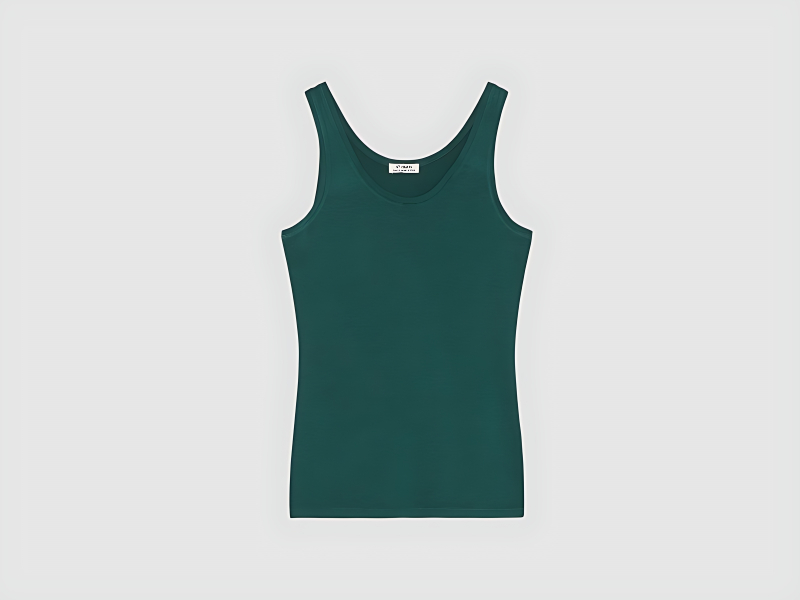
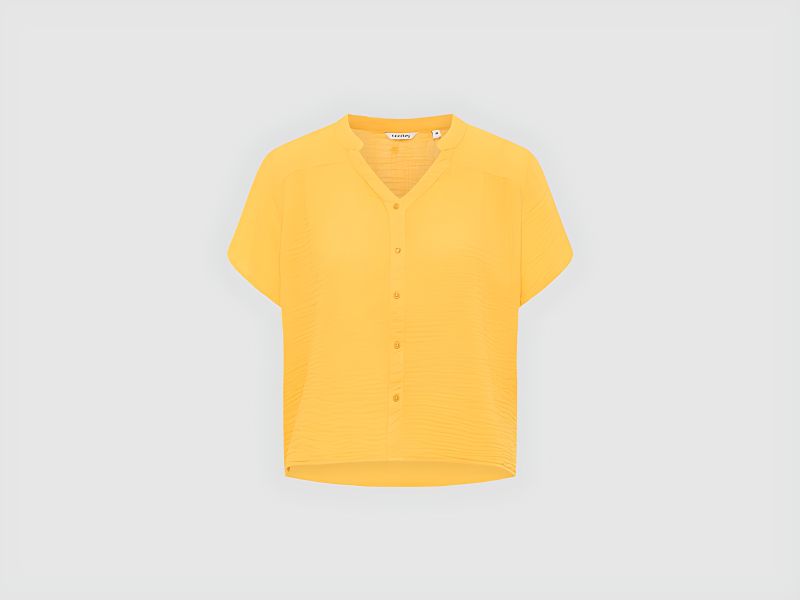
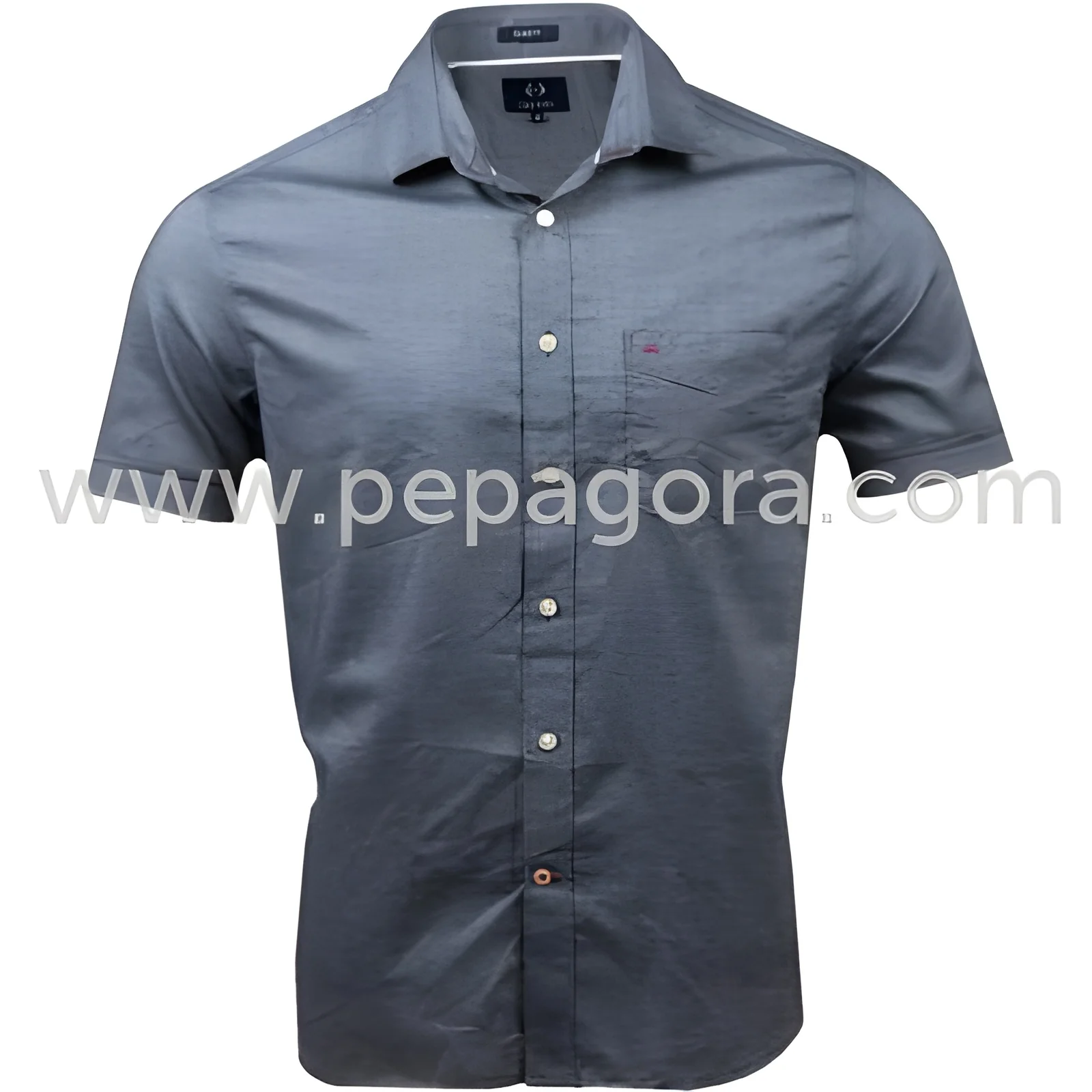
4 products available
What are Chambray Woven Fabric?
Chambray woven fabric is a lightweight textile known for its distinctive appearance, characterized by a colored warp and a white weft. This construction technique creates a subtle texture and a unique depth of color, making chambray an attractive choice for various applications. The fabric is often made from cotton, though blends with synthetic fibers can also be found, enhancing its durability and ease of care.
Chambray is primarily used in the fashion and textile industries, where it serves as a popular option for shirts, dresses, and casual wear. Its breathable quality and soft feel make it suitable for warm-weather clothing. Businesses in retail and apparel manufacturing frequently turn to chambray for creating stylish yet comfortable garments. The fabric's versatility further extends to home furnishings, where it can be utilized for curtains, upholstery, and accessories. The growing trend for sustainable fabrics has also increased chambray's relevance due to its potential for eco-friendly sourcing.
Key Features and Specifications
Chambray woven fabric offers a range of features that cater to both aesthetic and functional requirements. Its lightweight nature, combined with durability, makes it an appealing choice for various applications. Furthermore, chambray can be produced in varying weights and textures, allowing for customization based on specific needs.
Key specifications include:
1. Composition
- Typically made from cotton, but may include polyester or other blends
- Provides a balance of softness and durability
2. Weight
- Common weights range from 4 oz to 6 oz
- Lighter weights are ideal for summer garments, while heavier options suit cooler conditions
3. Width
- Standard widths vary from 44 inches to 60 inches
- Wider fabrics allow for greater versatility in garment design
4. Color Options
- Available in various colors, including classic blue, grey, and more vivid hues
- Offers opportunities for unique designs through dyeing processes
5. Care Requirements
- Generally machine washable and quick drying
- Resistant to wrinkles, making it low maintenance
6. Breathability
- Excellent moisture-wicking properties for comfort in warm weather
- Allows for airflow, enhancing wearability
7. Texture
- Soft and smooth surface, providing comfort against the skin
- Distinctive appearance due to the woven construction
8. Eco-friendliness
- Potential for sustainable sourcing, depending on manufacturing practices
- Can be produced using organic cotton for eco-conscious consumers
In summary, chambray woven fabric is both functional and stylish, making it a favored choice in numerous applications across various industries.
Common Applications and Use Cases
Chambray woven fabric is utilized across multiple industries, showcasing its versatility and appeal.
1. Fashion Retail: Chambray is commonly used in the fashion industry for shirts, blouses, and dresses. Its lightweight and breathable nature make it suitable for warm-weather apparel.
2. Workwear: Due to its durability and comfort, chambray is often found in uniforms and work shirts, providing a professional look while ensuring ease of movement.
3. Home Decor: Many interior designers choose chambray for curtains, table linens, and upholstery. Its soft texture and aesthetic appeal enhance home environments.
4. Children's Clothing: Chambray's softness is ideal for children's wear, where comfort and breathability are paramount.
5. Accessories: The fabric is also popular in accessories like bags and hats, combining style with practicality.
6. Crafts: Crafters often utilize chambray for quilting and other textile projects due to its ease of handling and variety of colors.
7. Sportswear: The moisture-wicking properties of chambray make it suitable for casual sportswear, providing comfort during physical activities.
Product Variants and Subcategories
Chambray woven fabric comes in various forms, allowing businesses to select the right type for their needs.
Lightweight Chambray
This variant is designed for summer clothing, offering breathability and comfort. It is typically used in shirts and casual dresses, making it a staple in warm-weather fashion.
Medium Weight Chambray
Medium weight options provide more structure and are suitable for a variety of garments including workwear and tailored shirts. This variant balances comfort with durability.
Heavyweight Chambray
Heavyweight chambray is ideal for outerwear and durable applications. It offers increased protection and is commonly used in jackets and robust garments.
Benefits and Advantages
Choosing chambray woven fabric presents several advantages for businesses.
1. Versatility: Chambray can be used in a wide range of applications, from clothing to home decor, making it a valuable addition to any product line.
2. Durability: The fabric is known for its strength and longevity, ensuring that products made from chambray maintain their quality over time.
3. Comfort: Chambray is soft and breathable, providing comfort for the wearer, which is essential in apparel production.
4. Aesthetic Appeal: The fabric’s unique texture and color options make it visually appealing, enhancing the overall look of finished products.
5. Low Maintenance: Chambray is generally machine washable and wrinkle-resistant, making it easy for consumers to care for their garments.
6. Eco-friendly Options: With the potential for sustainable sourcing, chambray can meet the demands of environmentally conscious consumers.
Buying Guide for B2B Buyers
When sourcing chambray woven fabric, businesses should consider several key factors to ensure they select the right product.
1. Quality Assessment: Evaluate the fabric's composition and weight to ensure it meets the desired specifications for your applications. Look for samples to confirm quality.
2. Supplier Verification: Vet suppliers to ensure they have a good reputation and meet industry standards. Check for reviews and ask for references.
3. Pricing and MOQ: Discuss pricing structures and minimum order quantities to find a supplier that fits your budget and production needs.
4. Delivery and Lead Times: Confirm delivery schedules and lead times to ensure timely fulfillment of orders. Understand the logistics involved in shipping.
5. Compliance Requirements: Ensure that the fabric meets any necessary compliance and regulatory standards relevant to your industry or target market.
Compliance and Certifications
Chambray woven fabric is subject to various quality standards and certifications that ensure its safety and usability in different applications.
Relevant quality standards include ISO 9001, which focuses on quality management systems, ensuring that manufacturers maintain high standards in their production processes.
Industry certifications such as CE indicate compliance with health, safety, and environmental protection standards, which is crucial for products that may be used in consumer applications.
Safety and testing requirements are essential to ensure that chambray fabrics do not contain harmful substances and are safe for use, particularly in clothing and home textiles.
Additionally, regional compliance considerations may vary, and buyers should verify that the fabric meets local regulations in their target markets.
Why Source Chambray Woven Fabric from Pepagora?
Pepagora provides a trusted platform for sourcing chambray woven fabric, offering numerous advantages for B2B buyers.
Verified Supplier Network: Pepagora features a network of verified suppliers, ensuring quality and reliability in sourcing chambray. Each supplier undergoes thorough vetting to maintain high standards.
Streamlined RFQ Process: The platform simplifies the request for quotation (RFQ) process, allowing buyers to easily compare prices and offerings from multiple suppliers, facilitating informed purchasing decisions.
Trade Assurance and Support: Buyers benefit from trade assurance and dedicated support, protecting their transactions and ensuring satisfaction with their purchases.
Regional Coverage: With a strong presence in India, the GCC, and Southeast Asia, Pepagora offers extensive coverage, making it easy for businesses in these regions to access high-quality chambray woven fabric.


Frequently Asked Questions
What are Chambray Woven Fabric?
Chambray woven fabric is a lightweight cotton fabric characterized by its plain weave and colored warp threads combined with white weft threads. This creates a distinctive and versatile textile that resembles denim but is lighter in weight, making it suitable for various applications, including shirts, dresses, and home textiles.
What are the different types of Chambray Woven Fabric?
Chambray woven fabrics come in various types, including solid colors, patterned designs, and striped versions. They can also vary in weight and texture, offering options for different uses, from casual wear to more formal applications.
How do I choose the right Chambray Woven Fabric?
Choosing the right Chambray woven fabric involves considering factors such as weight, color, and intended use. It is essential to evaluate the fabric's texture and drape to ensure it meets the requirements of your specific project, whether it be clothing or home decor.
What are the standard specifications for Chambray Woven Fabric?
Standard specifications for Chambray woven fabric typically include a weight range of 4 to 6 ounces per square yard, a width of approximately 44 to 45 inches, and a composition mainly of cotton. Additionally, the fabric's weave should be consistent, with no loose threads or defects.
What is the price range for Chambray Woven Fabric?
The price range for Chambray woven fabric can vary widely based on quality, type, and supplier, generally falling between INR 80 to INR 300 per meter. Bulk purchases may offer lower prices per meter, so it's advisable to compare quotes from different suppliers.
What quality standards apply to Chambray Woven Fabric?
Chambray woven fabric must comply with various quality standards, including those related to colorfastness, shrinkage, and tensile strength. Fabrics should be tested for durability and comfort, ensuring they meet consumer expectations for wear and longevity.
Where can I find Chambray Woven Fabric suppliers in India?
You can find Chambray woven fabric suppliers in India through B2B marketplaces like Pepagora, textile trade shows, and industry directories. Conducting online searches or contacting local textile manufacturers can also yield potential suppliers.
Can Chambray Woven Fabric be customized?
Yes, Chambray woven fabric can often be customized in terms of color, weight, and patterns based on the buyer's requirements. Many manufacturers offer customization options, allowing businesses to create unique designs that suit their branding needs.
What is the typical minimum order quantity for Chambray Woven Fabric?
The typical minimum order quantity (MOQ) for Chambray woven fabric varies by supplier but usually ranges from 50 to 100 meters. It's advisable to check with individual suppliers for their specific MOQs to ensure they align with your purchasing needs.
What is the typical lead time for Chambray Woven Fabric?
The typical lead time for Chambray woven fabric orders can range from 2 to 4 weeks, depending on the supplier's production capacity and current stock levels. For customized orders, lead times may be longer, so it's best to confirm with the supplier during the ordering process.
Why Businesses Trust Pepagora
Thousands of companies trust Pepagora to source smarter and sell faster
Expand Your Sales Globally

Source Smarter,Grow Faster
