𝗪𝗵𝗮𝘁 𝗮𝗿𝗲 𝗖𝗿𝗲𝗮𝘀𝗲-𝗥𝗲𝘀𝗶𝘀𝘁𝗮𝗻𝘁 𝗪𝗼𝘃𝗲𝗻 𝗙𝗮𝗯𝗿𝗶𝗰?
Crease-resistant woven fabric is a specialized textile designed to maintain its shape and appearance after being subjected to various stresses such as folding or wrinkling. This fabric is engineered using advanced weaving techniques and materials that enhance its durability and resistance to creasing. It offers a blend of comfort, performance, and aesthetic appeal, making it an ideal choice for various applications.
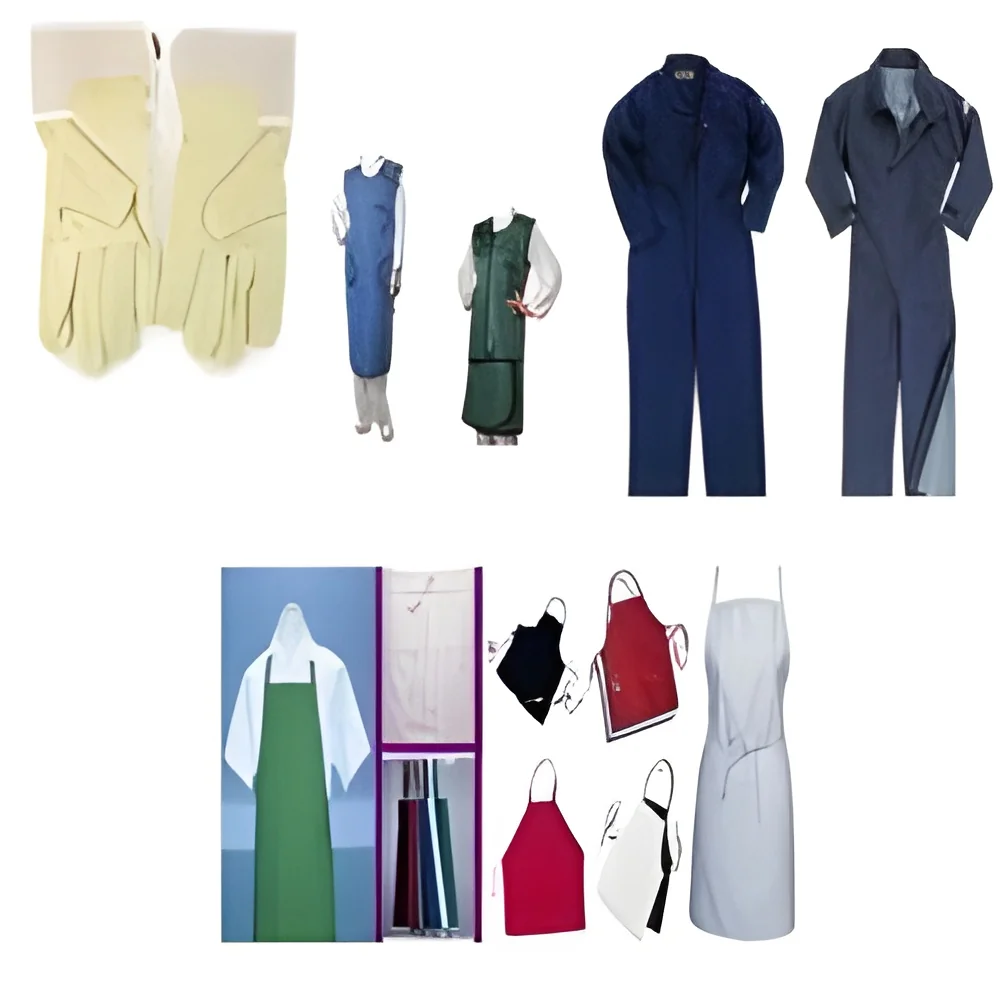
The primary uses of crease-resistant woven fabric span multiple industries, including apparel, upholstery, and outdoor equipment. In the fashion industry, it is commonly used for dress shirts and suits that require a polished look without the hassle of frequent ironing. In upholstery, it provides a practical solution for furniture that endures daily use, while in outdoor equipment, it contributes to the longevity of tents and backpacks exposed to the elements.
In today's market, the relevance of crease-resistant woven fabric is significant as businesses seek durable and low-maintenance options to enhance their product offerings. The demand for such textiles is increasing, particularly among manufacturers looking to meet consumer preferences for convenience and quality.
𝗞𝗲𝘆 𝗙𝗲𝗮𝘁𝘂𝗿𝗲𝘀 𝗮𝗻𝗱 𝗦𝗽𝗲𝗰𝗶𝗳𝗶𝗰𝗮𝘁𝗶𝗼𝗻𝘀
Crease-resistant woven fabric boasts several features that enhance its usability and performance. Key specifications are essential for buyers to consider when selecting the right fabric for their needs.
Key specifications include:
1. Fabric Composition
- Typically made from a blend of polyester and cotton
- Ensures durability while maintaining breathability
2. Weight
- Available in various weights, typically ranging from 150 to 300 GSM
- Heavier weights provide more durability, while lighter weights offer flexibility
3. Color Fastness
- High resistance to fading when exposed to sunlight and washing
- Typically rated between 4 to 5 on the color fastness scale
4. Shrinkage Rate
- Low shrinkage rates, usually under 3%
- Ensures that garments retain their size after washing
5. Water Resistance
- Some variants are treated for water resistance
- Ideal for outdoor applications and protective clothing
6. Breathability
- Designed to allow air circulation, enhancing comfort
- Important for clothing worn in warm conditions
7. Care Instructions
- Generally machine washable and easy to maintain
- Often suitable for tumble drying and quick ironing
8. Certification
- CE certified for compliance with safety and environmental standards
- Ensures trust in material sourcing and manufacturing processes
In summary, the key features and specifications of crease-resistant woven fabric make it a versatile choice for a variety of industrial applications, ensuring that it meets the performance needs of modern businesses.
𝗖𝗼𝗺𝗺𝗼𝗻 𝗔𝗽𝗽𝗹𝗶𝗰𝗮𝘁𝗶𝗼𝗻𝘀 𝗮𝗻𝗱 𝗨𝘀𝗲 𝗖𝗮𝘀𝗲𝘀
Crease-resistant woven fabric serves various industries effectively due to its unique properties.
1. Apparel Industry: Frequently used for business attire, such as dress shirts and suits, this fabric provides a polished look without the need for constant ironing.
2. Upholstery: Ideal for furniture coverings, it withstands daily wear and tear while maintaining a fresh appearance, making it a popular choice for both residential and commercial settings.
3. Outdoor Gear: Used in the manufacturing of tents, backpacks, and outdoor apparel, this fabric’s durability and weather resistance are crucial for products exposed to the elements.
4. Hospitality: In hotels and restaurants, it is commonly found in table linens and staff uniforms, ensuring a neat presentation with minimal maintenance.
5. Corporate Branding: Often utilized for promotional clothing and merchandise, it offers a professional appearance that reflects brand values.
6. Healthcare: Employed in medical uniforms and patient gowns, its easy-care properties are vital for maintaining hygiene and professionalism.
7. Sportswear: Suitable for activewear, it combines comfort and durability, making it a favorite among sports brands for performance fabrics.
𝗣𝗿𝗼𝗱𝘂𝗰𝘁 𝗩𝗮𝗿𝗶𝗮𝗻𝘁𝘀 𝗮𝗻𝗱 𝗦𝘂𝗯𝗰𝗮𝘁𝗲𝗴𝗼𝗿𝗶𝗲𝘀
Crease-resistant woven fabric comes in various forms to suit different applications and customer needs.
Variant 1: Lightweight Crease-Resistant Fabric
This variant is designed for casual wear and offers exceptional breathability. It is ideal for summer clothing and can be easily packed for travel.
Variant 2: Heavy-Duty Crease-Resistant Fabric
Engineered for industrial applications, this variant provides superior durability and is often used in workwear and protective clothing. It can withstand rigorous use while retaining its crease-resistant properties.
Variant 3: Water-Repellent Crease-Resistant Fabric
This variant incorporates water-repellent treatments, making it suitable for outdoor gear. It offers protection against rain while maintaining a light, breathable feel.
𝗕𝗲𝗻𝗲𝗳𝗶𝘁𝘀 𝗮𝗻𝗱 𝗔𝗱𝘃𝗮𝗻𝘁𝗮𝗴𝗲𝘀
Crease-resistant woven fabric presents numerous advantages for businesses and consumers alike.
1. Low Maintenance: This fabric requires less frequent washing and ironing, saving time and labor costs for manufacturers and end-users.
2. Enhanced Durability: Its resistance to creasing and wear extends the lifespan of garments and products, providing better value for investment.
3. Professional Appearance: Crease-resistant properties ensure that products maintain a crisp, polished look, enhancing brand image in competitive markets.
4. Versatility: Available in various weights and finishes, it can be tailored for diverse applications, from formal wear to outdoor gear.
5. Comfort: The breathable nature of the fabric enhances wearability, making it suitable for extended use in both casual and professional environments.
6. Cost-Effectiveness: By reducing the need for extensive care, businesses can lower operational costs associated with garment maintenance.
𝗕𝘂𝘆𝗶𝗻𝗴 𝗚𝘂𝗶𝗱𝗲 𝗳𝗼𝗿 𝗕𝟮𝗕 𝗕𝘂𝘆𝗲𝗿𝘀
When sourcing crease-resistant woven fabric, businesses should consider several factors to ensure they make informed purchasing decisions.
1. Quality Assessment: Evaluate the fabric's composition and durability to ensure it meets specific application needs. Request samples to test before making bulk purchases.
2. Supplier Verification: Vet suppliers to ensure they have a reputable history and can provide certifications. Look for reviews and testimonials from other businesses.
3. Pricing and MOQ: Understand the pricing structures and minimum order quantities (MOQ) to align with budget constraints and production needs. Negotiate terms where possible.
4. Delivery and Lead Times: Confirm delivery schedules to ensure timely access to materials. Consider suppliers who offer flexible lead times to accommodate production demands.
5. Compliance Requirements: Research any regulatory standards that apply to the fabric in your industry, ensuring that the product meets necessary compliance for safety and quality.
𝗖𝗼𝗺𝗽𝗹𝗶𝗮𝗻𝗰𝗲 𝗮𝗻𝗱 𝗖𝗲𝗿𝘁𝗶𝗳𝗶𝗰𝗮𝘁𝗶𝗼𝗻𝘀
Crease-resistant woven fabric adheres to several relevant quality standards to ensure reliability and safety in various applications.
ISO 9001 is a key standard that emphasizes quality management systems. Suppliers of such fabrics typically uphold these standards to guarantee consistent quality in their manufacturing processes.
CE certification indicates that the fabric meets European safety, health, and environmental protection standards. This certification is crucial for businesses looking to market their products within the European Union.
Safety and testing requirements are also critical considerations. Manufacturers follow rigorous testing protocols to ensure the fabric meets industry safety standards, particularly in sectors like healthcare and hospitality.
Additionally, regional compliance considerations may vary. Businesses should be aware of local regulations affecting textile imports and sales to ensure adherence to all applicable laws.
𝗪𝗵𝘆 𝗦𝗼𝘂𝗿𝗰𝗲 𝗖𝗿𝗲𝗮𝘀𝗲-𝗥𝗲𝘀𝗶𝘀𝘁𝗮𝗻𝘁 𝗪𝗼𝘃𝗲𝗻 𝗙𝗮𝗯𝗿𝗶𝗰 𝗳𝗿𝗼𝗺 𝗣𝗲𝗽𝗮𝗴𝗼𝗿𝗮?
Pepagora provides a trusted platform for sourcing crease-resistant woven fabric, offering numerous advantages for B2B buyers.
Verified Supplier Network: Pepagora connects businesses with a network of verified suppliers, ensuring that all products meet high-quality standards. This verification process helps mitigate risks associated with sourcing.
Streamlined RFQ Process: The platform simplifies the request for quotation (RFQ) process, allowing buyers to easily compare prices and specifications from multiple suppliers. This transparency aids in making informed purchasing decisions.
Trade Assurance and Support: Buyers benefit from trade assurance, which protects transactions and enhances buyer confidence. Pepagora provides support to facilitate smooth communication between buyers and suppliers.
Regional Coverage: With a strong presence in regions like India, the GCC, and Southeast Asia, Pepagora offers extensive geographic reach. This allows for efficient sourcing and delivery of crease-resistant woven fabric tailored to diverse market needs.

 IN
IN