Key Features and Specifications
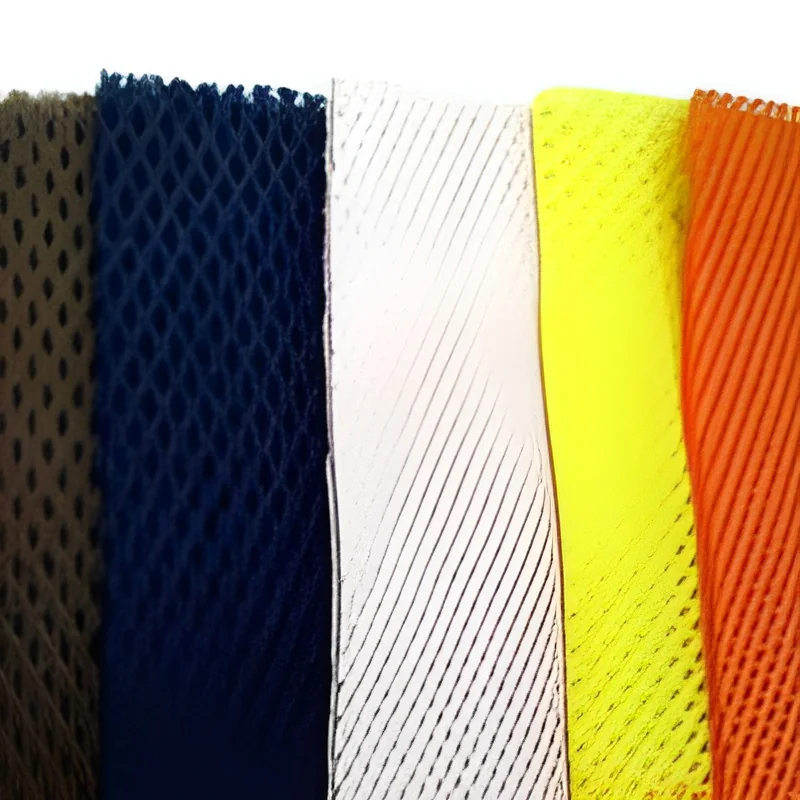
Piqué knit fabric comes with distinctive features that set it apart from other textiles. Its unique texture, combined with its durability, makes it a favored choice in various industries. The fabric can be produced in different weights and blends, catering to diverse applications.
Key specifications include:
1. Material Composition
- Typically made from cotton, polyester, or a blend.
- Offers various textures and feels depending on the blend.
2. Weight
- Available in a range of weights suitable for different applications.
- Commonly found in lightweight options for summer apparel.
3. Breathability
- Excellent airflow characteristics.
- Ideal for warm-weather clothing.
4. Stretchability
- Provides a slight stretch due to the knit structure.
- Enhances comfort and fit in wearables.
5. Color Fastness
- Retains color well after multiple washes.
- Suitable for vibrant dye applications.
6. Durability
- Resistant to wear and tear.
- Maintains structure over time.
7. Care Instructions
- Generally machine washable.
- Requires low heat for drying to maintain fabric integrity.
8. Certifications
- Meets industry standards such as CE.
- Relevant to safety and environmental considerations.
In summary, Piqué knit fabric offers a blend of comfort, durability, and breathability. Its diverse specifications cater to various consumer needs, making it a popular choice in multiple sectors.
Common Applications and Use Cases
Piqué knit fabric serves various industries due to its versatile properties.
1. Apparel Industry: Piqué is predominantly used for polo shirts, casual wear, and activewear, providing both comfort and style.
2. Home Textiles: This fabric is utilized in bed linens and decorative items, offering an appealing texture that enhances home aesthetics.
3. Sportswear: The breathable and stretchy qualities make it ideal for sports uniforms and workout clothing, allowing for freedom of movement.
4. Hospitality: Many hotels use Piqué fabric for uniforms and bed linens, combining elegance with practicality.
5. Promotional Products: Companies often choose Piqué knit fabric for branded apparel, as it provides a professional look while being comfortable for employees.
6. Children’s Clothing: The softness and durability of Piqué make it suitable for children’s garments, ensuring comfort during play.
7. Fashion Accessories: Piqué can also be found in bags and hats, adding a touch of sophistication to everyday items.
Product Variants and Subcategories
Piqué knit fabric comes in various forms, allowing for customization and versatility in applications.
Standard Piqué Knit
This variant features the classic raised texture and is commonly used in polo shirts and casual wear. It is known for its breathability and comfort, making it a popular choice for warm-weather clothing.
Micro Piqué
Micro Piqué offers a finer texture, providing a smoother finish. It is often used in high-end fashion applications, where a polished look is desired.
Heavyweight Piqué
This variant is thicker and more robust, ideal for outerwear and colder climates. It maintains the signature Piqué texture while providing added warmth.
Benefits and Advantages
Piqué knit fabric offers a range of benefits that enhance its appeal to manufacturers and consumers alike.
Key benefits include:
1. Comfort: The breathable nature of Piqué fabric allows for comfort during wear, making it suitable for various clothing items.
2. Durability: This fabric is designed to withstand regular wear and tear, ensuring longevity in garments.
3. Versatility: Piqué can be used in a wide array of products, from apparel to home textiles, catering to diverse market needs.
4. Aesthetic Appeal: The unique texture adds visual interest to products, enhancing their marketability.
5. Easy Maintenance: Piqué fabric is generally easy to care for, making it a practical choice for consumers.
6. Customization Options: Manufacturers can easily dye and print on Piqué fabric, allowing for personalized designs.
Buying Guide for B2B Buyers
When sourcing Piqué knit fabric, it is essential to consider multiple factors to ensure the best selection.
1. Quality Assessment: Look for high-quality materials that meet your specific needs. Consider factors such as softness, durability, and color retention.
2. Supplier Verification: Vet suppliers to ensure they are reliable and have a good reputation. Check for reviews and certifications.
3. Pricing and MOQ: Understand the cost per unit and any minimum order quantities. This helps in budgeting and ensuring you meet production needs.
4. Delivery and Lead Times: Factor in the logistics of delivery and the time it takes to receive your order to avoid production delays.
5. Compliance Requirements: Be aware of any regulatory standards that apply to the fabric, such as safety and environmental certifications.
Compliance and Certifications
Piqué knit fabric must adhere to various industry standards and certifications to ensure quality and safety.
Quality standards such as ISO 9001 ensure that manufacturers maintain consistent quality control throughout the production process. This is crucial for meeting customer expectations and regulatory requirements.
Industry certifications like CE signify that the fabric meets essential health and safety standards. This is especially important for products used in apparel and textiles that come into contact with skin.
Safety and testing requirements are vital to ensure that Piqué knit fabric is free from harmful substances. Manufacturers often conduct tests to confirm compliance with safety regulations.
Regional compliance considerations may apply, particularly in markets with strict textile regulations. Understanding these requirements is essential for businesses operating in diverse geographic locations.
Why Source Piqué Knit Fabric from Pepagora?
Pepagora provides a trusted platform for sourcing Piqué knit fabric, offering several key advantages to B2B buyers.
Verified Supplier Network: Pepagora connects buyers with a network of verified suppliers, ensuring that you can source high-quality materials with confidence. This reduces the risk associated with finding new suppliers and enhances trust in the sourcing process.
Streamlined RFQ Process: The platform features a streamlined request-for-quotation (RFQ) process that allows buyers to easily obtain quotations from multiple suppliers. This simplifies decision-making and ensures you can compare options effectively.
Trade Assurance and Support: Pepagora offers trade assurance to protect buyers throughout the transaction process. This support helps mitigate risks and fosters a positive sourcing experience.
Regional Coverage: With a focus on regions like India, the GCC, and Southeast Asia, Pepagora provides broad geographic reach. This enables businesses to easily source Piqué knit fabric from suppliers that align with their production needs and market demands.

 IN
IN