What are Rib Knit Fabric?
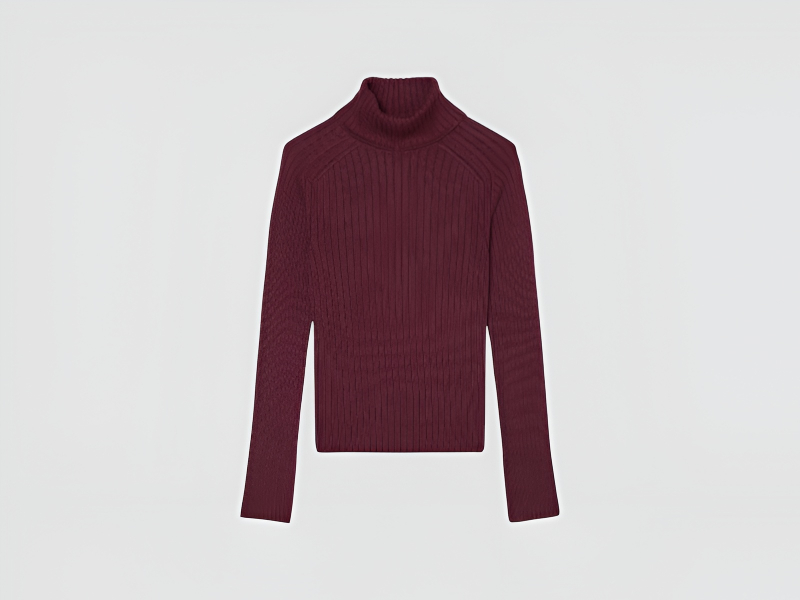
Rib knit fabric is a type of textile characterized by its unique ribbed structure, created by alternating knit stitches and purl stitches. This fabric is known for its elasticity and ability to retain its shape, making it a popular choice in various clothing applications. The ribbing can come in different sizes and variations, which enhances the aesthetic and functional properties of the fabric.
Rib knit fabric is primarily used in the garment industry for items such as cuffs, collars, and waistbands, where stretch and recovery are essential. It is also utilized in activewear, loungewear, and various fashion apparel, providing comfort and a snug fit. The versatility of rib knit fabric allows it to be combined with other materials, expanding its applications across the fashion sector.
In the current market, rib knit fabric holds significance due to the growing demand for comfortable and flexible clothing. As consumer preferences shift towards versatile and functional apparel, the rib knit fabric market is expected to see continued growth. Manufacturers and businesses are increasingly recognizing its potential for innovative designs and applications.
Key Features and Specifications
Rib knit fabric boasts several features that make it suitable for a variety of applications. Its unique structure offers benefits such as stretchability, durability, and comfort. Understanding the specifications is crucial for businesses looking to source this fabric for their products.
Key specifications include:
1. Stretch Factor
- Rib knit fabric is designed to stretch in both directions.
- It typically offers 20-50% stretch, depending on the rib size and yarn used.
2. Weight
- This fabric can vary in weight, influencing its drape and feel.
- Common weights range from lightweight (100-200 gsm) to medium (200-300 gsm).
3. Yarn Count
- The thickness of the yarn impacts the fabric's texture and strength.
- Yarn counts can vary widely, generally between 20s to 40s.
4. Composition
- Rib knit fabrics are made from various fibers including cotton, polyester, and blends.
- Common blends enhance properties such as moisture-wicking and durability.
5. Finish
- Different finishing techniques can affect the surface feel.
- Options include brushed, mercerized, or dyed finishes.
6. Width
- The width of rib knit fabric typically ranges from 30 to 60 inches.
- Wider fabrics allow for larger garment cuts.
7. Color Options
- Rib knit fabric is available in a broad spectrum of colors and patterns.
- Custom dyeing options may be available for bulk orders.
8. Breathability
- The fabric's structure allows for good airflow.
- This feature is particularly beneficial for activewear applications.
In summary, rib knit fabric offers a combination of stretch, durability, and versatility, making it an ideal choice for various clothing applications.
Common Applications and Use Cases
Rib knit fabric serves multiple industries, each leveraging its unique properties for specific applications.
1. Apparel Industry: Rib knit is widely used in t-shirts, sweaters, and sportswear, providing comfort and flexibility for everyday wear.
2. Activewear: The stretchability and breathability of rib knit make it suitable for leggings, sports bras, and workout tops, enhancing performance during physical activities.
3. Home Textiles: Rib knit fabric is also found in home products like throw blankets and pillow covers, adding texture and warmth to living spaces.
4. Children's Clothing: The soft texture and durability of rib knit are preferred for children's apparel, ensuring comfort while withstanding wear.
5. Fashion Accessories: Items such as hats and scarves often utilize rib knit fabric for its snug fit and stylish appearance, making them trendy accessories.
6. Loungewear: The fabric is ideal for comfortable loungewear, such as pajamas and sweatpants, appealing to consumers seeking relaxation and ease.
7. Uniforms: Many uniforms benefit from rib knit fabrics due to their durability and ease of care, making them suitable for various professional settings.
Product Variants and Subcategories
Rib knit fabric comes in various forms, each tailored for specific uses and preferences. This diversity allows businesses to select the right variant for their needs.
Lightweight Rib Knit
This variant is characterized by its soft texture and lightweight feel. It is often used in summer garments, providing comfort without bulk.
Heavyweight Rib Knit
This thicker variant offers more structure and warmth, making it ideal for winter apparel such as sweaters and jackets.
Cotton Rib Knit
Made primarily from cotton fibers, this variant is breathable and soft, perfect for casual wear and children's clothing.
Polyester Rib Knit
Utilizing polyester fibers, this variant boasts enhanced durability and moisture-wicking properties, making it suitable for activewear.
Blended Rib Knit
Combining different fibers, this variant offers a mix of benefits, such as stretch, breathability, and durability, catering to a wide range of applications.
Benefits and Advantages
Choosing rib knit fabric presents numerous advantages for manufacturers and businesses.
1. Flexibility: The inherent stretchiness of rib knit fabric allows for a comfortable fit, accommodating various body types.
2. Durability: Rib knit fabrics are known for their strength, making them resistant to wear and tear, which is essential for long-lasting garments.
3. Versatility: This fabric can be used in a wide array of clothing items, expanding design possibilities and market appeal.
4. Comfort: The soft texture of rib knit fabric contributes to wearer comfort, making it a preferred choice for everyday apparel.
5. Easy Care: Rib knit fabrics are often machine washable and easy to maintain, appealing to consumers seeking convenience.
6. Aesthetic Appeal: The distinctive ribbed texture adds visual interest to garments, making them more attractive to buyers.
Buying Guide for B2B Buyers
When sourcing rib knit fabric, B2B buyers must consider several key factors to ensure they make informed decisions.
1. Quality Assessment: Evaluate the fabric's weight, stretch, and overall feel. Request samples to verify quality before placing a large order.
2. Supplier Verification: Check supplier credentials and reviews to ensure reliability and quality standards. Consider established suppliers with a proven track record.
3. Pricing and MOQ: Understand the pricing structure and minimum order quantities (MOQ) from suppliers to align with budget requirements and production needs.
4. Delivery and Lead Times: Inquire about delivery timelines and lead times. Timely delivery is crucial for maintaining production schedules.
5. Compliance Requirements: Ensure the fabric meets relevant industry standards and certifications, such as CE, to avoid compliance issues.
Compliance and Certifications
Rib knit fabric must adhere to various industry standards and certifications to ensure safety and quality. Key standards include ISO 9001, which focuses on quality management systems, and HACCP for consumer safety in food-related textiles. CE certification indicates compliance with European health, safety, and environmental protection standards.
Safety and testing requirements are also vital, particularly for fabrics intended for children's clothing and activewear. Manufacturers should conduct regular testing for harmful substances and ensure that the fabric meets regulatory requirements in their target markets.
Regional compliance considerations may vary, so it is essential for businesses to understand local regulations pertinent to textile production and sales. Staying informed about these requirements can help businesses avoid legal complications and ensure consumer safety.
Why Source Rib Knit Fabric from Pepagora?
Pepagora provides a trusted platform for sourcing rib knit fabric with several key advantages.
Verified Supplier Network: The platform features a network of verified suppliers, ensuring that buyers can connect with reputable manufacturers who meet quality standards.
Streamlined RFQ Process: Pepagora simplifies the request for quotation (RFQ) process, allowing buyers to easily compare prices and specifications from multiple suppliers, facilitating more informed purchasing decisions.
Trade Assurance and Support: The platform offers trade assurance and dedicated support, protecting buyers throughout their sourcing journey and ensuring a satisfactory transaction experience.
Regional Coverage: Pepagora's reach extends across India, the GCC, and Southeast Asia, providing access to a diverse range of suppliers and products tailored to regional market needs.
By choosing Pepagora, businesses can benefit from a seamless sourcing experience and access high-quality rib knit fabric to meet their production requirements.

 IN
IN