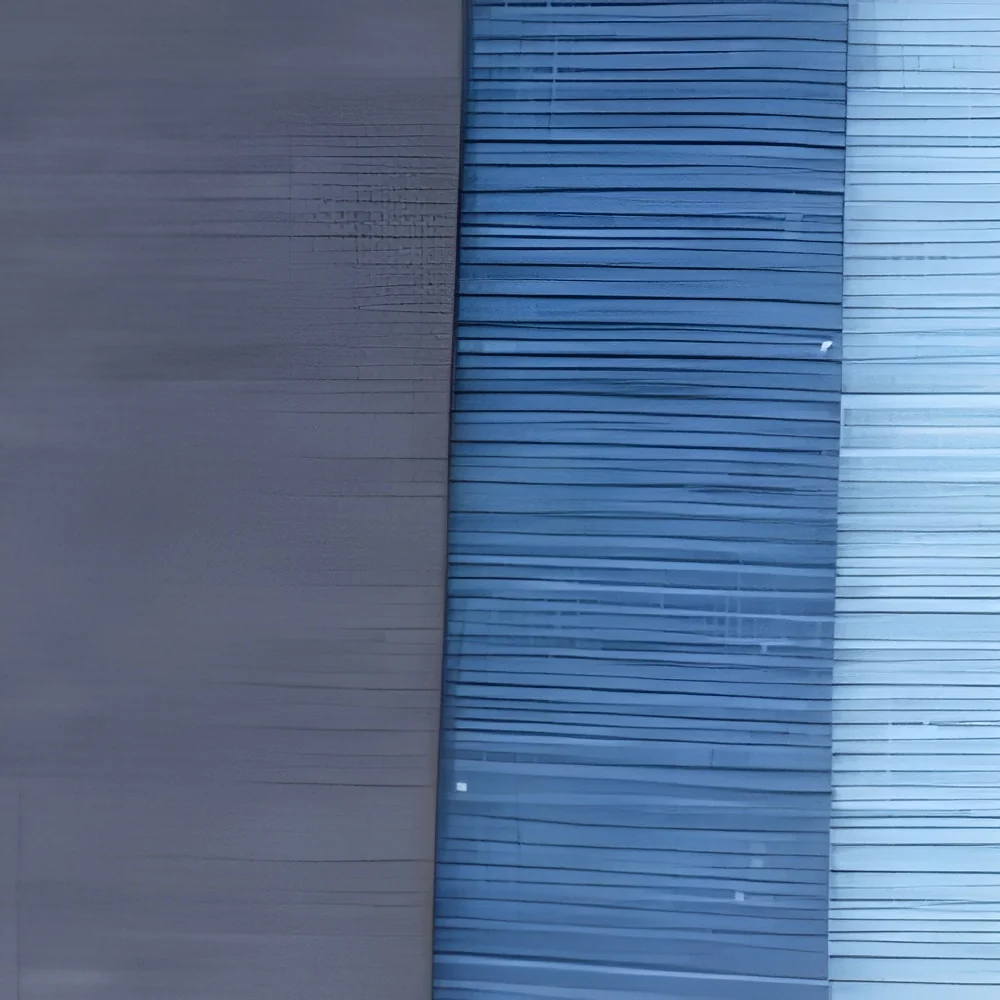
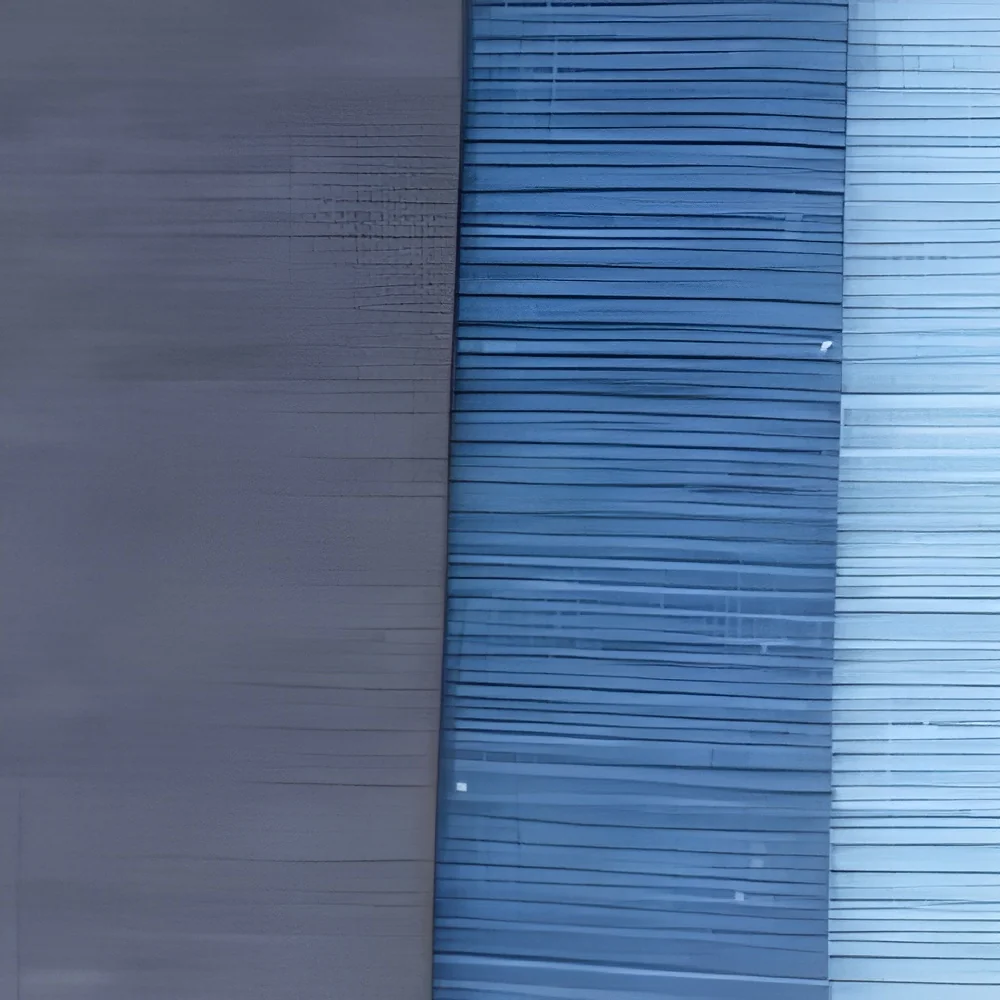
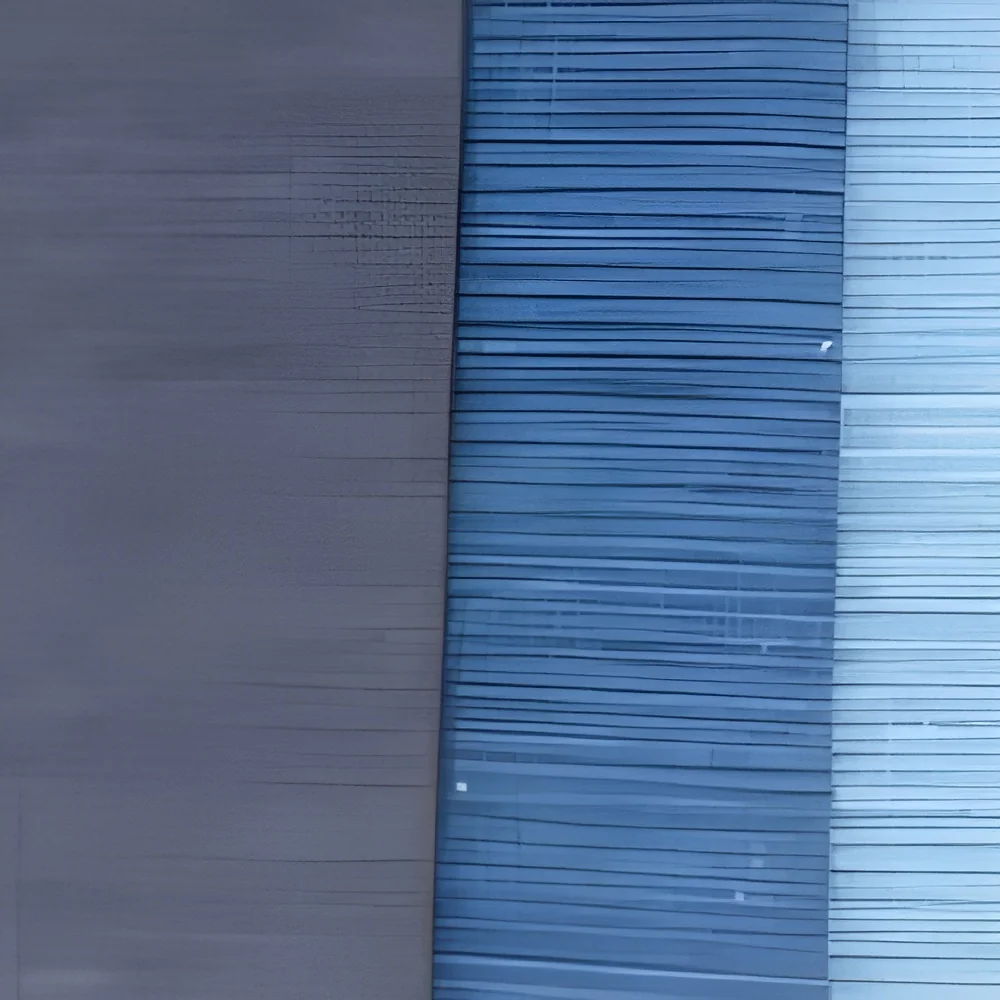
What are Knitted Denim Fabric?
Knitted denim fabric is a unique textile that combines the characteristics of traditional denim with the flexibility and comfort of knitted fabric. Unlike woven denim, which is made from interlaced threads, knitted denim is produced using a series of interlocking loops of yarn. This structure provides a softer feel and greater stretch, making it suitable for a variety of applications.
The primary uses of knitted denim fabric include casual wear, activewear, and fashion apparel. Its stretchability allows for ease of movement, making it a popular choice for garments such as leggings, jeans, and fitted tops. In the industrial context, knitted denim can be utilized in workwear and uniforms that require both durability and comfort. As more brands emphasize comfort and versatility in their clothing lines, the market for knitted denim continues to grow, reflecting trends in consumer preferences for both style and functionality.
Key Features and Specifications
Knitted denim fabric boasts several features that make it appealing for various applications. The fabric's construction allows for breathability, moisture-wicking properties, and a soft hand feel. Its adaptability to different garment styles further enhances its utility in the fashion industry.
Key specifications include:
1. Fabric Composition
- Typically made from cotton or a cotton blend
- May include elastane for added stretch
2. Weight
- Standard weights range from 180 gsm to 400 gsm
- Heavier weights are used for outerwear, while lighter weights suit activewear
3. Stretchability
- Can feature 2-way or 4-way stretch
- Enhances comfort and fit in garments
4. Finish
- Available in various finishes, including washed, dyed, or untreated
- Finishes can affect texture and appearance
5. Durability
- Resistant to wear and tear, suitable for everyday use
- Maintains shape after multiple washes
6. Color Fastness
- High resistance to fading and bleeding
- Ensures longevity of color in garments
7. Breathability
- Allows air circulation to keep the wearer comfortable
- Important for activewear applications
In summary, knitted denim fabric combines the classic appeal of denim with modern textile technology, making it a versatile option for both casual and active clothing.
Common Applications and Use Cases
Knitted denim fabric serves various industries, leveraging its unique properties for different applications.
1. Fashion Apparel: Designers utilize knitted denim for creating trendy clothing lines, including fitted jeans and stylish tops that require flexibility and comfort.
2. Activewear: The stretchability and breathability of knitted denim make it ideal for sportswear, including leggings and shorts that allow for ease of movement during physical activities.
3. Workwear: Companies in the manufacturing and service sectors often adopt knitted denim for uniforms that demand durability and comfort, ensuring employees are both presentable and able to perform their tasks effectively.
4. Children's Clothing: The softness and flexibility of knitted denim are perfect for children's apparel, providing comfort for active play.
5. Home Textiles: Some manufacturers incorporate knitted denim into home goods, such as cushion covers and upholstery, where durability and style are desired.
Product Variants and Subcategories
Knitted denim fabric is available in various forms to meet specific needs and preferences.
Classic Knitted Denim
This variant features a traditional denim look with the added comfort of stretch. It is commonly used in casual wear and offers a balance between style and functionality.
Eco-Friendly Knitted Denim
This variant is made from sustainable materials, such as organic cotton or recycled fibers. It appeals to environmentally conscious consumers and is used in brands that focus on sustainability.
Lightweight Knitted Denim
This option is designed for warmer climates and active wear, offering breathability and flexibility. It is perfect for garments that require comfort without the bulk.
Benefits and Advantages
Knitted denim fabric offers numerous benefits that appeal to both manufacturers and consumers.
1. Comfort: The soft texture and stretchability provide enhanced comfort for the wearer, making it suitable for all-day use.
2. Versatility: Its adaptability allows it to be used in various clothing styles, from casual to activewear, catering to diverse market needs.
3. Durability: Knitted denim is durable and resistant to wear, making it a cost-effective choice for clothing that endures frequent use.
4. Style: The fabric maintains the classic denim aesthetic while offering modern twists in texture and fit, appealing to fashion-forward consumers.
5. Easy Care: Knitted denim is typically machine washable and retains its shape and color after multiple washes, simplifying maintenance for users.
6. Breathability: The fabric's construction allows for good airflow, ensuring comfort in both warm and cool environments.
Buying Guide for B2B Buyers
When sourcing knitted denim fabric, several considerations are essential for making informed purchasing decisions.
1. Quality Assessment: Evaluate the fabric's construction, composition, and weight to ensure it meets your specific requirements. Look for samples to assess the feel and durability.
2. Supplier Verification: Research potential suppliers to ensure they have a good reputation and reliable production capabilities. Check for reviews and ask for references.
3. Pricing and MOQ: Understand the pricing structure and minimum order quantities to align with your budget and production needs. Compare quotes from multiple suppliers to find the best deal.
4. Delivery and Lead Times: Inquire about logistics, including delivery timelines and shipping options. Confirm that the supplier can meet your production schedule.
5. Compliance Requirements: Ensure that the fabric adheres to relevant industry regulations and standards. Verify certifications, such as CE, to ensure quality and safety.
Compliance and Certifications
Compliance with industry standards is crucial for knitted denim fabric. Relevant quality standards include ISO 9001, which ensures consistent quality management processes. Certifications like CE indicate that products meet European safety requirements, which can be essential for market entry in certain regions.
Safety and testing requirements are also important considerations. Fabrics should be tested for harmful substances to ensure they are safe for consumers.
Additionally, regional compliance considerations may vary, so it is essential to be aware of local regulations that could impact the fabric's marketability. Ensuring that all compliance requirements are met can enhance the product's appeal to buyers and end-users alike.
Why Source Knitted Denim Fabric from Pepagora?
Pepagora provides a trusted platform for sourcing knitted denim fabric with several key advantages.
Verified Supplier Network: Pepagora connects buyers with a network of verified suppliers, ensuring reliability and quality. This reduces the risk of sourcing materials from untrustworthy vendors.
Streamlined RFQ Process: The platform offers a streamlined request for quotation (RFQ) process, making it easy for buyers to compare offerings and get the best prices from multiple suppliers efficiently.
Trade Assurance and Support: Buyers benefit from trade assurance that protects their purchases, providing peace of mind during transactions. Additionally, Pepagora offers support throughout the sourcing process, assisting with any issues that may arise.
Regional Coverage: With a strong presence in India, the GCC, and Southeast Asia, Pepagora provides extensive regional coverage, facilitating access to a diverse range of suppliers and products. This geographic reach enhances the opportunity for buyers to find the right materials for their needs.

 IN
IN