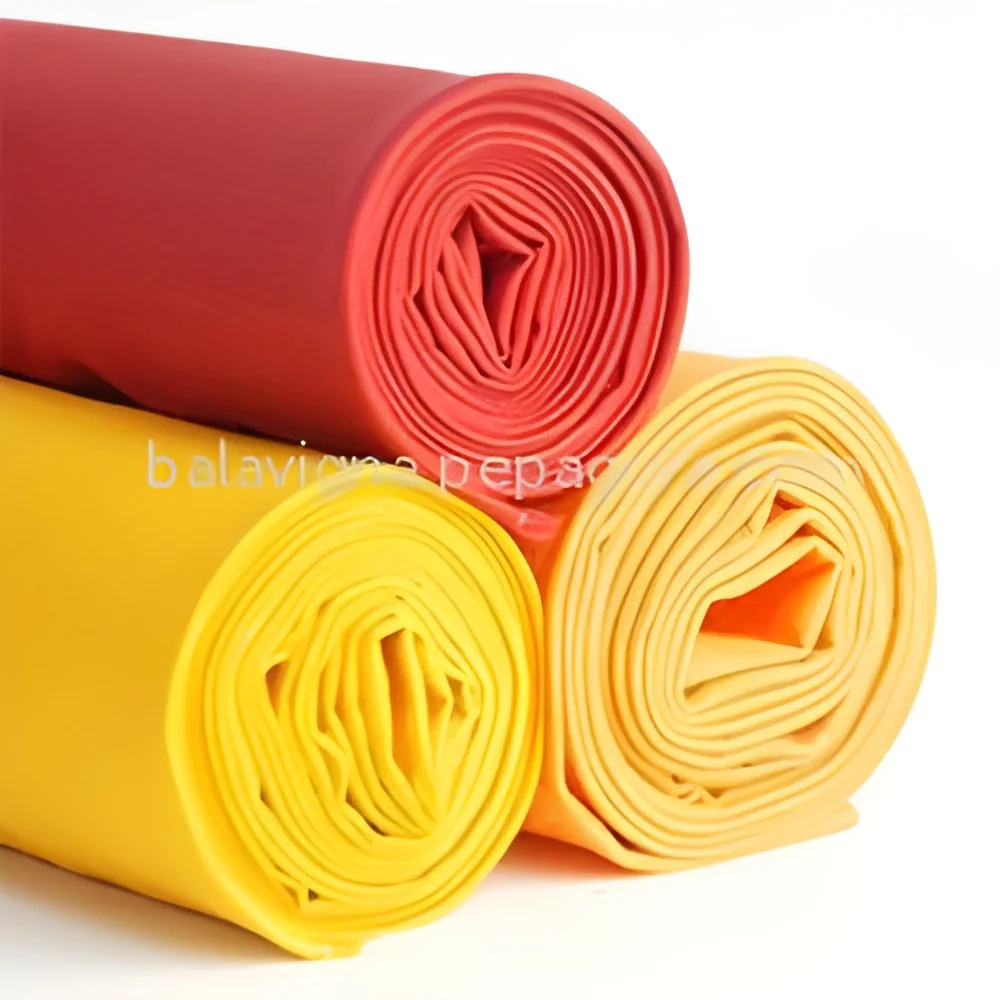
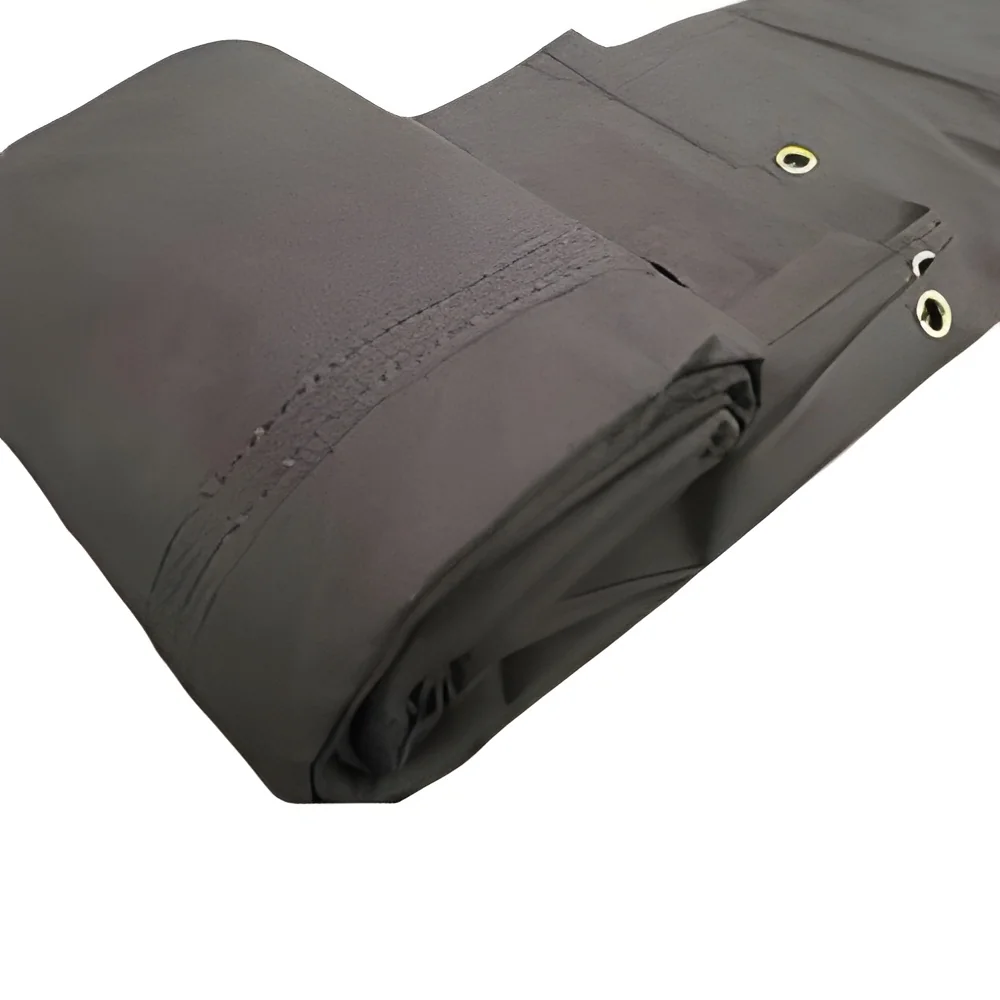
What are Waterproof Woven Fabric?
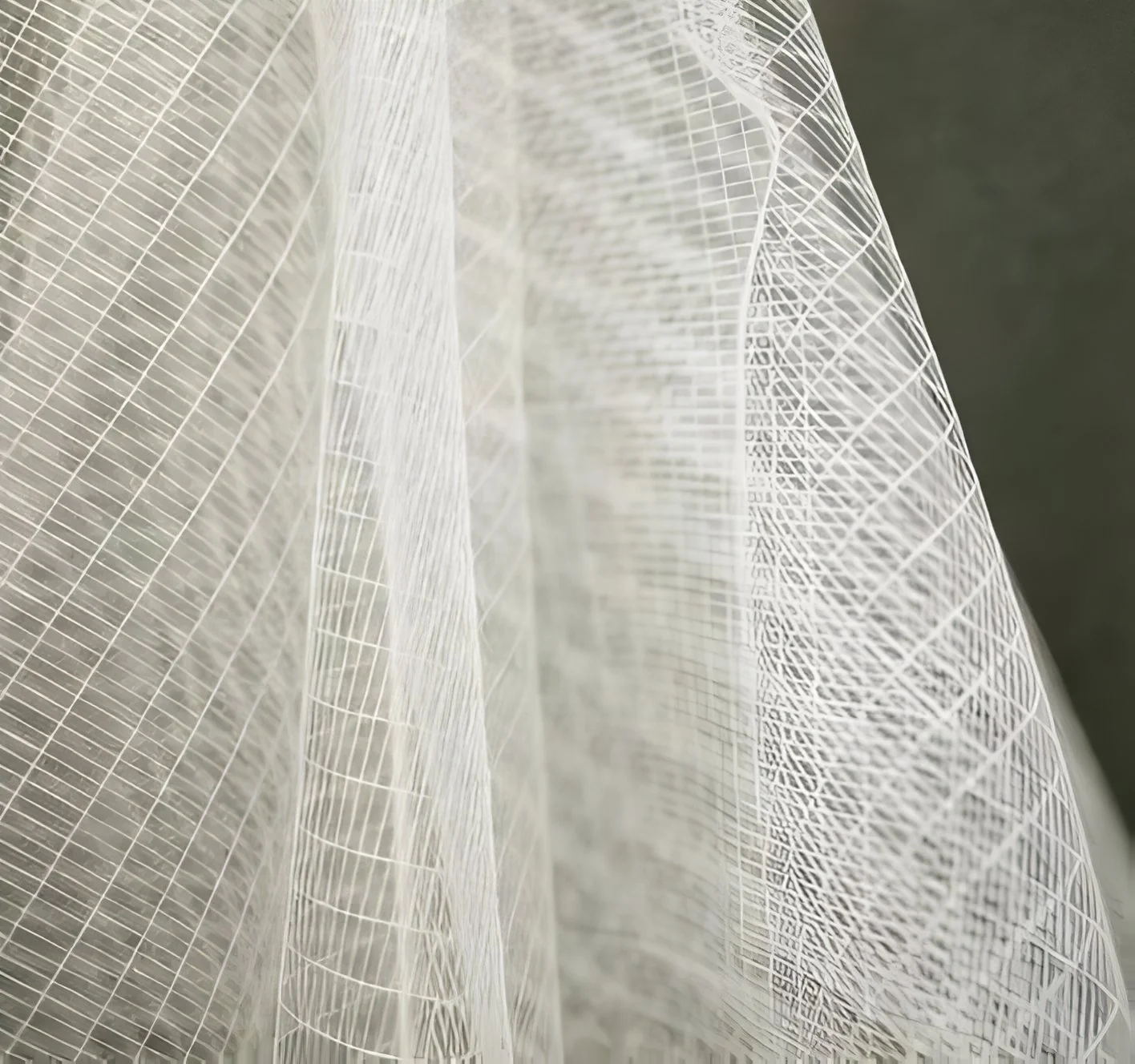
Waterproof woven fabric is a specialized textile designed to repel water while maintaining breathability. This type of fabric combines various fibers and weaving techniques to create a barrier against moisture. The construction methods used in producing waterproof woven fabrics ensure that they can withstand exposure to wet conditions without compromising on durability or comfort.
These fabrics find extensive applications across multiple industries, including outdoor gear, automotive, and construction. Businesses utilize waterproof woven fabric for products such as tents, jackets, and protective coverings. Its ability to resist water makes it an essential material for items that require protection from rain or spills, enhancing the longevity and functionality of the final products.
In the current market landscape, waterproof woven fabric is increasingly relevant due to the growing demand for versatile materials. As more industries seek sustainable and reliable solutions for their products, the market for waterproof woven fabric continues to expand. Manufacturers focus on innovation and quality to meet the evolving needs of businesses, enhancing the fabric's appeal.
Key Features and Specifications
Waterproof woven fabric boasts several key features that set it apart from other materials. These features contribute to its effectiveness in various applications and ensure durability under challenging conditions.
Key specifications include:
1. Water Resistance
- This specification defines the fabric’s ability to resist water penetration.
- Measured in millimeters of water column pressure, higher values indicate better resistance.
2. Breathability
- Breathability refers to the fabric's ability to allow moisture vapor to escape while blocking liquid water.
- Measured in grams per square meter per 24 hours.
3. Durability
- Durability assesses the fabric's resistance to wear and tear under various conditions.
- Evaluated through abrasion resistance tests.
4. Weight
- The weight of the fabric can affect its use; lighter fabrics are typically favored for outdoor gear.
- Measured in grams per square meter.
5. UV Resistance
- This feature indicates the fabric's ability to withstand degradation from UV rays.
- Measured based on performance under prolonged sun exposure.
6. Color Fastness
- Color fastness measures the fabric's resistance to fading when exposed to washing or light.
- Evaluated through standardized testing methods.
7. Chemical Resistance
- This specification indicates the fabric's ability to resist damage from various chemicals.
- Important for industrial applications.
8. Certification
- Compliance with industry standards, such as CE, ensures quality and safety.
- Certifications can vary by region and application.
In summary, waterproof woven fabric is characterized by its water resistance, breathability, and durability, making it a go-to choice for many industries.
Common Applications and Use Cases
Waterproof woven fabric serves a diverse range of industries, each utilizing its unique properties to enhance their products.
1. Outdoor Gear: In this sector, waterproof woven fabric is essential for producing jackets, tents, and backpacks that protect users from rain and moisture while remaining lightweight.
2. Automotive: The automotive industry uses waterproof woven fabric for seat covers, flooring, and protective coverings to prevent water damage and maintain vehicle interiors.
3. Construction: Waterproof woven fabric is utilized in tarps, protective sheeting, and temporary structures to shield materials and workers from adverse weather conditions.
4. Sports Equipment: This fabric is often found in waterproof bags and gear designed for water sports, ensuring that equipment stays dry during use.
5. Medical: In the healthcare sector, waterproof woven fabric is used for protective clothing and covers to maintain cleanliness and prevent contamination.
6. Agriculture: Farmers use waterproof woven fabric for protective tarps and coverings that shield crops from rain and pests.
7. Military: The military employs waterproof woven fabric for tents, gear, and uniforms designed for use in extreme weather conditions.
Product Variants and Subcategories
Waterproof woven fabric offers a variety of options tailored to specific needs and applications.
Standard Waterproof Fabric
This variant is designed for general use, offering basic water resistance and breathability. It is suitable for outdoor gear and protective coverings.
Heavy-Duty Waterproof Fabric
Ideal for industrial applications, this variant provides enhanced durability and water resistance. It is commonly used in construction and automotive settings.
Lightweight Waterproof Fabric
This variant is favored for outdoor apparel and gear, as it combines low weight with effective water resistance. It is perfect for hiking and camping equipment.
Benefits and Advantages
Waterproof woven fabric presents numerous advantages for businesses and end-users alike.
1. Enhanced Protection: Provides reliable protection against water, ensuring that products remain functional in wet conditions.
2. Versatility: Suitable for various applications across multiple industries, making it a valuable material for manufacturers.
3. Durability: Designed to withstand wear and tear, increasing the longevity of the end products.
4. Comfort: Breathable characteristics allow for comfort during use, particularly in outdoor settings.
5. Cost-Effectiveness: Reduces the need for frequent replacements due to its durability, offering long-term savings.
6. Customization: Can be tailored to meet specific requirements, allowing for unique applications in different industries.
Buying Guide for B2B Buyers
When sourcing waterproof woven fabric, several key factors should be considered to ensure the best purchasing decisions.
1. Quality Assessment: Evaluate the fabric's specifications and performance standards to ensure it meets your needs. Look for certifications that indicate quality.
2. Supplier Verification: Research potential suppliers to verify their reliability and reputation. Check reviews and past performance to ensure they meet industry standards.
3. Pricing and MOQ: Understand the pricing structure and minimum order quantities. Compare quotes from different suppliers to find the best deal.
4. Delivery and Lead Times: Consider logistics and the expected delivery times. Ensure that suppliers can meet your project timelines.
5. Compliance Requirements: Be aware of any regulatory requirements for your industry. Ensure that the fabric meets necessary compliance standards to avoid potential issues.
Compliance and Certifications
Waterproof woven fabric must adhere to relevant quality standards and certifications to ensure safety and performance.
Quality standards such as ISO 9001 guarantee that manufacturers maintain high-quality management practices. This certification is essential for ensuring consistent fabric quality.
Industry certifications like CE indicate that the fabric complies with European health, safety, and environmental protection standards. Such certifications are crucial for products entering regulated markets.
Safety and testing requirements must also be considered. Fabrics should undergo rigorous testing to ensure they meet performance benchmarks for water resistance, durability, and breathability.
Regional compliance considerations can vary. Different markets may have specific regulations regarding materials used in waterproofing, so it is essential to understand these requirements based on your location.
Why Source Waterproof Woven Fabric from Pepagora?
Pepagora provides a trusted platform for sourcing waterproof woven fabric, offering a variety of advantages for businesses seeking high-quality materials.
Verified Supplier Network: Pepagora collaborates with a network of verified suppliers, ensuring that buyers can trust the quality and reliability of the products they purchase.
Streamlined RFQ Process: The platform features an efficient request-for-quotation system that simplifies the procurement process. Buyers can easily obtain multiple quotes, allowing for informed purchasing decisions.
Trade Assurance and Support: Pepagora prioritizes buyer protection through trade assurance policies. This support helps mitigate risks and ensures that transactions are secure.
Regional Coverage: Pepagora has a strong presence in India, the GCC, and Southeast Asia, providing extensive geographic reach. This ensures that businesses across these regions can access high-quality waterproof woven fabric with ease.

 IN
IN