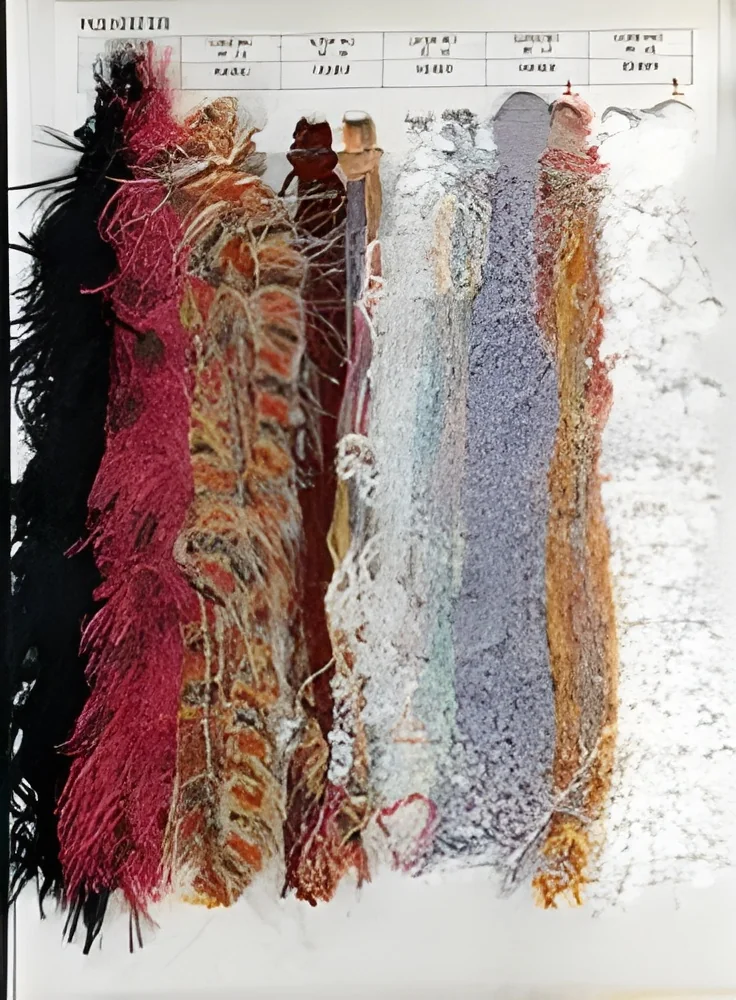
What are Sweater Knit Fabric?
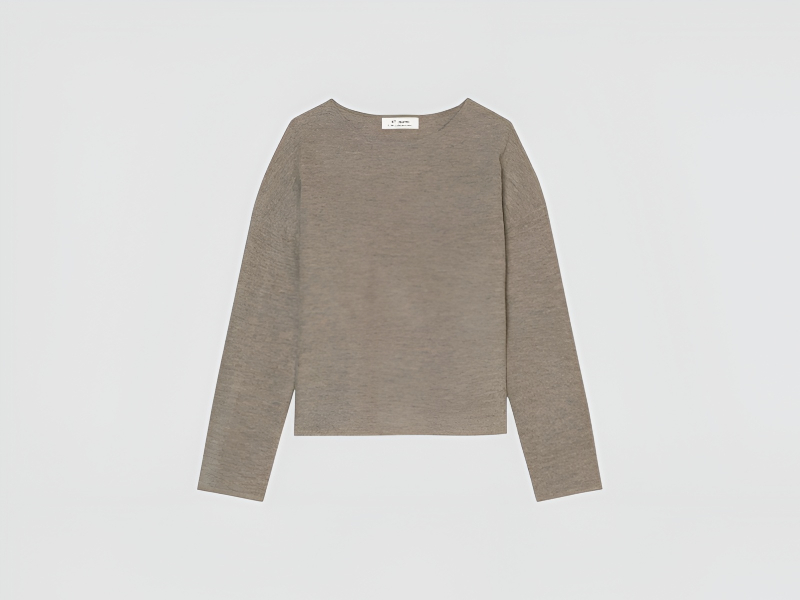
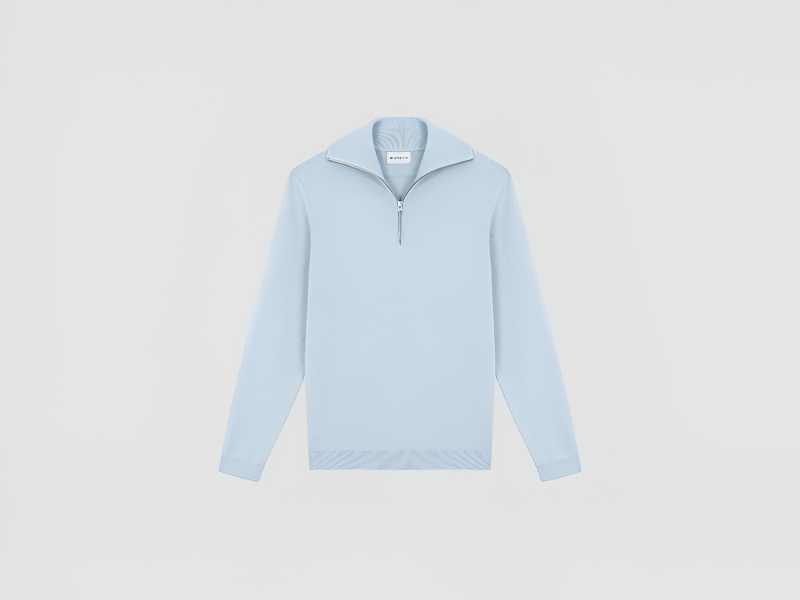
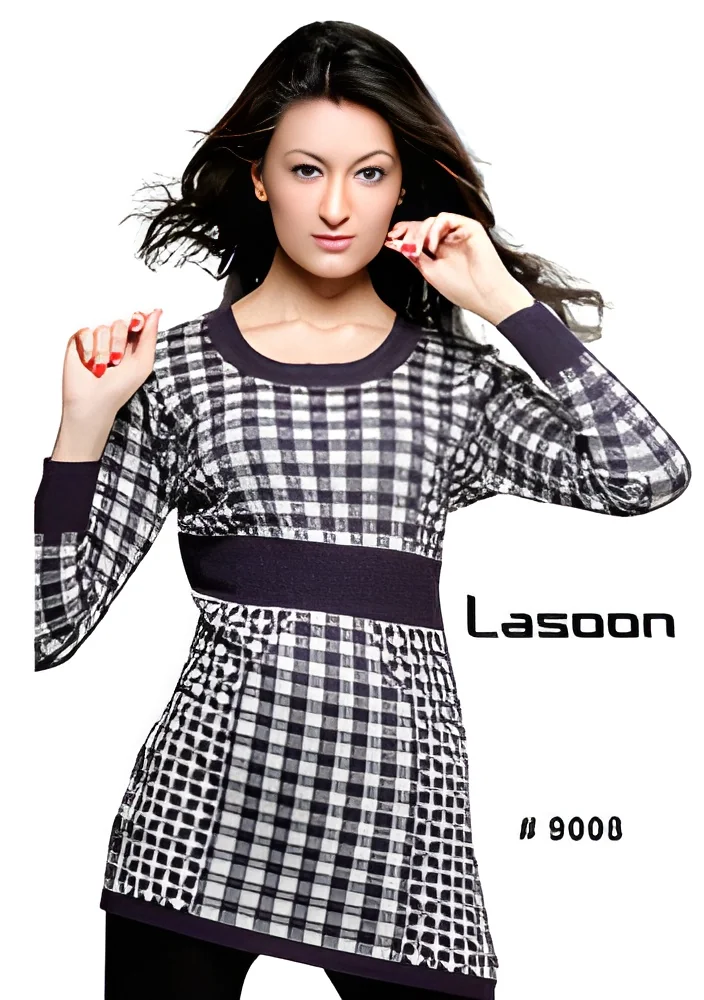
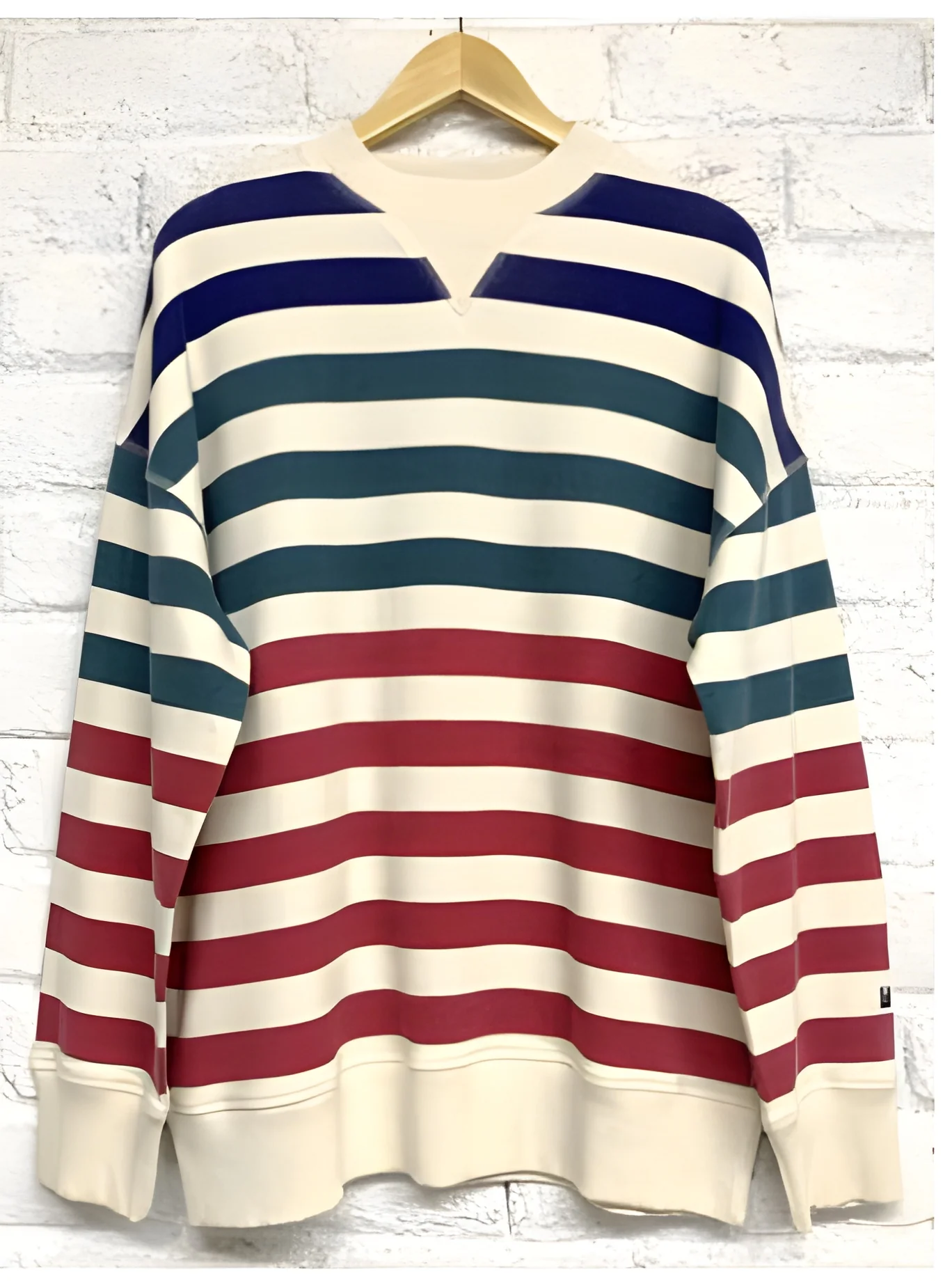
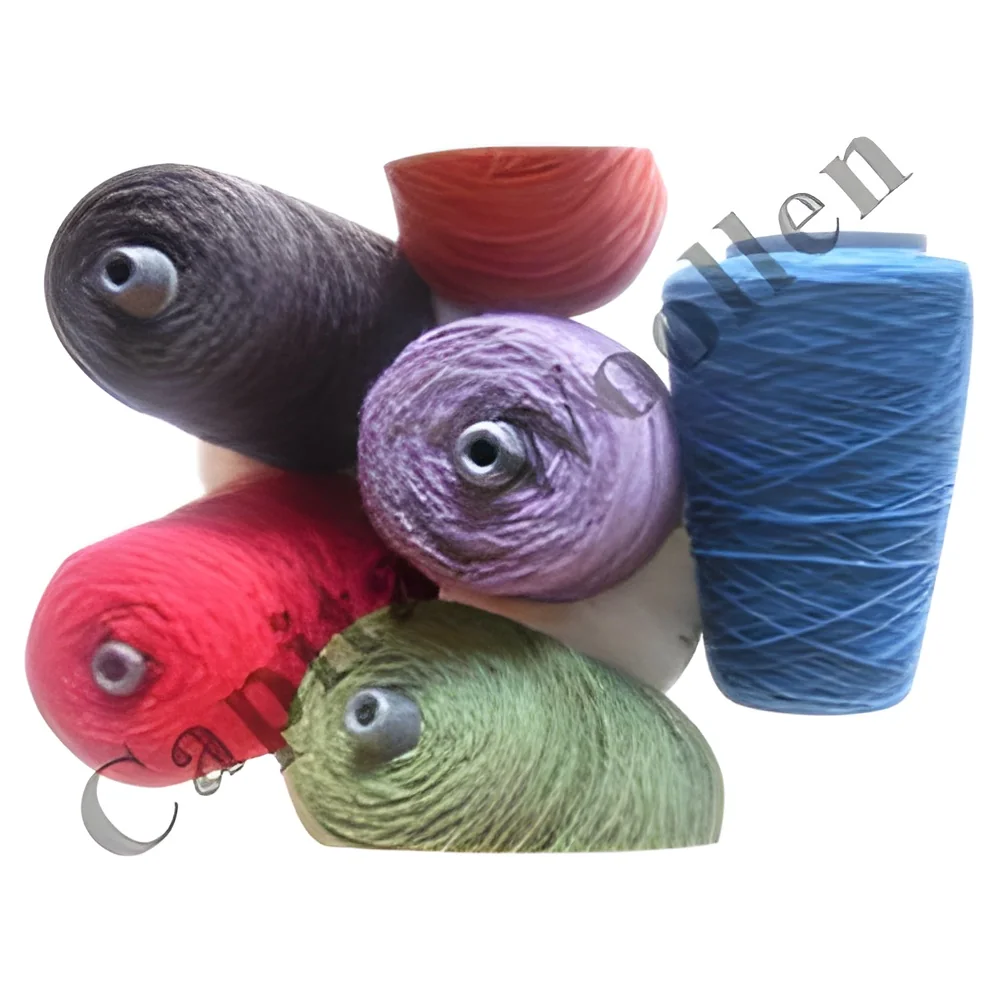
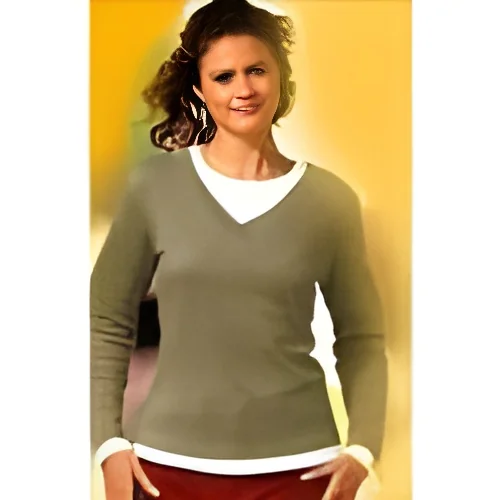
Sweater knit fabric is a type of textile that is characterized by its soft, stretchy, and warm properties. It is primarily made from yarns that are looped together, resulting in a fabric that is often used for making garments such as sweaters, cardigans, and other apparel designed for cooler weather. The knitting process gives the fabric a unique texture and flexibility, making it comfortable to wear and easy to care for.
This fabric finds its primary applications in the fashion and textile industries, where it is used to create a variety of clothing items. Beyond clothing, sweater knit fabric can also be utilized in home textiles, such as blankets and throws, due to its cozy feel. In recent years, the demand for sweater knit fabric has grown, particularly in the context of sustainable fashion, where manufacturers seek eco-friendly materials to meet consumer preferences. This growth reflects the ongoing trend towards casual and comfortable attire in both personal and professional settings.
Key Features and Specifications
Sweater knit fabric boasts several distinct features that make it a popular choice for manufacturers and designers alike. Its properties can vary based on the materials used and the knitting technique applied. Understanding the specifications of sweater knit fabric is crucial for businesses looking to source high-quality materials.
Key specifications include:
1. Material Composition
- Typically made from cotton, wool, or synthetic fibers
- Offers varying degrees of warmth and breathability
2. Weight
- Available in a range of weights, usually measured in grams per square meter (GSM)
- Heavier weights are ideal for winter wear, while lighter weights are suitable for layering
3. Stretchability
- Designed to have a stretch factor, allowing for comfortable movement
- Usually features a 2-way or 4-way stretch depending on the knit pattern
4. Texture
- Can vary from smooth to textured finishes
- Popular textures include ribbed, cable-knit, and boucle
5. Color Fastness
- Must meet standards for color retention after multiple washes
- Important for maintaining the aesthetic appeal of garments over time
6. Durability
- Should withstand wear and tear, especially in high-use applications
- Resistance to pilling is a key consideration
7. Care Instructions
- Generally machine washable, but specific care may vary based on material
- Important for end-users to know for longevity of the fabric
In summary, these specifications help buyers to assess the suitability of sweater knit fabric for their intended applications, ensuring they choose the right product for their needs.
Common Applications and Use Cases
Sweater knit fabric serves a wide range of industries and applications. Its versatility makes it a valuable material in various sectors.
1. Fashion Industry: Sweater knit fabric is extensively used in the production of casual wear, including sweaters, cardigans, and dresses designed for cooler climates.
2. Home Textiles: This fabric is also popular in home decor, used for items such as knitted throws and decorative cushions, providing both comfort and style.
3. Activewear: The stretchable nature of sweater knit fabric makes it suitable for athletic apparel, allowing for ease of movement during physical activities.
4. Children's Clothing: Soft and warm sweater knits are ideal for making comfortable, durable clothing for children, ensuring they stay warm during play.
5. Seasonal Collections: Retailers often use sweater knit fabric in their fall and winter collections, capitalizing on its thermal properties to attract buyers.
6. Uniforms: Certain industries, such as hospitality, use sweater knit fabric for uniforms that require both comfort and a professional appearance.
7. Accessories: The fabric is also used in accessories like hats, scarves, and gloves, offering warmth and style for colder months.
Product Variants and Subcategories
Sweater knit fabric comes in various forms, each suited to different applications and consumer preferences.
Cotton Sweater Knit
This variant is breathable and soft, making it perfect for lightweight sweaters and layering pieces. It is often favored for its comfort and ease of care.
Wool Sweater Knit
Known for its excellent insulation properties, wool sweater knit is ideal for colder climates. It retains heat well and has natural moisture-wicking abilities.
Acrylic Sweater Knit
This synthetic option is lightweight and affordable. It mimics the properties of wool but is more resistant to fading and shrinking, making it a popular choice for budget-conscious consumers.
Blended Sweater Knit
Combining natural and synthetic fibers, blended sweater knits offer the best of both worlds. They provide durability, softness, and stretch, suitable for a wide range of clothing applications.
Benefits and Advantages
Choosing sweater knit fabric offers multiple advantages for manufacturers and retailers.
Key benefits include:
1. Comfort: The soft texture and stretchability provide a comfortable wearing experience, making it suitable for diverse applications.
2. Versatility: Sweater knit fabric can be used in various products, from clothing to home textiles, catering to a wide range of consumer needs.
3. Warmth: This fabric is ideal for cooler weather, providing insulation without compromising breathability.
4. Easy Care: Many sweater knits are machine washable, making them convenient for end-users and reducing maintenance efforts.
5. Aesthetic Appeal: The range of textures and colors available in sweater knit fabric allows designers to create visually appealing products.
6. Sustainable Options: With the rise in eco-conscious consumerism, many sweater knits are now available in sustainable materials, appealing to environmentally aware buyers.
Buying Guide for B2B Buyers
When sourcing sweater knit fabric, various factors should be considered to ensure a successful purchase.
1. Quality Assessment: Evaluate the material quality by requesting samples. Look for consistent texture, color fastness, and overall durability in the fabric.
2. Supplier Verification: It is essential to vet suppliers for credibility and reliability. Check their production processes, customer reviews, and any certifications they may hold.
3. Pricing and MOQ: Understand the pricing structure and minimum order quantities associated with different suppliers. This will help in budgeting and planning your procurement.
4. Delivery and Lead Times: Establish clear timelines for delivery. Timely shipping is crucial to meet production schedules and customer demands.
5. Compliance Requirements: Ensure that the sweater knit fabric meets any necessary compliance standards relevant to your industry, such as safety and environmental regulations.
Compliance and Certifications
Compliance and certification are critical elements when sourcing sweater knit fabric.
Relevant quality standards such as ISO 9001, which focuses on quality management systems, ensure that manufacturers maintain high standards throughout production.
Additionally, certifications like CE indicate that products meet European safety requirements, which can be crucial for companies exporting goods to those markets.
Safety and testing requirements may include assessments for harmful substances, ensuring that the fabric is safe for consumer use.
Regional compliance considerations may vary, so it is important for buyers to understand the specific regulations applicable in their target markets.
Why Source Sweater Knit Fabric from Pepagora?
Pepagora provides a trusted platform for sourcing sweater knit fabric, offering several key advantages to B2B buyers.
Verified Supplier Network: Pepagora connects buyers with a network of verified suppliers, ensuring quality and reliability in every transaction. Each supplier undergoes rigorous vetting to maintain high standards.
Streamlined RFQ Process: The request for quotation (RFQ) system on Pepagora simplifies the procurement process. Buyers can easily compare prices and specifications from multiple suppliers, making informed decisions quickly.
Trade Assurance and Support: Pepagora offers trade assurance to protect buyers throughout the purchasing process. Continuous support is available to address any concerns, enhancing buyer confidence.
Regional Coverage: With a strong presence in India, the GCC, and Southeast Asia, Pepagora ensures that buyers can access a wide range of sweater knit fabric options tailored to their regional needs.

 IN
IN