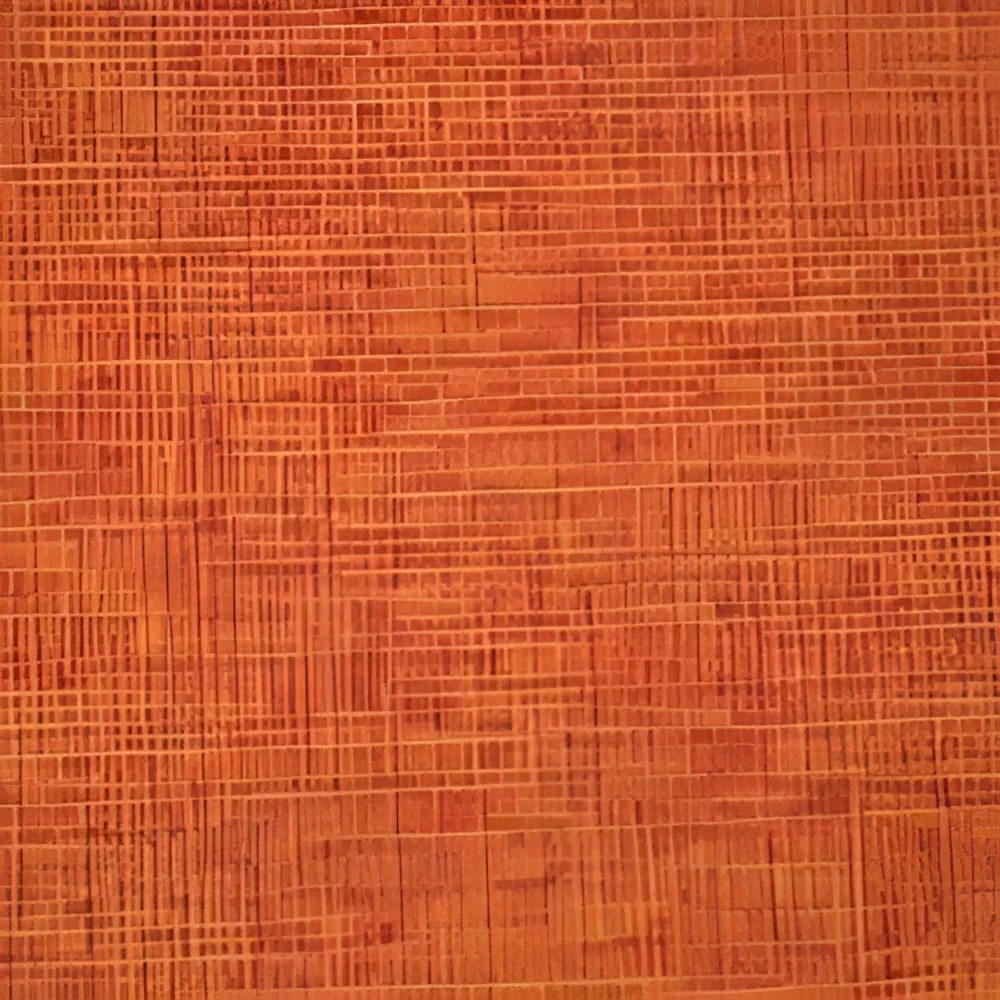
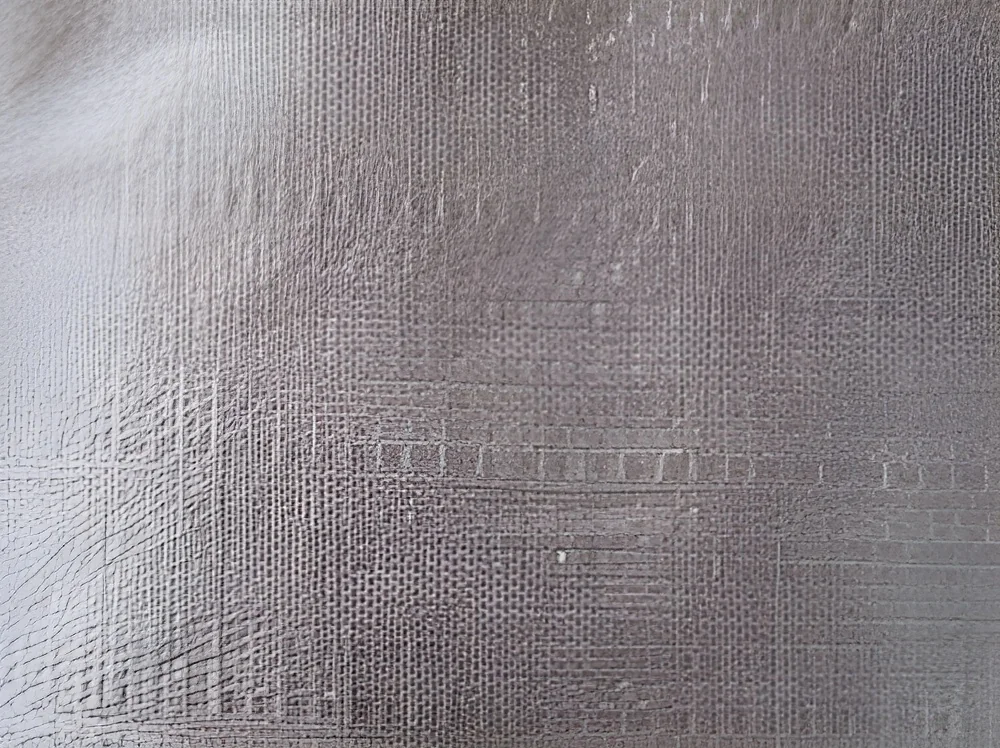
What are Twill Weave Fabric?
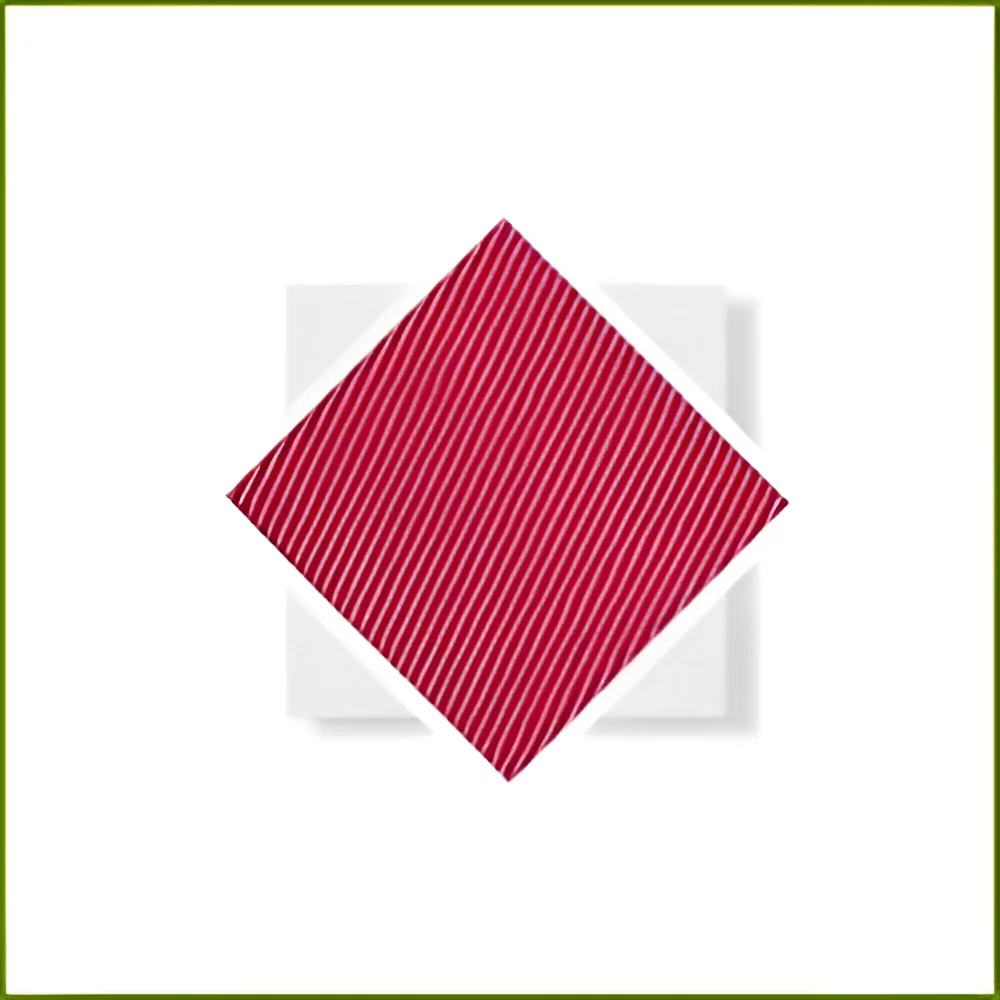
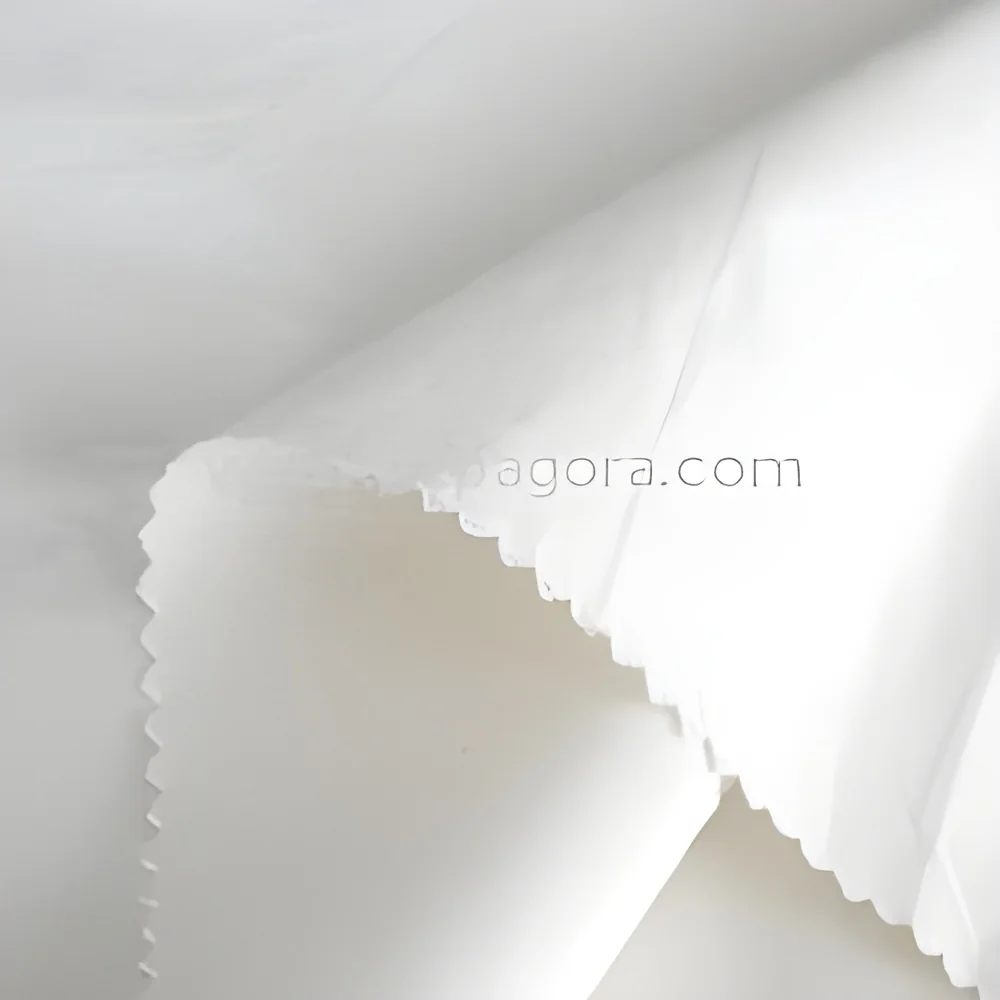
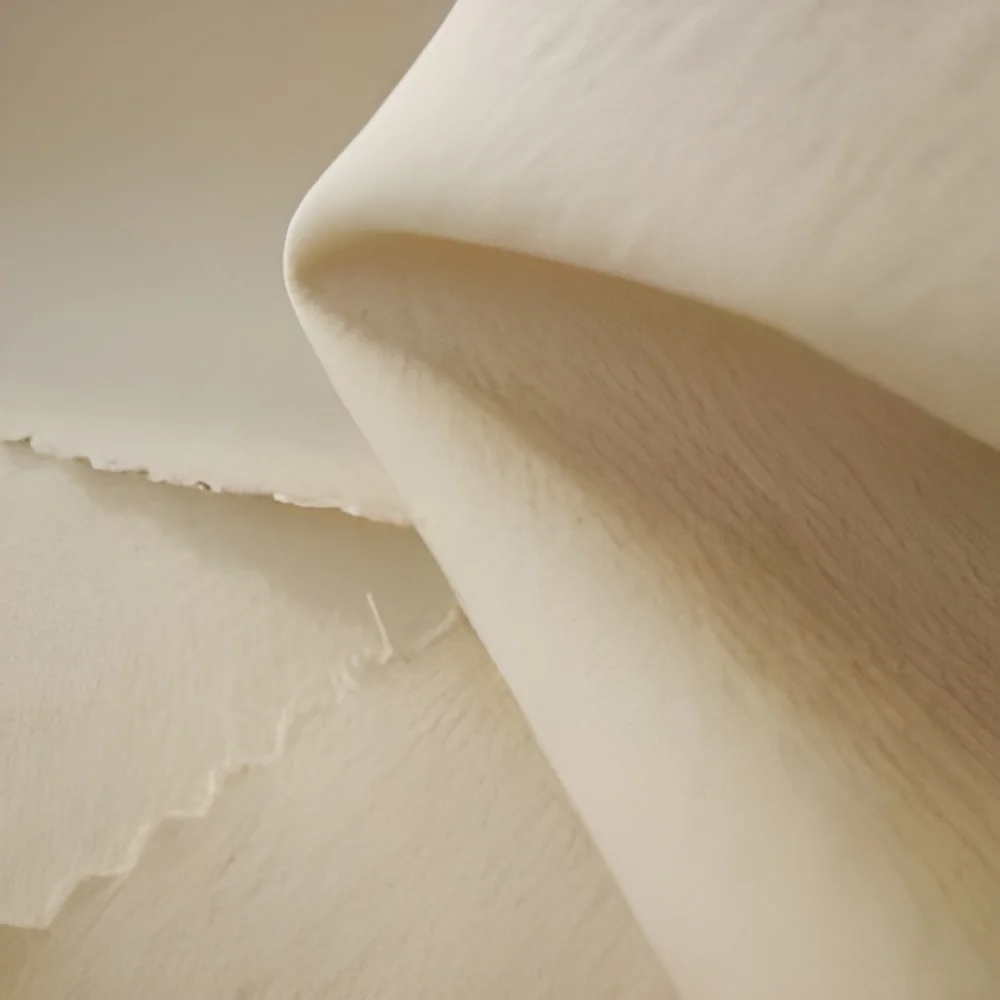
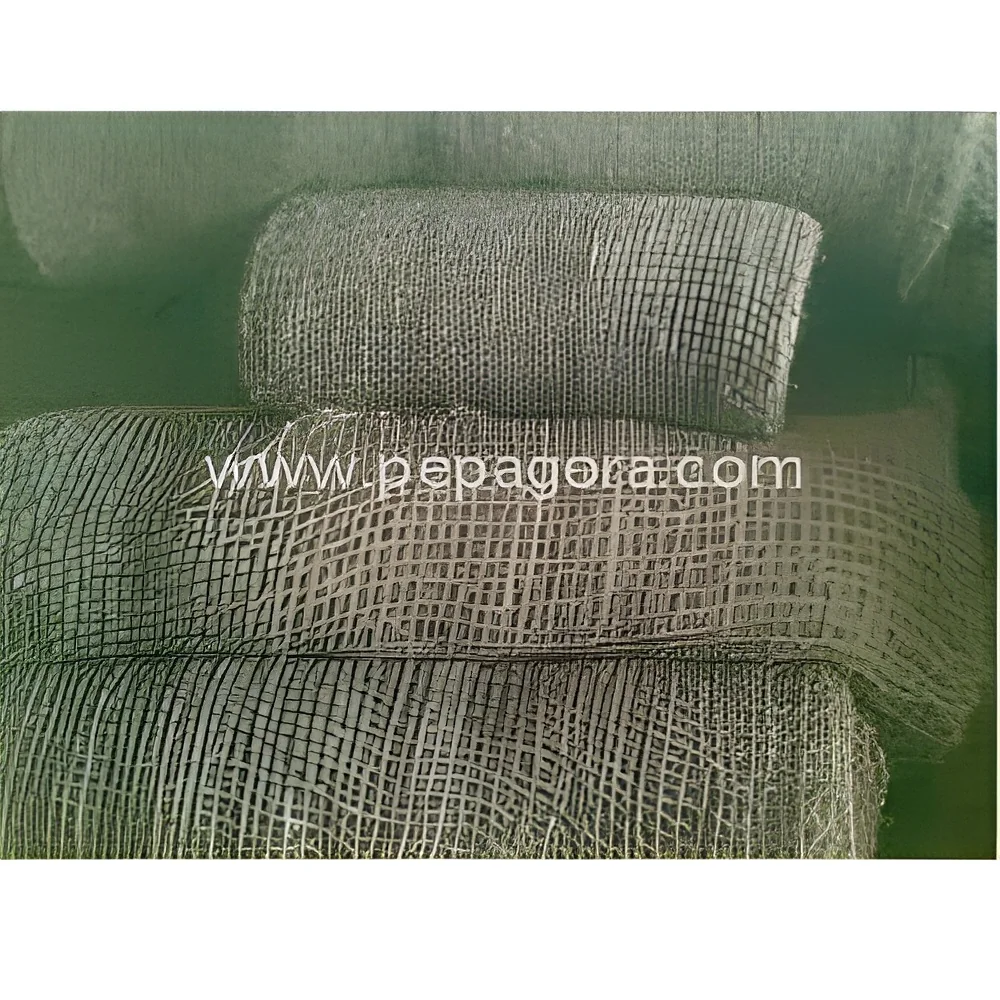
Twill weave fabric is a type of textile characterized by its unique diagonal pattern created during the weaving process. This fabric is produced by passing the weft thread over one or more warp threads and then under two or more warp threads in a repeated sequence. This distinctive pattern not only gives twill its recognizable appearance but also contributes to its strength and durability.
Twill weave fabric is widely used in various industries, particularly in the production of clothing, upholstery, and industrial applications. It is known for its versatility and can be made from different fibers, including cotton, polyester, and wool. Businesses often choose twill for its ability to resist wrinkles and its breathable nature, making it an ideal choice for workwear, uniforms, and home furnishings. The fabric is relevant across markets, including fashion, automotive, and home textiles, which increases its demand in the global marketplace.
Key Features and Specifications
Twill weave fabric offers a variety of features that make it suitable for different applications. Its construction provides a balance of durability and aesthetic appeal, ensuring it meets the needs of diverse industries. Below are some key specifications that define twill weave fabric:
1. Fabric Weight
- Typically ranges from lightweight (5 oz) to heavyweight (12 oz)
- Heavier weights are used for durable applications
2. Fiber Content
- Commonly made from cotton, polyester, or blends
- Offers varying levels of breathability and durability
3. Weave Density
- Denser weaves provide increased durability
- Typically measured in threads per inch (TPI)
4. Colorfastness
- Resistant to fading from sunlight and washing
- Rated on a scale from 1 to 5 for quality assurance
5. Finish Options
- Can be treated for water resistance or stain repellency
- Options include brushed, coated, or uncoated finishes
6. Customization
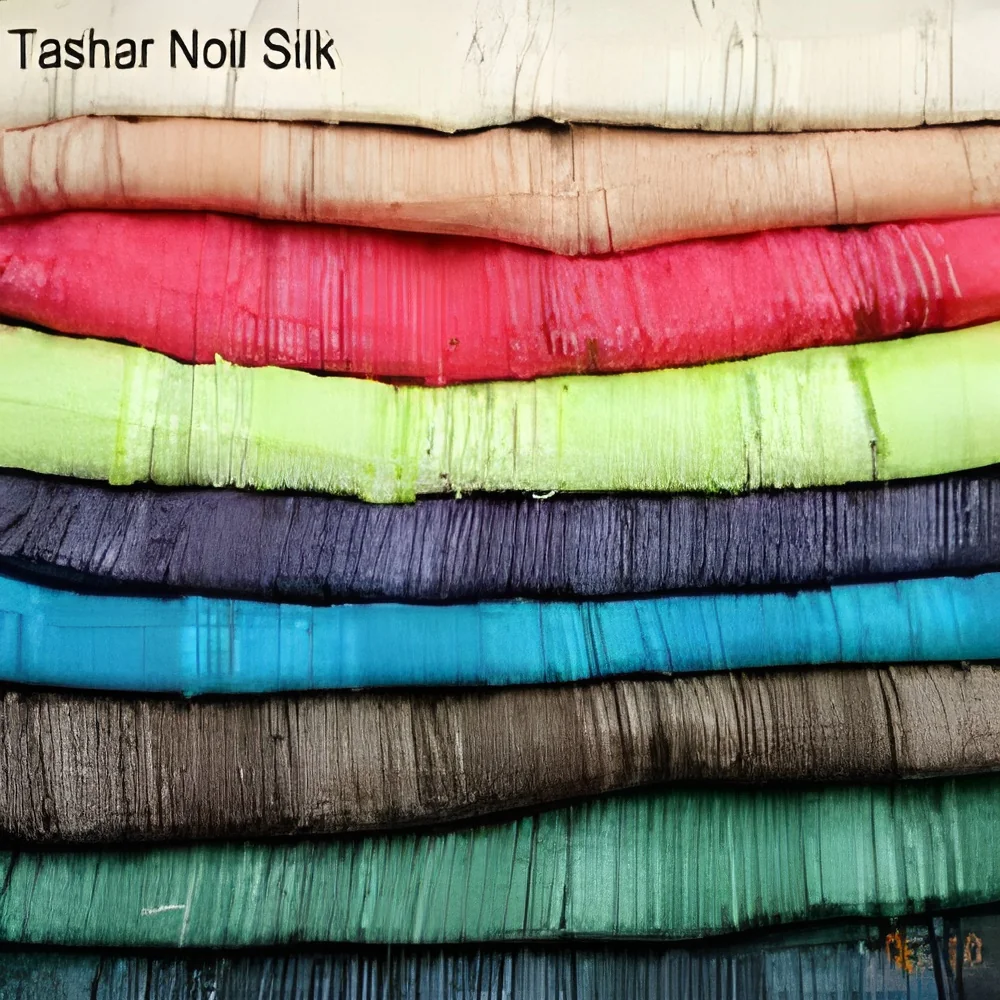
- Available in various colors and patterns
- Can be tailored to meet specific client requirements
7. Compliance Standards
- Generally adheres to industry standards for textiles
- Certification options include CE for safety assurance
8. Care Instructions
- Usually machine washable
- May require specific care depending on fiber content
Twill weave fabric combines strength, versatility, and aesthetic appeal, making it a preferred choice across various sectors.
Common Applications and Use Cases
Twill weave fabric is utilized across multiple industries, each benefiting from its unique properties.
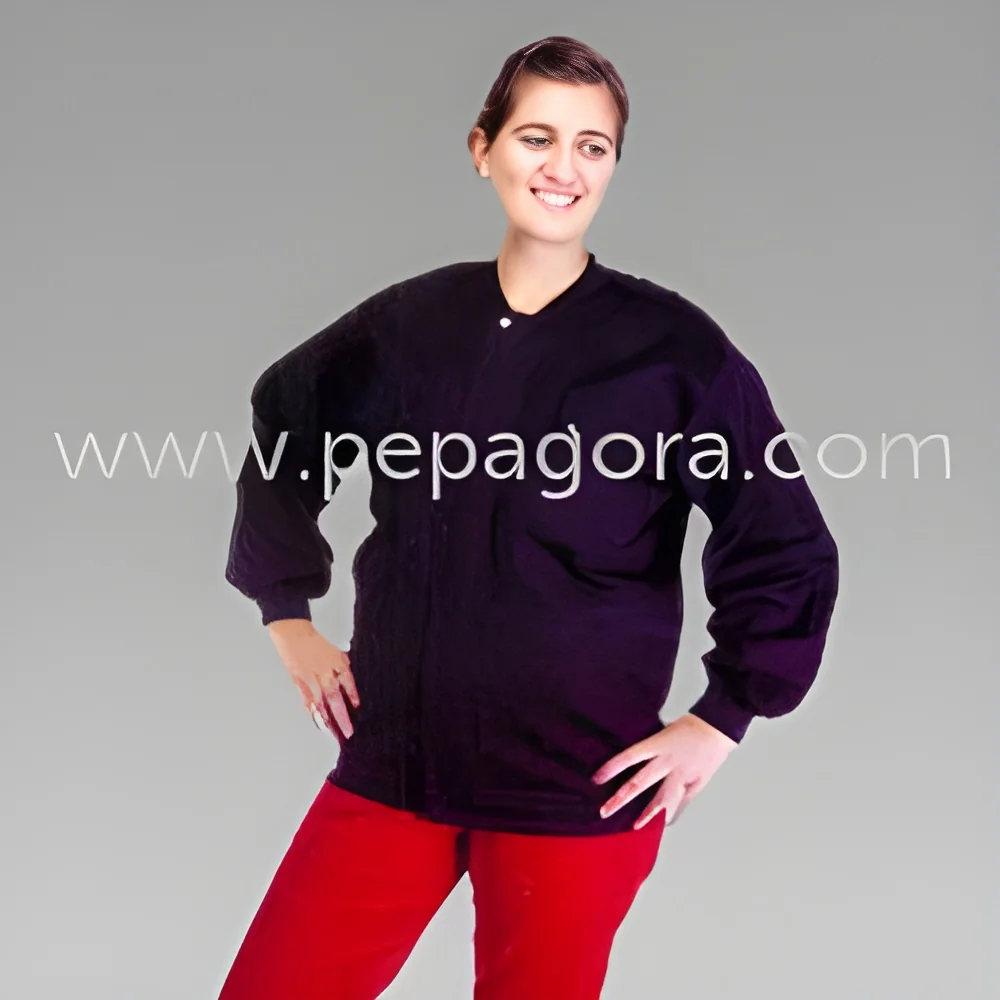
1. Fashion Industry: Twill is widely used in the production of stylish apparel such as jackets, trousers, and skirts due to its drape and durability.
2. Upholstery: In furniture manufacturing, twill is favored for its strength and ease of maintenance, making it suitable for sofas, chairs, and decorative cushions.
3. Workwear: Companies often select twill for uniforms and work clothing because it can withstand heavy use while maintaining a professional appearance.
4. Automotive: Twill is used in car interiors, particularly for seat covers and upholstery, where durability and a polished look are essential.
5. Home Textiles: Curtains, table linens, and bedding often incorporate twill weave fabric for its texture and durability.
6. Sportswear: The moisture-wicking properties of certain twill fabrics make them ideal for activewear and athletic clothing.
7. Industrial Applications: Twill is used in various industrial sectors for gear and equipment due to its robustness.
Product Variants and Subcategories
Twill weave fabric comes in a range of variants that cater to specific needs and applications.
Cotton Twill
This variant is soft, breathable, and comfortable, making it ideal for casual wear and home furnishings. It is easy to dye and print, allowing for vibrant designs.
Polyester Twill
Known for its durability and resistance to wrinkles, polyester twill is frequently used in work uniforms and outdoor gear. It also offers moisture-wicking properties.
Wool Twill
Wool twill provides excellent insulation, making it suitable for colder climates. It is commonly used in high-quality suits and outerwear.
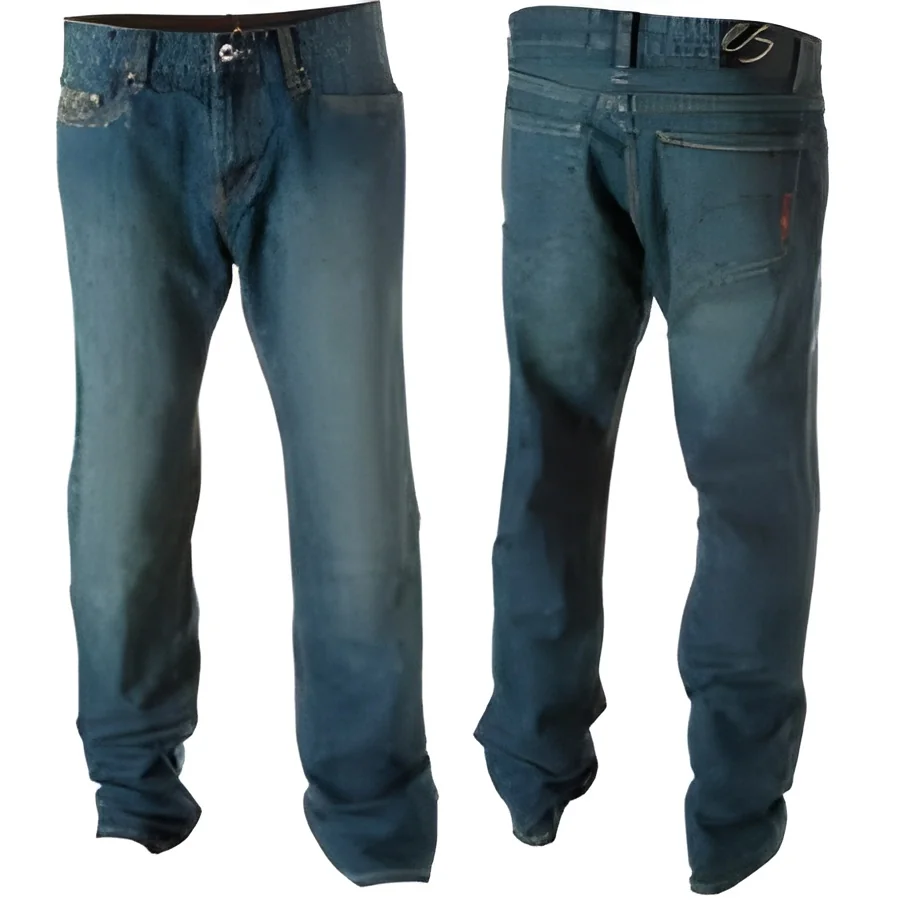
Denim Twill
A heavier variant, denim twill is famous for its use in jeans and casual wear. Its robust nature ensures longevity and resistance to wear.
Benefits and Advantages
Twill weave fabric offers numerous benefits that make it an excellent choice for various applications.
1. Durability: The diagonal weave structure provides enhanced strength, making it resistant to wear and tear.
2. Versatility: Available in various materials and patterns, twill can be used in countless applications from fashion to industrial use.
3. Comfort: Twill fabrics are soft and breathable, offering comfort for wearers in clothing and upholstery.
4. Aesthetic Appeal: The unique diagonal pattern adds visual interest, making it a popular choice in fashion and interior design.
5. Easy Maintenance: Twill fabrics are often machine washable and require minimal care, making them practical for everyday use.
6. Customization Options: Businesses can easily source customized twill fabrics to align with their brand aesthetics and functional requirements.
Buying Guide for B2B Buyers
When sourcing twill weave fabric, several factors should be considered to ensure the right choice.
1. Quality Assessment: Buyers should evaluate the fabric's weight, weave density, and fiber content to determine its suitability for the intended application.
2. Supplier Verification: It is essential to vet suppliers for reliability and reputation to ensure quality and timely delivery.
3. Pricing and MOQ: Understanding the cost per unit and minimum order quantities will help in budgeting and planning purchases effectively.
4. Delivery and Lead Times: Buyers should confirm delivery schedules and lead times to align with production timelines.
5. Compliance Requirements: Ensure that the fabric meets necessary industry standards and certifications to avoid compliance issues.
Compliance and Certifications
Twill weave fabric must adhere to various quality standards and certifications to ensure safety and performance in its applications.
Relevant quality standards include ISO 9001, which ensures quality management systems are in place for manufacturers. Other certifications, such as CE, demonstrate compliance with European safety standards, particularly relevant for textiles used in consumer products.
Safety and testing requirements also play a crucial role in the fabric's usability across industries. This includes testing for durability, colorfastness, and other performance measures.
Regional compliance considerations may vary, so it is essential for businesses to understand local regulations governing textile production and use.
Why Source Twill Weave Fabric from Pepagora?
Pepagora offers a reliable platform for sourcing twill weave fabric, providing several advantages to B2B buyers.
Verified Supplier Network: Pepagora connects buyers with verified suppliers, ensuring a trustworthy sourcing process. This network minimizes risks associated with procurement.
Streamlined RFQ Process: The platform simplifies the request for quotation (RFQ) process, allowing buyers to compare prices and specifications easily, leading to informed purchasing decisions.
Trade Assurance and Support: Buyers benefit from trade assurance programs that protect their investments and provide support throughout the ordering process.
Regional Coverage: Pepagora's geographic reach extends across India, the GCC, and Southeast Asia, facilitating access to a diverse range of suppliers and products, meeting varying business needs.

 IN
IN