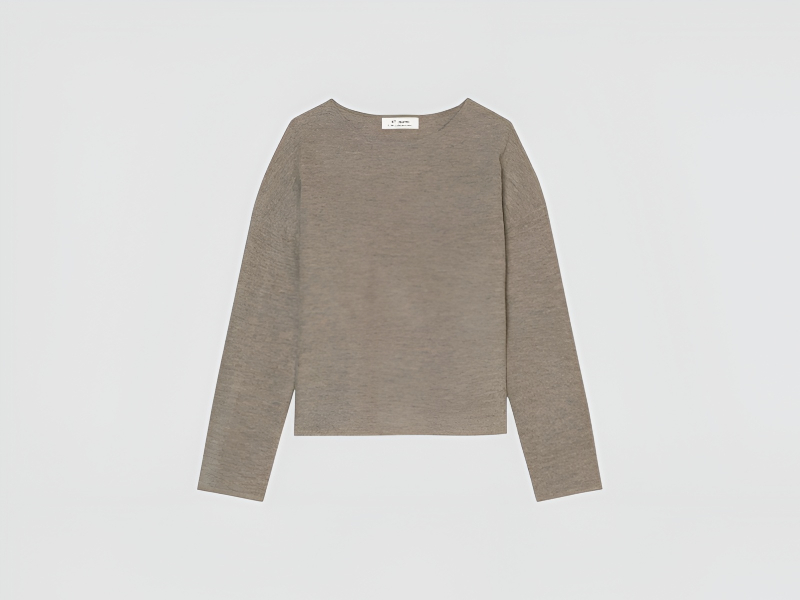
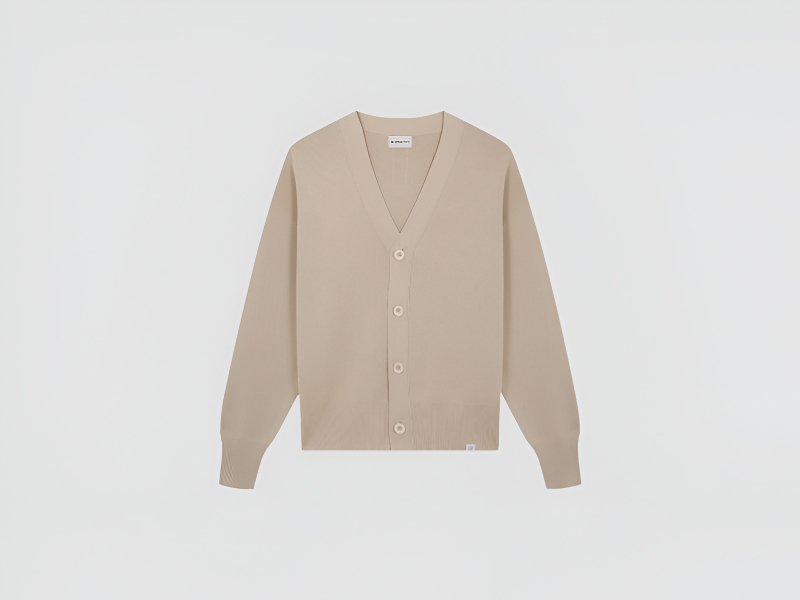
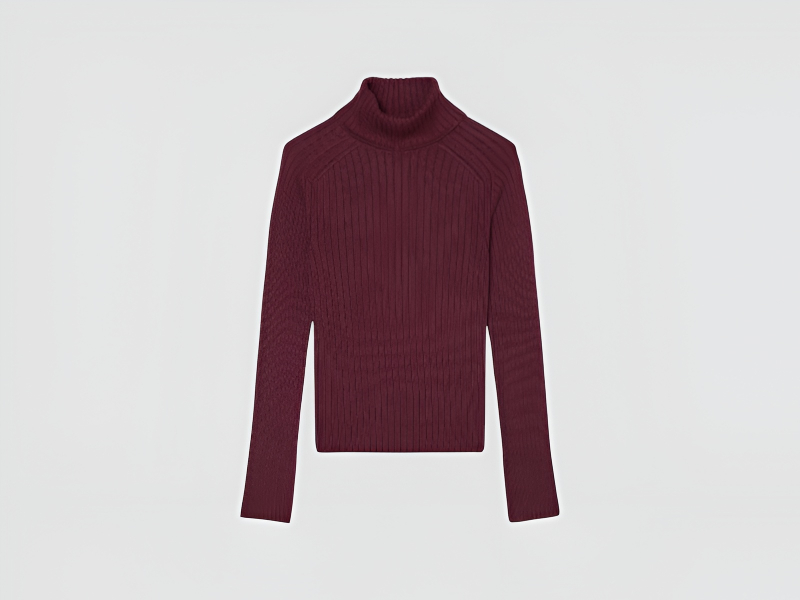
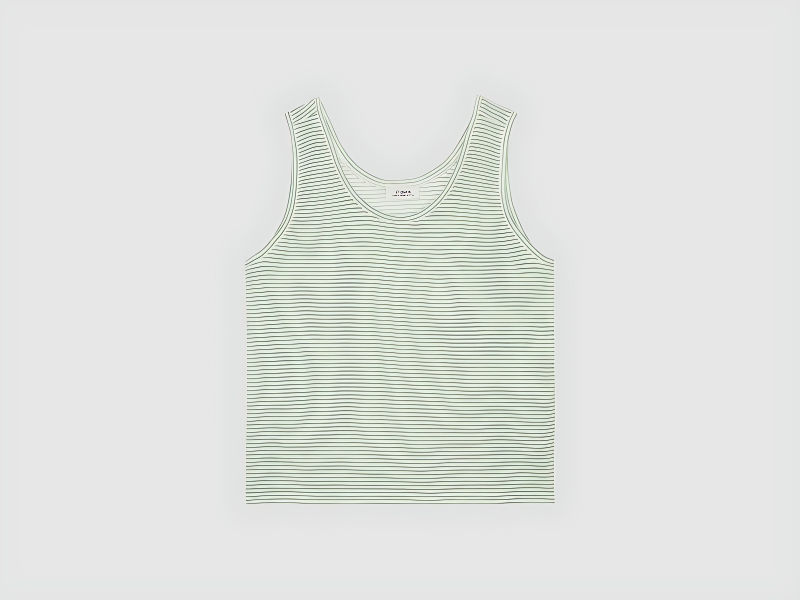
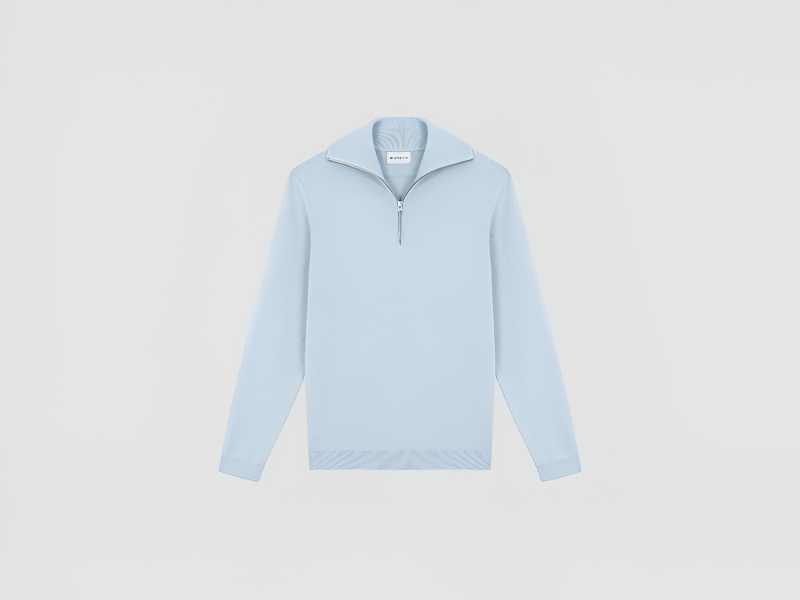
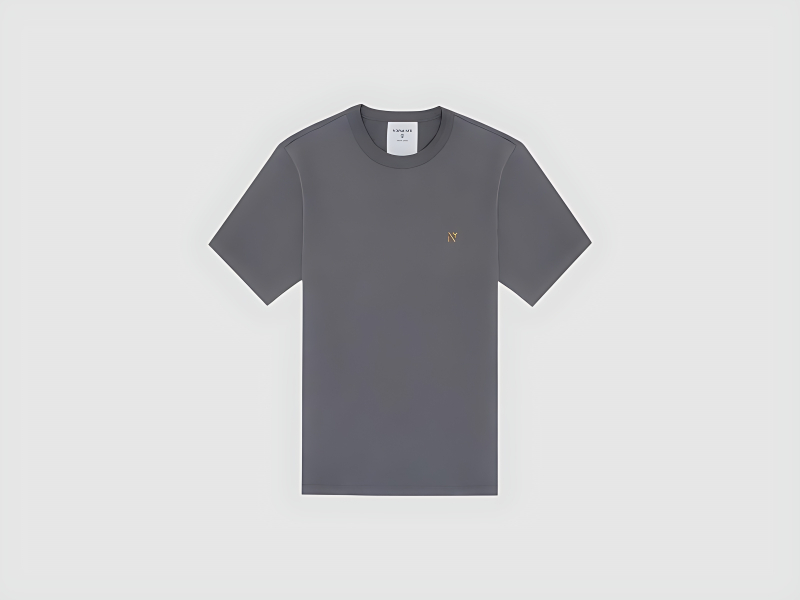
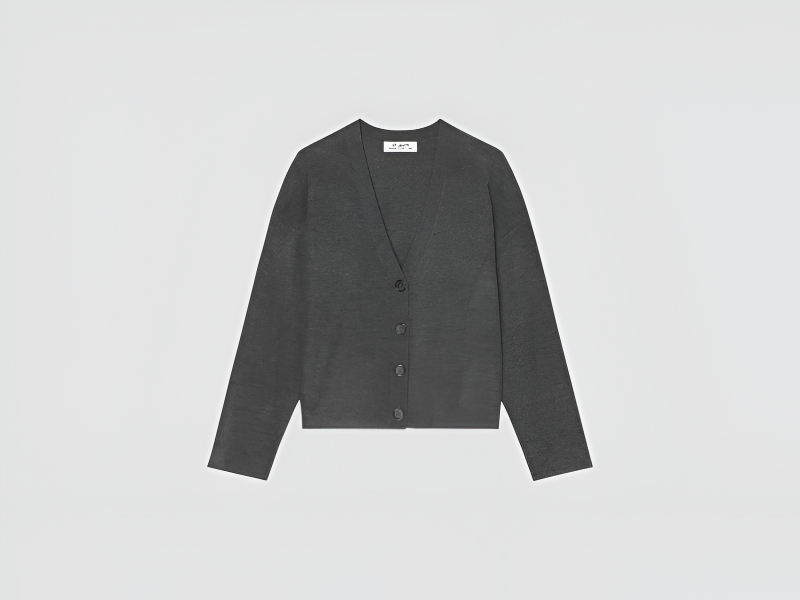
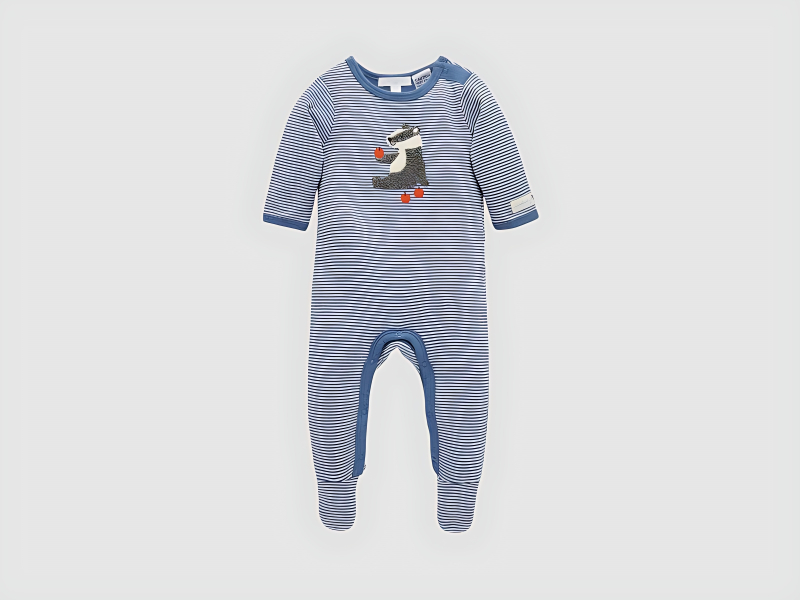
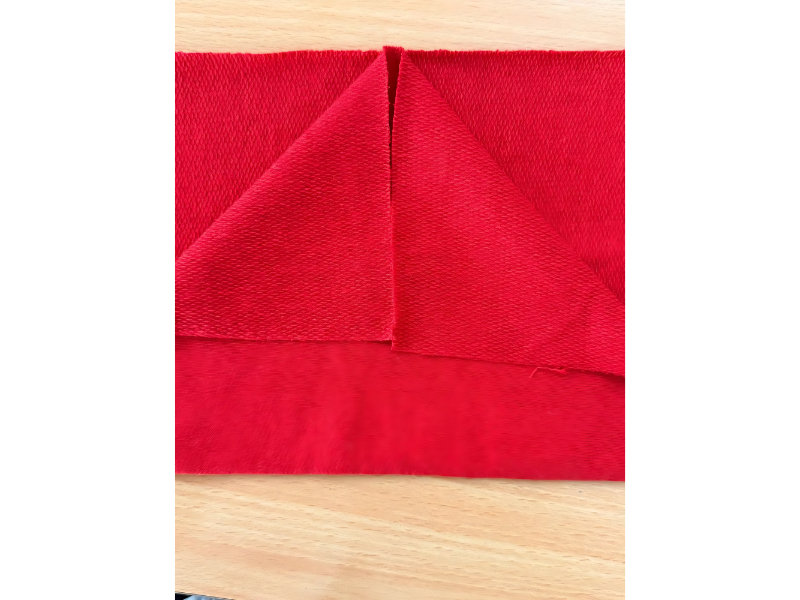
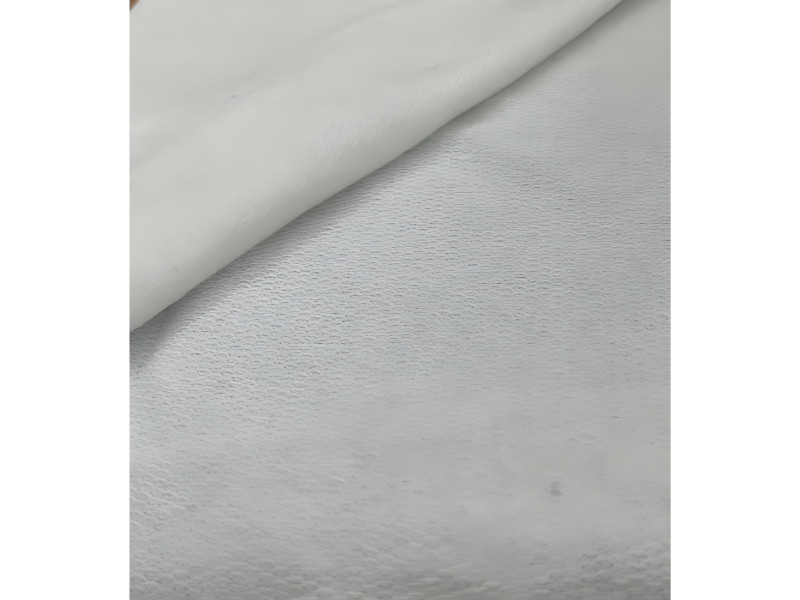
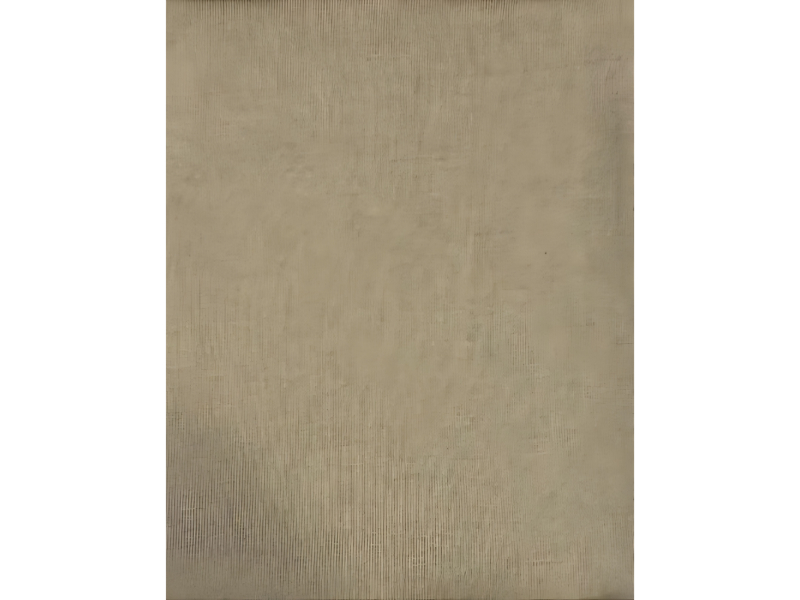
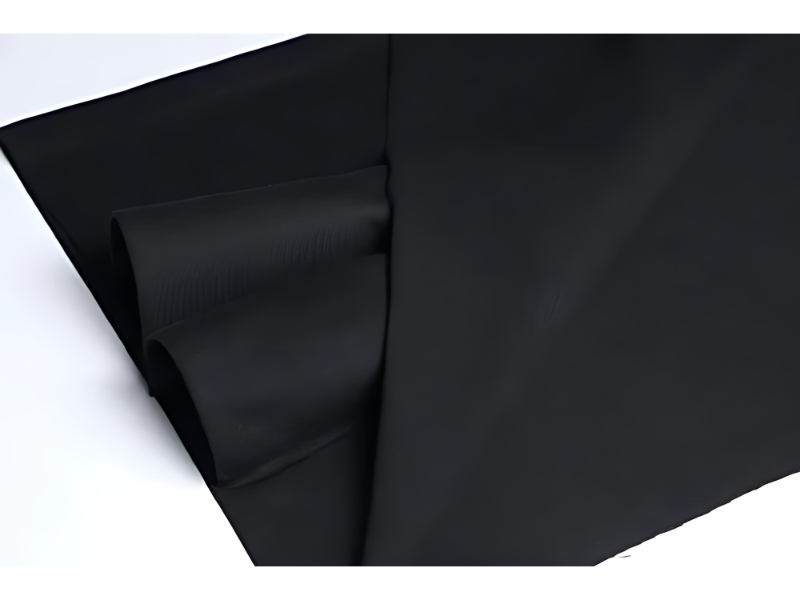
𝗪𝗵𝗮𝘁 𝗮𝗿𝗲 𝗞𝗻𝗶𝘁𝘁𝗲𝗱 & 𝗪𝗼𝘃𝗲𝗻 𝗙𝗮𝗯𝗿𝗶𝗰𝘀?
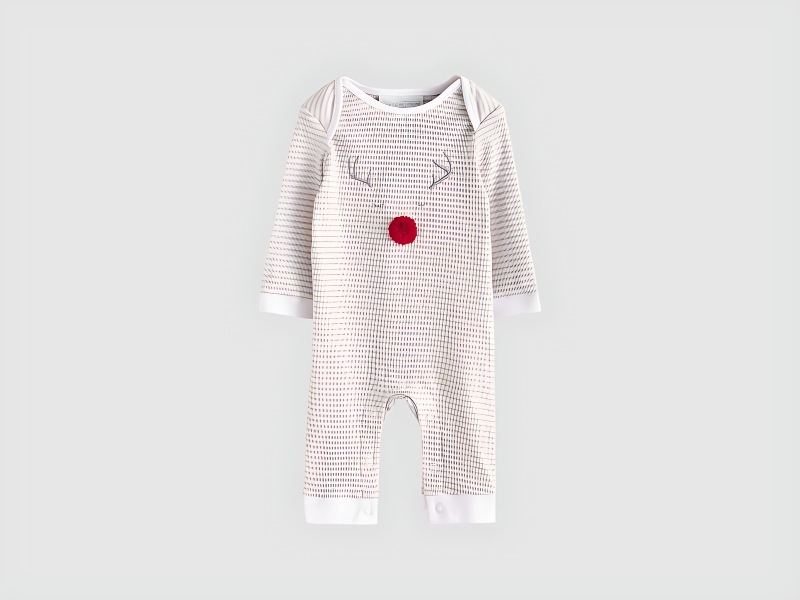
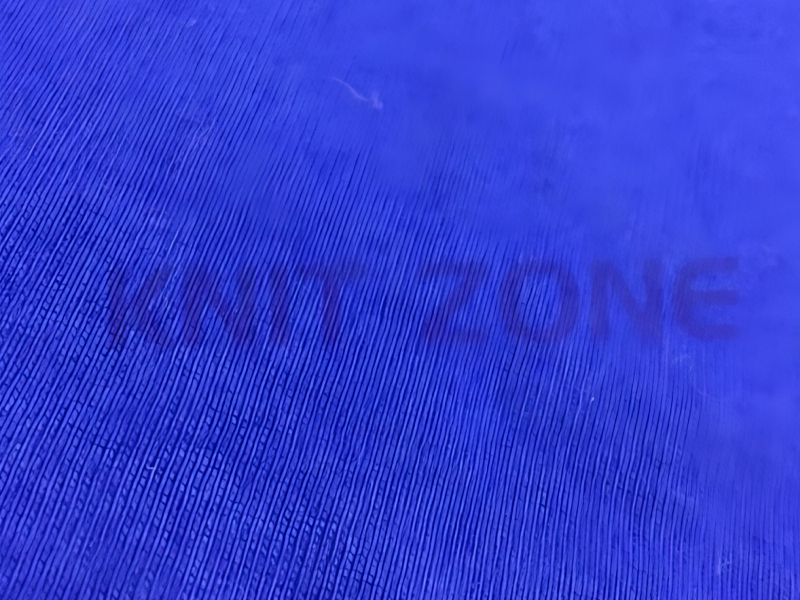
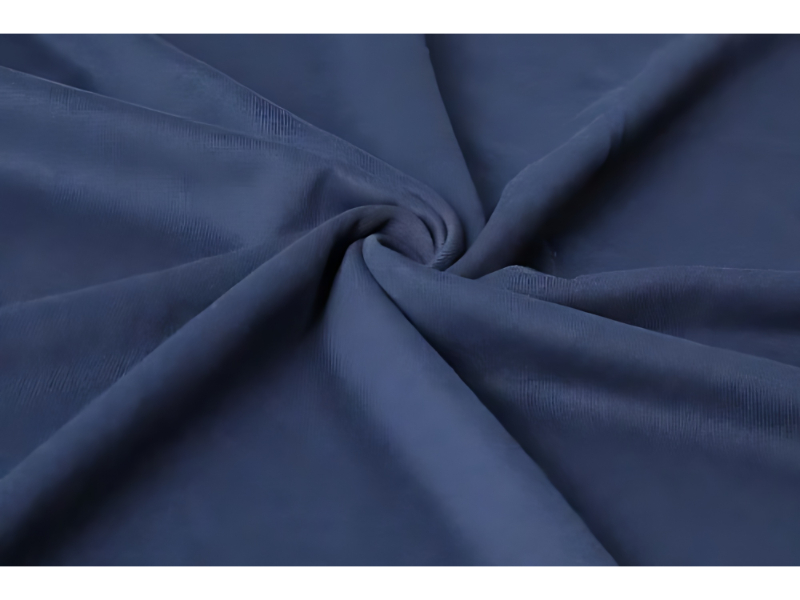
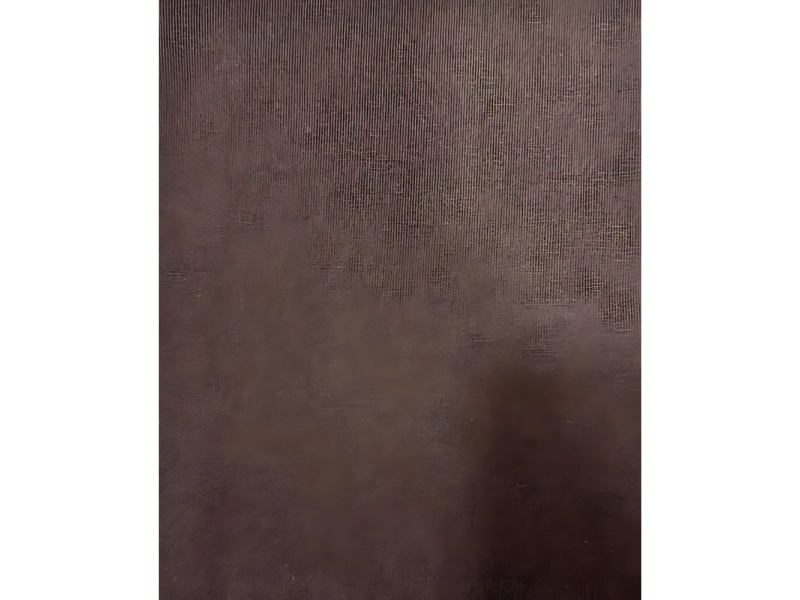
Knitted and woven fabrics are two distinct types of textile constructions that serve a wide range of applications across various industries. Knitted fabrics are created by interlocking loops of yarn, resulting in a stretchable and flexible material. Conversely, woven fabrics are produced by interlacing two sets of yarn, providing a more rigid and stable structure. Both types of fabrics can be made from natural or synthetic fibers, offering versatility in terms of texture, durability, and appearance.
These fabrics find relevance in numerous business applications. Knitted fabrics are commonly used in apparel, activewear, and home textiles due to their comfort and stretchability. Woven fabrics, on the other hand, are preferred for products like upholstery, curtains, and industrial textiles where strength and durability are paramount. The global textile market is continually evolving, with advancements in technology and design creating new opportunities for the use of knitted and woven fabrics across various sectors.
𝗞𝗲𝘆 𝗙𝗲𝗮𝘁𝘂𝗿𝗲𝘀 𝗮𝗻𝗱 𝗦𝗽𝗲𝗰𝗶𝗳𝗶𝗰𝗮𝘁𝗶𝗼𝗻𝘀
Knitted and woven fabrics come with a range of features and specifications that cater to different industrial needs. Understanding these specifications is vital for selecting the right fabric for specific applications.
Key specifications include:
1. Fabric Type
- Defines whether the fabric is knitted or woven
- Affects the overall properties and applications
2. Fiber Composition
- Includes materials such as cotton, polyester, nylon, and blends
- Influences the fabric's feel, durability, and care requirements
3. Weight
- Measured in grams per square meter (GSM)
- Impacts the fabric's thickness and suitability for different applications
4. Stretchability
- Refers to the elastic properties of knitted fabrics
- Important for applications requiring flexibility and comfort
5. Weave Pattern
- Describes the specific interlacing style in woven fabrics
- Includes options like plain, twill, and satin, affecting texture and appearance
6. Colorfastness
- Indicates the fabric's resistance to fading due to washing or exposure to light
- Crucial for maintaining the aesthetic appeal of finished products
7. Breathability
- Relates to the fabric's ability to allow air circulation
- Essential for comfort in clothing and other applications
8. Durability
- Assesses the fabric's resistance to wear and tear
- Affects longevity and performance in various environments
In summary, understanding these features helps businesses make informed decisions when selecting knitted and woven fabrics for their specific needs.
𝗖𝗼𝗺𝗺𝗼𝗻 𝗔𝗽𝗽𝗹𝗶𝗰𝗮𝘁𝗶𝗼𝗻𝘀 𝗮𝗻𝗱 𝗨𝘀𝗲 𝗖𝗮𝘀𝗲𝘀
Knitted and woven fabrics are utilized across a multitude of industries, each with unique applications tailored to their requirements.
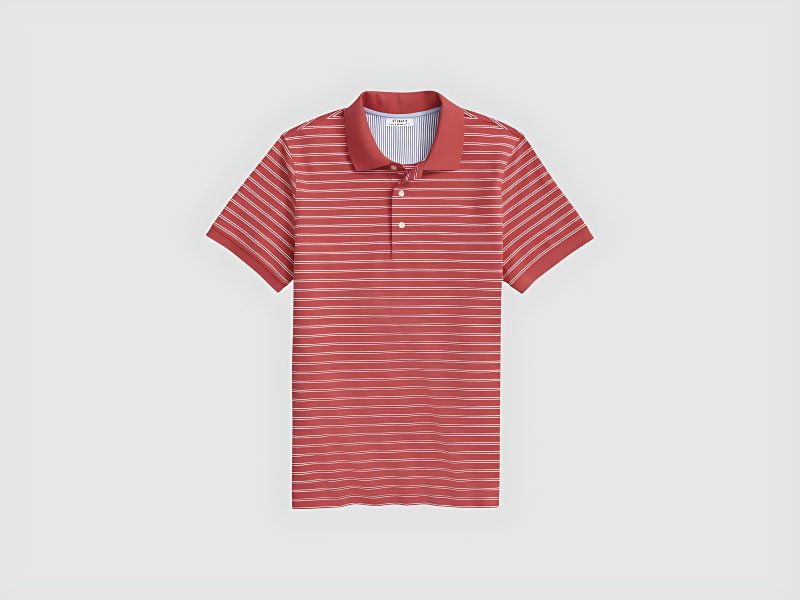
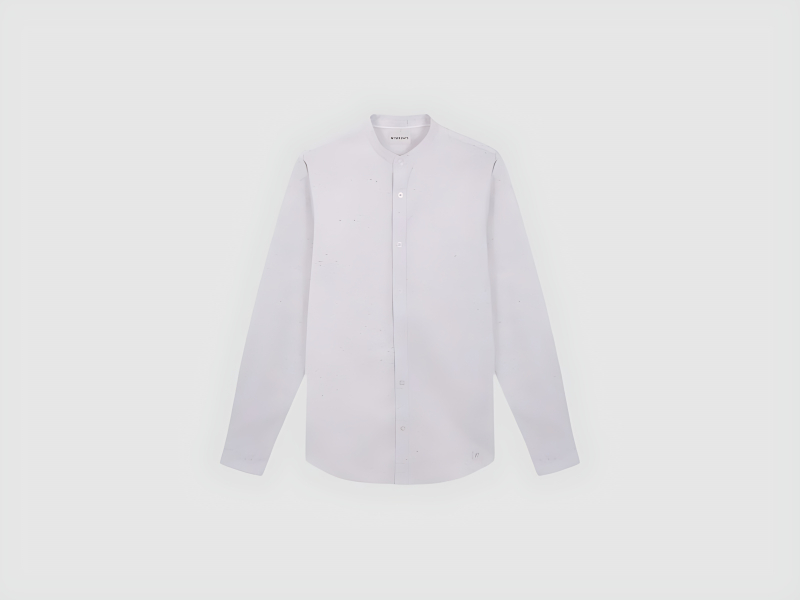
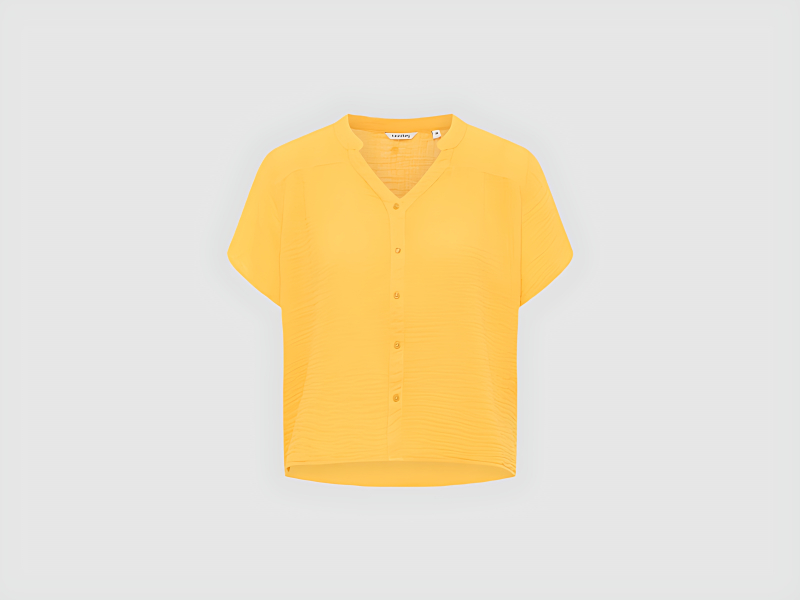
1. Apparel Industry: Knitted fabrics are favored for sportswear, casual clothing, and undergarments due to their comfort and flexibility. Woven fabrics are commonly used for formal wear, shirts, and pants, where structure and fit are important.
2. Home Textiles: Knitted fabrics are popular in blankets, throws, and bed linens because of their softness. Woven fabrics are widely used for curtains, upholstery, and table linens, offering durability and design options.
3. Automotive Industry: Woven fabrics are employed in car interiors, including seat covers and headliners, due to their durability and aesthetics. Knitted fabrics may be used for certain flexible components.
4. Industrial Applications: Both types of fabrics find use in protective clothing, tarpaulins, and geotextiles, where strength and resilience are critical.
5. Medical Field: Knitted fabrics are used for compression garments and wound dressings, offering stretch and comfort. Woven fabrics may be used in surgical drapes and gowns.
6. Sports Equipment: Knitted fabrics are utilized in performance gear and accessories, while woven fabrics are used in items like ropes and nets.
7. Fashion Accessories: Both fabric types are employed in bags, belts, and hats, allowing for creative designs and functional use.
𝗣𝗿𝗼𝗱𝘂𝗰𝘁 𝗩𝗮𝗿𝗶𝗮𝗻𝘁𝘀 𝗮𝗻𝗱 𝗦𝘂𝗯𝗰𝗮𝘁𝗲𝗴𝗼𝗿𝗶𝗲𝘀
The diversity of knitted and woven fabrics allows for a wide range of variants tailored to specific applications and preferences.
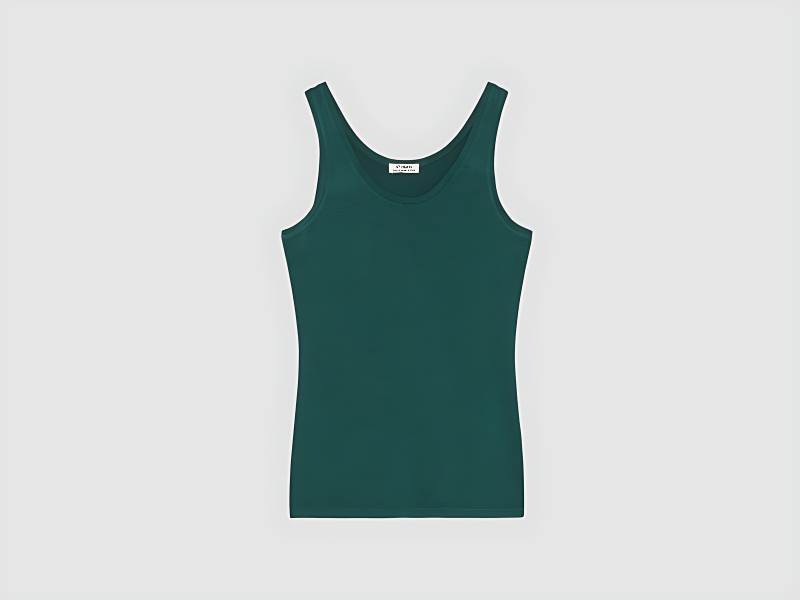
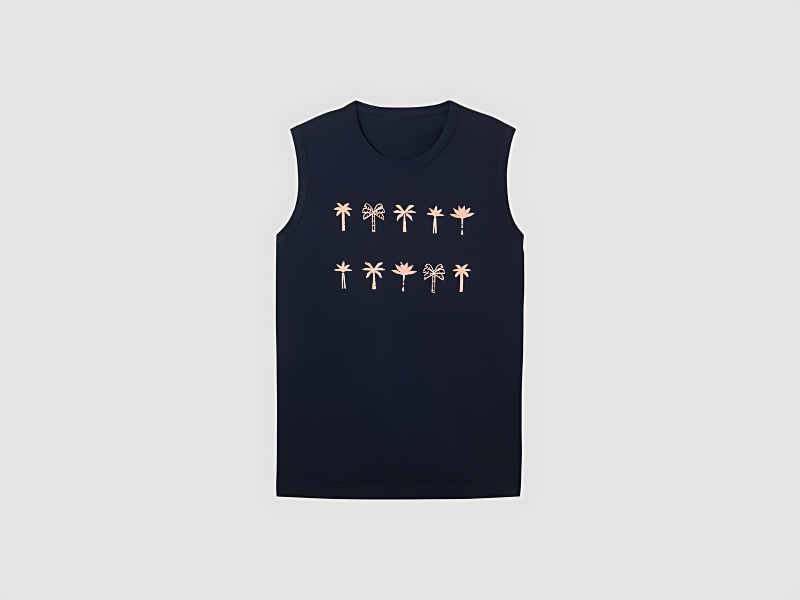
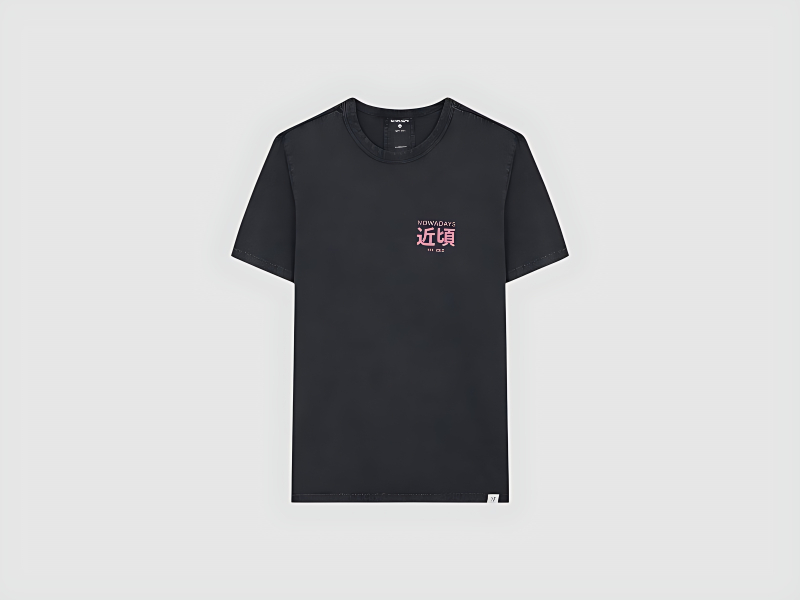
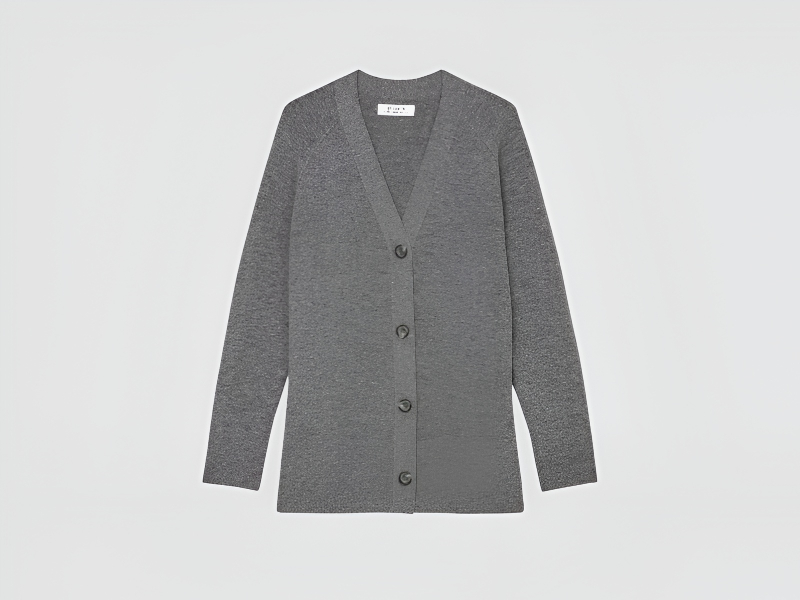
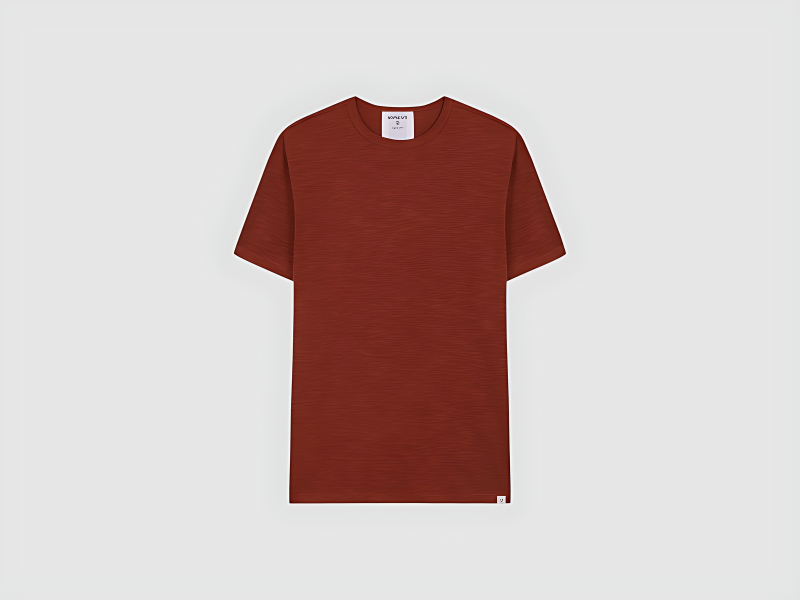
Cotton Knitted Fabrics: These offer natural softness and breathability, making them ideal for casual wear, t-shirts, and loungewear. They are comfortable for everyday use and easy to maintain.
Polyester Woven Fabrics: Known for their strength and durability, polyester woven fabrics are commonly used in upholstery and industrial applications. They resist wrinkles and fading, making them suitable for long-term use.
Nylon Knitted Fabrics: These are lightweight and provide excellent stretch, making them perfect for activewear and performance clothing. Their moisture-wicking properties enhance comfort during physical activities.
Spandex Blends: Fabrics that incorporate spandex offer exceptional stretch and recovery, making them popular in fitness apparel and swimwear. They provide a snug fit without compromising comfort.
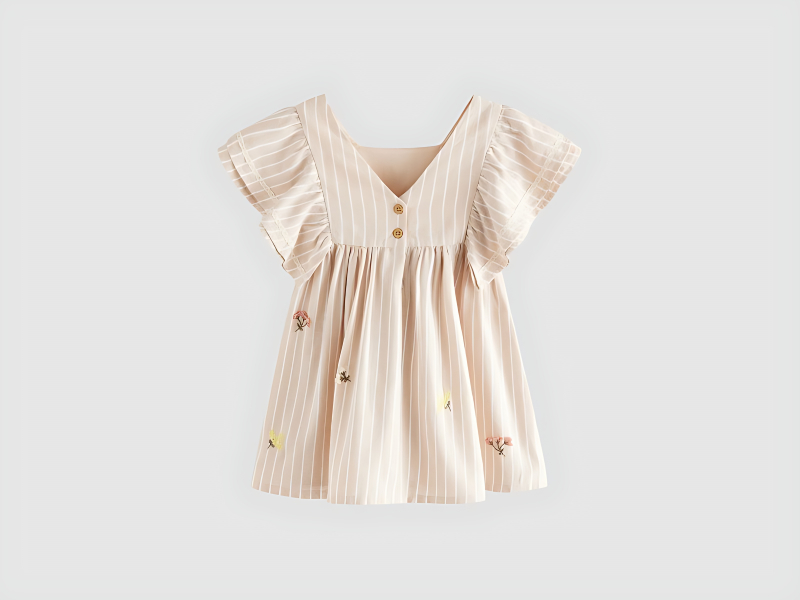
Bamboo Woven Fabrics: These eco-friendly fabrics are soft and moisture-absorbent, often used in sustainable clothing and home textiles. Their natural antibacterial properties enhance hygiene.
𝗕𝗲𝗻𝗲𝗳𝗶𝘁𝘀 𝗮𝗻𝗱 𝗔𝗱𝘃𝗮𝗻𝘁𝗮𝗴𝗲𝘀
Sourcing knitted and woven fabrics provides several key benefits for businesses.
1. Versatility: These fabrics can be tailored to suit a wide range of applications, from clothing to industrial uses, making them highly adaptable.
2. Comfort: Knitted fabrics, in particular, offer excellent stretch and softness, enhancing user experience in apparel and textiles.
3. Durability: Woven fabrics are known for their strength and longevity, making them ideal for products that undergo wear and tear.
4. Aesthetic Appeal: Both fabric types are available in a variety of colors, patterns, and textures, allowing for creative expression in design.
5. Breathability: Fabrics designed for comfort maintain airflow, which is essential for clothing and home textiles.
6. Eco-friendliness: Many suppliers offer sustainable options, such as organic cotton or recycled materials, catering to environmentally conscious consumers.
𝗕𝘂𝘆𝗶𝗻𝗴 𝗚𝘂𝗶𝗱𝗲 𝗳𝗼𝗿 𝗕𝟮𝗕 𝗕𝘂𝘆𝗲𝗿𝘀
When sourcing knitted and woven fabrics, several factors should be considered to ensure the right selection.
1. Quality Assessment: Evaluate the fabric's texture, weight, and overall feel to ensure it meets your specific requirements. Look for samples before making bulk purchases.
2. Supplier Verification: Research and vet suppliers to confirm their reliability and reputation in the industry. Check for references and customer feedback to ensure quality service.
3. Pricing and MOQ: Understand pricing structures and minimum order quantities. Compare different suppliers to find the best value while considering quality.
4. Delivery and Lead Times: Discuss logistics and timelines with suppliers to ensure timely delivery, especially if you have tight project deadlines.
5. Compliance Requirements: Ensure that the fabrics meet relevant industry standards and regulations, particularly for specialized applications in healthcare or safety.
𝗖𝗼𝗺𝗽𝗹𝗶𝗮𝗻𝗰𝗲 𝗮𝗻𝗱 𝗖𝗲𝗿𝘁𝗶𝗳𝗶𝗰𝗮𝘁𝗶𝗼𝗻𝘀
Compliance and certifications are critical factors in the textile industry, ensuring that products meet established quality and safety standards. Relevant quality standards include ISO 9001, which focuses on quality management systems, ensuring consistent quality in production processes.
Industry certifications, such as CE marking, indicate conformity with European health, safety, and environmental protection standards. This is crucial for fabrics used in sensitive applications, such as medical textiles.
Safety and testing requirements also play a significant role, particularly for fabrics used in protective clothing and equipment. Testing for durability, flammability, and chemical resistance ensures that the products meet necessary safety standards.
Additionally, regional compliance considerations may vary, so it is essential to be aware of local regulations regarding textile imports and manufacturing. This ensures not only compliance but also market acceptability.
𝗪𝗵𝘆 𝗦𝗼𝘂𝗿𝗰𝗲 𝗞𝗻𝗶𝘁𝘁𝗲𝗱 & 𝗪𝗼𝘃𝗲𝗻 𝗙𝗮𝗯𝗿𝗶𝗰𝘀 𝗳𝗿𝗼𝗺 𝗣𝗲𝗽𝗮𝗴𝗼𝗿𝗮?
Pepagora offers a trusted platform for sourcing knitted and woven fabrics, providing several key advantages that cater to B2B buyers.
Verified Supplier Network: Pepagora has established a rigorous vetting process for suppliers, ensuring that all partners meet high standards of quality and reliability. This provides buyers with confidence in their sourcing decisions.
Streamlined RFQ Process: The platform facilitates a smooth request for quotation process, allowing buyers to easily compare options and receive competitive pricing from multiple suppliers. This efficiency helps businesses make informed purchasing decisions.
Trade Assurance and Support: Pepagora prioritizes buyer protection through trade assurance policies that safeguard transactions. This support includes assistance throughout the purchasing process, ensuring a positive experience.
Regional Coverage: With a strong presence in India, the GCC, and Southeast Asia, Pepagora connects buyers with suppliers across these regions. This geographic reach enhances accessibility and offers a diverse range of fabric options tailored to various markets.

 IN
IN