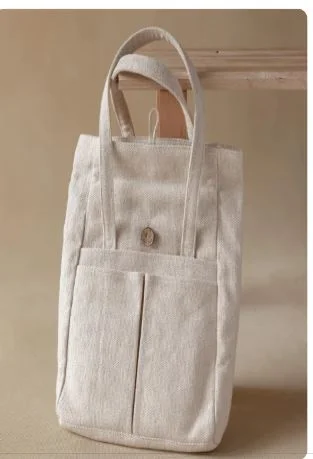
What are Canvas Fabric?
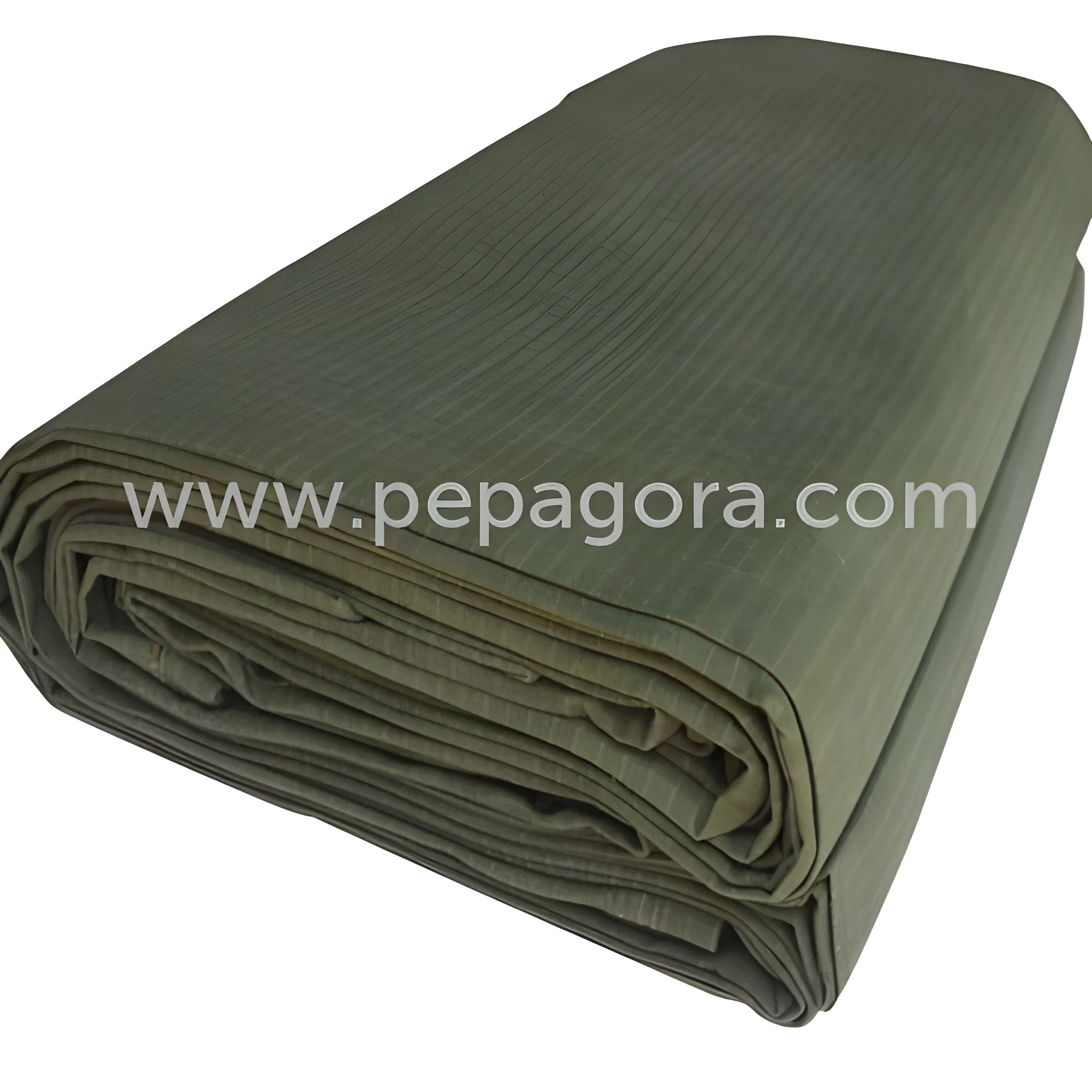
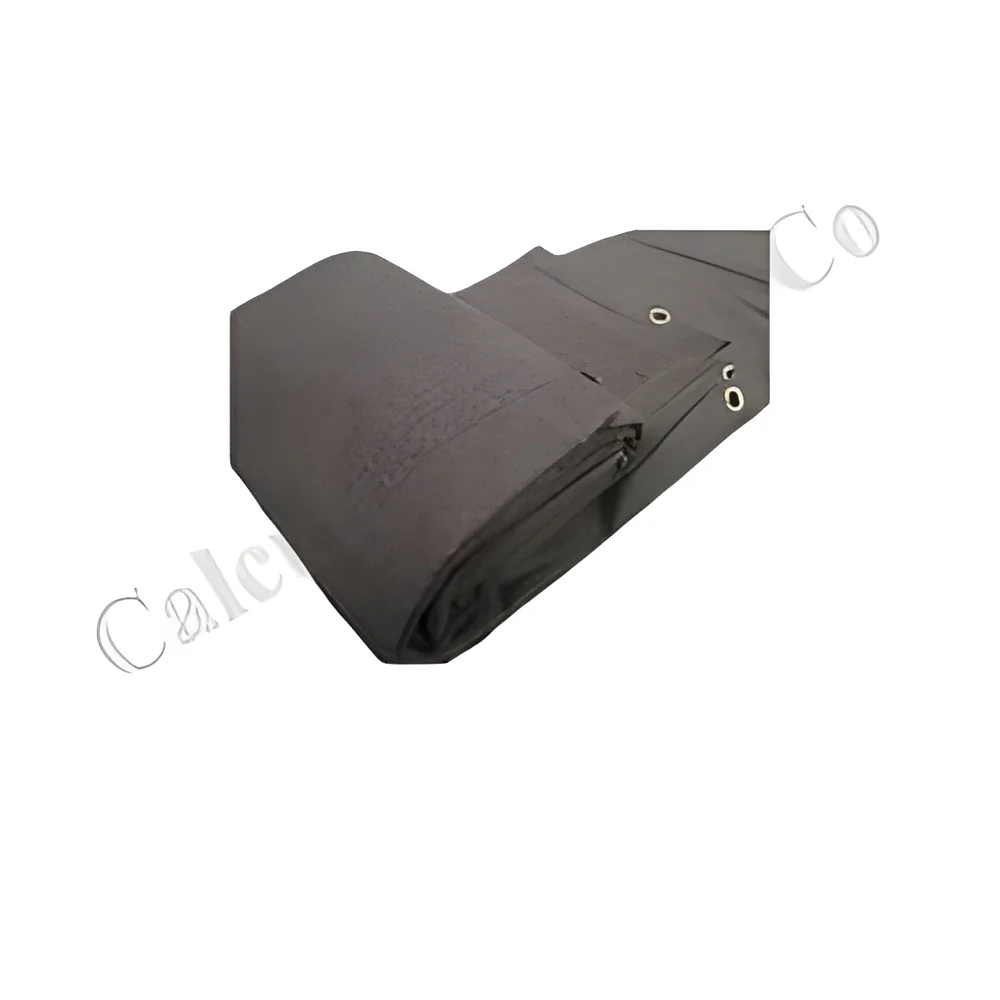
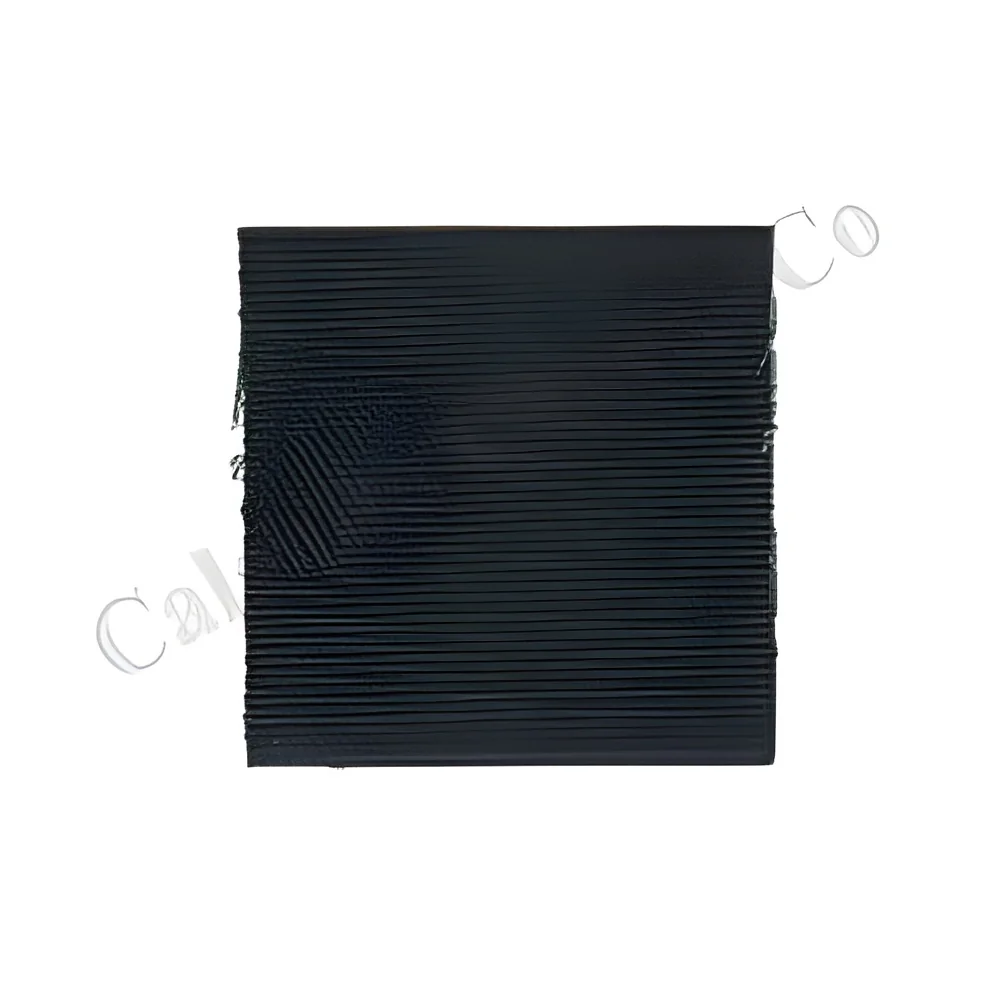
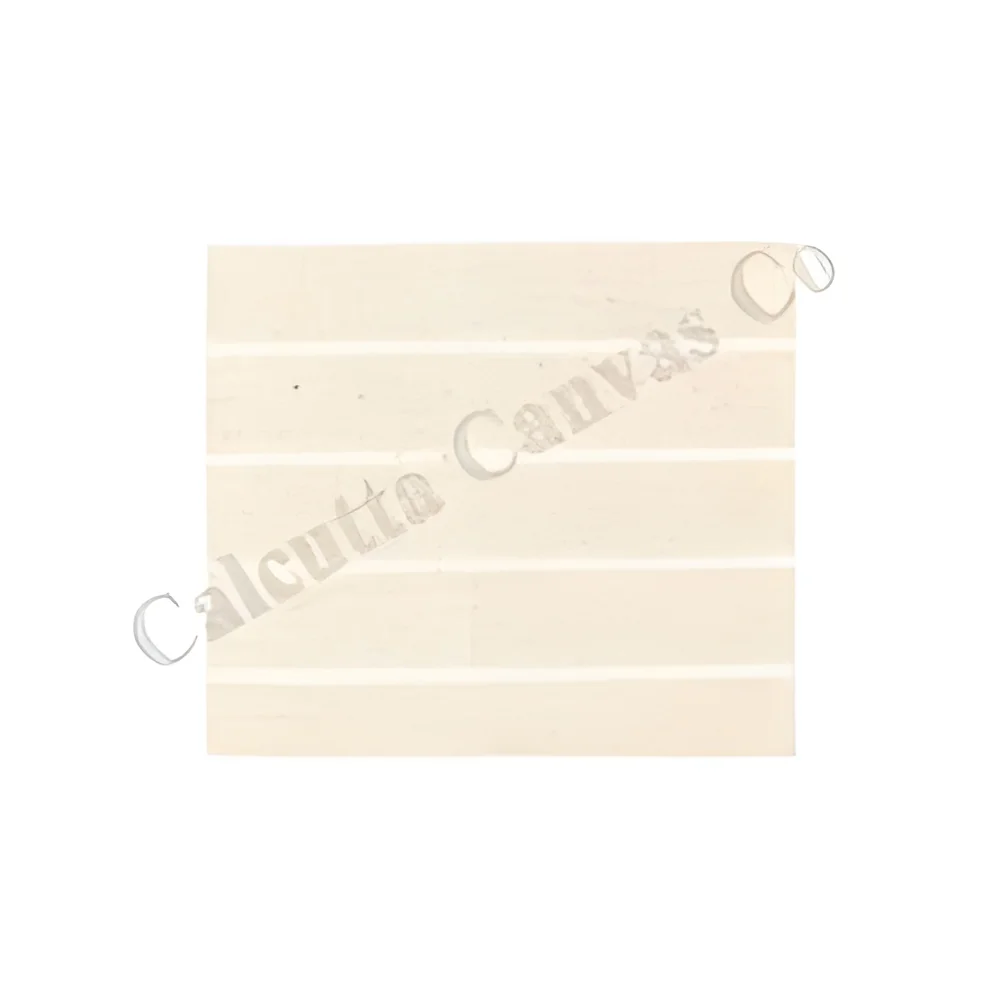
Canvas fabric is a durable and versatile textile commonly made from cotton, linen, or synthetic fibers. Its tightly woven structure provides strength and resilience, making it suitable for a variety of applications. This fabric is known for its ability to withstand wear and tear, making it a preferred choice in both industrial and commercial sectors.
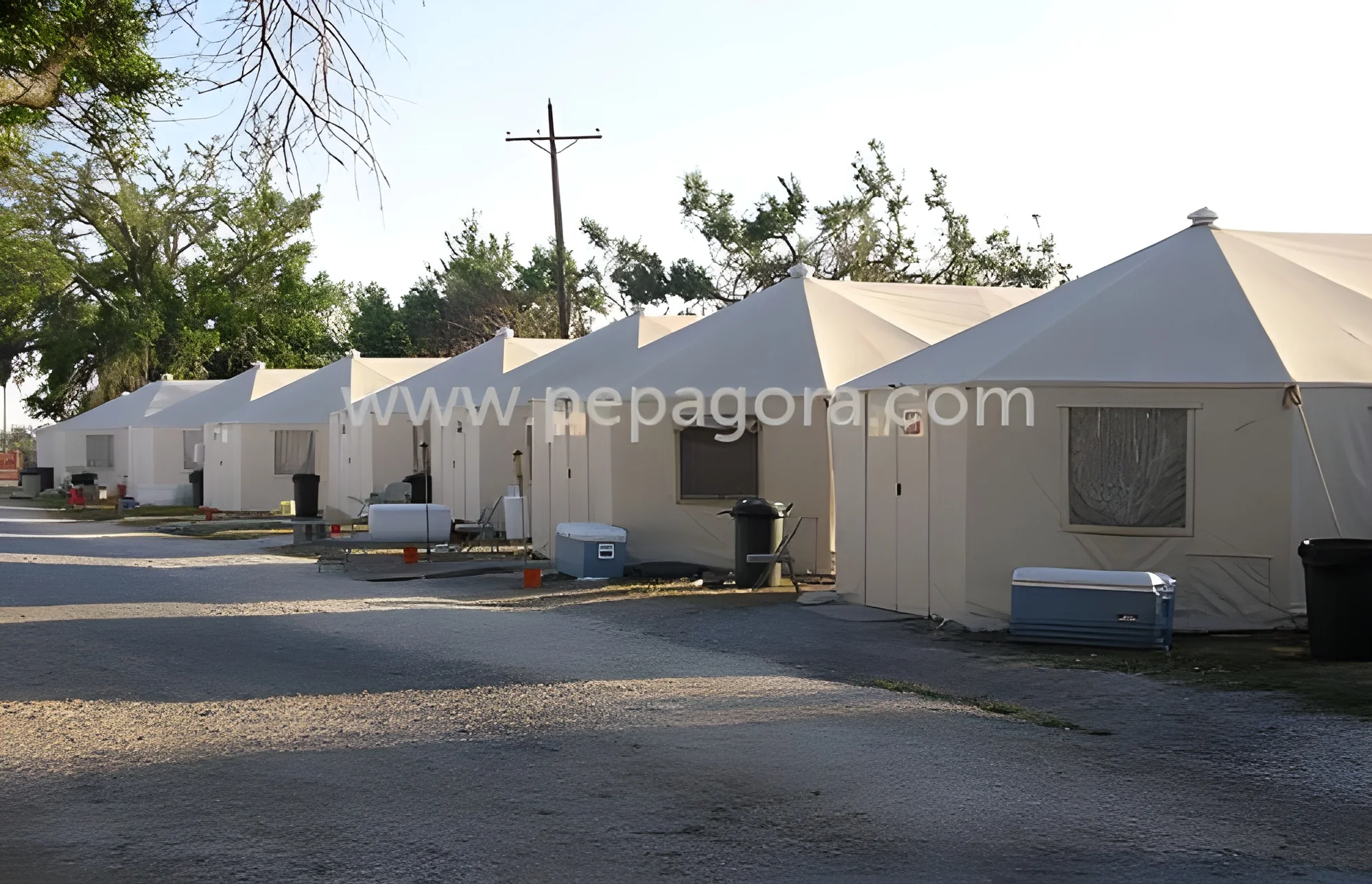
The primary uses of canvas fabric span several industries, including textiles, manufacturing, and outdoor equipment. It is often used in the production of bags, tents, tarps, and upholstery. Due to its durability, canvas fabric is also popular for creating protective coverings and industrial applications, such as in the construction and automotive sectors. The market for canvas fabric continues to grow, driven by increasing demand for high-quality, long-lasting materials in various business fields.
In the context of industry relevance, canvas fabric plays a significant role in the production of goods that require strength and durability. This fabric's adaptability allows it to meet diverse needs, from heavy-duty applications to everyday products. As companies prioritize sustainability, the use of natural fibers in canvas production is gaining traction, contributing to the fabric's market expansion.
Key Features and Specifications
Canvas fabric is characterized by several key features that enhance its functionality and usability across different industries. Understanding these specifications is crucial for businesses seeking to source the right type of canvas for their applications.
Key specifications include:
1. Fabric Composition
- Typically made from cotton, linen, or synthetic fibers
- Impacts durability and suitability for various applications
2. Weight
- Common weights range from 8 oz to 12 oz per square yard
- Heavier weights provide increased durability for industrial use
3. Weave Type
- Plain weave is the most common, offering a balance of strength and flexibility
- Twill weave provides additional durability and a slightly textured surface
4. Finish
- Can be treated for water resistance or UV protection
- Chemical treatments enhance performance in specific applications
5. Color and Print Options
- Available in a wide range of colors and patterns
- Custom printing options for branding and design
6. Breathability
- Natural canvas allows air circulation, making it suitable for outdoor applications
- Synthetic blends may reduce breathability for specialized uses
7. Tear Strength
- Measured in pounds, indicating the fabric's resistance to tearing
- Important for applications requiring high durability
8. Compliance Standards
- May meet industry-specific safety and quality standards, such as CE certification
In summary, the key features and specifications of canvas fabric make it a reliable choice for various applications, ensuring it meets the diverse needs of businesses.
Common Applications and Use Cases
Canvas fabric is utilized across multiple sectors, showcasing its versatility and strength.
1. Textiles and Fashion: Canvas is widely used in the production of bags, shoes, and apparel due to its durability and ability to hold shape.
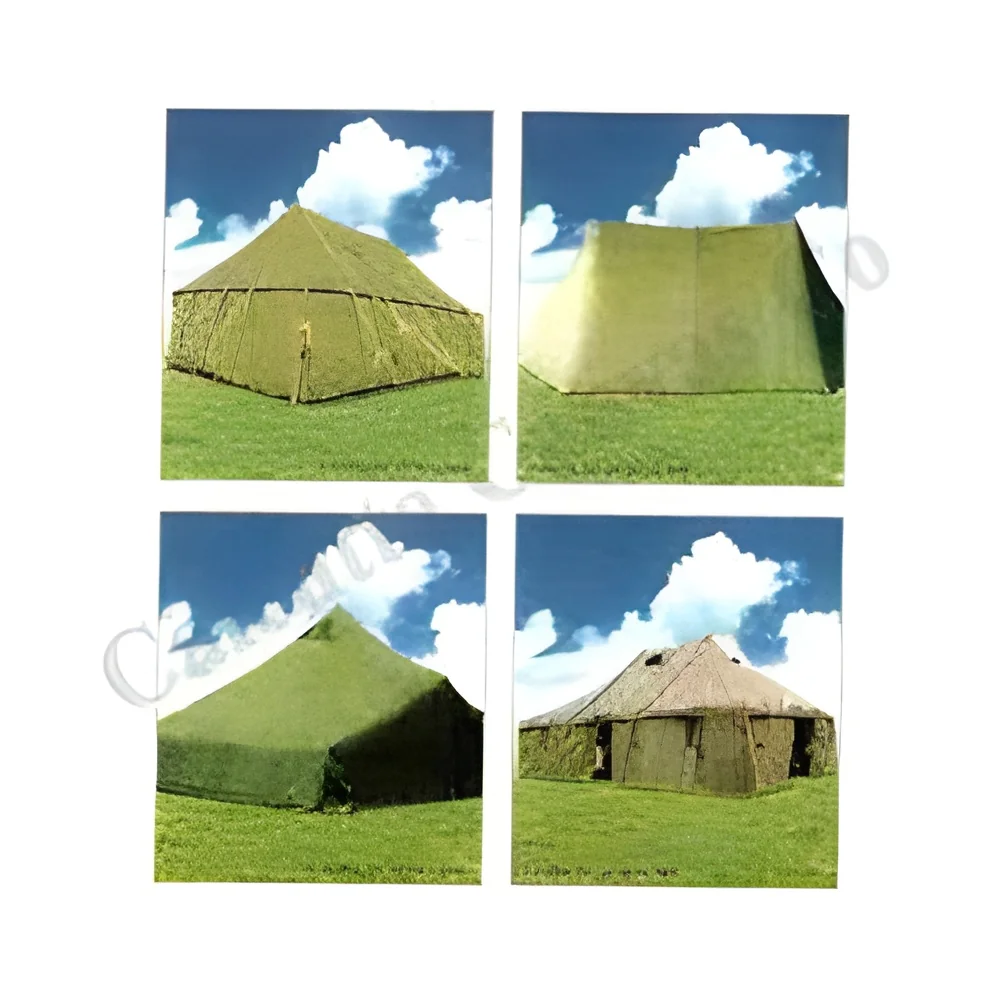
2. Outdoor Equipment: Many tents, awnings, and tarps are made from canvas fabric for its weather resistance and strength in outdoor conditions.
3. Industrial Applications: Canvas is often employed in the manufacturing of protective covers, equipment liners, and industrial bags that require heavy-duty performance.
4. Home Furnishings: Upholstery and decorative items often use canvas for its aesthetic appeal and durability, making it suitable for furniture and cushions.
5. Arts and Crafts: Artists frequently use canvas as a painting surface, as its texture and durability provide a reliable medium for various art forms.
6. Transportation: Canvas is used in the production of vehicle covers and tarpaulins, providing protection for transport equipment against the elements.
7. Military Use: The fabric is often utilized in military applications for tents, gear, and other equipment requiring robust materials.
Product Variants and Subcategories
Canvas fabric comes in various forms, catering to different needs and applications within industries.
Heavy-Duty Canvas
This variant features a thicker and more robust structure, making it ideal for industrial use. It is commonly used in manufacturing tarps, covers, and heavy-duty bags that require enhanced durability.
Cotton Canvas
Made primarily from cotton fibers, this variant is breathable and versatile, often used in apparel and outdoor gear. Its natural properties make it suitable for environmentally conscious businesses.
Waterproof Canvas
This variant is treated to be water-resistant, making it perfect for outdoor applications such as tents and tarps. Its ability to repel water helps protect contents from moisture.
Printed Canvas
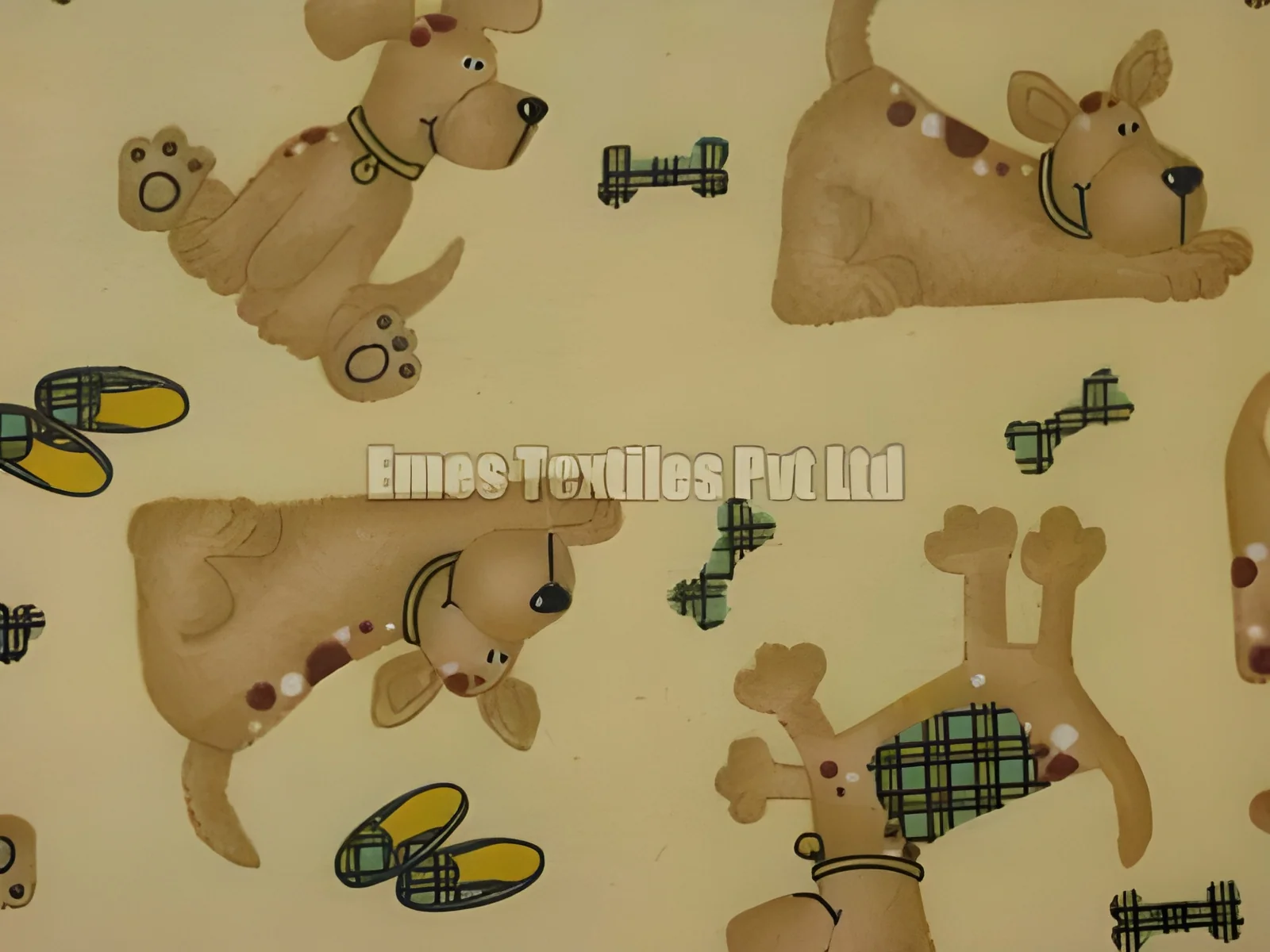
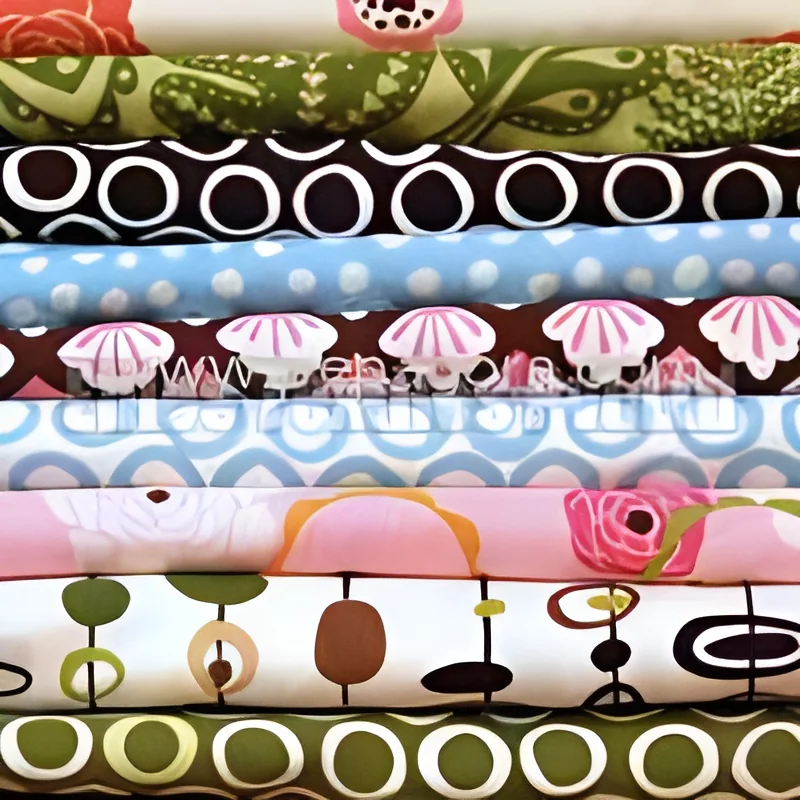
This type of canvas can be customized with various prints and designs, making it popular in the fashion and arts industries. It allows for branding and creative expression.
Benefits and Advantages
Sourcing canvas fabric offers numerous benefits for businesses looking for reliable materials.
1. Durability: Canvas fabric is known for its strength and resilience, ensuring long-lasting performance in various applications.
2. Versatility: Its adaptability allows for a wide range of uses, from industrial applications to fashion items, meeting diverse business needs.
3. Cost-Effectiveness: The longevity of canvas fabric often translates to reduced replacement costs, making it a smart investment for businesses.
4. Eco-Friendly Options: Natural canvas variants, such as cotton, provide sustainable choices for businesses prioritizing environmental responsibility.
5. Customization: The ability to print and dye canvas fabric allows businesses to create unique products that reflect their brand identity.
6. Weather Resistance: Treated canvas options provide reliable protection against the elements, making them suitable for outdoor applications.
Buying Guide for B2B Buyers
When sourcing canvas fabric, several critical factors should be considered to ensure the best purchase decision.
1. Quality Assessment: Evaluate the fabric's thickness, weave, and finish to determine its suitability for your specific application. Request samples to assess durability and performance.
2. Supplier Verification: Research potential suppliers to ensure they have a track record of providing high-quality products. Look for customer reviews and certifications to verify their credibility.
3. Pricing and MOQ: Understand the pricing structure and minimum order quantities (MOQ) before making a decision. Compare prices among different suppliers to ensure competitive rates.
4. Delivery and Lead Times: Discuss logistics and expected delivery times with suppliers to align with your project timelines. Timely delivery is crucial for maintaining production schedules.
5. Compliance Requirements: Check for any industry-specific compliance needs, such as safety standards or certifications, to ensure that the canvas fabric meets necessary regulations.
Compliance and Certifications
Compliance and certification are fundamental aspects of sourcing canvas fabric. Relevant quality standards, such as ISO 9001, ensure that manufacturing processes meet international quality management requirements. Compliance with HACCP (Hazard Analysis and Critical Control Points) is also crucial for businesses in food-related industries, ensuring that materials used do not pose health risks.
Industry certifications, like CE marking, indicate that the canvas fabric meets European safety standards, providing assurance to buyers regarding product quality and safety. Additionally, adherence to safety and testing requirements ensures that the fabric can withstand various operational conditions without compromising safety.
Regional compliance considerations may also arise, depending on where the fabric will be used. Understanding local regulations and standards is essential for businesses operating in multiple regions to ensure compliance across all markets.
Why Source Canvas Fabric from Pepagora?
Pepagora provides a trusted platform for sourcing canvas fabric with several key advantages that benefit B2B buyers.
Verified Supplier Network: Pepagora connects buyers with a network of verified suppliers, ensuring that all vendors meet stringent quality and reliability standards. This helps businesses find trustworthy partners for their sourcing needs.
Streamlined RFQ Process: The platform offers an efficient Request for Quotation (RFQ) process, allowing buyers to easily request pricing and details from multiple suppliers. This simplifies the procurement process, saving time and effort.
Trade Assurance and Support: Pepagora offers trade assurance that protects buyers throughout their transaction. This support includes assistance with any disputes and ensures that buyers receive quality products as promised.
Regional Coverage: With a focus on India, the GCC, and Southeast Asia, Pepagora provides extensive regional coverage, making it easier for businesses to connect with suppliers in their specific geographic areas. This ensures timely delivery and local support for sourcing canvas fabric.

 IN
IN