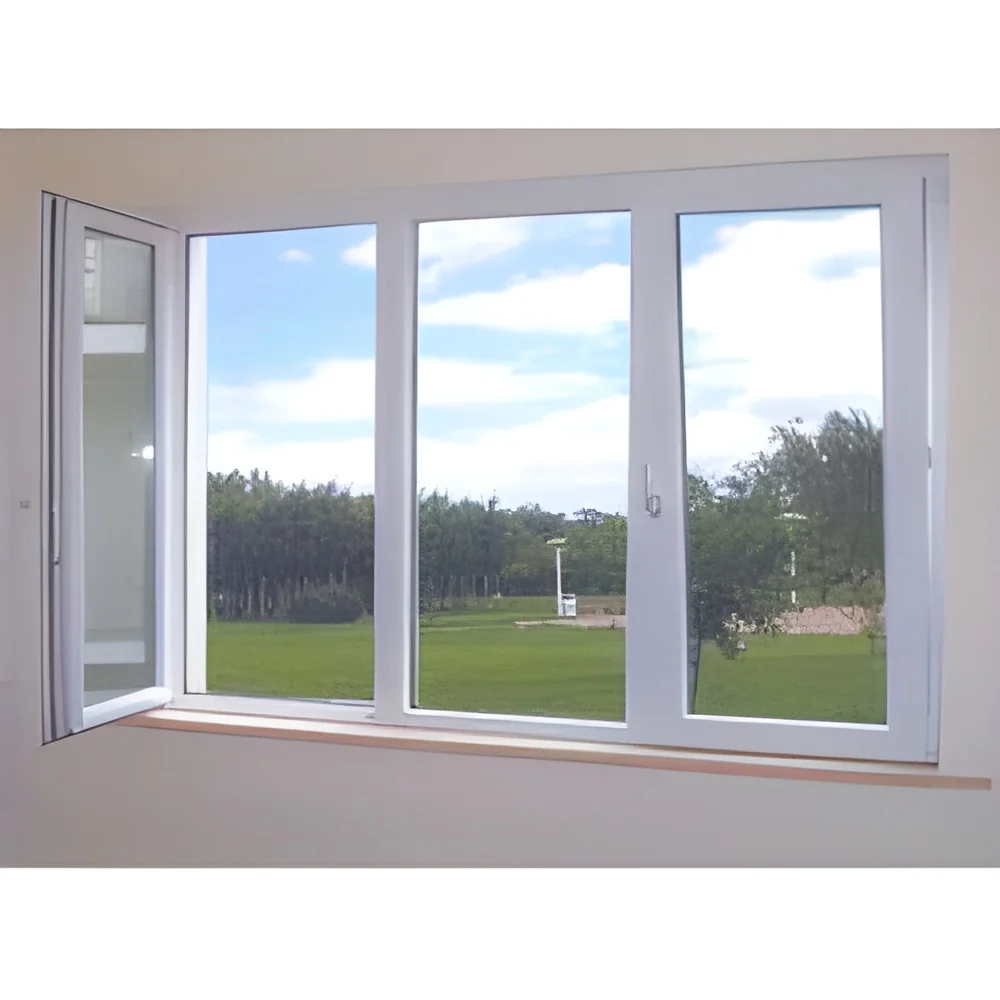
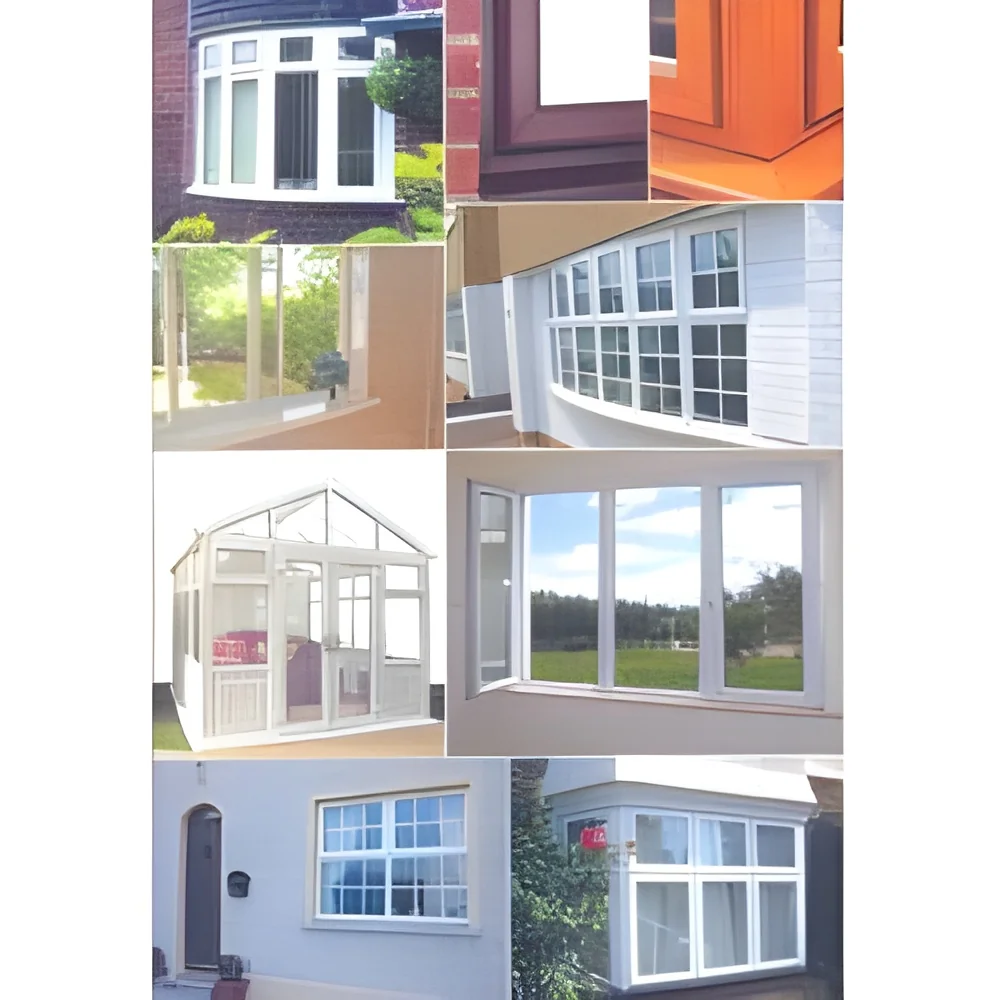
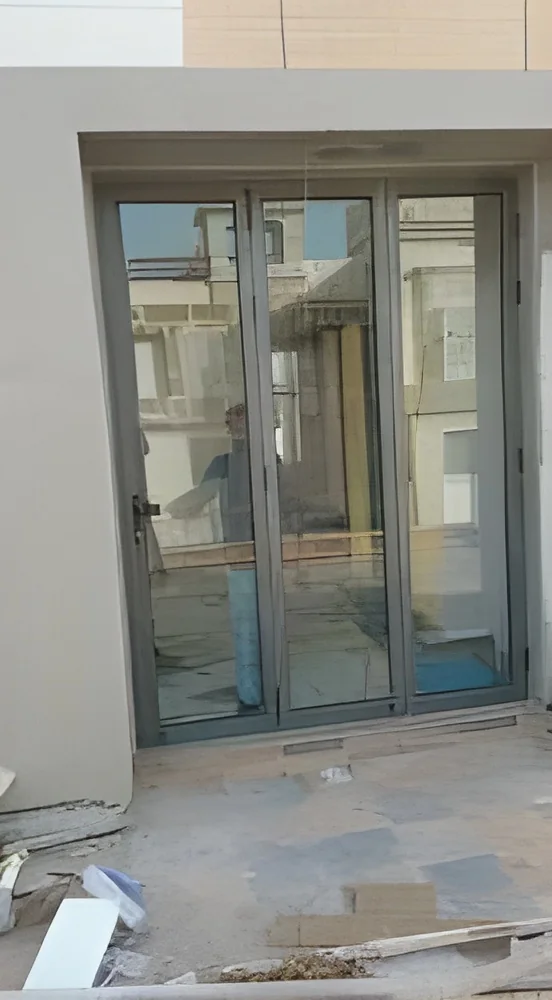
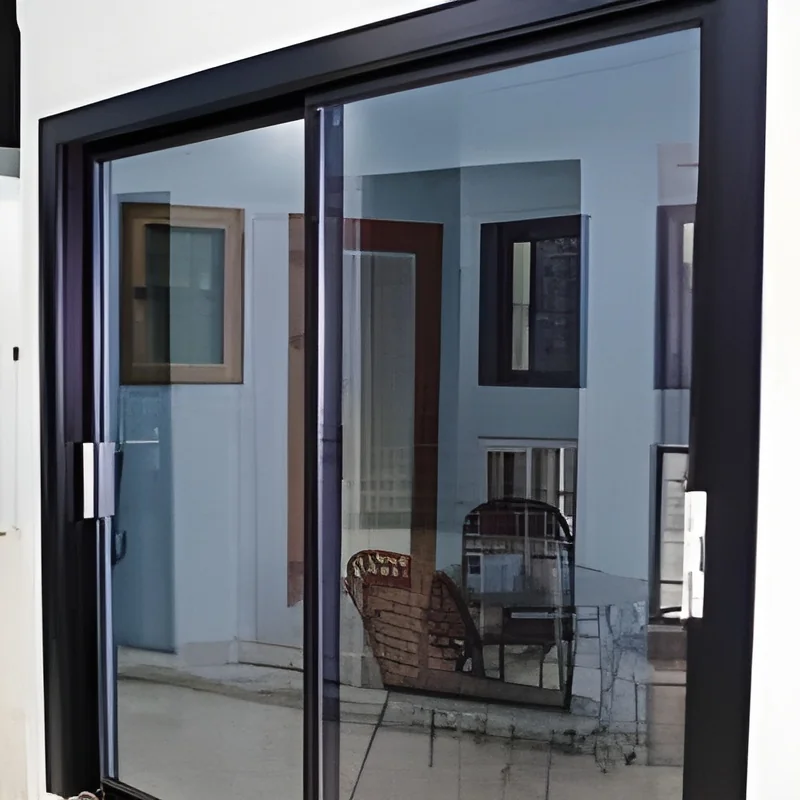
Key Features and Specifications
UPVC windows (sliding and casement) come with a range of features that make them suitable for various applications. Their specifications are designed to enhance performance, security, and energy efficiency.
Key specifications include:
1. Material Composition
- Made from high-quality UPVC that is resistant to rot, corrosion, and fading.
- Offers longevity and low maintenance.
2. Thermal Efficiency
- Multi-chambered profile to reduce heat transfer.
- Energy-efficient design that can contribute to lower energy bills.
3. Security Features
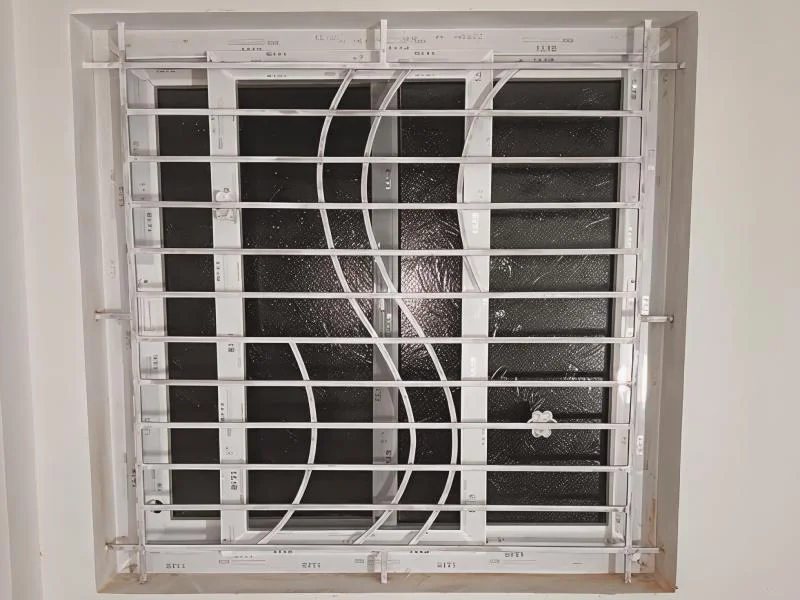
- Multi-point locking systems for enhanced security.
- Strong frame construction that deters break-ins.
4. Noise Reduction
- Soundproof properties due to the thickness of the UPVC.
- Ideal for urban environments where noise pollution is a concern.
5. Weather Resistance
- Designed to withstand extreme weather conditions without warping.
- UV-stabilized to prevent discoloration.
6. Customization Options
- Available in various colors and finishes.
- Can be tailored to fit specific architectural designs.
7. Ease of Operation
- Smooth sliding mechanism for sliding windows.
- Easy-to-open casement design for ventilation.
8. Eco-Friendly
- Recyclable material that contributes to sustainable construction practices.
- Low environmental impact during production.
In summary, UPVC windows are engineered with advanced features that cater to the needs of modern construction, providing security, efficiency, and aesthetic appeal.
Common Applications and Use Cases
UPVC windows are versatile products suitable for various industries and applications.
1. Residential: Commonly used in homes for their energy efficiency and noise reduction properties, enhancing comfort and reducing energy costs.
2. Commercial: Ideal for office buildings, retail stores, and hotels. Their modern look and durability make them a preferred choice for commercial architecture.
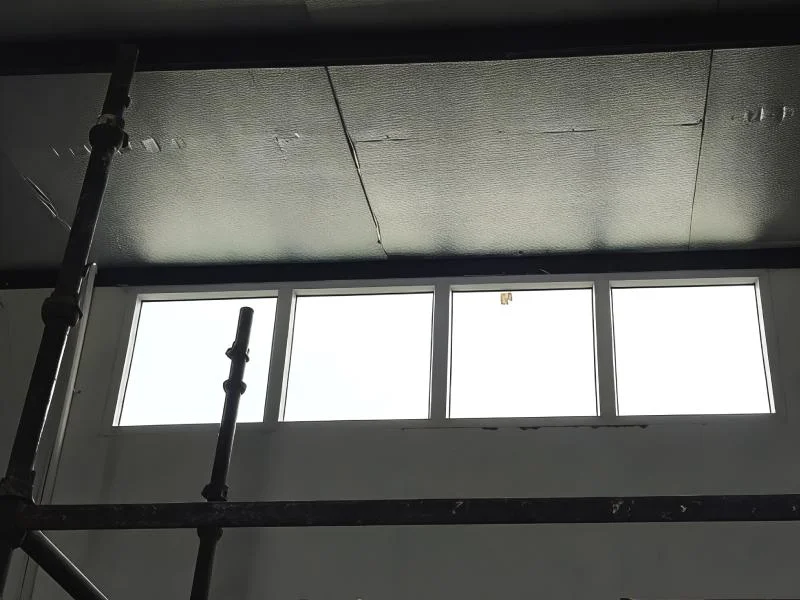
3. Industrial: Used in factories and warehouses where durability and low maintenance are essential. UPVC windows can withstand harsh environments.
4. Hospitality: Frequently installed in hotels and resorts to provide guests with comfort through enhanced thermal insulation and soundproofing.
5. Educational Institutions: Used in schools and universities, providing a safe and conducive learning environment with plenty of natural light.
6. Healthcare: Installed in hospitals and clinics to create a hygienic environment while ensuring adequate ventilation and natural light.
7. Government Buildings: Chosen for public facilities due to their compliance with safety and energy standards.
In conclusion, UPVC windows serve a wide range of applications across multiple industries, making them a valuable investment for both residential and commercial projects.
Product Variants and Subcategories
The diversity of UPVC windows allows for various options to meet specific customer needs.
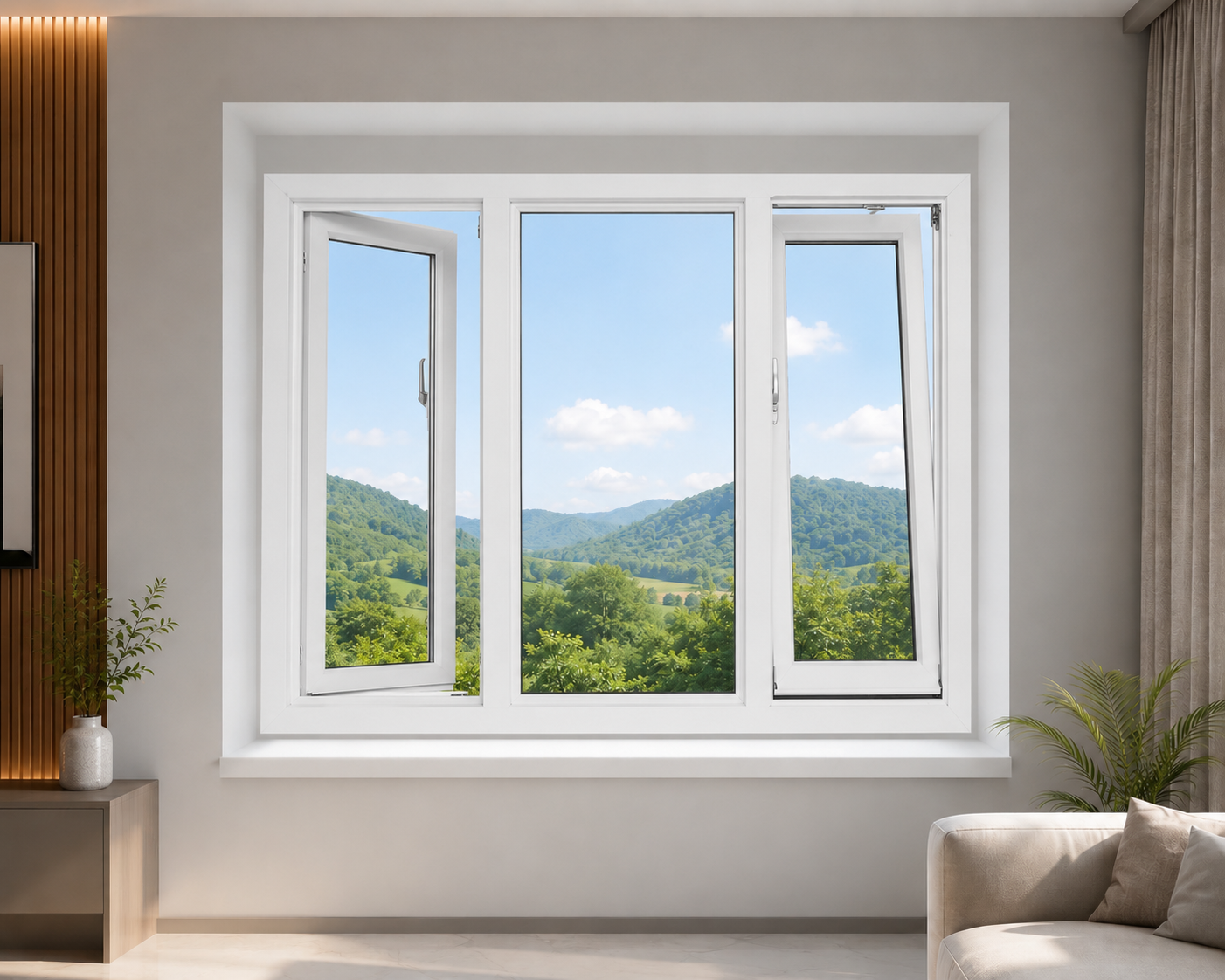
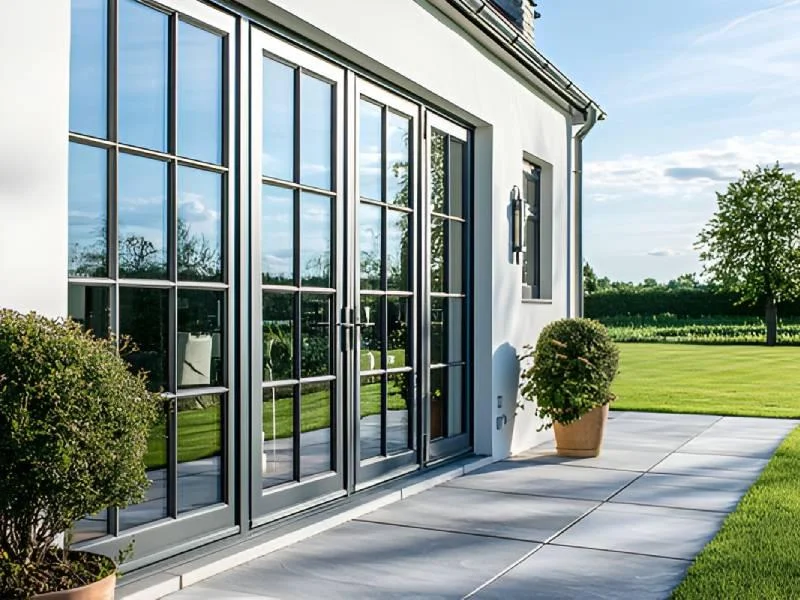
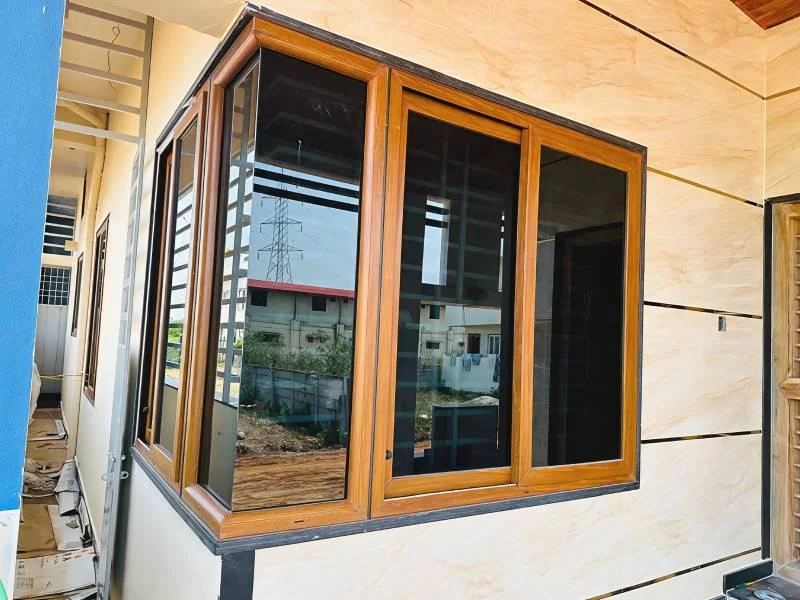
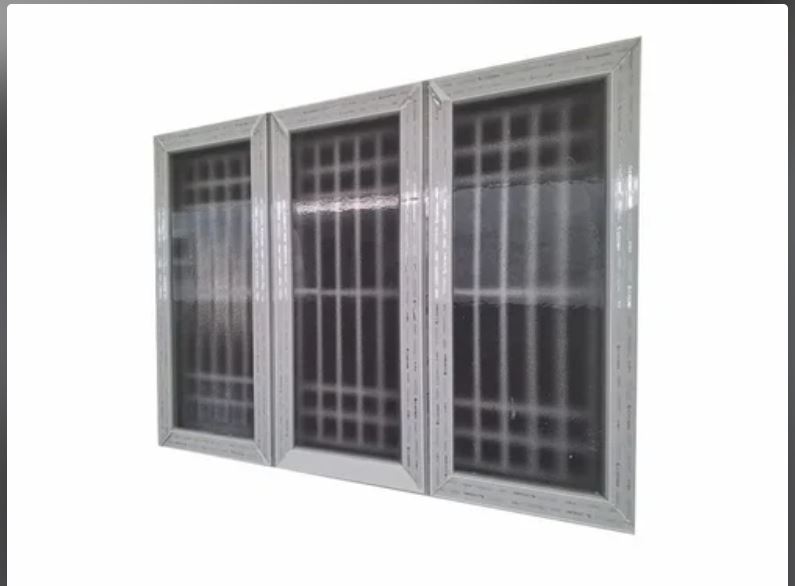
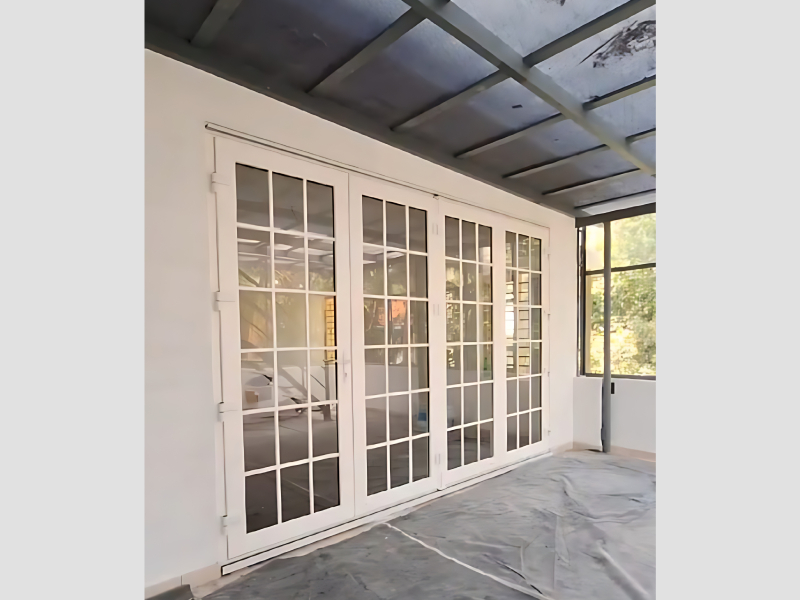
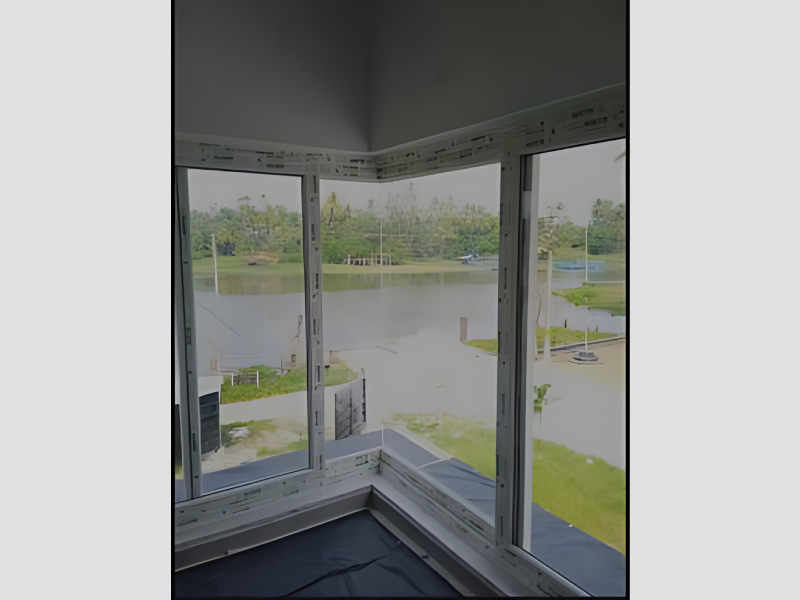
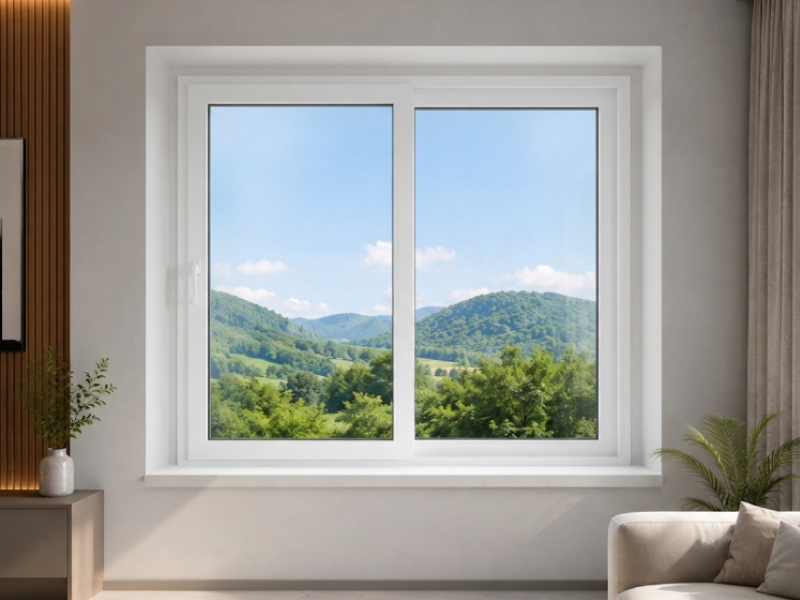
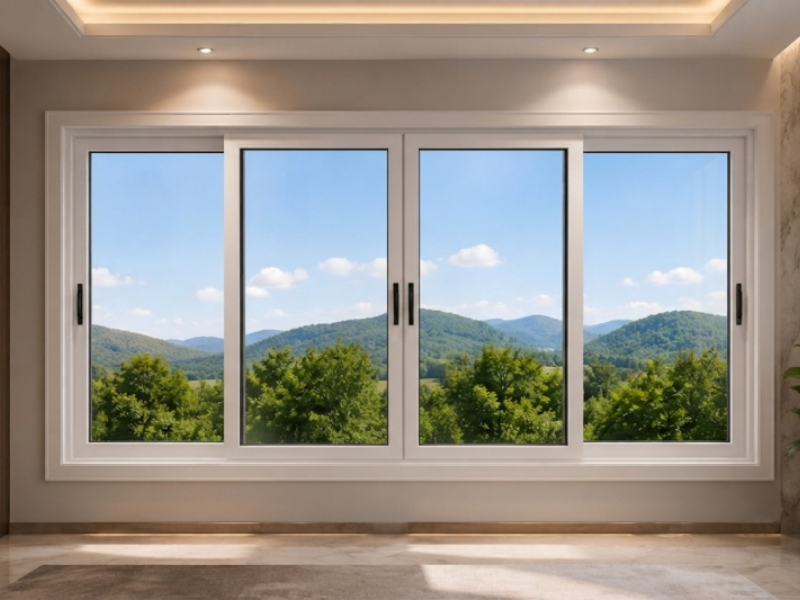
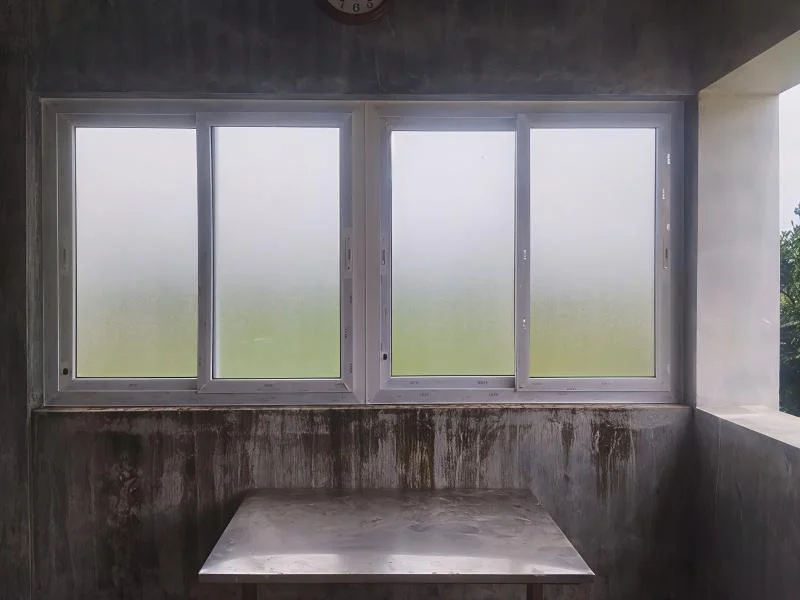
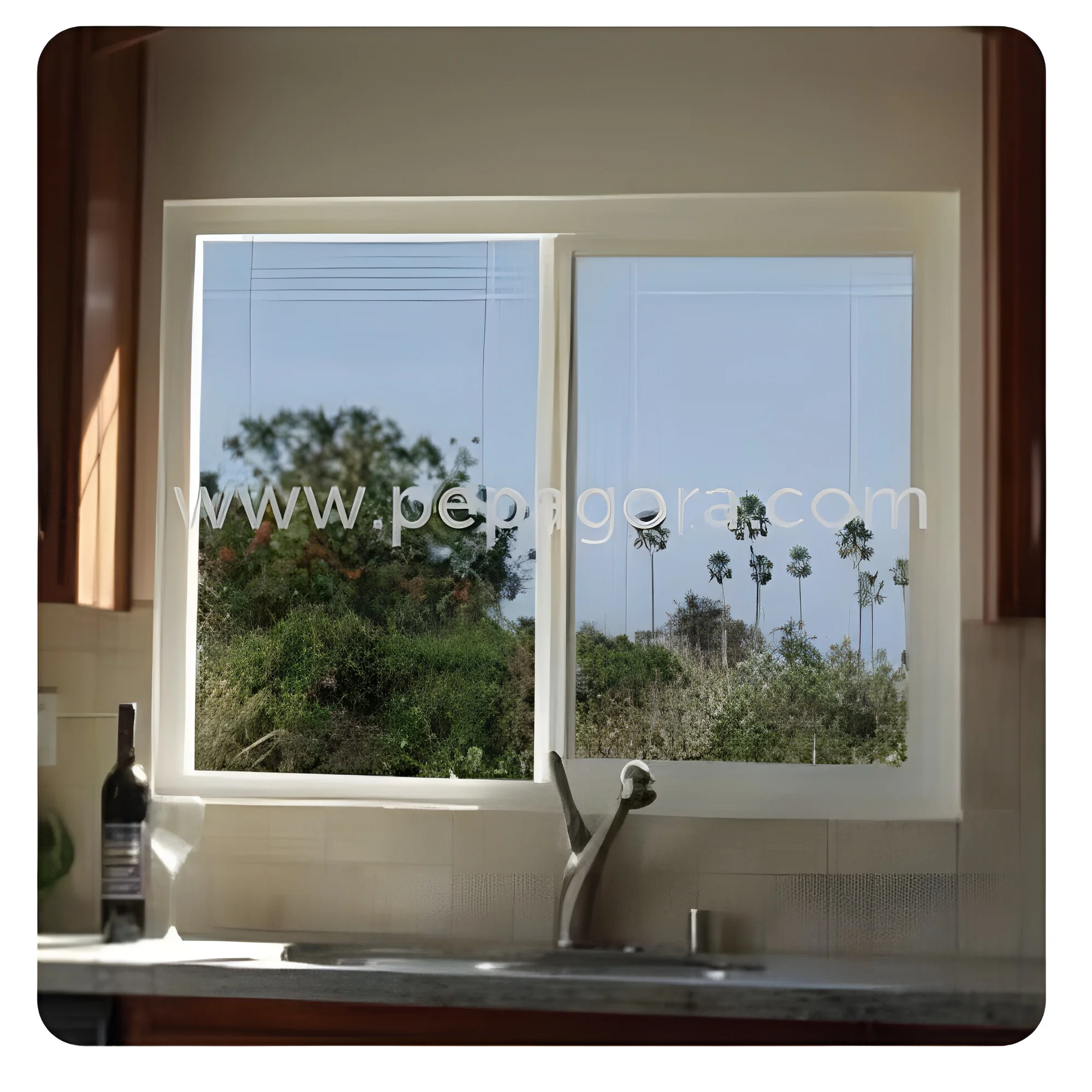
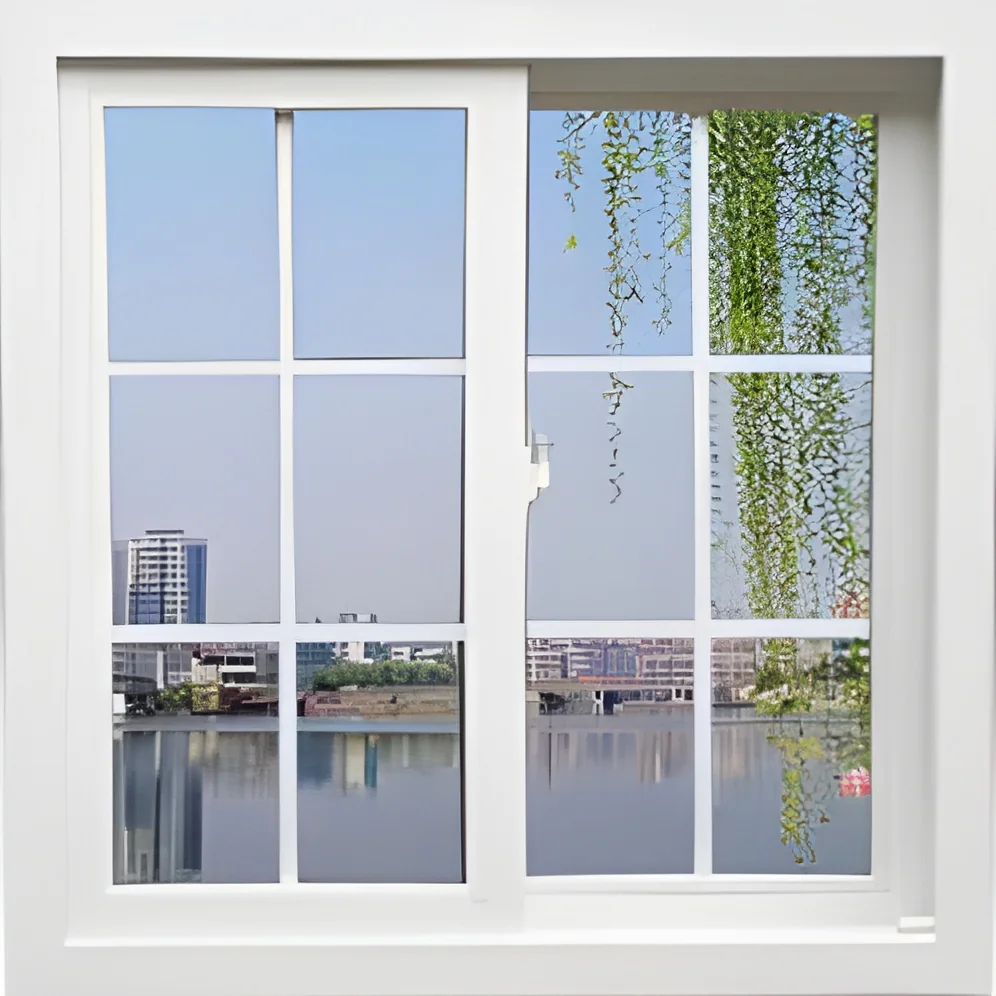
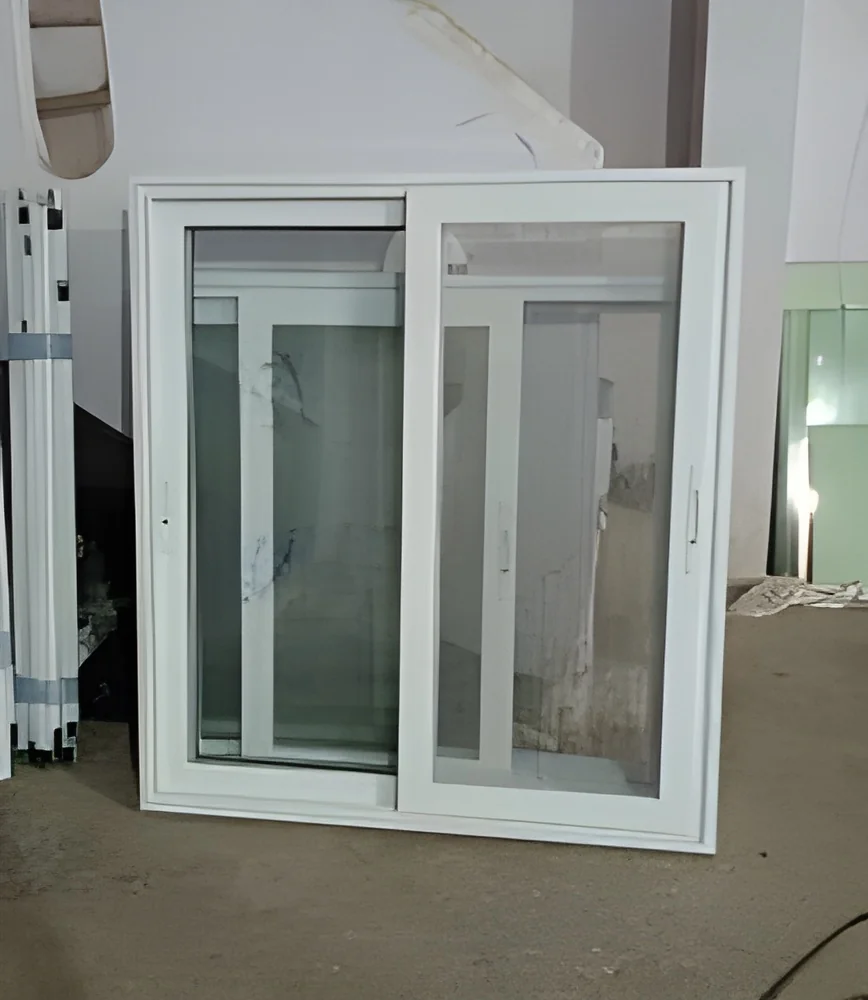
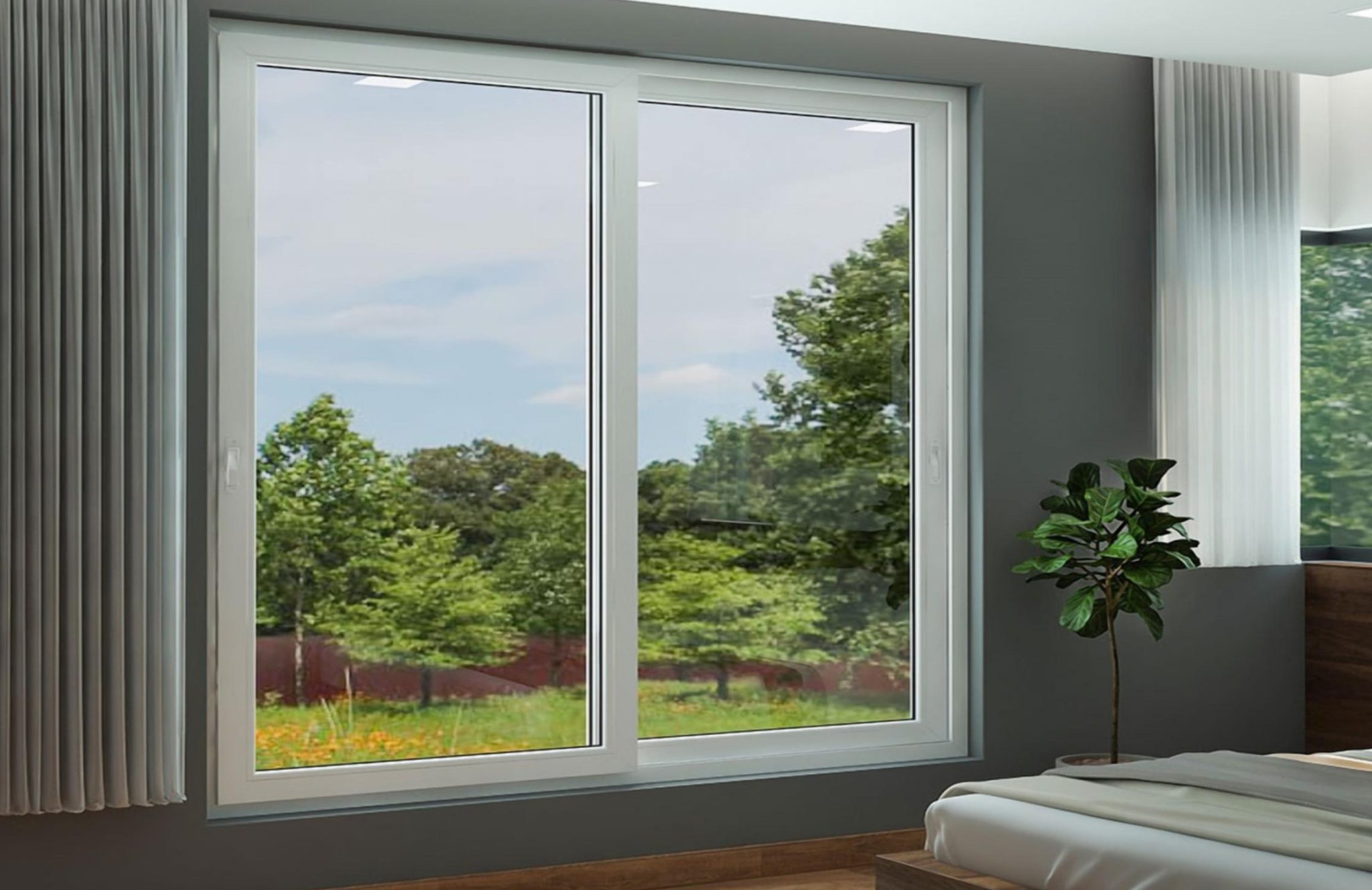
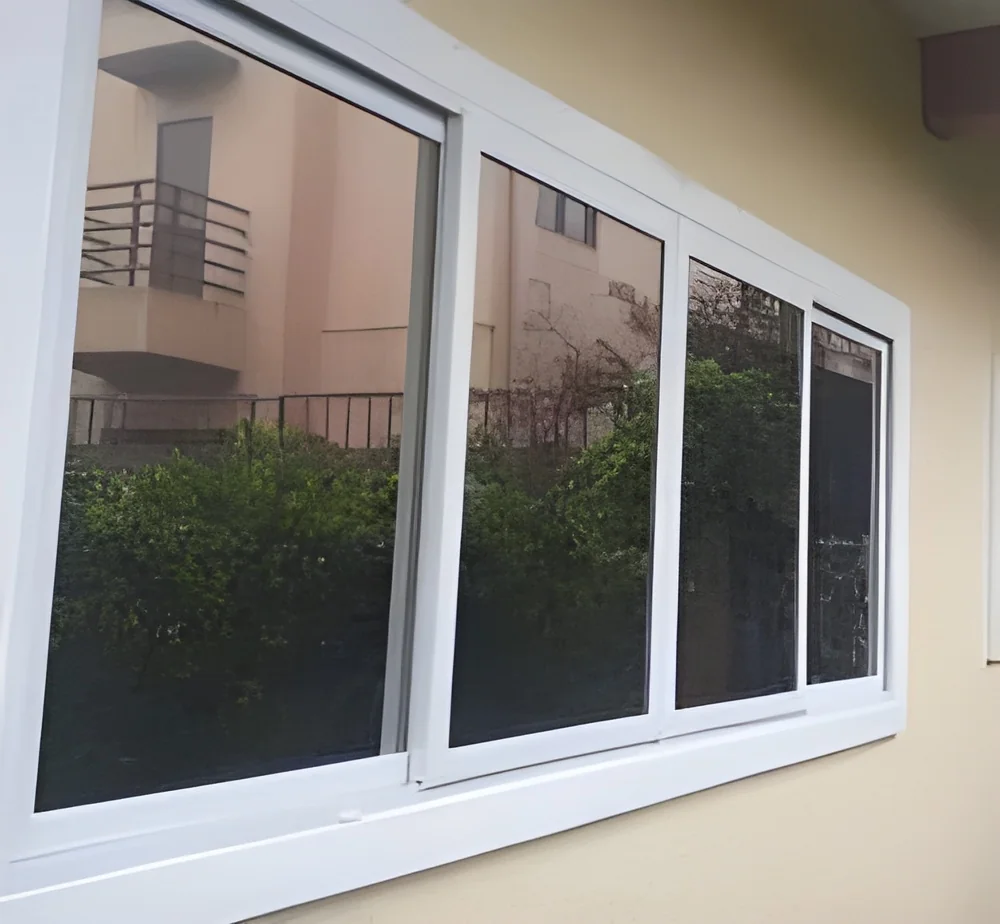
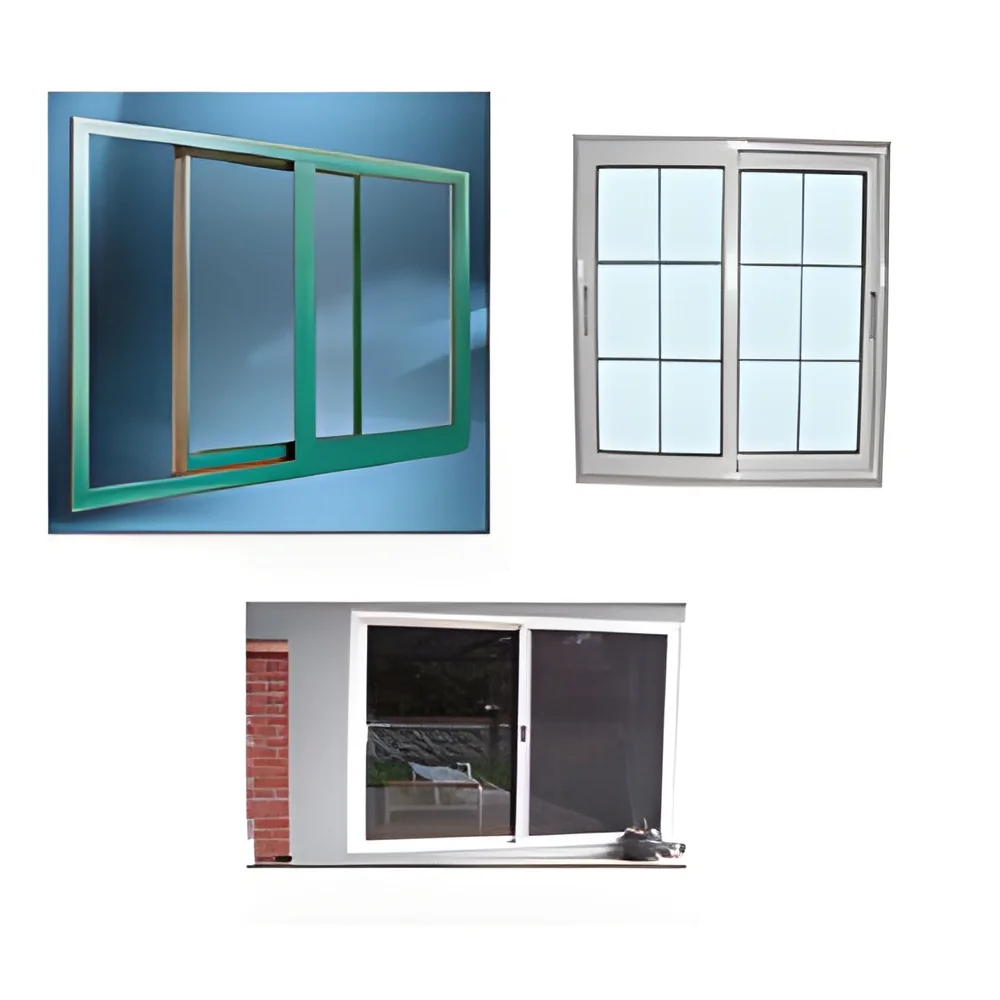
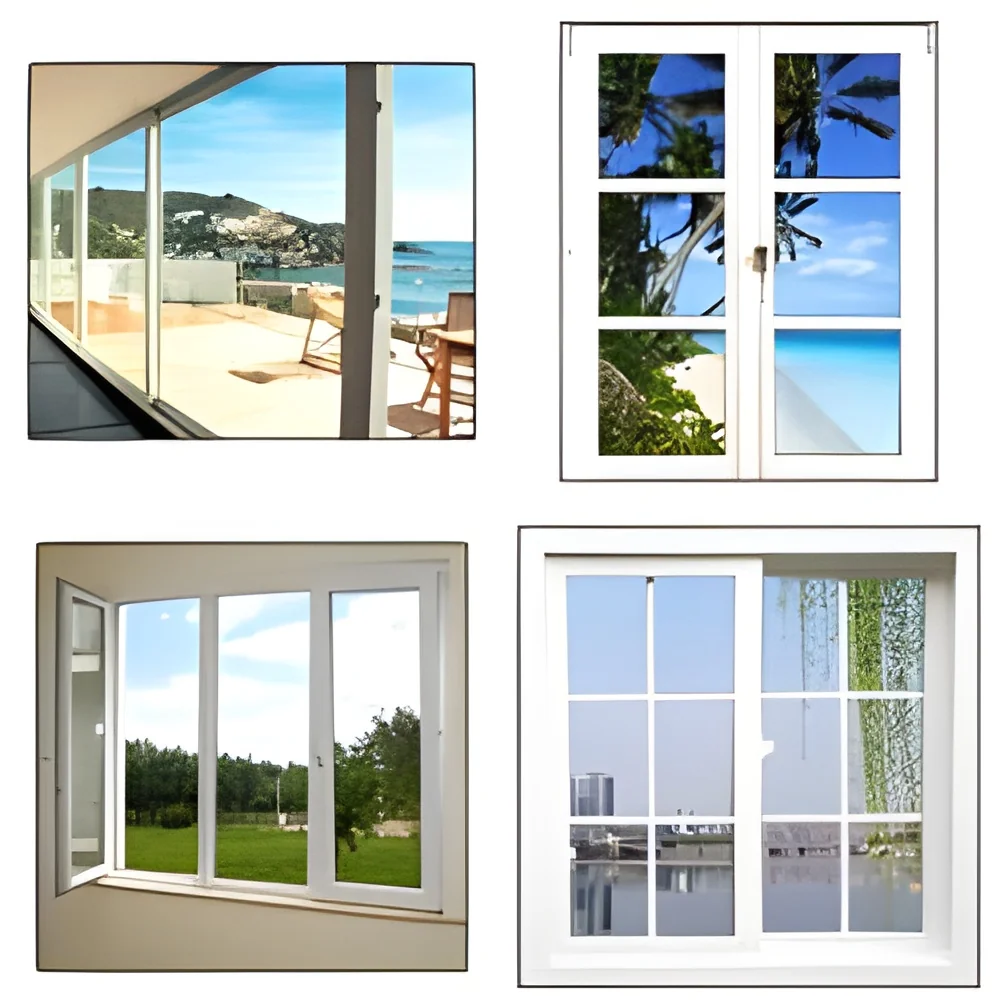
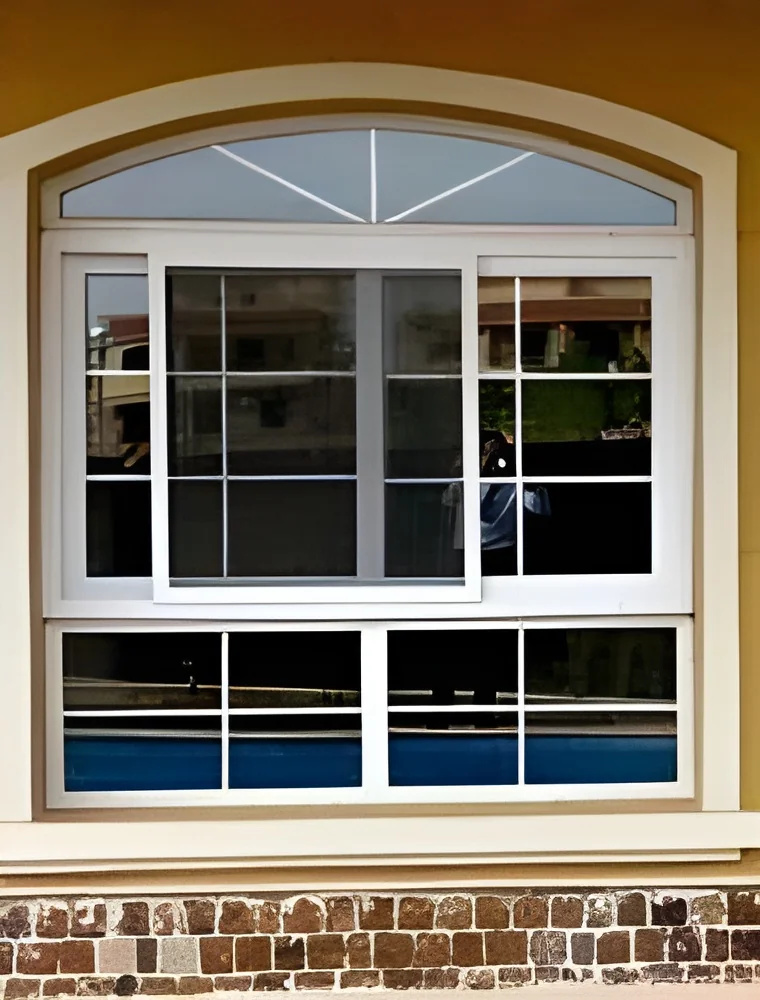
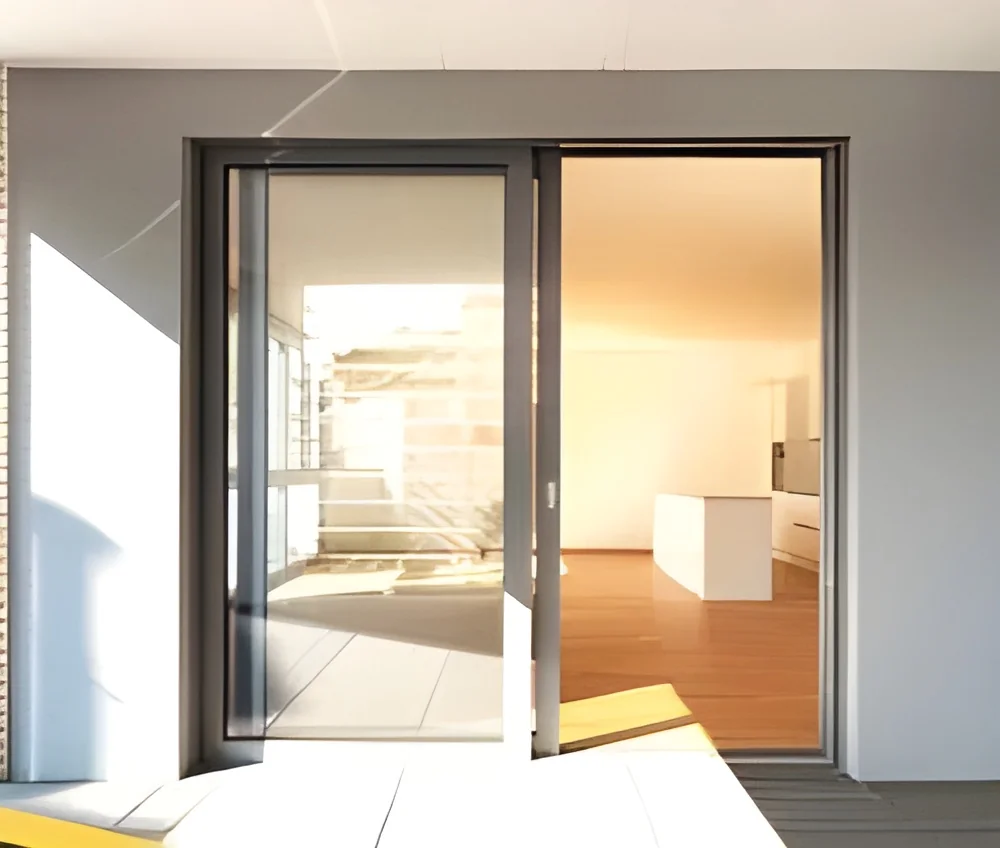
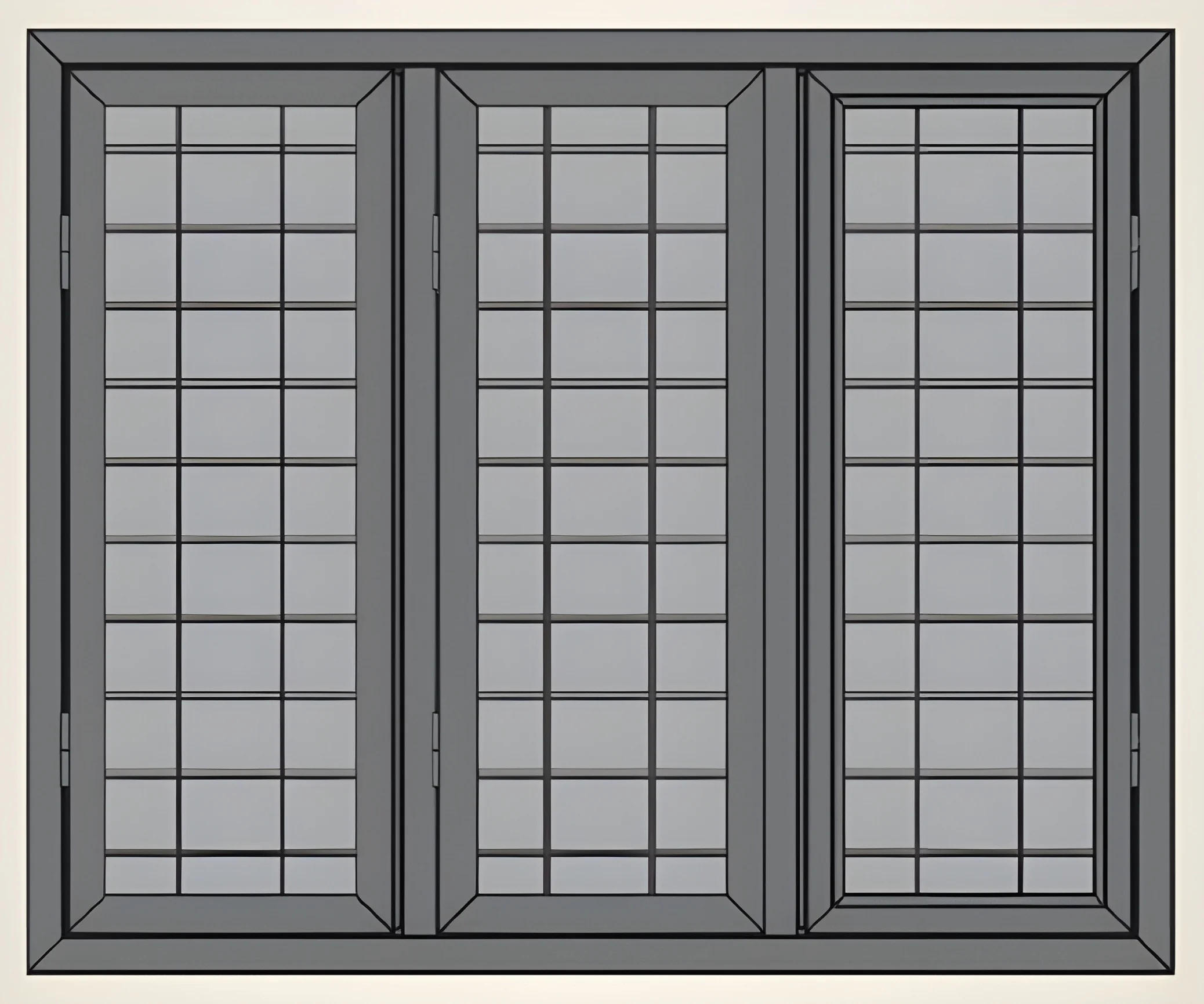
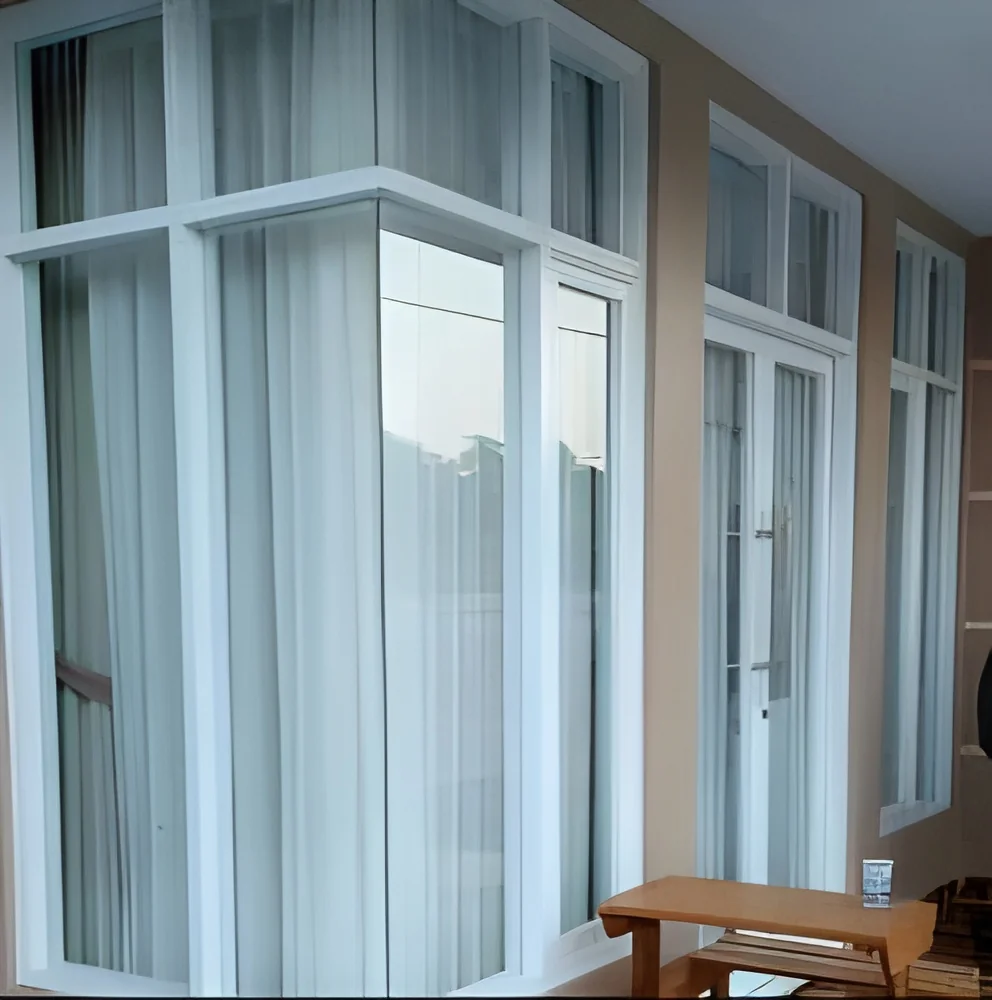
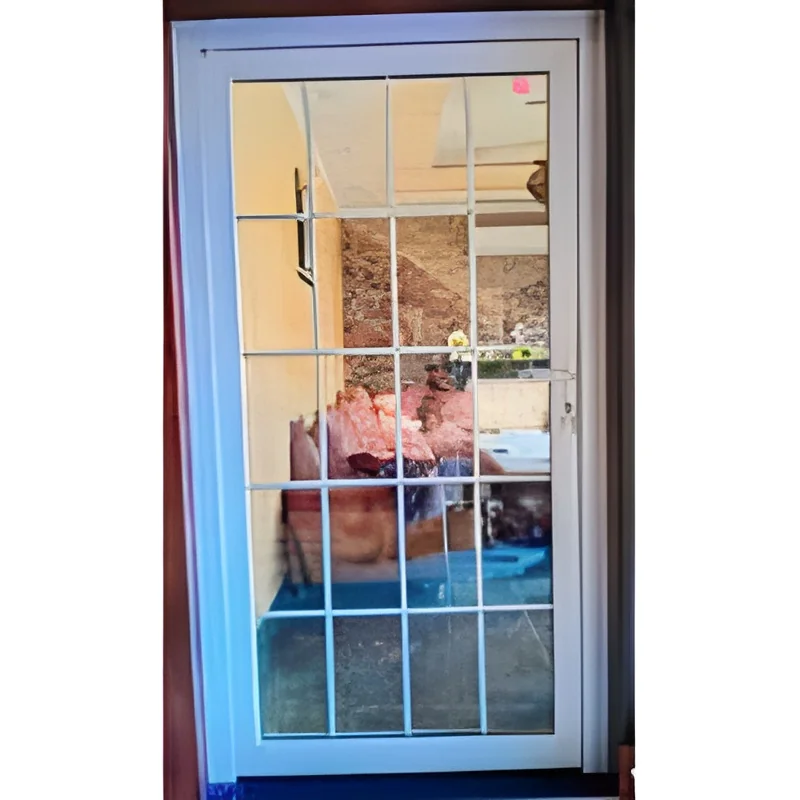
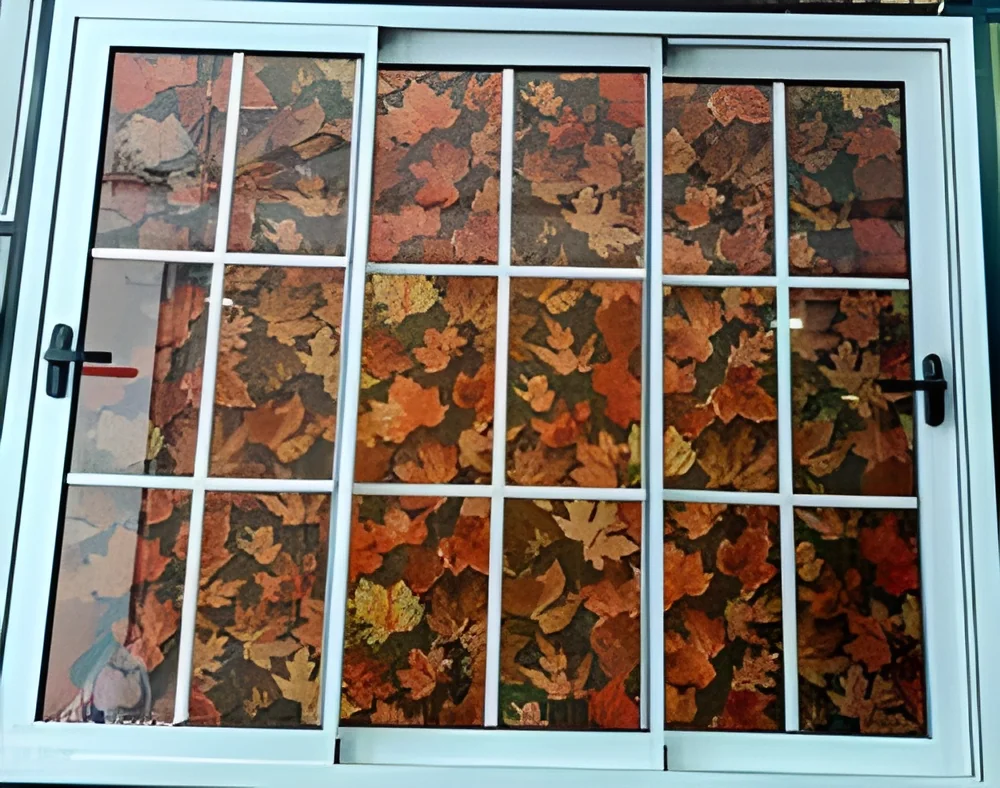
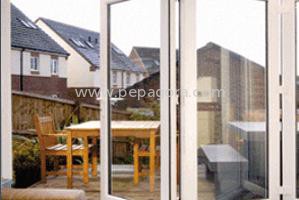
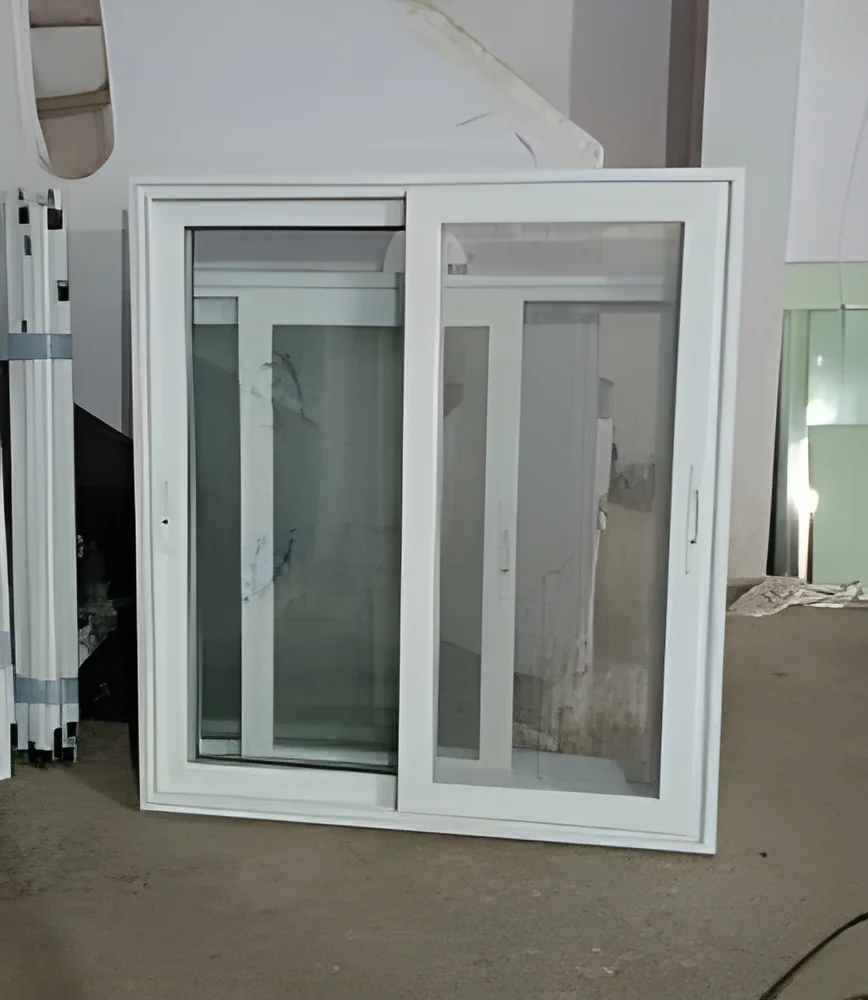
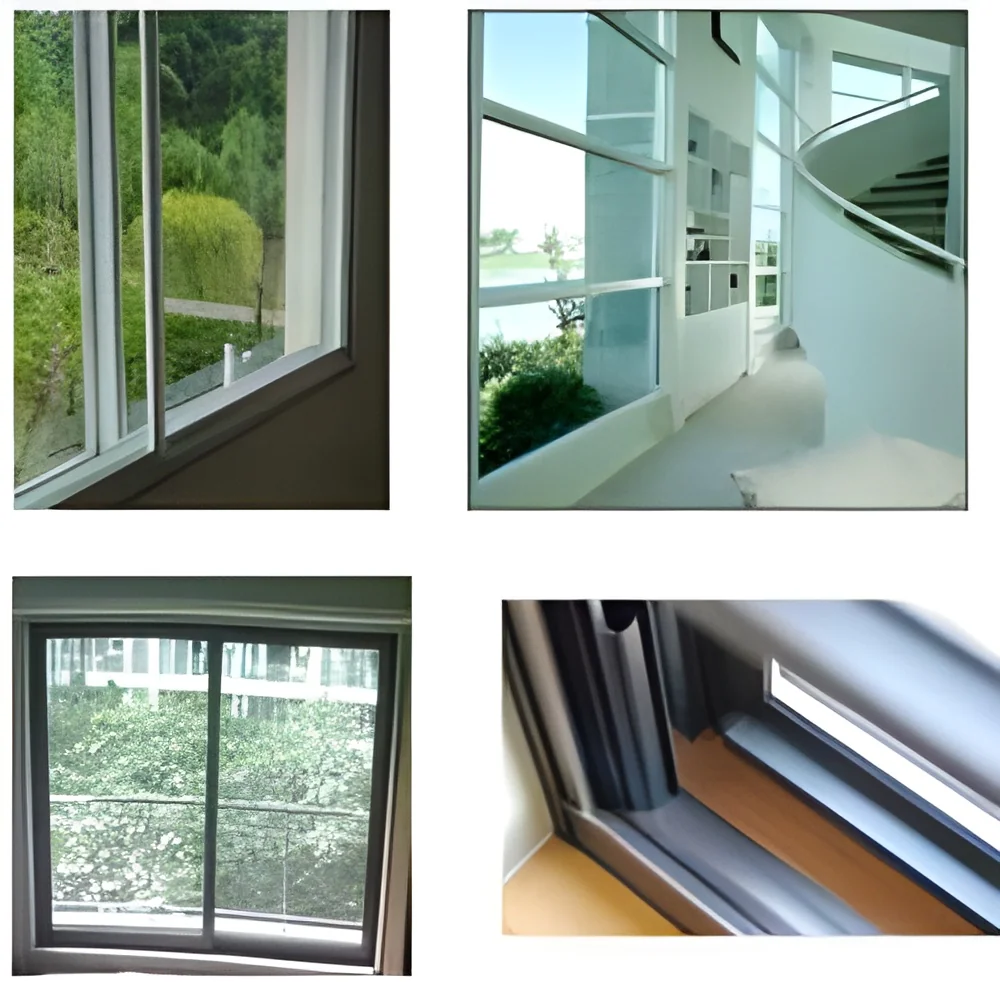
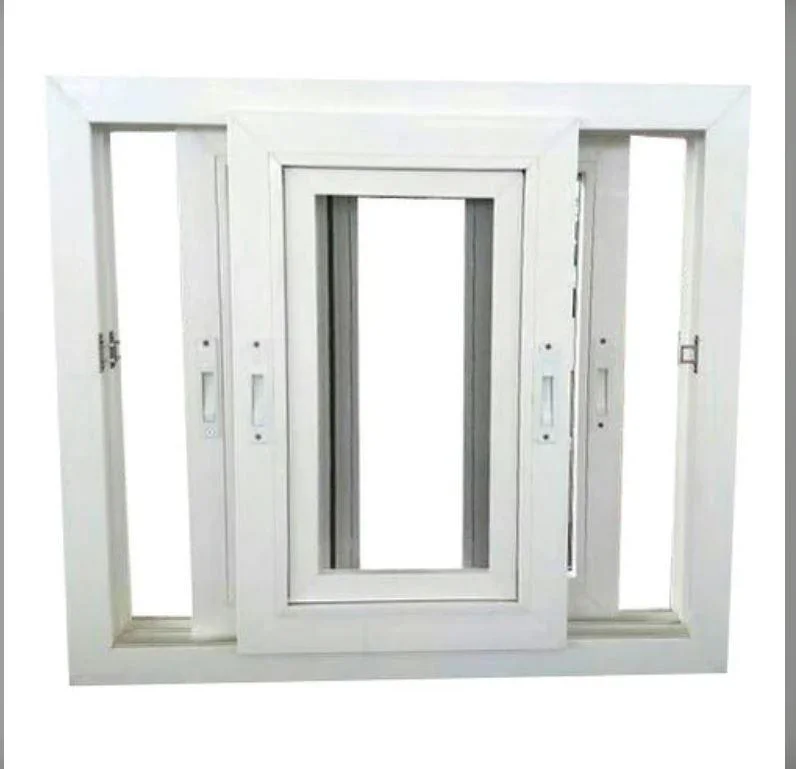
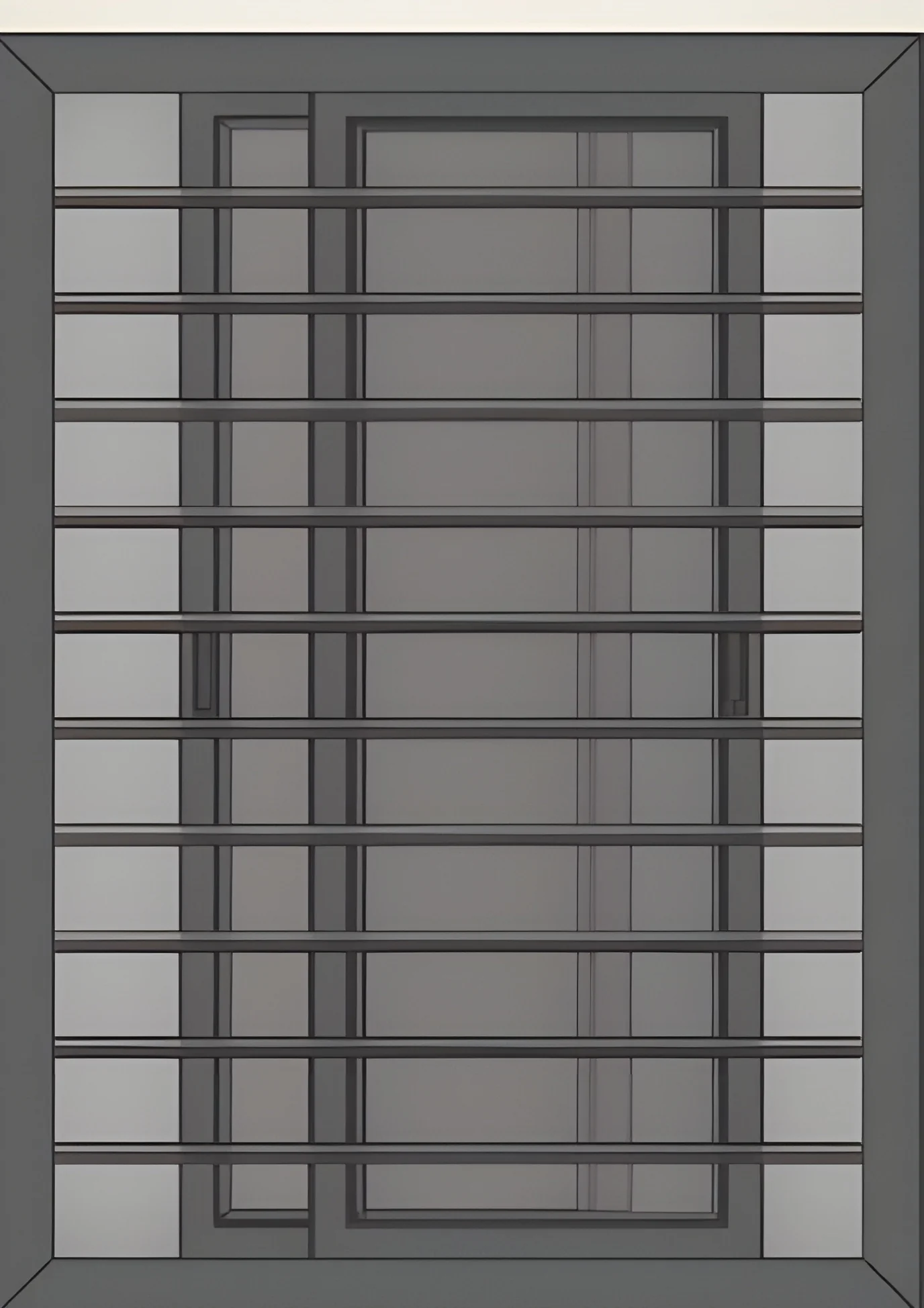
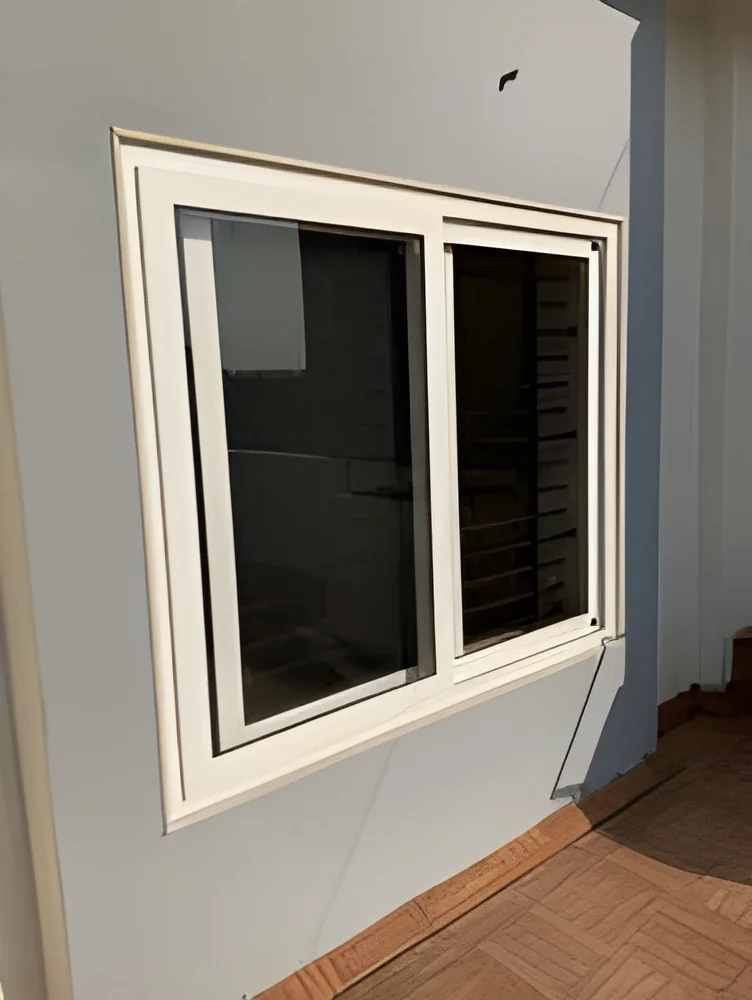
Sliding Windows: These windows open horizontally, making them ideal for spaces where traditional windows may not fit. They offer a modern aesthetic and are perfect for large openings such as patios or balconies.
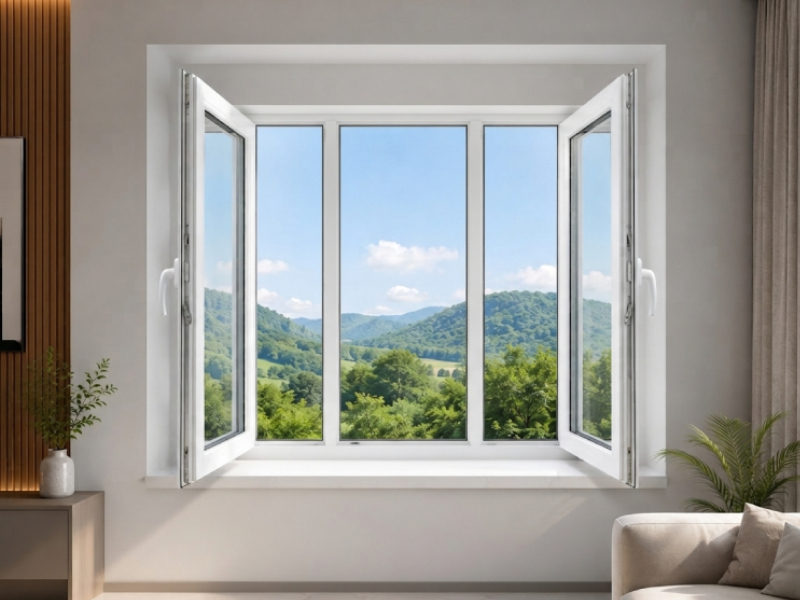
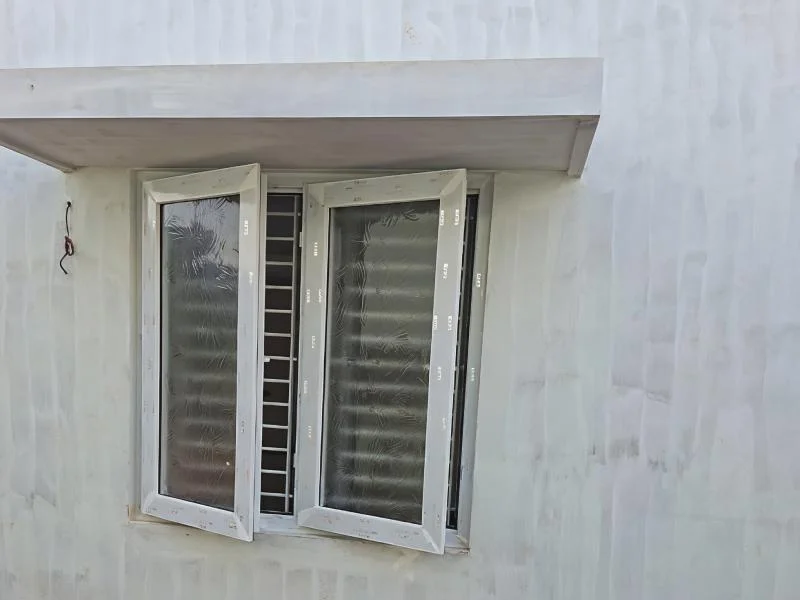
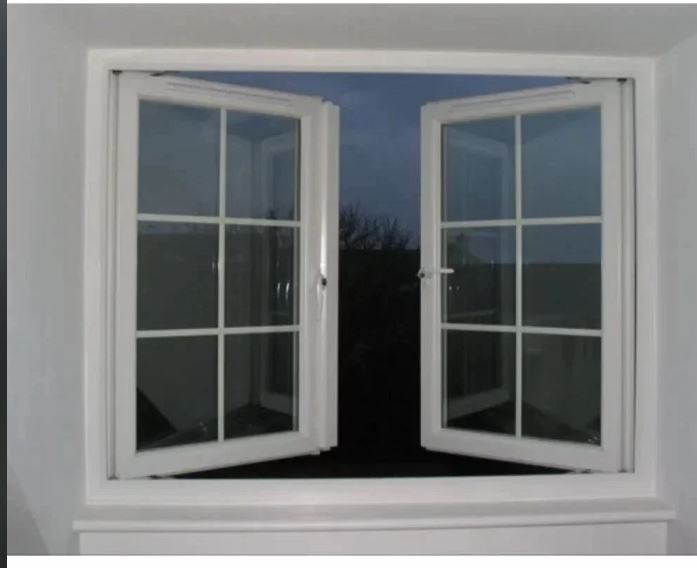
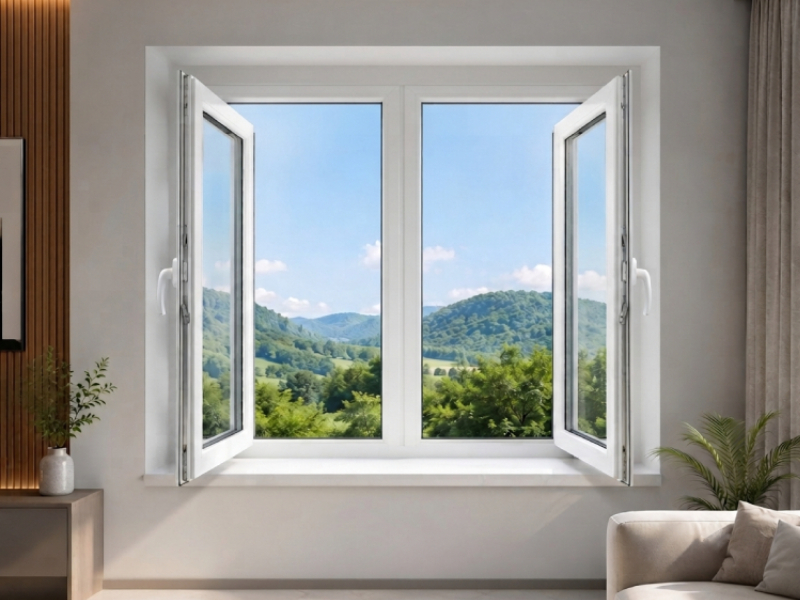
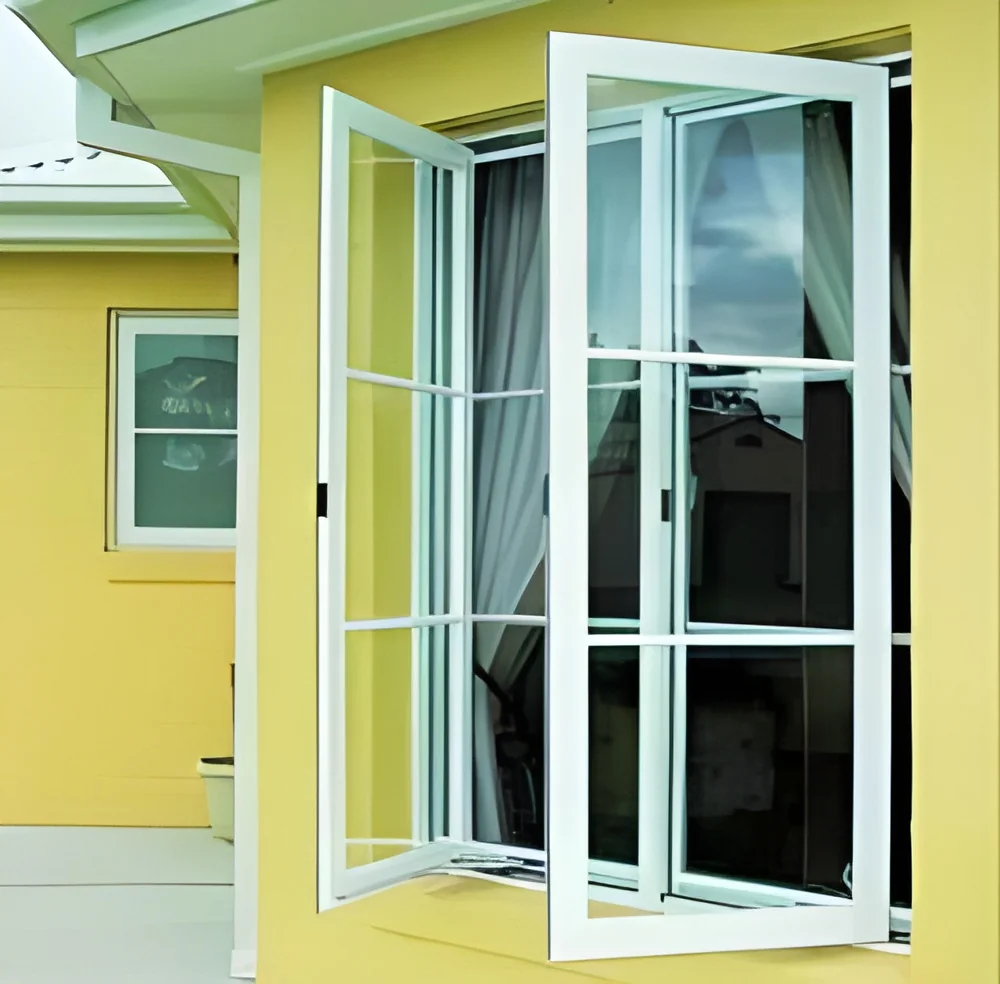
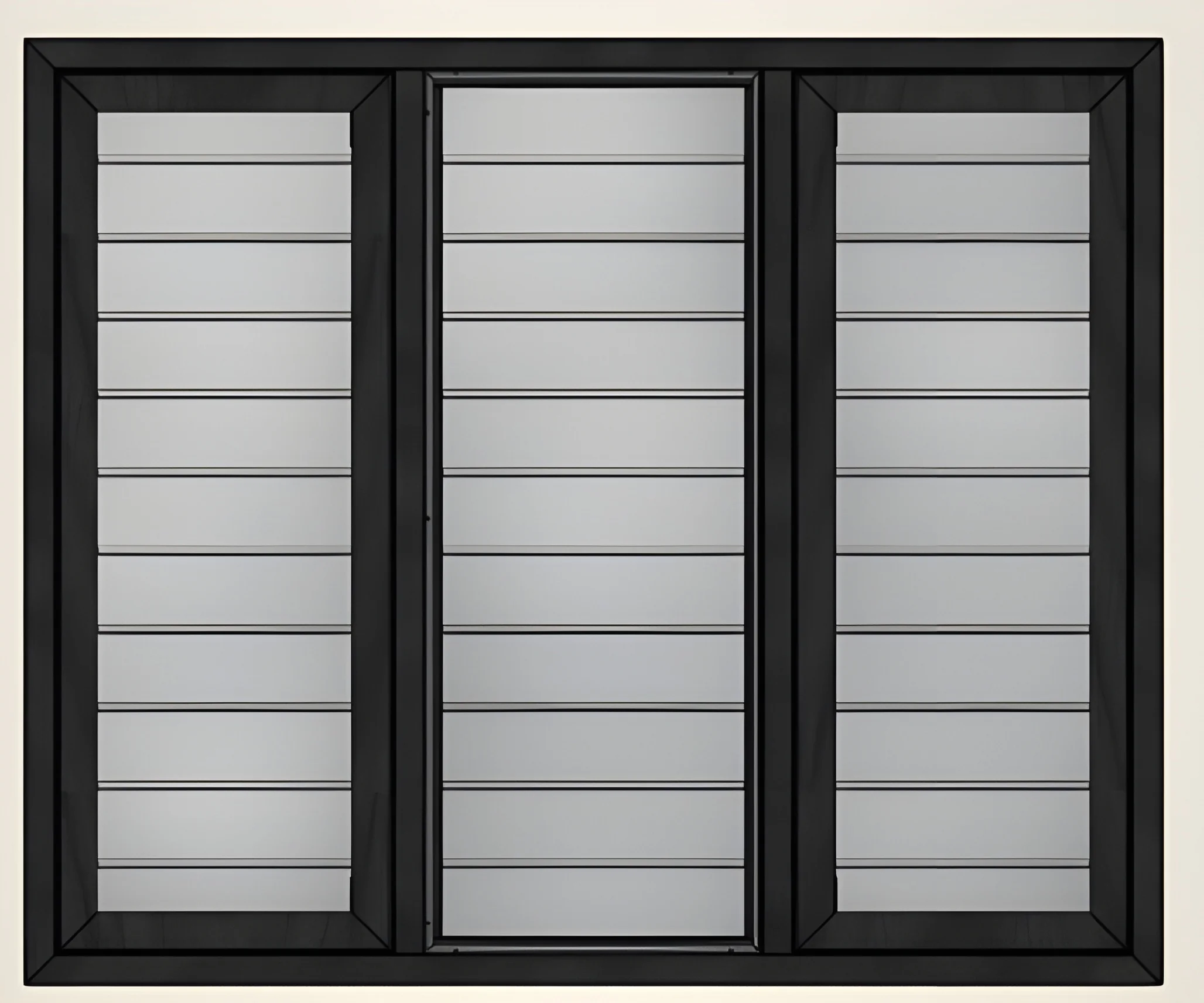
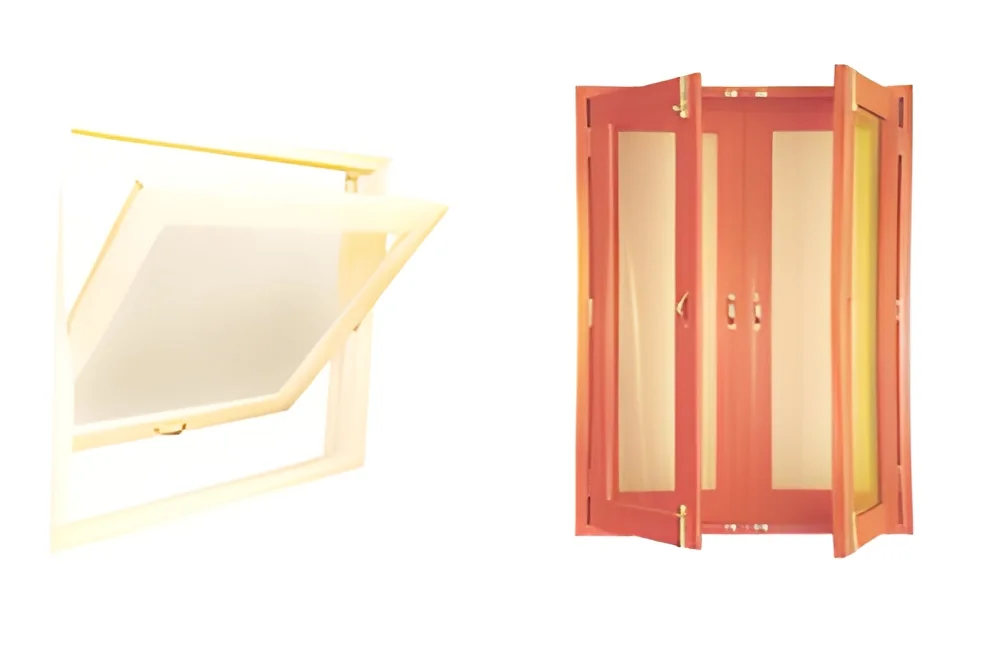
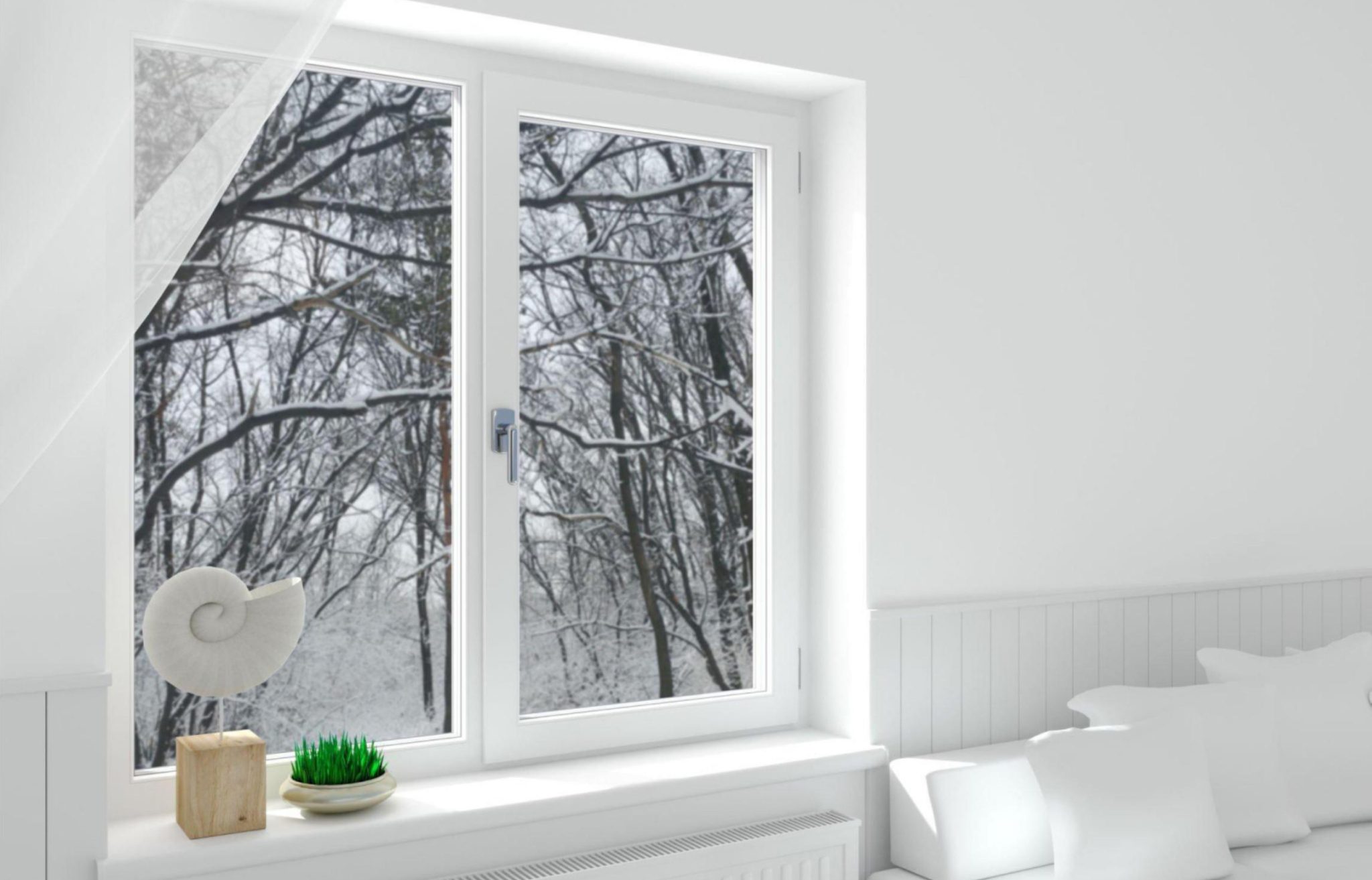
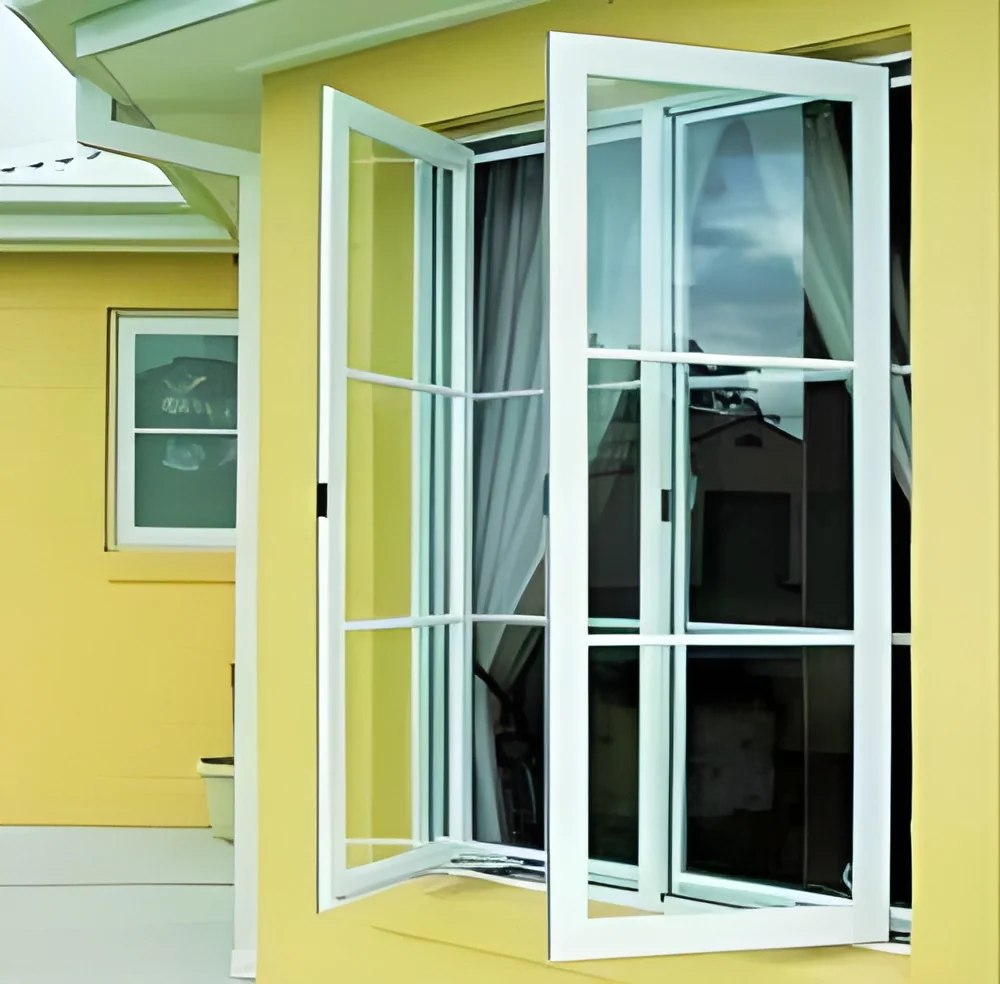
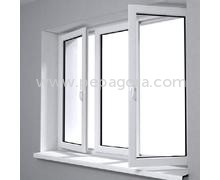
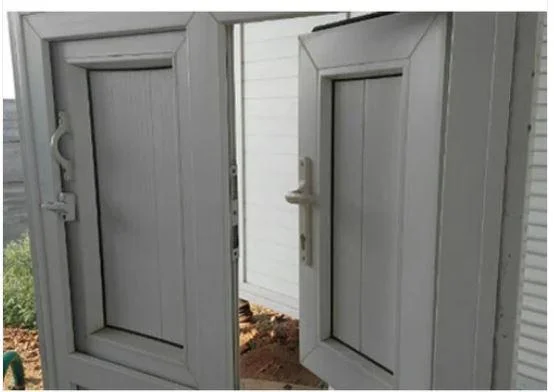
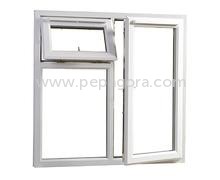
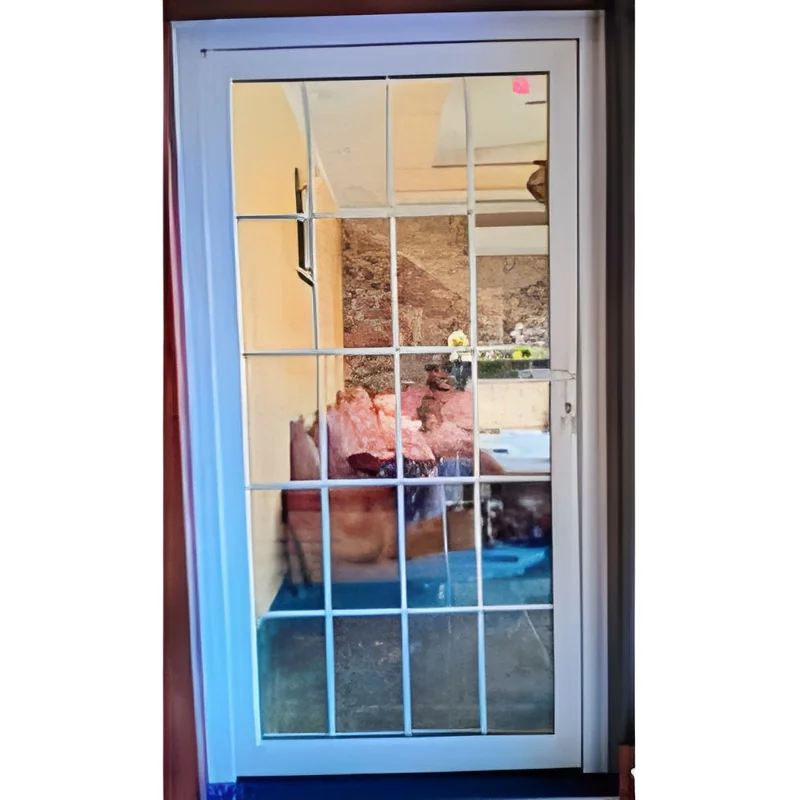
Casement Windows: These windows open outward on hinges, providing excellent ventilation and unobstructed views. They are commonly used in residential settings for their classic appearance and ease of operation.
In conclusion, the selection of sliding and casement UPVC windows caters to different design preferences and functional requirements, ensuring that there is an option for every application.
Benefits and Advantages
Choosing UPVC windows offers numerous advantages that appeal to both builders and property owners.
Key benefits include:
1. Durability: UPVC is highly resistant to harsh weather conditions, ensuring a long lifespan for the windows.
2. Energy Efficiency: The thermal insulation properties help reduce heating and cooling costs, making buildings more energy-efficient.
3. Low Maintenance: UPVC windows require minimal upkeep, as they do not need painting or sealing.
4. Aesthetic Appeal: Available in various designs and colors, they can enhance the overall look of any building.
5. Security: Equipped with robust locking systems, UPVC windows provide increased security for homes and businesses.
6. Noise Reduction: The solid construction helps in reducing external noise, creating a more peaceful indoor environment.
In summary, the benefits of UPVC windows make them a smart choice for anyone looking to improve their building’s efficiency and appearance.
Buying Guide for B2B Buyers
When sourcing UPVC Windows (Sliding, Casement), it is crucial for B2B buyers to consider various factors that impact their purchase decisions.
1. Quality Assessment: Evaluate the material quality and durability of the UPVC windows. Check for certifications and compliance with industry standards to ensure reliability.
2. Supplier Verification: Conduct thorough background checks on potential suppliers. Look for reviews, ratings, and previous project references to assess their credibility.
3. Pricing and MOQ: Understand the pricing structure and minimum order quantities. Ensure that the pricing aligns with your budget while considering the quality of the products.
4. Delivery and Lead Times: Discuss logistics with suppliers to confirm delivery schedules and lead times. Timely delivery is essential for project planning.
5. Compliance Requirements: Be aware of local and regional compliance regulations that may affect the installation of UPVC windows. Ensure that the products meet necessary safety and quality standards.
In conclusion, careful consideration of these factors can help B2B buyers make informed decisions when sourcing UPVC windows.
Compliance and Certifications
UPVC windows must adhere to various quality standards and certifications to ensure safety and performance in the market.
Relevant quality standards, such as ISO 9001, ensure that manufacturers maintain consistent quality management systems, leading to reliable products. Certifications like CE indicate compliance with European safety, health, and environmental regulations, giving buyers assurance of product quality.
Industry-specific certifications may also apply, depending on the region and intended use of the windows. Safety and testing requirements often include assessments for impact resistance, thermal performance, and water tightness.
Moreover, regional compliance considerations must be addressed, as building codes and regulations can vary significantly. Understanding these requirements is essential for buyers to ensure that their selections comply with local laws and standards.
Why Source UPVC Windows (Sliding, Casement) from Pepagora?
Pepagora serves as a trusted platform for sourcing UPVC Windows (Sliding, Casement), offering several key advantages to B2B buyers.
The verified supplier network ensures that buyers connect with reputable manufacturers and distributors. This verification process helps mitigate risks associated with sourcing and guarantees product quality.
The streamlined RFQ process allows buyers to quickly request quotes from multiple suppliers, making it easier to compare options and negotiate terms. This efficiency saves time and enhances the procurement process.
Pepagora also provides trade assurance and support, offering buyers protection throughout their purchasing journey. This assurance builds confidence in the transactions and fosters long-term relationships.
Additionally, Pepagora has a broad regional coverage, catering to markets in India, the GCC, and Southeast Asia. This geographic reach enables buyers to access a diverse range of UPVC window options tailored to their specific needs.
In summary, sourcing UPVC windows from Pepagora provides buyers with quality, efficiency, and comprehensive support, making it a valuable resource in the construction industry.

 IN
IN