What are Aluminum Frame Doors?
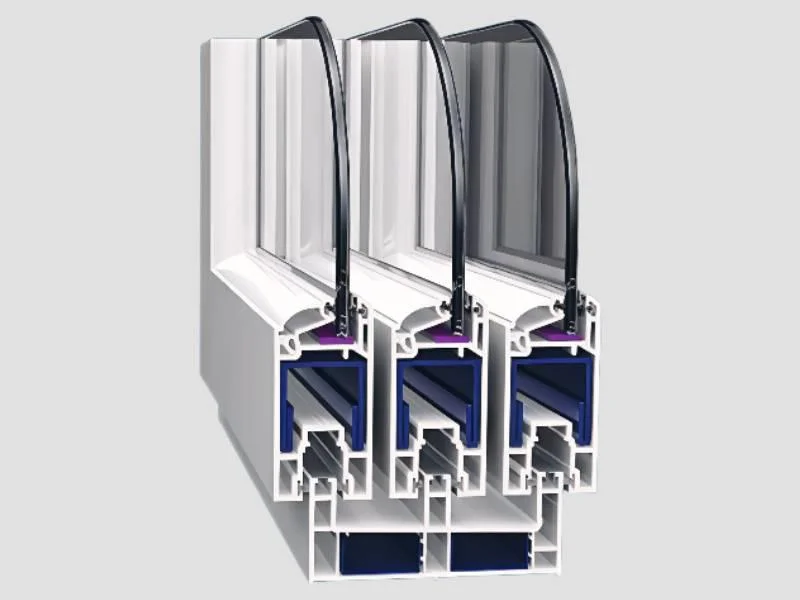
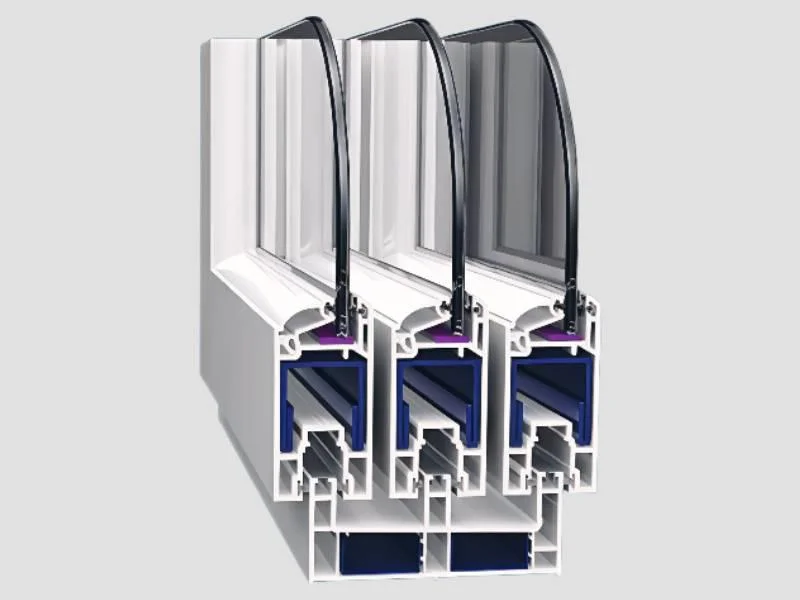
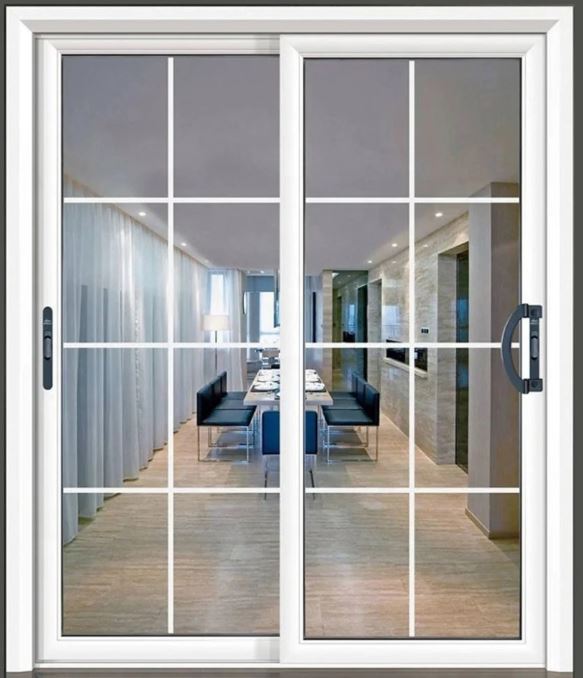
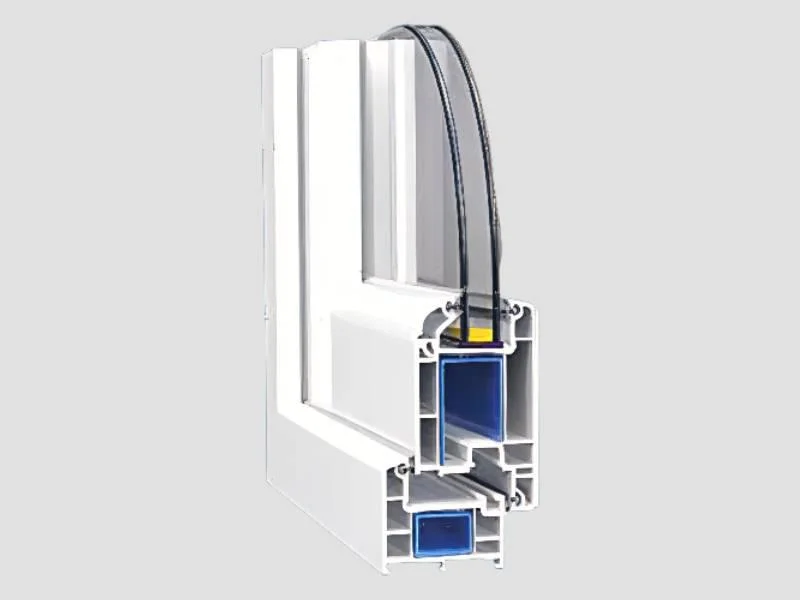
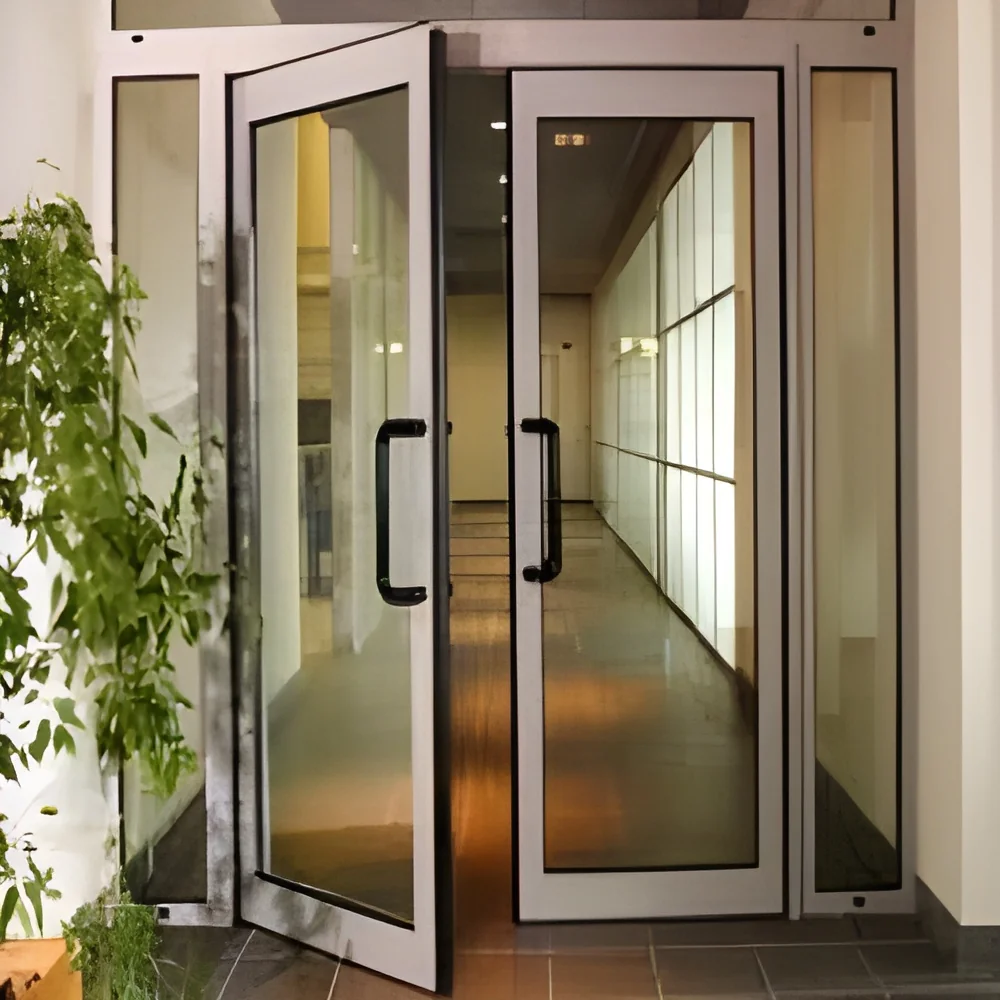
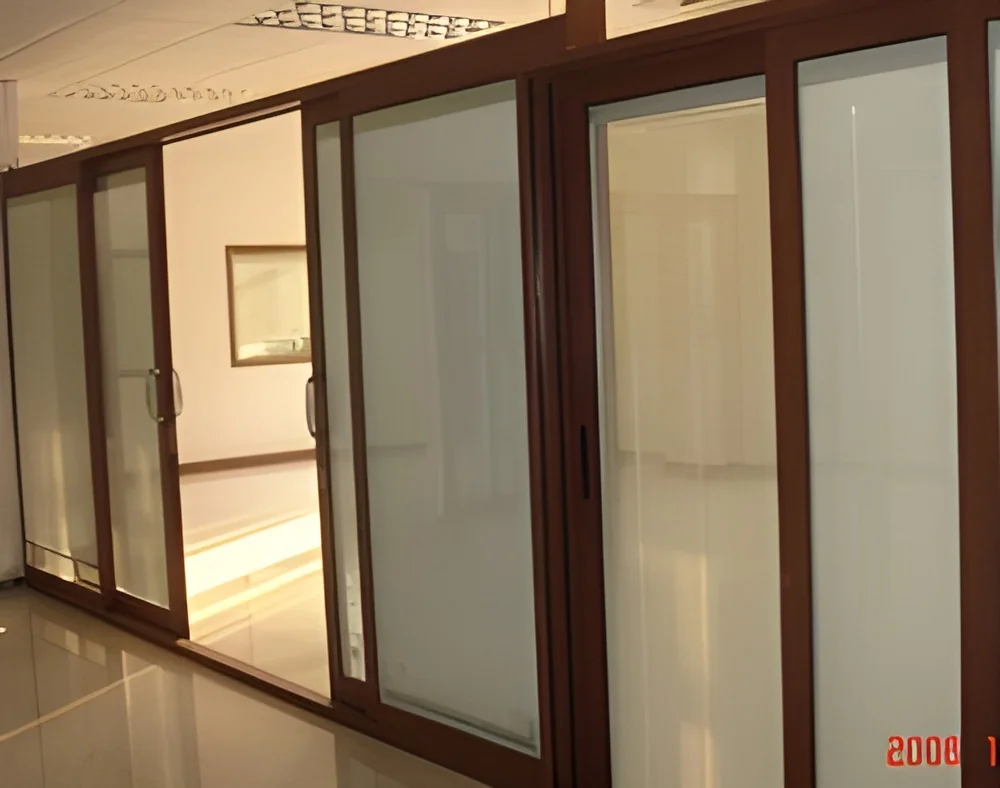
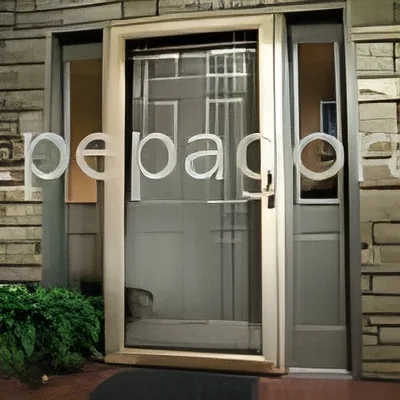
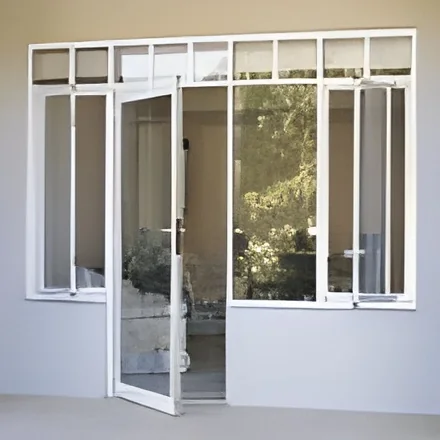
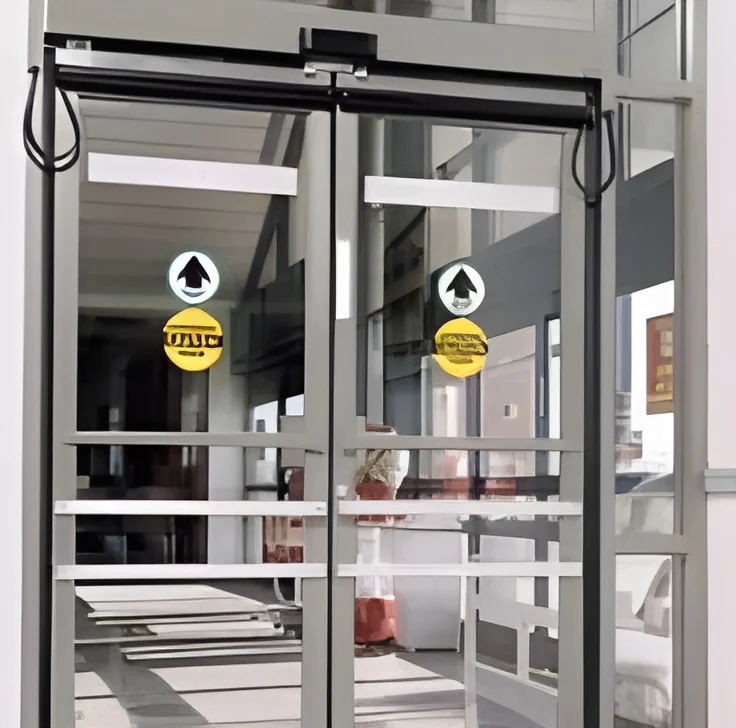
Aluminum frame doors are a type of entry and exit solution characterized by their lightweight yet durable aluminum construction. These doors are designed to provide strong structural integrity while also being resistant to rust and corrosion. The use of aluminum allows for a sleek, modern appearance that can enhance the aesthetic of any building. They are often fitted with glass panels, which can help to create a sense of openness and allow natural light to flow into spaces.
These doors are primarily used in commercial, industrial, and institutional settings. Common applications include office buildings, retail spaces, hospitals, and schools. They can be utilized as main entrances, interior partition doors, or even emergency exits. The versatility of aluminum frame doors makes them an attractive choice for businesses looking for functionality combined with style. In today’s market, aluminum frame doors are becoming increasingly popular due to their energy efficiency and sustainability features.
As industries focus on modernization and eco-friendly solutions, aluminum frame doors remain relevant. They are often favored for their low maintenance requirements and long lifespan. With advancements in technology, these doors can also be customized to meet specific security, thermal, and acoustic needs, making them a valuable asset for various commercial applications.
Key Features and Specifications
Aluminum frame doors offer a range of features that cater to the needs of various industries. Their specifications are crucial for ensuring that they meet both functional and aesthetic requirements.
Key specifications include:
1. Frame Thickness
- Typically ranges from 2 inches to 4 inches.
- Provides strength and durability.
2. Glazing Options
- Available in single, double, or triple glazing.
- Enhances energy efficiency and sound insulation.
3. Finish Options
- Various finishes including anodized, powder-coated, or painted.
- Offers aesthetic flexibility and corrosion resistance.
4. Thermal Performance
- Thermal breaks available to improve insulation.
- Helps in energy savings and comfort.
5. Security Features
- Options for multi-point locking systems.
- Enhances safety and security for commercial spaces.
6. Customization
- Available in various colors and sizes.
- Can be tailored to specific architectural requirements.
7. Weight Capacity
- Designed to support various weights depending on configuration.
- Ensures stability and functionality over time.
8. Compliance Standards
- Meets industry standards such as CE certification.
- Ensures quality and safety in construction.
In summary, the key specifications of aluminum frame doors highlight their versatility and ability to meet the needs of different applications while ensuring performance and durability.
Common Applications and Use Cases
Aluminum frame doors are highly versatile and can be found in numerous industries.
1. Commercial Offices: These doors are often used in office buildings as main entrances or internal partitions, providing a modern look while allowing natural light.
2. Retail Stores: Aluminum frame doors serve as storefront entrances, offering visibility and accessibility while being secure and energy efficient.
3. Educational Institutions: Schools and universities utilize these doors for classrooms and administrative areas, benefiting from their durability and low maintenance.
4. Healthcare Facilities: Hospitals and clinics employ aluminum frame doors for their ability to provide secure access while maintaining hygiene standards.
5. Hospitality: Hotels use aluminum frame doors in lobbies and guest rooms, enhancing the aesthetic appeal and providing sound insulation.
6. Industrial Warehouses: These doors are used in warehouses for loading docks and internal access, benefiting from their sturdiness and ease of use.
7. Airports: Aluminum frame doors can be found in terminals, providing both functionality and a welcoming environment.
Product Variants and Subcategories
Aluminum frame doors come in various designs and configurations to suit different needs.
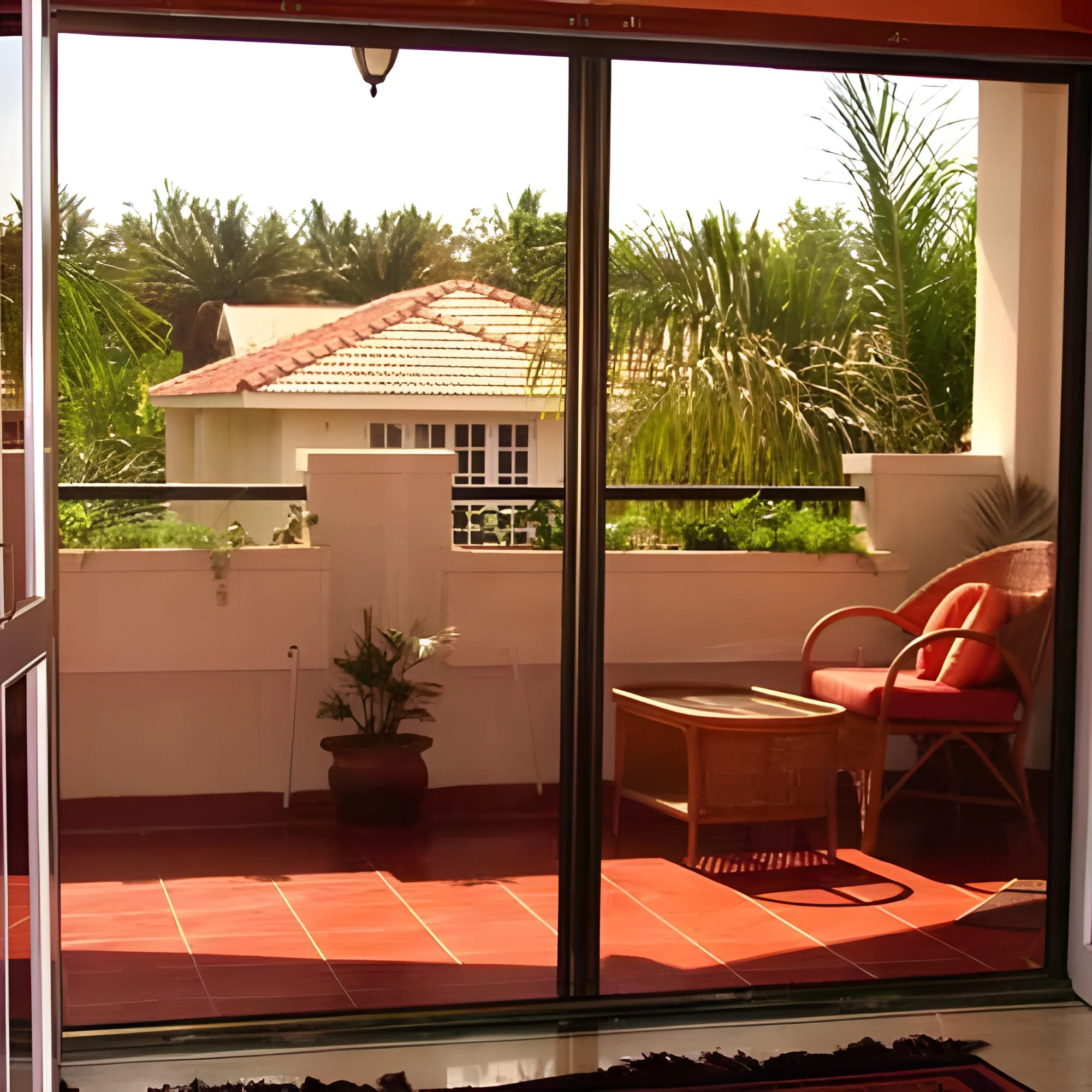
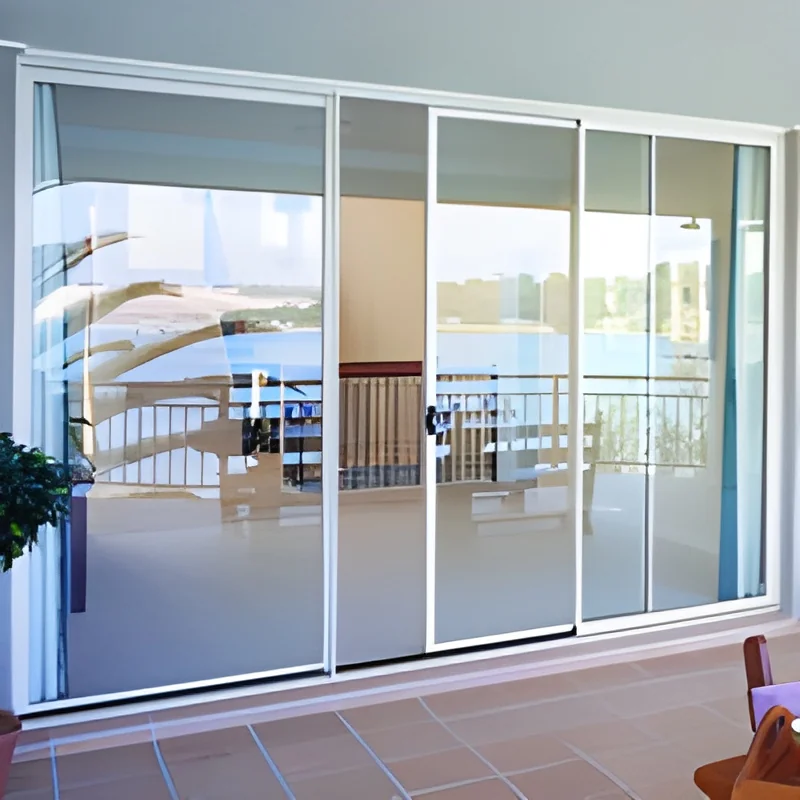
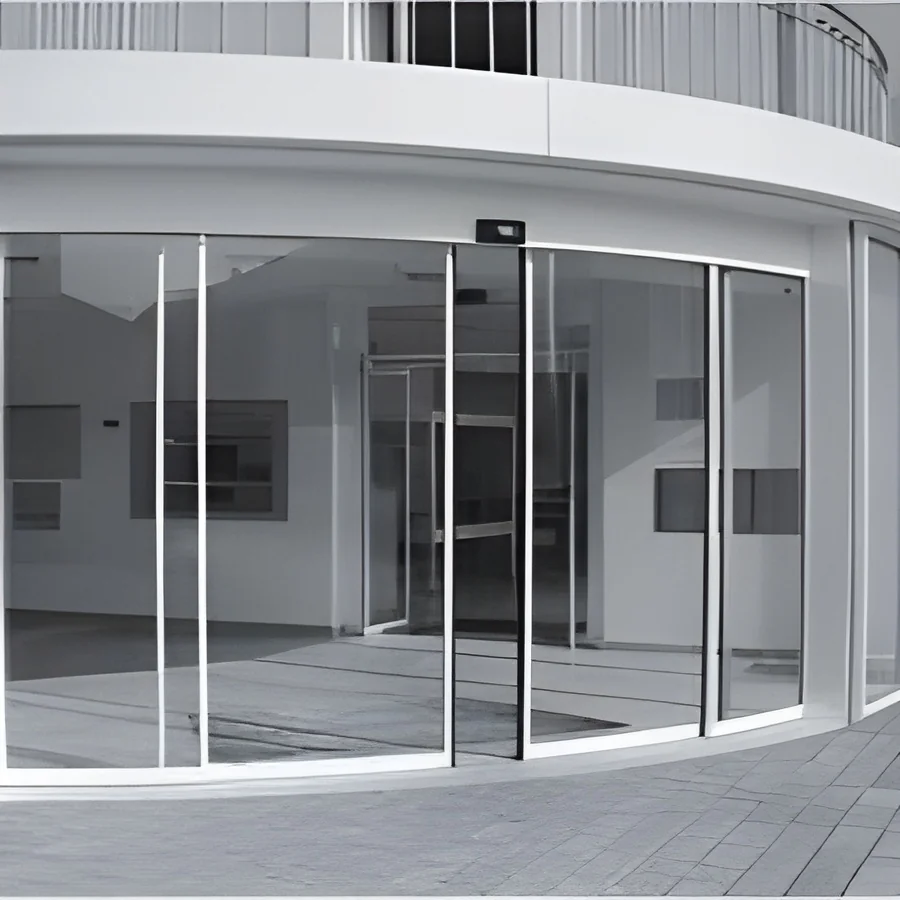
Sliding Aluminum Frame Doors: These doors are ideal for spaces with limited entryway space. They slide open to the side, providing a wide opening without the need for swing clearance.
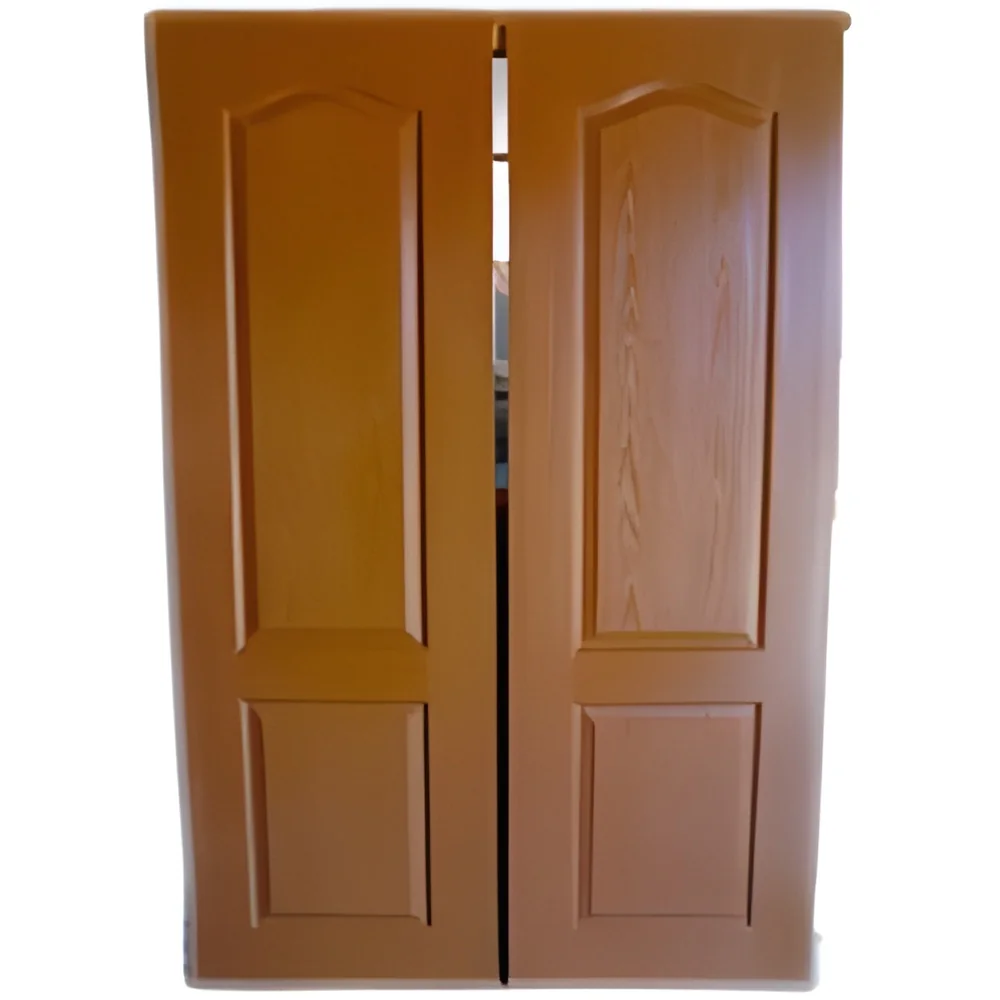
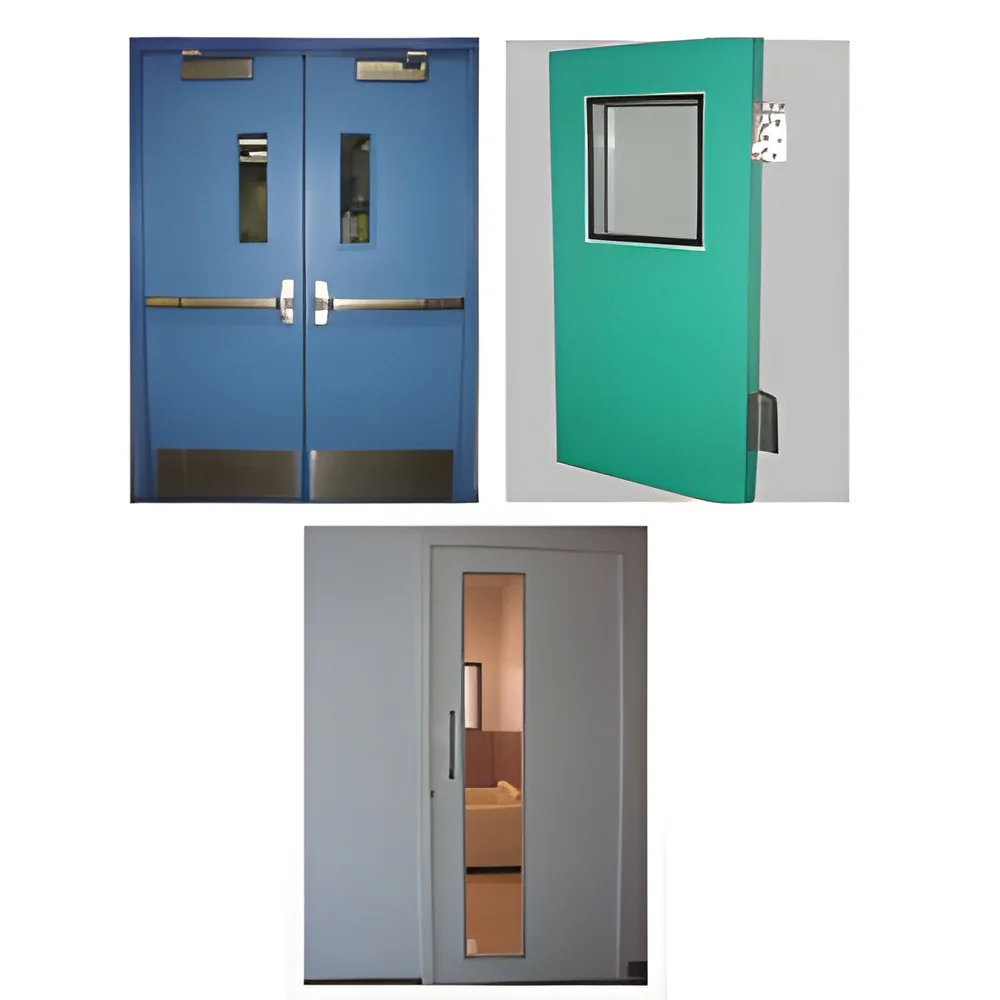
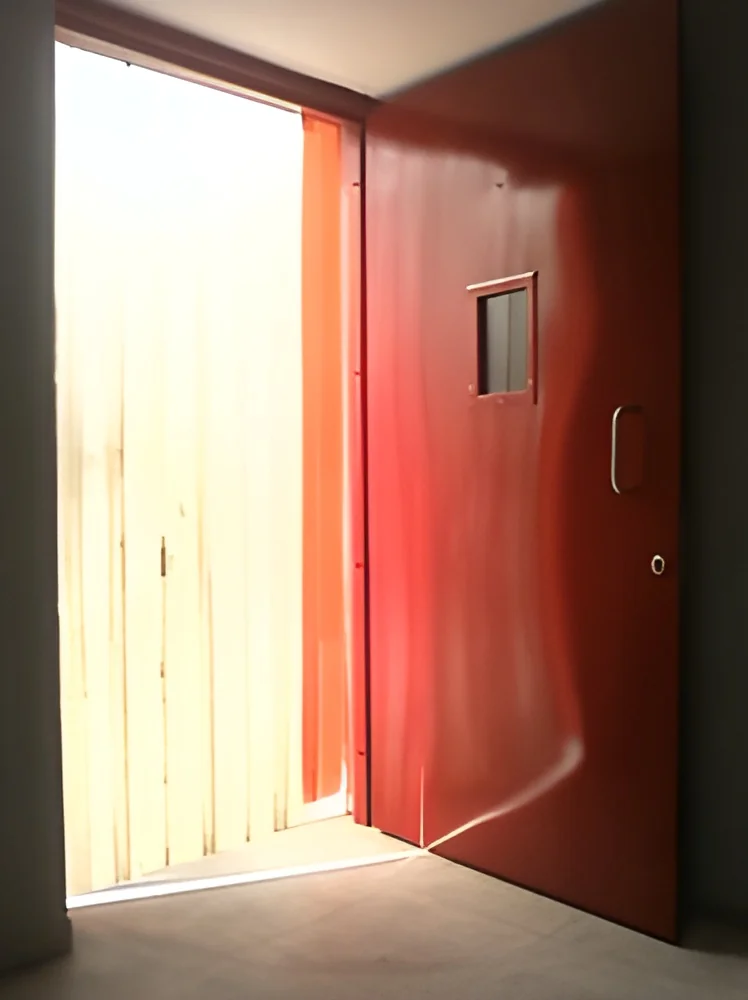
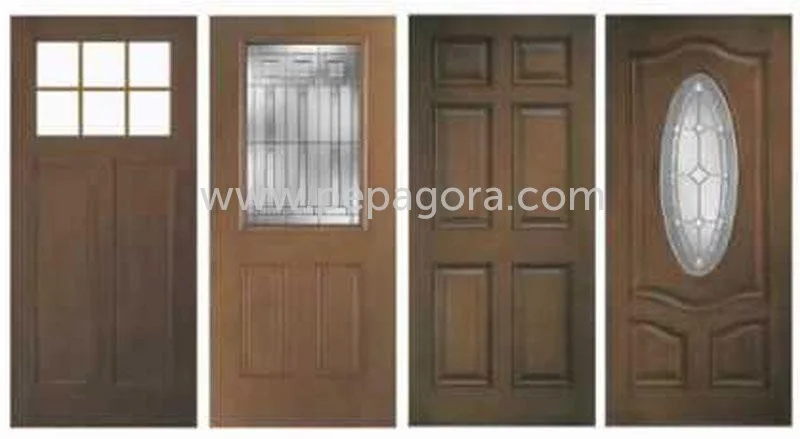
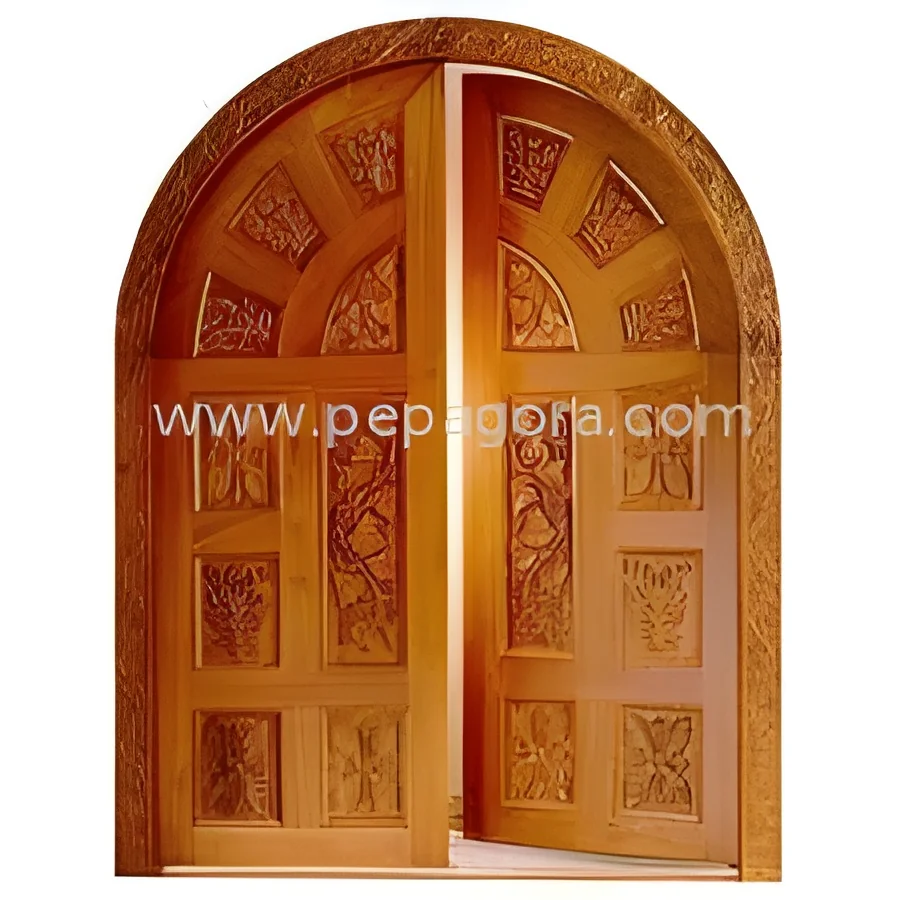
Hinged Aluminum Frame Doors: Commonly used for main entrances and interior spaces, hinged doors swing open and are available in various styles and finishes.
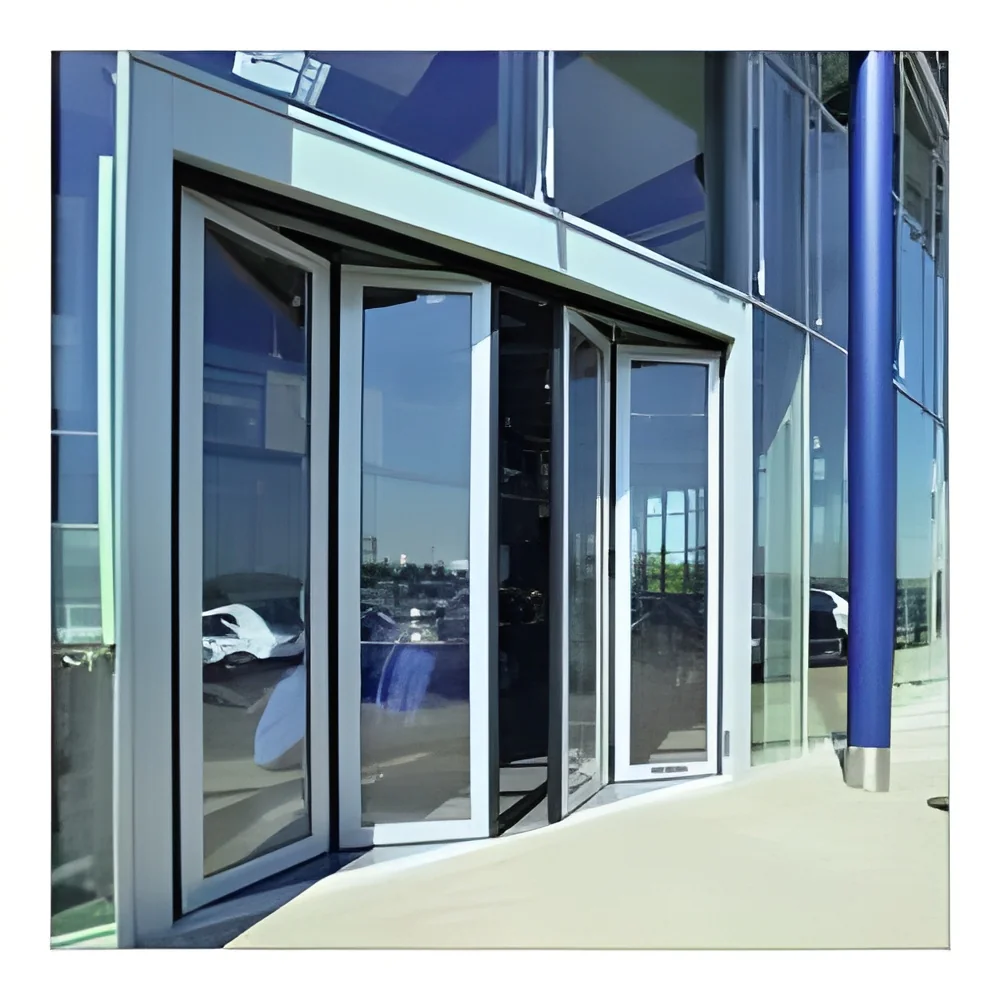
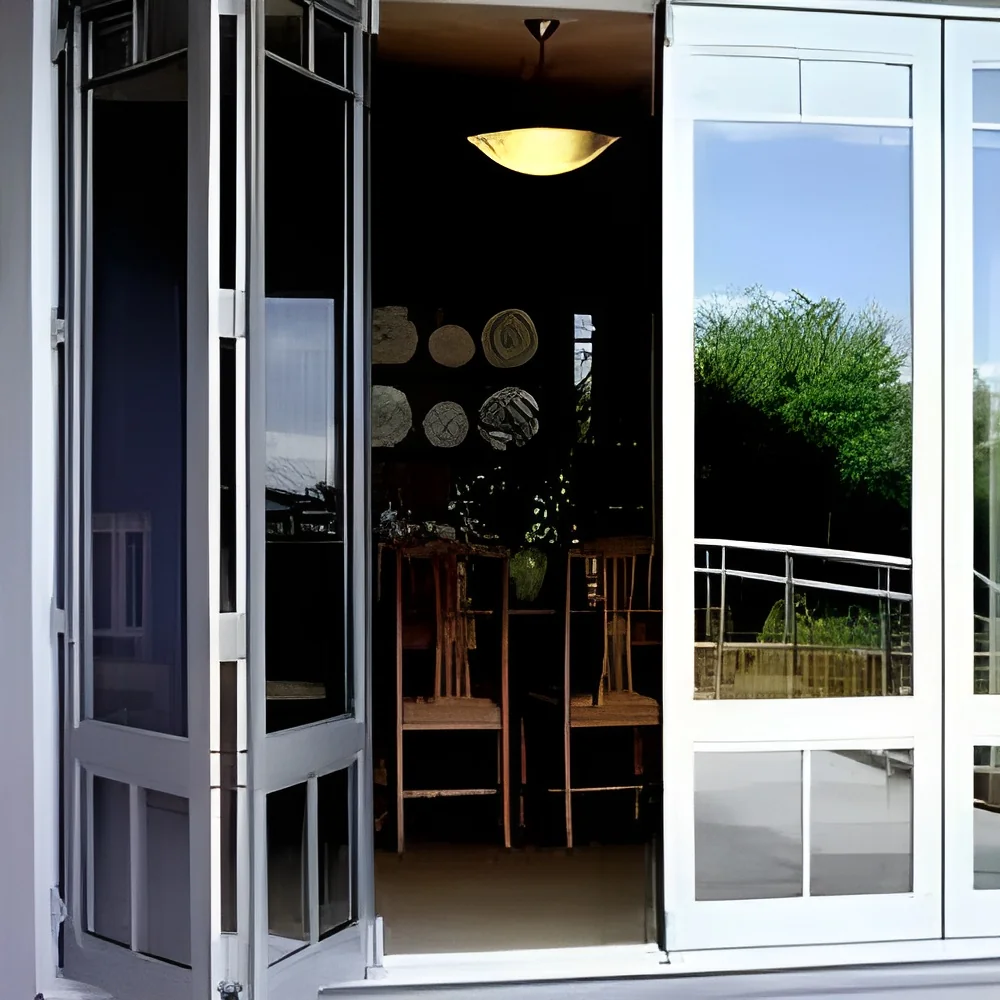
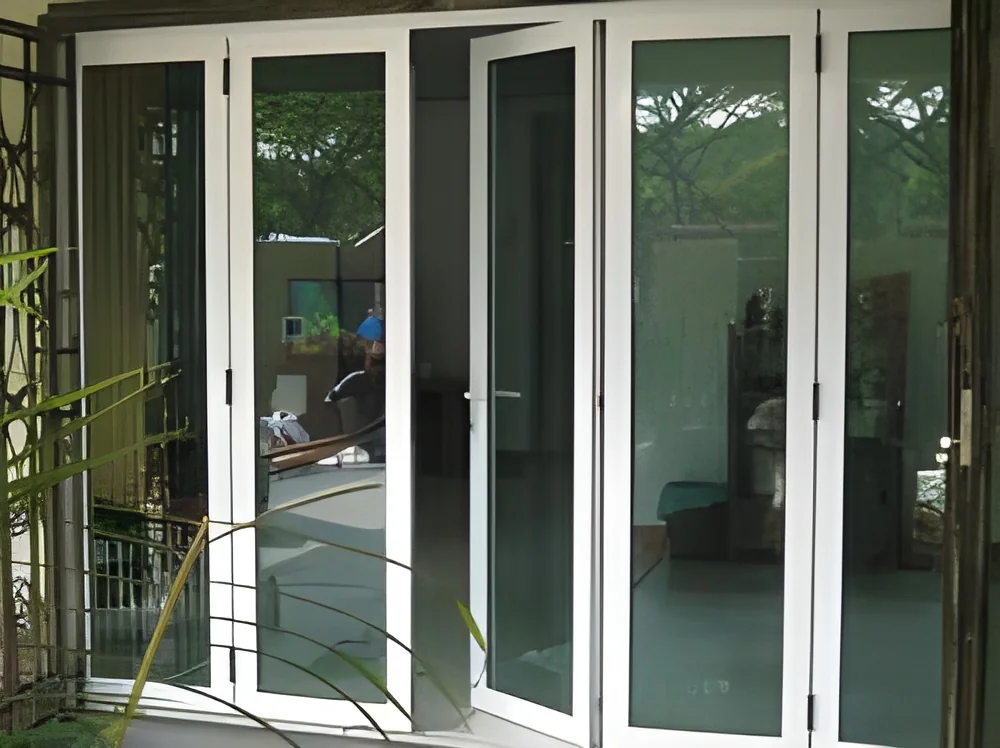
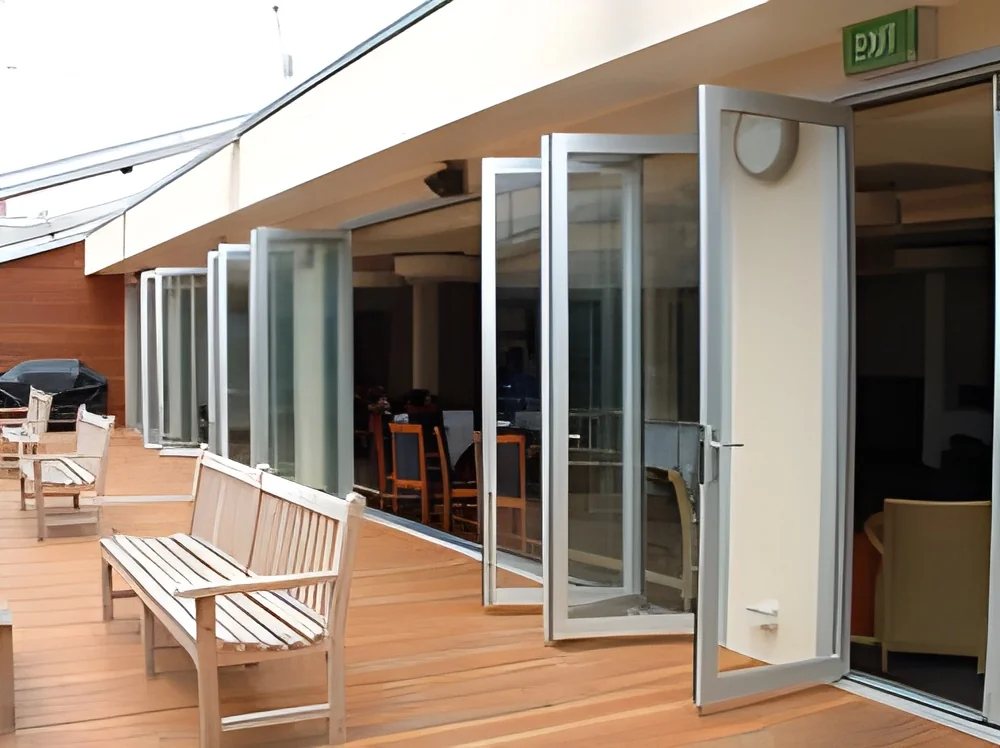
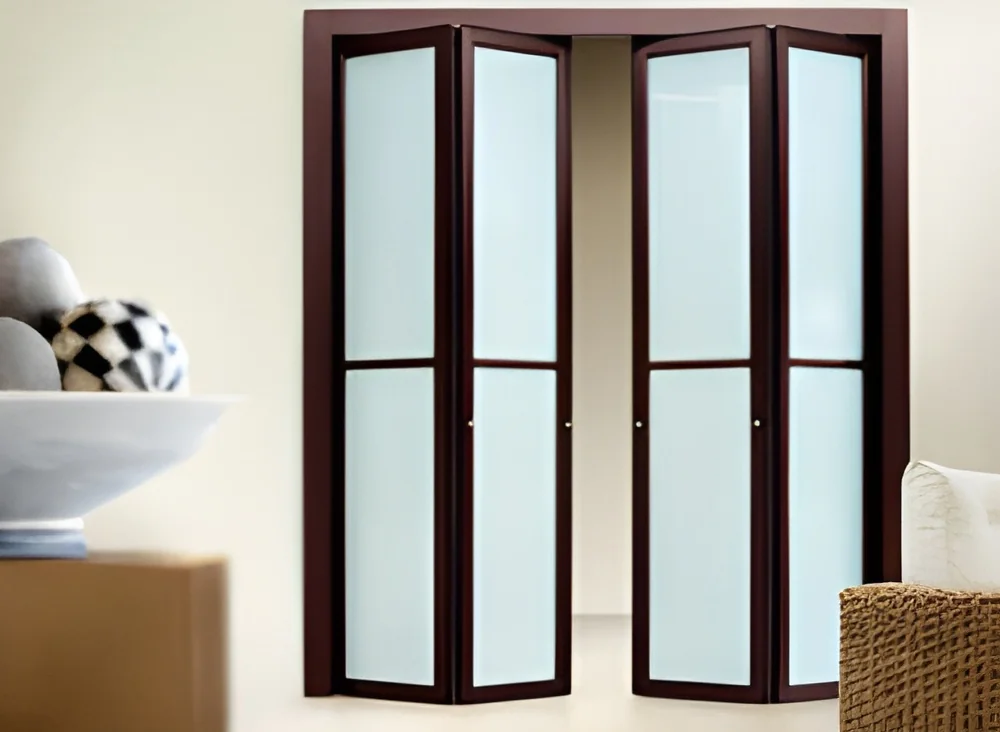
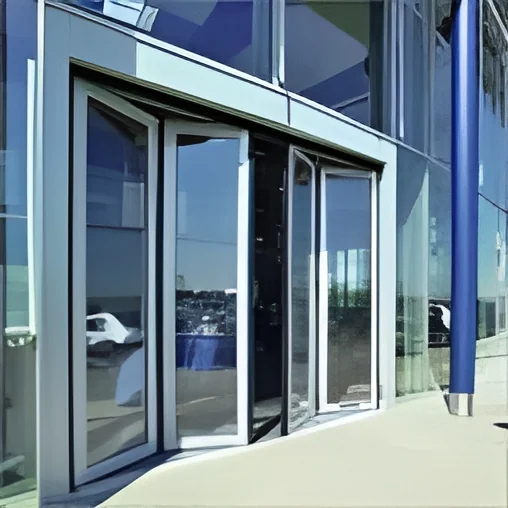
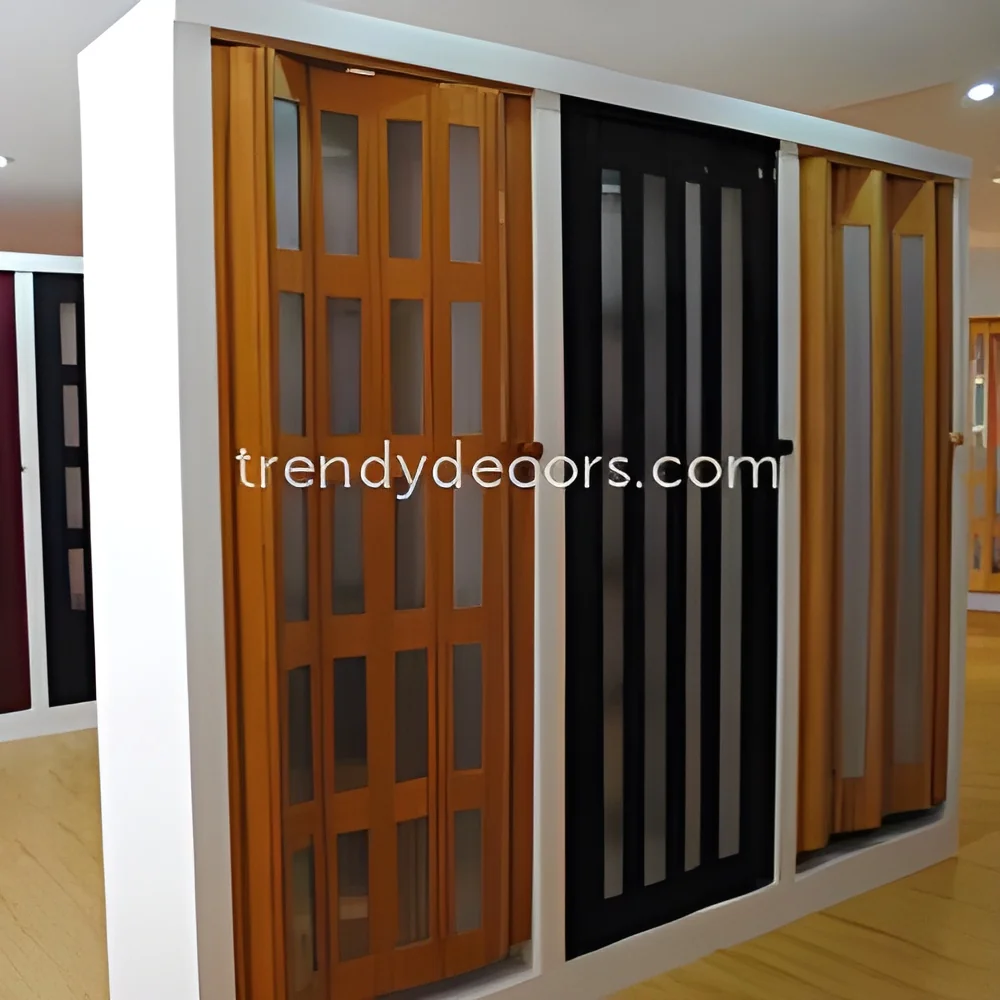
Bi-Fold Aluminum Frame Doors: These doors fold in on themselves, allowing for maximum opening space. They are ideal for connecting indoor and outdoor areas.
Benefits and Advantages
Aluminum frame doors offer numerous benefits for businesses looking for reliable entry solutions.
1. Durability: They are resistant to rust and corrosion, making them suitable for diverse environments.
2. Low Maintenance: These doors require minimal upkeep, allowing businesses to save time and resources.
3. Energy Efficiency: With options for thermal breaks and glazing, they help reduce energy costs.
4. Aesthetic Appeal: Their sleek design enhances the overall look of commercial properties.
5. Versatility: Available in various styles and finishes, they can be tailored to meet specific design requirements.
6. Security: Many models come with advanced locking systems, providing peace of mind for business owners.
Buying Guide for B2B Buyers
When sourcing aluminum frame doors, it is essential for B2B buyers to consider several factors.
1. Quality Assessment: Evaluate the quality of materials used in construction. Look for certifications that verify the durability and performance standards.
2. Supplier Verification: Research potential suppliers for their reputation and reliability. Check for customer reviews and industry references.
3. Pricing and MOQ: Understand the cost structure, including pricing tiers based on order volume. Be aware of minimum order quantities.
4. Delivery and Lead Times: Discuss logistics with suppliers to ensure timely delivery and manage expectations for project timelines.
5. Compliance Requirements: Ensure that the products meet local and industry-specific regulatory standards to avoid any compliance issues.
Compliance and Certifications
Aluminum frame doors must adhere to various quality standards and certifications to ensure safety and reliability.
Relevant standards include ISO 9001, which guarantees that products meet international quality management requirements. This certification is crucial for maintaining consistent quality in manufacturing.
Additionally, industry certifications such as CE mark demonstrate compliance with European safety, health, and environmental protection standards. This is particularly important for businesses operating in regions where such certifications are mandated.
Safety and testing requirements are an integral part of the certification process. Doors must undergo rigorous testing to ensure they can withstand environmental factors, such as high winds and impacts.
Regional compliance considerations may also vary, so it is essential to understand local regulations and standards that apply to aluminum frame doors in specific markets.
Why Source Aluminum Frame Doors from Pepagora?
Pepagora offers a reliable platform for sourcing aluminum frame doors, ensuring a seamless experience for B2B buyers.
Verified Supplier Network: Pepagora has a comprehensive network of verified suppliers, ensuring that buyers can trust the quality and reliability of their purchases.
Streamlined RFQ Process: The platform simplifies the request for quotation process, allowing buyers to quickly obtain competitive pricing and options from multiple suppliers.
Trade Assurance and Support: Pepagora provides trade assurance, giving buyers peace of mind with protections against potential issues during the procurement process.
Regional Coverage: With a strong presence in regions like India, the GCC, and Southeast Asia, Pepagora offers extensive coverage to reach suppliers that meet specific needs.
By choosing Pepagora, businesses can efficiently source aluminum frame doors while benefiting from a supportive and trustworthy environment.

 IN
IN