What are Glass Doors (Sliding, Hinged)?
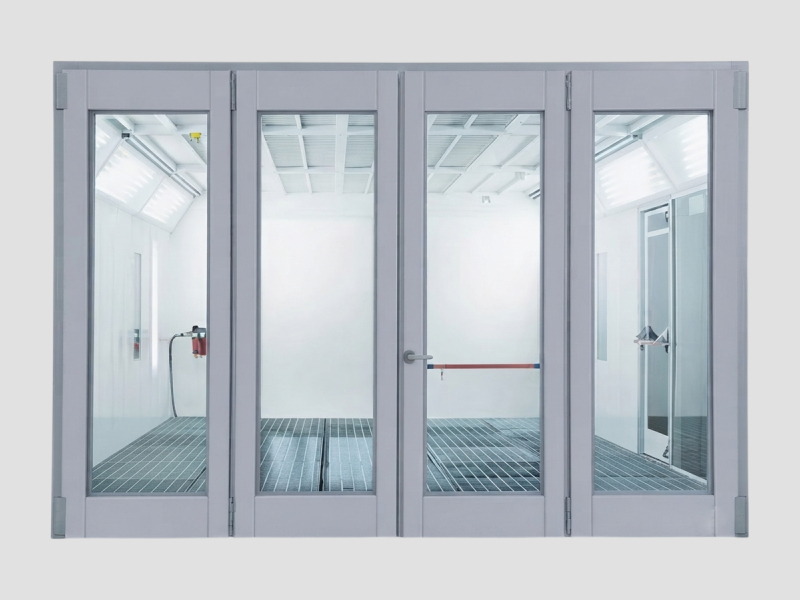
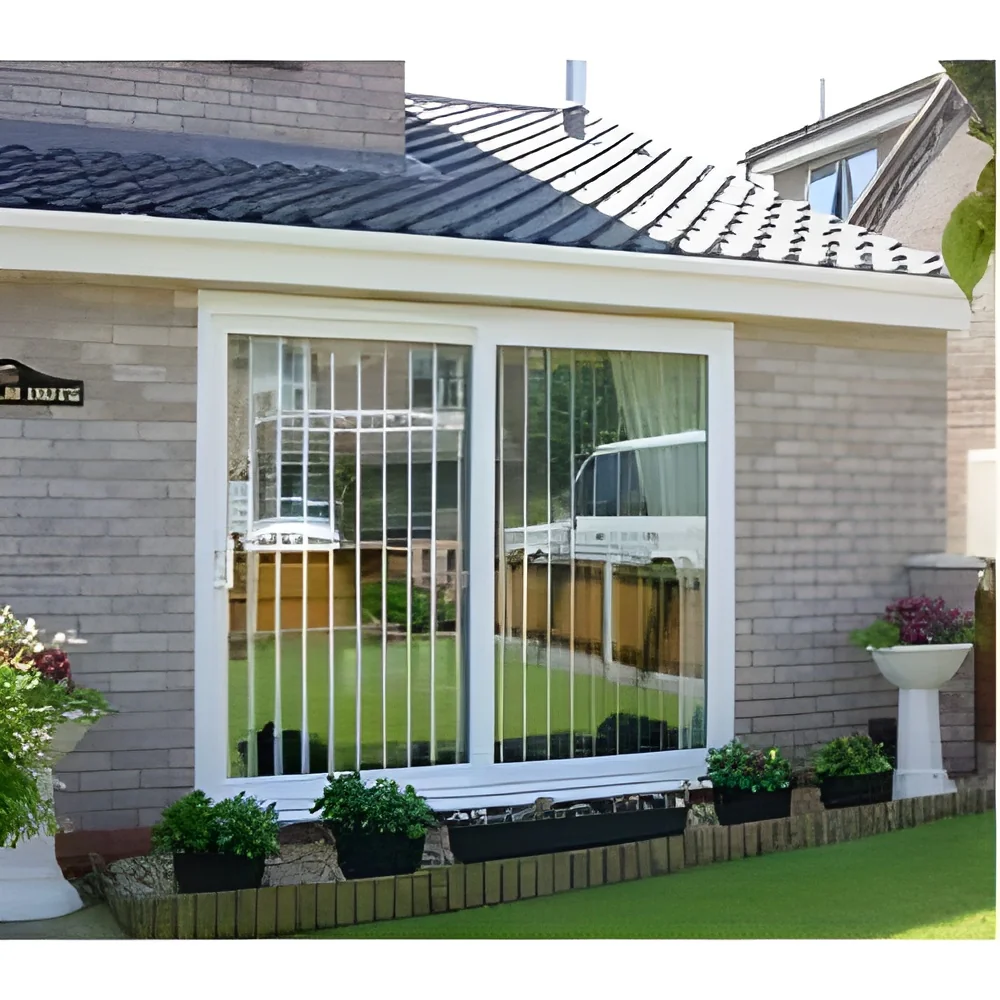
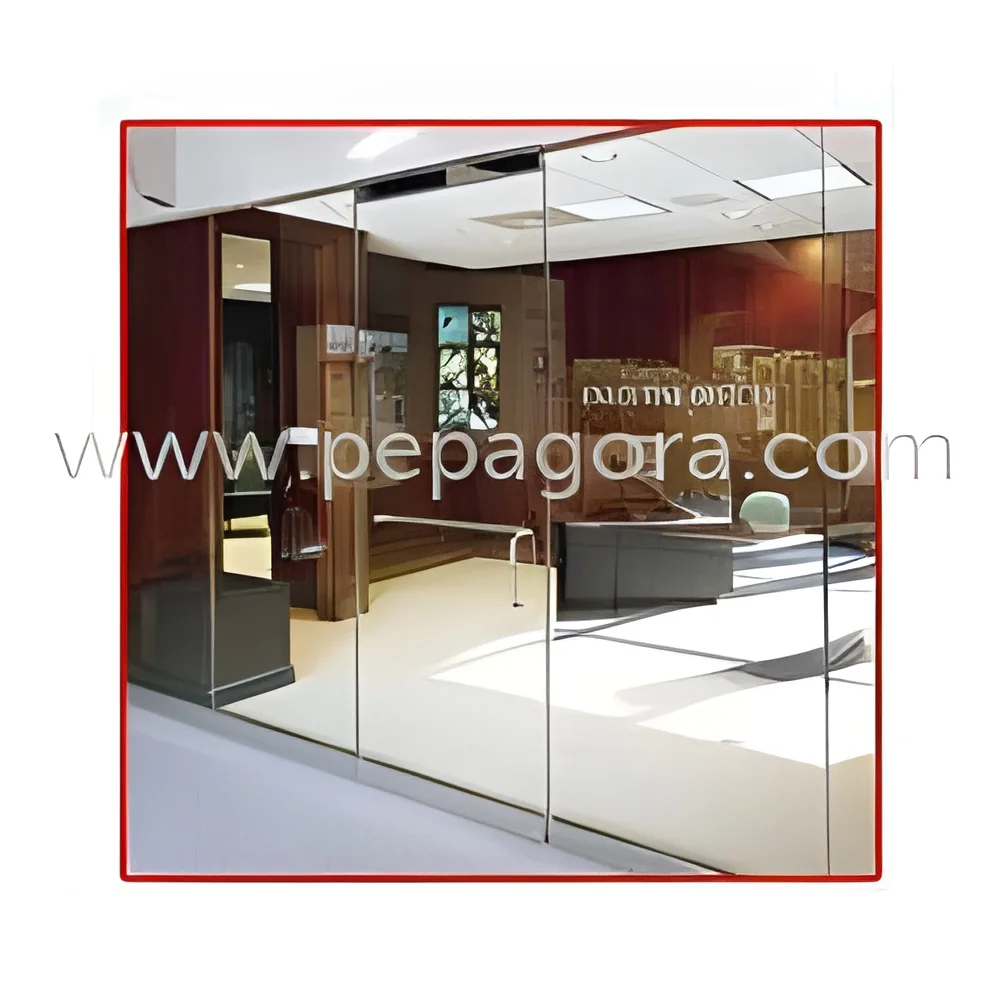
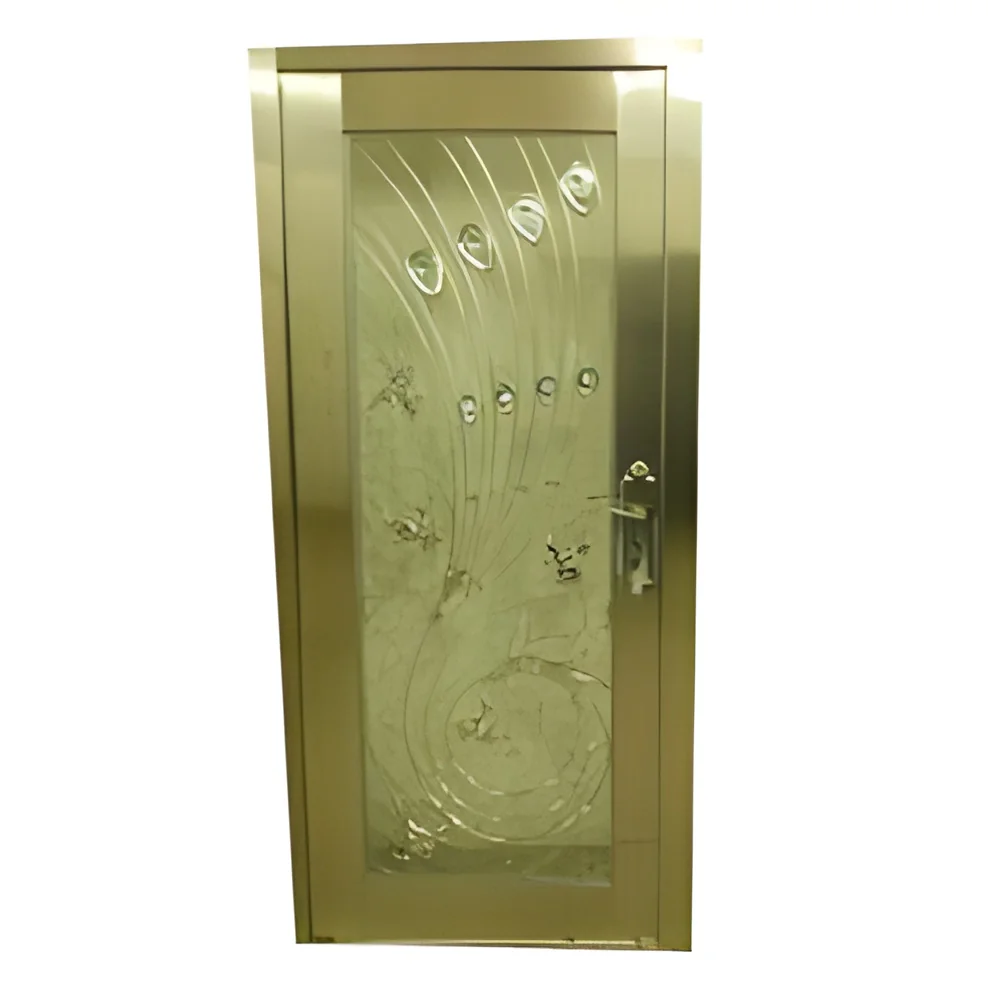
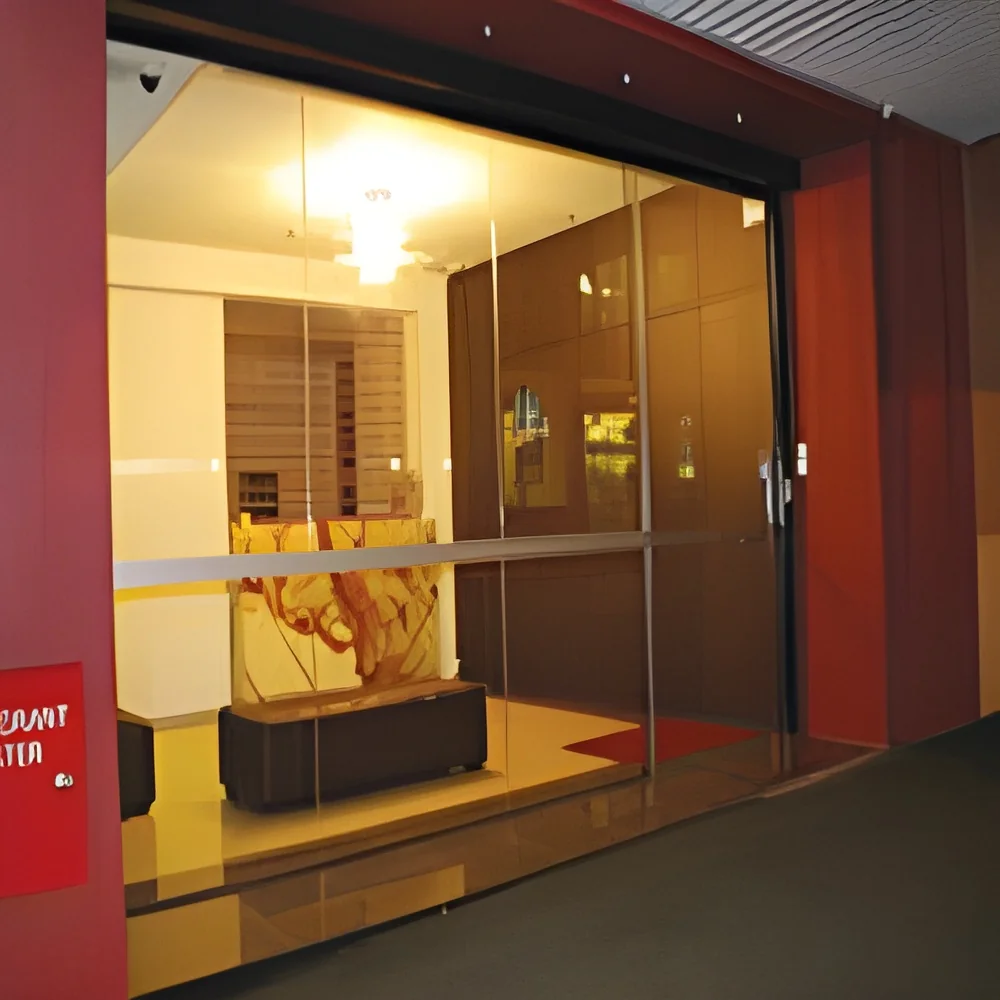
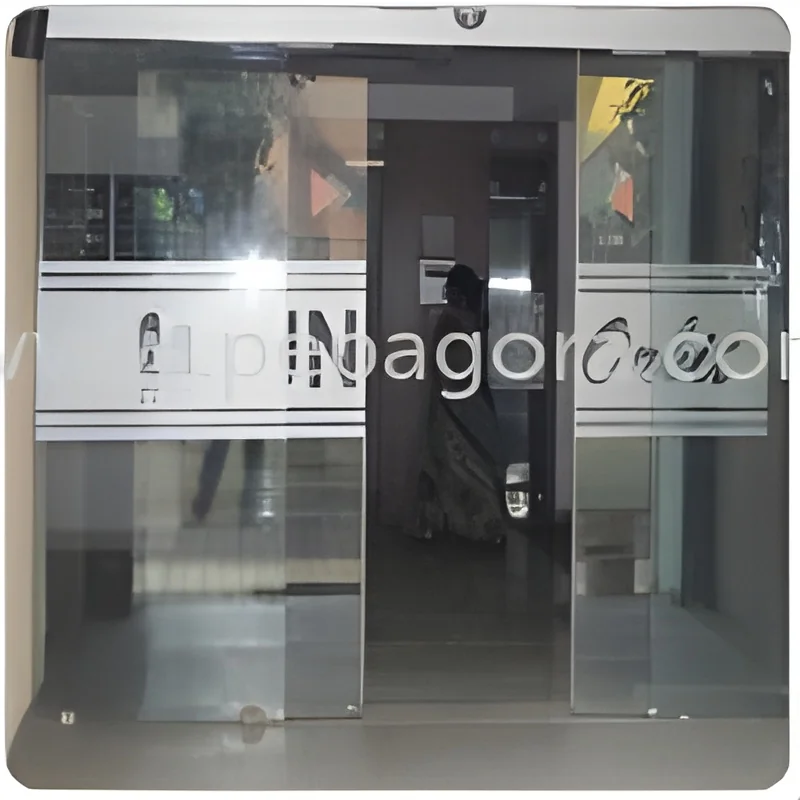
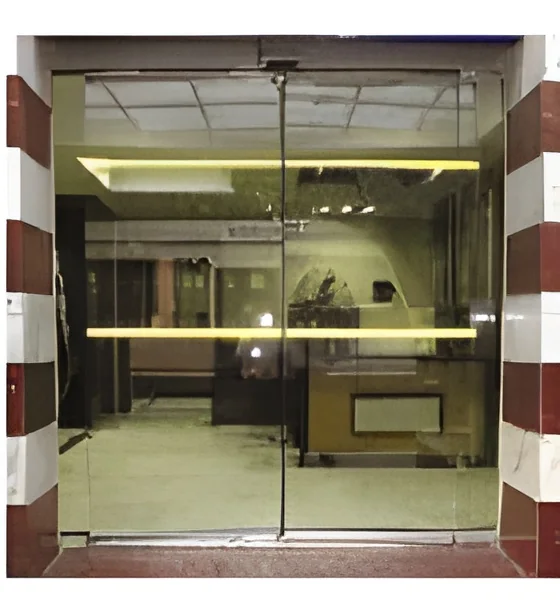
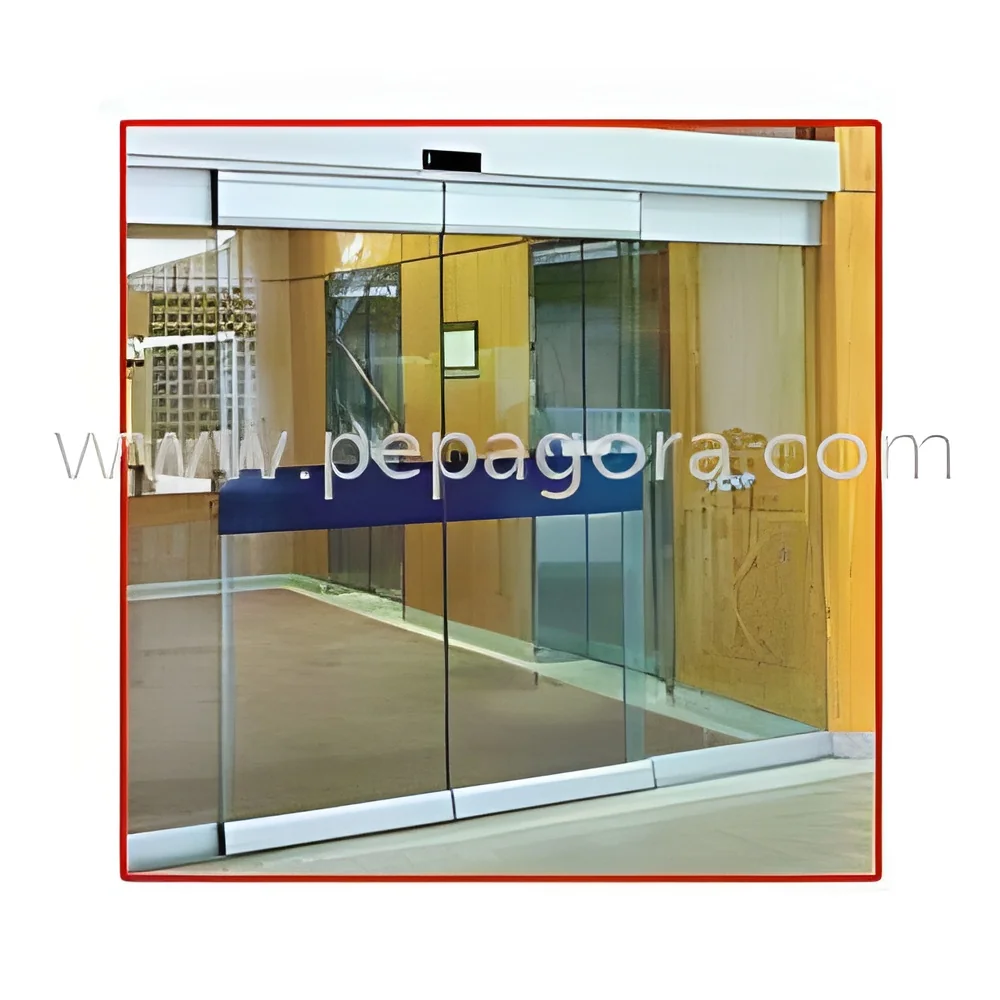
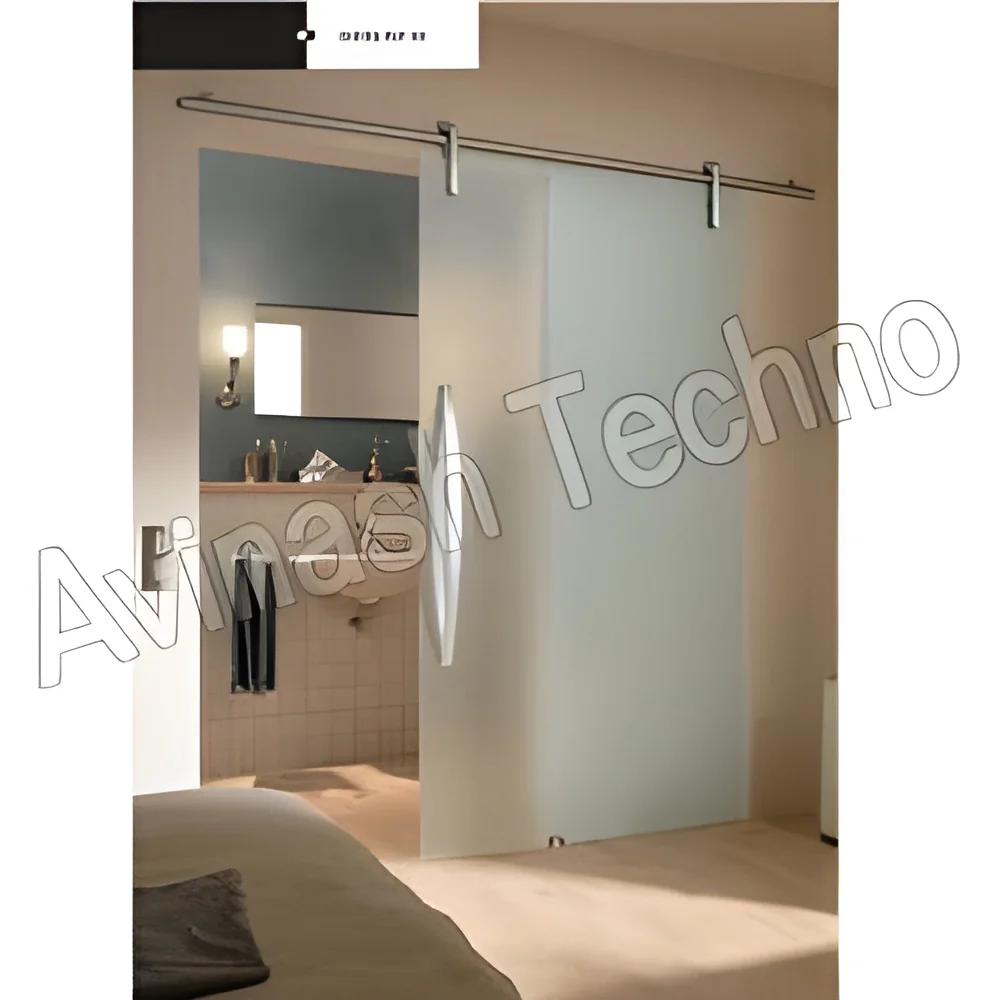
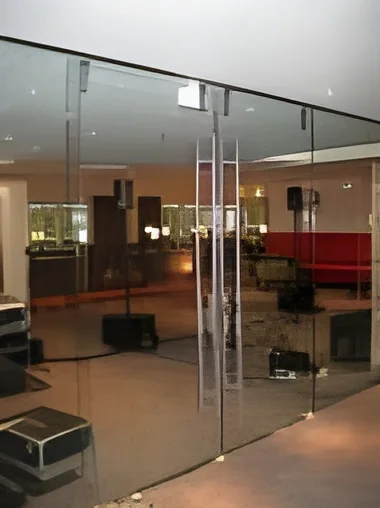
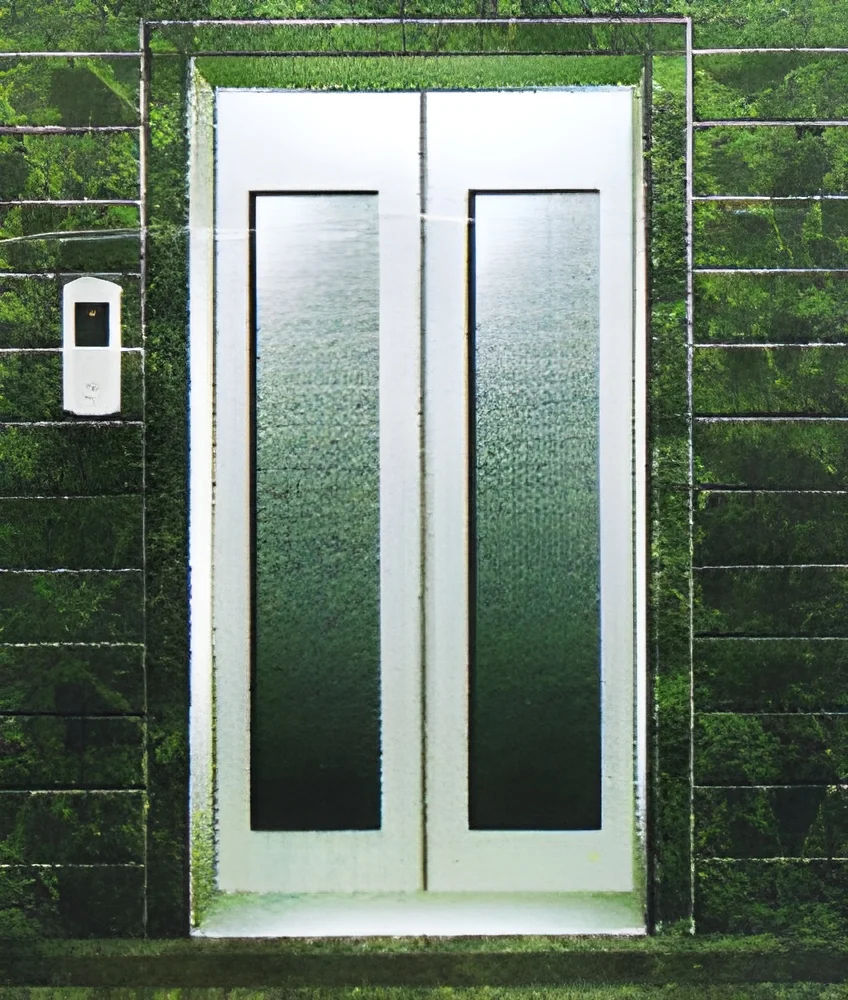
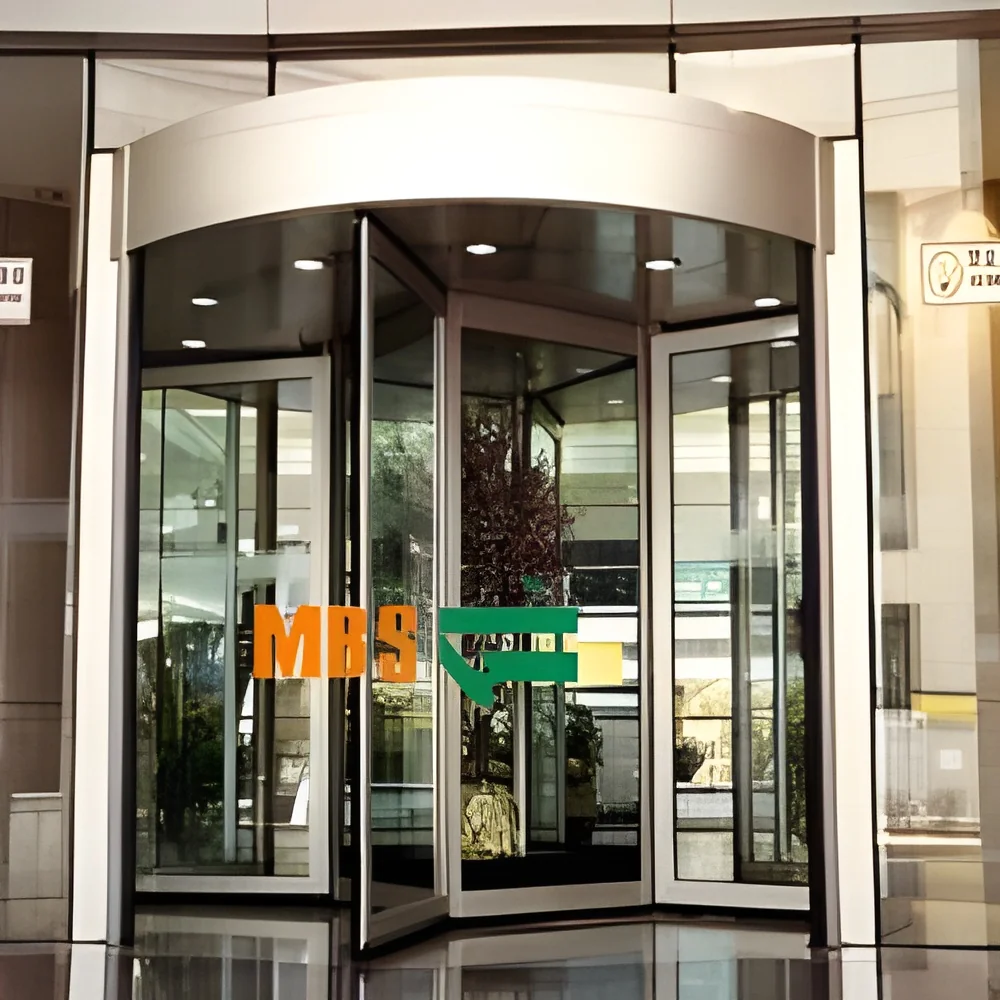
Glass doors, both sliding and hinged, are architectural elements that provide access while allowing natural light into a space. Sliding glass doors operate on a track system, allowing them to open horizontally. Hinged glass doors, on the other hand, are fixed on one side and open outward or inward like traditional doors. Both types of glass doors are designed to enhance aesthetics and functionality in various settings.
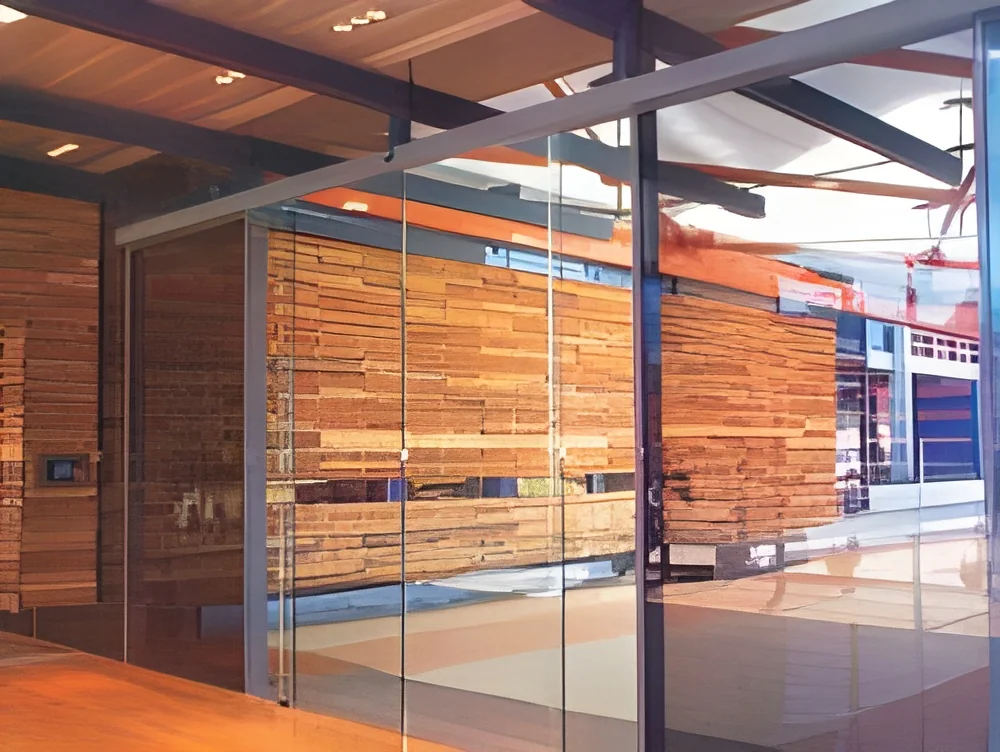
These glass doors are primarily used in commercial environments, such as storefronts, offices, and hotels. Their transparent nature creates a welcoming atmosphere while offering visibility between indoor and outdoor spaces. Businesses often select these doors for their modern appearance and energy-efficient qualities. The growing trend in open-concept designs further drives the demand for glass doors in both new constructions and renovations.
In the context of the market, glass doors have seen increasing relevance due to the rise in sustainable building practices. With advancements in glass technology, these products can offer enhanced insulation and safety features. The demand for stylish yet functional architectural elements positions glass doors as a vital component in contemporary construction and design.
𝗞𝗲𝘆 𝗙𝗲𝗮𝘁𝘂𝗿𝗲𝘀 𝗮𝗻𝗱 𝗦𝗽𝗲𝗰𝗶𝗳𝗶𝗰𝗮𝘁𝗶𝗼𝗻𝘀
Glass doors, whether sliding or hinged, come with various features and specifications that cater to diverse business needs. These features not only enhance the visual appeal of the doors but also contribute to their functionality and safety.
Key specifications include:
1. Material Quality
- Typically made from tempered or laminated glass for durability and safety.
- Glass thickness usually ranges from 8mm to 12mm.
2. Frame Options
- Available with aluminum, wood, or uPVC frames.
- Frame finishes can be customized to match the overall design.
3. Operating Mechanism
- Sliding doors feature roller tracks for smooth operation.
- Hinged doors use high-quality hinges for easy opening and closing.
4. Energy Efficiency
- Many glass doors are designed with low-emissivity (Low-E) coatings to reduce heat transfer.
- Insulated glass units may be used to improve thermal performance.
5. Safety Features
- Safety glass options available for increased security.
- Some doors come with impact resistance ratings.
6. Aesthetic Customization
- Various tinting options available to control light and privacy.
- Custom sizes and designs can be manufactured to fit specific requirements.
7. Security Options
- Integration with locking mechanisms and alarms for enhanced security.
- Options for reinforced glass and frame structures.
8. Warranty and Certification
- Many manufacturers provide warranties for their products.
- Compliance with industry standards, including CE certification.
In summary, glass doors are versatile products that combine style and functionality. Their specifications allow for customization to meet specific business needs while ensuring safety and energy efficiency.
𝗖𝗼𝗺𝗺𝗼𝗻 𝗔𝗽𝗽𝗹𝗶𝗰𝗮𝘁𝗶𝗼𝗻𝘀 𝗮𝗻𝗱 𝗨𝘀𝗲 𝗖𝗮𝘀𝗲𝘀
Glass doors are widely utilized across various industries due to their versatility and aesthetic appeal.
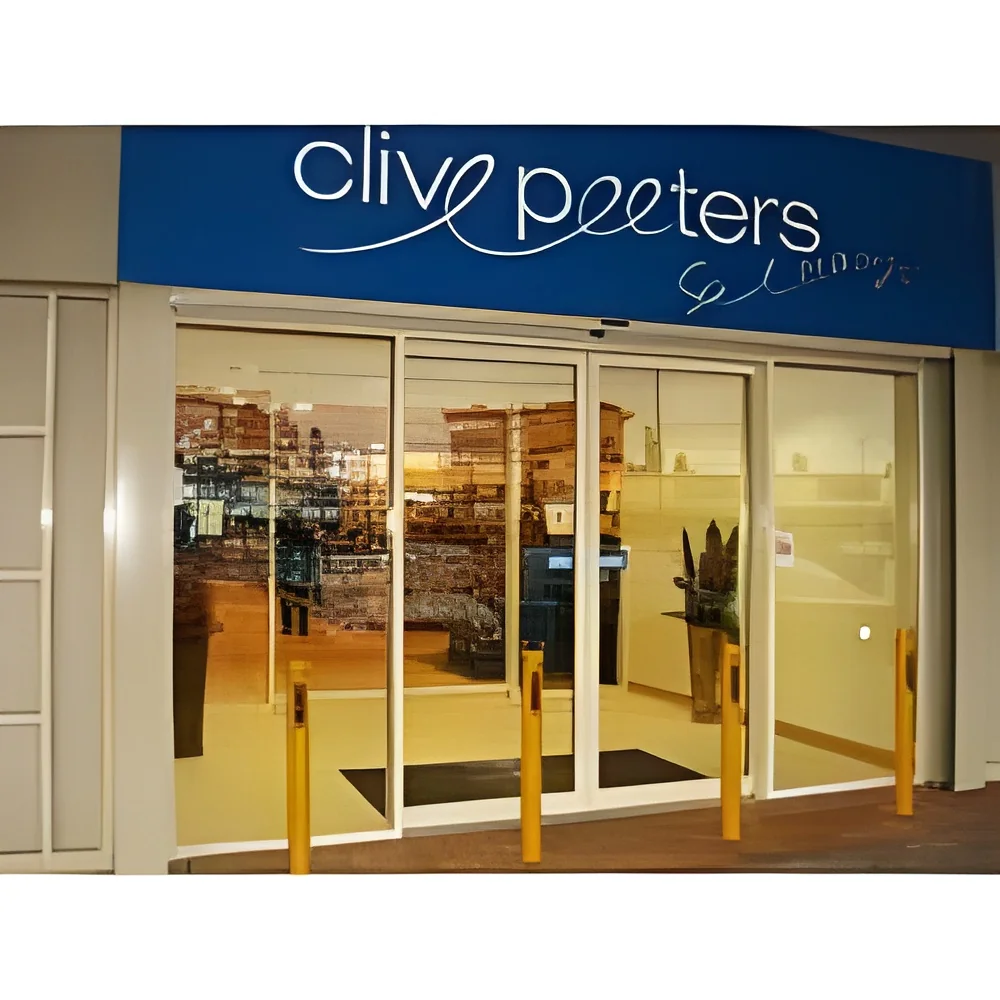
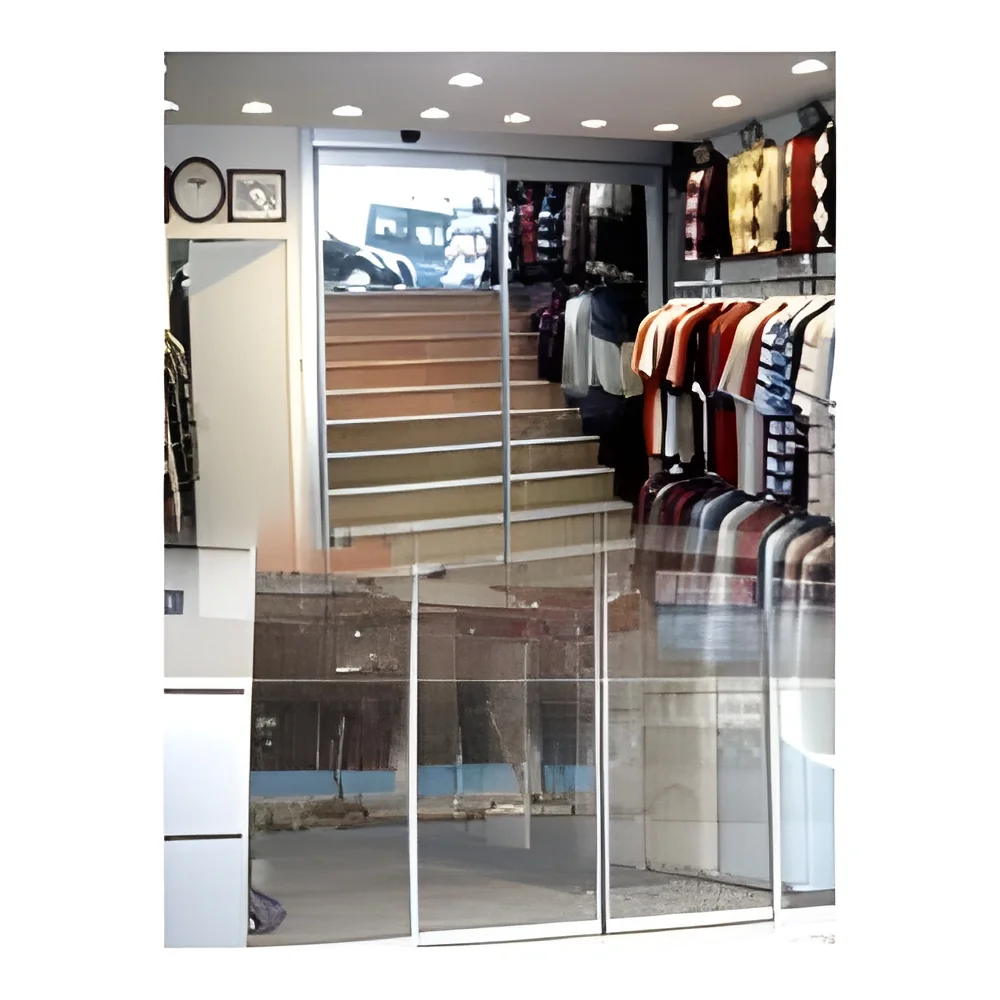
1. Retail: In retail environments, sliding glass doors enhance visibility and attract customers while providing convenient access. They create a seamless transition between indoor and outdoor spaces.
2. Hospitality: Hotels and restaurants often use hinged glass doors to connect dining areas with patios or gardens. This design enhances the guest experience by integrating outdoor ambiance.
3. Office Spaces: Glass doors are popular in modern office designs, used for conference rooms and private offices. They promote openness while ensuring privacy when needed.
4. Healthcare: In healthcare facilities, glass doors facilitate easy access while maintaining a sterile environment. They are often used in waiting areas and patient rooms.
5. Residential: Homeowners increasingly choose glass doors for patios and entryways, enhancing natural light and outdoor views. They also contribute to energy efficiency in residential settings.
6. Educational Institutions: Schools and universities utilize glass doors to create welcoming environments for students and staff. They are often installed in common areas and entrances.
7. Showrooms: Automotive and furniture showrooms use glass doors to display products while providing easy access. They enhance the overall shopping experience by allowing natural light.
𝗣𝗿𝗼𝗱𝘂𝗰𝘁 𝗩𝗮𝗿𝗶𝗮𝗻𝘁𝘀 𝗮𝗻𝗱 𝗦𝘂𝗯𝗰𝗮𝘁𝗲𝗴𝗼𝗿𝗶𝗲𝘀
Glass doors come in various designs and styles to meet the diverse needs of customers.
Sliding Glass Doors
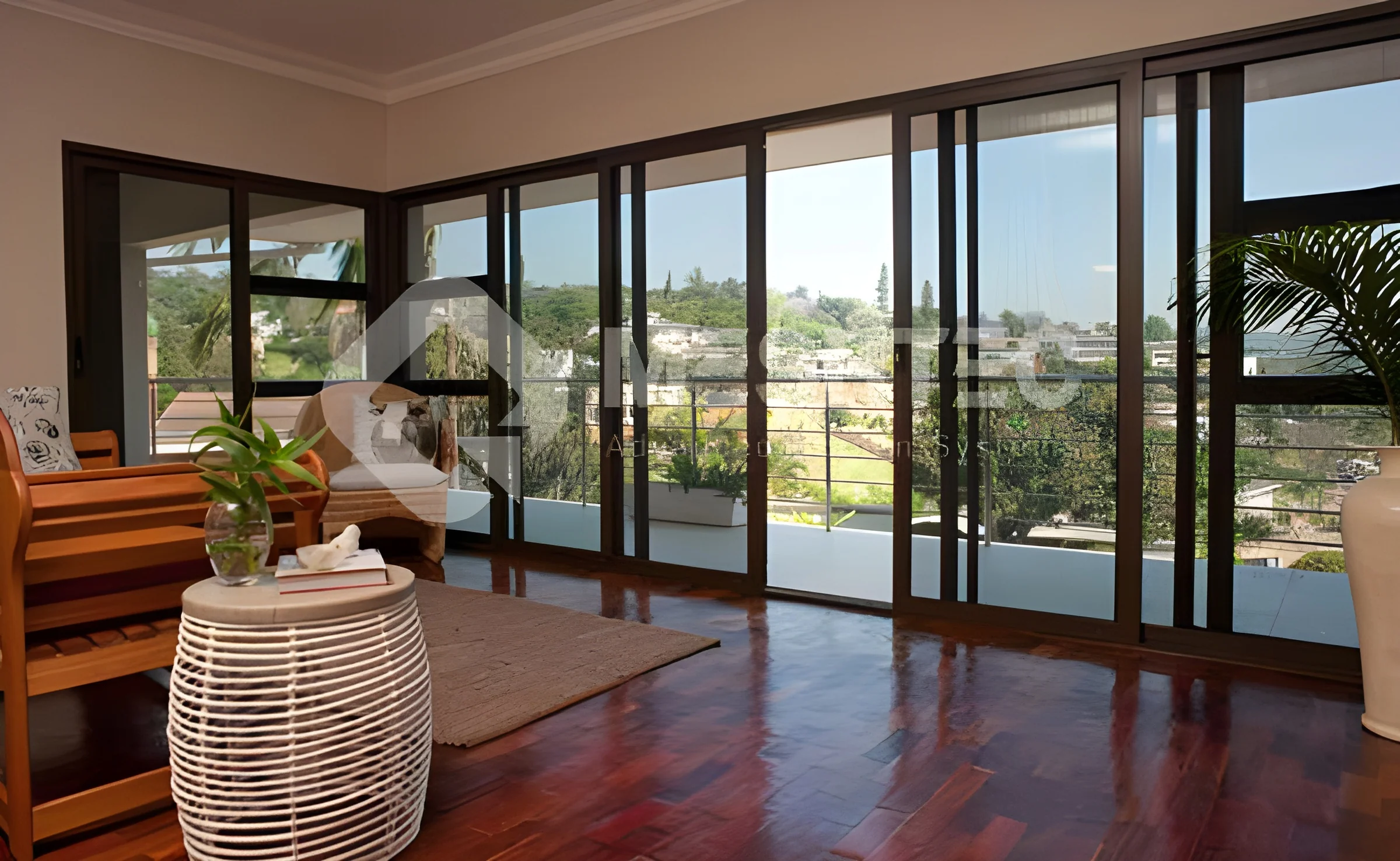
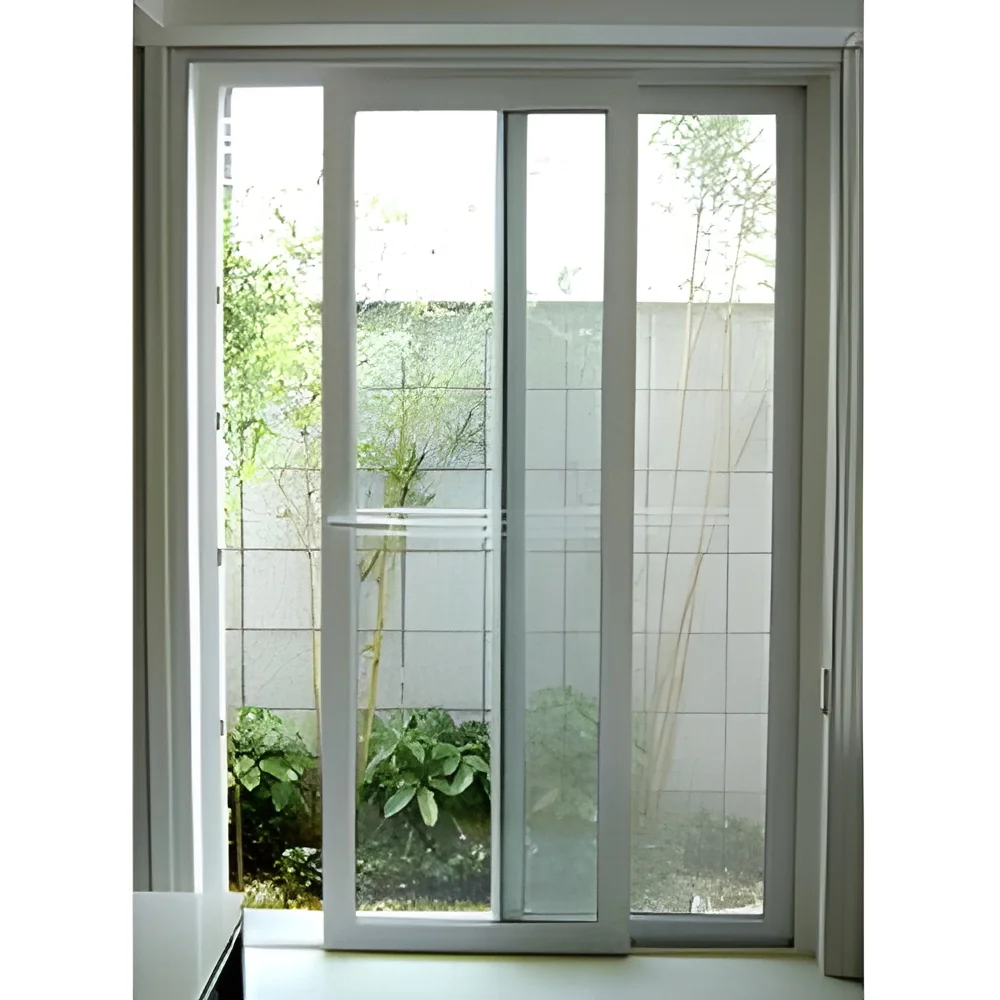
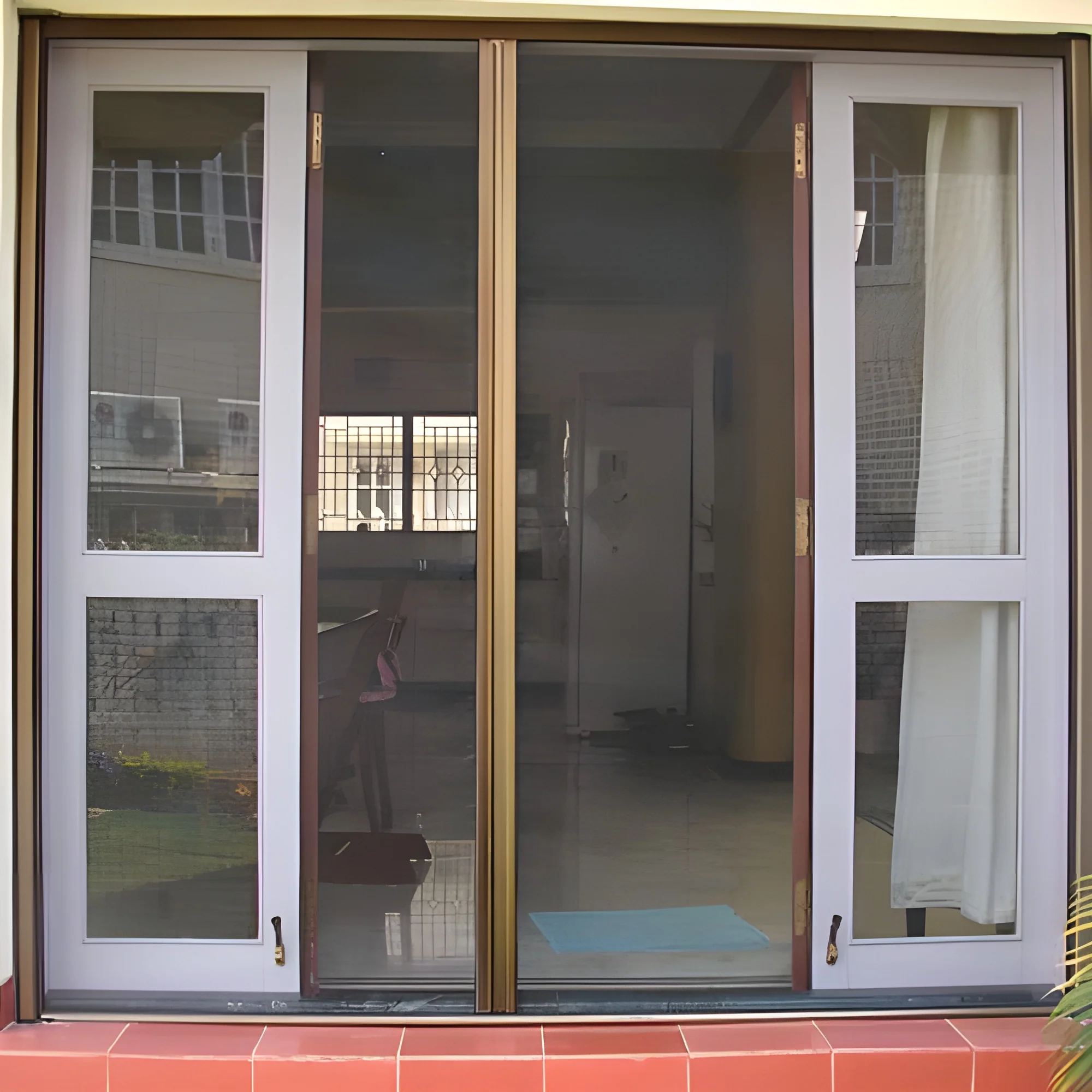
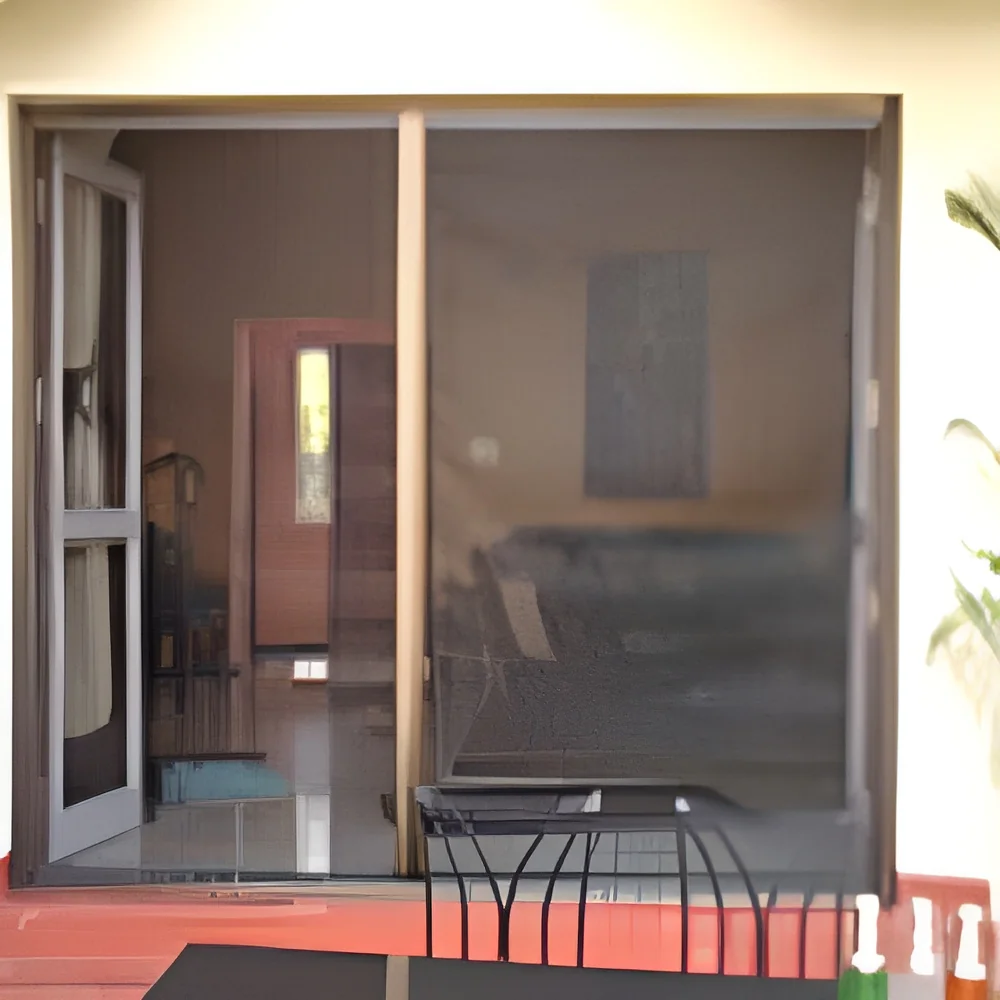
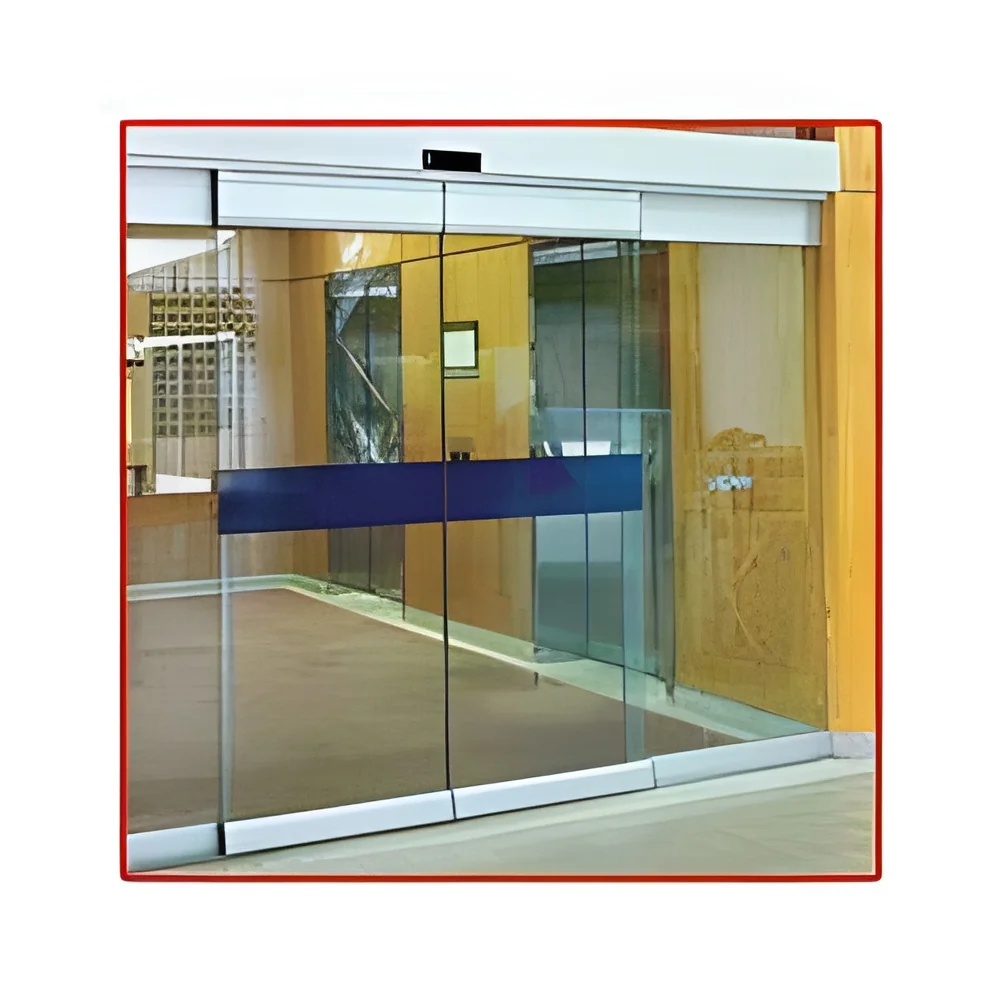
These doors are perfect for spaces with limited room for swing. They can be designed for large openings, allowing for expansive views and easy access. Sliding doors are often used in commercial buildings as well as in residential spaces leading to patios or decks.
Hinged Glass Doors
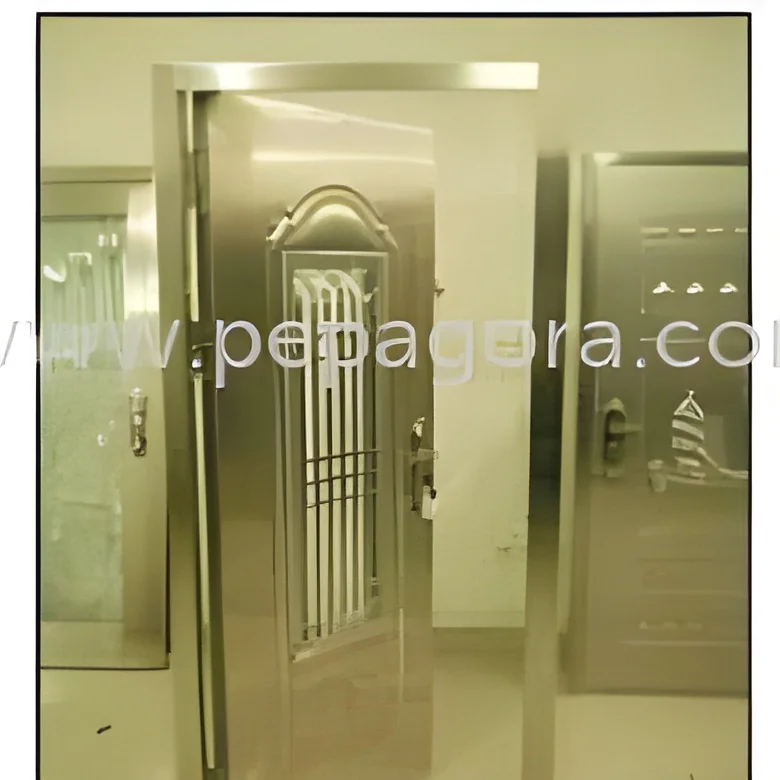
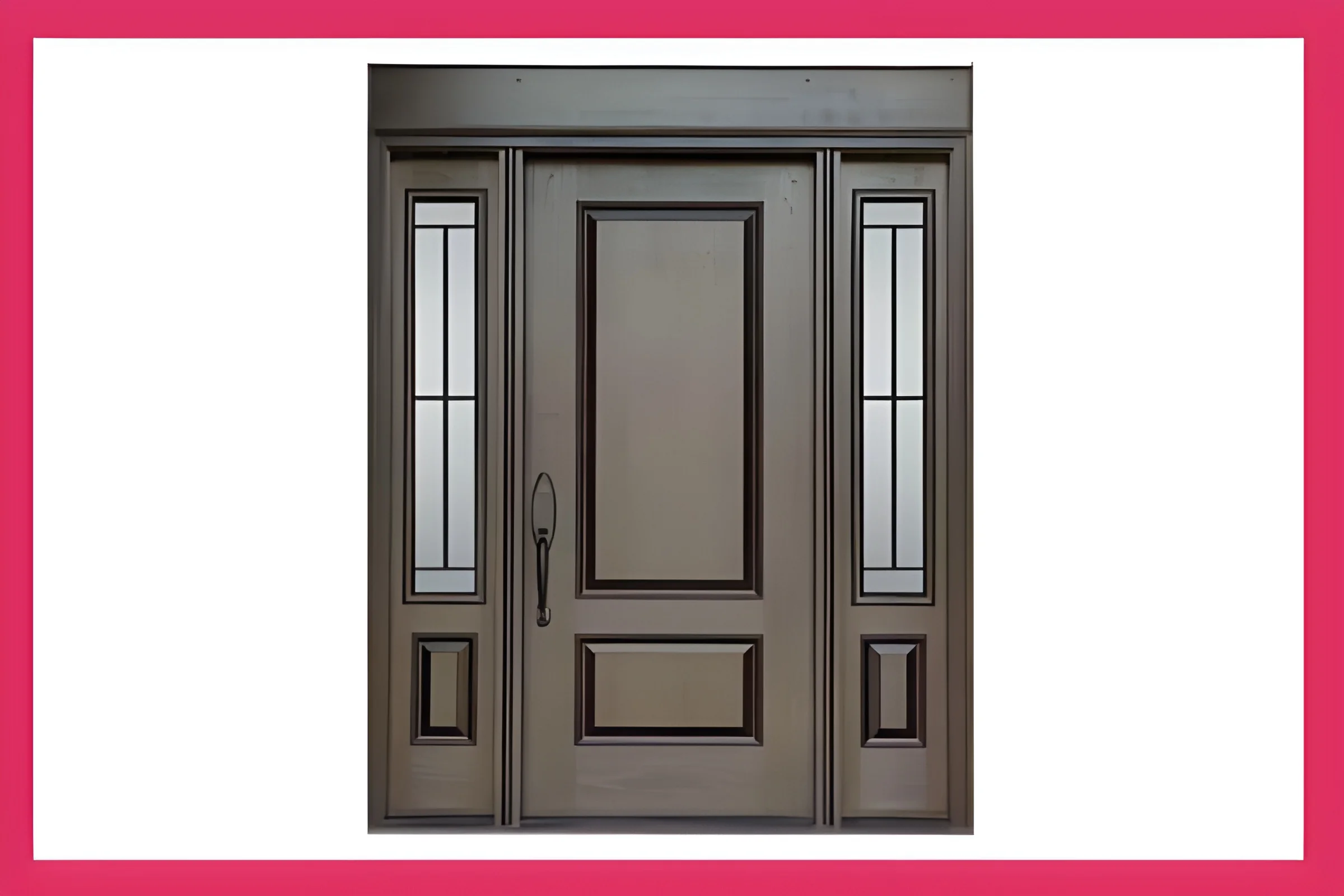
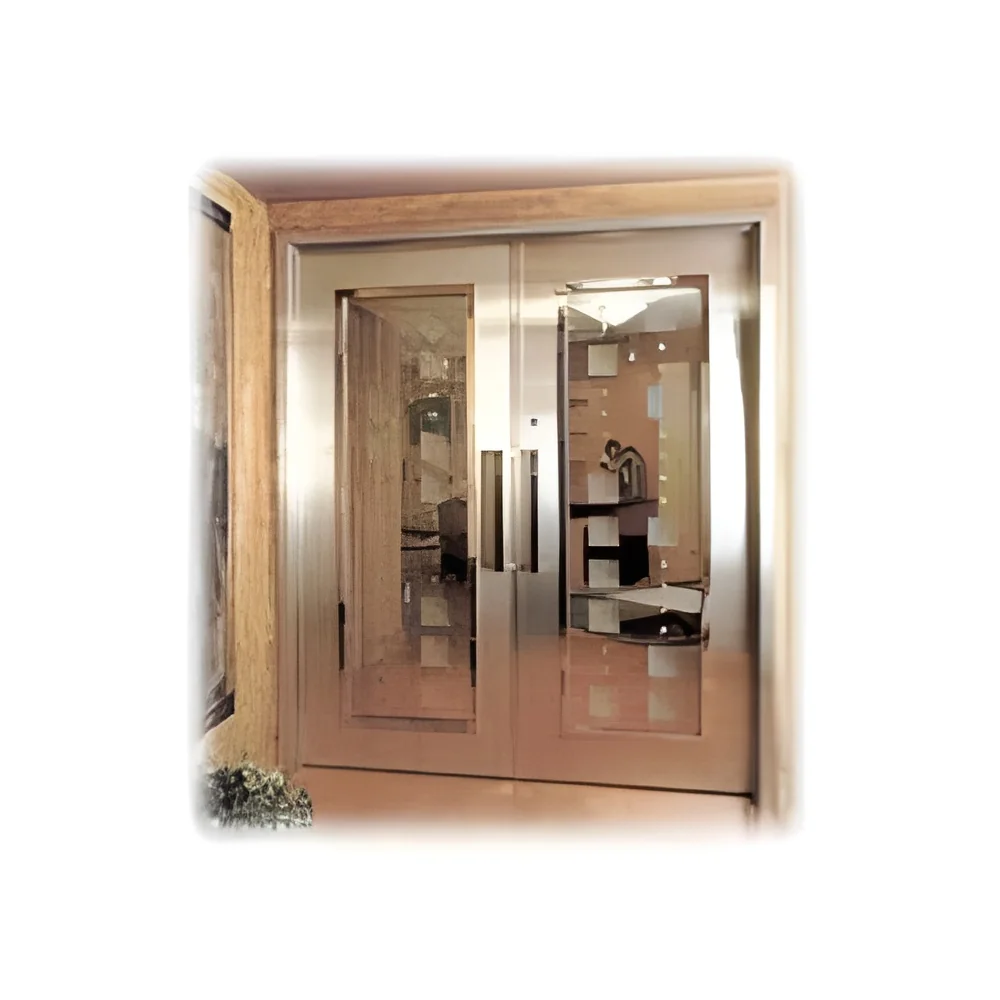
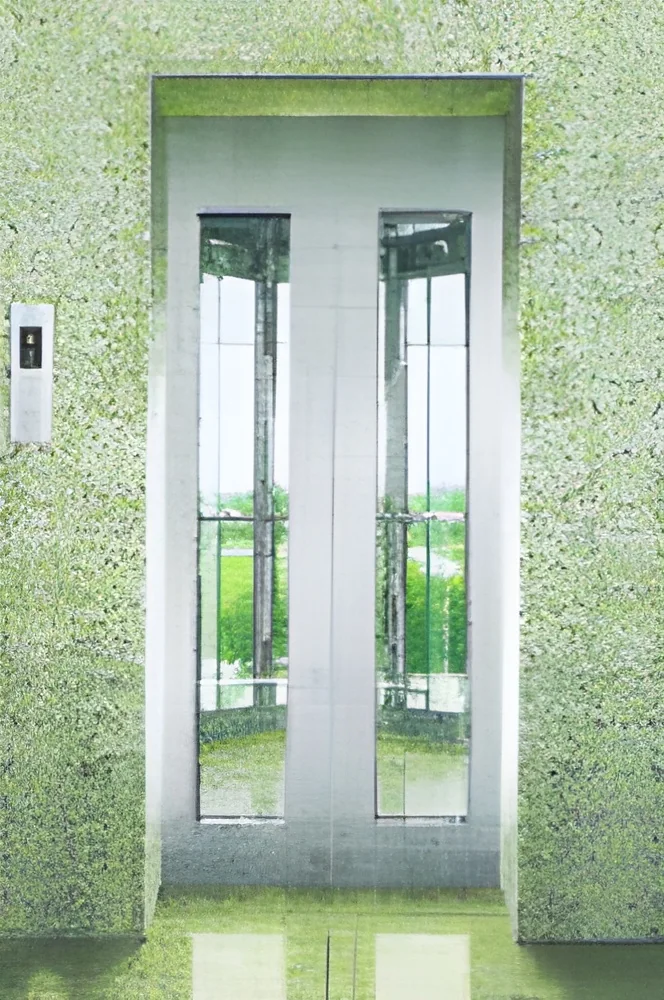
Hinged doors are suitable for areas that require traditional door functionality. They can be used in both commercial and residential applications, offering a classic look. These doors are often chosen for entryways, interior rooms, and offices.
𝗕𝗲𝗻𝗲𝗳𝗶𝘁𝘀 𝗮𝗻𝗱 𝗔𝗱𝘃𝗮𝗻𝘁𝗮𝗴𝗲𝘀
Investing in glass doors offers numerous benefits for businesses.
Key benefits include:
1. Enhanced Aesthetics: Glass doors create a modern and elegant look, improving the overall appeal of any space.
2. Natural Light: They allow maximum natural light into interiors, reducing the need for artificial lighting during the day.
3. Energy Efficiency: Many glass doors are designed with energy-saving features, helping to lower utility costs.
4. Increased Visibility: Businesses benefit from increased visibility, making spaces more inviting for customers and clients.
5. Versatility: Glass doors can be customized to fit various architectural styles and functional needs.
6. Low Maintenance: Most glass doors require minimal maintenance, making them a practical choice for busy environments.
𝗕𝘂𝘆𝗶𝗻𝗴 𝗚𝘂𝗶𝗱𝗲 𝗳𝗼𝗿 𝗕𝟮𝗕 𝗕𝘂𝘆𝗲𝗿𝘀
When sourcing glass doors, it is essential for B2B buyers to consider several factors to ensure they make informed purchasing decisions.
1. Quality Assessment: Evaluate the quality of the glass and frame materials. Look for certifications that indicate compliance with industry standards.
2. Supplier Verification: Ensure that suppliers have a good reputation and a track record of reliability. Request references and review their past projects.
3. Pricing and MOQ: Understand the pricing structure and minimum order quantities. Compare quotes from different suppliers to find the best deal.
4. Delivery and Lead Times: Discuss logistics and lead times with suppliers to ensure timely delivery. Consider how this impacts your project schedule.
5. Compliance Requirements: Be aware of any regional regulations that may affect the installation of glass doors. Ensure that the products meet necessary safety and building standards.
𝗖𝗼𝗺𝗽𝗹𝗶𝗮𝗻𝗰𝗲 𝗮𝗻𝗱 𝗖𝗲𝗿𝘁𝗶𝗳𝗶𝗰𝗮𝘁𝗶𝗼𝗻𝘀
Compliance is critical when dealing with glass doors in any industry. Relevant quality standards include ISO 9001, which ensures a quality management system is in place. Additionally, industry certifications such as CE mark indicate that the products meet European safety and environmental requirements.
Safety and testing requirements are essential for glass doors, especially in commercial applications. These doors must undergo rigorous testing to ensure they can withstand impact and provide adequate security.
Regional compliance considerations may vary, depending on local building codes and regulations. Buyers should familiarize themselves with these requirements to ensure that their installations are lawful and safe.
Why Source Glass Doors (Sliding, Hinged) from Pepagora?
Pepagora provides a trusted platform for sourcing glass doors, offering several key advantages to B2B buyers.
Verified Supplier Network: Pepagora ensures that all suppliers in its network are thoroughly vetted. This process guarantees that buyers are connected with reliable manufacturers.
Streamlined RFQ Process: The request for quotation process is made simple through Pepagora, allowing buyers to easily compare options and make informed choices.
Trade Assurance and Support: Pepagora offers buyer protection through trade assurance. This support provides peace of mind when engaging in business transactions.
Regional Coverage: With a strong presence in India, the GCC, and Southeast Asia, Pepagora connects buyers with suppliers in various regions, facilitating smooth transactions across borders.
By choosing Pepagora, businesses can confidently source high-quality glass doors that meet their needs.