IN
IN₹
Apparel & Fashion
Description
Industrial FRP die molded windows represent engineered solutions for commercial and industrial construction challenges. Manufactured through precision die molding technology, these windows combine fiberglass reinforced polymer materials with advanced production techniques to deliver consistent performance. Unlike traditional materials that deteriorate under harsh conditions, FRP construction maintains integrity against moisture, chemicals, and biological threats. The manufacturing process ensures dimensional accuracy and perfect replication across production runs, providing reliable building components that meet exact project specifications. This attention to detail results in windows that perform consistently in demanding applications where material failure carries significant operational consequences.

These windows serve critical functions across multiple industrial sectors with specific environmental requirements. Chemical processing plants utilize them for resistance to corrosive ...
Industrial FRP die molded windows represent engineered solutions for commercial and industrial construction challenges. Manufactured through precision die molding technology, these windows combine fiberglass reinforced polymer materials with advanced production techniques to deliver consistent performance. Unlike traditional materials that deteriorate under harsh conditions, FRP construction maintains integrity against moisture, chemicals, and biological threats. The manufacturing process ensures dimensional accuracy and perfect replication across production runs, providing reliable building components that meet exact project specifications. This attention to detail results in windows that perform consistently in demanding applications where material failure carries significant operational consequences.

These windows serve critical functions across multiple industrial sectors with specific environmental requirements. Chemical processing plants utilize them for resistance to corrosive vapors and chemical exposure that would compromise conventional materials. Food and beverage facilities benefit from their non-porous surfaces that support strict hygiene protocols and thorough cleaning procedures. Pharmaceutical manufacturing areas specify them for maintaining controlled environments free from contamination risks. Coastal construction projects select them for exceptional resistance to saltwater corrosion and humid marine conditions. Agricultural operations and warehouse facilities implement them for structural durability and minimal maintenance needs in challenging environments.

The business value of these FRP windows centers on long-term reliability and operational efficiency. Their rot-proof and termite-proof characteristics eliminate common failure points that plague traditional window materials, reducing unexpected maintenance and replacement costs. The lightweight design simplifies installation processes while maintaining structural strength, potentially lowering labor expenses and project timelines. Consistent manufacturing quality ensures predictable performance across installations, providing facility managers with confidence in building component reliability. This reliability translates to uninterrupted operations in facilities where window failures could disrupt production or compromise environmental controls. The combination of durability, low maintenance requirements, and consistent performance delivers measurable return on investment through extended service life and reduced operational disruptions.

Key Features:
- Die molded construction ensuring precise dimensions and consistent quality across all units
- Fiberglass reinforced polymer material providing superior structural integrity and durability
- Rot-proof and termite-proof properties for long-lasting performance in challenging environments
- Lightweight design facilitating easier handling, transportation, and installation processes
- Non-corrosive and non-porous surface suitable for harsh industrial conditions

Benefits:
- Eliminates maintenance costs associated with rot, termite damage, and corrosion over time
- Reduces installation complexity and labor requirements through lightweight construction
- Provides consistent performance in harsh environments where traditional materials fail
- Supports strict hygiene and cleanliness protocols with easy-to-clean, non-porous surfaces
- Delivers long-term reliability that minimizes operational disruptions and replacement expenses
Specifications
| Additional Information | |
|---|---|
| Country of Origin | India |
Application
FRP die molded windows excel in environments where moisture, chemicals, or pests degrade traditional materials. Their non-corrosive, non-porous surface withstands harsh conditions while maintaining structural integrity for years. The lightweight construction reduces installation complexity without compromising on durability or safety standards.
These windows are specified across industries requiring reliable, low-maintenance building components. From manufacturing facilities to processing plants, they provide consistent performance where window failure is not an option. Their resistance to environmental factors makes them suitable for diverse climatic conditions and specialized operational requirements.
- Chemical and pharmaceutical manufacturing facilities requiring corrosion-resistant window solutions
- Food processing plants needing hygienic, easy-to-clean surfaces that meet sanitation standards
- Coastal construction projects exposed to saltwater spray and high humidity conditions
- Agricultural buildings and warehouses requiring durable, low-maintenance window installations
- Water treatment plants and industrial facilities with high moisture environments
Trade Details
| Available Stock | In Stock |
| Sample Availability | No |
Payment Terms
| Payment Terms |
|
Company Profile
Ankita Fibre Glass Works, Punjab
 Punjab, India
Punjab, IndiaHome & Lifestyle•Manufacturer•Trading Company•Distributor / Wholesaler
Factory Details
Factory SizeBelow 1000 sqm
Annual Production Capacity0
Main Markets
Domestic
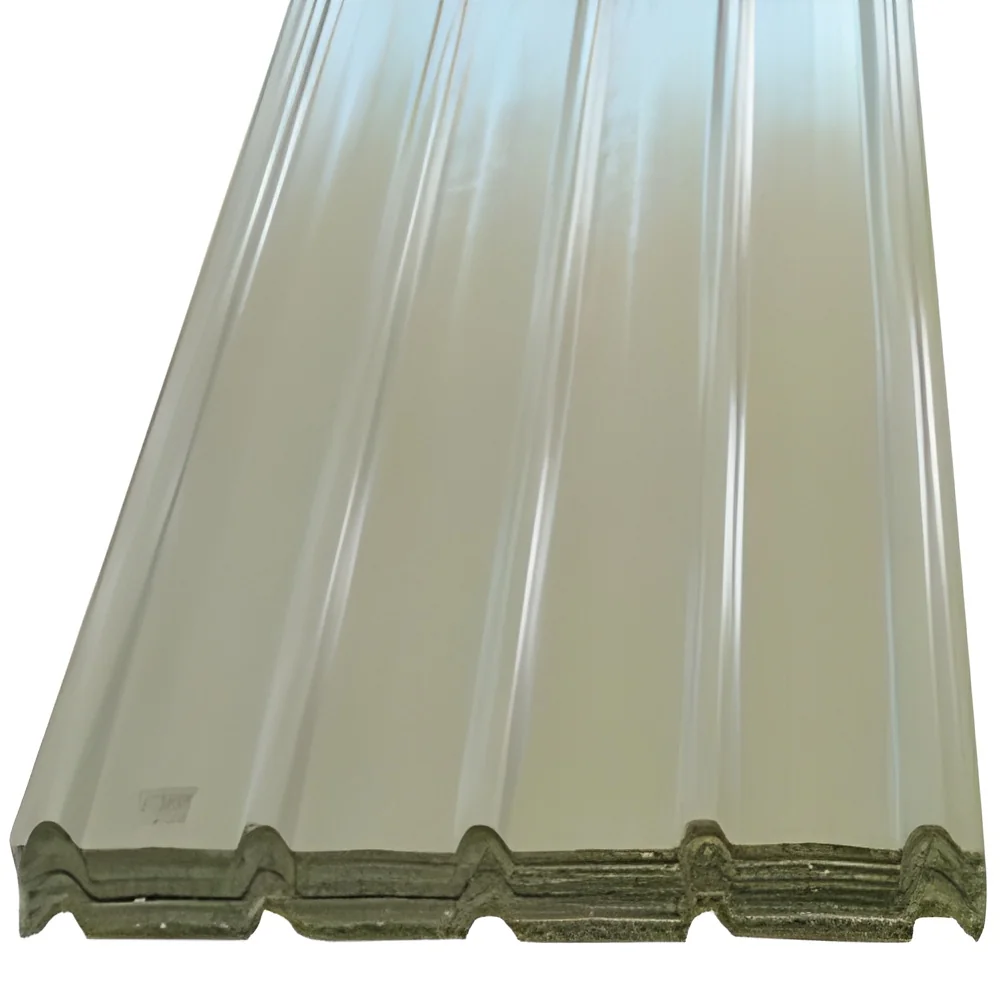
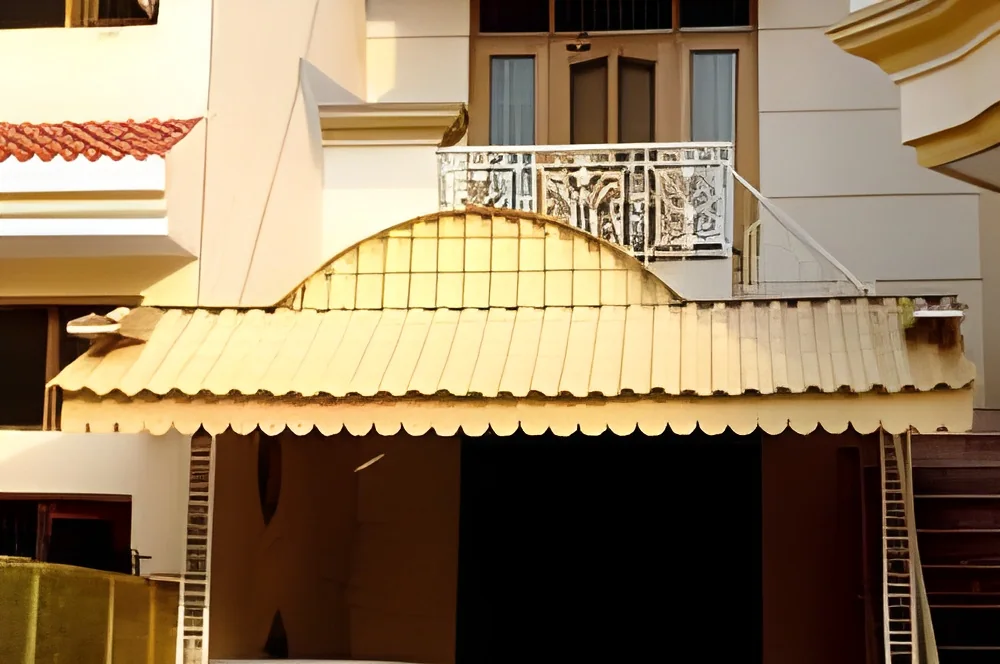
Industrial FRP Die Molded Windows Rot Proof, Termite Proof, Lightweight
Industrial FRP die molded windows offer rot-proof, termite-proof, and lightweight construction for commercial and industrial buildings. These durable windows provide reliable performance in demanding environments with consistent quality and structural integrity.
Min. Order Quantity: 1 unit
Shipping
Shipping fee and delivery date to be negotiated. Contact supplier now for more details.
Ankita Fibre Glass Works
 Punjab, India
Punjab, IndiaHome & LifestyleManufacturer