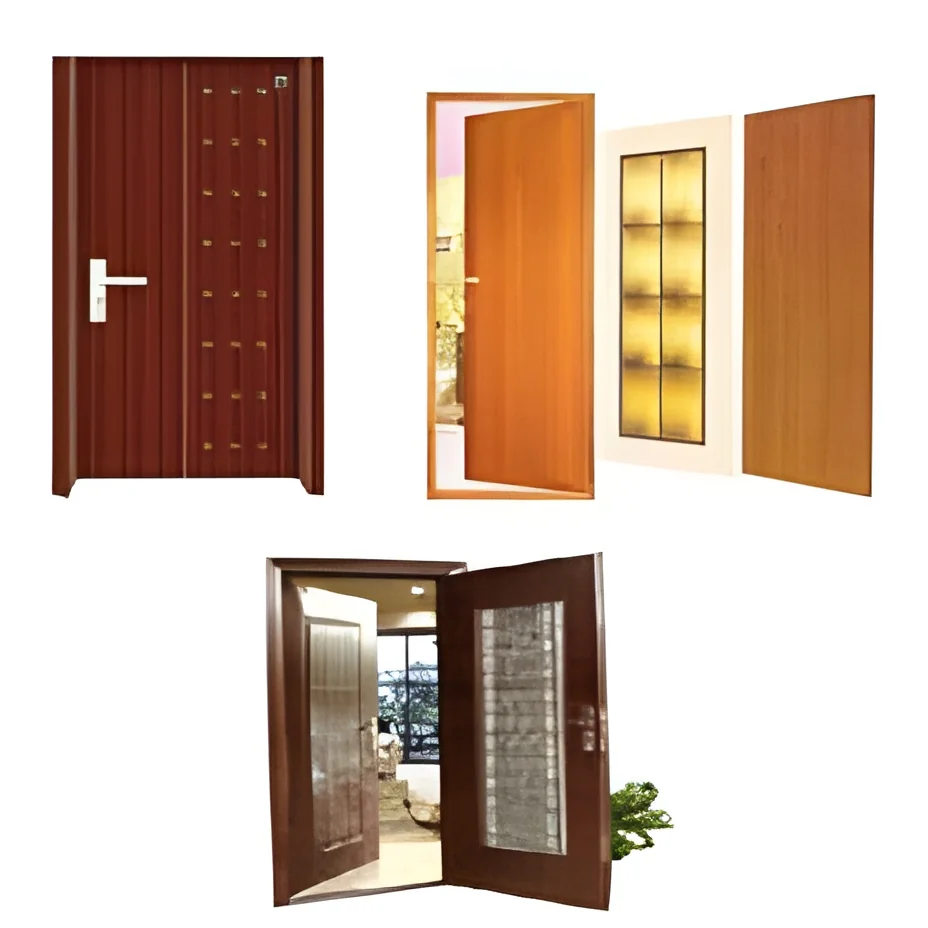
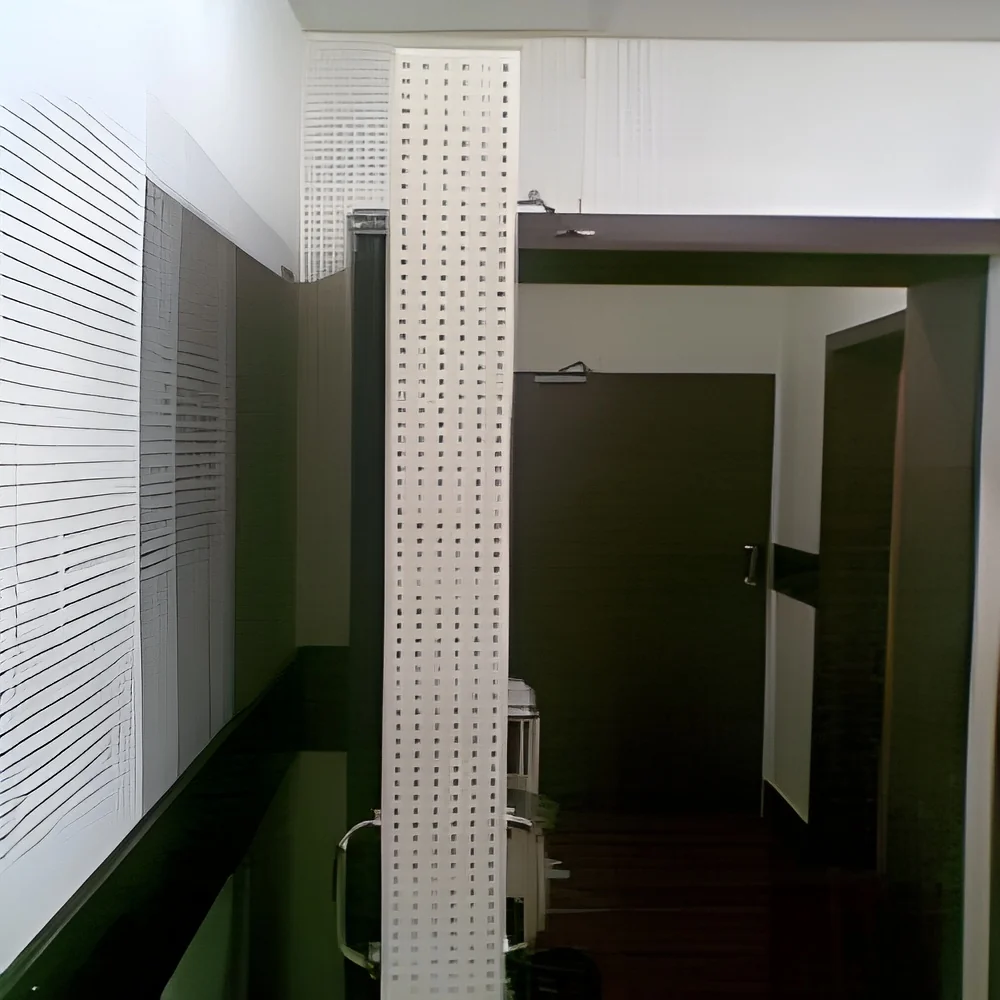
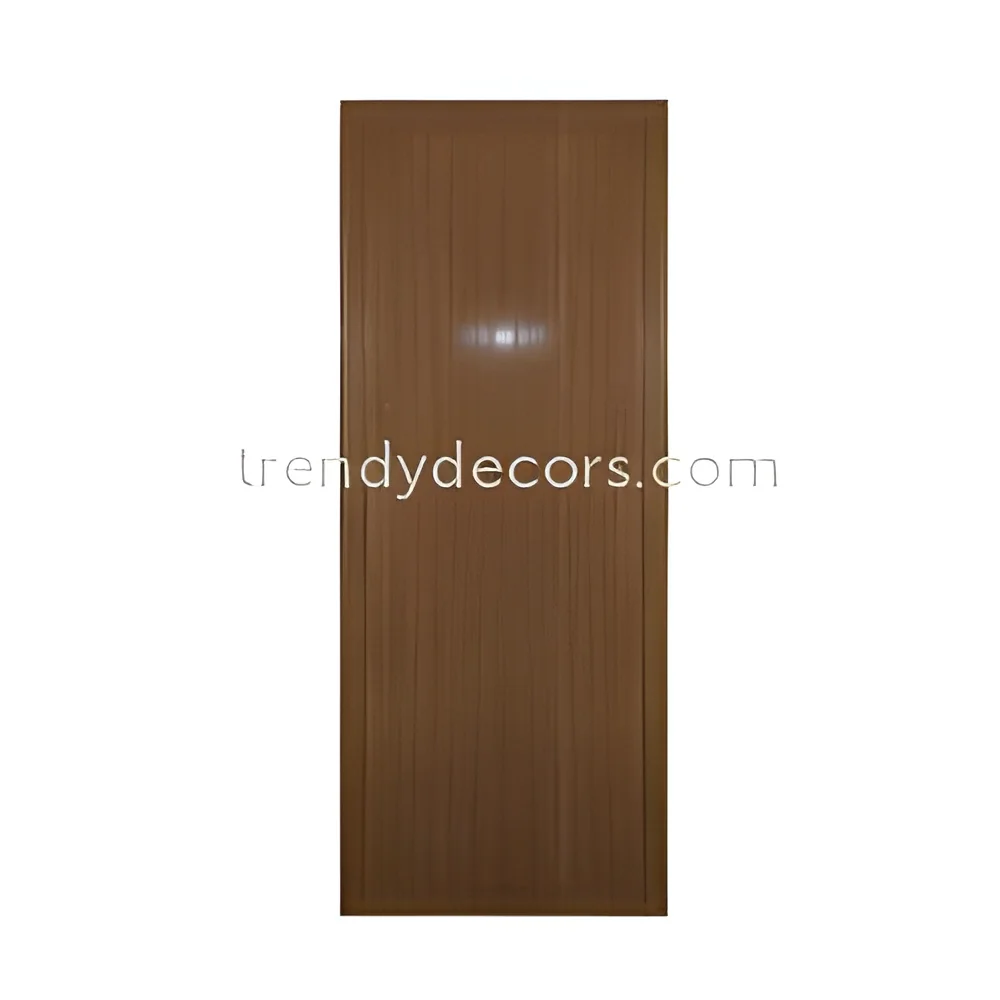
What are PVC Doors?
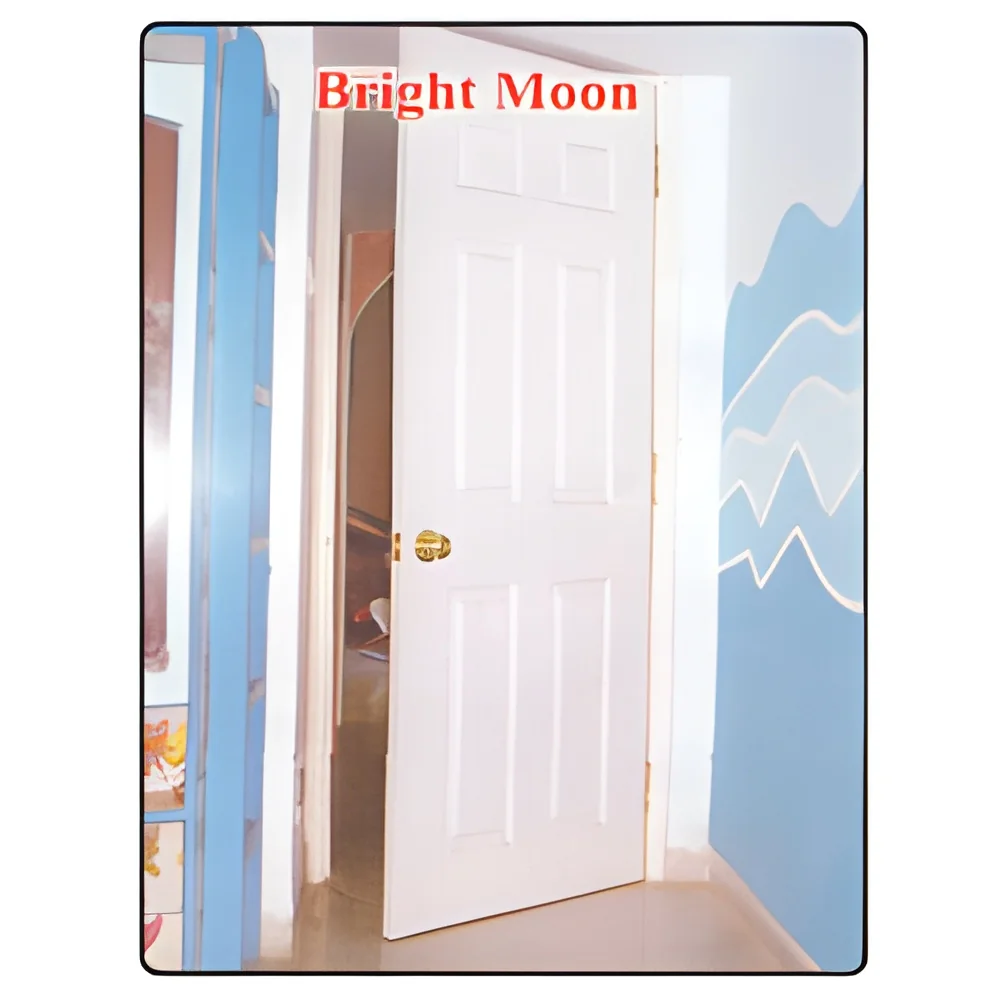
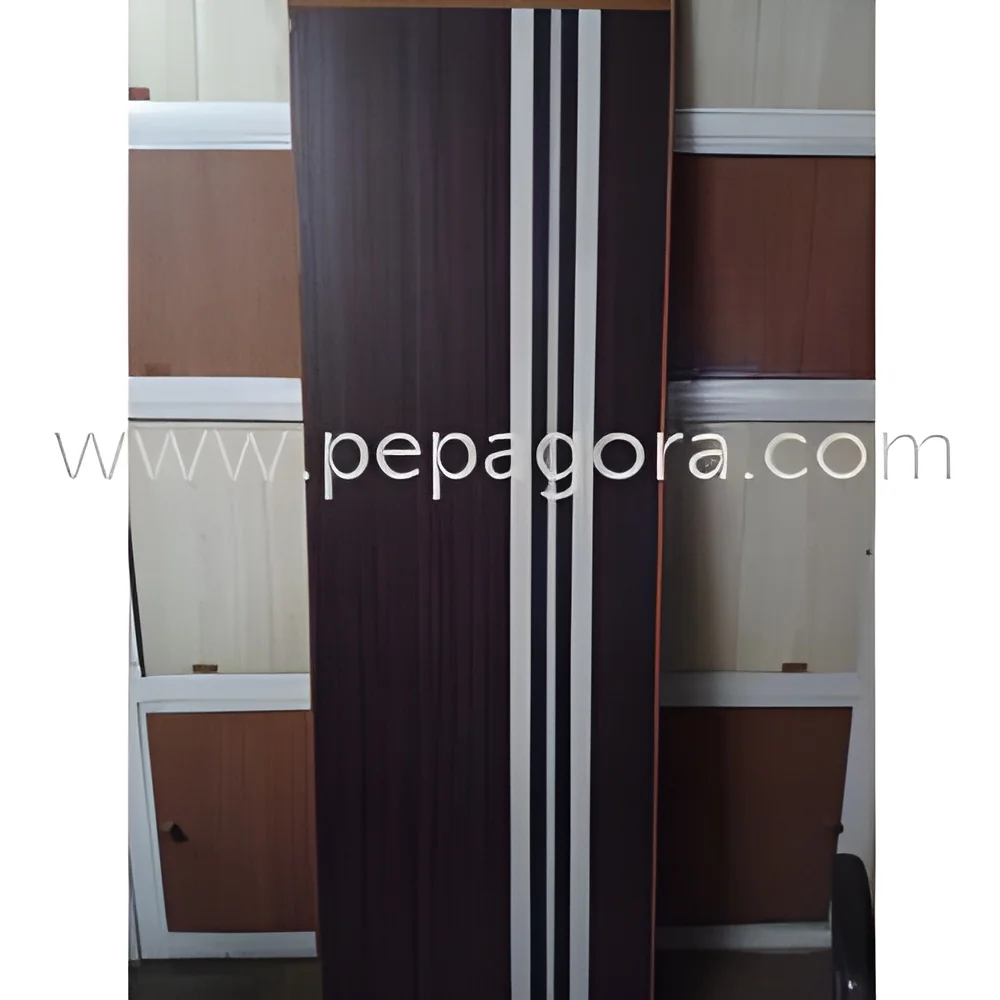
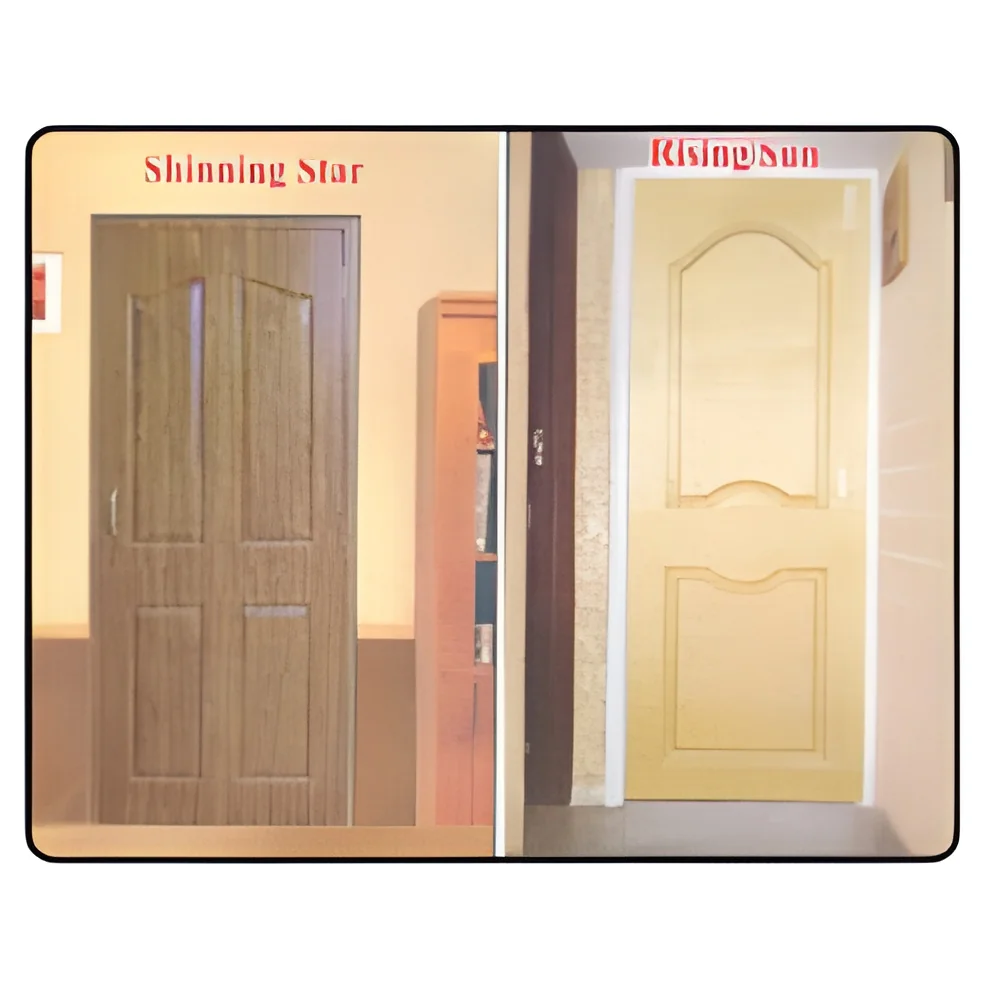
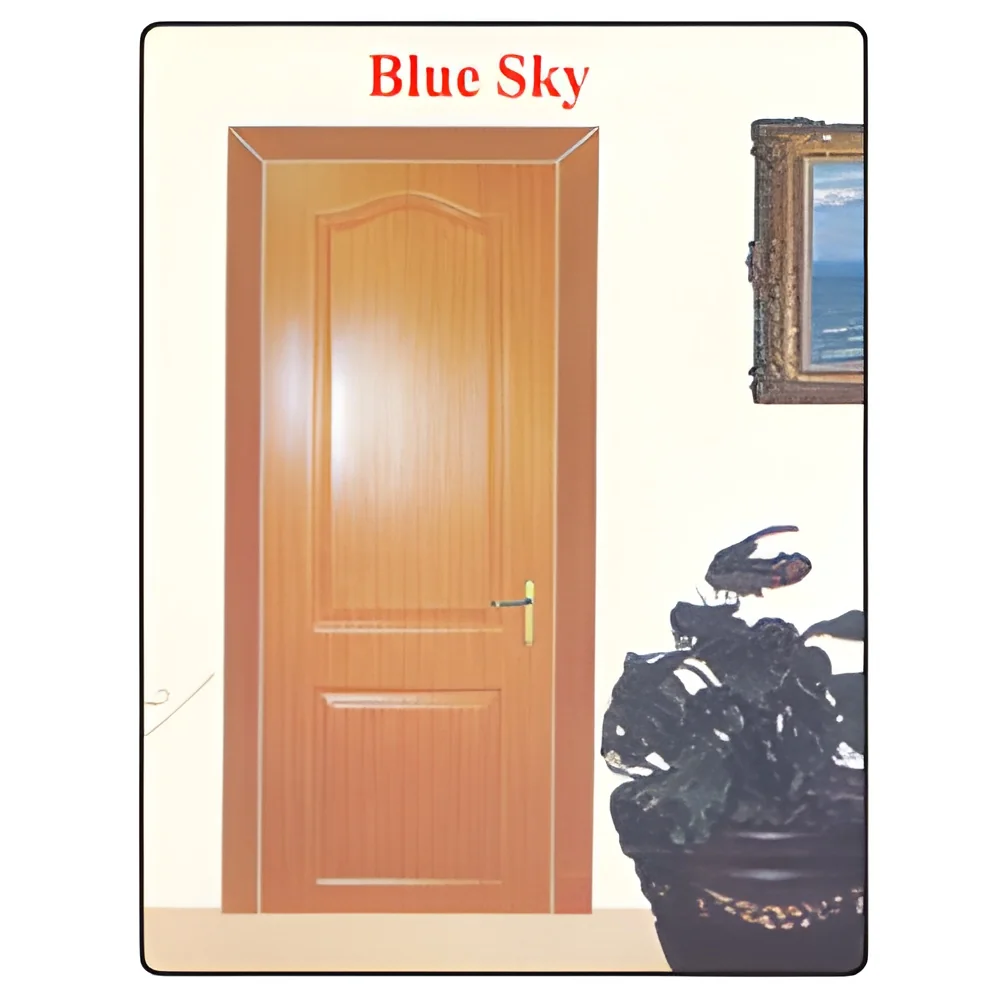
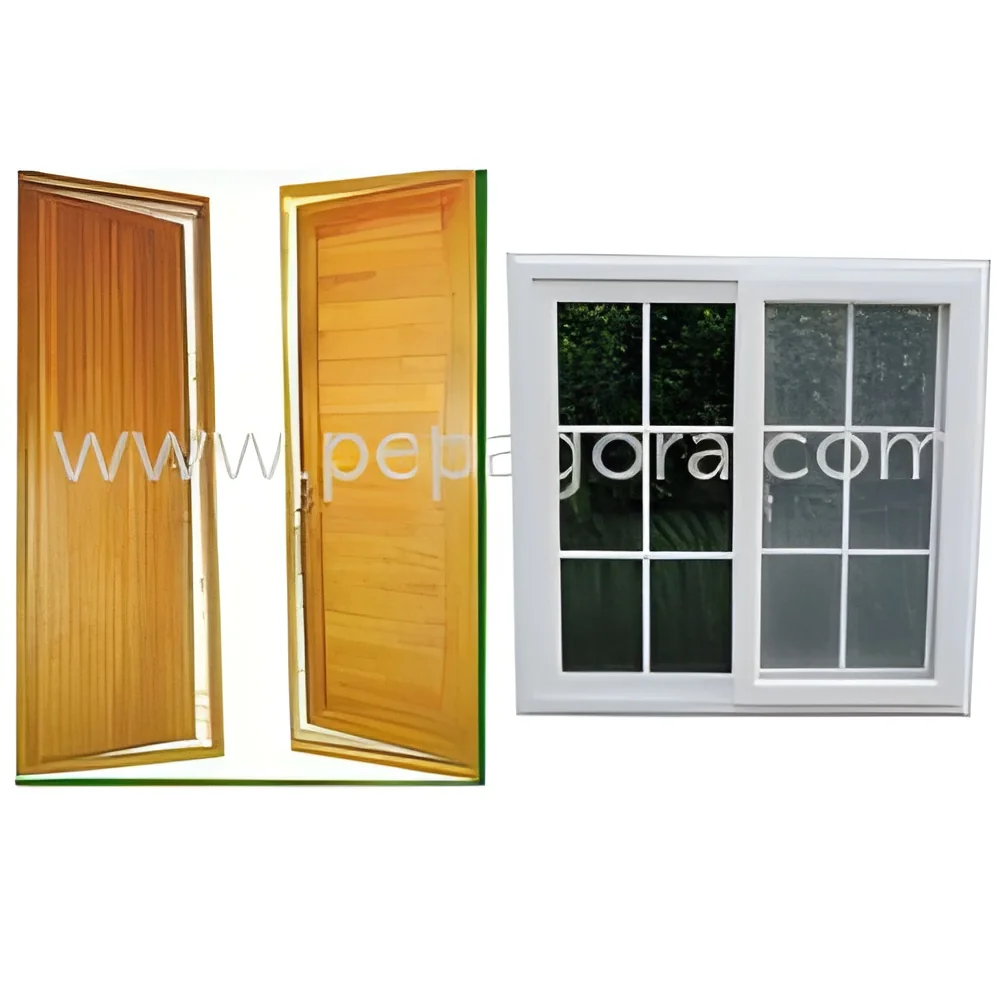
PVC doors are constructed from polyvinyl chloride, a versatile plastic known for its durability and resistance to environmental factors. These doors are designed to mimic the appearance of traditional wooden doors while offering enhanced performance and longevity. PVC doors are lightweight, easy to install, and provide excellent thermal insulation. They are also resistant to moisture, which makes them ideal for various applications in both residential and commercial settings.
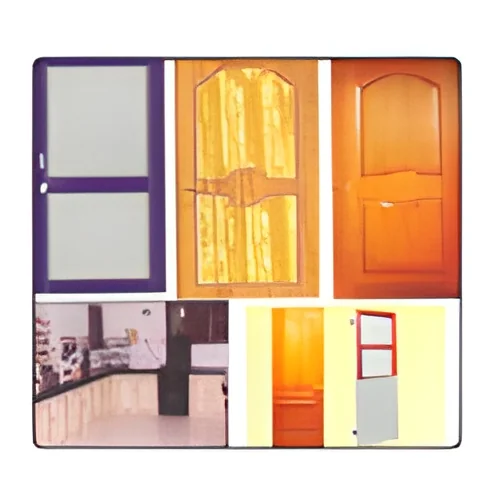
The primary uses of PVC doors span across several industries, including construction, hospitality, and healthcare. In the construction sector, they are commonly used for interior and exterior applications, offering a cost-effective and low-maintenance alternative to wood or metal doors. In the hospitality industry, PVC doors are favored for their aesthetic appeal, as well as their ability to withstand high moisture levels, making them suitable for bathrooms and kitchens. The healthcare sector also benefits from PVC doors due to their hygienic properties and ease of cleaning, ensuring safety in medical environments.
As the demand for sustainable and energy-efficient building materials grows, PVC doors stand out in the market. Their affordability, coupled with a wide range of styles and finishes, makes them a popular choice among architects and builders. The increasing emphasis on eco-friendly construction practices further enhances the relevance of PVC doors in contemporary industrial applications.
Key Features and Specifications
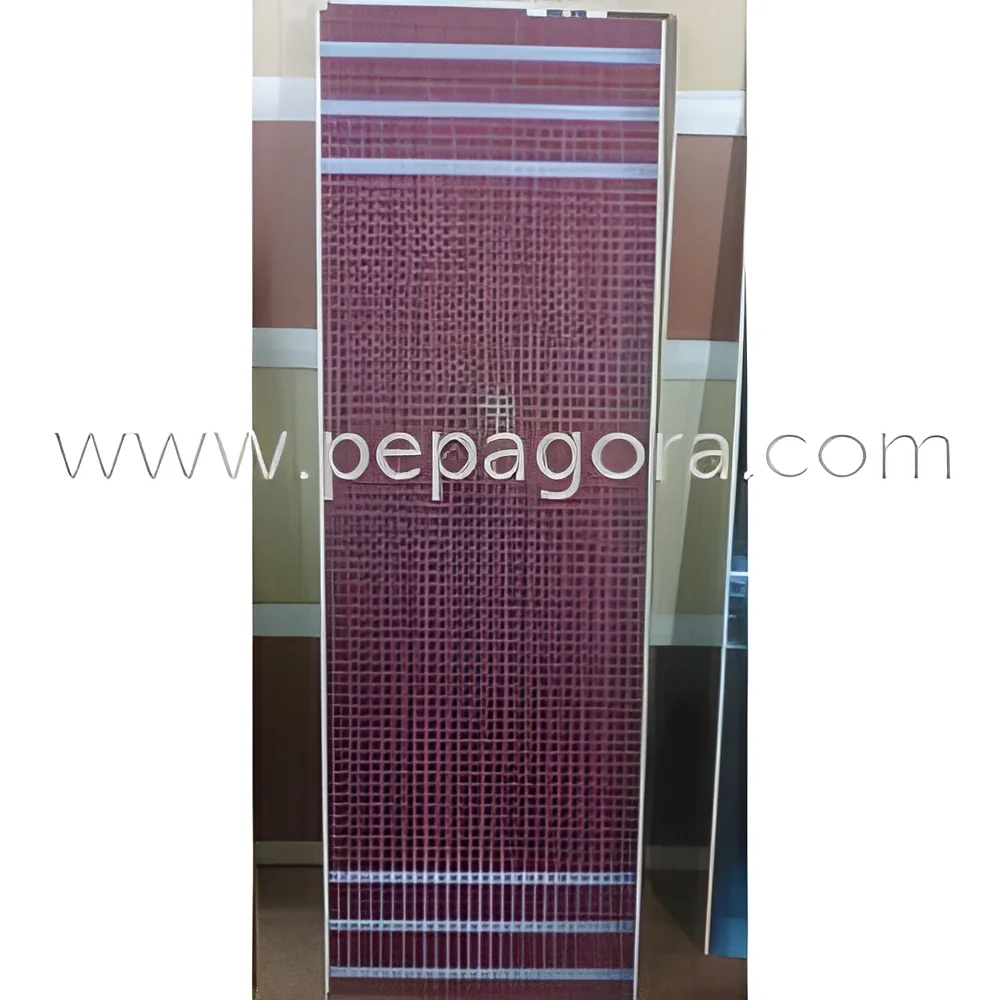
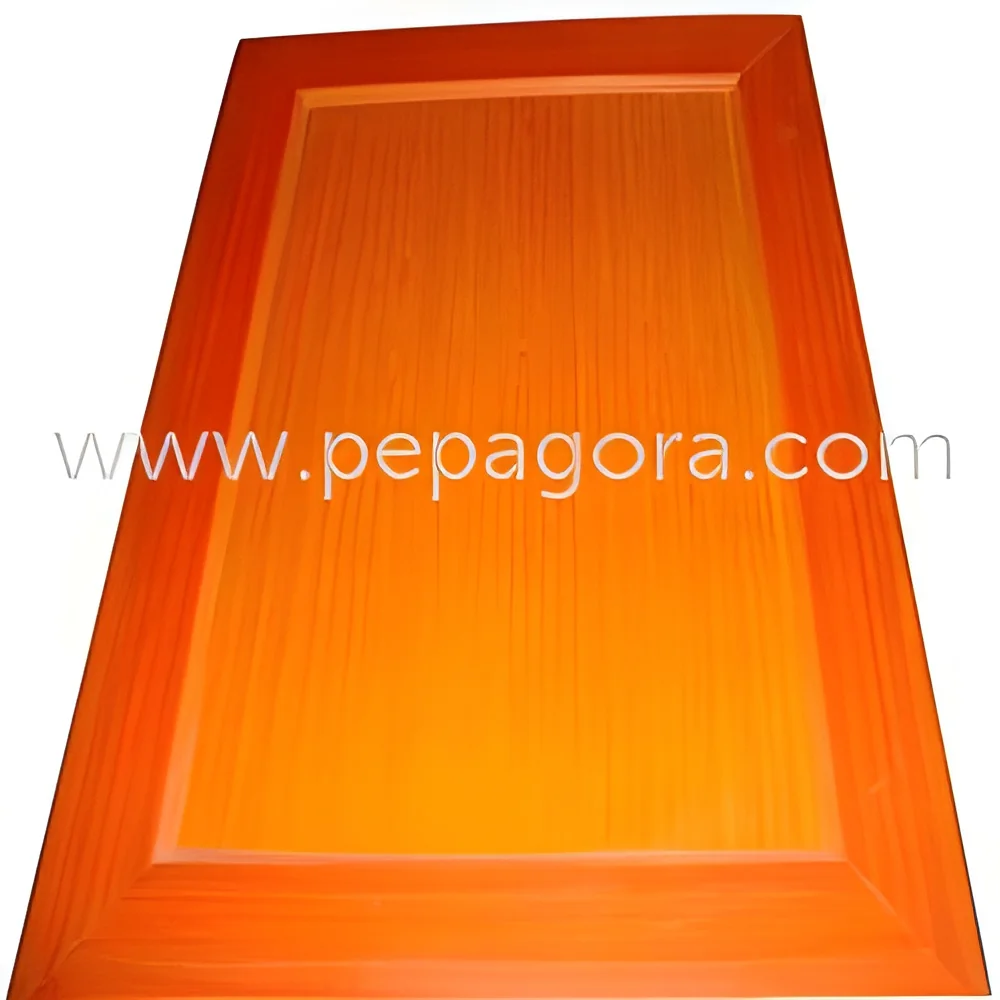
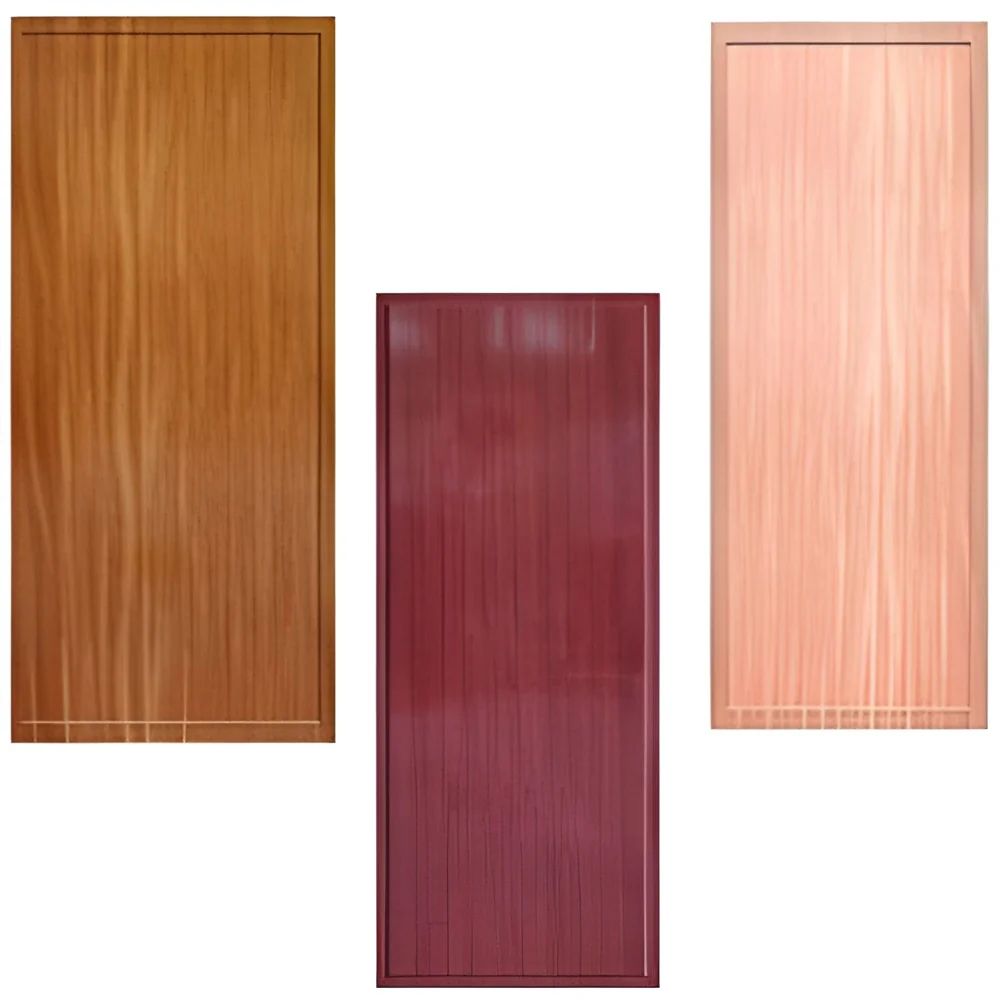
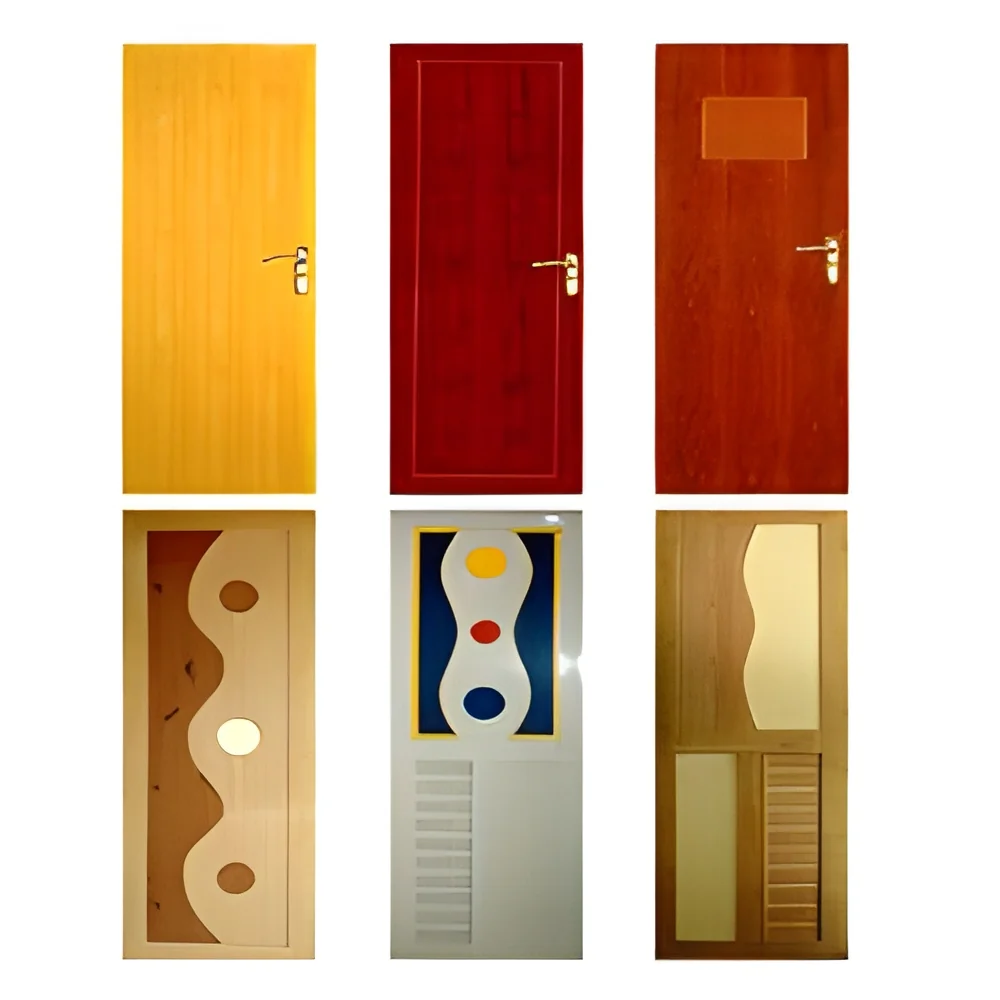
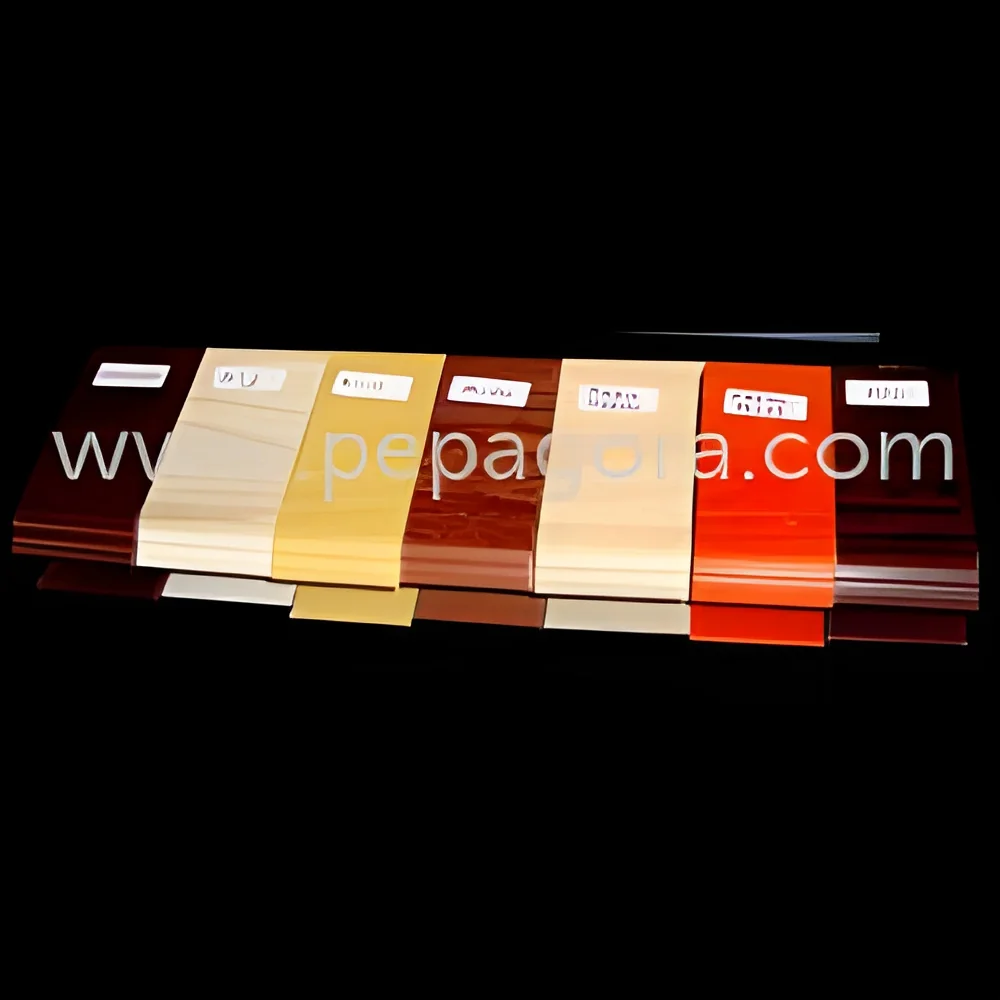
PVC doors offer a multitude of features that cater to both functionality and design preferences. These doors are available in various styles, colors, and finishes, allowing for customization to suit any project requirement. Their resistance to fading and cracking ensures that they maintain their appearance over time, making them a long-lasting investment.
Key specifications include:
1. Material Composition
- Made from high-quality polyvinyl chloride
- Resistant to moisture, rot, and insects
2. Thermal Insulation
- Excellent thermal performance
- Helps reduce energy costs
3. Weight
- Lightweight construction for easy handling
- Simplifies installation processes
4. Fire Resistance
- Certain models offer fire-rated options
- Complies with safety standards
5. Sound Insulation
- Effective soundproofing capabilities
- Ideal for residential and commercial use
6. Customization Options
- Available in various colors and finishes
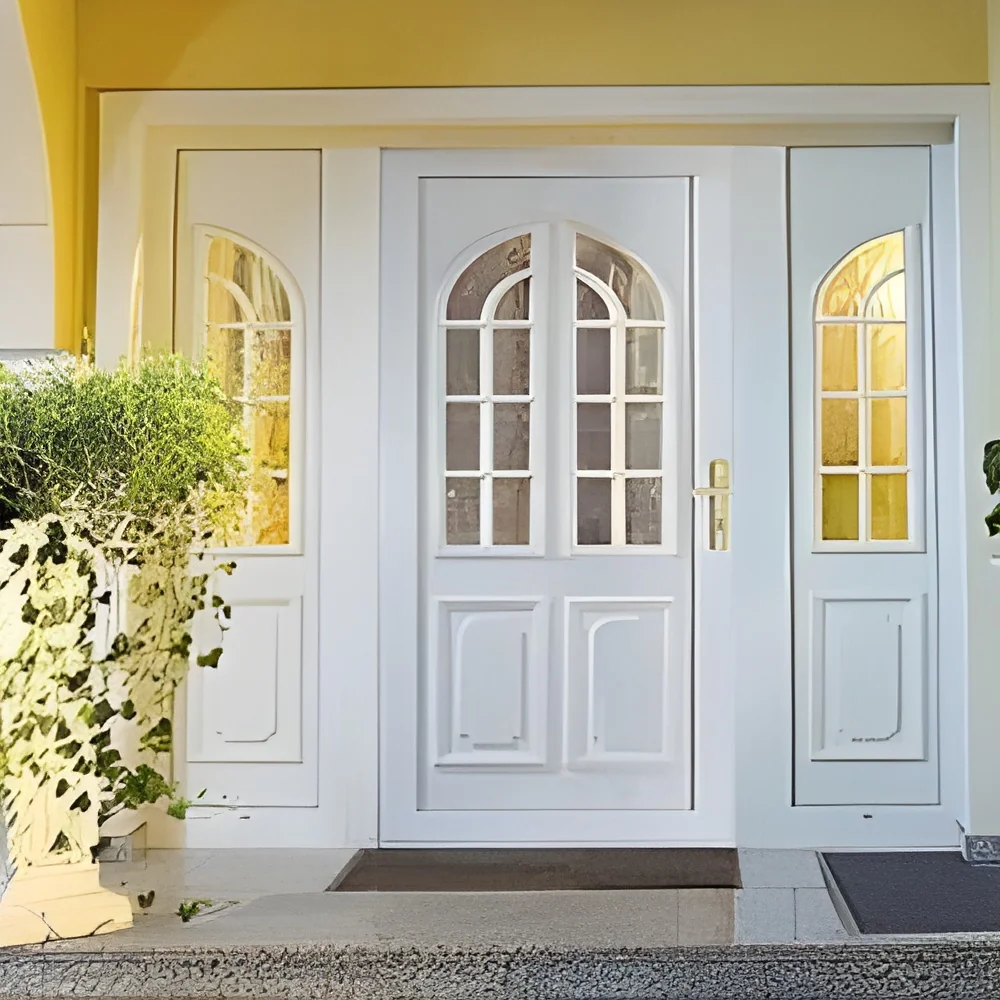
- Options for glass inserts or decorative designs
7. Maintenance Requirements
- Low maintenance, easy to clean
- Resistant to stains and dirt accumulation
8. Environmental Impact
- Recyclable material
- Contributes to sustainable building practices
PVC doors combine aesthetic appeal with practical advantages, making them a smart choice for a variety of applications.
Common Applications and Use Cases
PVC doors have a diverse range of applications across different industries, showcasing their versatility and functionality.
1. Residential Construction: In homes, PVC doors are often used for front entrances, back doors, and interior spaces. They provide security, insulation, and aesthetic appeal.
2. Commercial Buildings: Businesses utilize PVC doors for office spaces, conference rooms, and restrooms due to their durability and low maintenance.
3. Hospitality Industry: Hotels frequently install PVC doors in guest rooms and service areas, benefiting from their moisture resistance and design flexibility.
4. Healthcare Facilities: Hospitals and clinics opt for PVC doors in surgical rooms, patient wards, and laboratories, where hygiene and ease of cleaning are paramount.
5. Educational Institutions: Schools and universities employ PVC doors in classrooms and administrative offices for their practicality and safety features.
6. Retail Stores: Retail spaces use PVC doors for entrances and storage areas, taking advantage of their appearance and functionality.
7. Industrial Applications: Factories and warehouses utilize PVC doors for loading docks and internal divisions, providing a balance of durability and ease of access.
Product Variants and Subcategories
PVC doors are available in several variants, catering to specific needs and preferences.
Standard PVC Doors: These are the most common type, offering a basic design suitable for various applications. They come in multiple colors and styles, providing flexibility for different environments.
Fire-Rated PVC Doors: Designed to meet fire safety standards, these doors are used in commercial and industrial settings where fire safety is a priority. They undergo rigorous testing to ensure compliance.
Hollow Core PVC Doors: Lightweight and cost-effective, hollow core doors are ideal for interior applications. They provide good sound insulation while being easy to handle.
Solid Core PVC Doors: These doors offer enhanced durability and soundproofing, making them suitable for high-traffic areas or environments requiring additional noise control.
Benefits and Advantages
PVC doors provide numerous benefits that make them an attractive choice for various applications.
1. Durability: PVC doors are resistant to weather conditions, moisture, and pests, ensuring a long lifespan.
2. Low Maintenance: These doors require minimal upkeep, with simple cleaning needed to maintain their appearance.
3. Energy Efficiency: The thermal insulation properties help regulate indoor temperatures, leading to lower energy costs.
4. Cost-Effectiveness: PVC doors are generally more affordable than wood or metal alternatives, providing excellent value for money.
5. Aesthetic Variety: With various designs and colors available, PVC doors can complement any interior or exterior décor.
6. Safety Features: Many PVC doors come with fire ratings and security locks, adding an extra layer of safety for users.
Buying Guide for B2B Buyers
When sourcing PVC doors, it is essential for buyers to consider several factors to ensure they make informed decisions.
1. Quality Assessment: Evaluate the quality of PVC doors by checking for certifications and standards. Look for products that meet industry requirements for durability and safety.
2. Supplier Verification: Vet potential suppliers to ensure they have a reliable reputation. Check references, read reviews, and consider suppliers that offer warranties.
3. Pricing and MOQ: Understand the pricing structure and minimum order quantities (MOQ) required. Compare prices from multiple suppliers to ensure competitive rates.
4. Delivery and Lead Times: Discuss logistics with suppliers to determine delivery schedules and lead times. Plan ahead to avoid delays in project timelines.
5. Compliance Requirements: Ensure that the PVC doors meet local regulations and industry standards. This may include fire safety, environmental impact, and building codes.
Compliance and Certifications
When selecting PVC doors, it is crucial to consider relevant quality standards and certifications that ensure safety and reliability. ISO 9001 is a widely recognized standard that indicates a commitment to quality management. Compliance with HACCP (Hazard Analysis and Critical Control Points) may be particularly important in food-related industries, ensuring that materials used are safe and hygienic.
Additionally, the CE mark signifies that the product meets European safety and performance standards. This certification is essential for products sold in the European market, assuring buyers of compliance with safety regulations.
Safety testing requirements for PVC doors may include assessments for fire resistance, thermal insulation, and overall structural integrity. Regional compliance considerations should also be addressed, as different countries may have unique regulations regarding building materials.
Why Source PVC Doors from Pepagora?
Pepagora offers a trusted platform for sourcing PVC doors, providing several key advantages to B2B buyers.
Verified Supplier Network: Our platform connects buyers with a network of verified suppliers, ensuring that you receive high-quality products from reputable manufacturers. This network helps reduce the risk of purchasing substandard materials.
Streamlined RFQ Process: Pepagora simplifies the request for quotation (RFQ) process, allowing buyers to easily compare quotes from multiple suppliers. This efficiency helps in making quicker and more informed purchasing decisions.
Trade Assurance and Support: With trade assurance in place, buyers are protected against potential transaction risks. Pepagora offers support throughout the purchasing process, ensuring that buyers have assistance when needed.
Regional Coverage: Pepagora's reach extends across India, the Gulf Cooperation Council (GCC), and Southeast Asia. This broad geographic coverage enables buyers to access a wide range of suppliers and products tailored to their specific regions.
By choosing Pepagora, you can confidently source PVC doors that meet your business requirements while benefiting from a comprehensive support system.

 IN
IN