What are Wooden Frames & Architraves?
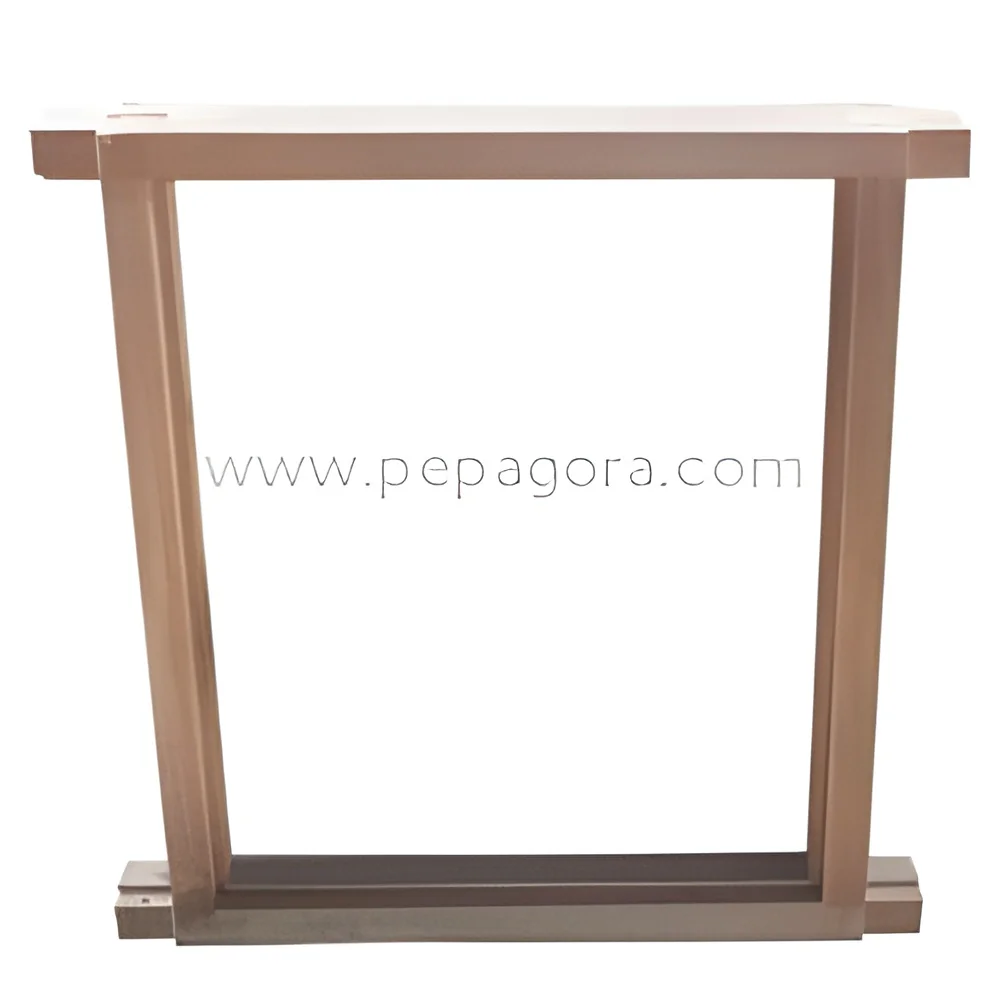
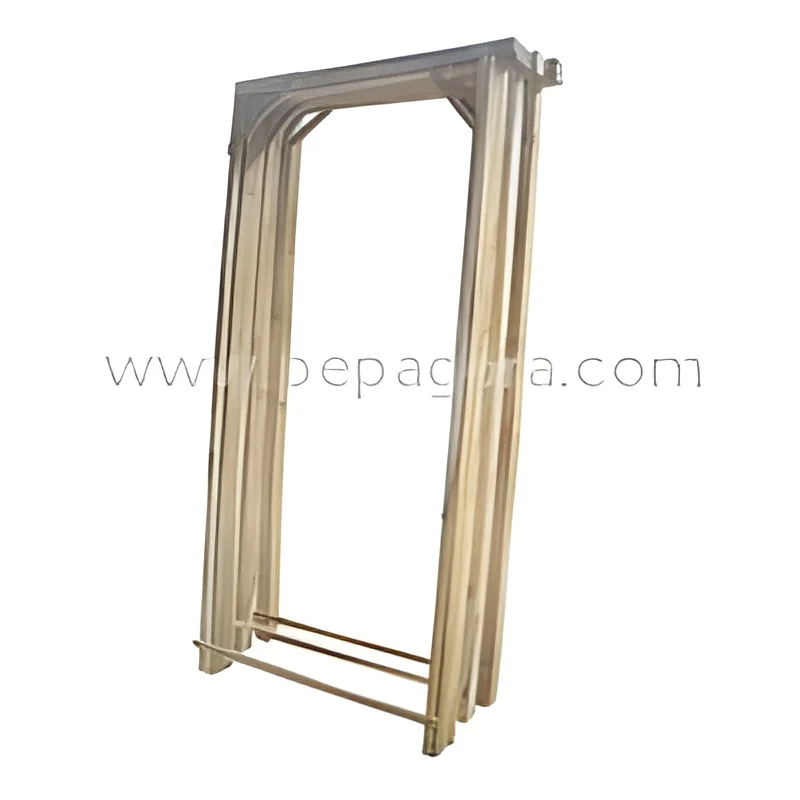
Wooden frames and architraves are essential components in construction and interior design. They are primarily used to encase doors and windows, providing structural support while enhancing aesthetic appeal. Wooden frames serve as the foundational structure, while architraves act as decorative moldings that cover the joints between the frame and the wall. Together, they create a polished look, adding character to both residential and commercial spaces.
These products find extensive application in various sectors, including residential construction, commercial buildings, and renovations. Builders and architects often choose wooden frames and architraves for their versatility, durability, and natural beauty. They can be customized to fit specific design requirements, making them suitable for a range of architectural styles. The market for these products continues to grow, driven by trends in interior design that favor natural materials and craftsmanship.
In the context of the industry, wooden frames and architraves represent a significant segment of the construction materials market. The demand for high-quality wooden products is rising, as consumers increasingly prioritize sustainability and aesthetic appeal in their building materials. This trend provides opportunities for suppliers and manufacturers to innovate and differentiate their offerings.
Key Features and Specifications
Wooden frames and architraves come with several features and specifications that make them suitable for various applications. Understanding these specifications helps buyers make informed decisions when selecting products for their projects.
Key specifications include:
1. Material Type
- Typically made from softwood or hardwood.
- Softwood options include pine and fir, while hardwood choices may feature oak or maple.
2. Finish Options
- Available in various finishes, including natural, stained, or painted.
- Finishing enhances durability and visual appeal.
3. Dimensions
- Customizable sizes to fit specific project needs.
- Common widths range from 2 to 6 inches, with varying thicknesses.
4. Profile Styles
- Different profile designs available, including flat, beveled, or ornate styles.
- Selection depends on architectural preferences.
5. Durability Ratings
- Rated for resistance to warping, splitting, and moisture damage.
- Suitable for both indoor and outdoor use based on treatment.
6. Installation Method
- Can be installed using nails, screws, or adhesive.
- Ease of installation varies based on design complexity.
7. Compliance with Standards
- Meets relevant building codes and safety standards.
- Important for ensuring product reliability.
8. Environmental Considerations
- Sourced from sustainably managed forests.
- Certification, such as FSC, may be available.
These features contribute to the functionality and attractiveness of wooden frames and architraves, making them a preferred choice for many construction and design projects.
Common Applications and Use Cases
Wooden frames and architraves serve diverse industries and applications. Their versatility makes them suitable for various settings and requirements.
1. Residential Construction: Used extensively in homes for doors and windows, providing both structural support and aesthetic appeal.
2. Commercial Buildings: Commonly utilized in office spaces and retail environments to frame entrances and exits, enhancing the overall design.
3. Renovation Projects: Frequently applied in remodeling efforts to update the look of existing structures while maintaining architectural integrity.
4. Hospitality Industry: Incorporated in hotels and restaurants to create inviting spaces with a warm, natural ambiance.
5. Educational Institutions: Used in schools and universities for classrooms and administrative offices, combining functionality with style.
6. Government Buildings: Employed in municipal and federal buildings to reflect tradition and stability through classic design elements.
7. Specialty Applications: Custom frames and architraves can be created for unique projects such as museums, galleries, and historical restorations.
Product Variants and Subcategories
Wooden frames and architraves exhibit a range of variants that cater to different design needs and preferences. The diversity in product offerings allows for tailored solutions in various projects.
Standard Frame Design
This variant features traditional styles that suit classic architectural designs. It often includes detailed moldings that enhance the overall aesthetic.
Contemporary Frame Design
Characterized by sleek lines and minimalistic profiles, this variant is ideal for modern architectural applications. It complements contemporary interiors while providing functionality.
Rustic Frame Design
Emphasizing a natural, rugged appearance, this variant often includes distressed finishes that appeal to those seeking a farmhouse or vintage look.
Custom Frame Solutions
Tailored to meet specific project requirements, custom frames can be designed in various styles, sizes, and finishes, accommodating unique architectural needs.
Benefits and Advantages
Sourcing wooden frames and architraves offers numerous advantages for businesses in construction and design. Understanding these benefits can help buyers appreciate their value.
1. Aesthetic Appeal: Wooden frames and architraves enhance the visual aspects of any space, providing warmth and character that other materials may lack.
2. Versatility: These products can be customized to fit different styles and applications, making them suitable for a wide range of projects.
3. Durability: High-quality wood products offer longevity when properly maintained, resisting wear and tear over time.
4. Sustainability: Many wooden frames and architraves are sourced from sustainably managed forests, appealing to environmentally conscious consumers.
5. Easy Installation: Most products are designed for straightforward installation, reducing labor costs and time on job sites.
6. Cost-Effectiveness: Competitive pricing in the market allows buyers to find quality frames and architraves that fit their budgets without compromising on quality.
Buying Guide for B2B Buyers
When sourcing wooden frames and architraves, buyers should consider various factors to ensure they select the right products for their needs. This will help streamline the purchasing process and improve project outcomes.
1. Quality Assessment: Evaluate the quality of the wood, paying attention to grain, finish, and any signs of defects. High-quality materials lead to better performance and aesthetics.
2. Supplier Verification: Conduct thorough vetting of suppliers to ensure reliability and product consistency. Check for reviews, references, and any certifications that indicate trustworthiness.
3. Pricing and MOQ: Understand the pricing structure and minimum order quantities (MOQ) to align purchases with budget constraints and project requirements.
4. Delivery and Lead Times: Confirm delivery schedules and lead times to plan projects effectively. Delays in receiving materials can impact timelines.
5. Compliance Requirements: Ensure that products meet relevant local and international building codes and safety standards. Compliance is crucial for legal and safety reasons.
Compliance and Certifications
Compliance with quality standards and certifications is vital in the wooden frames and architraves industry. Various standards ensure that products meet safety, performance, and environmental criteria.
Relevant quality standards include ISO 9001, which focuses on quality management systems, ensuring that manufacturers maintain consistent quality in their products. Other standards, such as HACCP and GDP, may apply in specific contexts related to health and safety.
Industry certifications, such as CE marking, indicate compliance with European safety standards. This certification assures buyers that products meet essential health, safety, and environmental protection requirements.
Safety and testing requirements are critical for wooden products, as they must withstand various environmental factors. This includes resistance to moisture, pests, and fire. Meeting these requirements ensures that products perform effectively in their intended applications.
Regional compliance considerations may vary based on geographic location. Buyers should be aware of local regulations and standards when sourcing wooden frames and architraves to ensure compliance and avoid potential legal issues.
Why Source Wooden Frames & Architraves from Pepagora?
Pepagora provides a trusted platform for sourcing wooden frames and architraves, offering several key advantages to buyers.
Verified Supplier Network: Pepagora features a comprehensive network of verified suppliers, ensuring that buyers can access high-quality products from reliable sources. This verification process helps mitigate risks associated with sourcing.
Streamlined RFQ Process: The quotation system on Pepagora simplifies the procurement process. Buyers can easily submit requests for quotes (RFQs) and receive competitive pricing from multiple suppliers, enabling them to make informed purchasing decisions.
Trade Assurance and Support: Pepagora offers buyer protection through trade assurance, which safeguards transactions and ensures that buyers receive the products they ordered. This support builds confidence in the purchasing process.
Regional Coverage: With a strong presence in India, the GCC, and Southeast Asia, Pepagora provides extensive geographic reach. This allows buyers to access local suppliers while also connecting with international markets, enhancing sourcing opportunities.
By choosing Pepagora for wooden frames and architraves, businesses can benefit from a reliable sourcing platform that prioritizes quality, efficiency, and customer support.

 IN
IN