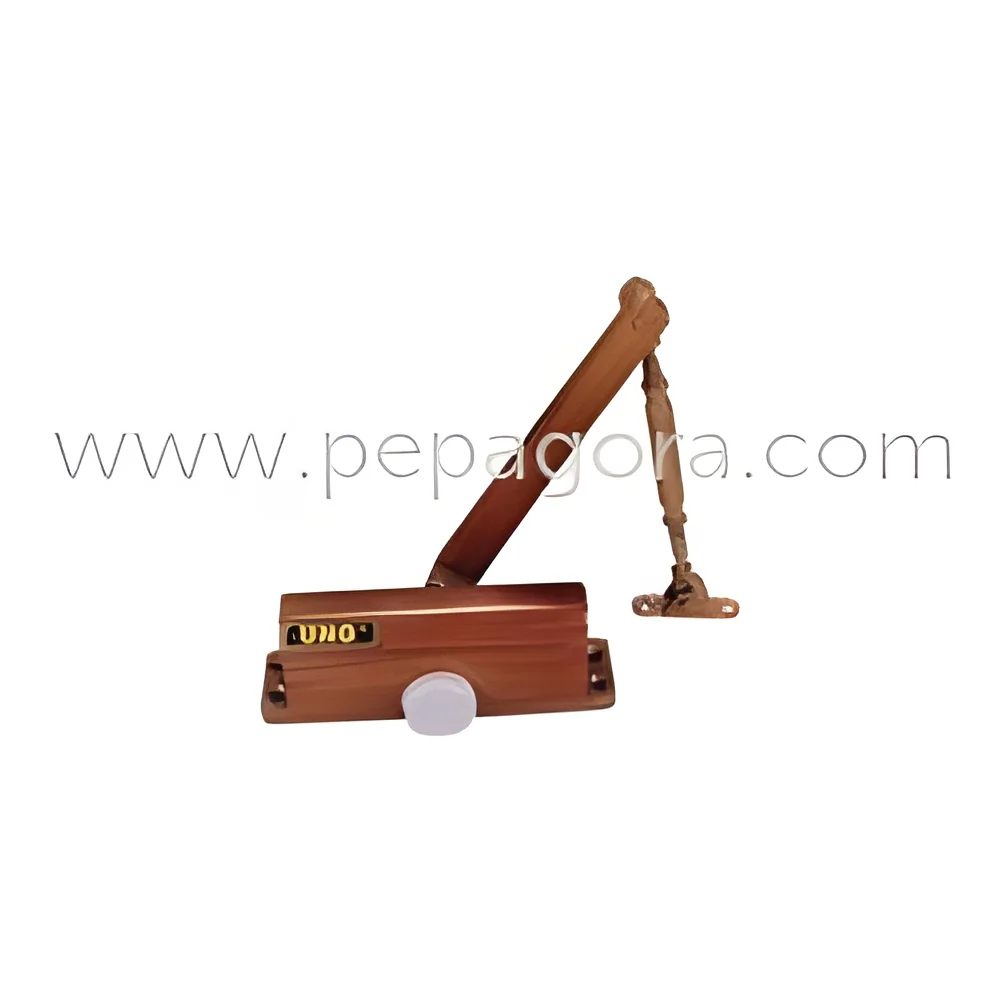
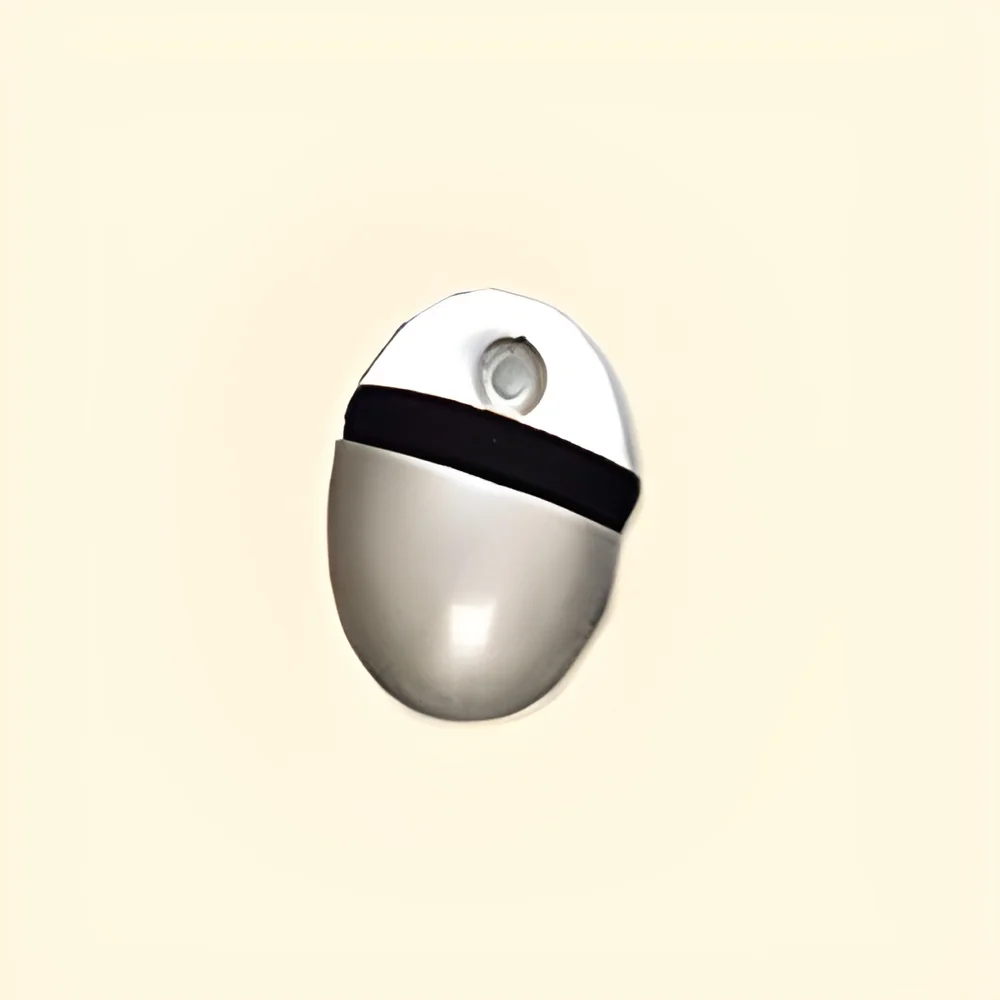
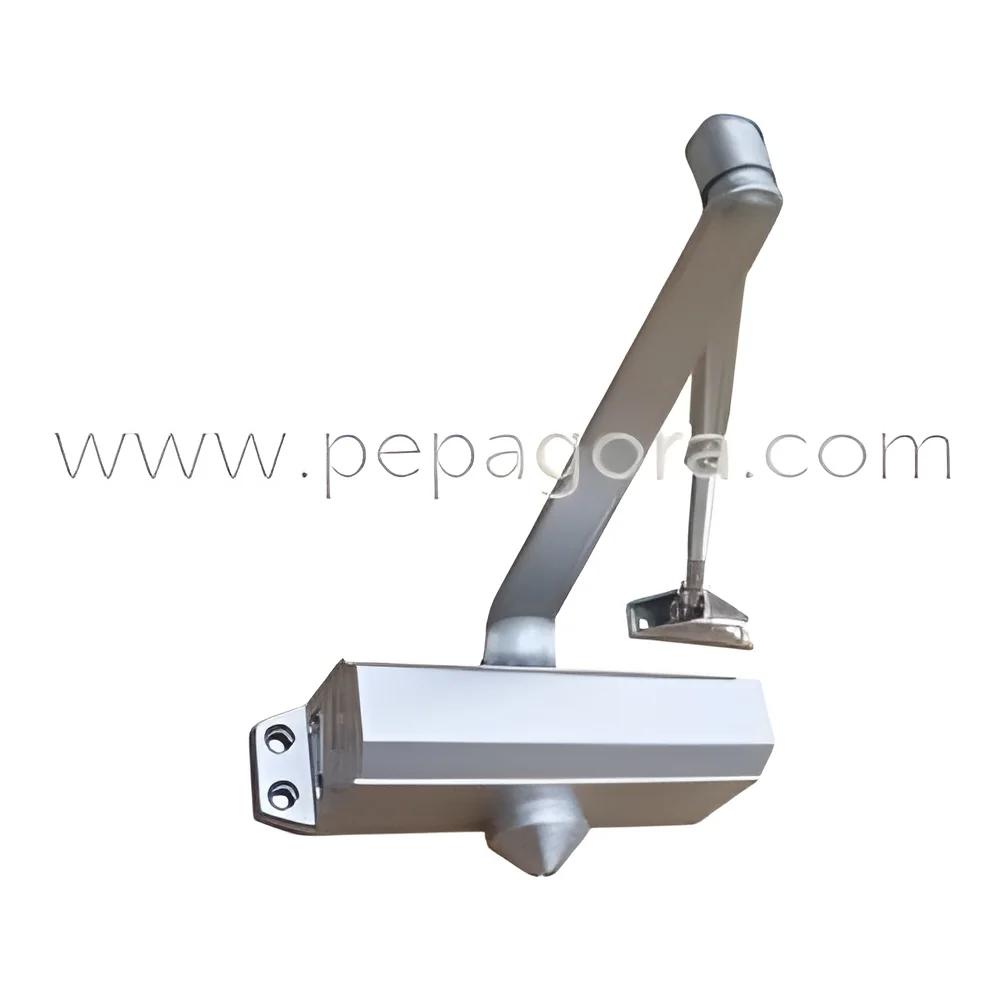
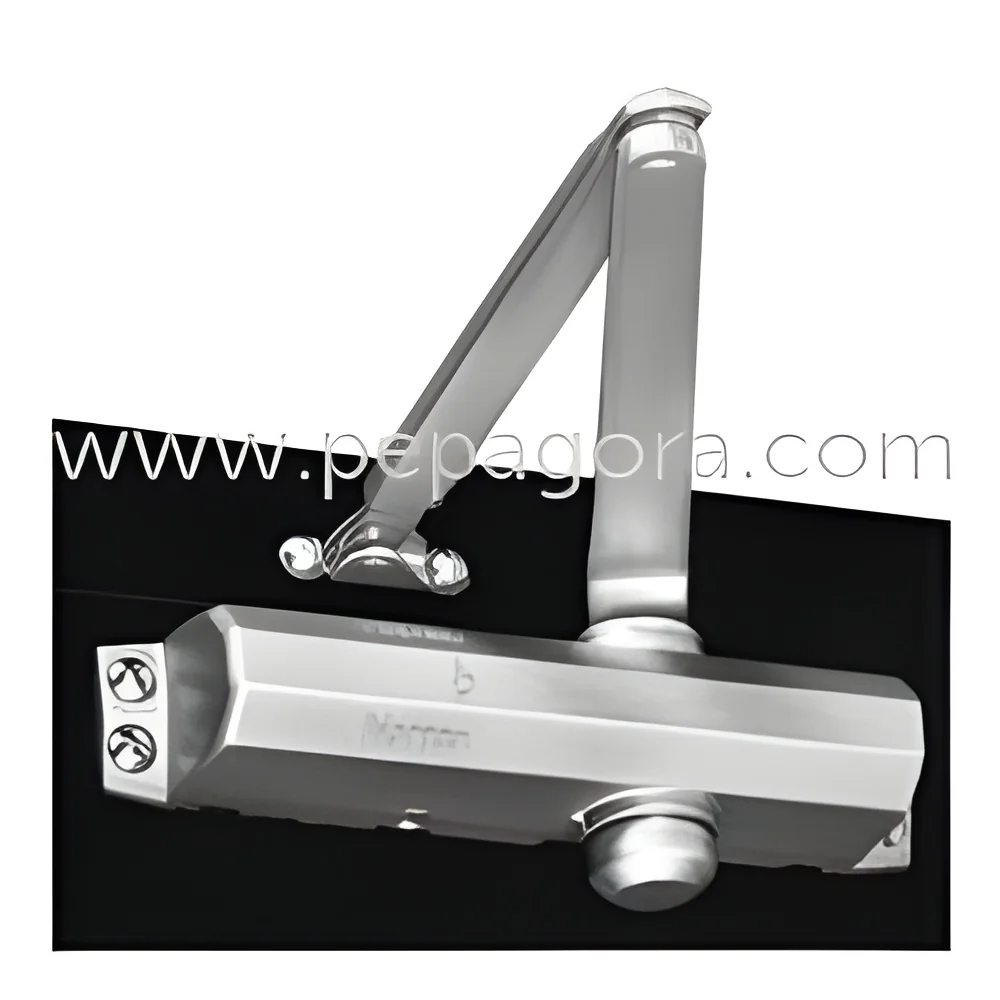
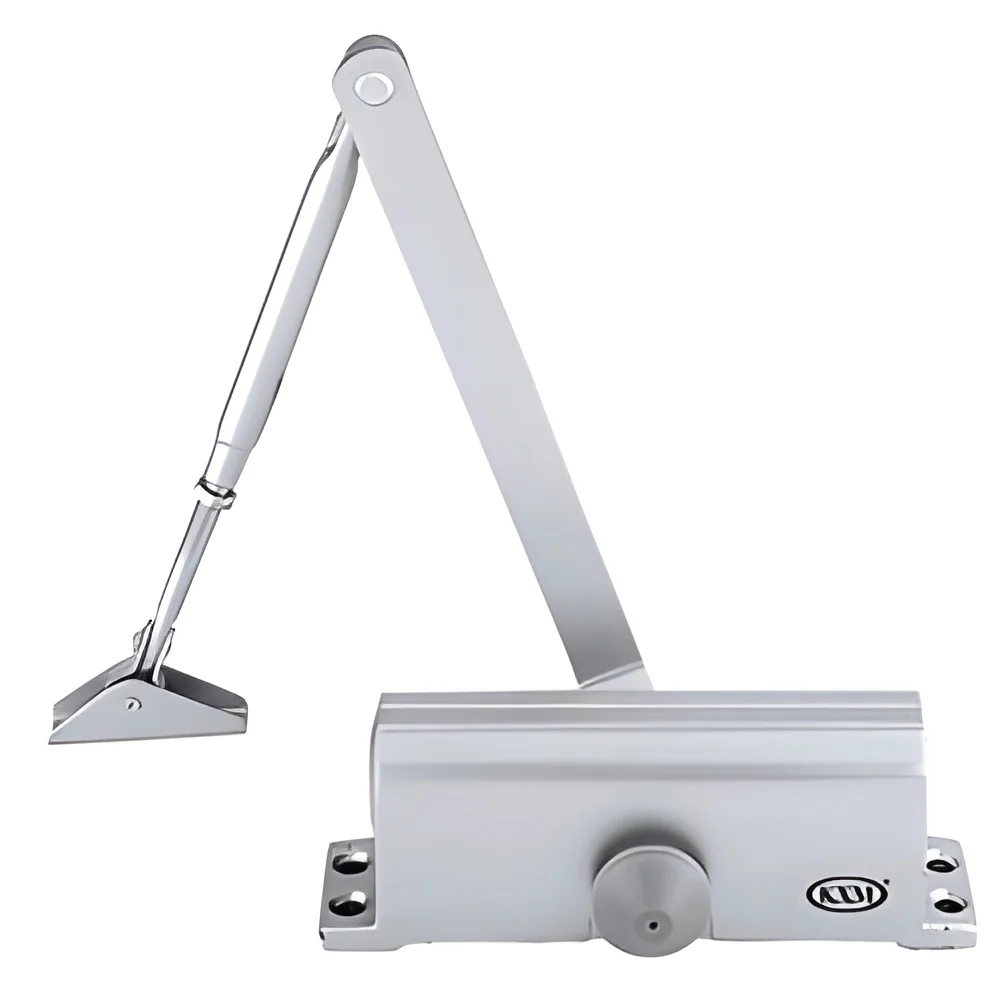
What are Door Closers & Stoppers?
Door closers and stoppers are essential hardware components designed to manage the movement of doors. Door closers ensure that doors close automatically after being opened, providing convenience and security. They help maintain temperature control, reduce noise, and enhance overall functionality. Stoppers, on the other hand, prevent doors from swinging too far or slamming shut, thereby protecting walls and furnishings from damage.
These products are widely used in commercial, industrial, and residential settings. In businesses, door closers are crucial for ensuring that doors remain secure when not in use, while stoppers are commonly found in high-traffic areas to manage door movement safely. Their applications extend to various environments, including offices, hospitals, schools, and retail spaces, where door management is essential for both functionality and safety.
The relevance of door closers and stoppers in various industries cannot be overstated. With a growing emphasis on safety and energy efficiency, the demand for these products continues to rise. As businesses look for reliable solutions to enhance their operations and protect their assets, door closers and stoppers play a vital role in meeting these needs.
Key Features and Specifications
Door closers and stoppers come with a range of features that cater to different applications and environments. Understanding these specifications is crucial for selecting the right product for your needs.
Key specifications include:
1. Closing Force
- Measured in Newtons, this specification indicates the strength with which the door will close.
- Typical ranges are from 30 to 120 Newtons, depending on door weight and size.
2. Adjustable Closing Speed
- Allows users to customize the speed at which the door closes.
- Usually features two-speed adjustments: one for the initial closing and another for the last few inches.
3. Hold Open Feature
- Enables the door to remain open at a specific angle until manually closed.
- Commonly used in high-traffic areas to allow easy passage.
4. Material Composition
- Door closers are typically made from aluminum, brass, or stainless steel.
- Material choice impacts durability and aesthetic appearance.
5. Mounting Types
- Includes surface-mounted, concealed, and overhead options.
- Selection depends on the installation environment and design preferences.
6. Compliance Standards
- Many products comply with international safety standards, such as CE certification.
- Ensures that products meet quality and performance benchmarks.
7. Temperature and Humidity Resistance
- Designed to operate effectively in various environmental conditions.
- Important for outdoor applications or locations with varying climates.
8. Warranty Period
- Typically ranges from 1 to 5 years, depending on the manufacturer.
- Indicates the expected lifespan and reliability of the product.
In summary, selecting the right door closers and stoppers requires careful consideration of these specifications. Understanding the features helps businesses choose products that align with their operational needs and safety requirements.
Common Applications and Use Cases
Door closers and stoppers serve a variety of industries, demonstrating their versatility and importance.
1. Hospitality Industry: In hotels and restaurants, door closers ensure guest room doors close securely, while stoppers help maintain open doors during busy service times.
2. Healthcare Facilities: Hospitals require door closers for patient rooms and emergency exits to ensure safety and efficiency, while stoppers prevent damage in high-traffic areas.
3. Educational Institutions: Schools benefit from door closers that allow for easy access while maintaining security. Stoppers protect walls from damage caused by swinging doors.
4. Retail Spaces: In stores, door closers help control air conditioning costs by ensuring doors close automatically, and stoppers keep doors open for easy customer access.
5. Office Buildings: Door closers in corporate environments enhance security and privacy, while stoppers prevent damage to furnishings in conference and meeting rooms.
6. Industrial Facilities: Factories and warehouses use heavy-duty door closers to manage large doors, while stoppers protect equipment and workspace from door damage.
7. Residential Buildings: Homeowners utilize door closers for convenience and safety, particularly for children and pets, while stoppers prevent doors from slamming shut.
Product Variants and Subcategories
Door closers and stoppers are available in various configurations to meet diverse needs.
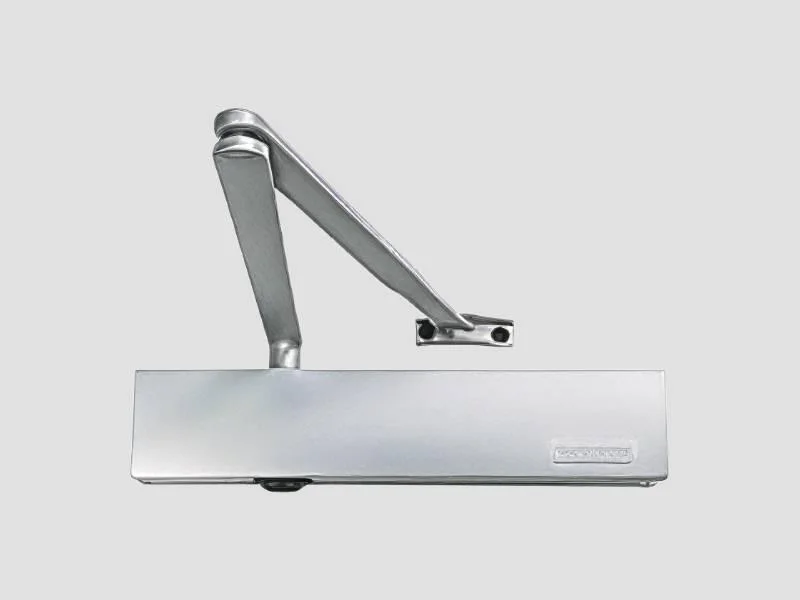
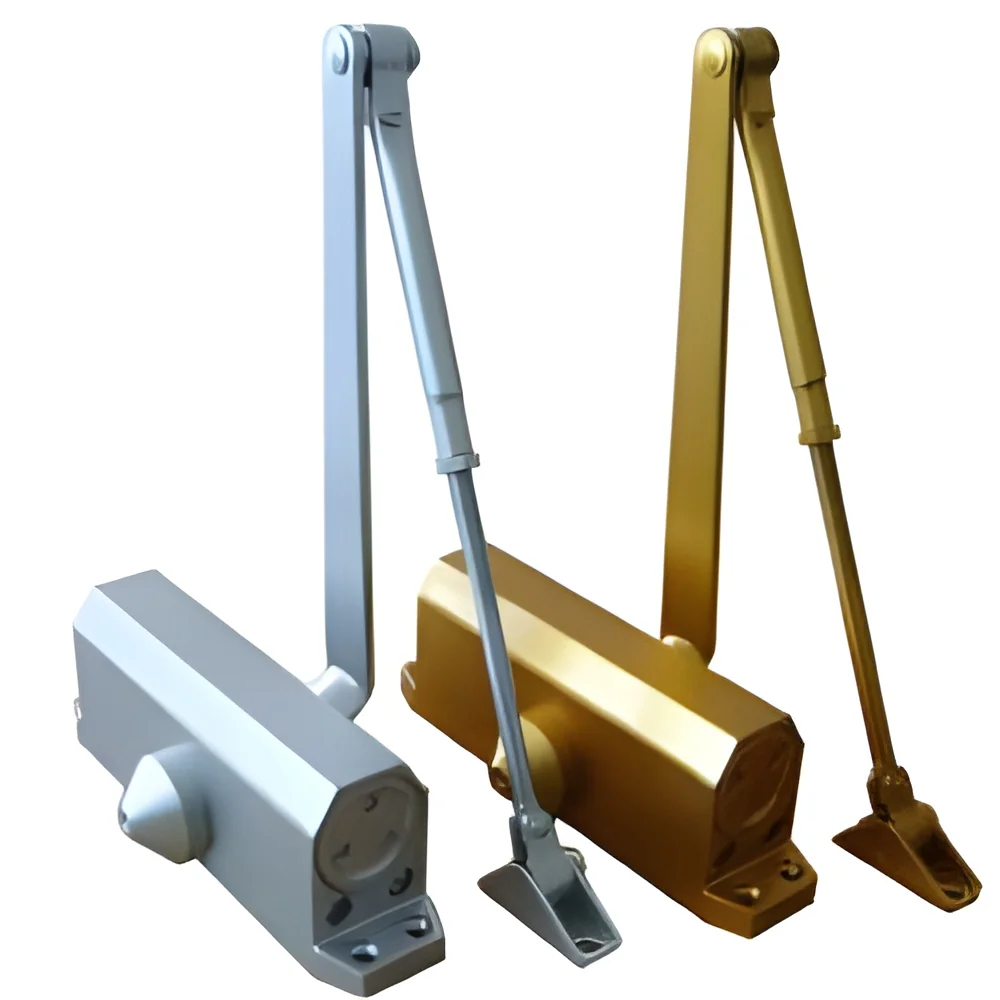
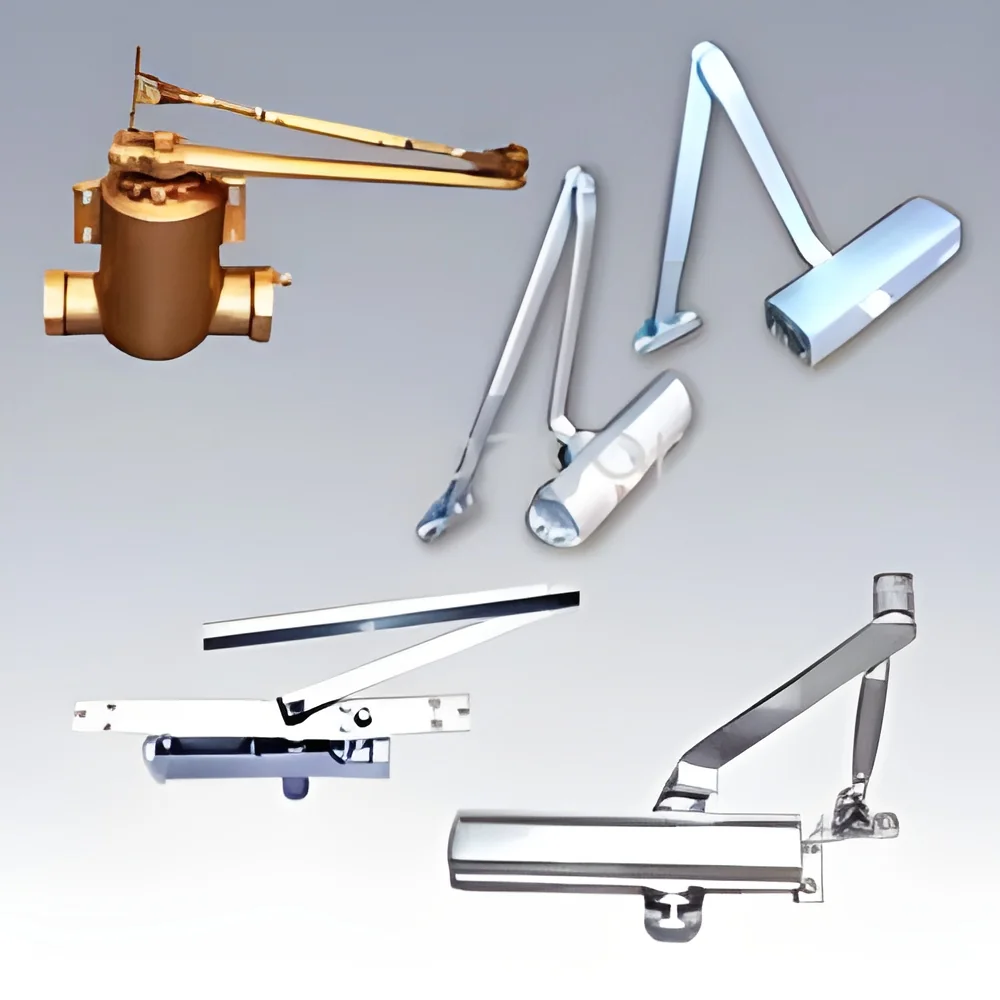
Surface-Mounted Door Closers: These are the most common type, mounted on the door's surface. They are easy to install and adjust, making them suitable for a wide range of commercial and residential applications.
Concealed Door Closers: Installed within the door frame, these closers offer a clean aesthetic by hiding the hardware. They are ideal for high-end installations where design is a priority.
Overhead Door Closers: Suitable for larger doors, these closers are mounted above the door. They provide reliable operation for heavy doors in industrial settings.
Spring-Loaded Stoppers: These stoppers use a spring mechanism to absorb impact and prevent doors from damaging walls. They are popular in both commercial and residential environments.
Magnetic Stoppers: These innovative devices use magnets to hold doors open without the need for traditional hardware. They are ideal for modern architectural designs.
Benefits and Advantages
Investing in quality door closers and stoppers offers numerous advantages for businesses.
1. Enhanced Safety: Automatic door closers reduce the risk of accidents and injuries by ensuring doors close securely, protecting employees and visitors.
2. Improved Energy Efficiency: By preventing drafts, door closers help maintain temperature control, leading to reduced energy costs in heating and cooling.
3. Reduced Maintenance Costs: High-quality door closers and stoppers minimize damage to walls and furnishings, lowering repair and replacement expenses.
4. Increased Convenience: Automatic closing mechanisms allow for hands-free operation, improving accessibility in busy environments.
5. Customizable Functionality: Many models offer adjustable features, allowing businesses to tailor door operations to their specific needs.
6. Compliance with Regulations: Using certified door closers and stoppers ensures adherence to safety and building codes, mitigating legal risks.
Buying Guide for B2B Buyers
When sourcing door closers and stoppers, businesses should consider several important factors.
1. Quality Assessment: Evaluate the quality of materials and construction. Look for products that meet international standards for durability and performance.
2. Supplier Verification: Vet suppliers by checking their reputation, customer reviews, and compliance with industry certifications. A reliable supplier ensures consistent product availability.
3. Pricing and MOQ: Compare pricing across different suppliers while considering minimum order quantities. Ensure that costs align with your budget and project volume.
4. Delivery and Lead Times: Assess logistics capabilities to ensure timely delivery. Factor in lead times when planning installations or replacements.
5. Compliance Requirements: Understand regional regulations and compliance needs for door closing devices, ensuring that products meet legal safety standards.
Compliance and Certifications
Compliance and certifications are critical for door closers and stoppers. These products must adhere to various quality standards to ensure safety and reliability.
ISO 9001 is a widely recognized quality management standard. Manufacturers that comply with this standard demonstrate a commitment to continuous improvement and customer satisfaction.
CE certification indicates that products meet European safety, health, and environmental protection standards. This certification is essential for businesses operating in or exporting to European markets.
Additionally, safety and testing requirements may vary by region. It is essential for manufacturers to conduct thorough testing to ensure that their products perform as expected under various conditions.
Regional compliance considerations may include specific local regulations that govern the use of door closers and stoppers. Businesses should stay informed about these requirements to avoid potential penalties.
Why Source Door Closers & Stoppers from Pepagora?
Pepagora is a trusted platform for sourcing door closers and stoppers, providing several key advantages to buyers.
Verified Supplier Network: Pepagora connects businesses with a network of verified suppliers. This ensures that buyers can access high-quality products from reputable manufacturers.
Streamlined RFQ Process: The platform simplifies the request for quotation process, allowing buyers to receive competitive pricing from multiple suppliers quickly and efficiently.
Trade Assurance and Support: Pepagora offers buyer protection through trade assurance, ensuring that transactions are secure and that buyers receive the products as specified.
Regional Coverage: With a strong presence in India, the GCC, and Southeast Asia, Pepagora provides extensive geographic reach, enabling businesses to source locally and efficiently.
In conclusion, Pepagora stands out as a reliable source for door closers and stoppers, offering a comprehensive solution for businesses looking to enhance their operations with quality hardware.

 IN
IN