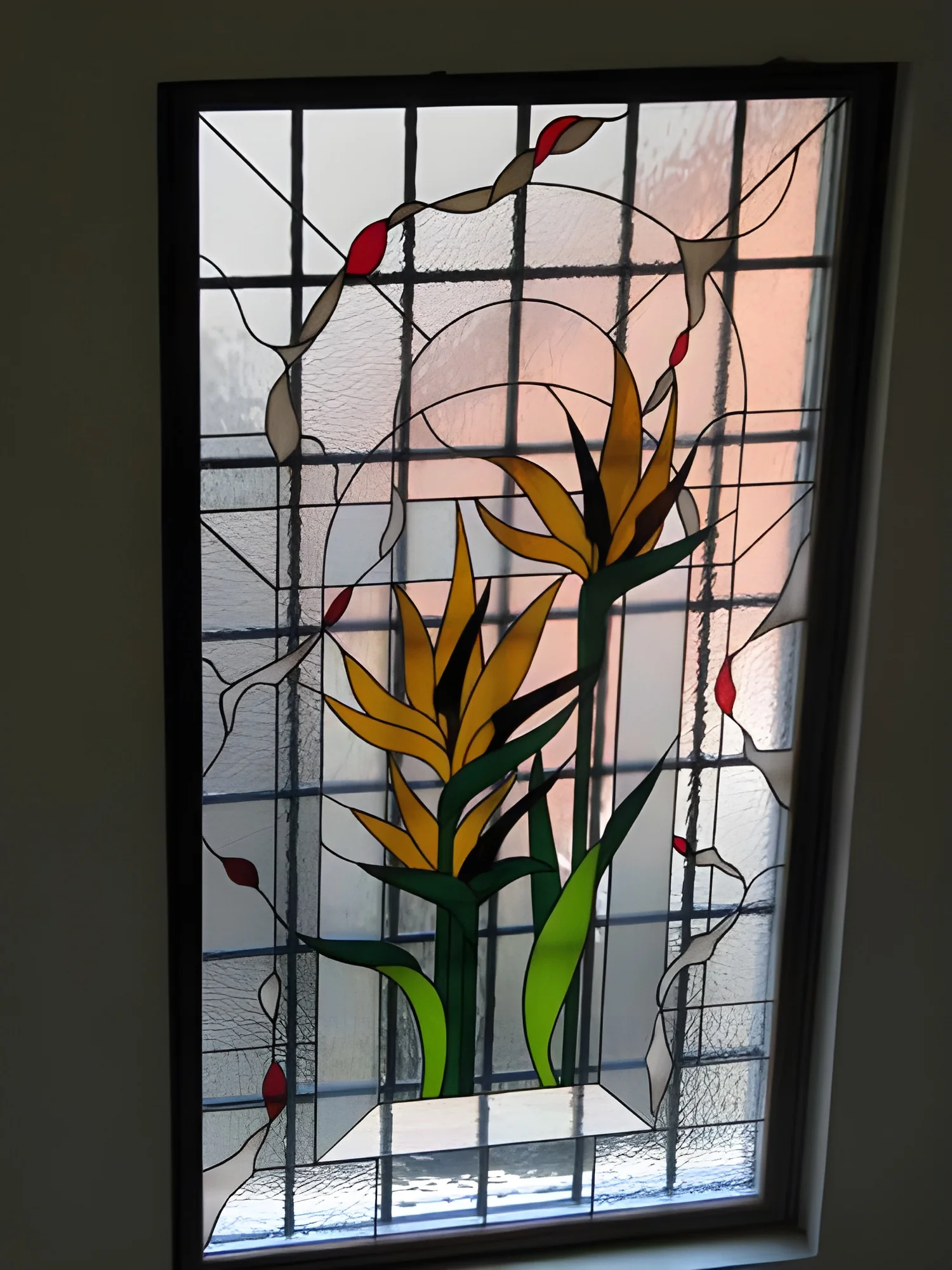
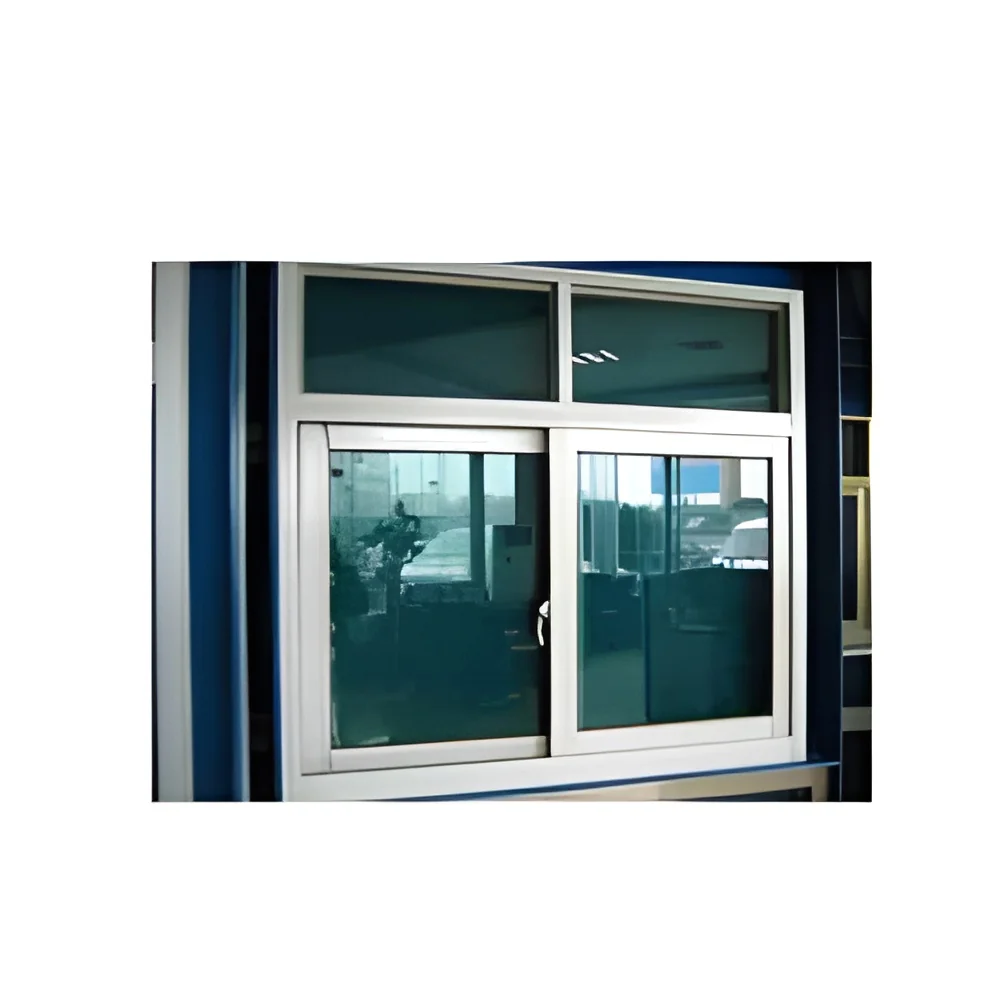
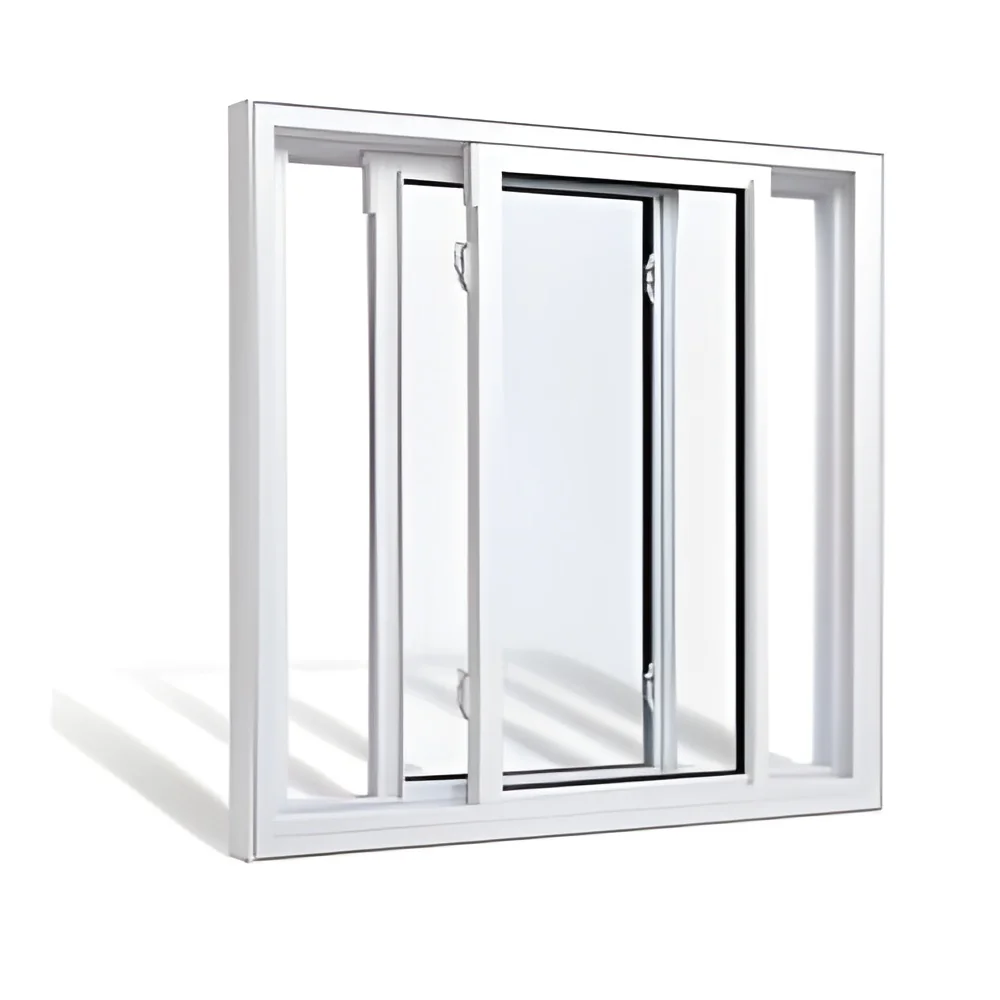
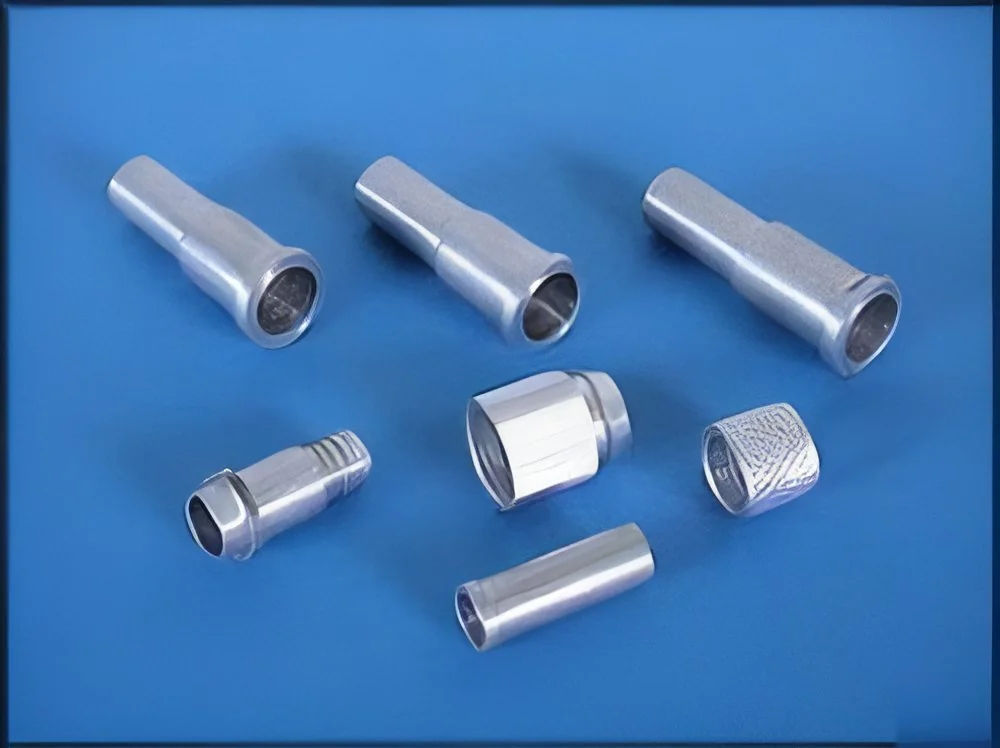
What are Door & Window Fabricators?
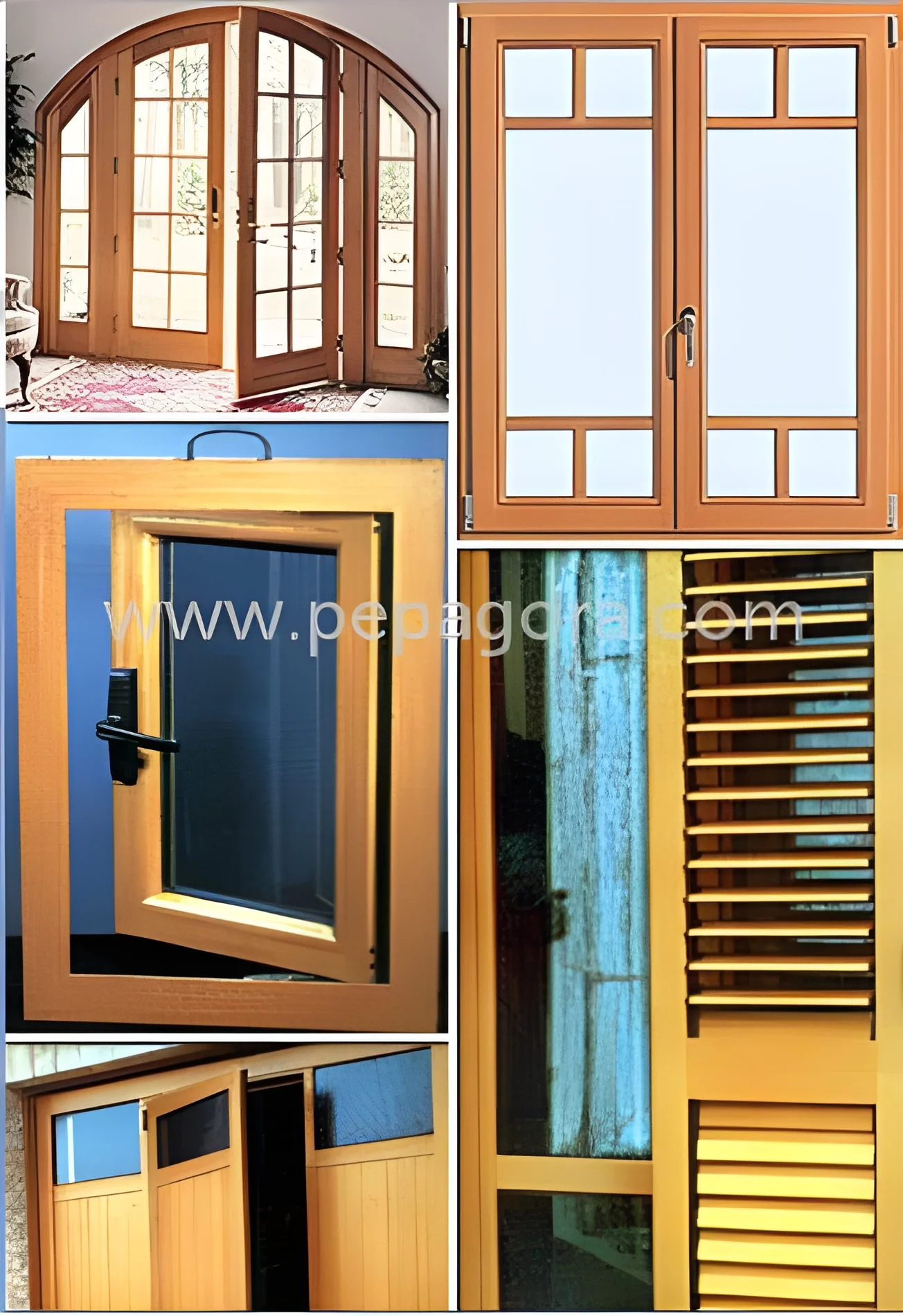
Door and window fabricators are specialized manufacturers that create various types of doors and windows tailored to meet specific industry requirements. These fabricators utilize a range of materials, including wood, metal, and glass, to produce high-quality products that cater to residential, commercial, and industrial applications. By employing advanced manufacturing techniques and technologies, these companies can ensure precision and durability in their offerings.
The primary uses of door and window fabricators include providing access, security, and natural light to buildings. They play a crucial role in construction and renovation projects, supplying essential components that contribute to a structure's aesthetic appeal and energy efficiency. Fabricators often work closely with architects, builders, and contractors to develop customized solutions that fit unique specifications and requirements.
In the current market context, the demand for door and window fabricators continues to grow due to an increase in construction activities and the rising focus on energy-efficient designs. As sustainability becomes a critical consideration for many industries, the fabricators that can offer innovative and eco-friendly products are likely to thrive in this competitive landscape.
Key Features and Specifications
Door and window fabricators offer a variety of features and specifications that are essential for ensuring product performance and quality. These specifications serve as a guideline for buyers to understand what to expect from different fabricators in the market.
Key specifications include:
1. Material Quality
- High-grade materials such as aluminum, PVC, and wood are used.
- Options available for corrosion resistance and weatherproofing.
2. Customization Options
- Ability to create bespoke designs based on client requirements.
- Availability of various finishes and colors.
3. Energy Efficiency Ratings
- Products may have specific energy ratings to indicate insulation properties.
- Compliance with energy efficiency standards can enhance building performance.
4. Durability and Lifespan
- Products designed to withstand environmental factors.
- Longevity of materials helps reduce replacement costs.
5. Security Features
- Incorporation of advanced locking mechanisms for enhanced security.
- Options for shatter-resistant glass to prevent break-ins.
6. Acoustic Insulation
- Design considerations that minimize noise pollution.
- Use of specially designed materials for soundproofing.
7. Weather Resistance
- Products engineered to endure extreme weather conditions.
- Testing conducted to ensure performance in rain, wind, and temperature variations.
8. Compliance with Safety Standards
- Adherence to national and international safety regulations.
- Certification from recognized bodies ensuring quality and reliability.
In summary, understanding these key specifications helps buyers make informed decisions when selecting door and window fabricators for their projects.
Common Applications and Use Cases
Door and window fabricators serve a wide array of industries, each with specific applications that leverage their expertise.
1. Residential Construction: Fabricators supply doors and windows for homes, enhancing security, aesthetics, and energy efficiency.
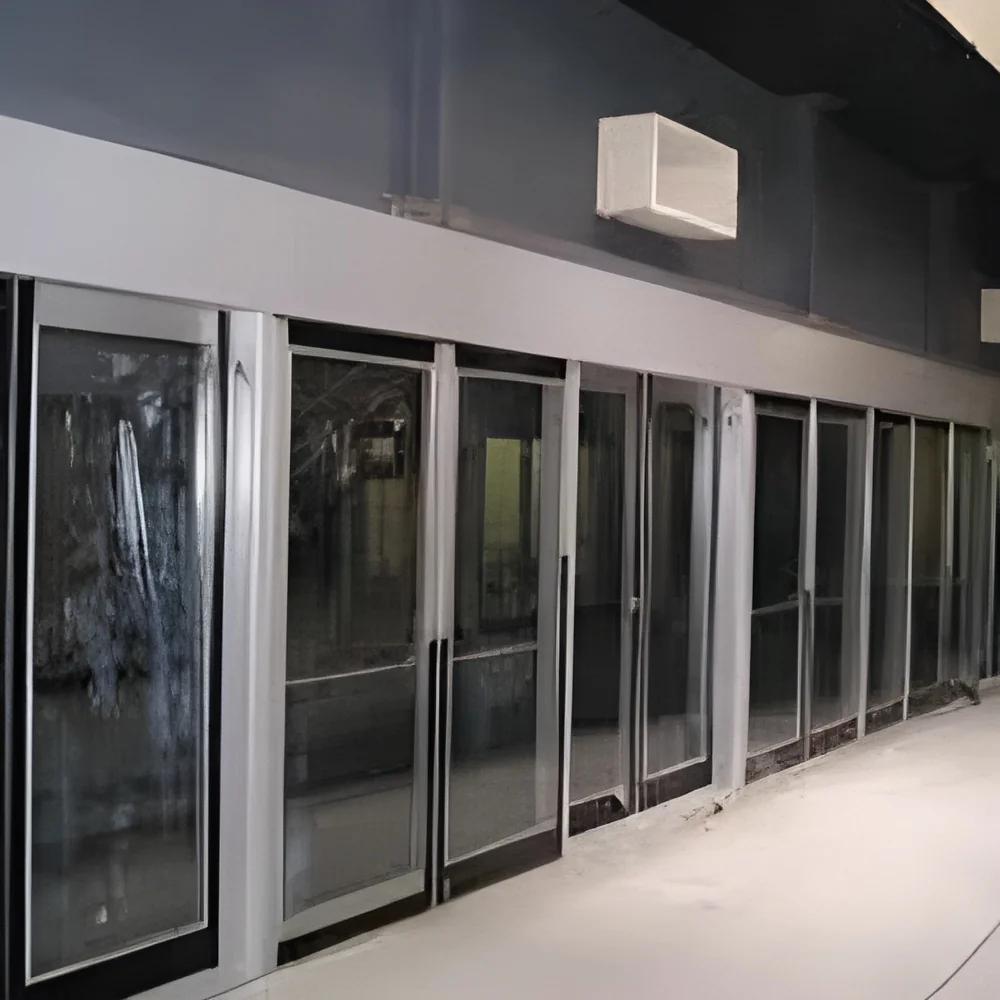
2. Commercial Buildings: These fabricators provide solutions for offices, retail spaces, and hospitality, focusing on durability and design appeal.
3. Industrial Facilities: Fabricators create heavy-duty doors and windows designed to withstand demanding environments, ensuring safety and functionality.
4. Healthcare Facilities: Specialized designs for hospitals and clinics require features that promote hygiene and patient comfort.
5. Educational Institutions: Fabricators offer products that enhance safety and energy efficiency in schools and universities.
6. Government Projects: Custom solutions are often needed for public buildings, ensuring compliance with regulations and historical preservation.
7. Renovation Projects: Fabricators assist in updating existing structures, maintaining architectural integrity while improving performance.
Product Variants and Subcategories
Door and window fabricators produce a diverse range of products to meet various market needs. Each variant is designed with specific features tailored to particular applications.
Aluminum Windows
Aluminum windows are lightweight yet strong, providing excellent thermal performance. They are resistant to corrosion, making them suitable for coastal areas. These windows are often used in commercial buildings due to their modern appeal.
Vinyl Doors
Vinyl doors offer energy efficiency and low maintenance. They come in various styles and colors, making them versatile for residential properties. Their resistance to fading and cracking under different weather conditions makes them an attractive choice.
Wood Entry Doors
Wood entry doors provide a classic and elegant look. They can be customized with different finishes and designs, enhancing the curb appeal of homes. These doors are valued for their insulation properties and aesthetic warmth.
Fiberglass Windows
Fiberglass windows are known for their strength and energy efficiency. They can mimic the appearance of wood while offering superior durability. These windows are ideal for high-performance residential and commercial applications.
Benefits and Advantages
Choosing the right door and window fabricators can provide numerous benefits that enhance project outcomes.
Key benefits include:
1. Enhanced Security: Quality fabricators provide products with advanced locking systems, improving safety for residential and commercial properties.
2. Improved Energy Efficiency: Energy-efficient designs help reduce heating and cooling costs, making buildings more sustainable.
3. Customization Flexibility: The ability to tailor products to specific needs allows for unique designs that fit various architectural styles.
4. Durability: High-quality materials lead to longer-lasting products, reducing the need for frequent replacements and maintenance.
5. Aesthetic Appeal: Well-designed doors and windows can enhance the overall look and feel of a building, increasing property value.
6. Compliance Assurance: Working with certified fabricators ensures that products meet necessary safety and regulatory standards.
Buying Guide for B2B Buyers
When sourcing door and window fabricators, several factors should be taken into consideration to ensure that you select a reliable supplier.
1. Quality Assessment: Evaluate the material quality and manufacturing processes used by the fabricator. Request samples and references to gauge the level of craftsmanship.
2. Supplier Verification: Conduct thorough research to verify the reputation and reliability of potential suppliers. Look for customer reviews and industry certifications.
3. Pricing and MOQ: Understand the pricing structure and minimum order quantities (MOQ) for the products you need. Compare quotes from multiple suppliers to ensure competitive pricing.
4. Delivery and Lead Times: Consider the logistics involved in sourcing your products, including delivery times. Ensure that the fabricator can meet your project deadlines.
5. Compliance Requirements: Ensure that the fabricator complies with relevant industry standards and regulations. This includes certifications for safety and quality assurance.
Compliance and Certifications
Compliance and certifications are crucial in the door and window fabrication industry. Products must meet various quality standards to ensure safety, reliability, and performance.
Relevant quality standards include ISO 9001, which sets the criteria for a quality management system. This ensures that manufacturers consistently provide products that meet customer and regulatory requirements.
The CE marking is significant in the European market, indicating that products meet EU safety, health, and environmental protection standards. This certification is essential for gaining trust in international markets.
Safety and testing requirements ensure that doors and windows can withstand environmental stresses and meet fire safety regulations. Regular testing for durability, thermal performance, and acoustic insulation is vital.
Regional compliance considerations may vary based on local laws and building codes. It is important for fabricators to stay updated on these regulations to ensure their products are compliant.
Why Source Door & Window Fabricators from Pepagora?
Pepagora offers a trusted platform for sourcing door and window fabricators, providing several key advantages that simplify the procurement process for businesses.
Verified Supplier Network: Pepagora connects buyers with a carefully vetted network of suppliers. This ensures that you are working with reputable fabricators who adhere to quality standards.
Streamlined RFQ Process: The platform offers an efficient request for quotation (RFQ) system. This allows buyers to easily communicate their needs and receive competitive quotations from multiple suppliers.
Trade Assurance and Support: Pepagora provides trade assurance to protect buyers from potential risks. This support ensures that you receive the products as promised and within the agreed timelines.
Regional Coverage: With a strong presence in India, the GCC, and Southeast Asia, Pepagora facilitates access to local and regional suppliers. This geographic reach allows businesses to find the right fabricators for their specific market needs.

 IN
IN