
 IN
Louvered Windows
8 products available
What are Louvered Windows?
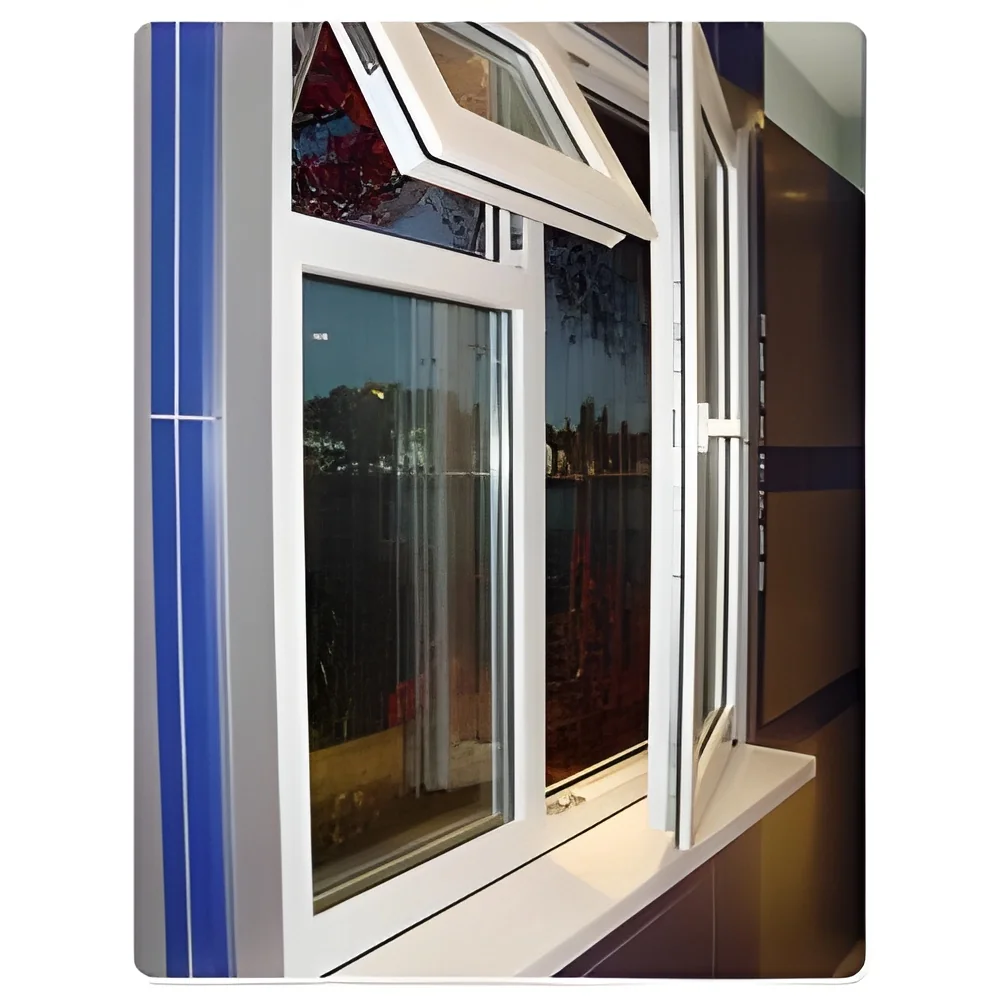
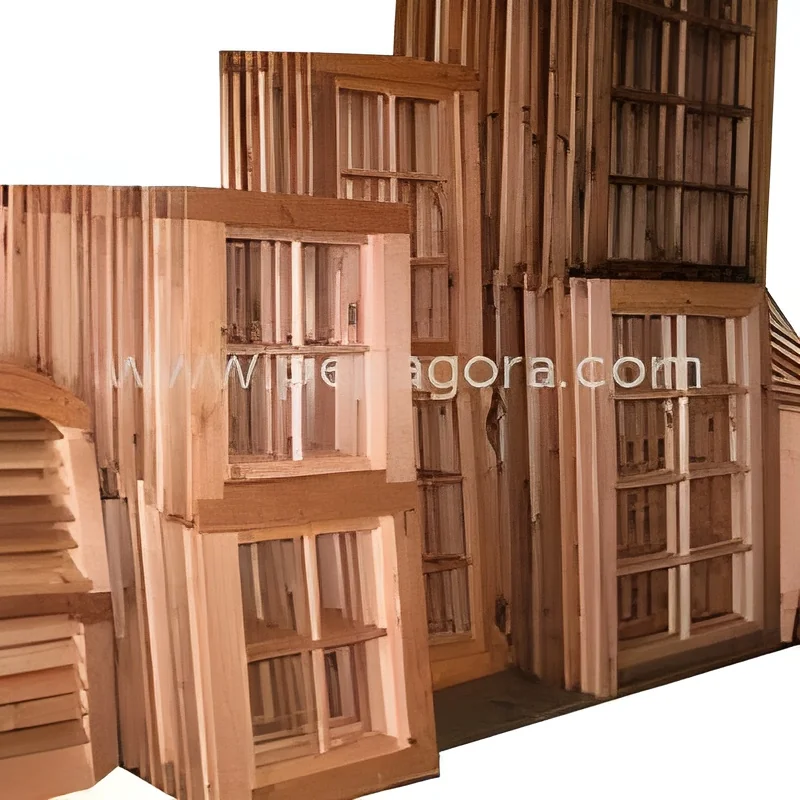
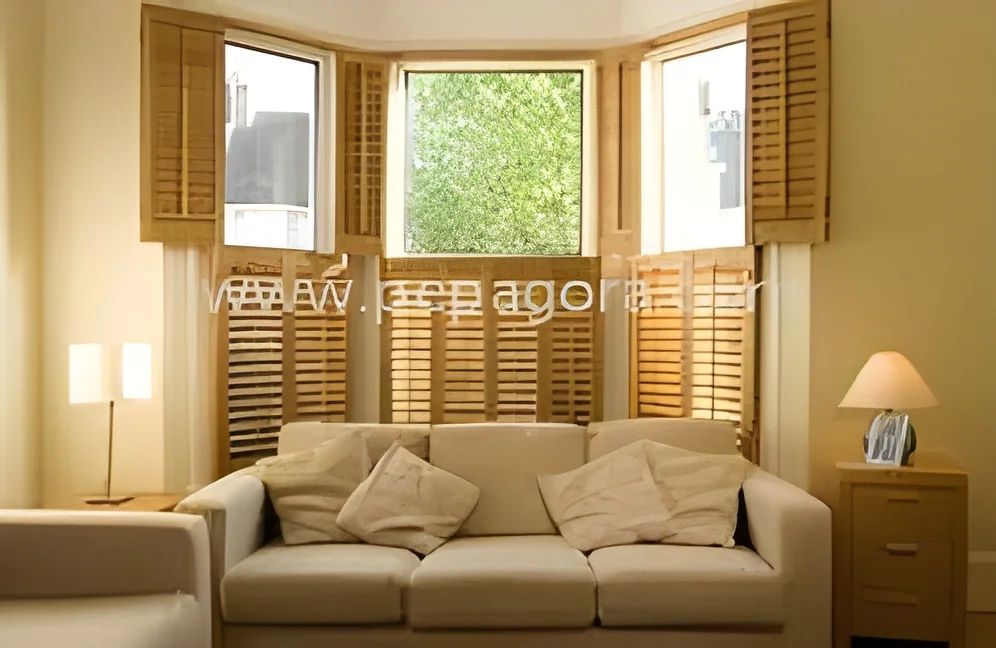
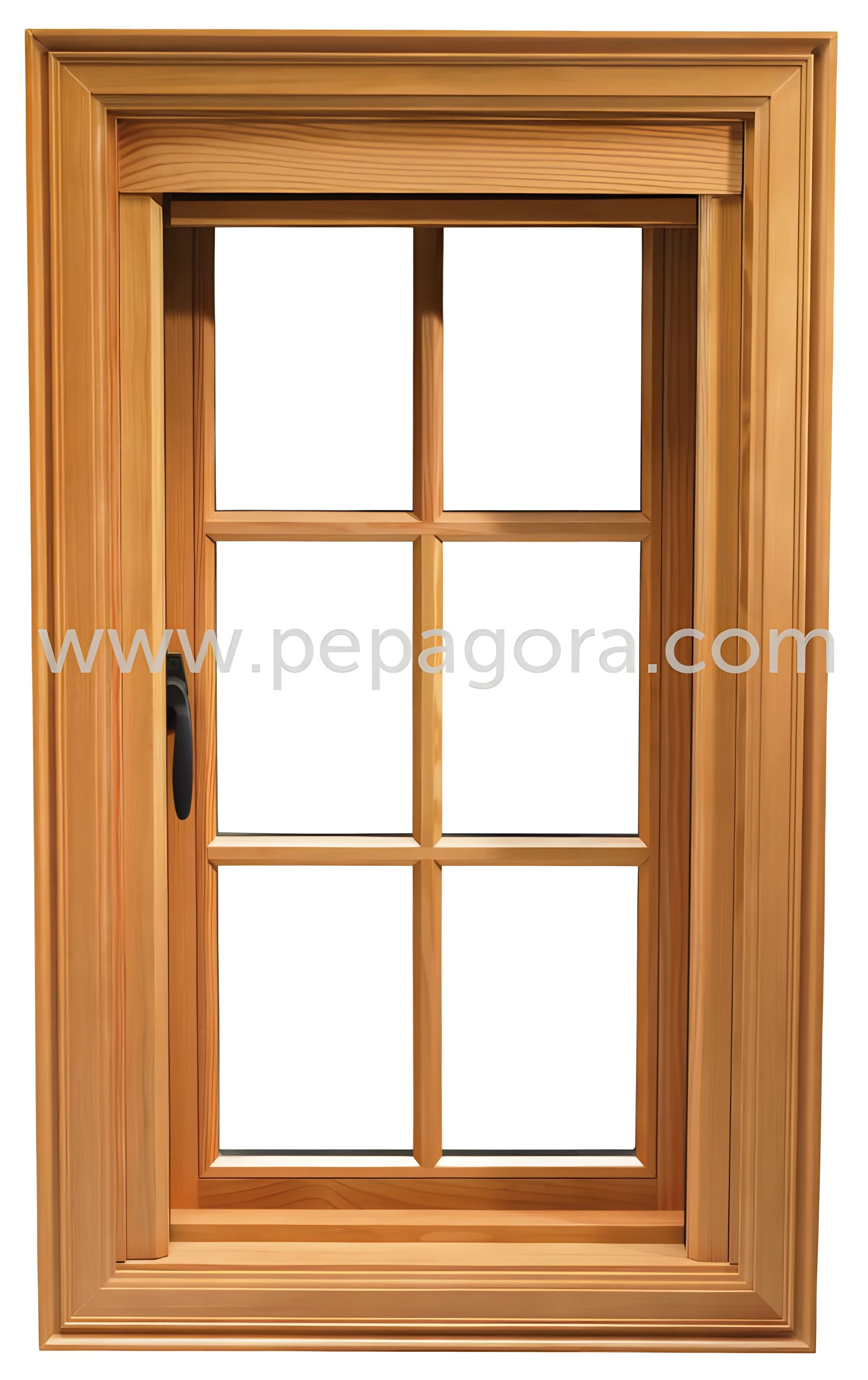
Louvered windows are a type of window design characterized by a series of horizontal slats or blades that can be adjusted to control airflow and light. The slats are typically made from materials such as aluminum, wood, or fiberglass, and they can be fixed or operable, allowing for customizable ventilation. This design not only enhances the aesthetic appeal of buildings but also promotes energy efficiency by enabling natural airflow without compromising security.
These windows are commonly used in various commercial and industrial applications, including warehouses, factories, and residential buildings. They are particularly valuable in environments where ventilation is crucial, such as agricultural facilities and manufacturing plants. By allowing fresh air to circulate while blocking direct sunlight and rain, louvered windows contribute to a comfortable indoor climate. In today’s market, they are increasingly relevant as businesses seek sustainable building solutions that reduce energy consumption and improve air quality.
Key Features and Specifications
Louvered windows offer a range of features that cater to both aesthetic and functional needs. These specifications define the performance and suitability of the windows for various applications.
Key specifications include:
1. Material Composition
- Typically made from aluminum, wood, or fiberglass.
- Each material offers different durability and aesthetic qualities.
2. Blade Angle Adjustment
- Slats can be adjusted to control light and airflow.
- Variability in angle ranges from 0 degrees to 90 degrees.
3. Size Options
- Available in various dimensions to fit different architectural designs.
- Custom sizing is often available to meet specific requirements.
4. Weather Resistance
- Designed to withstand various weather conditions, including rain and wind.
- Coatings may be applied for additional protection against corrosion.
5. Energy Efficiency Ratings
- Louvered windows can contribute to energy savings.
- Ratings may vary depending on material and design.
6. Installation Type
- Can be installed as operable or fixed units.
- Installation methods may vary based on building structure.
7. Security Features
- Options for locking mechanisms to enhance safety.
- Designs may include reinforced slats to deter unauthorized access.
8. Aesthetic Finish
- Available in various colors and styles to match building design.
- Custom finishes can enhance visual appeal.
In summary, understanding the key features and specifications of louvered windows is essential for making informed purchasing decisions.
Common Applications and Use Cases
Louvered windows are versatile and applicable in many industries.
1. Agriculture: In agricultural buildings, louvered windows improve ventilation in livestock facilities and greenhouses, promoting healthier environments.
2. Manufacturing: Factories utilize louvered windows to maintain air quality and temperature control in production areas, enhancing worker comfort and productivity.
3. Commercial Buildings: Retail and office spaces benefit from natural light and ventilation, reducing reliance on artificial lighting and air conditioning.
4. Residential: Homeowners can use louvered windows to enhance airflow and light in living spaces while maintaining privacy.
5. Healthcare: Hospitals and clinics utilize these windows to ensure proper airflow in patient areas, contributing to a healthier environment.
6. Hospitality: Hotels and resorts often incorporate louvered windows to enhance guest experience through improved ventilation and aesthetics.
7. Educational Institutions: Schools and universities use louvered windows in classrooms and common areas to promote a conducive learning environment.
Product Variants and Subcategories
Louvered windows come in various designs and configurations to meet diverse needs.
Fixed Louvered Windows
These windows feature slats that cannot be adjusted, providing a permanent solution for ventilation while filtering light. They are often used in areas where airflow is necessary but where security and weather protection are priorities.
Operable Louvered Windows
These windows allow users to adjust slats for personalized ventilation and light control. They are ideal for spaces where climate control is essential, offering flexibility to adapt to changing conditions.
Horizontal Louvered Windows
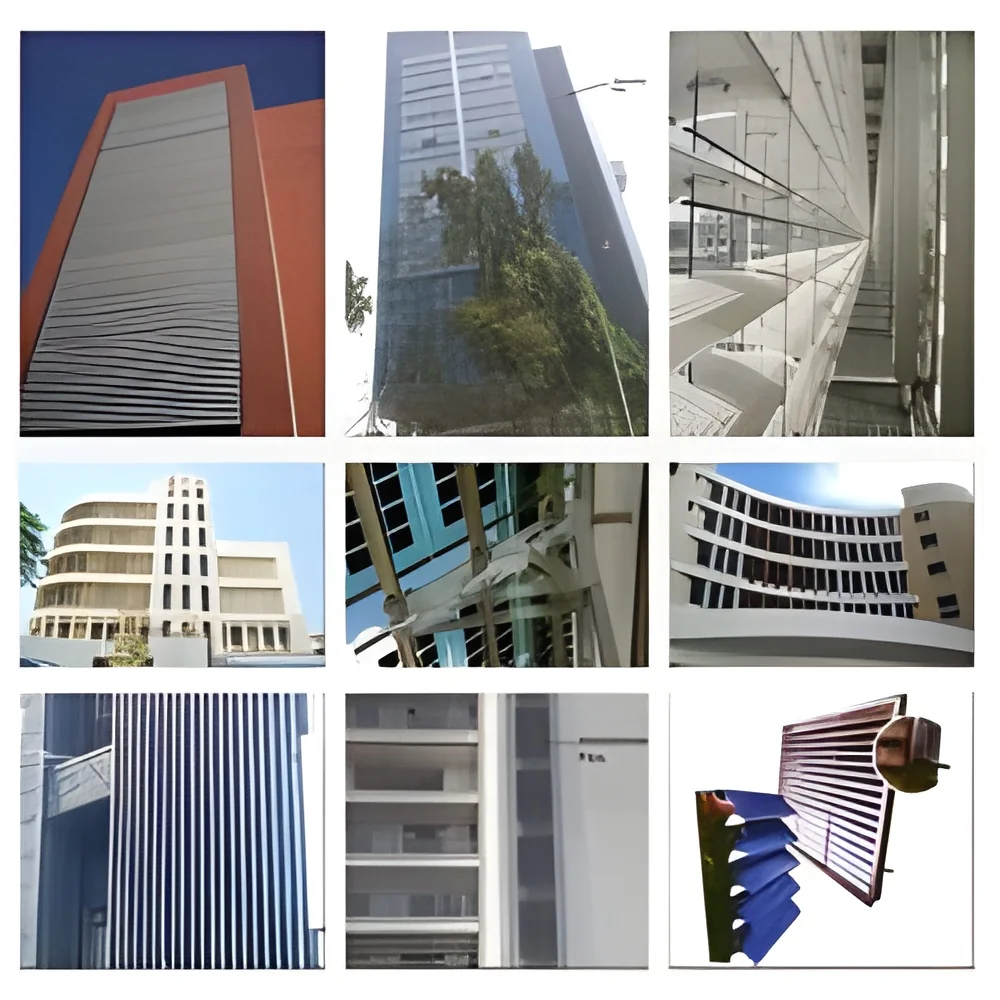
These windows are designed with horizontal slats, enhancing aesthetics while providing effective airflow. They are popular in modern architectural designs.
Vertical Louvered Windows
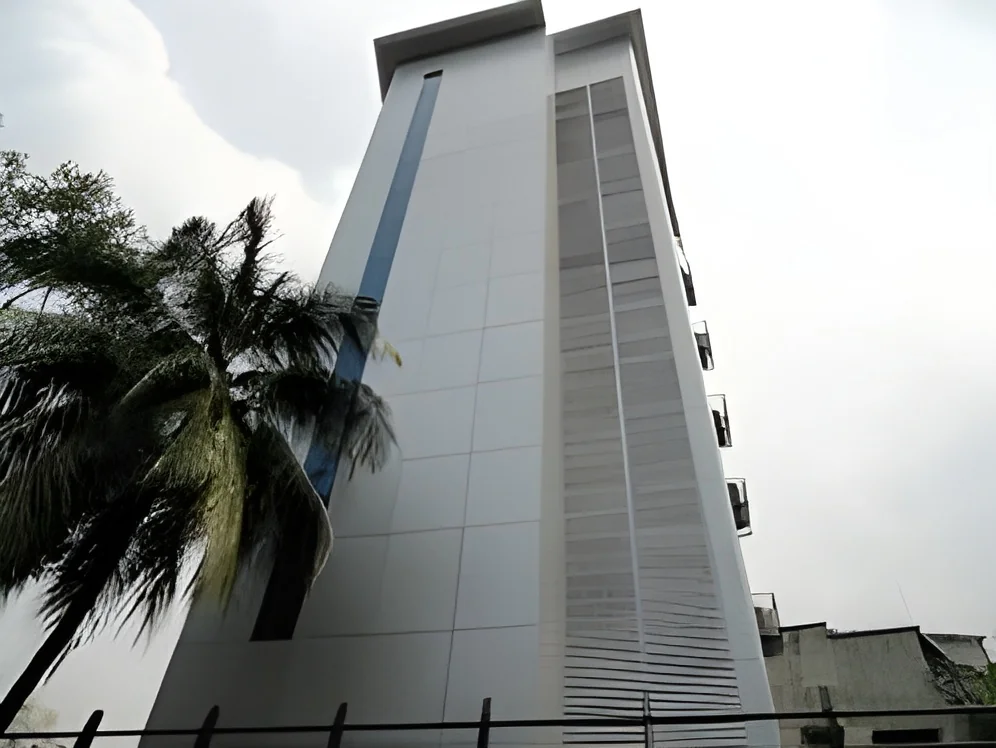
These variants feature vertical slats, offering a unique design element while maintaining functionality. They are often used in commercial buildings for a distinctive look.
Benefits and Advantages
Louvered windows offer numerous advantages for both businesses and buildings.
1. Enhanced Ventilation: They promote natural airflow, reducing the need for mechanical ventilation systems.
2. Energy Efficiency: By allowing light and air to enter, they can lower energy costs associated with heating and cooling.
3. Versatile Design: Various styles and materials allow for integration into different architectural designs.
4. Improved Indoor Air Quality: They facilitate fresh air circulation, contributing to healthier indoor environments.
5. Privacy Control: Adjustable slats enable users to control visibility from outside while allowing light in.
6. Easy Maintenance: Many designs are easy to clean and maintain, ensuring long-term functionality.
Buying Guide for B2B Buyers
When sourcing louvered windows, several factors should be considered to ensure the right choice for your business needs.
1. Quality Assessment: Look for windows that meet industry standards for durability and performance. Assess material quality and construction methods.
2. Supplier Verification: Vet suppliers for reliability and reputation. Check for reviews and certifications to ensure they provide quality products.
3. Pricing and MOQ: Understand the pricing structure and minimum order quantities. Compare costs among different suppliers to find the best value.
4. Delivery and Lead Times: Inquire about shipping options and lead times to ensure timely project completion.
5. Compliance Requirements: Ensure that the windows meet local building codes and safety regulations. Familiarize yourself with any necessary certifications.
Compliance and Certifications
Louvered windows must adhere to specific quality standards and certifications to ensure safety and performance. Relevant quality standards include ISO 9001, which focuses on effective quality management systems. This certification ensures that manufacturers maintain high standards in their processes and products.
Additionally, industry certifications such as CE mark indicate compliance with European safety standards, confirming that the products meet essential health, safety, and environmental requirements.
Safety and testing requirements are crucial in the manufacturing process, ensuring that louvered windows can withstand various environmental conditions. Furthermore, regional compliance considerations may apply, depending on local building codes and regulations.
Understanding these compliance and certification aspects is essential for making informed purchasing decisions.
Why Source Louvered Windows from Pepagora?
Pepagora provides a trusted platform for sourcing louvered windows, offering several key advantages for B2B buyers.
Verified Supplier Network: Pepagora connects buyers with a network of verified suppliers, ensuring that businesses can source quality products from reliable manufacturers. This verification process includes assessing supplier reputation and product quality.
Streamlined RFQ Process: The Request for Quotation (RFQ) system simplifies the procurement process, allowing buyers to receive competitive quotes from multiple suppliers. This efficiency helps businesses make informed decisions quickly.
Trade Assurance and Support: Pepagora offers trade assurance to protect buyers throughout the purchasing process. This includes support for resolving issues and ensuring that products meet expectations.
Regional Coverage: With a geographic reach that includes India, GCC, and Southeast Asia, Pepagora facilitates access to a diverse range of suppliers and products, making it easier for businesses to find louvered windows that meet their specific needs.
By choosing Pepagora, businesses can streamline their sourcing process and gain access to quality products tailored to their requirements.

Frequently Asked Questions
What are Louvered Windows?
Louvered windows are a type of window that features adjustable slats or louvers, allowing for ventilation while providing protection from rain and direct sunlight. They are commonly used in climates where airflow is essential and can be made from various materials such as wood, aluminum, or PVC.
What are the different types of Louvered Windows?
There are several types of louvered windows, including fixed louvers, operable louvers, and glass louvers. Fixed louvers are stationary and primarily used for ventilation, while operable louvers can be adjusted for airflow control. Glass louvers combine the benefits of ventilation with the aesthetics of glass.
How do I choose the right Louvered Windows?
Choosing the right louvered windows involves considering factors such as the intended use, climate conditions, and design preferences. Additionally, assess the material durability, energy efficiency, and ease of operation to ensure the selected windows meet your needs.
What are the standard specifications for Louvered Windows?
Standard specifications for louvered windows typically include dimensions, material type, louver angle, and frame style. Common sizes can vary, but most manufacturers offer customizable options to fit specific architectural requirements.
What is the price range for Louvered Windows?
The price range for louvered windows can vary significantly based on material, size, and design complexity. Generally, prices can start from a few thousand rupees for basic models and increase for custom or high-quality options.
What quality standards apply to Louvered Windows?
Louvered windows are subject to various quality standards that may include durability, weather resistance, and safety regulations. It is essential to check for certifications that ensure compliance with industry standards and local building codes.
Where can I find Louvered Windows suppliers in India?
You can find louvered windows suppliers in India through online B2B marketplaces, local construction suppliers, and manufacturers specializing in windows and doors. Websites like Pepagora can assist in connecting you with reputable suppliers.
Can Louvered Windows be customized?
Yes, louvered windows can be customized in terms of size, material, color, and design to meet specific architectural or aesthetic requirements. Many manufacturers offer customization options to cater to individual customer preferences.
What is the typical minimum order quantity for Louvered Windows?
The typical minimum order quantity (MOQ) for louvered windows can vary by supplier and product specifications. Generally, MOQs can range from a single unit for custom orders to larger quantities for standard products.
What is the typical lead time for Louvered Windows?
The typical lead time for louvered windows can vary based on the complexity of the order and the manufacturer's production schedule. On average, customers can expect a lead time ranging from a few weeks to several months for custom orders.
Why Businesses Trust Pepagora
Thousands of companies trust Pepagora to source smarter and sell faster
Expand Your Sales Globally

Source Smarter,Grow Faster
