
 IN
INDoors, Windows & Shutters
788 products available
𝗪𝗵𝗮𝘁 𝗮𝗿𝗲 𝗗𝗼𝗼𝗿𝘀, 𝗪𝗶𝗻𝗱𝗼𝘄𝘀 & 𝗦𝗵𝘂𝘁𝘁𝗲𝗿𝘀?
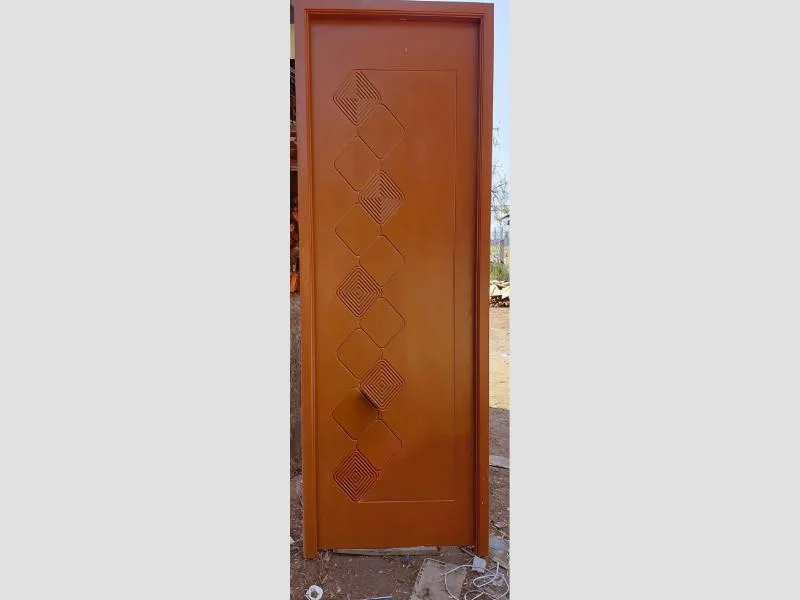
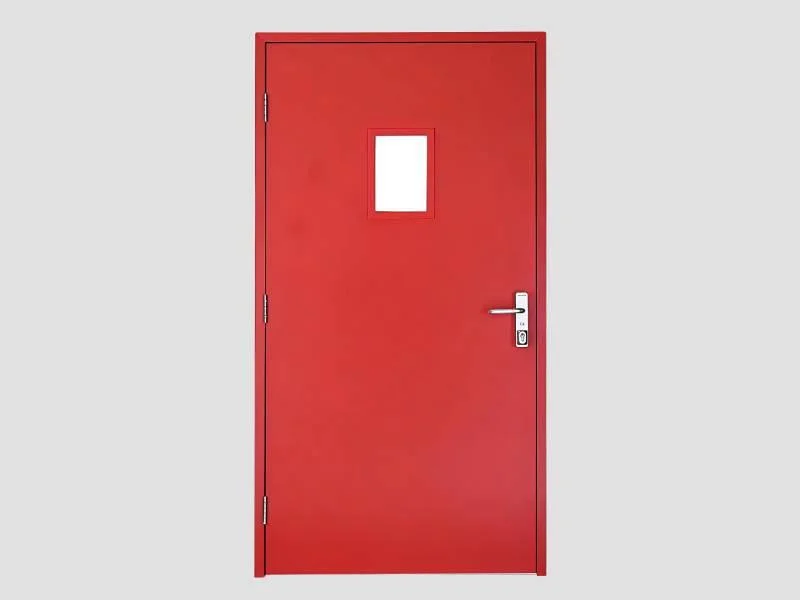
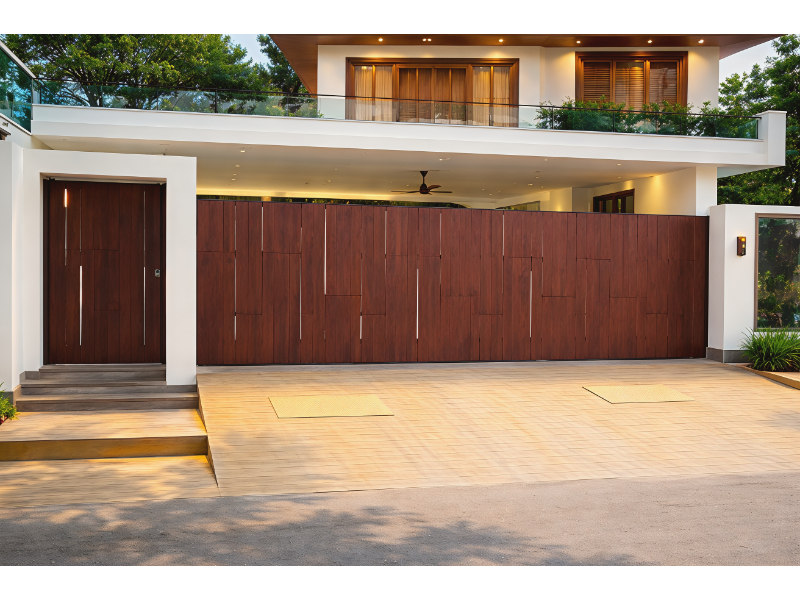
Doors, windows, and shutters are essential components in the architecture of buildings, serving both functional and aesthetic purposes. Doors provide access and security to spaces, while windows allow for natural light and ventilation. Shutters can enhance privacy, protection, and style. Together, these elements contribute to the overall integrity and design of residential, commercial, and industrial structures.
In business applications, doors, windows, and shutters are utilized in various sectors such as construction, real estate, and manufacturing. They are integral in new building projects, renovations, and enhancements to existing structures. Proper selection of these elements can improve energy efficiency, safety, and comfort, making them crucial in both residential and commercial environments.
The market for doors, windows, and shutters is influenced by trends in construction and design, as well as advancements in materials and technology. As industries focus on sustainability and energy efficiency, the demand for high-quality, innovative solutions in this sector continues to grow. This relevance extends to various standards and regulations that ensure products meet safety and performance criteria.
𝗞𝗲𝘆 𝗙𝗲𝗮𝘁𝘂𝗿𝗲𝘀 𝗮𝗻𝗱 𝗦𝗽𝗲𝗰𝗶𝗳𝗶𝗰𝗮𝘁𝗶𝗼𝗻𝘀
Doors, windows, and shutters come with a variety of features and specifications that cater to diverse needs. Understanding these specifications is crucial for businesses seeking the right solutions for their projects.
Key specifications include:
1. Material Type
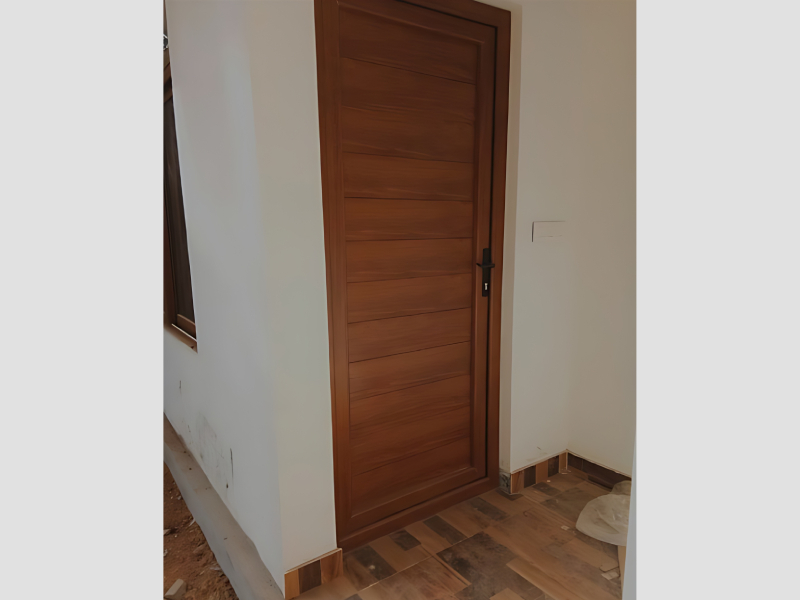
- Common materials include wood, aluminum, PVC, and fiberglass.
- Each material offers unique benefits, such as durability, insulation, and aesthetics.
2. Insulation Ratings
- Insulation ratings determine energy efficiency.
- Products may meet varying R-value standards based on climate needs.
3. Security Features
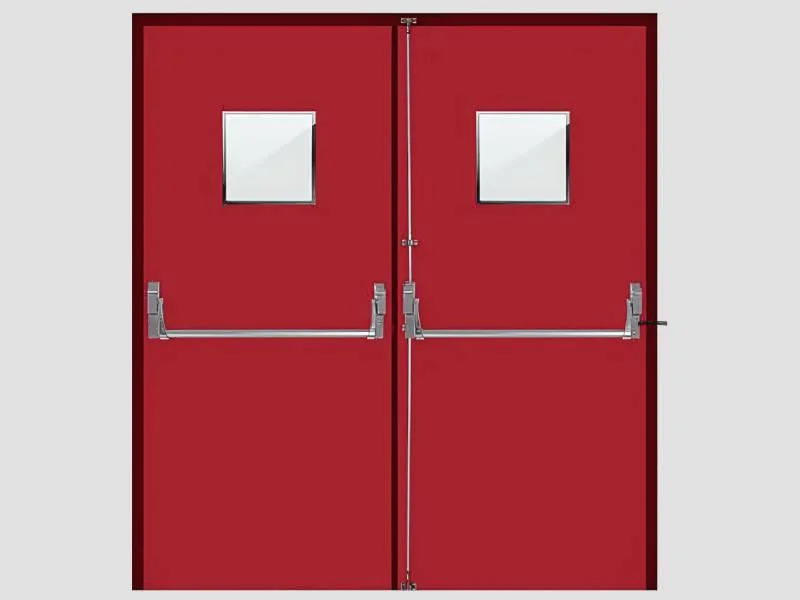
- Options may include multi-point locking systems and reinforced frames.
- Enhanced security features are essential for commercial applications.
4. Size and Dimensions
- Custom sizes are available to fit specific architectural requirements.
- Standard dimensions typically cater to common building designs.
5. Finish Options
- Available finishes include paint, stain, or natural wood.
- Finishes impact both aesthetics and maintenance requirements.
6. Glazing Options
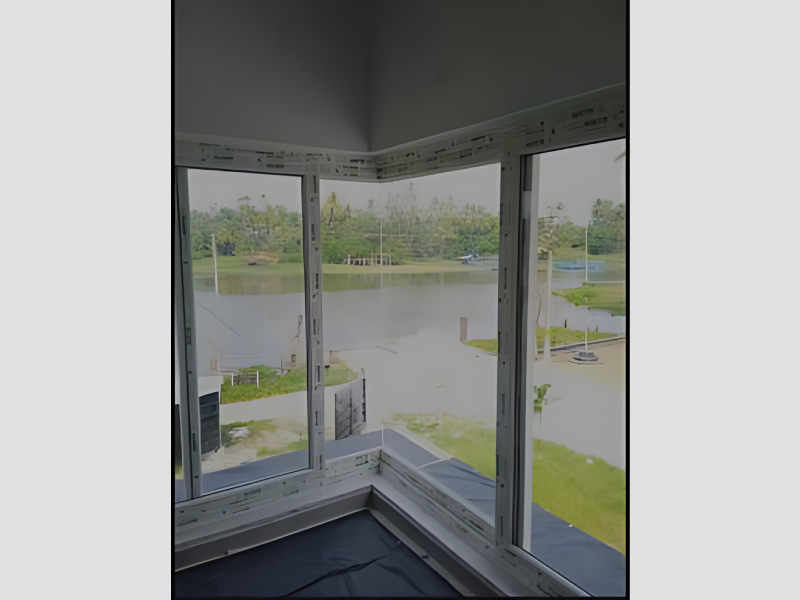
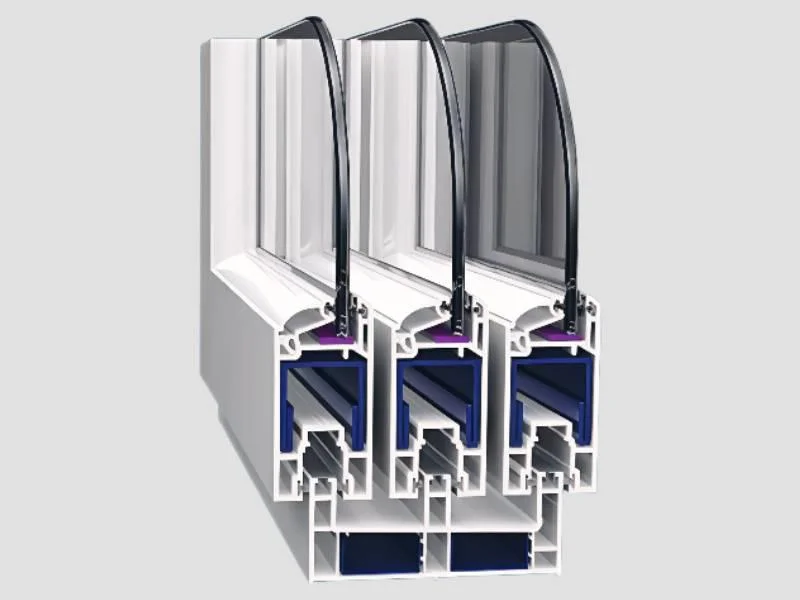
- Double or triple glazing improves thermal performance.
- Various coatings can enhance UV protection and energy efficiency.
7. Weather Resistance
- Products are designed to withstand different weather conditions.
- Features may include water-tight seals and UV protection.
8. Certification Standards
- Compliance with standards such as CE ensures product quality.
- Certifications may vary based on regional regulations.
In summary, understanding the features and specifications of doors, windows, and shutters helps businesses make informed decisions and ensures they select the best solutions for their needs.
𝗖𝗼𝗺𝗺𝗼𝗻 𝗔𝗽𝗽𝗹𝗶𝗰𝗮𝘁𝗶𝗼𝗻𝘀 𝗮𝗻𝗱 𝗨𝘀𝗲 𝗖𝗮𝘀𝗲𝘀
Doors, windows, and shutters serve a wide range of industries and applications. Their versatility makes them suitable for various environments.
1. Residential Construction: Doors and windows are essential in homes for security, aesthetics, and energy efficiency. Custom designs can enhance curb appeal.
2. Commercial Buildings: Shutters and specialized windows are commonly used in retail spaces to provide security and visibility while improving energy usage.
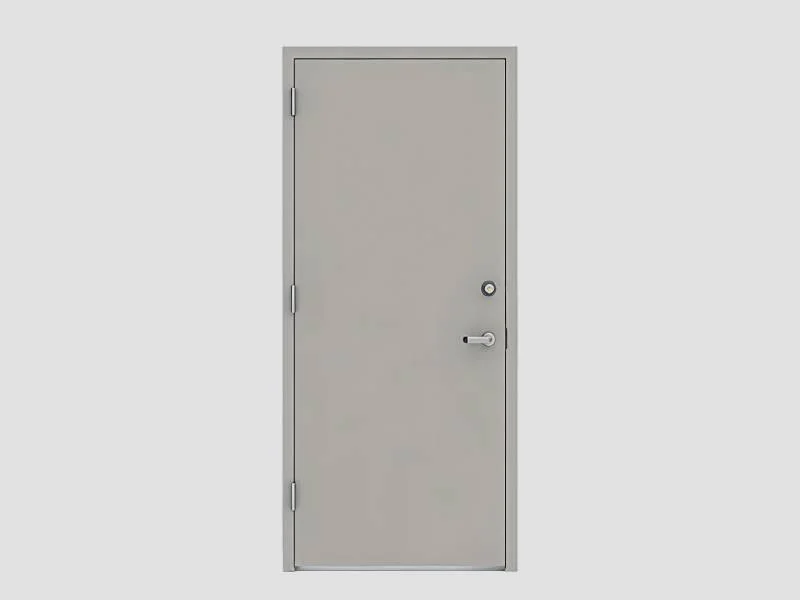
3. Industrial Facilities: Heavy-duty doors and windows are necessary for warehouses, providing security and durability against harsh conditions.
4. Hospitality: Hotels and resorts utilize high-quality windows and doors to create inviting environments while ensuring guest safety.
5. Healthcare: Specialized windows and doors are designed for hospitals to improve safety, hygiene, and energy efficiency in patient care areas.
6. Education: Schools require durable doors and windows that offer safety and accessibility while enhancing the learning environment.
7. Agricultural: Shutters and windows in agricultural buildings help control light and ventilation for livestock and crop storage.
𝗣𝗿𝗼𝗱𝘂𝗰𝘁 𝗩𝗮𝗿𝗶𝗮𝗻𝘁𝘀 𝗮𝗻𝗱 𝗦𝘂𝗯𝗰𝗮𝘁𝗲𝗴𝗼𝗿𝗶𝗲𝘀
The diversity of doors, windows, and shutters allows for tailored solutions for different needs.
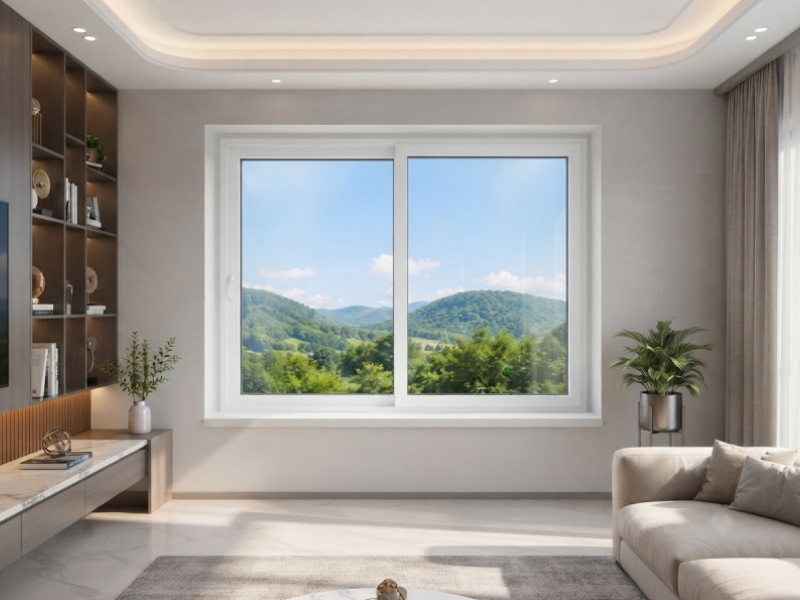
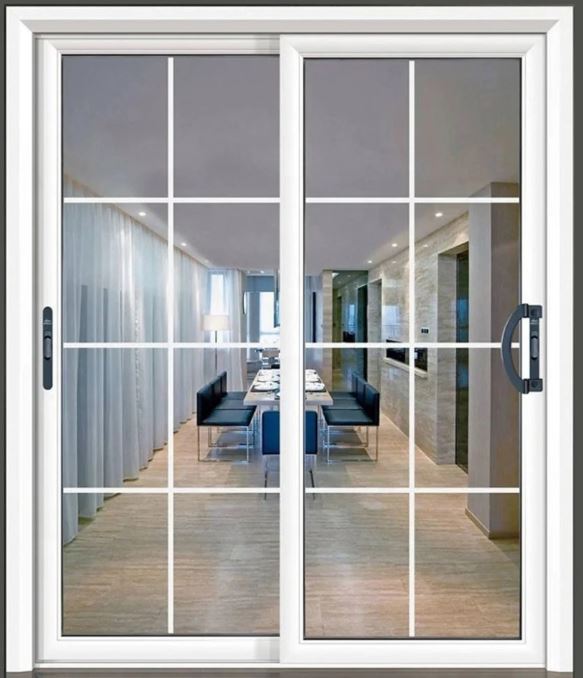
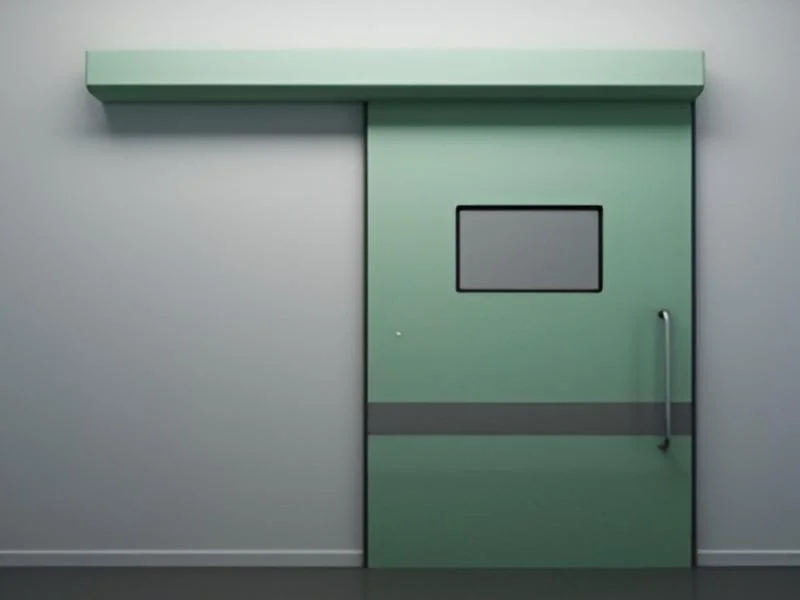
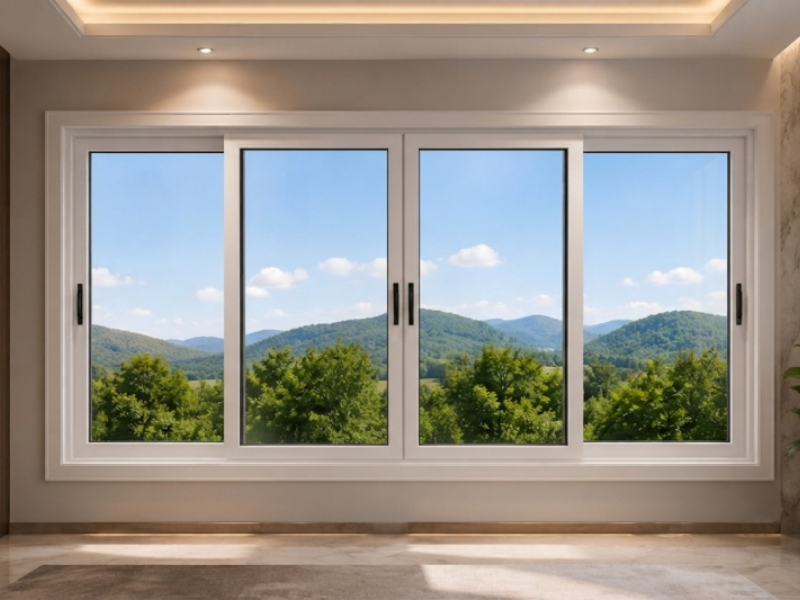
Sliding Doors
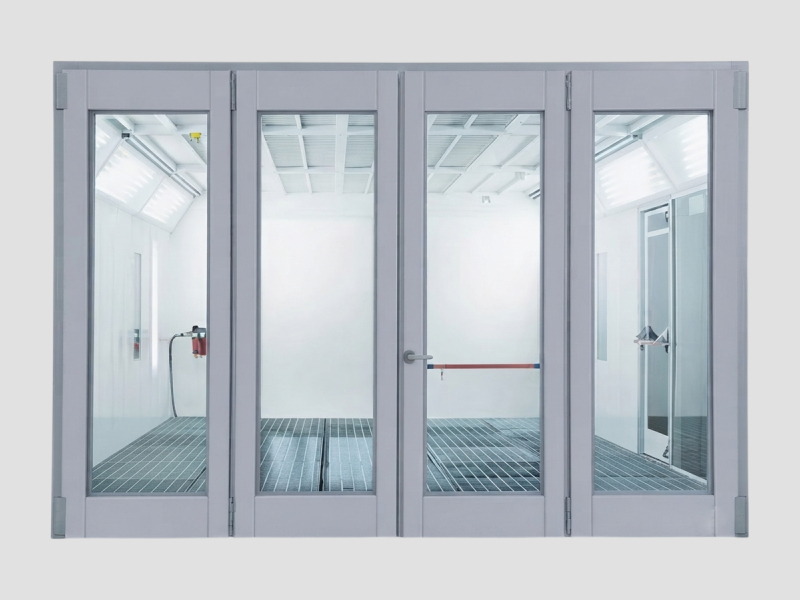
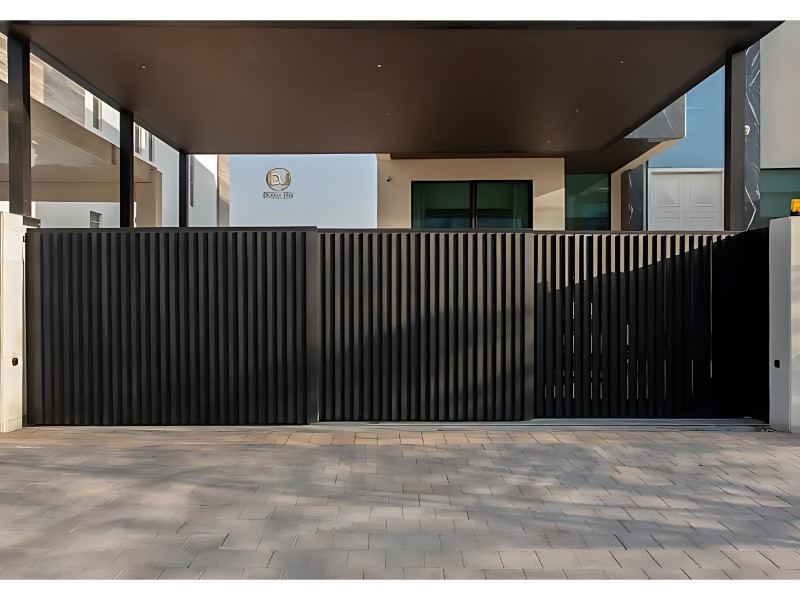
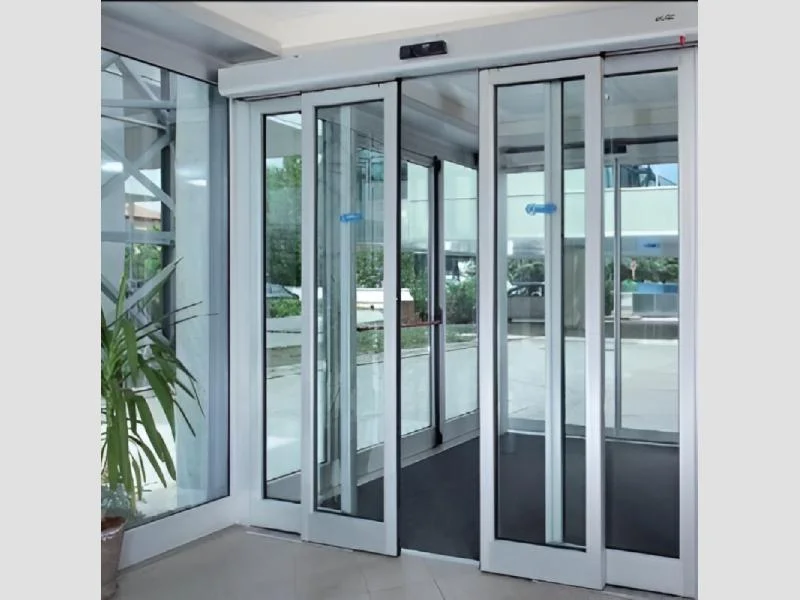
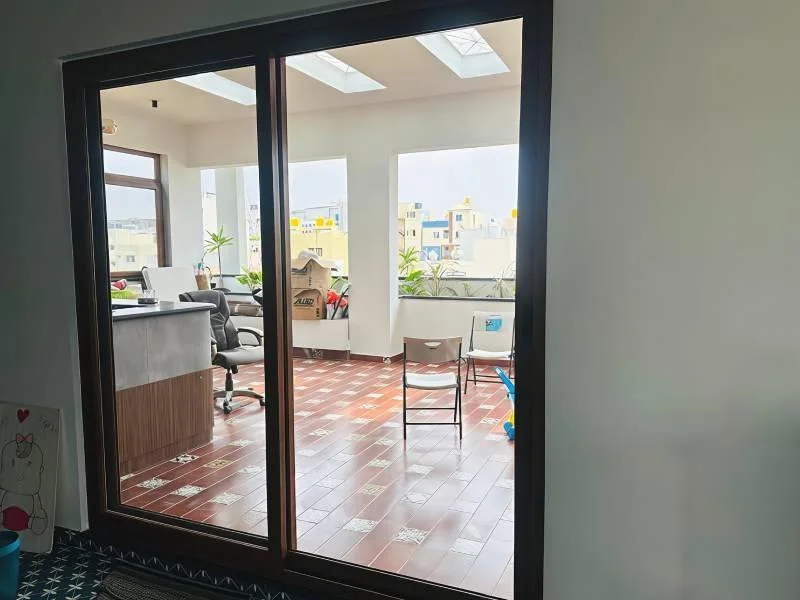
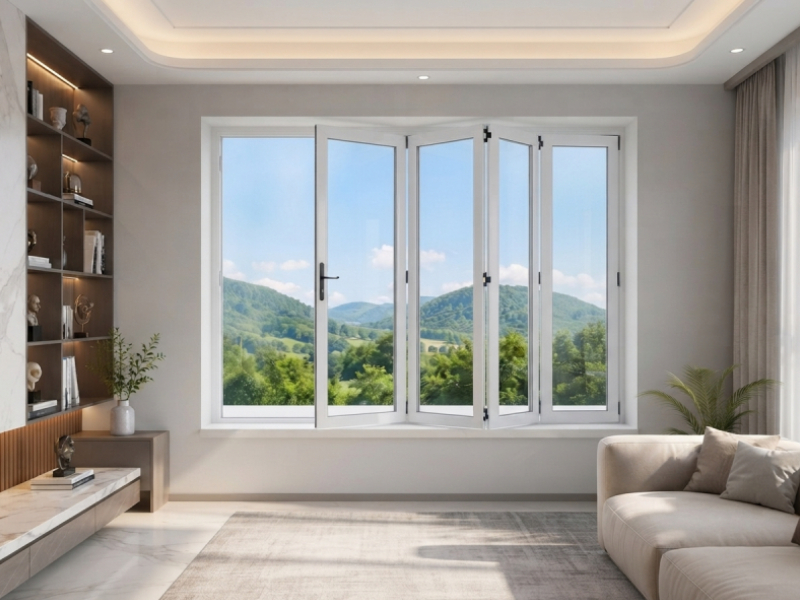
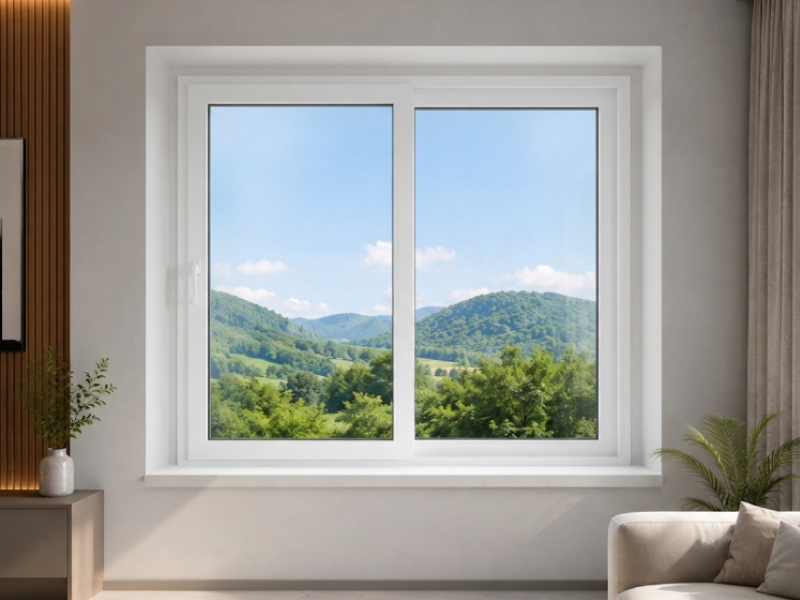
Sliding doors are ideal for spaces where traditional doors may be impractical. They offer smooth operation and can maximize natural light, making them popular in modern design.
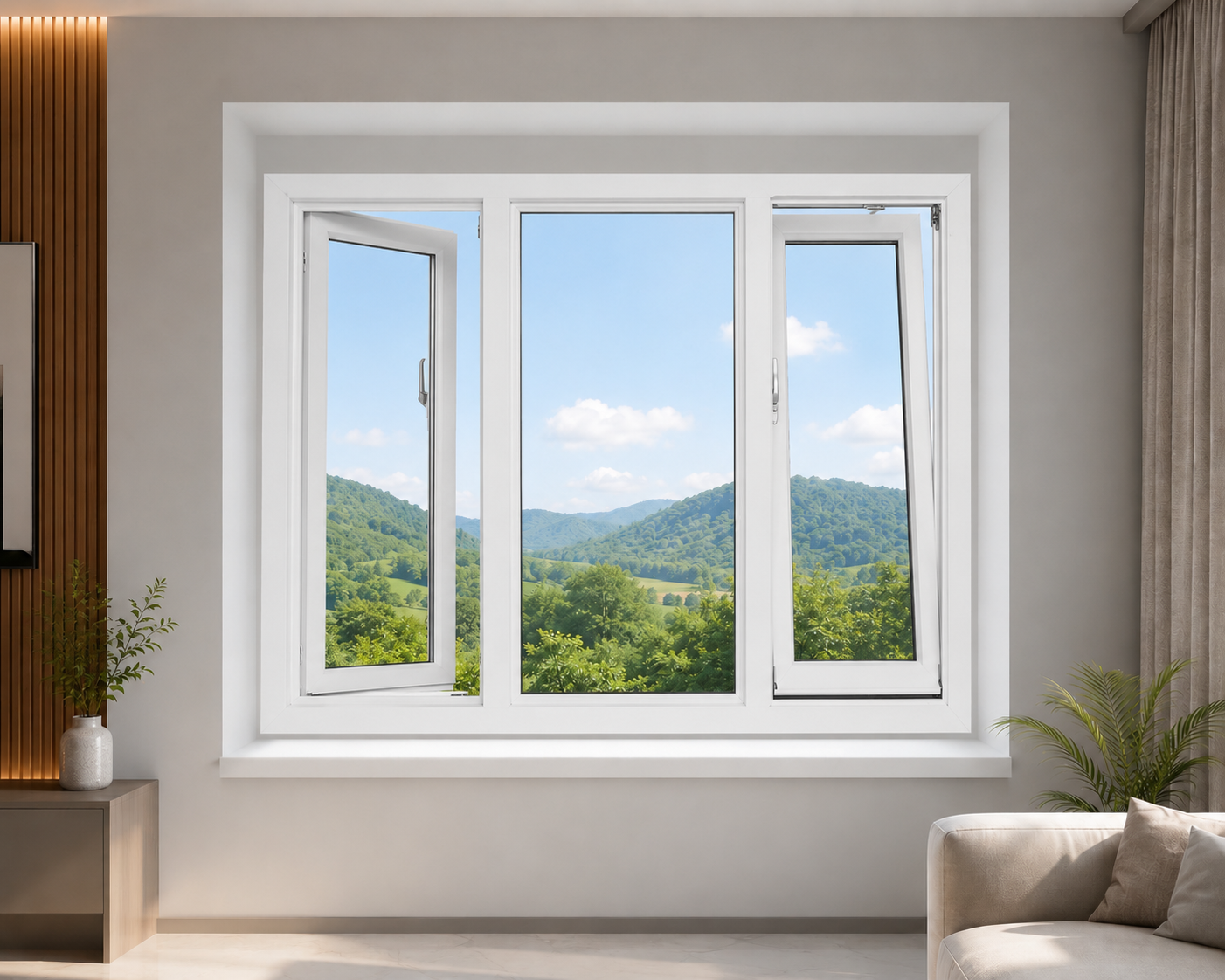
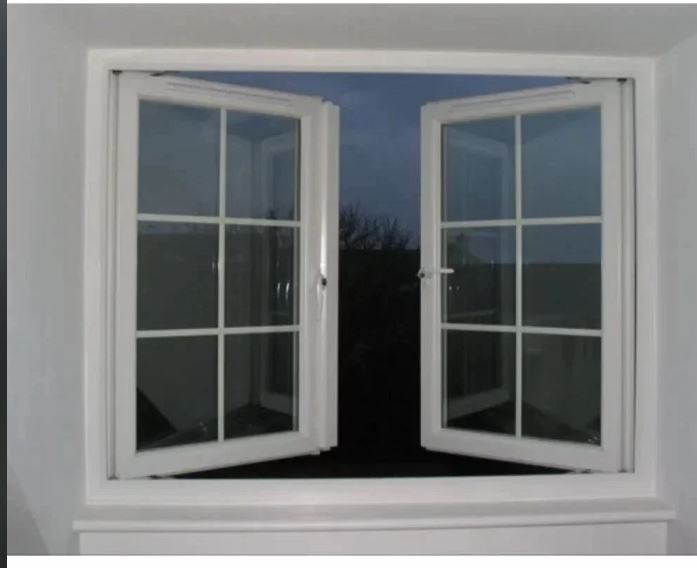
Casement Windows
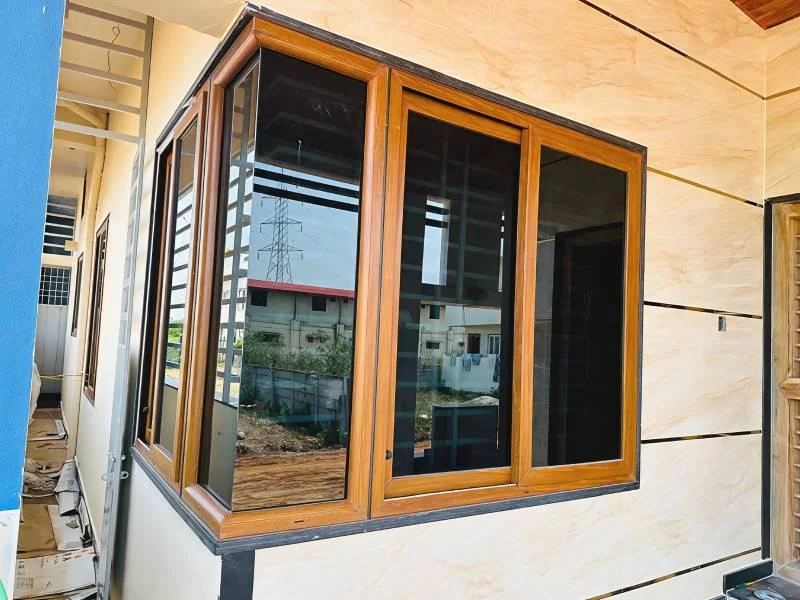
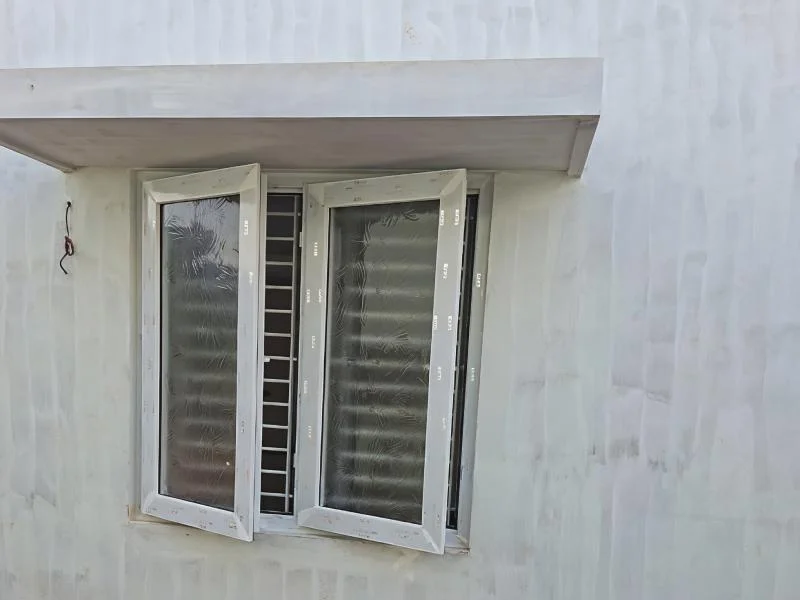
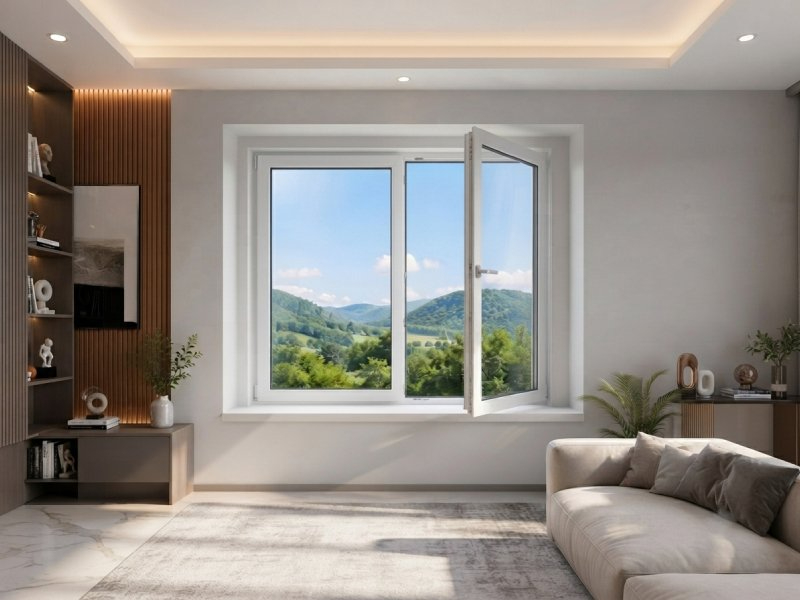
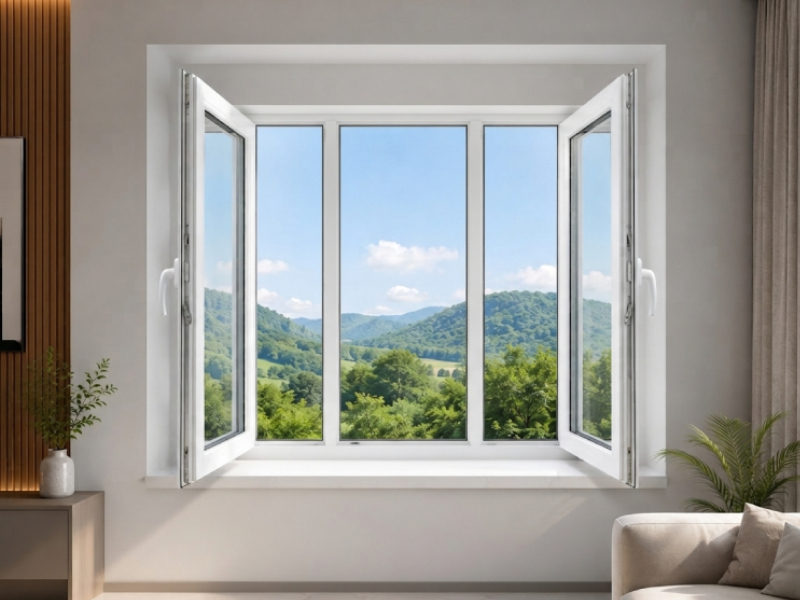
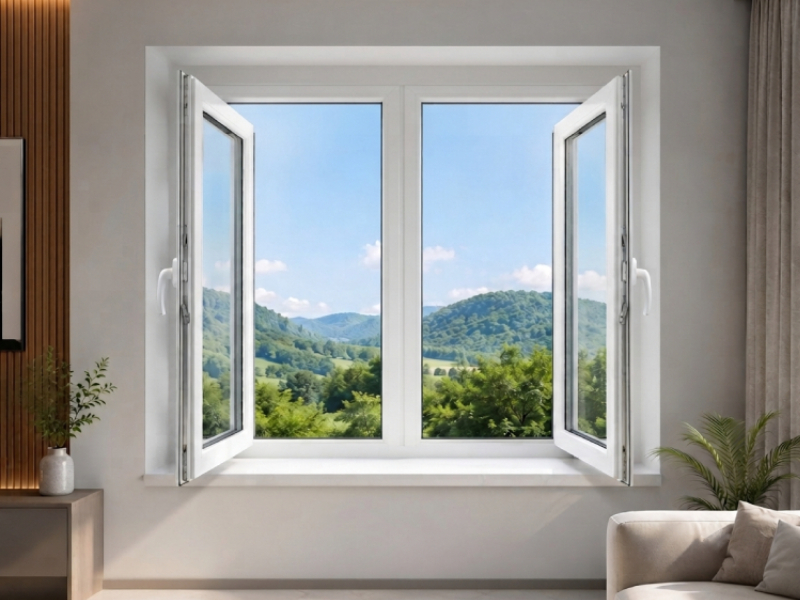
Casement windows open outward, providing excellent ventilation and unobstructed views. They are available in various sizes and materials, making them versatile for residential and commercial use.
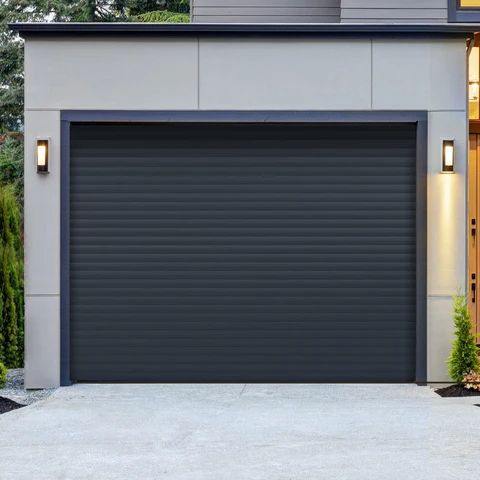
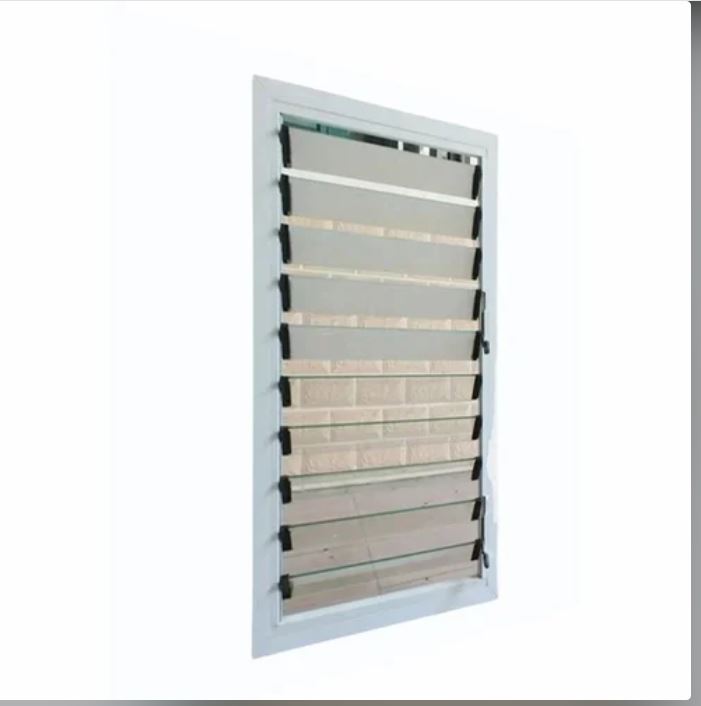
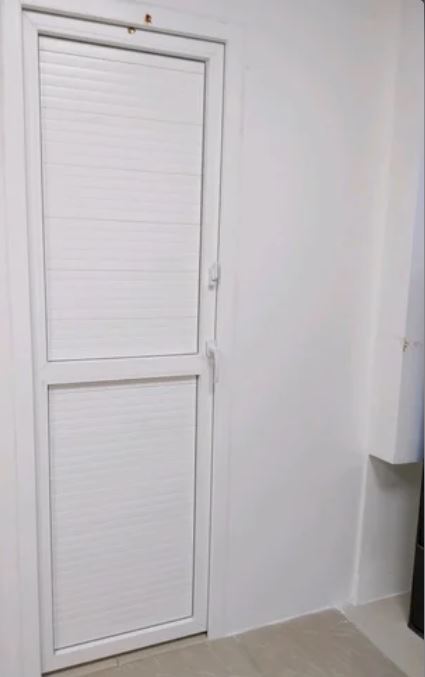
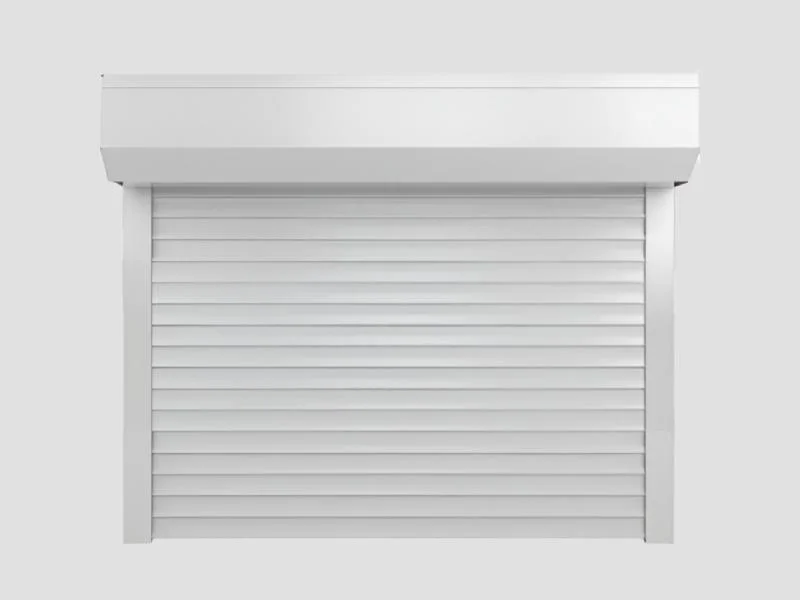
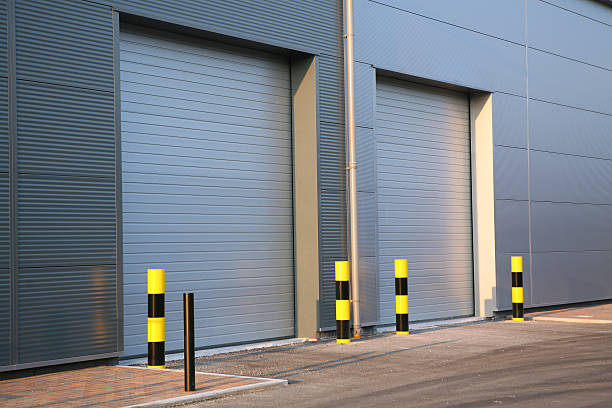
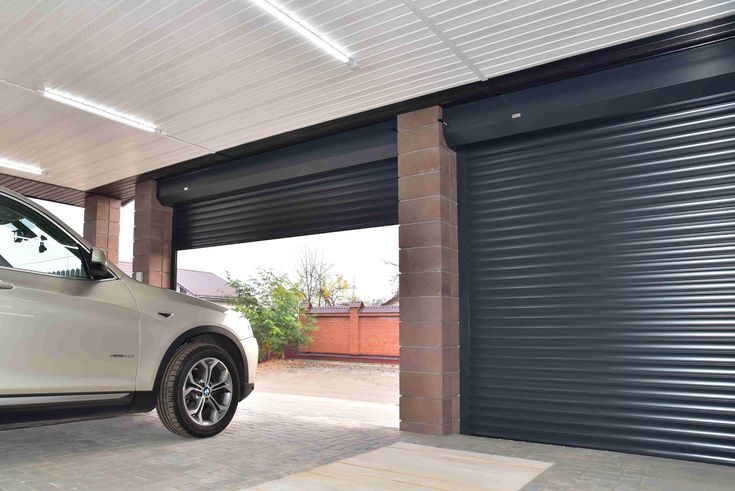
Roller Shutters
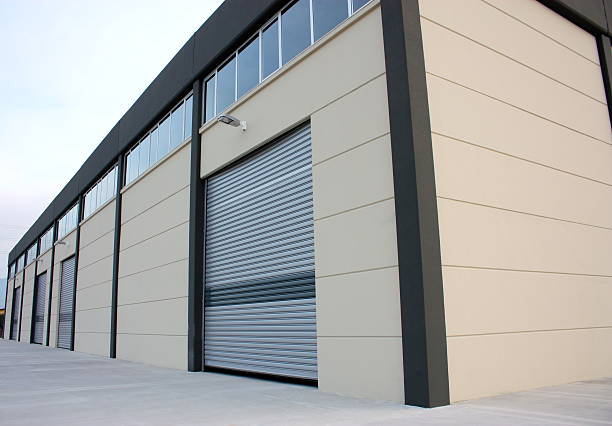
Roller shutters are often used for security in retail and industrial applications. They are easy to operate and can provide excellent protection against the elements.
French Doors
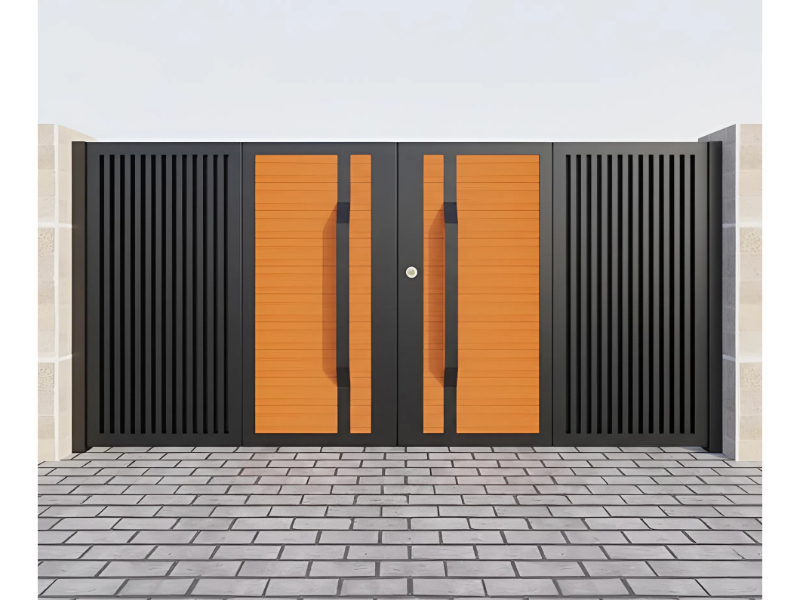
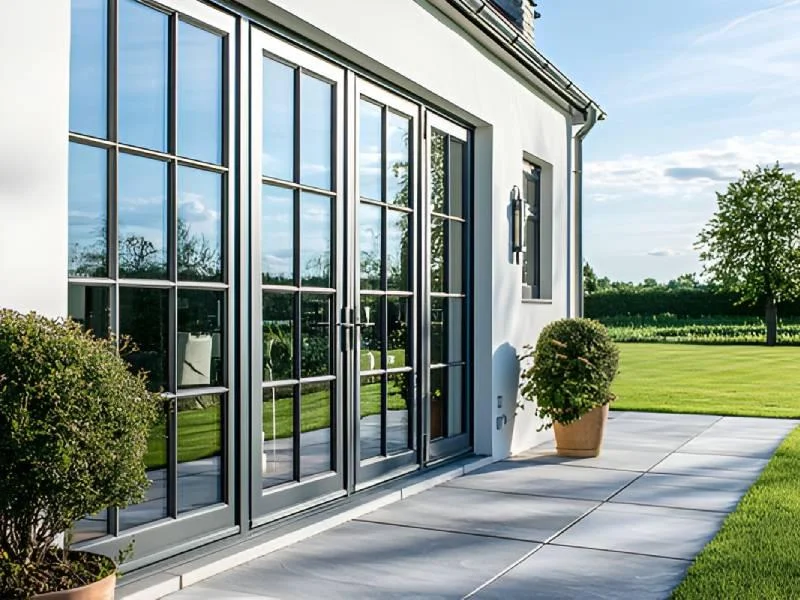
French doors feature a classic design with multiple glass panels, enhancing both beauty and natural light in homes and businesses alike. They can serve as entryways to patios or gardens.
𝗕𝗲𝗻𝗲𝗳𝗶𝘁𝘀 𝗮𝗻𝗱 𝗔𝗱𝘃𝗮𝗻𝘁𝗮𝗴𝗲𝘀
Choosing the right doors, windows, and shutters offers numerous benefits, enhancing both functionality and design.
1. Energy Efficiency: Properly insulated products can significantly reduce heating and cooling costs, leading to lower energy bills.
2. Enhanced Security: High-quality doors and windows with advanced locking mechanisms provide increased security for properties.
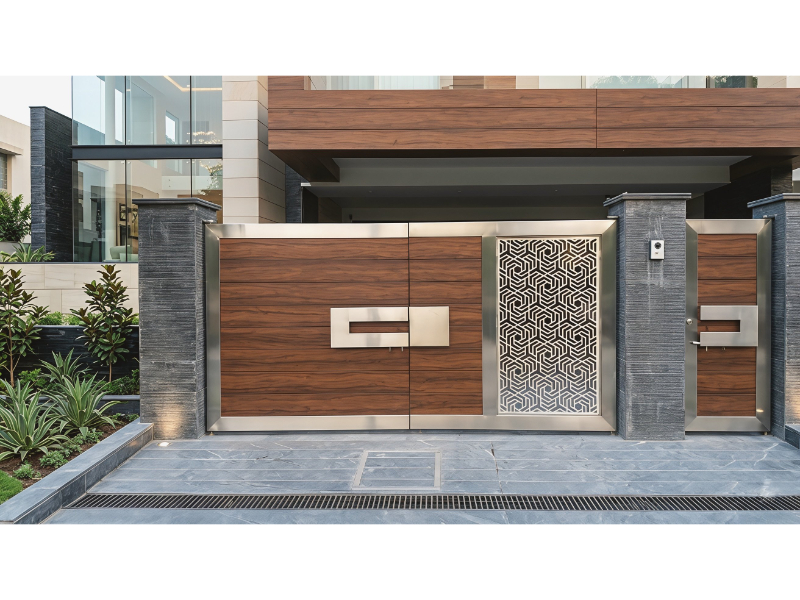
3. Aesthetic Appeal: Available in various designs and finishes, these products can enhance the visual appeal of any property, increasing its market value.
4. Noise Reduction: Quality windows and doors can offer sound insulation, creating a quieter indoor environment.
5. Durability: Using superior materials ensures long-lasting performance, reducing the need for frequent replacements.
6. Customization Options: Many suppliers offer customizable solutions to meet specific architectural requirements, providing flexibility for design.
𝗕𝘂𝘆𝗶𝗻𝗴 𝗚𝘂𝗶𝗱𝗲 𝗳𝗼𝗿 𝗕𝟮𝗕 𝗕𝘂𝘆𝗲𝗿𝘀
When sourcing doors, windows, and shutters, B2B buyers should consider several factors to ensure they make informed decisions.
1. Quality Assessment: Evaluate the material quality and construction methods. Look for products with high durability and performance ratings.
2. Supplier Verification: Conduct thorough research on potential suppliers to ensure they have a reputable track record and meet industry standards.
3. Pricing and MOQ: Understand the pricing structure and minimum order quantities. This helps in budgeting and ensures you meet supplier requirements.
4. Delivery and Lead Times: Confirm delivery schedules and lead times to align with project timelines. Timely delivery is critical for construction projects.
5. Compliance Requirements: Ensure that products meet local regulations and industry certifications. Compliance with standards ensures safety and quality.
𝗖𝗼𝗺𝗽𝗹𝗶𝗮𝗻𝗰𝗲 𝗮𝗻𝗱 𝗖𝗲𝗿𝘁𝗶𝗳𝗶𝗰𝗮𝘁𝗶𝗼𝗻𝘀
Doors, windows, and shutters must adhere to various compliance and certification standards to ensure safety and quality in construction. Relevant quality standards, such as ISO 9001, focus on maintaining a consistent quality management system. These standards help manufacturers deliver products that meet customer expectations.
Industry certifications, including CE marking, signify that products comply with European safety and environmental requirements. This certification is crucial for gaining trust in international markets.
Safety and testing requirements often involve rigorous assessments to ensure products can withstand environmental stresses and meet fire safety regulations. Additionally, regional compliance considerations may vary, requiring manufacturers to be aware of local laws and standards that apply to their products.
𝗪𝗵𝘆 𝗦𝗼𝘂𝗿𝗰𝗲 𝗗𝗼𝗼𝗿𝘀, 𝗪𝗶𝗻𝗱𝗼𝘄𝘀 & 𝗦𝗵𝘂𝘁𝘁𝗲𝗿𝘀 𝗳𝗿𝗼𝗺 𝗣𝗲𝗽𝗮𝗴𝗼𝗿𝗮?
Pepagora provides a trusted platform for sourcing doors, windows, and shutters, ensuring buyers have access to high-quality products from verified suppliers. The supplier network is rigorously vetted to guarantee reliability and compliance with industry standards. This level of verification gives businesses confidence in their purchasing decisions.
The streamlined RFQ process simplifies procurement for buyers, enabling them to receive competitive quotations quickly. This efficiency can significantly reduce the time spent on sourcing and negotiating with multiple suppliers.
Trade assurance and support are integral to Pepagora's offerings. Buyers benefit from protection against potential discrepancies, ensuring a smooth transaction experience.
With regional coverage extending across India, the GCC, and Southeast Asia, Pepagora connects buyers with suppliers in various markets, facilitating easier access to diverse product offerings tailored to specific regional needs.


Frequently Asked Questions
What are Doors, Windows & Shutters?
Doors, Windows & Shutters are architectural elements used in buildings to provide access, ventilation, light, and security. Doors serve as entry and exit points, while windows allow natural light and airflow, and shutters provide additional security and aesthetic appeal.
What are the different types of Doors, Windows & Shutters?
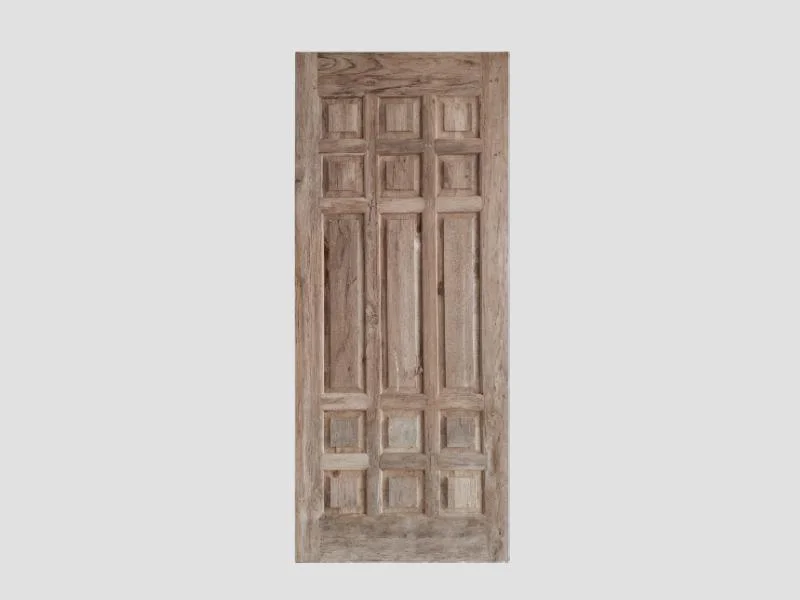
There are various types of Doors, Windows & Shutters, including wooden doors, fiberglass doors, aluminum windows, UPVC windows, and roller shutters. Each type is designed to meet specific aesthetic, functional, and environmental needs.
How do I choose the right Doors, Windows & Shutters?
Choosing the right Doors, Windows & Shutters depends on factors such as the building's architectural style, climate, and intended use. Consider durability, maintenance requirements, energy efficiency, and security features when making your selection.
What are the standard specifications for Doors, Windows & Shutters?
Standard specifications for Doors, Windows & Shutters typically include dimensions, material types, insulation values, and security ratings. Compliance with local building codes and industry standards is also essential for safety and performance.
What is the price range for Doors, Windows & Shutters?
The price range for Doors, Windows & Shutters can vary significantly based on materials, design, and manufacturer. On average, prices can start from a few thousand rupees for basic models and can go up to several lakhs for customized or high-end options.
What quality standards apply to Doors, Windows & Shutters?
Quality standards for Doors, Windows & Shutters are governed by various national and international guidelines, such as ISI standards in India. These standards ensure safety, durability, and efficiency in performance, including aspects like strength, thermal insulation, and fire resistance.
Where can I find Doors, Windows & Shutters suppliers in India?
You can find Doors, Windows & Shutters suppliers in India through online B2B marketplaces like Pepagora, trade shows, and industry directories. Additionally, local manufacturers and wholesalers can also provide a variety of options.
Can Doors, Windows & Shutters be customized?
Yes, Doors, Windows & Shutters can often be customized to meet specific design and functional requirements. Customization options may include size, material, color, and additional features such as integrated security systems.
What is the typical minimum order quantity for Doors, Windows & Shutters?
The typical minimum order quantity (MOQ) for Doors, Windows & Shutters varies by supplier and product type. Generally, MOQs can range from a single unit for standard products to larger quantities for customized orders.
What is the typical lead time for Doors, Windows & Shutters?
The typical lead time for Doors, Windows & Shutters can range from a few days to several weeks, depending on the complexity of the order and the supplier's production capabilities. Custom orders may require longer lead times due to manufacturing processes.
Why Businesses Trust Pepagora
Thousands of companies trust Pepagora to source smarter and sell faster
Expand Your Sales Globally

Source Smarter,Grow Faster
