
 IN
Skylights & Roof Windows
3 products available
What are Skylights & Roof Windows?
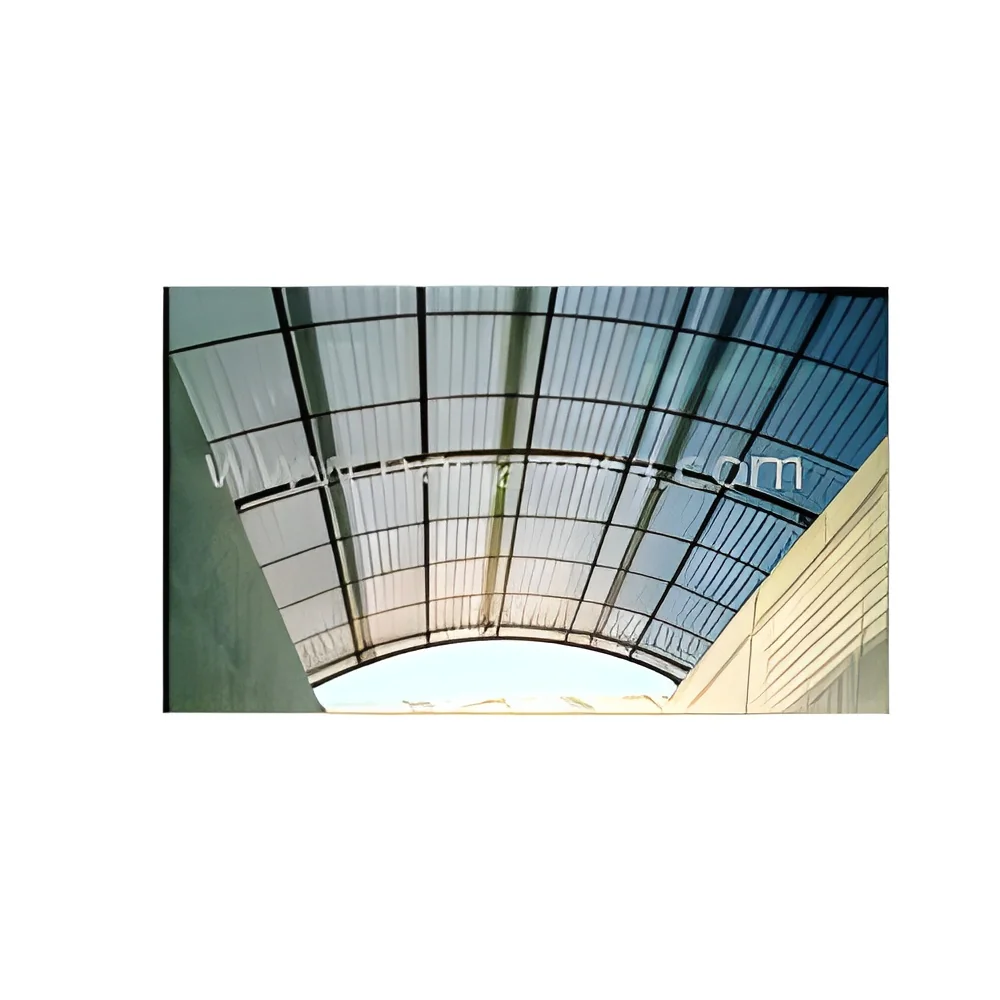
Skylights and roof windows are architectural elements designed to bring natural light into buildings. Skylights are fixed or operable windows set into the roof, while roof windows are typically installed in a vertical orientation and are accessible for ventilation. Both types enhance the aesthetic appeal of spaces by reducing reliance on artificial lighting and creating a more inviting atmosphere.
These products are commonly used in residential, commercial, and industrial settings. In homes, they can brighten living spaces and improve energy efficiency. In commercial buildings, they may serve to create open, airy environments conducive to productivity. Industrial applications can include warehouses and factories, where natural light is needed for both safety and efficiency.
The market for skylights and roof windows continues to grow as businesses and homeowners alike seek sustainable building solutions. Increasing awareness of energy efficiency and daylighting benefits drives demand for these products, making them relevant in a variety of construction and renovation projects.
Key Features and Specifications
Skylights and roof windows come with several features and specifications that contribute to their performance and usability. These features enhance energy efficiency, ease of installation, and overall functionality.
Key specifications include:
1. Energy Efficiency Rating
- Measures thermal performance
- Higher ratings indicate better insulation properties
2. Glazing Options
- Available in double or triple glazing
- Offers better insulation and noise reduction
3. Ventilation Capabilities
- Manually or automatically operable options
- Helps regulate indoor air quality
4. UV Protection
- Reduces harmful UV rays
- Protects interiors from fading
5. Frame Material
- Common materials include aluminum, PVC, and wood
- Affects durability and aesthetics
6. Size Variability
- Available in multiple sizes to fit various applications
- Custom sizes may be offered by some manufacturers
7. Warranty Period
- Typical warranties range from 10 to 25 years
- Ensures long-term performance and customer satisfaction
8. Compliance with Safety Standards
- Must meet local building codes
- Safety glass options available to prevent breakage
In summary, understanding the key features and specifications of skylights and roof windows is essential for making informed purchasing decisions. These elements impact energy efficiency, aesthetics, and overall functionality.
Common Applications and Use Cases
Skylights and roof windows find applications across various industries, enhancing both functionality and aesthetic appeal.
1. Residential: In homes, skylights are popular for kitchens, bathrooms, and living rooms, providing natural light and ventilation.
2. Commercial: Office buildings utilize roof windows to create bright workspaces that promote employee well-being and productivity.
3. Retail: Skylights in retail spaces enhance product visibility and create an inviting shopping atmosphere.
4. Educational: Schools benefit from skylights in classrooms and corridors, improving lighting conditions for learning environments.
5. Healthcare: Hospitals and clinics use roof windows to create calming environments, aiding patient recovery through natural light.
6. Industrial: Warehouses often incorporate skylights to reduce energy costs while ensuring adequate lighting for operations.
7. Hospitality: Hotels and restaurants use these products to enhance guest experiences with inviting, well-lit spaces.
Product Variants and Subcategories
Skylights and roof windows come in various forms, each designed to meet specific needs and preferences.
Fixed Skylights: These are non-operable units that provide a source of light without allowing for ventilation. They are ideal for spaces where fresh air circulation is not a priority.
Operable Skylights: Designed to be opened, these units allow for natural ventilation. They are suitable for areas that require air circulation, such as kitchens and bathrooms.
Roof Windows: These are typically larger and can be opened for ventilation. They are often used in attics and lofts to transform previously unused spaces into functional rooms.
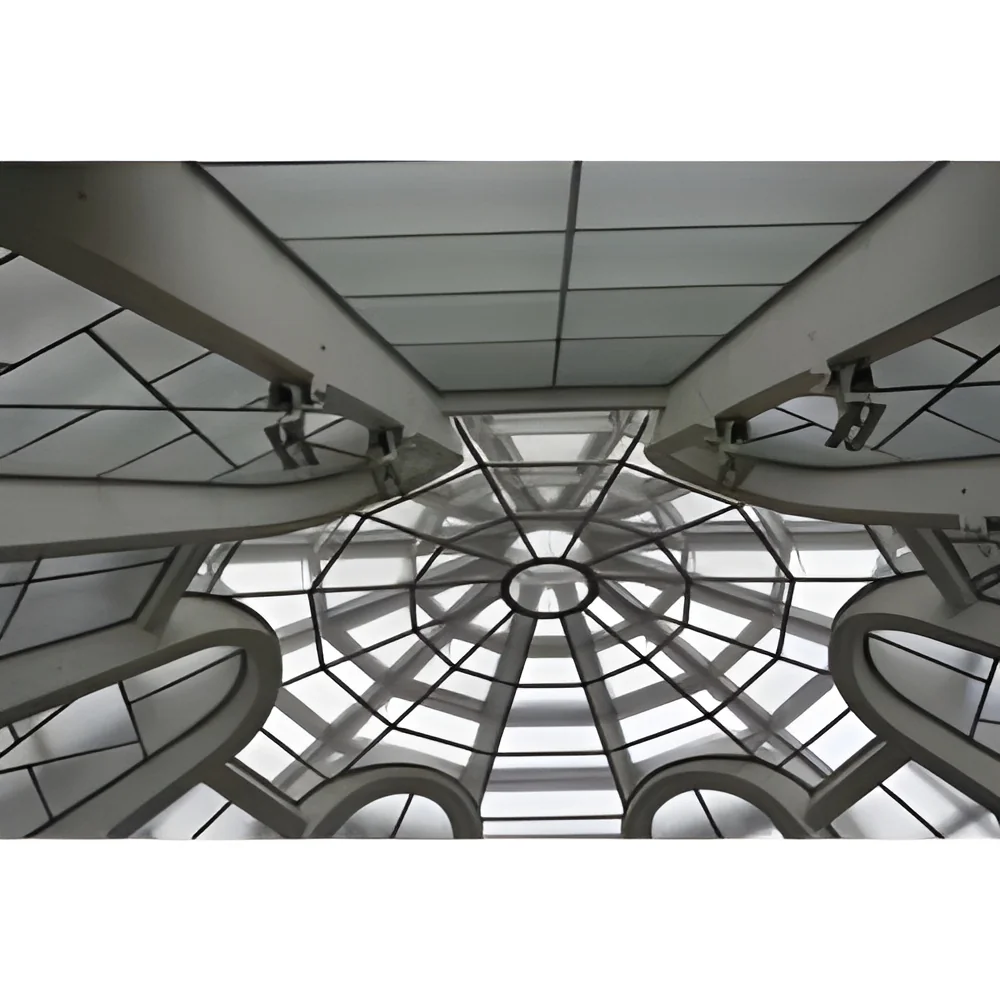
Dome Skylights: These feature a rounded shape that enhances aesthetics and minimizes water pooling. They are often used in commercial applications.
Benefits and Advantages
Skylights and roof windows offer numerous advantages for both residential and commercial settings.
Key benefits include:
1. Natural Lighting: They reduce the need for artificial lighting, lowering energy costs and creating a more pleasant environment.
2. Improved Air Quality: Operable models allow for fresh air circulation, enhancing indoor air quality.
3. Energy Efficiency: High-performance glazing and insulation help maintain indoor temperatures, making buildings more energy-efficient.
4. Aesthetic Appeal: They add character to spaces, creating a modern and inviting atmosphere.
5. Increased Property Value: Installing skylights can enhance property aesthetics and potentially increase resale value.
6. Environmental Benefits: Using natural light contributes to sustainability efforts by reducing energy consumption.
Buying Guide for B2B Buyers
When sourcing skylights and roof windows, it is essential to consider several key factors to ensure a successful purchase.
1. Quality Assessment: Evaluate the materials and construction of the products to ensure they meet industry standards. Look for certifications that indicate durability and performance.
2. Supplier Verification: Vet potential suppliers by checking their reputation, customer reviews, and compliance with industry regulations.
3. Pricing and MOQ: Consider the cost per unit and the minimum order quantity required by the supplier. Assess whether bulk purchasing options provide additional savings.
4. Delivery and Lead Times: Discuss logistics with suppliers to understand delivery timelines and ensure they align with your project schedules.
5. Compliance Requirements: Familiarize yourself with local building codes and regulations to ensure that the products you source comply with necessary safety and performance standards.
Compliance and Certifications
Compliance and certifications are crucial for ensuring that skylights and roof windows meet industry standards and safety requirements.
Relevant quality standards like ISO 9001 ensure that manufacturers adhere to consistent quality management practices. This certification reflects a commitment to providing high-quality products.
Industry certifications, such as CE marking, indicate compliance with European safety and environmental standards. This certification is particularly important for products sold in European markets.
Safety and testing requirements typically include assessments for weather resistance, UV protection, and structural integrity. Products must undergo rigorous testing to ensure they perform under various conditions.
Regional compliance considerations may vary, so it is essential to understand local regulations regarding building materials and installations.
Why Source Skylights & Roof Windows from Pepagora?
Pepagora offers a trusted platform for sourcing skylights and roof windows, providing several key advantages for B2B buyers.
Verified Supplier Network: Our network includes thoroughly vetted suppliers who meet industry standards, ensuring that buyers receive high-quality products.
Streamlined RFQ Process: Pepagora simplifies the request for quotation process, allowing buyers to easily obtain competitive quotes from multiple suppliers.
Trade Assurance and Support: We offer buyer protection through trade assurance, ensuring that transactions are secure and reliable.
Regional Coverage: With a strong presence in India, the GCC, and Southeast Asia, Pepagora provides geographic reach, enabling buyers to access a wide range of products and suppliers.
This comprehensive approach makes Pepagora a preferred choice for businesses looking to source skylights and roof windows efficiently and effectively.

Frequently Asked Questions
What are Skylights & Roof Windows?
Skylights and roof windows are architectural features that allow natural light to enter a building from the roof. They can enhance aesthetic appeal, improve energy efficiency, and provide ventilation.
What are the different types of Skylights & Roof Windows?
The different types of skylights include fixed, ventilated, tubular, and operable skylights. Roof windows are generally designed for access and can be opened for ventilation, available in various styles and materials.
How do I choose the right Skylights & Roof Windows?
Choosing the right skylight or roof window involves considering factors such as size, orientation, and type of installation. Additionally, evaluating the energy efficiency ratings and the local climate can help in making an informed decision.
What are the standard specifications for Skylights & Roof Windows?
Standard specifications for skylights and roof windows typically include size, frame material, glazing type, and thermal performance ratings. It's essential to ensure that the selected products comply with local building codes and regulations.
What is the price range for Skylights & Roof Windows?
The price range for skylights and roof windows varies significantly based on size, design, and materials used. Generally, prices can start from a few thousand rupees and can go up to several tens of thousands.
What quality standards apply to Skylights & Roof Windows?
Quality standards for skylights and roof windows often include compliance with safety and energy efficiency certifications. Products should meet standards set by relevant authorities to ensure durability and performance.
Where can I find Skylights & Roof Windows suppliers in India?
You can find skylight and roof window suppliers in India through B2B marketplaces like Pepagora, as well as through local construction suppliers and distributors. Researching online and attending industry trade shows can also lead to potential suppliers.
Can Skylights & Roof Windows be customized?
Yes, skylights and roof windows can often be customized to fit specific design requirements, including size, shape, and glazing options. Discussing your needs with manufacturers can help in finding suitable custom solutions.
What is the typical minimum order quantity for Skylights & Roof Windows?
The typical minimum order quantity (MOQ) for skylights and roof windows can vary by supplier. Generally, MOQs can range from single units for custom products to larger batches for standard items.
What is the typical lead time for Skylights & Roof Windows?
The typical lead time for skylights and roof windows can vary based on the manufacturer and product specifications. Generally, standard products may have a lead time of 2-4 weeks, while custom orders may take longer.
Why Businesses Trust Pepagora
Thousands of companies trust Pepagora to source smarter and sell faster
Expand Your Sales Globally

Source Smarter,Grow Faster
