
 IN
Tuning Forks
7 products available
What are Tuning Forks?
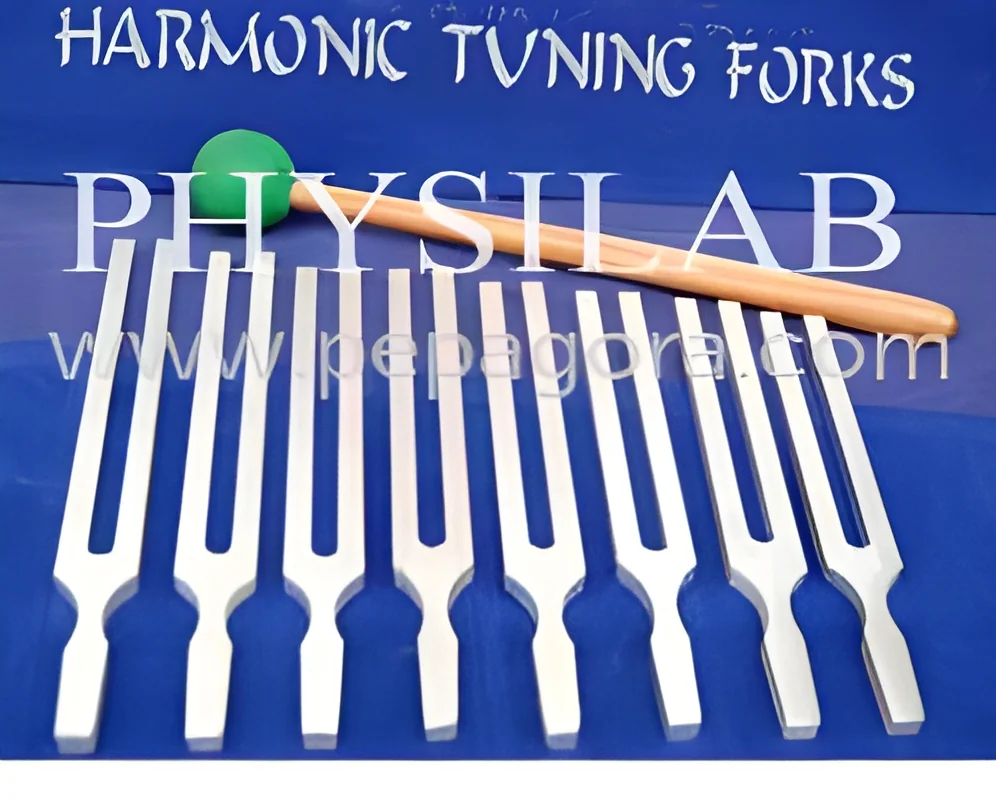
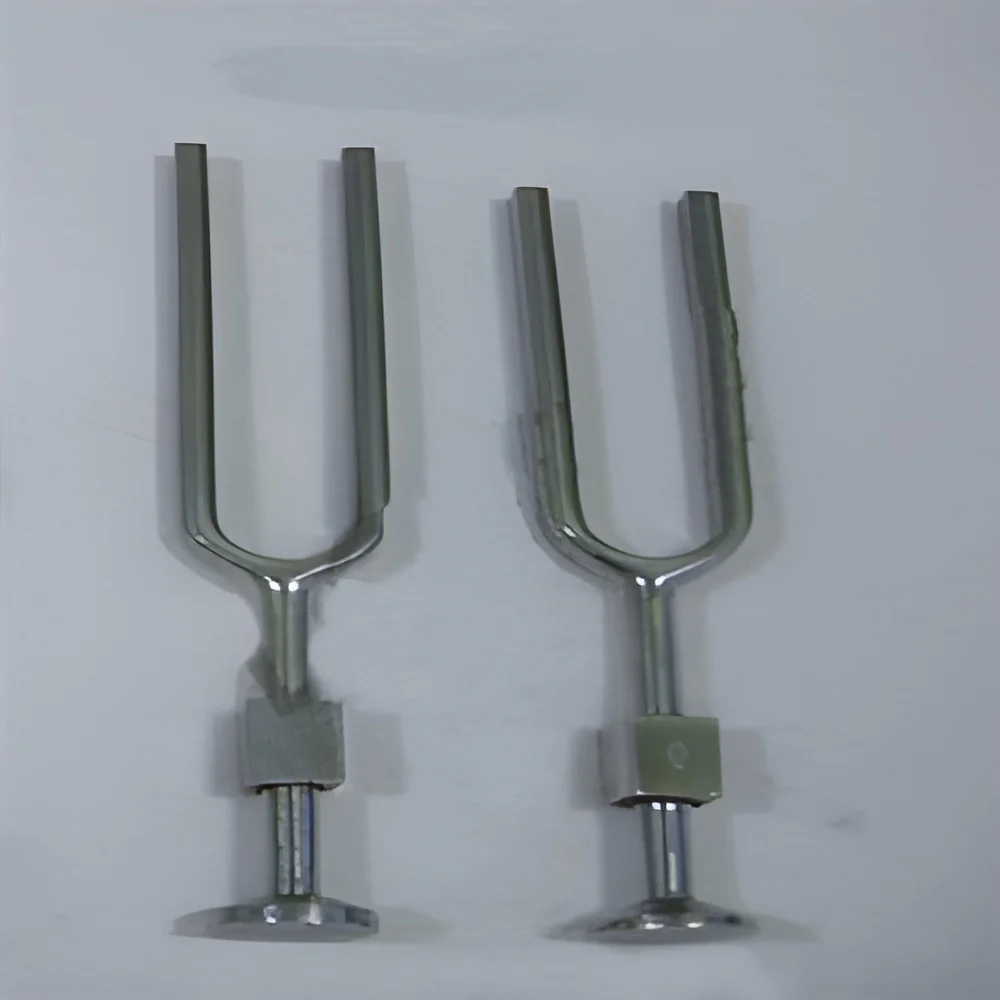
Tuning forks are precision instruments designed to produce a specific pitch when struck. They consist of a metal fork with two prongs that vibrate at a particular frequency, creating sound waves. The frequency is determined by the length and mass of the fork, allowing for a variety of pitches to be produced. Tuning forks are commonly made from materials such as aluminum or steel, ensuring durability and consistent performance.
In industrial and professional settings, tuning forks have several primary applications. They are widely used in musical tuning, medical diagnostics, and various scientific experiments. In the medical field, for instance, tuning forks are often employed in hearing tests and neurological assessments. The versatility of tuning forks makes them relevant across multiple industries, including healthcare, education, and manufacturing, where precise sound frequencies are essential.
The market for tuning forks continues to grow, driven by advancements in technology and increasing awareness of their applications. With a focus on quality and precision, manufacturers are developing tuning forks that cater to specific needs, ensuring their relevance in today’s diverse industrial landscape.
Key Features and Specifications
Tuning forks are characterized by their precision, material quality, and frequency range. Understanding their specifications is crucial for selecting the right product for your needs.
Key specifications include:
1. Frequency Range
- Tuning forks are available in various frequencies, typically ranging from 128 Hz to 4096 Hz.
- This range allows users to select the appropriate fork for their specific application.
2. Material Composition
- Tuning forks are commonly made from aluminum or steel, providing durability and resistance to corrosion.
- The choice of material can affect the sound quality and longevity of the product.
3. Length of Prongs
- The length of the prongs directly influences the pitch produced by the tuning fork.
- Standard lengths vary based on the intended frequency.
4. Finish
- Tuning forks may have different finishes, such as polished or anodized, affecting aesthetics and corrosion resistance.
5. Weight
- The weight of tuning forks can vary, impacting their ease of use and portability.
6. Calibration
- Some tuning forks come pre-calibrated for specific frequencies, ensuring accuracy in applications.
7. Packaging Options
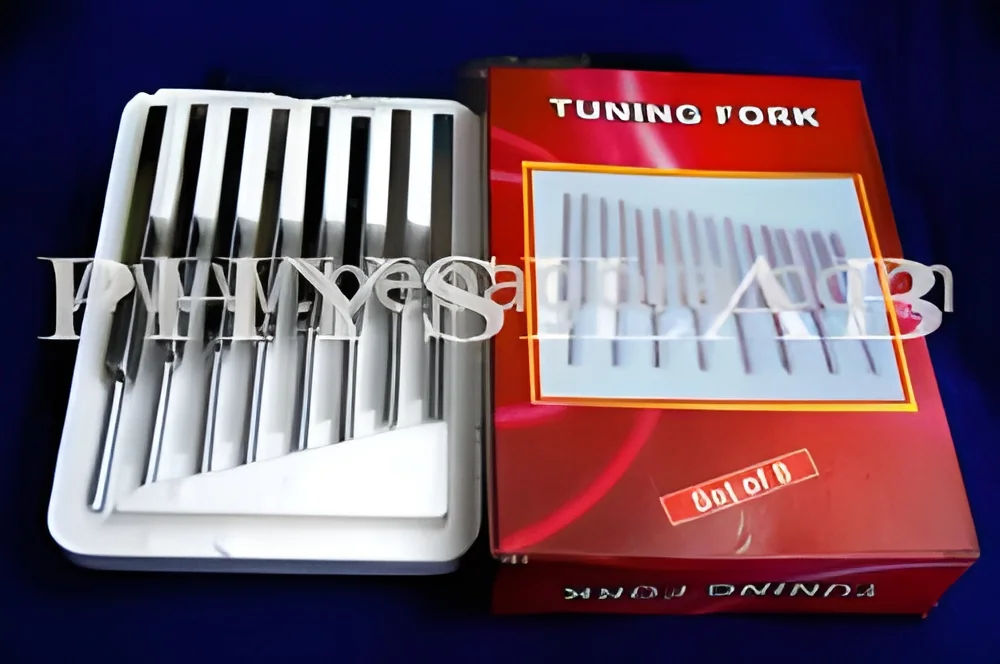
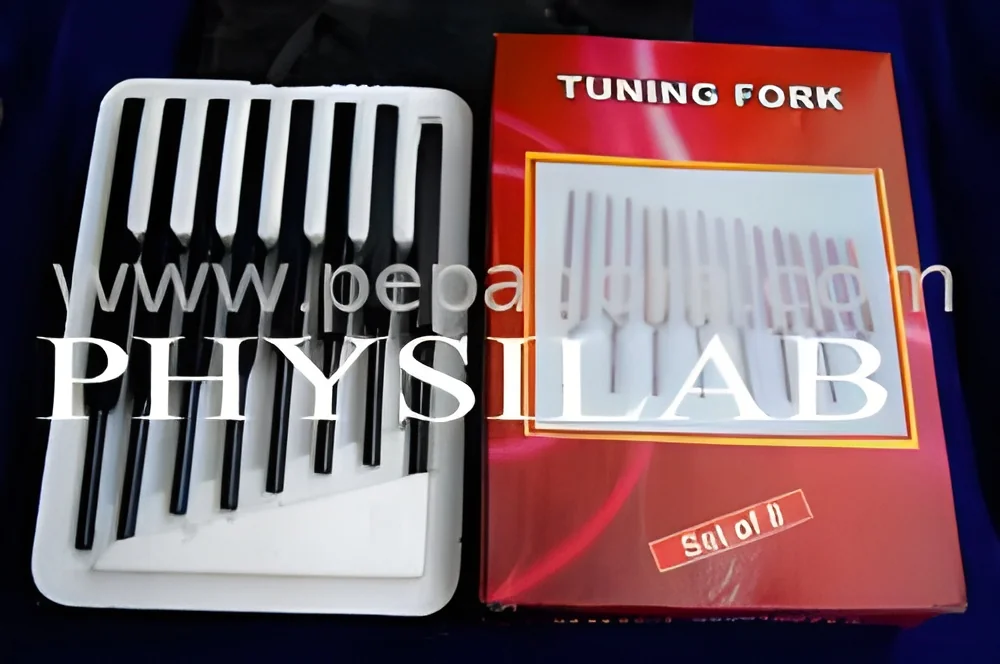
- Tuning forks may be available with protective cases or in bulk packaging for industrial use.
In summary, understanding these key features and specifications is vital for making informed purchasing decisions regarding tuning forks.
Common Applications and Use Cases
Tuning forks serve various industries, each with unique applications.
1. Music Industry: Tuning forks are widely used by musicians and sound engineers for tuning instruments. They ensure that instruments are in perfect pitch for performances and recordings.
2. Healthcare: In medical settings, tuning forks are utilized for hearing tests and assessing neurological function. Their ability to produce consistent sound frequencies aids in accurate diagnostics.
3. Education: Tuning forks are commonly used in educational environments, particularly in music education. They help students learn about pitch, sound waves, and musical intervals.
4. Manufacturing: In industrial applications, tuning forks can be used in quality control processes to ensure sound frequency standards are met in product testing.
5. Research: Scientific researchers employ tuning forks in experiments that require specific frequencies, such as studying sound waves and their properties.
6. Therapy: Tuning forks are also used in sound therapy practices, where specific frequencies are believed to promote healing and relaxation.
7. Acoustic Engineering: Acoustic engineers utilize tuning forks in the design and testing of sound equipment, ensuring optimal performance.
Product Variants and Subcategories
Tuning forks come in a variety of options to meet diverse needs.
Standard Tuning Forks: These are the most common type, available in various frequencies, ideal for musicians and healthcare professionals. They are designed for general use and are widely recognized for their reliability.
Medical Tuning Forks: Specifically calibrated for medical applications, these tuning forks often come with ranges tailored for hearing assessments and neurological tests. Their design focuses on producing consistent, clear tones necessary for accurate evaluations.
Heavy-Duty Tuning Forks: Designed for industrial applications, these tuning forks are made from robust materials to withstand harsh environments. They are often used in manufacturing and quality control processes.
Electronics Tuning Forks: These variants are tailored for acoustic engineering and testing in electronic devices. They are designed to meet specific frequency requirements essential for sound equipment development.
Benefits and Advantages
The use of tuning forks offers several significant benefits for businesses and professionals.
1. Precision Tuning: Tuning forks provide accurate sound frequencies, essential for musicians and technicians in various fields.
2. Portability: Their compact size makes tuning forks easy to transport, allowing users to have them on hand whenever needed.
3. Durability: Made from high-quality materials, tuning forks are built to last, ensuring long-term use without compromising performance.
4. Versatility: Tuning forks can be applied in multiple industries, making them a valuable tool for diverse applications.
5. Cost-Effective: Compared to electronic tuners, tuning forks are often more affordable and do not require batteries, making them economical for regular use.
6. Simple Operation: Using a tuning fork is straightforward, requiring no complex setup or technology, which is ideal for quick assessments or tuning.
Buying Guide for B2B Buyers
When sourcing tuning forks for business needs, several factors should be considered to ensure the right choice.
1. Quality Assessment: Evaluate the quality of materials used in manufacturing tuning forks. High-quality materials will provide better sound clarity and durability.
2. Supplier Verification: It is essential to vet suppliers to ensure they provide reliable products. Look for suppliers with a proven track record in the industry.
3. Pricing and MOQ: Consider the cost of tuning forks and any minimum order quantities. Understanding pricing structures can help in budgeting for purchases.
4. Delivery and Lead Times: Assess the logistics involved in sourcing tuning forks. Reliable delivery schedules are crucial for maintaining inventory levels.
5. Compliance Requirements: Ensure that the tuning forks meet any necessary regulatory standards for your industry. This may include certifications like CE.
Compliance and Certifications
Tuning forks must meet various quality and safety standards to ensure their reliability and effectiveness in different applications. Key standards include ISO 9001 for quality management systems, which ensures that manufacturers maintain consistent quality in production processes.
Additionally, certifications such as CE indicate that tuning forks comply with European health, safety, and environmental protection standards. This certification is particularly important for products used in medical and educational settings.
Safety and testing requirements are also crucial, ensuring that tuning forks perform reliably under specified conditions. Manufacturers should adhere to rigorous testing protocols to confirm the accuracy and longevity of their products.
Regional compliance considerations may vary, so it is essential for buyers to verify that the tuning forks meet local regulations and standards for their specific markets.
Why Source Tuning Forks from Pepagora?
Pepagora provides a trusted platform for sourcing tuning forks, offering several key advantages that cater to B2B buyers.
Verified Supplier Network: Pepagora works with a network of vetted suppliers, ensuring that customers receive high-quality tuning forks from reputable manufacturers. Each supplier undergoes a thorough verification process to maintain product integrity.
Streamlined RFQ Process: The platform simplifies the request for quotation (RFQ) process, allowing buyers to easily compare offers from multiple suppliers. This efficiency helps in making informed purchasing decisions.
Trade Assurance and Support: Pepagora prioritizes buyer protection by offering trade assurance services. This support ensures that transactions are secure and that buyers receive the products as promised.
Regional Coverage: With a focus on markets in India, the Gulf Cooperation Council (GCC), and Southeast Asia, Pepagora provides comprehensive geographical coverage, making it easier for businesses in these regions to access quality tuning forks and related products.

 India
Frequently Asked Questions
What are Tuning Forks?
Tuning forks are metal devices designed to produce a specific pitch when struck. They are commonly used in musical settings, as well as in various therapeutic practices, due to their ability to create pure tones and vibrations.
What are the different types of Tuning Forks?
There are several types of tuning forks, including those used for musical purposes, medical applications, and educational tools. Musical tuning forks typically resonate at standard pitches, while medical tuning forks are designed for specific frequencies used in treatments.
How do I choose the right Tuning Forks?
Choosing the right tuning forks depends on your intended use, such as musical tuning or therapeutic applications. Consider the frequency you need, the material of the fork, and any specific features that may enhance your application.
What are the standard specifications for Tuning Forks?
Standard specifications for tuning forks include their frequency, material composition, and dimensions. Most tuning forks are made from high-quality aluminum or steel and are calibrated to specific pitches, usually measured in Hertz (Hz).
What is the price range for Tuning Forks?
The price of tuning forks can vary widely based on their type and material. Generally, prices range from a few hundred to several thousand Indian Rupees, depending on the brand and specifications.
What quality standards apply to Tuning Forks?
Tuning forks should meet specific quality standards related to their material durability and acoustic performance. Look for products that adhere to industry standards for manufacturing and testing to ensure reliability and accuracy.
Where can I find Tuning Forks suppliers in India?
You can find tuning forks suppliers in India through various online B2B marketplaces like Pepagora.com. Additionally, local music stores and medical supply companies may also offer a range of options.
Can Tuning Forks be customized?
Yes, many manufacturers offer customization options for tuning forks, including frequency adjustments and branding. It's advisable to discuss specific requirements with suppliers to explore available customization services.
What is the typical minimum order quantity for Tuning Forks?
The typical minimum order quantity (MOQ) for tuning forks varies by supplier and order type. Generally, MOQs can range from a small batch of 10 units to larger quantities, depending on the manufacturer’s policies.
What is the typical lead time for Tuning Forks?
The lead time for tuning forks varies based on the supplier and customization requirements. Generally, standard orders can be fulfilled within 1 to 4 weeks, while customized orders may take longer depending on the complexity.
Why Businesses Trust Pepagora
Thousands of companies trust Pepagora to source smarter and sell faster
Expand Your Sales Globally

Source Smarter,Grow Faster
