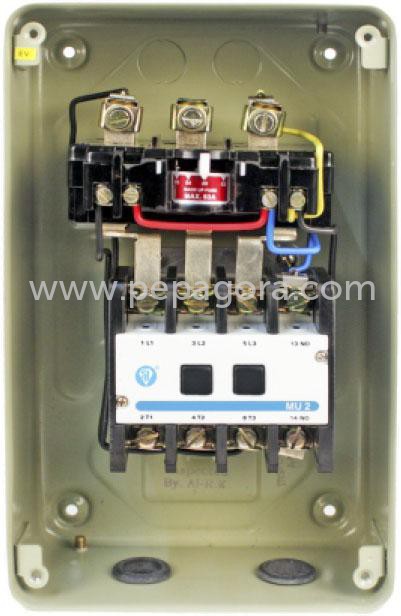
𝗪𝗵𝗮𝘁 𝗮𝗿𝗲 𝗧𝗶𝗺𝗲 𝗗𝗲𝗹𝗮𝘆 𝗥𝗲𝗹𝗮𝘆𝘀?
Time delay relays are electrical devices designed to provide a controlled delay in activating or deactivating electrical circuits. These relays function by using an internal timer that allows a set delay period to elapse before executing a command. The timer can be adjusted to meet specific operational requirements, making time delay relays versatile for various applications.
These relays are primarily used in automation and control systems across numerous industries. They ensure that processes run smoothly by preventing immediate responses to changes in conditions, which can help avoid equipment damage or operational errors. Common applications include controlling motors, lighting systems, and heating devices in industrial settings, as well as in HVAC systems and security systems.
With the growing demand for automation and efficiency in industrial processes, time delay relays play a crucial role in modern control systems. Their adaptability makes them relevant across sectors such as manufacturing, construction, and energy management, contributing to operational efficiency and safety.
𝗞𝗲𝘆 𝗙𝗲𝗮𝘁𝘂𝗿𝗲𝘀 𝗮𝗻𝗱 𝗦𝗽𝗲𝗰𝗶𝗳𝗶𝗰𝗮𝘁𝗶𝗼𝗻𝘀
Time delay relays come with various features that enhance their functionality and effectiveness in industrial environments. Understanding these specifications is essential for selecting the right relay for specific applications.
Key specifications include:
1. Timing Range
- Defines the duration for which the relay can delay activation or deactivation.
- Typically ranges from milliseconds to several hours.
2. Voltage Rating
- Indicates the maximum voltage the relay can handle.
- Common ratings include 12V, 24V, and 120V.
3. Current Rating
- Specifies the maximum current that can pass through the relay.
- Ranges from a few amperes to several hundred amperes.
4. Contact Configuration
- Refers to the arrangement of relay contacts, such as normally open (NO) or normally closed (NC).
- Affects how the relay interacts with the circuit.
5. Reset Type
- Determines how the relay resets after the time delay.
- Options include manual reset or automatic reset.
6. Mounting Type
- Indicates how the relay can be installed.
- Options include panel mount, DIN rail mount, or plug-in types.
7. Environmental Ratings
- Specifies the conditions under which the relay can operate safely.
- Includes temperature and humidity ranges, though specific data may not be available.
8. Certifications
- Ensures compliance with industry standards.
- Common certifications include CE, indicating adherence to European safety standards.
In summary, understanding these features and specifications is essential for selecting the appropriate time delay relay to meet specific operational needs.
𝗖𝗼𝗺𝗺𝗼𝗻 𝗔𝗽𝗽𝗹𝗶𝗰𝗮𝘁𝗶𝗼𝗻𝘀 𝗮𝗻𝗱 𝗨𝘀𝗲 𝗖𝗮𝘀𝗲𝘀
Time delay relays serve various industries by providing essential timing functions for equipment control and automation.
1. Manufacturing: In manufacturing processes, these relays can control the timing of machinery operations, ensuring that machines operate at optimal intervals to enhance productivity.
2. HVAC Systems: Time delay relays are crucial in heating, ventilation, and air conditioning systems, allowing for controlled delays in starting or stopping equipment, improving energy efficiency.
3. Security Systems: In alarm systems, time delay relays can delay the triggering of alarms, providing a window for authorized users to deactivate them before they sound.
4. Automotive: Used in automotive electronics, these relays help manage functions such as lighting and engine timing, contributing to vehicle safety and performance.
5. Water Treatment: In water treatment facilities, time delay relays can manage pump operations, ensuring that water is treated effectively over set periods.
6. Agricultural Equipment: Time delay relays help manage irrigation systems, allowing for controlled watering schedules based on specific timing needs.
7. Elevators: In elevator systems, these relays can control the timing of doors opening and closing, enhancing user safety and system efficiency.
𝗣𝗿𝗼𝗱𝘂𝗰𝘁 𝗩𝗮𝗿𝗶𝗮𝗻𝘁𝘀 𝗮𝗻𝗱 𝗦𝘂𝗯𝗰𝗮𝘁𝗲𝗴𝗼𝗿𝗶𝗲𝘀
Time delay relays come in diverse variants to cater to specific operational needs across various industries.
Mechanical Time Delay Relays: These relays use mechanical components to create delay functions. They are known for their reliability and simplicity, often used in basic control systems.
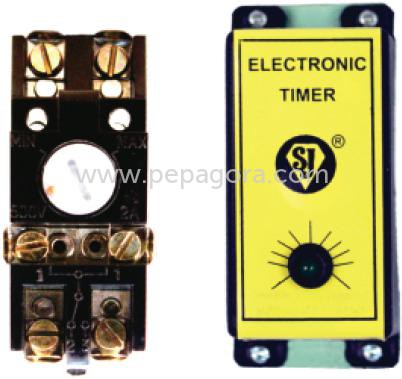
Electronic Time Delay Relays: These relays utilize electronic components to achieve precise timing functions. They offer adjustable timing ranges and are commonly found in complex automation systems.
Programmable Time Delay Relays: These advanced relays allow users to set specific timing parameters through programming, making them suitable for customized applications in sophisticated control environments.
Solid State Time Delay Relays: These relays use solid-state technology, providing faster response times and greater durability compared to mechanical relays. They are ideal for high-frequency applications.
𝗕𝗲𝗻𝗲𝗳𝗶𝘁𝘀 𝗮𝗻𝗱 𝗔𝗱𝘃𝗮𝗻𝘁𝗮𝗴𝗲𝘀
Time delay relays offer numerous advantages that enhance operational efficiency and safety in industrial applications.
1. Enhanced Control: Time delay relays provide precise control over equipment timing, allowing for improved process management and operational efficiency.
2. Equipment Protection: By preventing immediate responses to changes, these relays help protect machinery from damage caused by sudden activation or deactivation.
3. Energy Efficiency: Time delay functionality can optimize energy usage by ensuring that equipment operates only when necessary, reducing waste.
4. Improved Safety: By controlling the timing of operations, time delay relays contribute to safer working environments, particularly in automated systems.
5. Versatility: With adjustable timing settings and diverse applications, these relays can be used in a wide range of industries, making them a versatile choice for many operations.
6. Reliability: Time delay relays are designed for durability, providing consistent performance even in demanding conditions.
𝗕𝘂𝘆𝗶𝗻𝗴 𝗚𝘂𝗶𝗱𝗲 𝗳𝗼𝗿 𝗕𝟮𝗕 𝗕𝘂𝘆𝗲𝗿𝘀
When sourcing time delay relays, it is essential for B2B buyers to consider several critical factors to ensure they choose the right product.
1. Quality Assessment: Buyers should evaluate the quality of time delay relays based on performance, durability, and adherence to industry standards. Look for products that have been tested and certified for reliability.
2. Supplier Verification: It is crucial to vet suppliers to ensure they are reputable and provide high-quality products. Check for customer reviews, industry certifications, and track records in delivering reliable equipment.
3. Pricing and MOQ: Understand the pricing structures and minimum order quantities set by suppliers. This helps in budgeting and ensures that the sourcing process aligns with operational needs.
4. Delivery and Lead Times: Consider logistics and the lead time for receiving the relays. Timely delivery is essential to maintain production schedules and avoid operational delays.
5. Compliance Requirements: Ensure that the time delay relays comply with relevant regulatory standards. This includes safety certifications and regional compliance that may affect usability in specific markets.
𝗖𝗼𝗺𝗽𝗹𝗶𝗮𝗻𝗰𝗲 𝗮𝗻𝗱 𝗖𝗲𝗿𝘁𝗶𝗳𝗶𝗰𝗮𝘁𝗶𝗼𝗻𝘀
Time delay relays must meet various compliance and certification standards to ensure safety and performance in industrial applications.
Reputable manufacturers adhere to quality standards such as ISO 9001, which focuses on maintaining effective quality management systems. This certification indicates a commitment to consistent product quality and customer satisfaction.
Additionally, many time delay relays are certified with CE marking, signifying compliance with European safety and environmental protection regulations. This certification is essential for products sold in European markets, ensuring they meet rigorous safety standards.
Safety and testing requirements are also critical for time delay relays. These products must undergo various tests to ensure they can operate safely under specified conditions, particularly regarding voltage ratings and environmental factors.
Finally, regional compliance considerations may vary. Buyers should ensure that the relays they source are suitable for their specific geographic locations, taking into account local regulations and standards.
𝗪𝗵𝘆 𝗦𝗼𝘂𝗿𝗰𝗲 𝗧𝗶𝗺𝗲 𝗗𝗲𝗹𝗮𝘆 𝗥𝗲𝗹𝗮𝘆𝘀 𝗳𝗿𝗼𝗺 𝗣𝗲𝗽𝗮𝗴𝗼𝗿𝗮?
Pepagora provides a trusted platform for sourcing time delay relays, offering numerous advantages that streamline the procurement process.
Verified Supplier Network: Pepagora has established a network of verified suppliers, ensuring that buyers can access high-quality products from reputable manufacturers. This verification process helps mitigate risks associated with sourcing unreliable equipment.
Streamlined RFQ Process: The Request for Quotation (RFQ) system at Pepagora simplifies the procurement process. Buyers can easily submit their requirements and receive competitive quotes from multiple suppliers, facilitating informed decision-making.
Trade Assurance and Support: Pepagora offers trade assurance programs that protect buyers throughout the sourcing process. This includes support for resolving disputes and ensuring that orders are fulfilled as agreed, providing peace of mind in transactions.
Regional Coverage: With a focus on markets in India, the GCC, and Southeast Asia, Pepagora provides extensive regional coverage. This allows buyers to source time delay relays that meet local standards and requirements, enhancing operational efficiency and compliance.

 IN
IN

 India
India