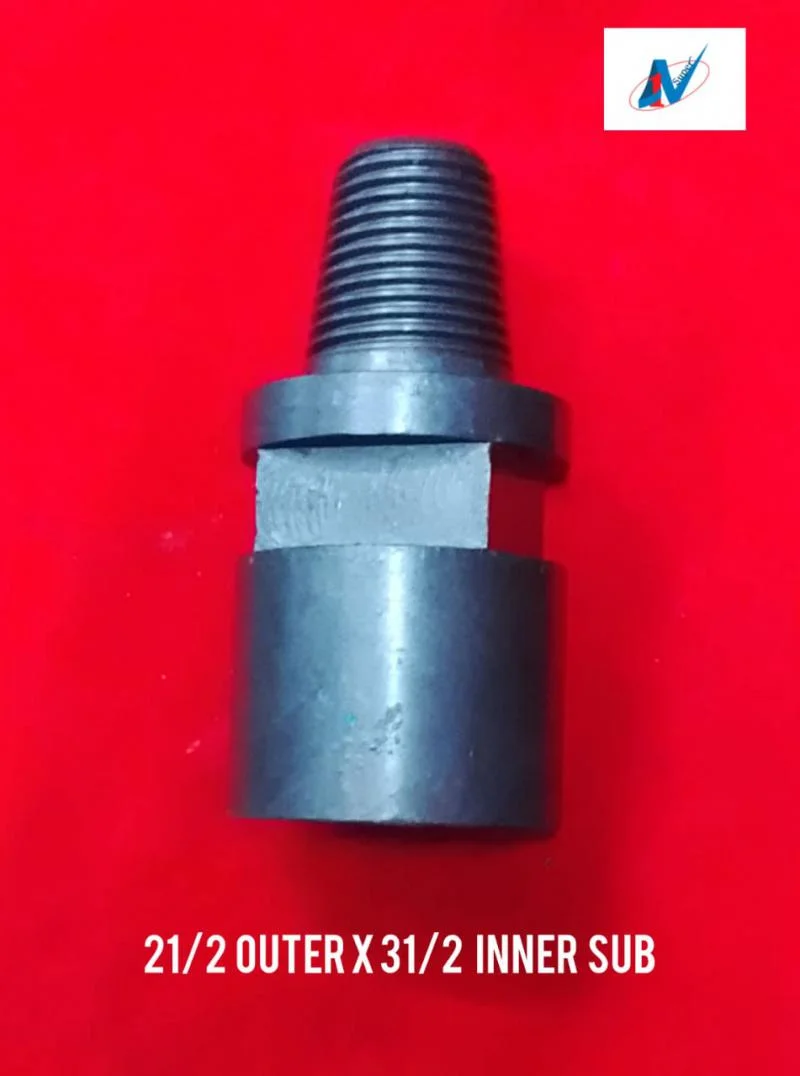
What are Threaded Fittings?
Threaded fittings are mechanical components used to connect pipes, valves, and other equipment in various industrial applications. They feature external or internal threads that allow for secure and leak-proof connections. These fittings are typically made from materials such as steel, brass, or plastic, depending on the specific application and environmental conditions.
Threaded fittings are essential in a myriad of business applications, including fluid and gas transportation, plumbing systems, and hydraulic machinery. They play a vital role in ensuring the efficient and safe movement of liquids and gases within different systems. Industries such as oil and gas, water treatment, and manufacturing heavily rely on these fittings to maintain operational integrity and safety.
In the broader market context, the demand for threaded fittings is influenced by industrial growth, infrastructure development, and advancements in technology. As companies seek to improve efficiency and reduce downtime, the role of reliable threaded fittings becomes increasingly significant. This positions them as a crucial component in the supply chain of industrial products.
Key Features and Specifications
Threaded fittings come with a variety of features that enhance their performance and usability. These features are designed to meet the diverse needs of various industries. Understanding these specifications is important for selecting the right fittings for specific applications.
Key specifications include:
1. Material Composition
- Common materials include stainless steel, carbon steel, brass, and PVC.
- Each material offers unique benefits such as corrosion resistance or lightweight properties.
2. Thread Type
- Threads can be NPT (National Pipe Thread), BSP (British Standard Pipe), or other types.
- The choice of thread type affects compatibility with other fittings and pipelines.
3. Size Range
- Available in various sizes to fit different pipe diameters.
- Standard sizes typically range from 1/8 inch to 6 inches.
4. Pressure Ratings
- Rated for different pressure levels based on the application.
- Common ratings include 150 psi, 300 psi, and higher for specialized applications.
5. Temperature Tolerance
- Designed to withstand varying temperature ranges.
- Specific tolerance details are not available.
6. Finish Options
- Can come with different surface finishes such as galvanized or polished.
- Finish impacts resistance to corrosion and aesthetic appeal.
7. Compliance Standards
- Fittings may meet various industry standards for quality and safety.
- Compliance with CE certification is common.
8. Connection Style
- Available in different connection styles such as threaded, flanged, or welded.
- Connection style affects ease of installation and removal.
In summary, understanding the key features and specifications of threaded fittings is crucial for ensuring compatibility and performance in industrial applications.
Common Applications and Use Cases
Threaded fittings are utilized across numerous industries due to their versatility and reliability.
1. Oil and Gas: Threaded fittings are essential for connecting pipes in drilling and refining processes, ensuring safe transport of crude oil and natural gas.
2. Water Treatment: In water treatment facilities, threaded fittings connect various components, allowing for efficient water distribution and treatment processes.
3. Manufacturing: Threaded fittings are used to assemble machinery and equipment, facilitating the transport of fluids and gases necessary for production.
4. HVAC: In heating, ventilation, and air conditioning systems, these fittings are used to connect ductwork and piping, ensuring proper airflow and temperature control.
5. Chemical Processing: Threaded fittings are crucial in chemical plants for connecting pipelines that handle corrosive substances, ensuring safety and integrity.
6. Construction: In construction projects, threaded fittings are used in plumbing systems for residential and commercial buildings, providing reliable water supply and drainage solutions.
7. Automotive: Threaded fittings are found in automotive applications, such as coolant systems, to connect various components effectively.
Product Variants and Subcategories
Threaded fittings come in various designs, each tailored for specific requirements and applications.
Reducing Couplings
Reducing couplings allow for the connection of pipes of different diameters. They are commonly used in plumbing systems to reduce pipe size while maintaining flow.
Elbow Fittings
Elbow fittings provide directional changes in piping systems. They are typically used to redirect flow in tight spaces and can come in various angles.
Tee Fittings
Tee fittings enable the branching off of pipes at a 90-degree angle. They are essential in creating multiple pathways within a piping system.
Cap Fittings
Cap fittings are used to seal the end of a pipe. They are vital for preventing leaks and maintaining pressure in closed systems.
Benefits and Advantages
Threaded fittings offer numerous benefits that make them a preferred choice in many industrial applications.
1. Easy Installation: The threaded design allows for straightforward assembly and disassembly, reducing labor costs and downtime.
2. Versatility: Available in a wide range of sizes and materials, threaded fittings can be used in various applications across multiple industries.
3. Leak-Proof Connections: The threading ensures tight seals, minimizing the risk of leaks and enhancing system reliability.
4. Cost-Effective: Threaded fittings are generally more affordable than other connection types, providing a budget-friendly solution for many projects.
5. Durability: Made from robust materials, these fittings can withstand harsh environmental conditions, ensuring long service life.
6. Compatibility: Threaded fittings can easily connect with other piping systems, making them highly adaptable to existing infrastructure.
Buying Guide for B2B Buyers
When sourcing threaded fittings for industrial applications, several factors should be considered to ensure optimal selection and performance.
1. Quality Assessment: Evaluate the quality of materials and manufacturing processes. Look for certifications that indicate adherence to industry standards and practices.
2. Supplier Verification: Research potential suppliers thoroughly. Verify their reputation, customer reviews, and track record in delivering quality products.
3. Pricing and MOQ: Understand the pricing structure and minimum order quantities. Compare prices across suppliers to ensure competitive rates.
4. Delivery and Lead Times: Consider logistics and the expected delivery timeline. Ensure that suppliers can meet your project deadlines.
5. Compliance Requirements: Be aware of any regulatory standards that the threaded fittings must meet. Compliance with safety and quality regulations is essential for operational integrity.
Compliance and Certifications
Threaded fittings must adhere to various quality standards and regulations to ensure safety and reliability in industrial applications.
ISO 9001 is a widely recognized standard that addresses quality management systems. Manufacturers of threaded fittings should ideally comply with this standard to demonstrate their commitment to quality and continuous improvement.
CE certification is essential for products sold in the European market. It indicates conformity with health, safety, and environmental protection standards.
Safety and testing requirements are critical aspects of threaded fittings. They must undergo rigorous testing to ensure they can withstand the pressures and conditions they will encounter in their intended applications.
Regional compliance considerations can vary widely. Buyers should be aware of the specific standards and regulations applicable in their region to ensure that the products they source meet all necessary legal requirements.
Why Source Threaded Fittings from Pepagora?
Pepagora offers a trusted platform for sourcing threaded fittings, providing multiple advantages for B2B buyers.
Verified Supplier Network: Pepagora connects buyers with a network of verified suppliers, ensuring that the products meet quality and performance standards. This verification process adds an extra layer of security for buyers.
Streamlined RFQ Process: The platform simplifies the Request for Quotation (RFQ) process, allowing buyers to receive competitive quotes from multiple suppliers efficiently. This saves time and streamlines procurement.
Trade Assurance and Support: Buyers benefit from trade assurance programs that protect their purchases. Pepagora provides support throughout the buying process, ensuring smooth transactions and addressing any concerns.
Regional Coverage: With a strong presence in India, the GCC, and Southeast Asia, Pepagora offers extensive geographic reach. This enables buyers to access a diverse range of products and suppliers tailored to their local needs.

 IN
IN