
 IN
Thermometers (Digital, Infrared, Mercury)
30 products available
Key Features and Specifications
Thermometers are designed with several key features that make them effective and reliable for various applications. Understanding these specifications is crucial for selecting the right thermometer for your business needs.
Key specifications include:
1. Measurement Range
- The range of temperatures the thermometer can measure, typically from -50°C to 300°C for digital and infrared models.
2. Accuracy
- The degree to which the thermometer's reading reflects the actual temperature, often within ±0.1°C for digital models.
3. Response Time
- The time it takes for the thermometer to provide a stable reading. Digital thermometers typically respond in seconds, while infrared models can provide readings almost instantly.
4. Power Source
- The type of power required for operation, which can include batteries for digital models or manual operation for mercury thermometers.
5. Display Type
- The type of screen used to show readings, with options like LCD for digital models, which may also include backlighting for visibility in low light.
6. Calibration Features
- Options for recalibrating the thermometer to ensure ongoing accuracy, which can be important in professional settings.
7. Safety Features
- Includes shatterproof designs for infrared thermometers or protective casing for digital models to enhance durability.
8. Compliance Standards
- Adherence to industry standards such as CE certification, ensuring that the thermometers meet safety and performance requirements.
In summary, the key features and specifications of thermometers are essential considerations for businesses seeking reliable temperature measurement solutions that meet their specific operational needs.
Common Applications and Use Cases
Thermometers serve a wide array of industries, each with unique applications and requirements.
1. Healthcare: In hospitals and clinics, thermometers are used to monitor patient temperatures, which is critical for diagnosing and managing fevers and infections.
2. Food Industry: Restaurants and food manufacturers rely on thermometers to ensure that food is cooked to safe temperatures and stored correctly to prevent spoilage and contamination.
3. Pharmaceuticals: Accurate temperature measurement is vital in the pharmaceutical industry for the storage and transportation of temperature-sensitive medications and vaccines.
4. HVAC: In heating, ventilation, and air conditioning systems, thermometers help technicians monitor and adjust temperatures for optimal performance and energy efficiency.
5. Laboratory Research: Researchers use precise thermometers for experiments that require strict temperature control to ensure the accuracy of results.
6. Agriculture: Farmers utilize thermometers to monitor soil and environmental temperatures, which can affect crop growth and yield.
7. Manufacturing: In production processes, thermometers are used for quality control to ensure that materials are processed at the correct temperatures.
Product Variants and Subcategories
Thermometers come in various forms, each tailored for specific use cases, ensuring that businesses can find the right tool for their needs.
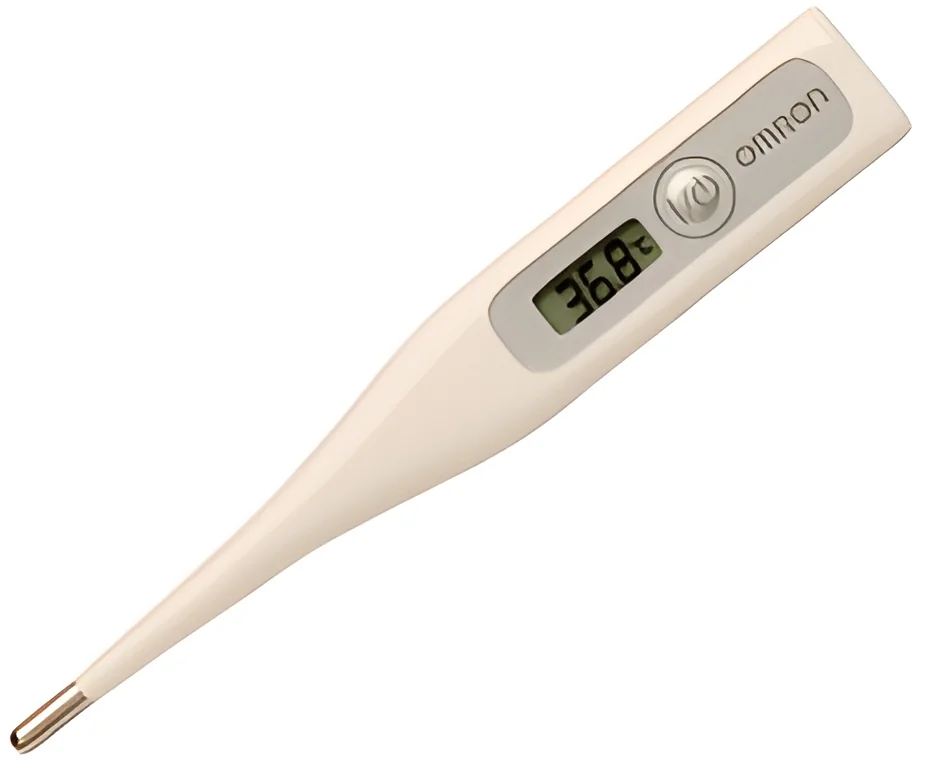
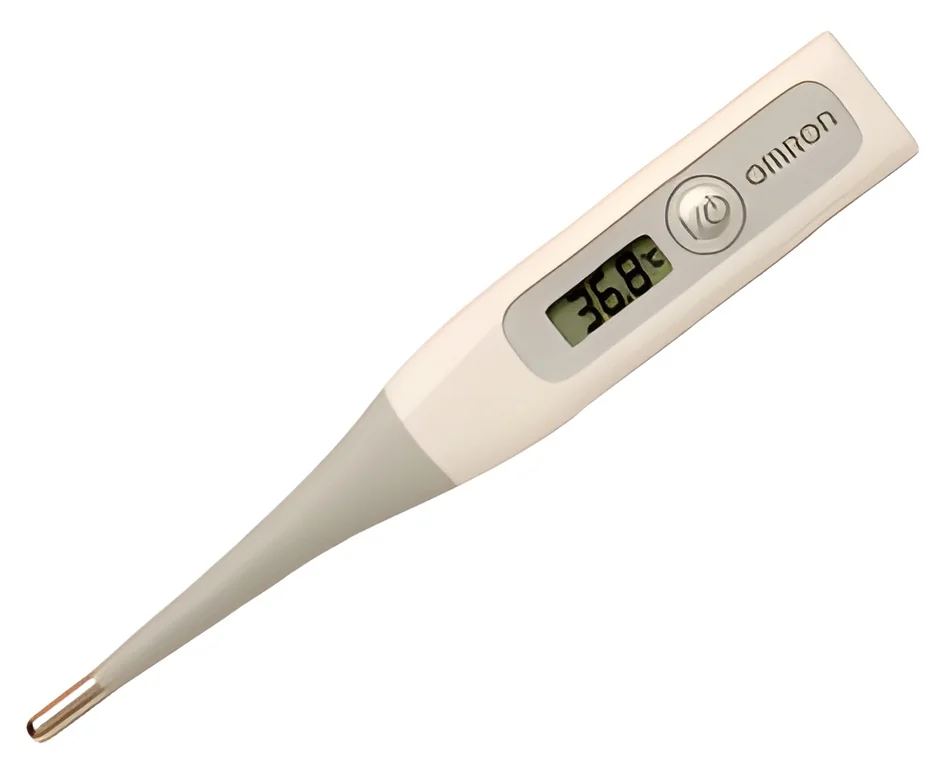
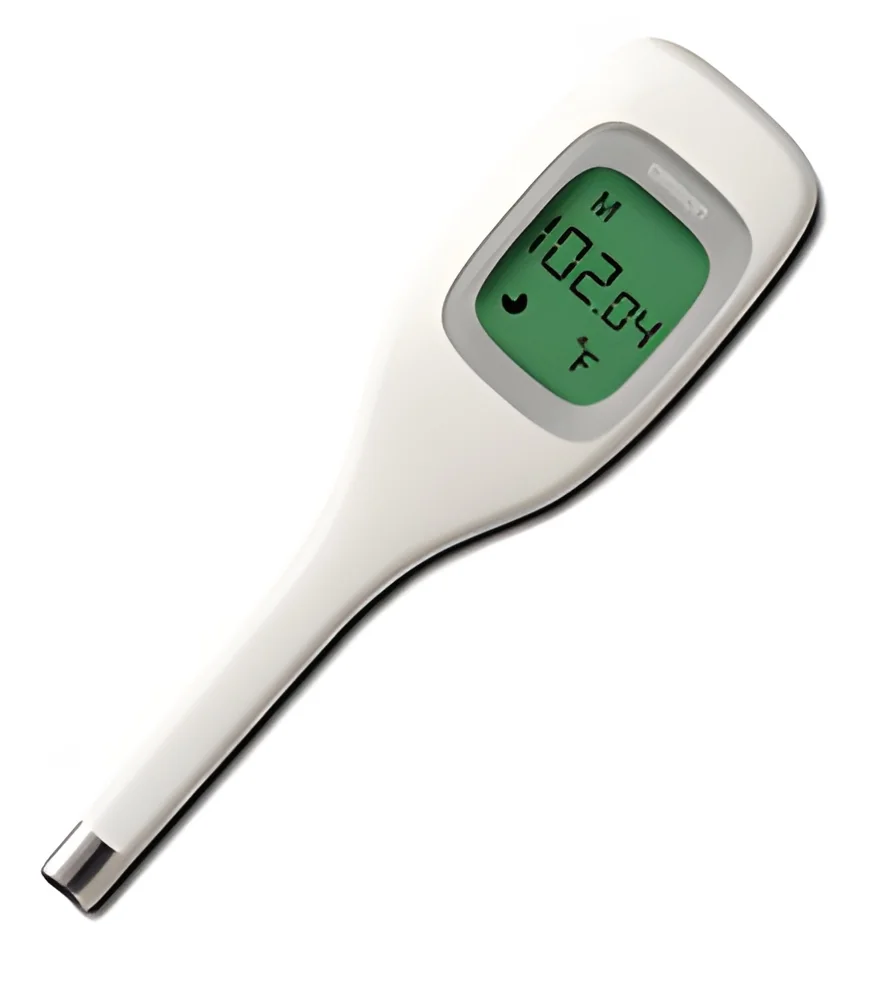
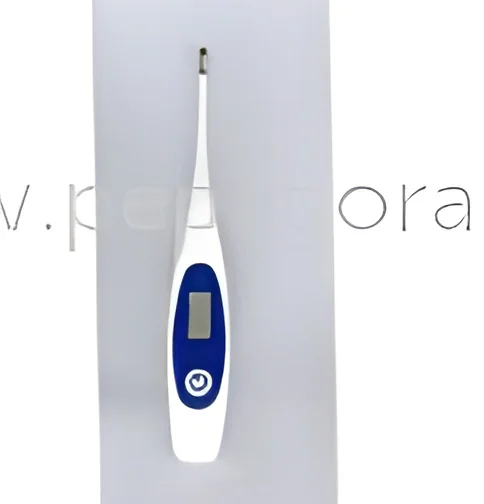
Digital Thermometers: These devices provide quick and accurate readings, often featuring user-friendly interfaces and data logging capabilities. They are ideal for healthcare settings and food safety inspections.
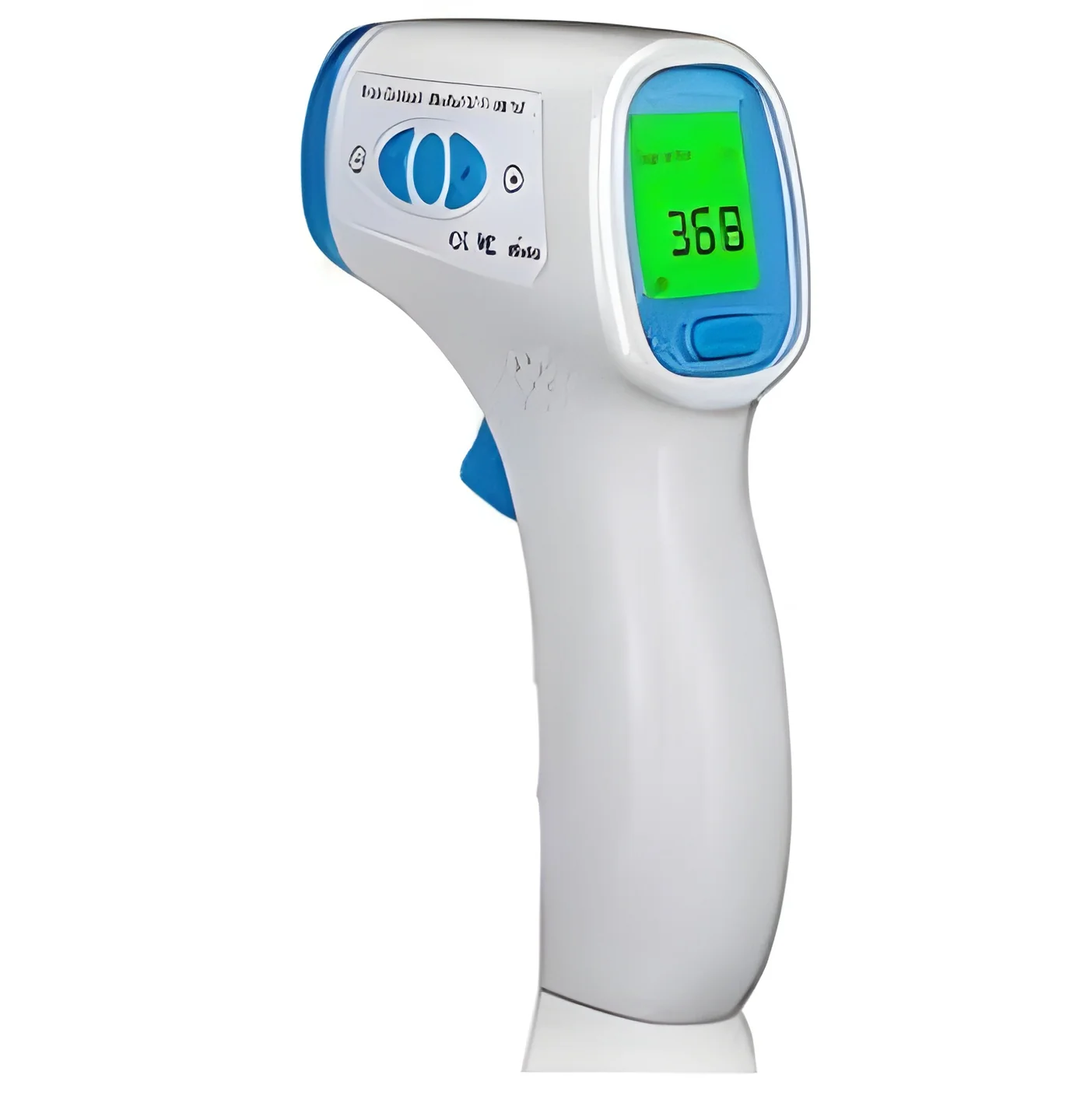
Infrared Thermometers: Designed for non-contact measurements, these thermometers allow users to measure surface temperatures from a distance, making them suitable for industrial applications and quick checks in food preparation areas.
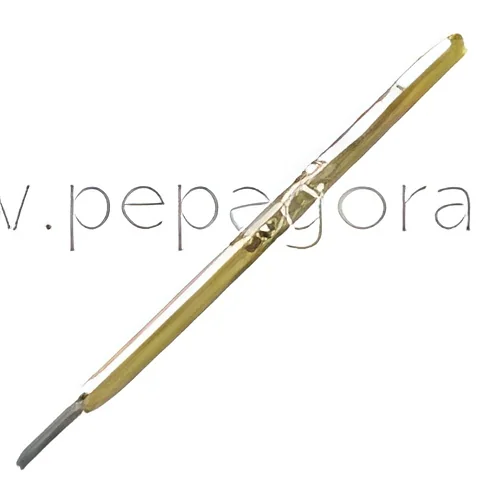
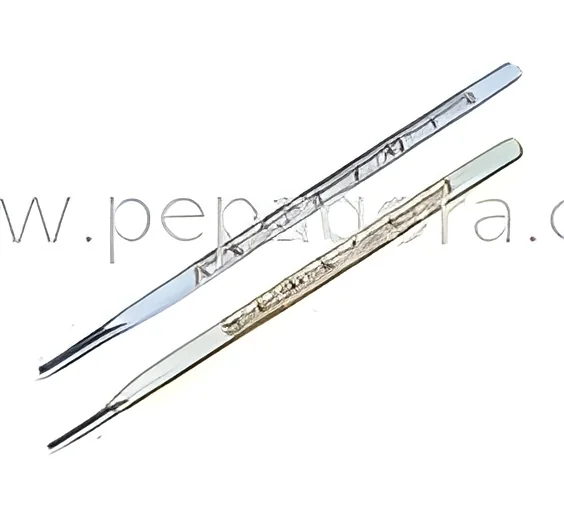
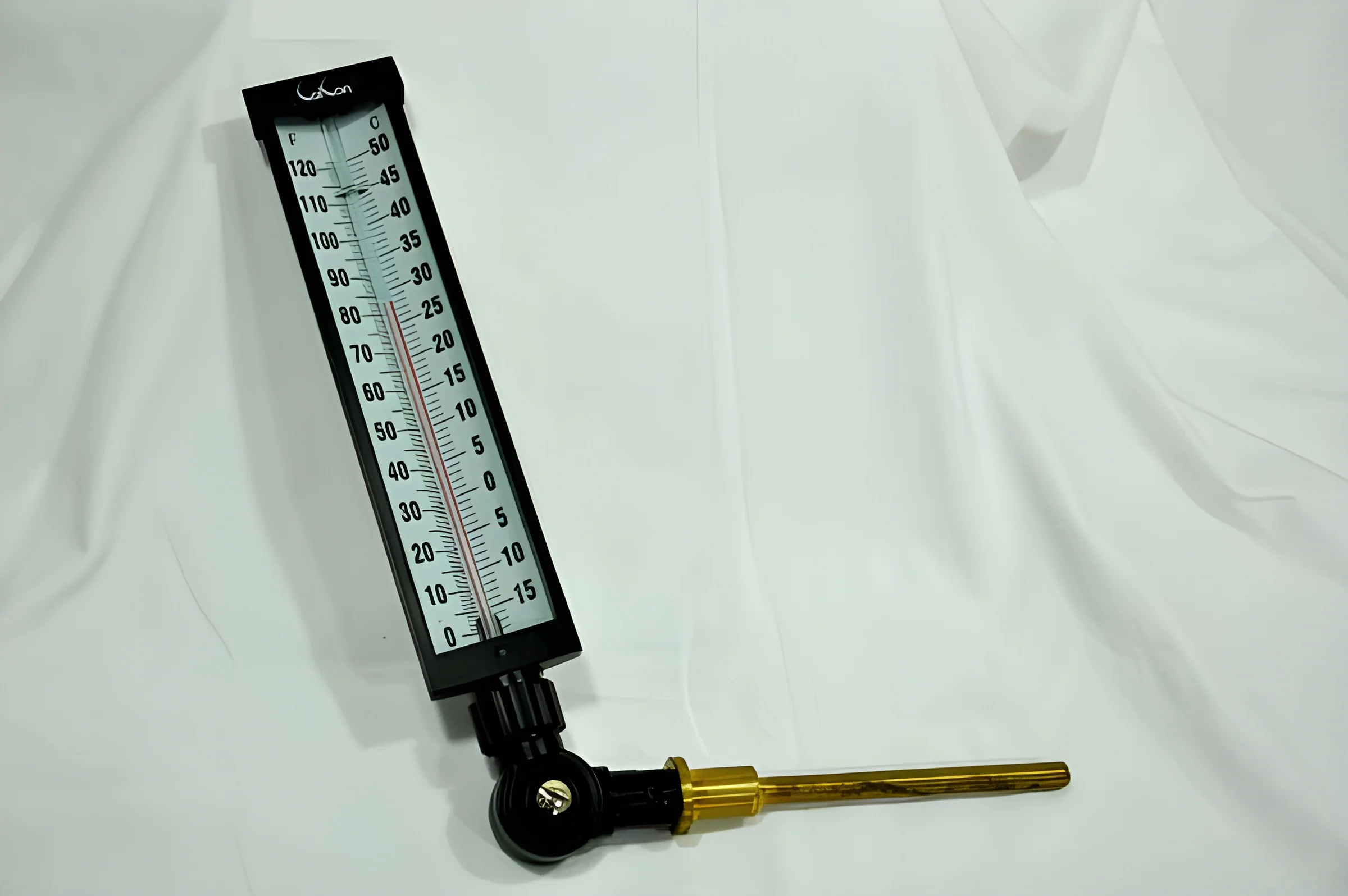
Mercury Thermometers: Although less commonly used today due to safety concerns, mercury thermometers offer reliable readings and are still found in certain laboratory and industrial applications where precise temperature measurement is required.
Benefits and Advantages
Choosing the right thermometer offers numerous advantages for businesses.
1. Accuracy: Reliable temperature readings are critical for compliance and safety, ensuring that processes meet industry standards.
2. Speed: Digital and infrared thermometers provide quick readings, enhancing efficiency in environments where time is of the essence.
3. Versatility: With various types available, thermometers can be used across multiple industries, making them valuable tools in diverse settings.
4. User-Friendly: Modern thermometers often come with intuitive designs and features that make them easy to use, reducing training time for staff.
5. Safety: Infrared models eliminate the need for direct contact, minimizing the risk of contamination in food and healthcare applications.
6. Durability: Many thermometers are designed to withstand harsh conditions, ensuring longevity and reducing replacement costs.
Buying Guide for B2B Buyers
When sourcing thermometers, it is essential for businesses to consider several important factors to ensure they select the right product for their needs.
1. Quality Assessment: Evaluate the quality of thermometers based on accuracy, durability, and compliance with industry standards to ensure reliability in use.
2. Supplier Verification: Vet suppliers for their reputation, experience, and customer feedback. Ensure they provide certified products that meet your specifications.
3. Pricing and MOQ: Understand the pricing structure and minimum order quantities (MOQ) to balance budget constraints with the need for high-quality instruments.
4. Delivery and Lead Times: Consider the logistics involved in sourcing thermometers, including shipping times and availability to prevent delays in operations.
5. Compliance Requirements: Familiarize yourself with relevant regulations and standards in your industry, ensuring that the thermometers you choose meet necessary compliance criteria.
Compliance and Certifications
Thermometers must adhere to several quality standards and certifications to ensure their reliability and safety in various applications. Key standards include ISO 9001, which focuses on quality management systems, ensuring that manufacturers maintain consistent quality in production.
Additionally, industry certifications such as CE are essential for ensuring that thermometers meet European health, safety, and environmental protection standards. These certifications help buyers ensure they are purchasing products that are compliant with relevant regulations.
Safety and testing requirements play a critical role in maintaining the integrity of thermometers. Manufacturers must conduct regular testing to ensure accuracy and reliability, particularly for medical and food safety applications.
Regional compliance considerations are also important, as different regions may have specific regulations governing the use of thermometers in various industries. Understanding these requirements is crucial for businesses looking to source thermometers that meet their operational needs.
Why Source Thermometers (Digital, Infrared, Mercury) from Pepagora?
Pepagora provides a trusted platform for sourcing thermometers with several key advantages that benefit B2B buyers.
Verified Supplier Network: Pepagora connects businesses with a network of verified suppliers, ensuring that buyers have access to high-quality products from reputable manufacturers.
Streamlined RFQ Process: The platform offers a user-friendly request for quotation process, making it easy for buyers to compare prices and specifications from multiple suppliers efficiently.
Trade Assurance and Support: Pepagora provides trade assurance, protecting buyers through secure payment options and support throughout the procurement process, ensuring peace of mind.
Regional Coverage: With a geographic reach extending to India, GCC, and Southeast Asia, Pepagora enables businesses to source thermometers tailored to their regional requirements while benefiting from local supplier expertise.

 India
 India
 India
 India
 India
 India
 India
 India
 India
 India

Frequently Asked Questions
What are Thermometers (Digital, Infrared, Mercury)?
Thermometers are devices used to measure temperature. There are several types, including digital thermometers, which provide quick readings; infrared thermometers, which measure temperature from a distance; and mercury thermometers, which use mercury in a glass tube to indicate temperature.
What are the different types of Thermometers (Digital, Infrared, Mercury)?
The main types of thermometers include digital thermometers, which are known for their accuracy and speed; infrared thermometers, which are non-contact devices ideal for quick readings; and mercury thermometers, which are traditional instruments that provide readings based on mercury expansion in a glass tube.
How do I choose the right Thermometers (Digital, Infrared, Mercury)?
Selecting the right thermometer depends on the intended use and required accuracy. Consider factors such as the measurement range, response time, and whether a contact or non-contact method is preferred, as well as any specific features you may need.
What are the standard specifications for Thermometers (Digital, Infrared, Mercury)?
Standard specifications for thermometers typically include measurement range, accuracy, response time, and display type. Digital thermometers often have features like backlit displays and memory functions, while infrared models usually specify the distance-to-spot ratio.
What is the price range for Thermometers (Digital, Infrared, Mercury)?
The price range for thermometers can vary significantly based on type and features. Digital thermometers can range from ₹200 to ₹2,000, infrared thermometers from ₹1,000 to ₹10,000, and mercury thermometers generally cost between ₹100 and ₹500.
What quality standards apply to Thermometers (Digital, Infrared, Mercury)?
Thermometers must comply with various quality standards, such as ISO 9001 for quality management systems and specific ASTM and IEC standards for measurement accuracy and safety. It's important to check certifications that ensure the product meets these quality requirements.
Where can I find Thermometers (Digital, Infrared, Mercury) suppliers in India?
You can find suppliers of thermometers in India through various online B2B marketplaces, trade directories, and industry-specific exhibitions. Websites like Pepagora.com provide a platform to connect with manufacturers and suppliers across the country.
Can Thermometers (Digital, Infrared, Mercury) be customized?
Yes, many manufacturers offer customization options for thermometers. This may include branding, specific measurement ranges, or additional features tailored to meet the needs of specific industries or applications.
What is the typical minimum order quantity for Thermometers (Digital, Infrared, Mercury)?
The typical minimum order quantity (MOQ) for thermometers can vary by supplier and product type. Generally, MOQs can range from 50 to 500 units, depending on the manufacturer and customization requirements.
What is the typical lead time for Thermometers (Digital, Infrared, Mercury)?
The lead time for thermometers varies based on order size and production schedules but typically ranges from 2 to 6 weeks. Custom orders may require additional time depending on the complexity of the modifications.
Why Businesses Trust Pepagora
Thousands of companies trust Pepagora to source smarter and sell faster
Expand Your Sales Globally

Source Smarter,Grow Faster
