
 IN
Thermal Overload Relays
12 products available
What are Thermal Overload Relays?
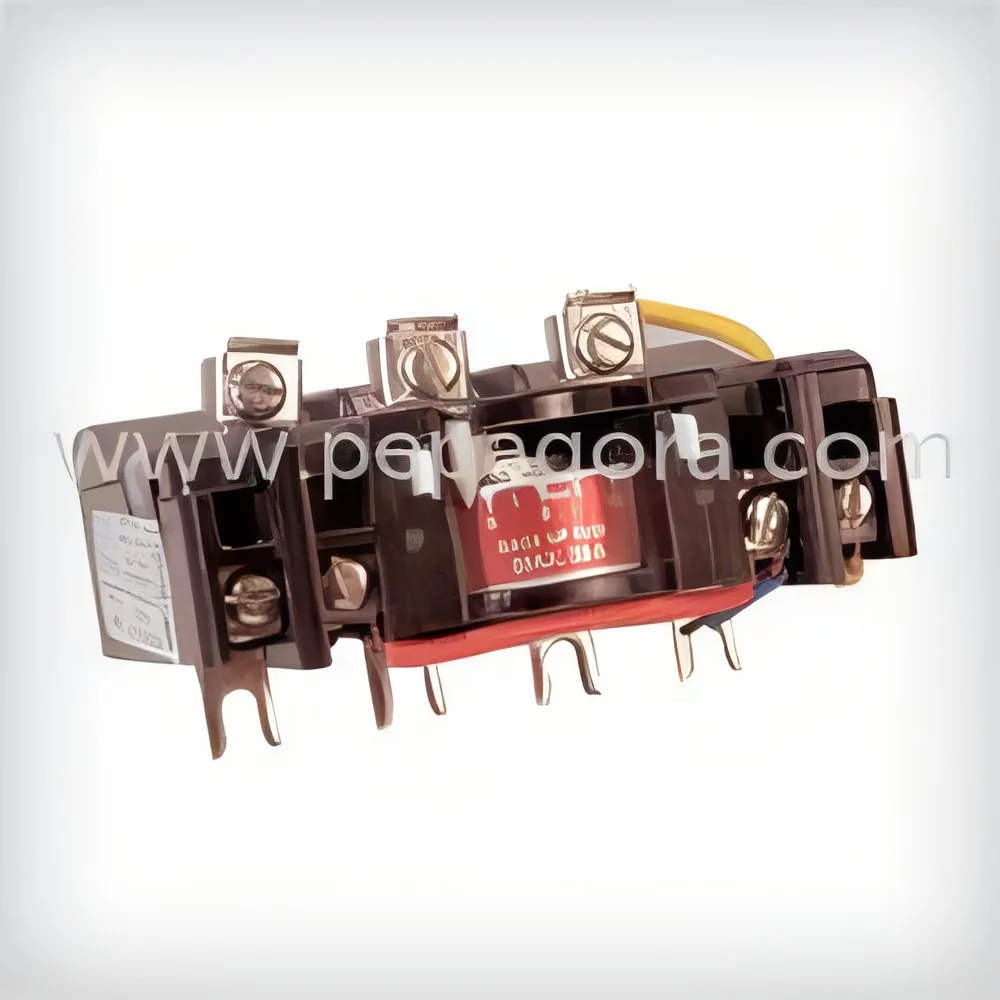
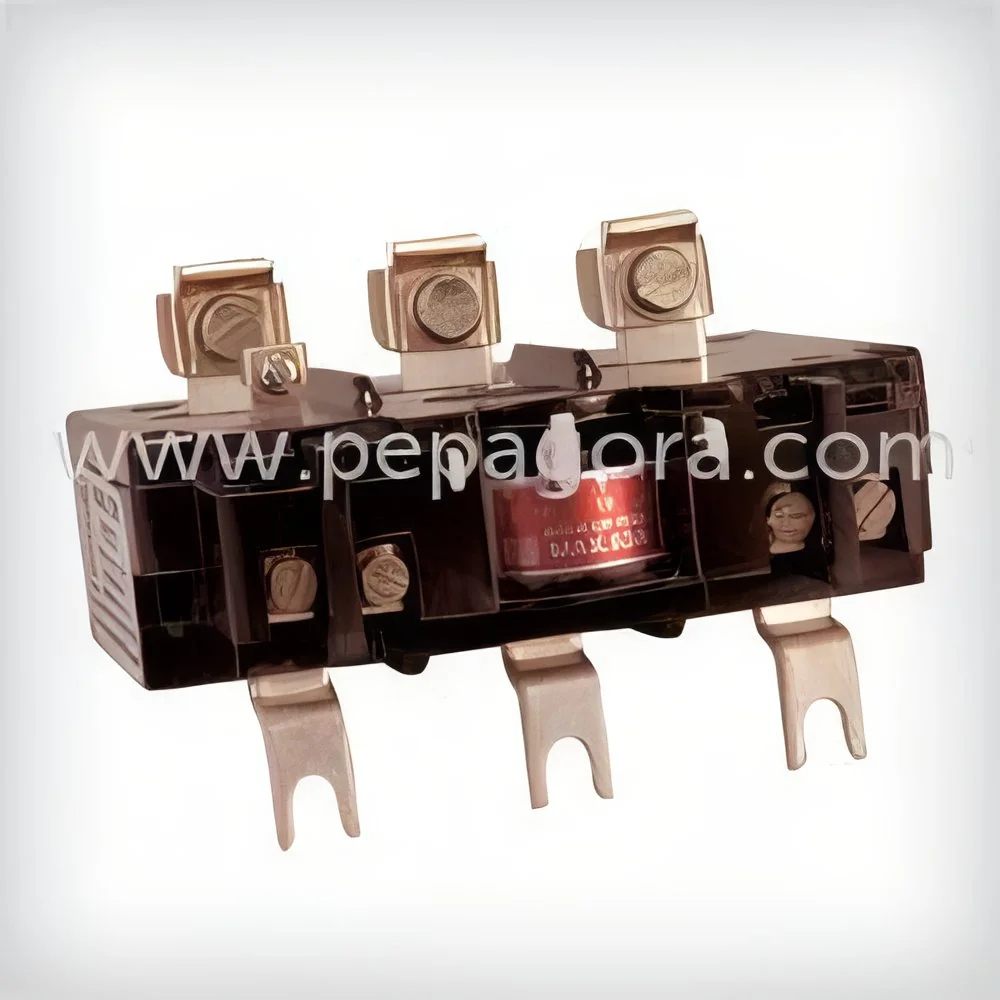
Thermal overload relays are essential electrical devices designed to protect motors and other equipment from overheating due to excessive current. They function by detecting the thermal effects generated by the flow of current through a motor. If the current exceeds a predetermined level, the relay will trip, interrupting the power supply and preventing damage to the equipment.
These devices are widely used in various business applications, particularly in industries that rely on electric motors for operation. Common uses include protecting conveyor systems, pumps, fans, and compressors. The importance of thermal overload relays cannot be overstated, as they play a critical role in maintaining operational efficiency and safety in industrial environments.
In the current market landscape, the demand for thermal overload relays is driven by the growing need for energy-efficient and reliable industrial equipment. As industries increasingly focus on sustainability and operational cost reduction, the role of thermal overload relays becomes even more significant. They contribute to the longevity of equipment, ultimately leading to lower maintenance costs and enhanced productivity.
Key Features and Specifications
Thermal overload relays come with a variety of features and specifications that make them suitable for diverse applications. These specifications help buyers select the right product for their specific needs.
Key specifications include:
1. Current Rating
- Indicates the maximum current the relay can handle before tripping.
- Typically ranges from low amperages (1-10 A) to high amperages (up to 80 A or more).
2. Reset Type
- Defines how the relay can be reset after tripping.
- Options include manual reset and automatic reset.
3. Trip Class
- Determines the time delay before the relay trips under overload conditions.
- Common classes include Class 10, Class 15, and Class 20, indicating different thermal response times.
4. Operating Voltage
- Specifies the voltage range within which the relay operates effectively.
- Standard ranges are 230V, 400V, or customized options.
5. Ambient Temperature Range
- Defines the permissible temperature range for effective operation.
- Typically spans from -20°C to +60°C, depending on the model.
6. Mounting Options
- Indicates how the relay can be installed.
- Can include panel mount, DIN rail mount, or standalone options.
7. Protection Features
- Describes additional features such as short-circuit protection and phase failure detection.
- Enhances overall reliability and safety.
8. Certification
- Indicates compliance with industry standards, such as CE marking.
- Ensures that the product meets safety and performance requirements.
In summary, understanding the features and specifications of thermal overload relays is crucial for selecting the appropriate device for your application. These specifications ensure compatibility with existing systems and contribute to the overall efficiency of operations.
Common Applications and Use Cases
Thermal overload relays find application across various industries, providing reliable protection for equipment.
1. Manufacturing: In manufacturing facilities, thermal overload relays protect motors used in assembly lines and conveyor belts from overheating, ensuring continuous operations.
2. HVAC: In heating, ventilation, and air conditioning systems, these relays safeguard compressors and fans, maintaining optimal temperature control and energy efficiency.
3. Water Treatment: In water treatment plants, thermal overload relays are used to protect pumps from overheating, ensuring consistent water flow and quality.
4. Food Processing: In food production and processing, these relays protect motors in mixers, conveyor systems, and refrigeration units, helping to maintain safety and compliance with health standards.
5. Mining: In mining operations, thermal overload relays are essential for protecting heavy machinery and equipment from damage due to excessive current, ensuring operational safety.
6. Agriculture: In agricultural applications, these relays safeguard motors in irrigation systems and processing equipment, contributing to efficient resource management.
7. Construction: In construction sites, thermal overload relays protect equipment such as cranes and generators, ensuring safe operation under demanding conditions.
Product Variants and Subcategories
Thermal overload relays come in a variety of types to meet the specific needs of different applications. Although subcategories are not specified, various variants offer distinct features.
Manual Reset Thermal Overload Relay: This variant requires manual intervention to reset after tripping. It is ideal for applications where safety is a priority, ensuring that operators check the system before restarting.
Automatic Reset Thermal Overload Relay: This type automatically resets after a cooling period, making it suitable for applications where continuous operation is essential, such as in HVAC systems.
Digital Thermal Overload Relay: Equipped with digital monitoring features, this variant provides real-time data on motor performance and can integrate with advanced control systems.
Mechanical Thermal Overload Relay: Known for its simplicity and reliability, this variant uses bimetallic elements to detect overload conditions, making it suitable for basic applications.
Benefits and Advantages
Thermal overload relays offer several advantages that contribute to operational efficiency and safety.
1. Equipment Protection: They effectively prevent motor damage due to overheating, reducing the risk of costly repairs and downtime.
2. Enhanced Safety: By tripping in overload conditions, these relays protect operators and nearby personnel from electrical hazards.
3. Energy Efficiency: Protecting motors from damage allows for optimal performance, leading to lower energy consumption and reduced operational costs.
4. Easy Installation: Many models are designed for straightforward installation, reducing setup time and complexity.
5. Versatile Applications: Thermal overload relays can be used in various industries, making them a versatile solution for different operational needs.
6. Compliance Assurance: Many thermal overload relays come with certifications, ensuring they meet industry safety and performance standards.
Buying Guide for B2B Buyers
When sourcing thermal overload relays, several factors should be considered to ensure optimal selection.
1. Quality Assessment: Look for products that are manufactured under stringent quality control processes. Verify compliance with relevant standards like CE certification to ensure reliability.
2. Supplier Verification: Vet suppliers by checking their reputation, customer reviews, and industry experience. Reliable suppliers often provide warranties and post-purchase support.
3. Pricing and MOQ: Understand the price range of thermal overload relays and inquire about minimum order quantities. Consider bulk purchasing for cost savings, but ensure it aligns with your usage needs.
4. Delivery and Lead Times: Confirm the supplier's lead times for delivery. Ensure that they can meet your project timelines, especially for critical applications.
5. Compliance Requirements: Be aware of any regulatory requirements specific to your industry. Ensure that the thermal overload relays meet these standards to avoid compliance issues.
Compliance and Certifications
Compliance and certifications are essential aspects of thermal overload relays. They ensure that products meet safety and performance standards required by various industries.
Many thermal overload relays adhere to quality standards such as ISO 9001, which demonstrates a commitment to quality management. This standard ensures that the manufacturing processes are consistent and meet customer expectations.
In addition to ISO certification, CE marking is a common certification for thermal overload relays. This marking indicates compliance with European safety, health, and environmental protection standards, making it a critical requirement for products sold in Europe.
Safety and testing requirements are also paramount. Manufacturers often conduct rigorous testing to ensure that their relays function correctly under different conditions. This includes thermal testing to confirm that the relay will trip correctly in overload situations.
Regional compliance considerations may vary. It is essential for buyers to understand the regulations applicable to their specific regions and industries to ensure that the products they source comply with local laws and standards.
Why Source Thermal Overload Relays from Pepagora?
Pepagora provides a trusted platform for sourcing thermal overload relays, offering several key advantages to B2B buyers.
Verified Supplier Network: Pepagora maintains a robust network of verified suppliers, ensuring that buyers have access to high-quality products from trusted manufacturers. This verification process helps reduce the risks associated with sourcing.
Streamlined RFQ Process: The platform features a user-friendly Request for Quotation (RFQ) system that simplifies the procurement process. Buyers can easily compare offers, making it easier to select the best option for their needs.
Trade Assurance and Support: Pepagora offers trade assurance, protecting buyers during transactions. This includes support throughout the purchasing process, ensuring that any issues are addressed promptly.
Regional Coverage: With a strong presence in India, the Gulf Cooperation Council (GCC), and Southeast Asia, Pepagora provides extensive regional coverage. This geographic reach allows buyers to source thermal overload relays that meet local demands efficiently.
In conclusion, Pepagora is an excellent choice for sourcing thermal overload relays, combining a reliable supplier network, a streamlined procurement process, and regional expertise to meet the needs of businesses across various industries.

 India
 India
 India

 India

 India
Frequently Asked Questions
What are Thermal Overload Relays?
Thermal Overload Relays are protective devices used to prevent motors from overheating due to excessive current. They operate by monitoring the temperature and current flowing through the motor, disconnecting the power when preset limits are exceeded.
What are the different types of Thermal Overload Relays?
There are mainly two types of Thermal Overload Relays: bimetallic and electronic. Bimetallic relays use a bimetallic strip that bends with heat to break the circuit, while electronic relays utilize sensors and microcontrollers for precise monitoring and control.
How do I choose the right Thermal Overload Relays?
Choosing the right Thermal Overload Relay involves considering the motor's current rating, the environment it operates in, and the required response time. It is also essential to assess compatibility with existing control systems and safety standards.
What are the standard specifications for Thermal Overload Relays?
Standard specifications for Thermal Overload Relays include current rating, voltage rating, operating temperature range, and trip class. These specifications ensure that the relay functions correctly under various conditions and provide adequate protection.
What is the price range for Thermal Overload Relays?
The price range for Thermal Overload Relays can vary significantly based on type, specifications, and manufacturer. Generally, prices can range from a few hundred to several thousand Indian Rupees per unit.
What quality standards apply to Thermal Overload Relays?
Thermal Overload Relays are generally required to meet international quality standards such as IEC and ISO certifications. These standards ensure reliability, safety, and performance in industrial applications.
Where can I find Thermal Overload Relays suppliers in India?
You can find Thermal Overload Relays suppliers in India through various online B2B marketplaces, trade directories, and industry expos. Websites like Pepagora.com offer a platform to connect with reputable manufacturers and suppliers.
Can Thermal Overload Relays be customized?
Yes, many manufacturers offer customization options for Thermal Overload Relays to meet specific requirements. Customization may include adjustments to current ratings, housing design, and additional features based on application needs.
What is the typical minimum order quantity for Thermal Overload Relays?
The typical minimum order quantity (MOQ) for Thermal Overload Relays varies by supplier and product type. Generally, MOQs can range from 10 to 100 units, depending on the manufacturer's policies.
What is the typical lead time for Thermal Overload Relays?
The typical lead time for Thermal Overload Relays can range from a few days to several weeks, depending on the supplier and whether the product is in stock or requires customization. It is advisable to confirm lead times with the supplier during the ordering process.
Why Businesses Trust Pepagora
Thousands of companies trust Pepagora to source smarter and sell faster
Expand Your Sales Globally

Source Smarter,Grow Faster
