IN
IN₹
Apparel & Fashion
Description
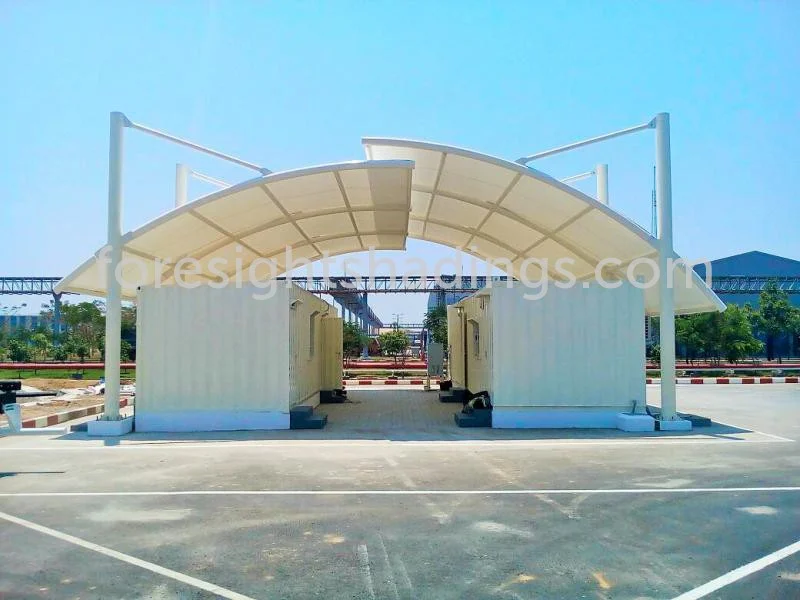
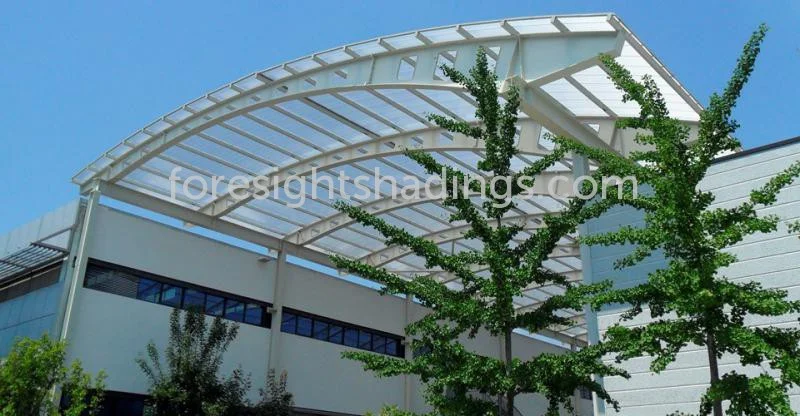
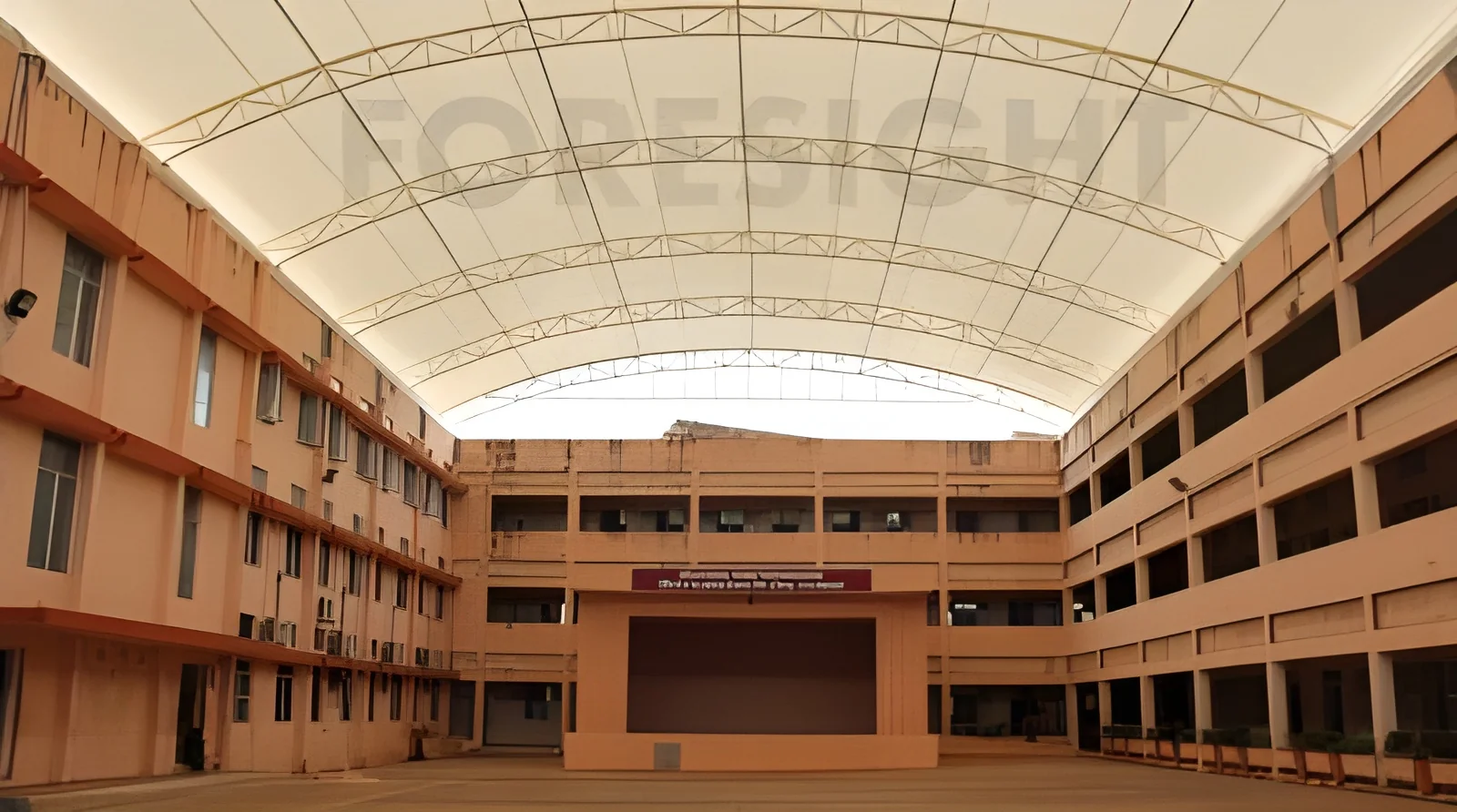
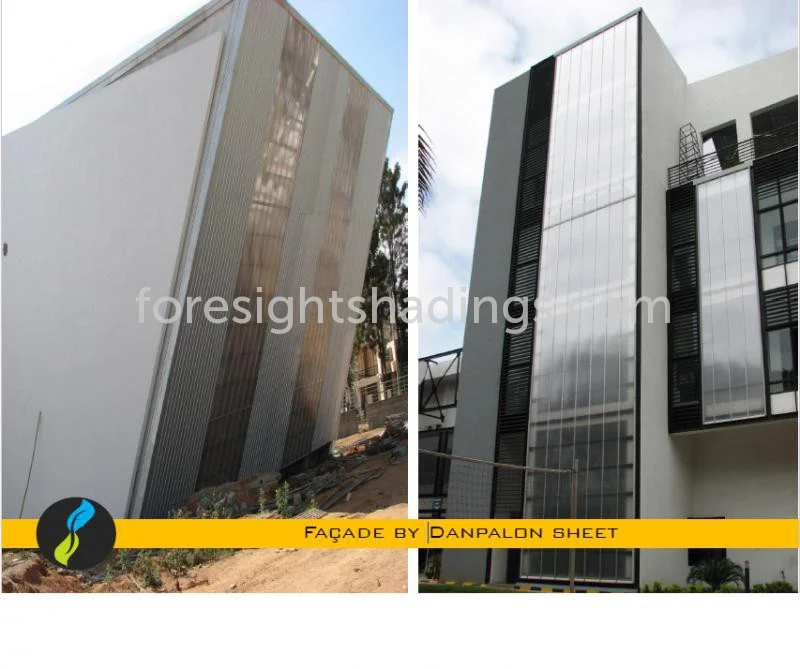
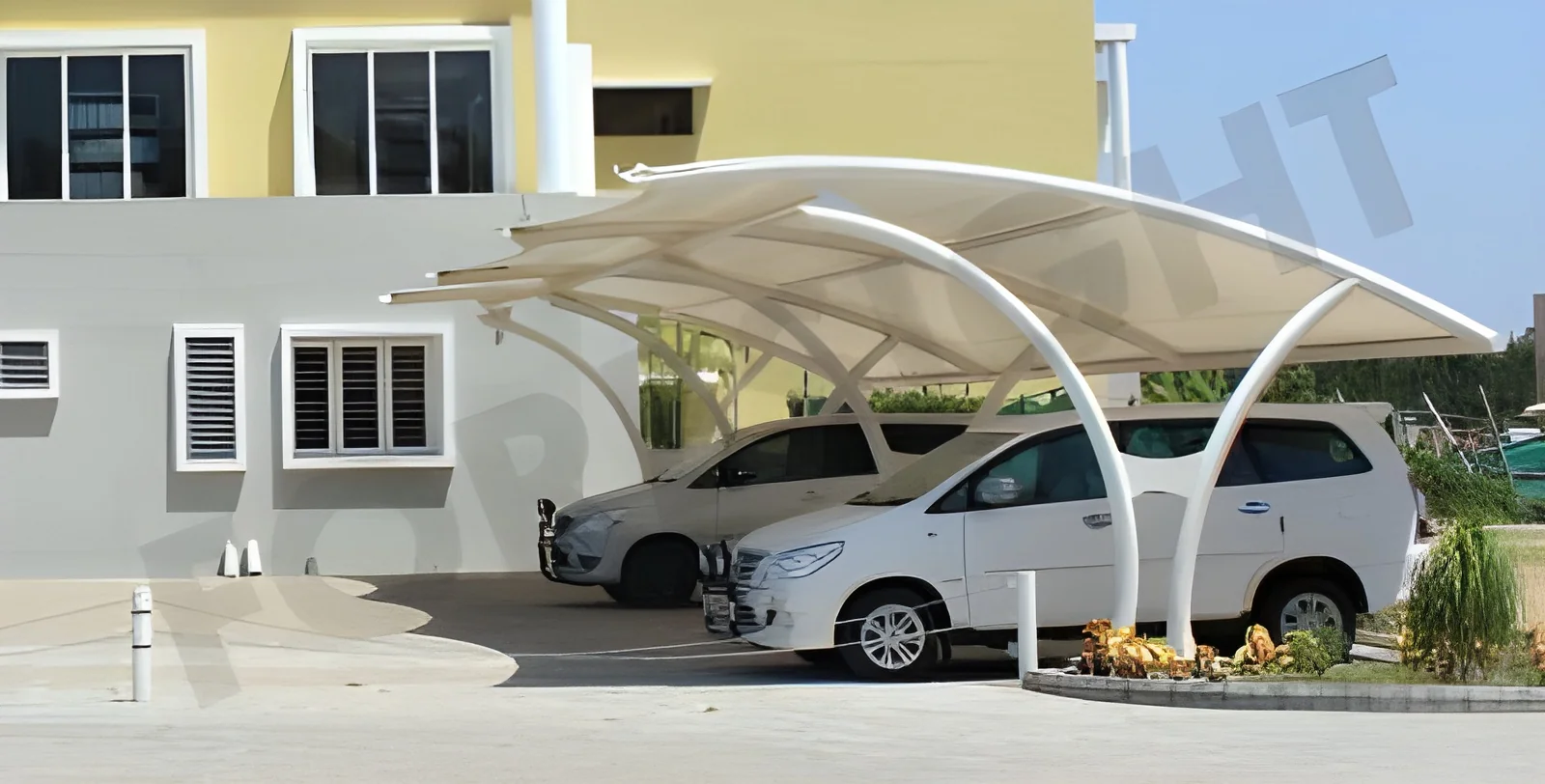
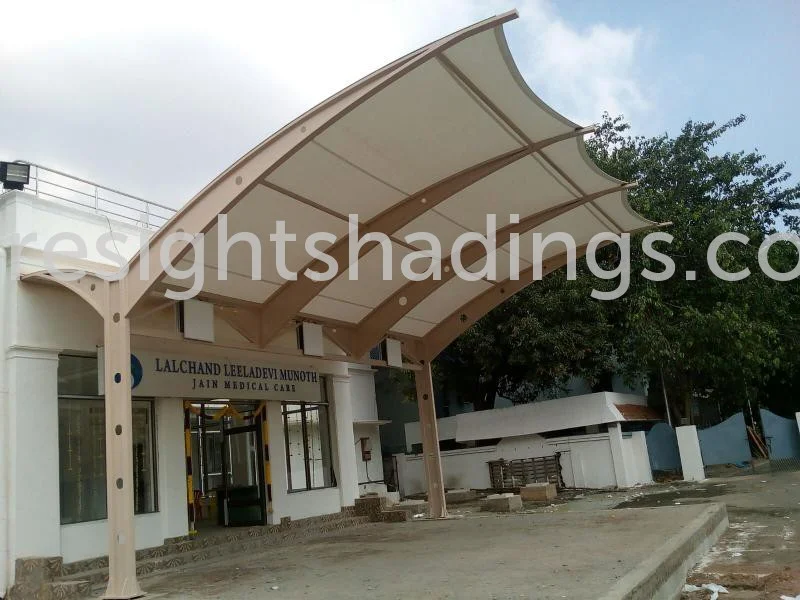
Lalchand Hospitals Fabric Tensile Structures represent sophisticated architectural solutions that merge engineering precision with design versatility. These structures utilize high-quality tensioned fabric membranes supported by robust steel frameworks to create durable, functional spaces that withstand various environmental conditions. The technology ensures optimal performance while maintaining structural integrity over extended periods. With virtually unlimited design configurations available, from simple protective canopies to complex architectural forms, these structures adapt to diverse spatial requirements. The specially engineered materials offer resistance to UV radiation, weather elements, and wear while preserving their aesthetic qualities, making them suitable for numerous commercial and institutional applications where both function and appearance matter.

These tensile structures serve multiple industries with specific coverage and environmental control needs. Healthcare ...
Lalchand Hospitals Fabric Tensile Structures represent sophisticated architectural solutions that merge engineering precision with design versatility. These structures utilize high-quality tensioned fabric membranes supported by robust steel frameworks to create durable, functional spaces that withstand various environmental conditions. The technology ensures optimal performance while maintaining structural integrity over extended periods. With virtually unlimited design configurations available, from simple protective canopies to complex architectural forms, these structures adapt to diverse spatial requirements. The specially engineered materials offer resistance to UV radiation, weather elements, and wear while preserving their aesthetic qualities, making them suitable for numerous commercial and institutional applications where both function and appearance matter.

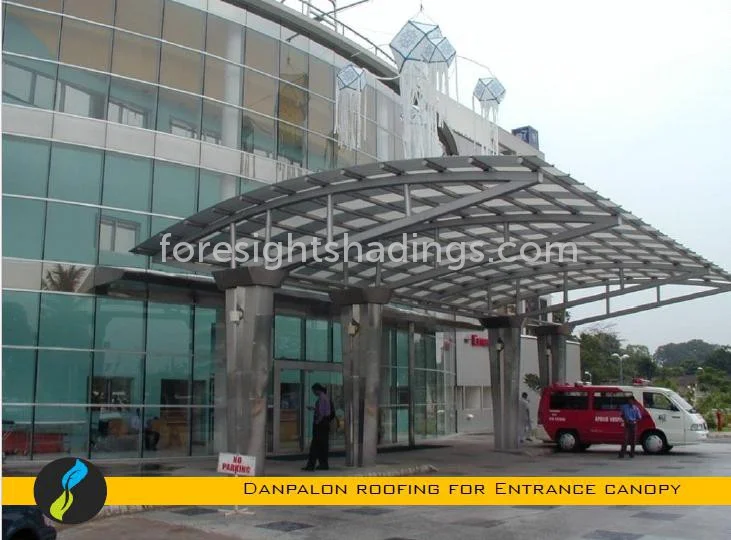
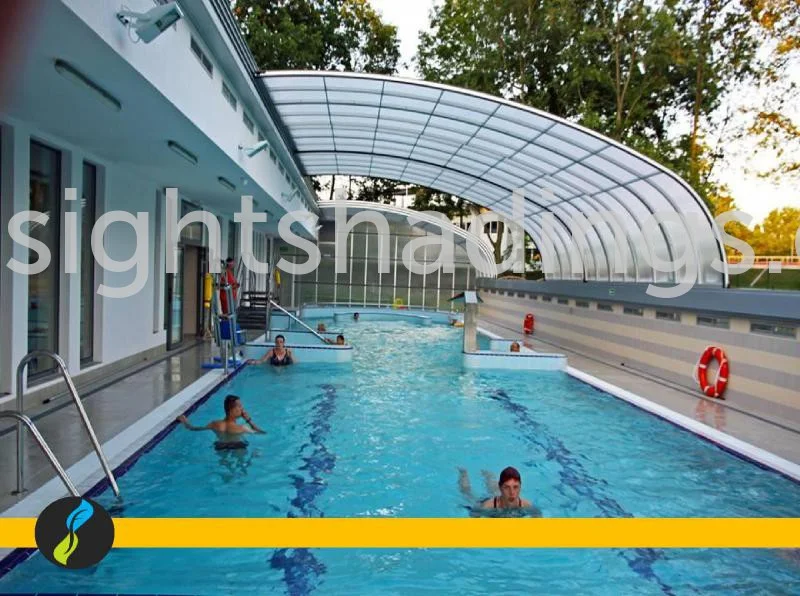
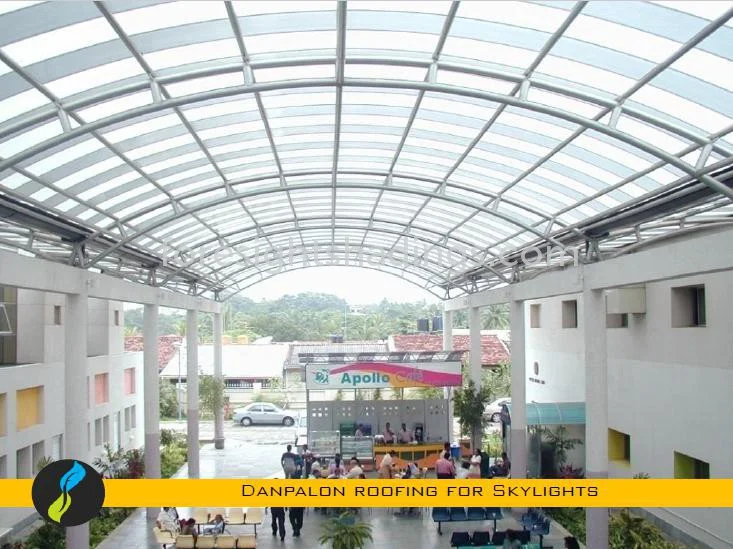
These tensile structures serve multiple industries with specific coverage and environmental control needs. Healthcare facilities utilize them for creating therapeutic outdoor spaces for patients and visitors, while educational institutions employ them for outdoor learning environments and recreational areas. Commercial establishments value them for entrance canopies and outdoor dining spaces requiring weather protection and aesthetic enhancement. Industrial sectors benefit from their application in warehouse daylighting systems and loading bay covers where natural illumination reduces energy consumption. The transportation industry incorporates them in passenger waiting areas, platform covers, and terminal extensions to improve comfort and weather protection for travelers.

The business value of these fabric tensile structures centers on their long-term reliability and operational efficiency. They deliver significant reductions in electrical energy costs through their low sunlight absorption properties and natural lighting capabilities, directly impacting operational expenses. Their minimal maintenance requirements translate to reduced long-term upkeep costs and operational disruptions. The structures provide excellent return on investment through their durability and extended service life. Businesses benefit from comparatively quicker installation timelines versus traditional construction methods, minimizing operational interruptions. The design flexibility ensures each structure meets specific functional requirements while enhancing property aesthetics and user experience, creating value through both practical performance and visual appeal.

Key Features:
- Fabric tensile structure type engineered for excellent durability and long-term structural integrity
- Low maintenance design that reduces ongoing operational and upkeep expenses
- Low absorption of sunlight properties that minimize heat transfer and improve interior comfort
- Less energy consumption through optimized natural lighting and thermal regulation
- Virtually unlimited design possibilities allowing adaptation to specific architectural requirements

Benefits:
- Excellent durability ensures long service life and reliable performance in various conditions
- Reduced electrical energy costs through efficient sunlight management and natural lighting
- Low maintenance requirements decrease long-term operational expenses and downtime
- Design flexibility enables customized solutions that meet specific spatial and aesthetic needs
- Quicker installation compared to traditional structures minimizes project timelines and disruptions
Specifications
| Key Attributes | |
|---|---|
| Type | Fabric Tensile Structure |
| Maintenance | Low |
| Absorption of Sunlight | Low |
| Energy Used | Less Energy |
| Reduce | Electrical Energy Costs |
| Designs | Virtually Unlimited Designs |
| Look | Elegant Forms |
| Feature | Excellent Durability |
| Additional Information | |
|---|---|
| Country of Origin | India |
Application
Fabric tensile structures from Lalchand Hospitals deliver versatile architectural solutions that combine durability with aesthetic flexibility. These structures provide reliable weather protection while allowing controlled natural light transmission, making them suitable for both permanent installations and functional temporary setups across various sectors. Their engineered design ensures structural integrity while maintaining visual appeal in diverse environmental conditions.
These architectural solutions are particularly valuable for projects requiring large-span coverage without extensive supporting frameworks. The lightweight yet durable construction makes them ideal for applications where quick deployment, low maintenance, and long-term reliability are essential considerations. Their energy-efficient properties and design adaptability address both functional requirements and aesthetic preferences in commercial and public spaces.
- Hospital outdoor courtyards and patient recovery areas providing shaded, comfortable environments
- Educational institution amphitheaters, outdoor classrooms, and sports facility covers
- Commercial building entrances, shopping mall walkways, and retail outdoor seating areas
- Industrial warehouse skylights and manufacturing facility daylighting solutions
- Public transportation platforms, bus shelters, and airport terminal extensions
Trade Details
| Available Stock | In Stock |
| Sample Availability | No |
Payment Terms
| Payment Terms |
|
Company Profile

Foresight, Tamil Nadu
 Tamil Nadu, India
Tamil Nadu, IndiaConstruction
Factory Details
Factory SizeBelow 1000 sqm
Annual Production Capacity0
Lalchand Hospitals Fabric Tensile Structures Durable Low Maintenance Energy Efficient
Lalchand Hospitals Fabric Tensile Structures provide durable, low-maintenance architectural coverage with virtually unlimited designs. These energy-efficient structures reduce electrical costs through low sunlight absorption and offer elegant, reliable solutions for commercial and institutional applications.
Min. Order Quantity: 1 unit
Shipping
Shipping fee and delivery date to be negotiated. Contact supplier now for more details.
Foresight
 Tamil Nadu, India
Tamil Nadu, IndiaConstruction