IN
IN₹
Apparel & Fashion
Description
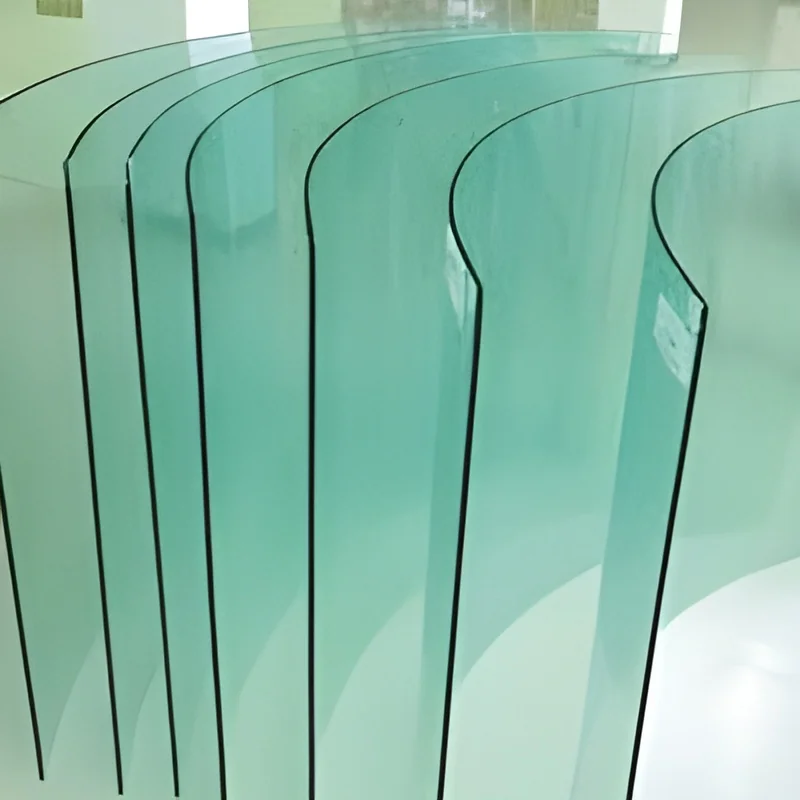
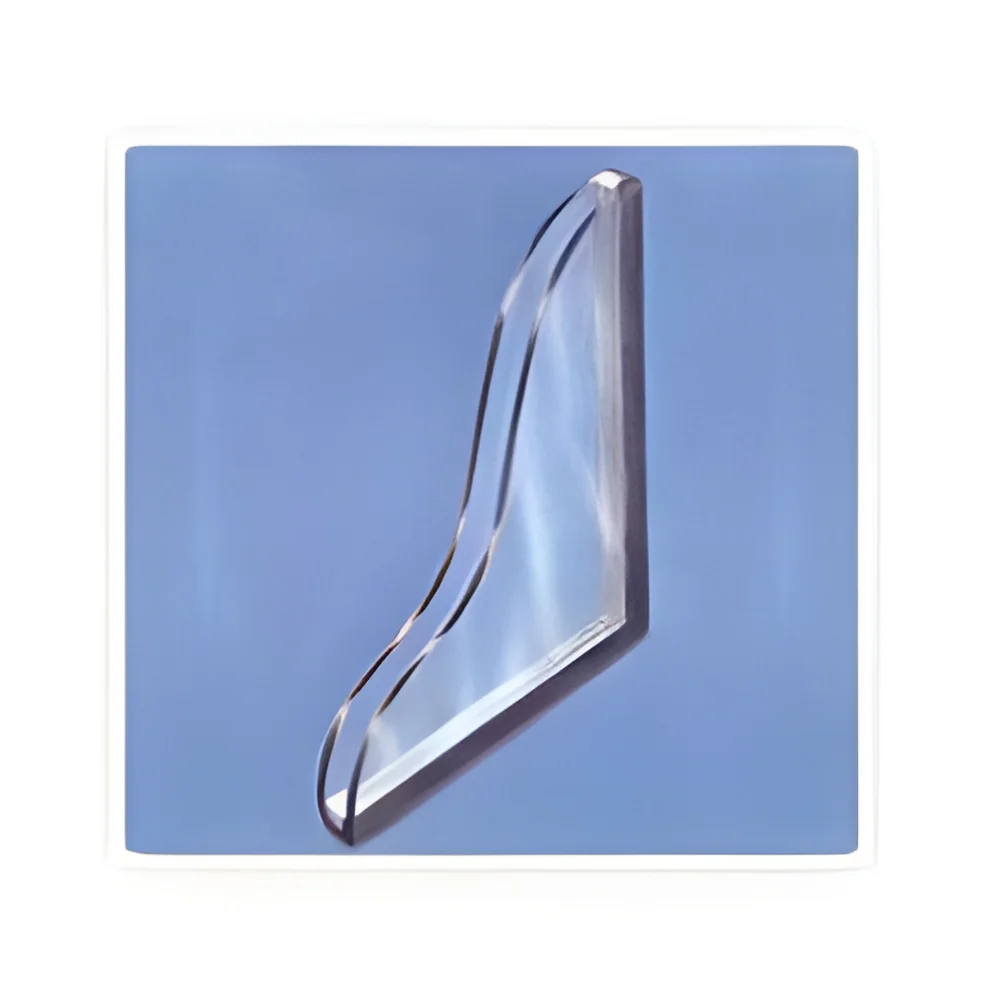
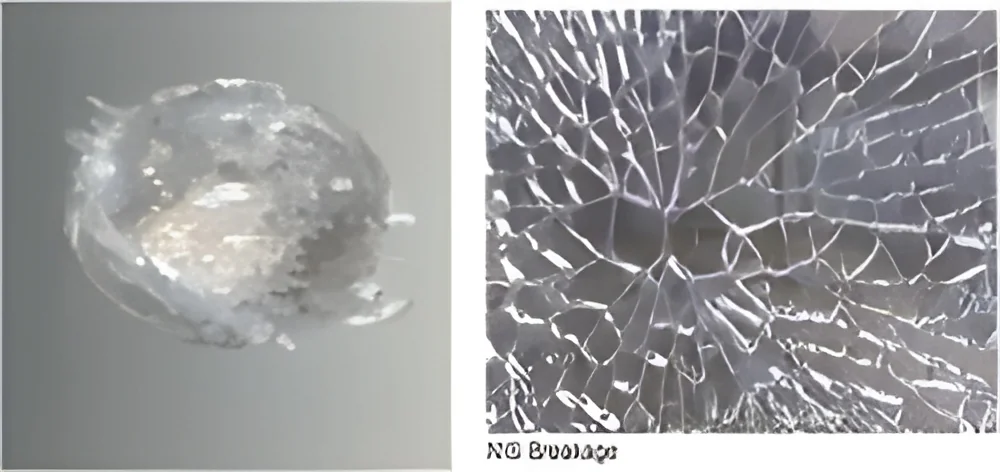
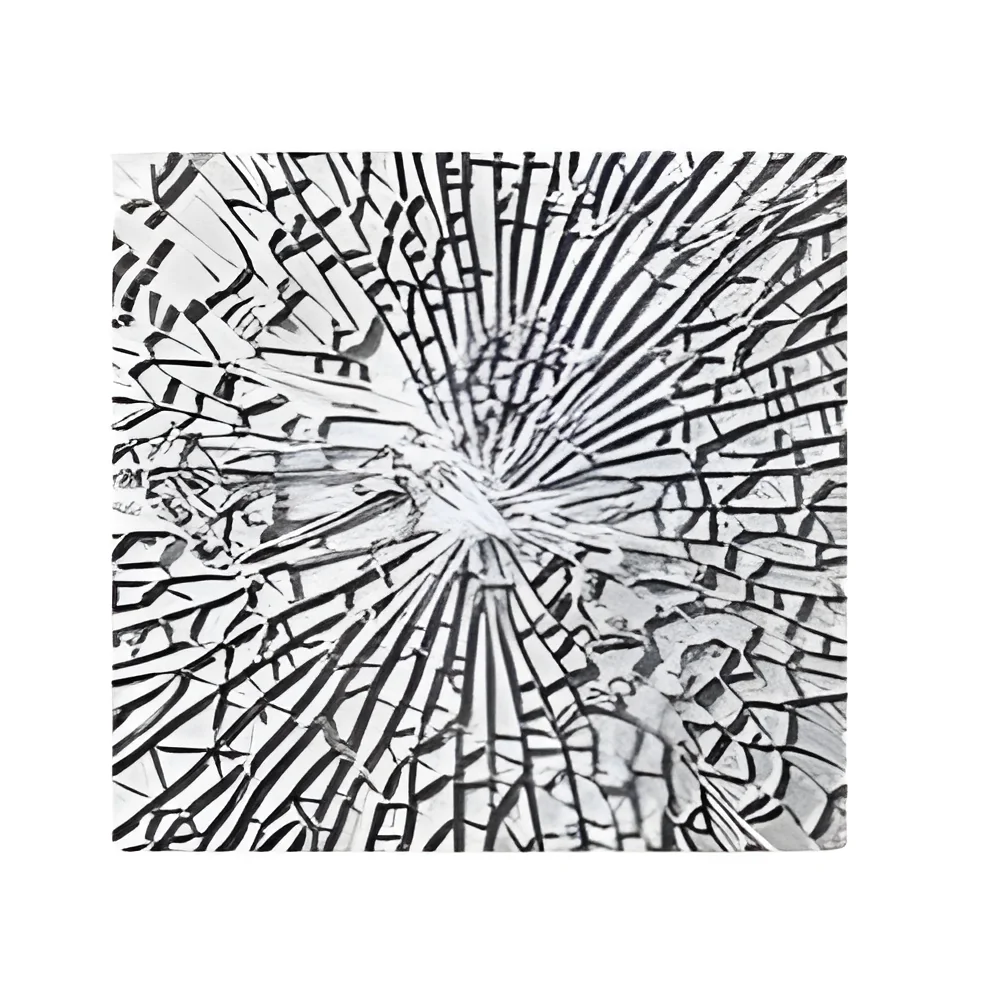
Toughened glass, also known as tempered glass, undergoes a specialized thermal process where glass is heated to approximately 620 degrees Celsius followed by rapid controlled cooling with air jets. This manufacturing technique creates balanced internal stresses that give the glass its remarkable mechanical properties. The resulting product is four to five times stronger than regular annealed glass of equivalent thickness, with significantly improved thermal resistance. When broken, it fractures into small granular pieces instead of sharp dangerous shards, making it a fundamental safety glass solution for numerous applications where breakage could cause injury or property damage.

This engineered glass material serves critical roles across multiple industries including construction, automotive manufacturing, interior design, and furniture production. Architects specify toughened glass for building facades, curtain walls, and structural glazing systems where wind loads and environmental ...
Toughened glass, also known as tempered glass, undergoes a specialized thermal process where glass is heated to approximately 620 degrees Celsius followed by rapid controlled cooling with air jets. This manufacturing technique creates balanced internal stresses that give the glass its remarkable mechanical properties. The resulting product is four to five times stronger than regular annealed glass of equivalent thickness, with significantly improved thermal resistance. When broken, it fractures into small granular pieces instead of sharp dangerous shards, making it a fundamental safety glass solution for numerous applications where breakage could cause injury or property damage.

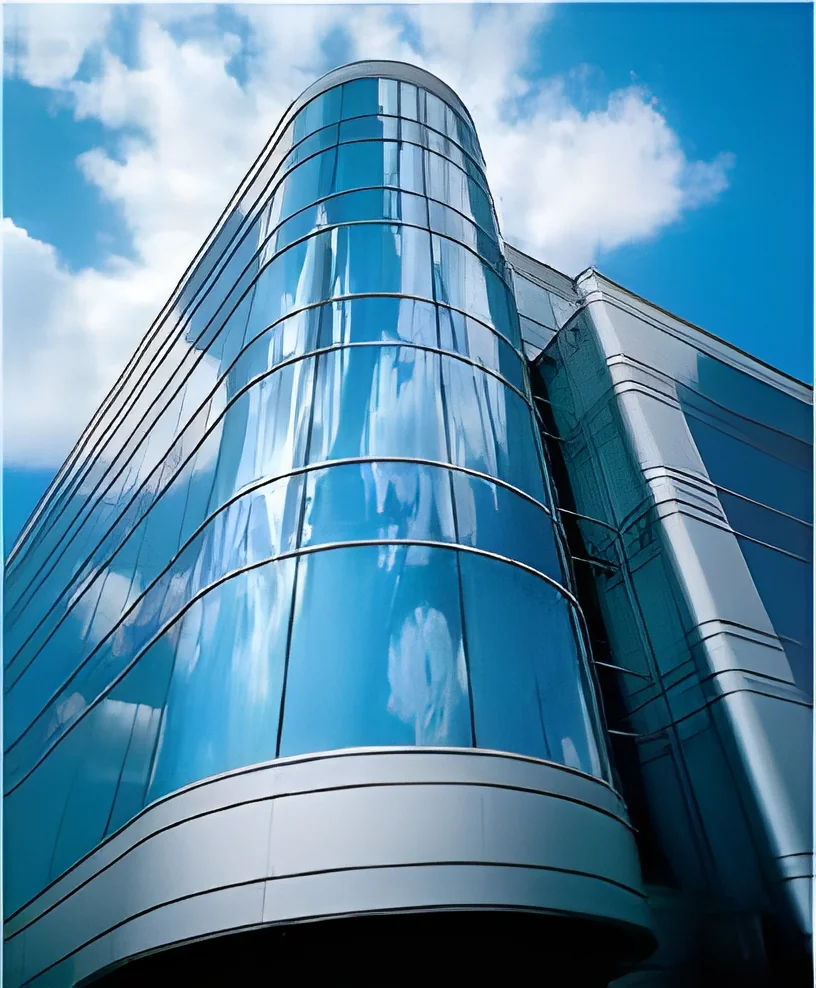
This engineered glass material serves critical roles across multiple industries including construction, automotive manufacturing, interior design, and furniture production. Architects specify toughened glass for building facades, curtain walls, and structural glazing systems where wind loads and environmental factors demand exceptional durability. Automotive manufacturers use it for side and rear windows to meet strict safety regulations. Interior designers incorporate it into office partitions, retail displays, and residential features where both aesthetics and safety are paramount. The furniture industry relies on toughened glass for tabletops, shelves, and display cases that must withstand daily use while maintaining visual appeal.

Businesses choose toughened glass for its proven reliability, compliance with international safety standards, and long-term value proposition. The material's inherent strength reduces replacement costs and maintenance requirements while providing liability protection through its safety characteristics. Manufacturers ensure consistent quality control that guarantees toughened glass delivers predictable performance in demanding applications, making it a trusted choice for professional contractors, developers, and specifiers who cannot compromise on safety or quality.

Key Features:
- Heat-treated manufacturing process reaching 610-650 degrees Celsius
- 4-5 times stronger than regular annealed glass of same thickness
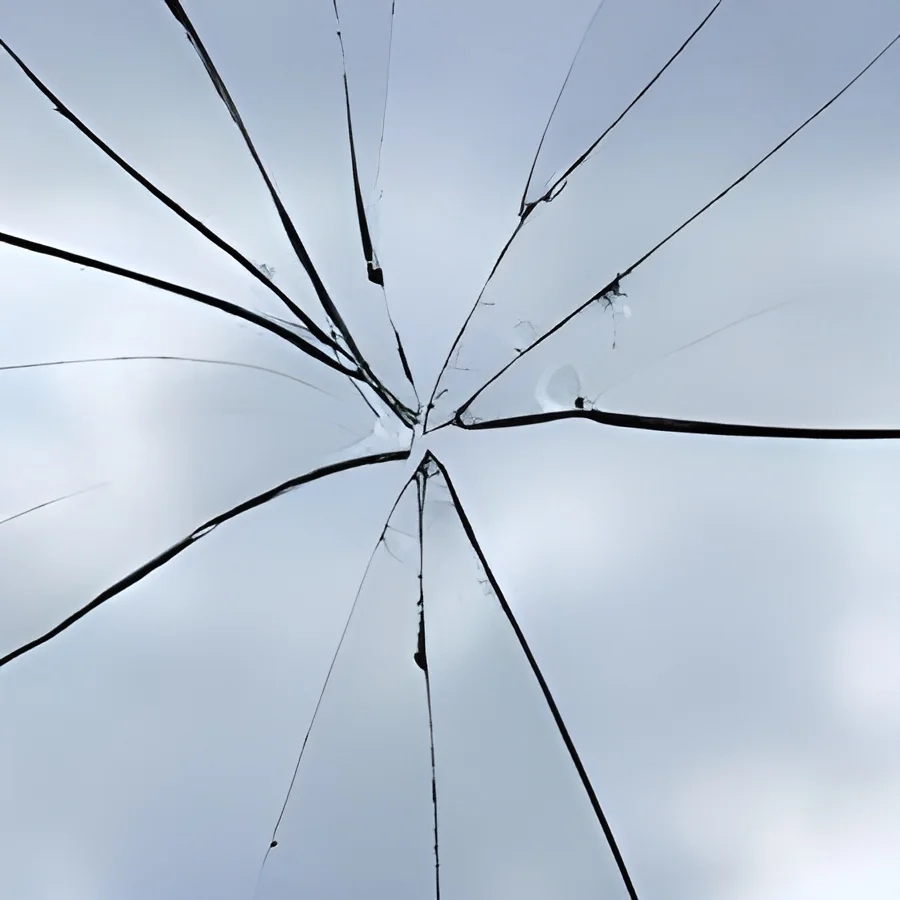
- Breaks into small granular pieces without sharp edges
- Enhanced thermal resistance and impact durability
- Available in various standard sizes and thicknesses

Benefits:
- Superior safety with breakage into harmless granular pieces
- Exceptional durability reducing replacement and maintenance costs
- Compliance with international safety standards and regulations
- Reliable performance in demanding environmental conditions
- Long-term value through consistent quality and predictable performance
Specifications
| Additional Information | |
|---|---|
| Country of Origin | India |
Application
Toughened glass is extensively used in modern architecture for its superior strength and safety characteristics. It is the preferred choice for applications where breakage resistance and human safety are critical, such as glass doors, partitions, and facades in high-traffic commercial and residential buildings. Its ability to withstand thermal stress and physical impact makes it suitable for diverse environments from corporate offices to luxury residential projects.
This safety glass is essential in automotive, construction, and furniture industries due to its reliability and performance. Manufacturers and contractors specify toughened glass for projects requiring precise dimensions and strict safety standards. It is commonly used in wind-resistant installations, fire-rated enclosures, and areas subject to extreme weather conditions or mechanical loads, ensuring long-term durability and protection.
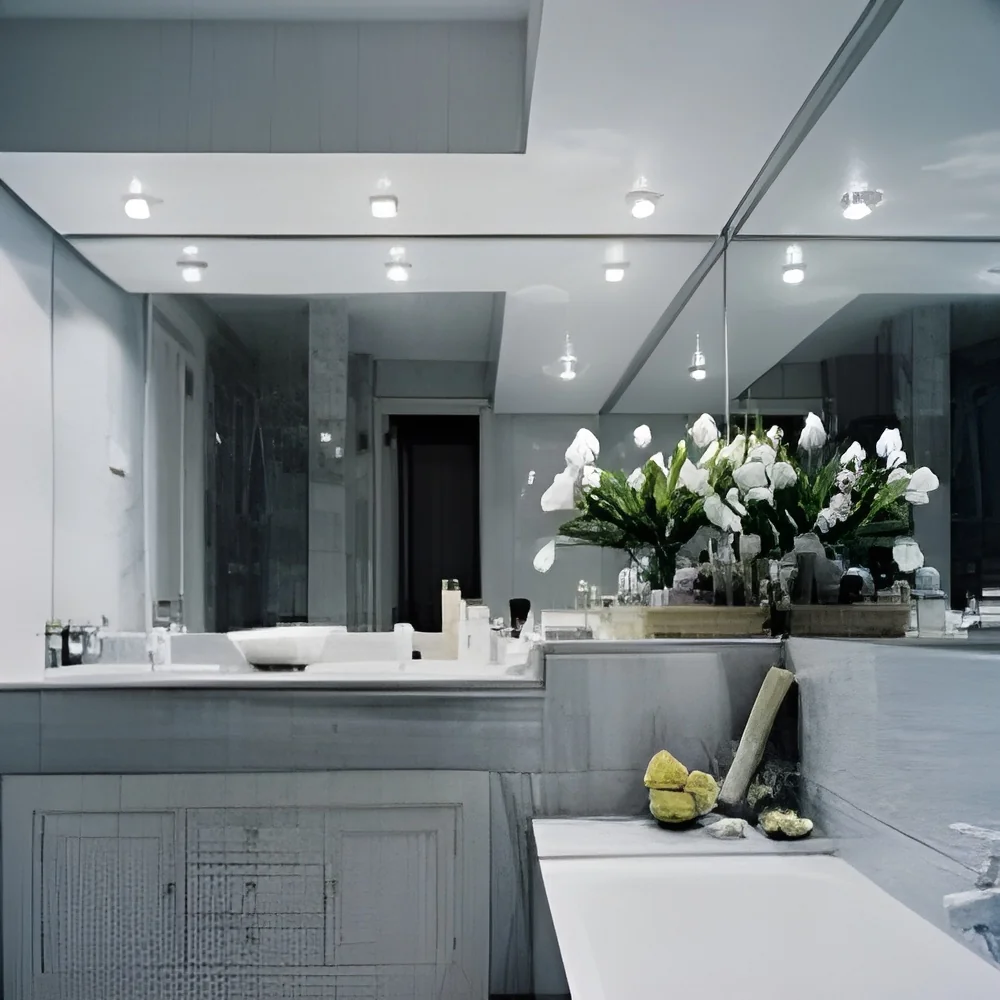
- Shower enclosures and bathroom partitions in residential and hotel projects
- Frameless glass doors and office partitions for modern workspace designs
- Shop fronts and commercial facades requiring high impact resistance
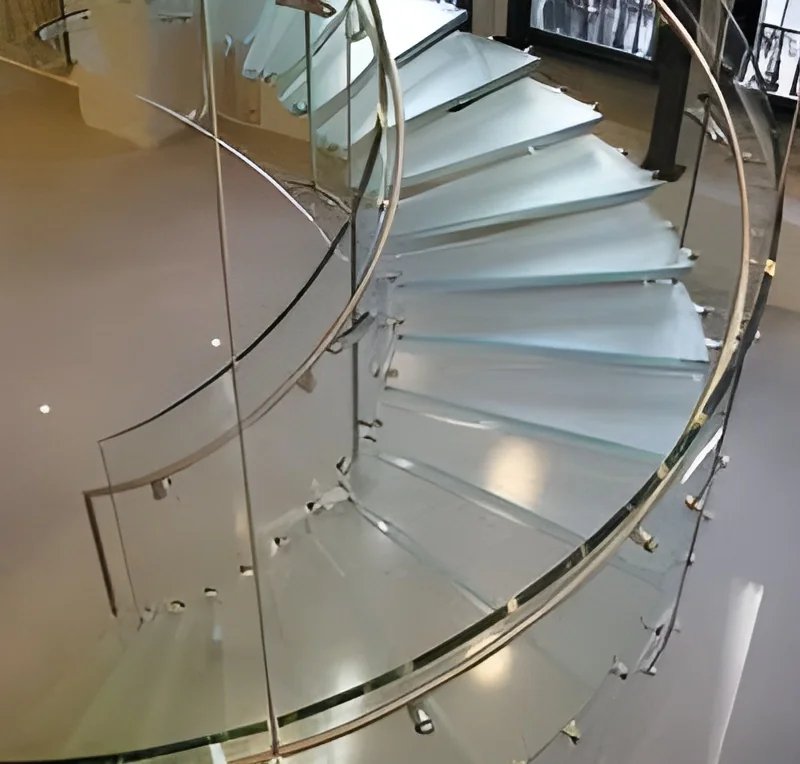
- Staircase balustrades and safety barriers in public buildings
- Table tops and shelving in furniture and retail display units
Trade Details
| Available Stock | In Stock |
| Sample Availability | No |
Payment Terms
| Payment Terms |
|
Company Profile
B L Glass Concepts Pvt Ltd, New Delhi
 New Delhi, India
New Delhi, IndiaManufacturer•Importer / Exporter
Factory Details
Factory SizeBelow 1000 sqm
Annual Production Capacity0
Main Markets
South Asia
Toughened Safety Glass For Architectural And Automotive Applications
Toughened safety glass offers 4-5x higher strength than regular glass and breaks into safe granular pieces. Ideal for architectural and automotive applications requiring superior durability and security.
Min. Order Quantity: 1 unit
Shipping
Shipping fee and delivery date to be negotiated. Contact supplier now for more details.
B L Glass Concepts Pvt Ltd
 New Delhi, India
New Delhi, IndiaManufacturer