
 IN
Stevia & Natural Sweeteners
11 products available
What are Stevia & Natural Sweeteners?
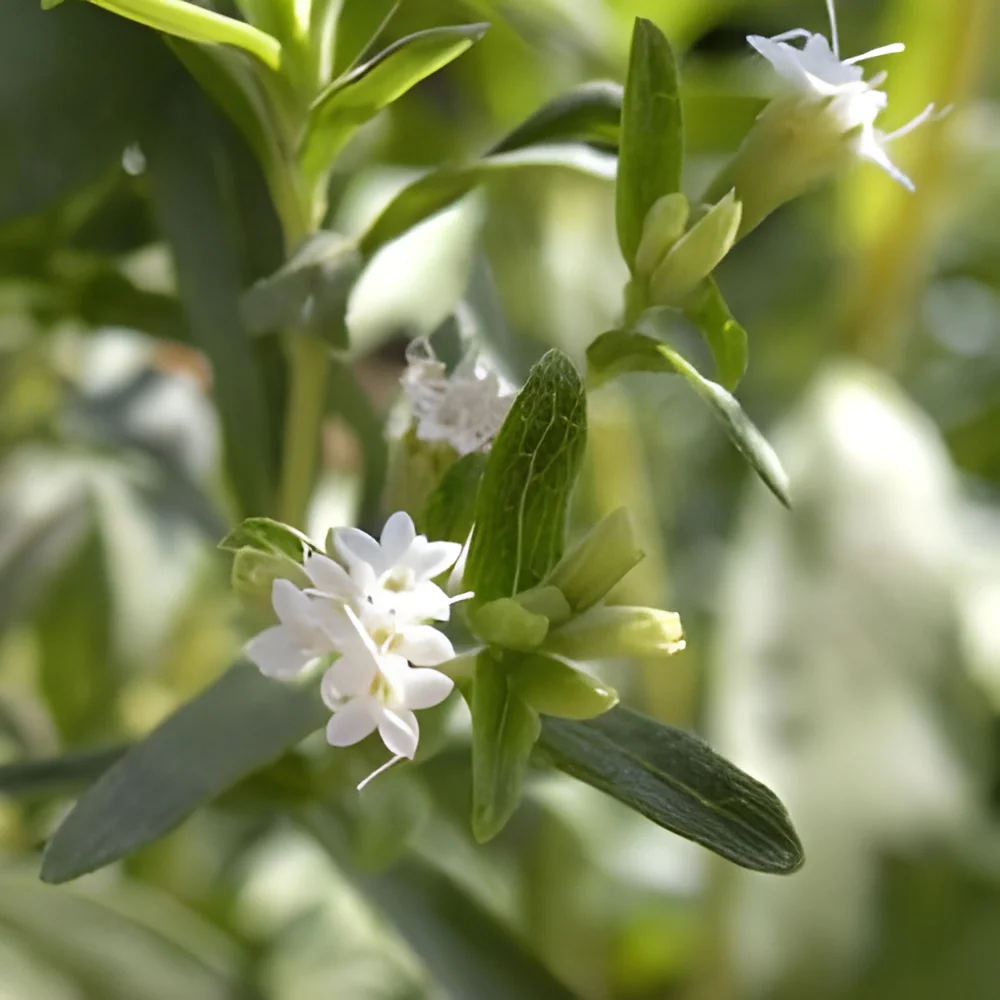
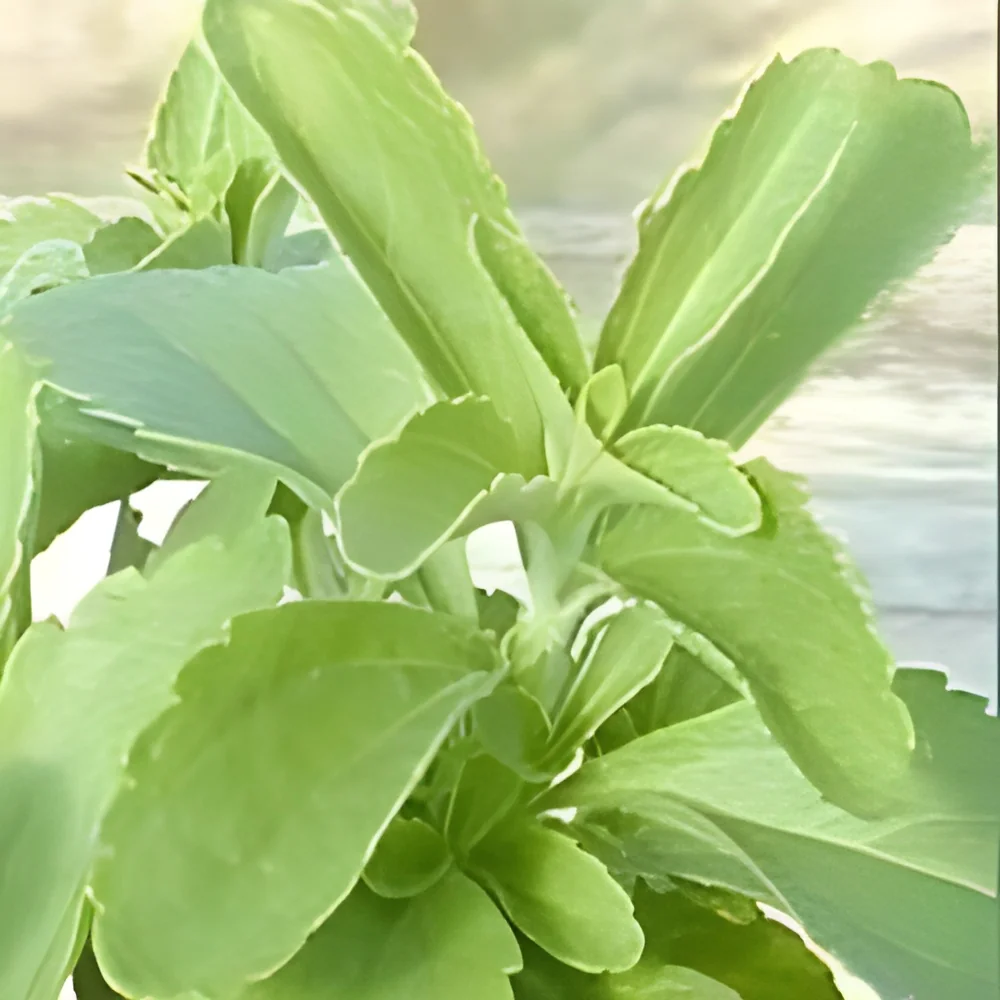
Stevia and natural sweeteners are plant-derived alternatives to traditional sugar. Stevia is extracted from the leaves of the Stevia rebaudiana plant and is known for its intense sweetness, which can be hundreds of times sweeter than sugar. Natural sweeteners encompass a range of products derived from various sources, including fruits, plants, and other natural ingredients, designed to provide sweetness without the high caloric content associated with sugar.
These sweeteners are primarily used in food and beverage manufacturing, where they serve as sugar substitutes in products such as soft drinks, baked goods, dairy products, and dietary supplements. Businesses are increasingly turning to stevia and natural sweeteners in response to rising consumer demand for healthier options, as these products are often marketed as zero-calorie or low-calorie alternatives. The growing health consciousness among consumers is driving the demand for these sweeteners in various industries, making them relevant in today's market.
Key Features and Specifications
Stevia and natural sweeteners come with a variety of features that make them appealing for B2B applications. These specifications are crucial for businesses looking to incorporate sweeteners into their products while meeting consumer expectations for quality and health benefits.
Key specifications include:
1. Sweetness Level
- Stevia can be up to 300 times sweeter than sucrose.
- Natural sweeteners vary widely in sweetness, often depending on the source.
2. Caloric Content
- Stevia contains zero calories.
- Many natural sweeteners are low-calorie, contributing to healthier product formulations.
3. Solubility
- Stevia is highly soluble in water, making it easy to incorporate into liquid products.
- Other natural sweeteners may have varying solubility based on their composition.
4. Flavor Profile
- Stevia has a unique aftertaste, which may not appeal to all consumers.
- Natural sweeteners can provide different flavor profiles, enhancing product taste.
5. Shelf Stability
- Stevia has a long shelf life and maintains its sweetness over time.
- The stability of natural sweeteners can differ based on their formulation and storage conditions.
6. Source Origin
- Stevia is derived from a specific plant, whereas natural sweeteners can come from various fruits or plants.
- Transparency in sourcing is important for consumer trust.
In summary, understanding these key features and specifications can help businesses select the right sweeteners to meet their product needs.
Common Applications and Use Cases
Stevia and natural sweeteners are versatile ingredients used across multiple industries. Their applications range from food and beverages to pharmaceuticals.
1. Food and Beverage Industry: These sweeteners are widely used in soft drinks, juices, and flavored water to provide sweetness without added calories.
2. Health and Wellness Products: Many dietary supplements and health foods utilize stevia and natural sweeteners to attract health-conscious consumers.
3. Bakery Products: Sweeteners are incorporated into baked goods to enhance flavor while reducing sugar content.
4. Dairy Alternatives: Non-dairy yogurts and milk substitutes often use these sweeteners to improve taste without the drawbacks of traditional sugar.
5. Confectionery: Low-sugar candies and chocolates utilize stevia and natural sweeteners to appeal to consumers seeking healthier indulgences.
6. Snacks: Many savory and sweet snacks now include natural sweeteners to enhance flavor profiles while maintaining lower sugar levels.
7. Personal Care Products: Some cosmetic and personal care items incorporate natural sweeteners for flavoring and as humectants.
Product Variants and Subcategories
Stevia and natural sweeteners come in various forms to cater to different industry needs.
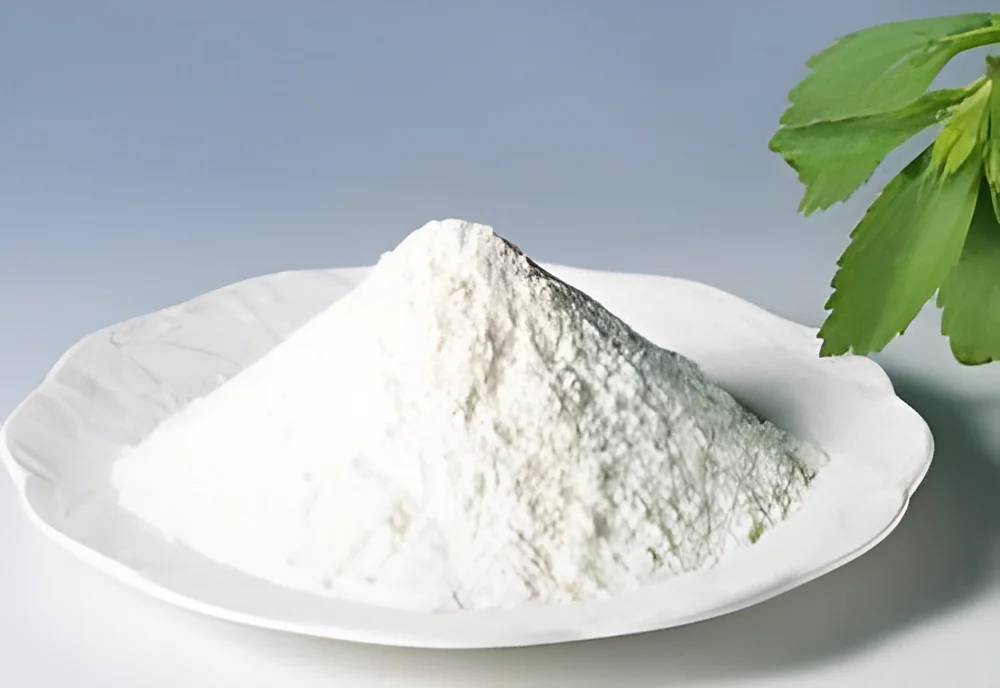
Powdered Stevia: This variant is popular for its versatility, easily blending into dry mixes and formulations. It is ideal for baking and cooking applications.
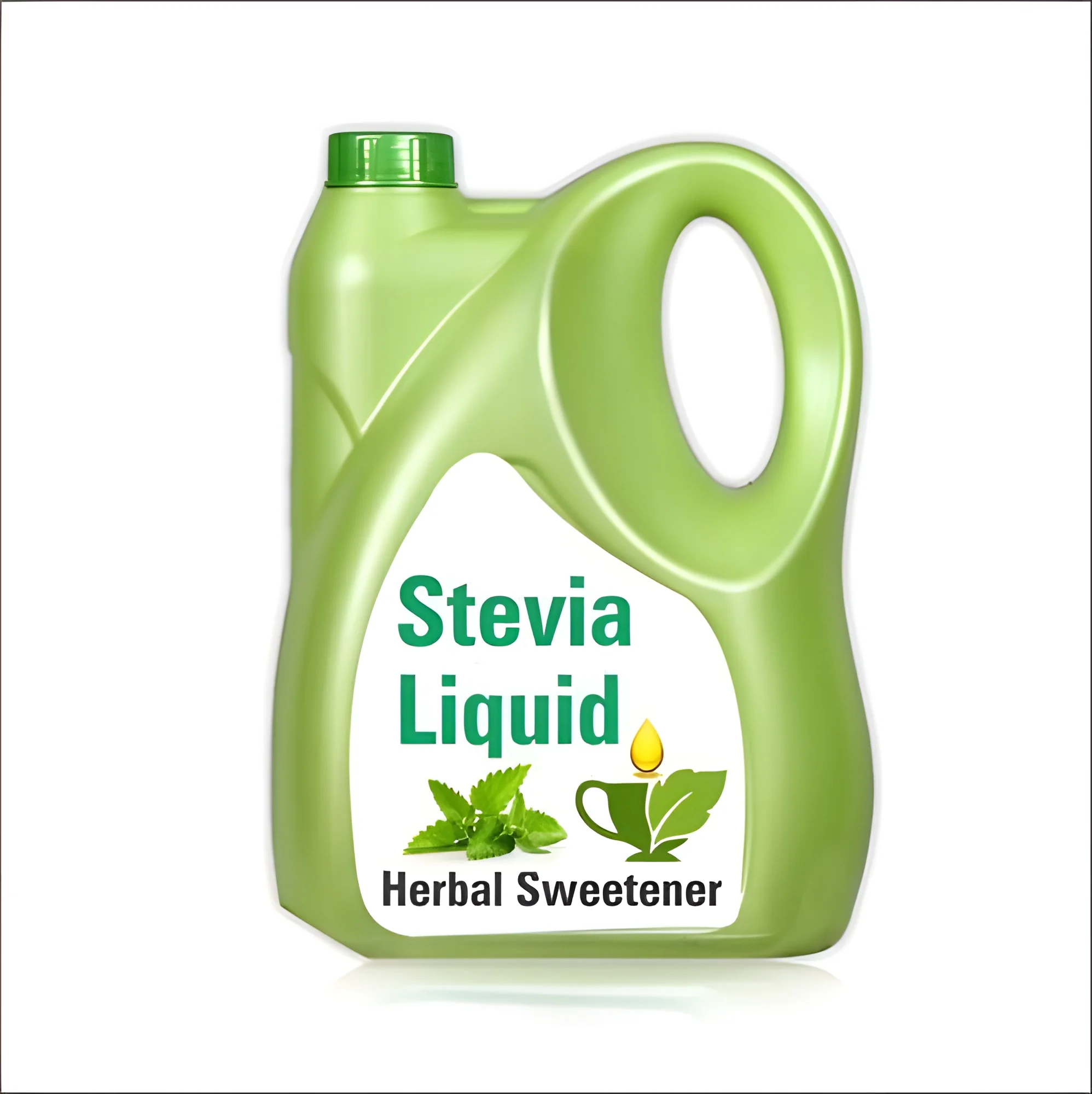
Liquid Stevia Extract: This form is convenient for beverages and allows for precise dosing in liquid formulations. It is commonly used in flavored drinks and syrups.
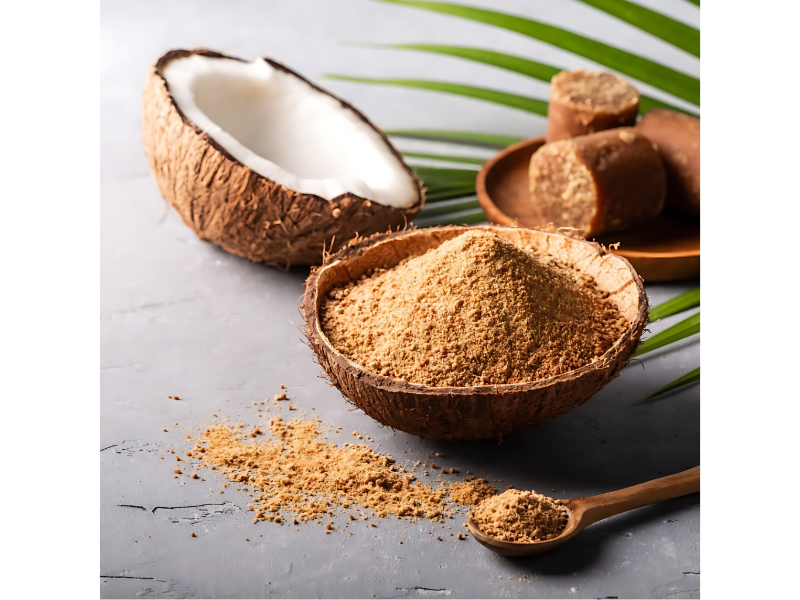
Granulated Natural Sweeteners: These sweeteners resemble sugar in texture and can be used as direct substitutes in recipes, making them suitable for baking and cooking.
Benefits and Advantages
Stevia and natural sweeteners offer numerous advantages for businesses looking to enhance their product offerings.
1. Healthier Alternative: They provide a sweetening option with fewer or no calories compared to traditional sugar, appealing to health-conscious consumers.
2. Versatility: These sweeteners can be used in a wide range of applications, from beverages to snacks, increasing product diversity.
3. Consumer Demand: There is a growing market for low-sugar and sugar-free products, making these sweeteners a strategic choice for companies.
4. Natural Sourcing: As plant-derived products, they align with consumer preferences for natural ingredients, enhancing brand image.
5. Cost-Effectiveness: Using sweeteners can reduce overall ingredient costs in formulations while maintaining desired sweetness levels.
6. Regulatory Compliance: Stevia and many natural sweeteners meet food safety and quality standards, facilitating easier market entry.
Buying Guide for B2B Buyers
When sourcing stevia and natural sweeteners, it is essential for B2B buyers to consider several factors to ensure they make informed purchasing decisions.
1. Quality Assessment: Evaluate the quality of sweeteners through certifications such as CE. Look for suppliers who provide detailed product specifications and sample testing.
2. Supplier Verification: Conduct thorough background checks on suppliers to ensure they have a good track record in the industry. Request references and review customer feedback.
3. Pricing and MOQ: Understand the price range for sweeteners while considering the minimum order quantity (MOQ) that fits your business needs and budget.
4. Delivery and Lead Times: Discuss logistics with suppliers to ensure timely shipping and delivery. Consider lead times to avoid disruptions in your supply chain.
5. Compliance Requirements: Familiarize yourself with regional regulations and compliance standards for sweeteners. Ensure that the products meet local and international food safety requirements.
Compliance and Certifications
Stevia and natural sweeteners must adhere to various quality standards and certifications to ensure safety and reliability.
Relevant quality standards include ISO 9001, which ensures quality management systems are in place for manufacturing and processing. HACCP (Hazard Analysis Critical Control Point) is crucial for identifying and managing food safety risks throughout the supply chain.
Industry certifications, such as CE, demonstrate compliance with health, safety, and environmental protection standards. These certifications help businesses assure consumers of product safety and quality.
Safety and testing requirements must be strictly followed to ensure that sweeteners are free from contaminants and suitable for consumption. Regular testing and quality assurance processes are essential for maintaining product integrity.
Regional compliance considerations can vary significantly. Buyers should be aware of specific regulations in their target markets to ensure compliance and avoid legal complications.
Why Source Stevia & Natural Sweeteners from Pepagora?
Pepagora provides a trusted platform for sourcing stevia and natural sweeteners, offering several key advantages to B2B buyers.
Verified Supplier Network: Pepagora ensures that all suppliers within its network are thoroughly vetted. This guarantees that buyers can trust the quality and reliability of the products they source.
Streamlined RFQ Process: The platform features an efficient Request for Quotation (RFQ) system that simplifies the procurement process. Buyers can easily communicate their needs and receive competitive quotes from multiple suppliers.
Trade Assurance and Support: Pepagora offers trade assurance to protect buyers during transactions. This includes support in case of disputes, ensuring a secure purchasing experience.
Regional Coverage: With a broad geographic reach across India, the GCC, and Southeast Asia, Pepagora connects buyers with local and international suppliers, facilitating access to high-quality stevia and natural sweeteners tailored to specific market needs.


 India
 India
 India
Frequently Asked Questions
What are Stevia & Natural Sweeteners?
Stevia & Natural Sweeteners are plant-derived substances used to provide sweetness without the calories associated with traditional sugars. Stevia is extracted from the leaves of the Stevia rebaudiana plant, while other natural sweeteners may include honey, agave syrup, and monk fruit extract.
What are the different types of Stevia & Natural Sweeteners?
The main types of Stevia & Natural Sweeteners include pure stevia extract, stevia blends with sugar or other sweeteners, and various plant-based sweeteners like monk fruit and erythritol. Each type varies in sweetness level, calorie content, and flavor profile.
How do I choose the right Stevia & Natural Sweeteners?
Choosing the right Stevia & Natural Sweeteners depends on your specific needs, such as taste preference, dietary restrictions, and usage in recipes. Consider factors like sweetness level, aftertaste, and whether you prefer a liquid, powder, or granulated form.
What are the standard specifications for Stevia & Natural Sweeteners?
Standard specifications for Stevia & Natural Sweeteners can include purity levels, moisture content, and microbiological limits. It's essential to refer to industry standards and regulatory guidelines to ensure compliance with safety and quality requirements.
What is the price range for Stevia & Natural Sweeteners?
The price range for Stevia & Natural Sweeteners varies based on factors such as type, quality, and packaging. Generally, prices can range from INR 300 to INR 2,000 per kilogram, depending on the supplier and market conditions.
What quality standards apply to Stevia & Natural Sweeteners?
Quality standards for Stevia & Natural Sweeteners typically include food safety regulations, such as those set by FSSAI in India. Additionally, sweeteners should meet specifications for purity, labeling, and absence of contaminants.
Where can I find Stevia & Natural Sweeteners suppliers in India?
Stevia & Natural Sweeteners suppliers in India can be found through B2B marketplaces like Pepagora.com, trade directories, and industry expos. It's advisable to research suppliers, review their credibility, and request samples before making larger purchases.
Can Stevia & Natural Sweeteners be customized?
Yes, many manufacturers offer customization options for Stevia & Natural Sweeteners based on specific requirements such as flavor, sweetness level, and formulation. Customization can help meet the particular needs of different food and beverage applications.
What is the typical minimum order quantity for Stevia & Natural Sweeteners?
The typical minimum order quantity (MOQ) for Stevia & Natural Sweeteners can vary by supplier but often ranges from 25 kg to 100 kg. It's essential to confirm MOQs with the supplier to ensure they align with your purchasing needs.
What is the typical lead time for Stevia & Natural Sweeteners?
The typical lead time for Stevia & Natural Sweeteners can range from 2 to 4 weeks, depending on the supplier's inventory and production capacity. Factors such as order size and customization requests may also affect the delivery timeline.
Why Businesses Trust Pepagora
Thousands of companies trust Pepagora to source smarter and sell faster
Expand Your Sales Globally

Source Smarter,Grow Faster
