
 IN
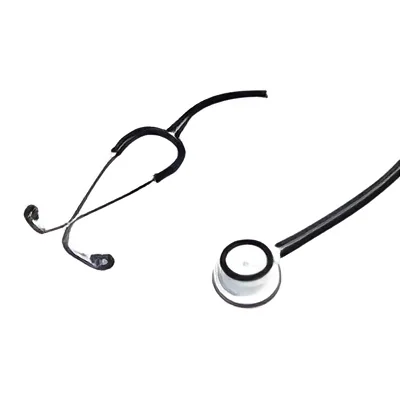
Stethoscopes (Standard & Digital)
10 products available
Key Features and Specifications
When considering stethoscopes, it is crucial to understand their key features and specifications. These instruments vary in design, materials, and functionality, catering to different professional needs and preferences.
Key specifications include:
1. Acoustic Performance
- Standard stethoscopes typically offer basic acoustic performance, while digital models provide enhanced sound quality.
- Digital stethoscopes may feature sound amplification and noise reduction capabilities.
2. Chest Piece Design
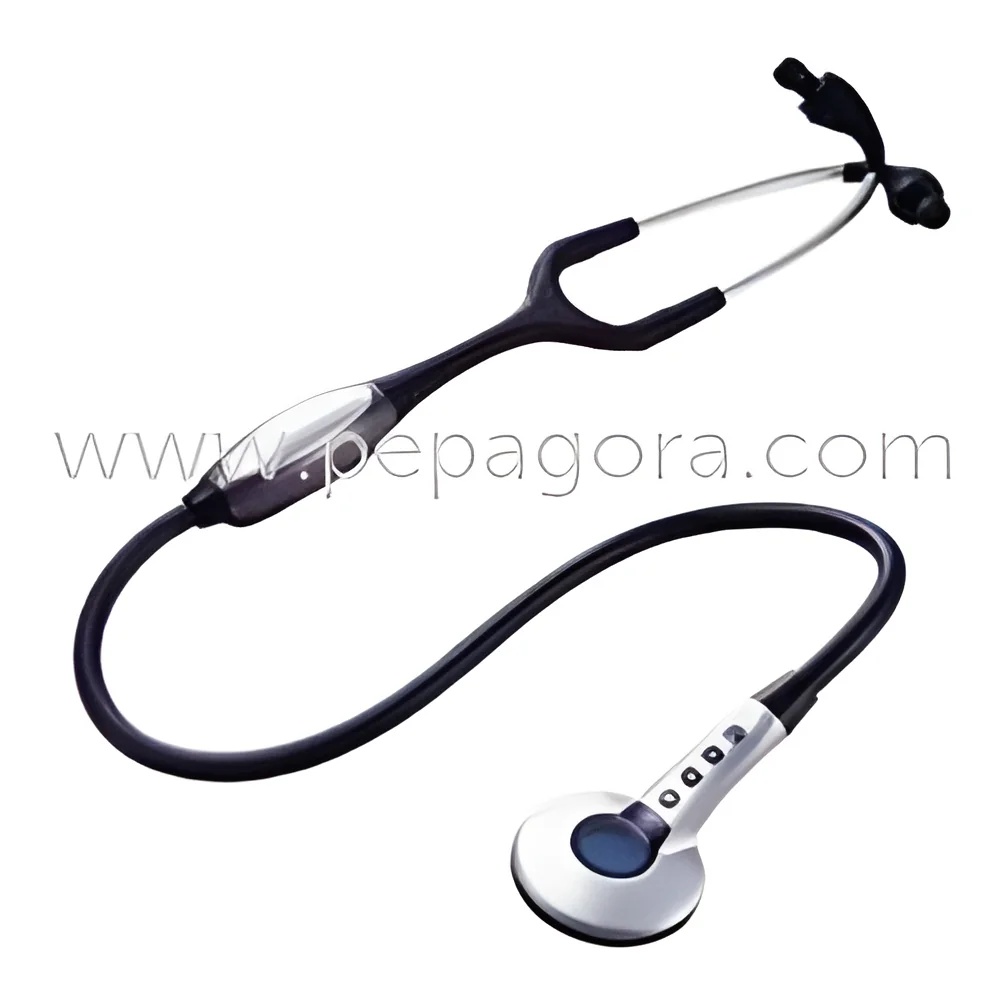
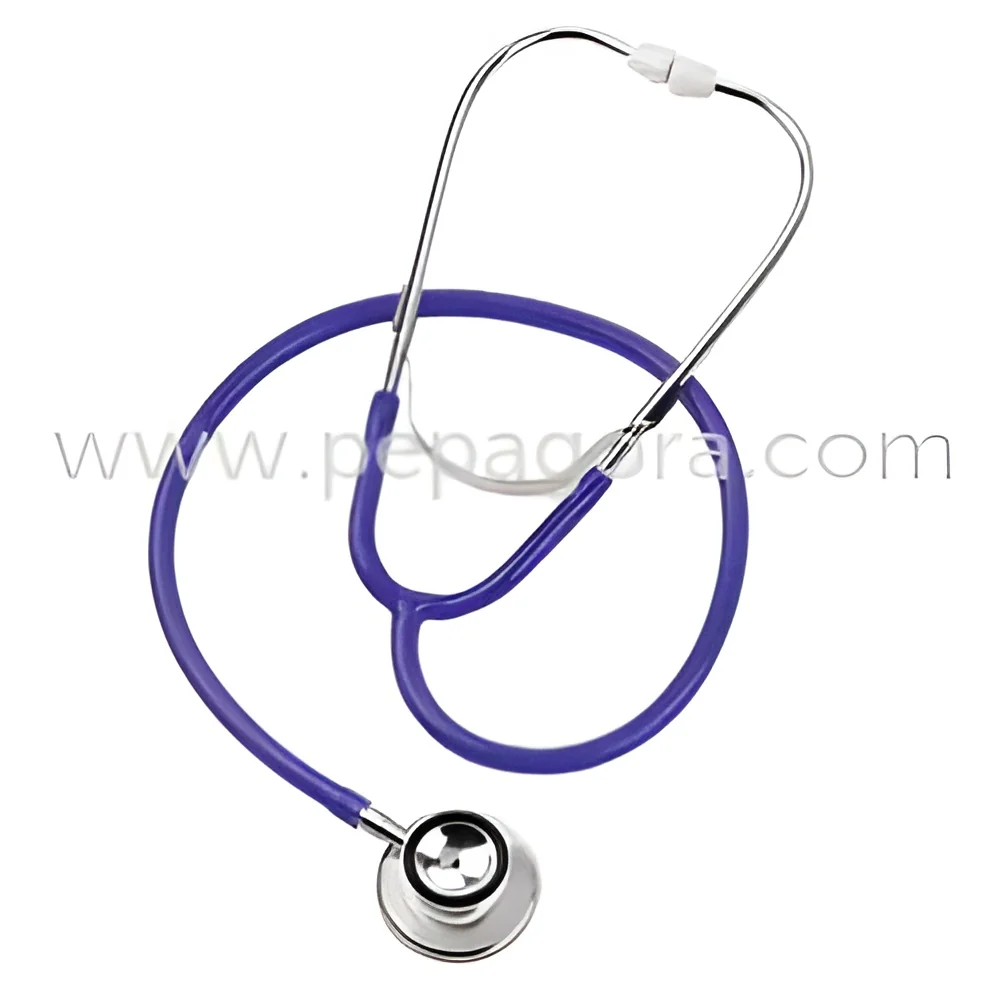
- Chest pieces can be single or dual-head, allowing for versatility in auscultation.
- Material construction often includes stainless steel or high-quality plastic for durability.
3. Tubing
- Tubes are generally made from PVC or latex-free materials to ensure flexibility and comfort.
- Lengths may vary, affecting the overall acoustic transmission quality.
4. Weight
- The weight of the stethoscope can impact usability, especially for long-term use.
- Lightweight models are often preferred for comfort.
5. Warranty
- Many stethoscopes come with a warranty period, ranging from one to five years.
- Warranty details can indicate the manufacturer's confidence in product durability.
6. Ease of Cleaning
- Stethoscopes should be easy to clean and maintain for hygiene purposes.
- Materials that resist staining and corrosion are favored.
7. Customization Options
- Some stethoscope brands offer customization, including color choices and personalization.
- This feature can enhance brand identity for healthcare practices.
8. Price Range
- Standard stethoscopes typically range from low to mid-range pricing.
- Digital stethoscopes often command higher prices due to advanced features.
In summary, understanding the specifications and features of stethoscopes is essential for selecting the right model for healthcare needs.
Common Applications and Use Cases
Stethoscopes are utilized across various industries beyond just healthcare.
1. Healthcare: In hospitals and clinics, stethoscopes are crucial for diagnosing heart and lung conditions, allowing healthcare professionals to provide timely treatment.
2. Veterinary Medicine: Veterinarians use stethoscopes to assess the health of animals, monitoring vital signs and diagnosing diseases in pets and livestock.
3. Emergency Services: Paramedics and first responders rely on stethoscopes to evaluate patients' conditions in emergencies, facilitating rapid decision-making.
4. Telemedicine: With the rise of telehealth, digital stethoscopes enable remote monitoring and consultations, improving access to healthcare.
5. Education: Medical and nursing schools incorporate stethoscopes into their training programs, ensuring students develop vital auscultation skills.
6. Research: In clinical research settings, stethoscopes support data collection by enabling researchers to monitor physiological responses during studies.
7. Occupational Health: Companies use stethoscopes in occupational health assessments to monitor employees' respiratory and cardiovascular health.
Product Variants and Subcategories
Stethoscopes come in various models, catering to diverse user needs and preferences.
Standard Stethoscope
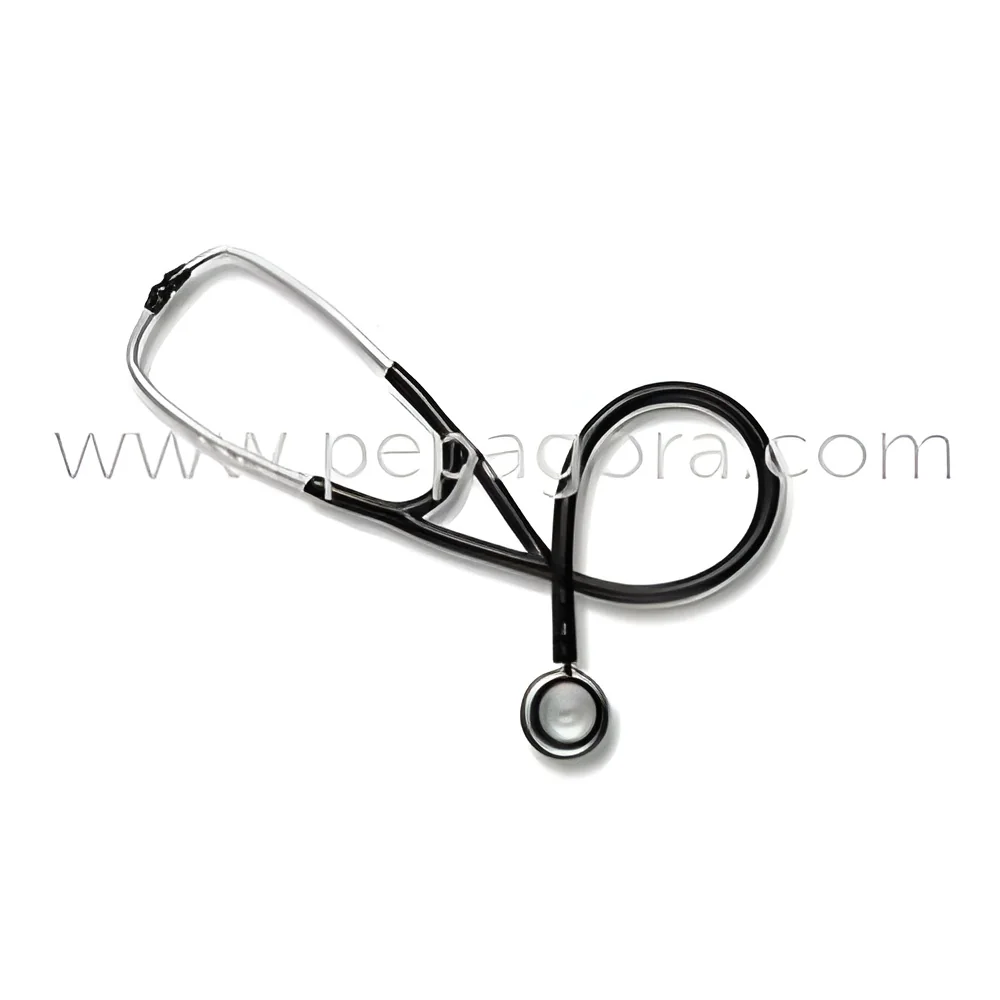
Standard stethoscopes feature a traditional design with a simple, analog mechanism. They are reliable for general auscultation and are widely used in clinical settings. These stethoscopes are typically more affordable and offer sufficient performance for routine examinations.
Digital Stethoscope
Digital stethoscopes incorporate advanced technology, providing enhanced sound quality and additional functionalities. Features may include sound amplification, recording capabilities, and connectivity options for data transfer. These models are ideal for healthcare professionals seeking precision and innovation in their diagnostic tools.
Benefits and Advantages
Stethoscopes offer numerous benefits that enhance their value in medical practice.
1. Diagnostic Precision: Stethoscopes allow for accurate monitoring of internal body sounds, aiding in precise diagnoses.
2. Versatility: Both standard and digital stethoscopes can be used in various clinical settings, making them adaptable tools for healthcare professionals.
3. Portability: Stethoscopes are lightweight and easy to carry, ensuring that healthcare providers can conduct assessments anywhere.
4. Cost-Effective: Standard stethoscopes are available at affordable prices, making them accessible for a wide range of healthcare facilities.
5. Advanced Features: Digital stethoscopes offer innovative features that improve the accuracy of auscultation and enable data sharing.
6. User-Friendly: Ergonomic designs and intuitive controls make stethoscopes easy to use, even for those with limited experience.
Buying Guide for B2B Buyers
When sourcing stethoscopes, several factors should be considered to ensure the best purchase decision.
1. Quality Assessment: Evaluate the materials and craftsmanship of the stethoscope to ensure durability and performance. Look for established brands with a reputation for quality.
2. Supplier Verification: Vet suppliers through reviews, certifications, and their history in the medical industry. Ensure they meet regulatory standards.
3. Pricing and MOQ: Understand the pricing structure and minimum order quantities (MOQ) required by suppliers to effectively plan your budget.
4. Delivery and Lead Times: Discuss logistics with suppliers, confirming delivery timelines to avoid disruptions in your operations.
5. Compliance Requirements: Ensure that the stethoscopes meet relevant safety and quality standards, such as CE certification, to align with regulatory needs.
Compliance and Certifications
Stethoscopes must adhere to various compliance and certification standards to ensure safety and quality.
Manufacturers often comply with ISO 9001, which focuses on quality management systems. This standard ensures that products meet customer and regulatory requirements consistently.
CE certification is crucial for products sold in Europe, confirming that the stethoscope meets health and safety standards. This certification provides reassurance to buyers regarding the quality and compliance of the product.
In addition to these certifications, stethoscopes may be subject to safety and testing requirements that vary by region. Manufacturers must ensure their products comply with local regulations to facilitate market access.
Regional compliance considerations are also important, particularly for international trade. Understanding the specific regulations in target markets helps to ensure that stethoscopes are legally marketable and safe for use.
Why Source Stethoscopes (Standard & Digital) from Pepagora?
Pepagora offers a reliable platform for sourcing stethoscopes, presenting numerous advantages to B2B buyers.
Verified Supplier Network: Pepagora features a network of verified suppliers, ensuring that buyers can trust the quality and authenticity of the products. This verification process helps mitigate risks associated with sourcing.
Streamlined RFQ Process: The platform provides an efficient request for quotation (RFQ) system, allowing buyers to easily compare offers from multiple suppliers. This process simplifies procurement and helps buyers secure the best deals.
Trade Assurance and Support: Pepagora offers trade assurance, providing buyers with protection against potential issues. Their support team is available to assist in resolving any concerns that may arise during the purchasing process.
Regional Coverage: With a strong presence in regions like India, the GCC, and Southeast Asia, Pepagora facilitates access to a wide array of stethoscopes. This regional focus ensures that buyers can find suitable products tailored to their specific market needs.


 India


 India
 India
 India
Frequently Asked Questions
What are Stethoscopes (Standard & Digital)?
Stethoscopes (Standard & Digital) are medical devices used by healthcare professionals to auscultate sounds produced within the body, such as heartbeats and lung sounds. Standard stethoscopes use analog technology, while digital stethoscopes utilize electronic components to amplify sounds and may include features like audio recording and Bluetooth connectivity.
What are the different types of Stethoscopes (Standard & Digital)?
The different types of stethoscopes include standard stethoscopes, which are manually operated and rely on acoustic sounds, and digital stethoscopes, which convert sounds into digital signals for enhanced clarity. Additionally, there are specialized stethoscopes for pediatrics, cardiology, and other medical disciplines, each designed for specific acoustic properties.
How do I choose the right Stethoscopes (Standard & Digital)?
Choosing the right stethoscope involves considering factors such as the type of practice, the acoustics required, and personal comfort. Healthcare professionals should evaluate the features of both standard and digital models, including sound quality, weight, and any additional functionalities that may assist in their work.
What are the standard specifications for Stethoscopes (Standard & Digital)?
Standard specifications for stethoscopes include the diameter of the chest piece, tubing length, and material quality. Digital stethoscopes may also specify battery life, sampling rate, and connectivity options, ensuring they meet the needs of modern healthcare environments.
What is the price range for Stethoscopes (Standard & Digital)?
The price range for stethoscopes varies widely based on type and features. Standard stethoscopes can start from around INR 1,000, while digital stethoscopes can range from INR 5,000 to over INR 25,000, depending on the brand and technology used.
What quality standards apply to Stethoscopes (Standard & Digital)?
Stethoscopes must adhere to various quality standards, including ISO certification and compliance with medical device regulations. Manufacturers often conduct rigorous testing to ensure durability, sound quality, and safety for use in clinical settings.
Where can I find Stethoscopes (Standard & Digital) suppliers in India?
You can find stethoscope suppliers in India through online B2B marketplaces like Pepagora, where manufacturers and distributors list their products. Additionally, local medical supply stores and specialized healthcare equipment suppliers may offer a variety of stethoscopes.
Can Stethoscopes (Standard & Digital) be customized?
Yes, many manufacturers offer customization options for stethoscopes, including engraving, color choices, and specific features tailored to healthcare professionals' needs. Customization can enhance the personalization of the device while maintaining functionality.
What is the typical minimum order quantity for Stethoscopes (Standard & Digital)?
The typical minimum order quantity (MOQ) for stethoscopes varies by supplier and model. Generally, MOQs can range from a single unit for retail purchases to larger quantities for bulk orders, often starting around 10-50 units for wholesale pricing.
What is the typical lead time for Stethoscopes (Standard & Digital)?
The typical lead time for stethoscopes can vary based on the supplier and the complexity of the order. Standard items may ship within a few days, while customized or bulk orders could take anywhere from 2-4 weeks or longer, depending on manufacturing and logistics.
Why Businesses Trust Pepagora
Thousands of companies trust Pepagora to source smarter and sell faster
Expand Your Sales Globally

Source Smarter,Grow Faster
