
 IN
Stainless Steel Scrap
36 products available
What are Stainless Steel Scrap?
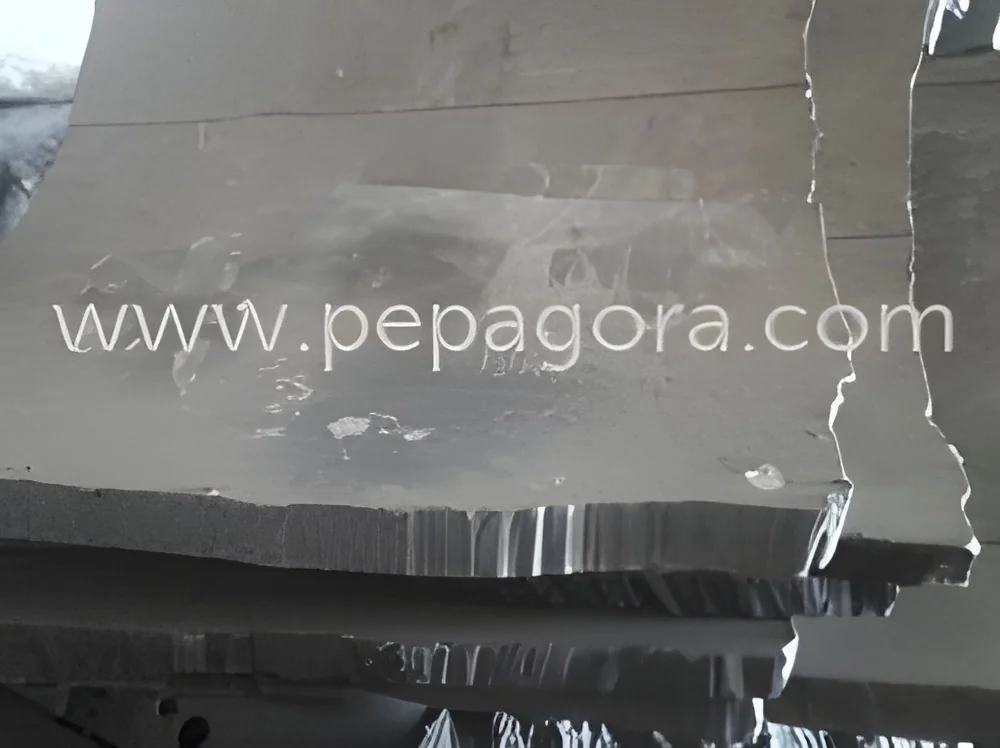
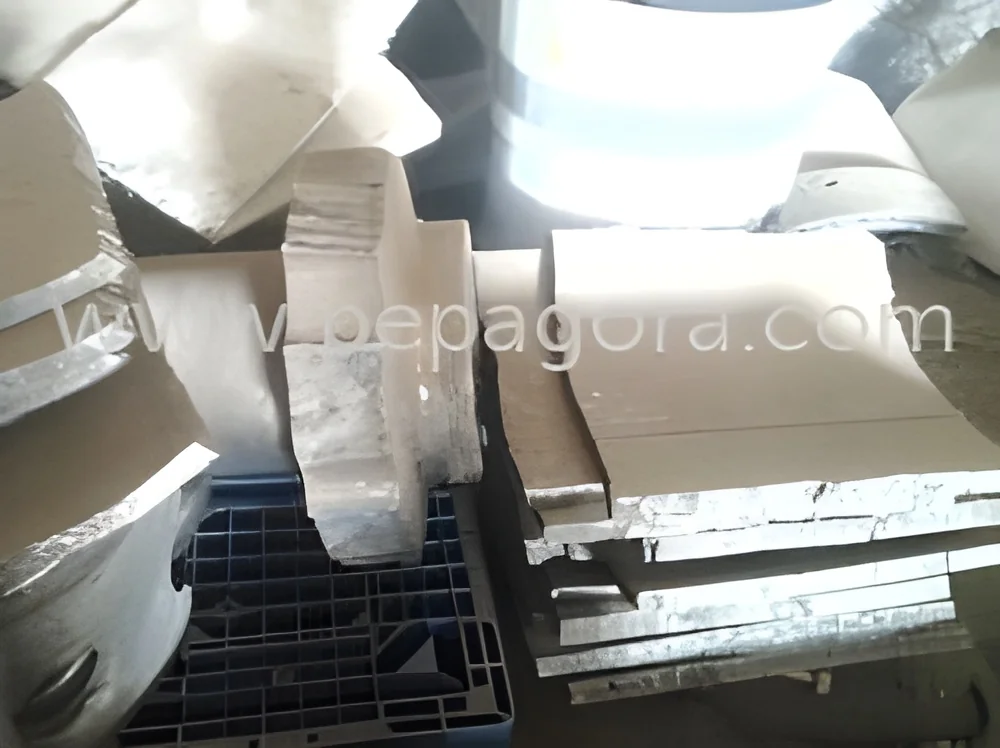
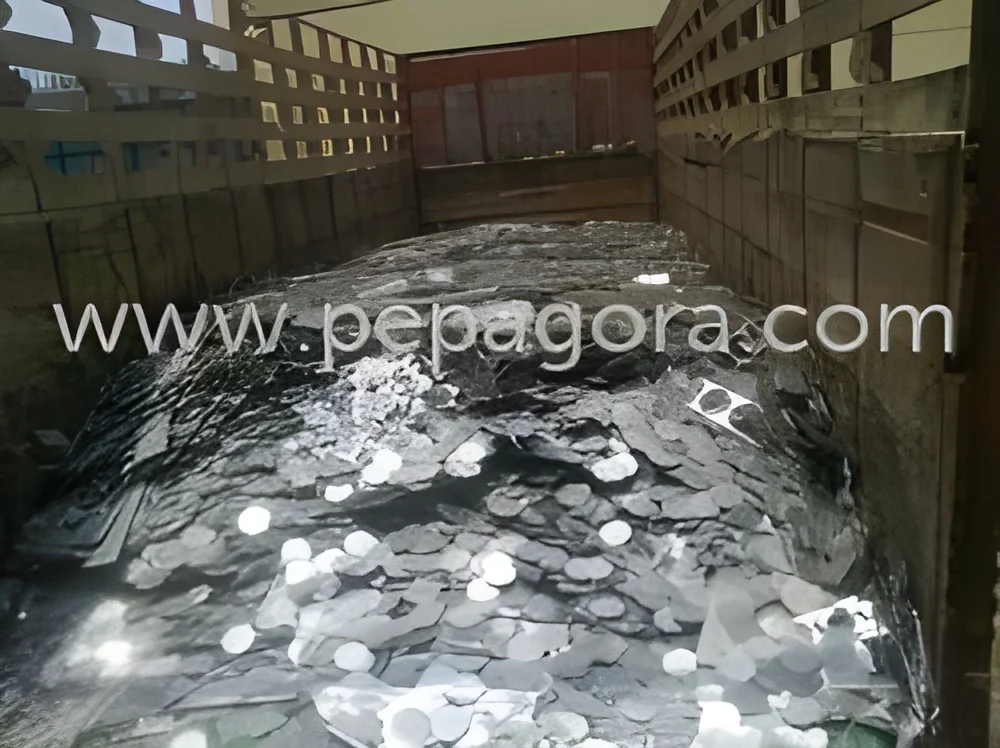
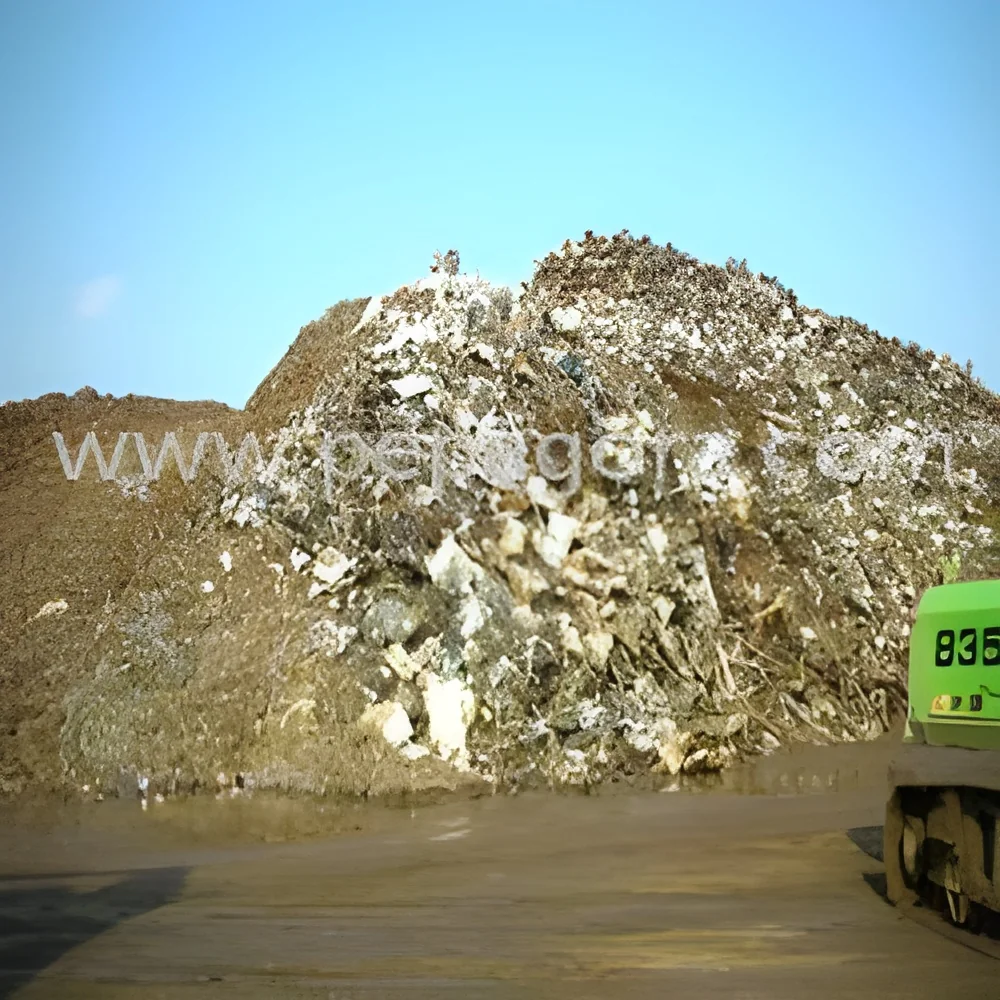
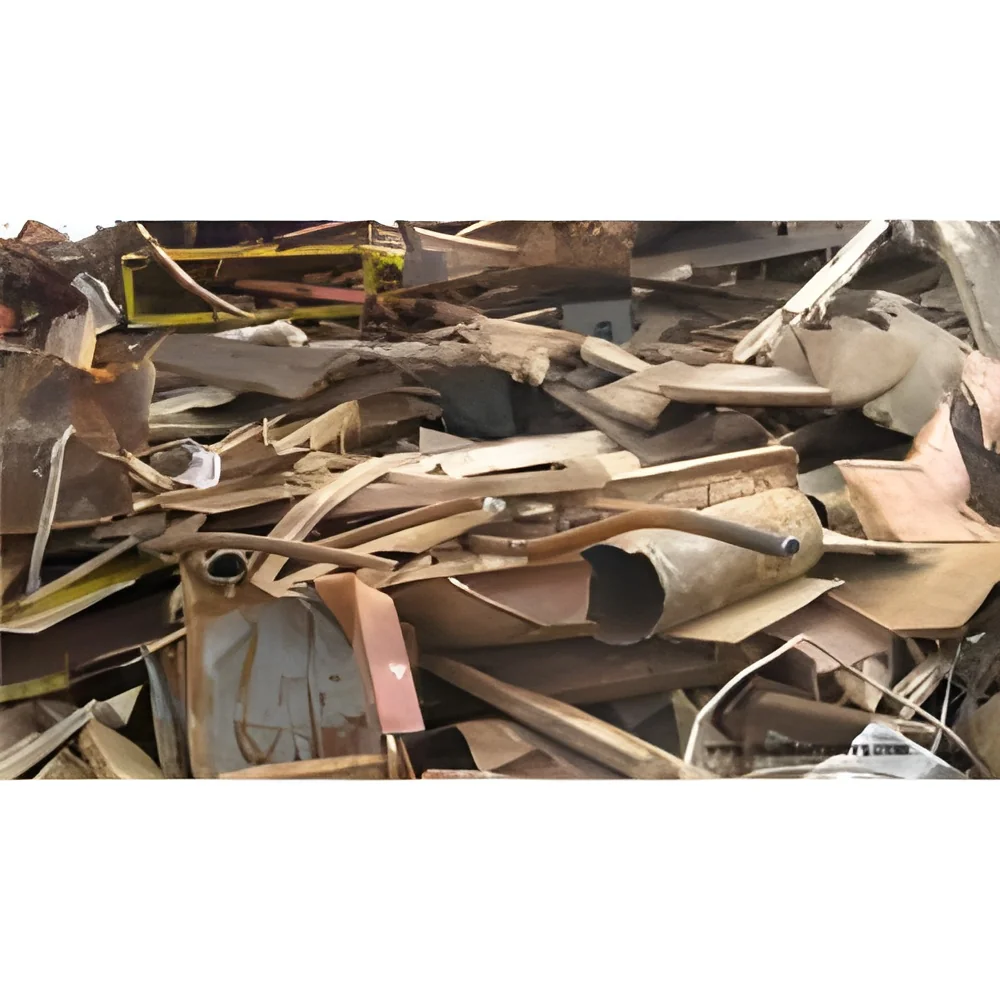
Stainless steel scrap refers to discarded stainless steel materials that can be recycled and repurposed. These materials can originate from various sources, including manufacturing processes, construction projects, and end-of-life products. Stainless steel is known for its durability, resistance to corrosion, and aesthetic appeal, making it a valuable resource in the recycling industry. The scrap can be sorted by grade and composition to maximize the value during the recycling process.
The primary uses of stainless steel scrap are found in the manufacturing and construction industries. Recycled stainless steel is used to produce new stainless steel products, which reduces the need for virgin materials and minimizes environmental impact. Businesses utilize stainless steel scrap in various applications, including the production of automotive components, kitchenware, and structural elements. The market for stainless steel scrap is significant, driven by the growing emphasis on sustainability and resource efficiency in industrial operations.
Key Features and Specifications
Stainless steel scrap has several critical features and specifications that make it a sought-after material in recycling. Understanding these specifications helps businesses make informed decisions when sourcing scrap.
Key specifications include:
1. Composition
- Stainless steel scrap typically contains iron, chromium, nickel, and other alloying elements.
- The specific composition can vary based on the grade of stainless steel, such as 304, 316, or 430.
2. Purity Levels
- High-quality stainless steel scrap should contain minimal impurities.
- Purity is essential for ensuring the efficiency of the recycling process and the quality of the end product.
3. Form
- Stainless steel scrap can come in various forms, including shavings, cuttings, and whole parts.
- The form of scrap can affect its processing and recycling methods.
4. Size
- Scrap pieces can vary in size, with smaller pieces often easier to process.
- Standard dimensions may be required for specific processing equipment.
5. Market Pricing
- The price of stainless steel scrap fluctuates based on global market demand and supply.
- Pricing is usually determined per ton and can vary by grade and quality.
6. Yield Rate
- The yield rate refers to the amount of reusable material obtained from the scrap during recycling.
- Higher yield rates are preferable as they indicate more efficient recycling.
7. Certification
- Some stainless steel scrap suppliers provide certification verifying the material's quality and composition.
- Certifications can enhance buyer confidence in sourcing decisions.
8. Environmental Impact
- Recycled stainless steel scrap significantly reduces energy consumption and greenhouse gas emissions compared to producing new stainless steel.
- Businesses can leverage sustainability as a competitive advantage by using recycled materials.
In summary, understanding the features and specifications of stainless steel scrap is essential for businesses looking to optimize their sourcing and recycling processes.
Common Applications and Use Cases
Stainless steel scrap serves a broad range of industries, each with specific applications.
1. Automotive Industry: Stainless steel scrap is used to manufacture various automotive components, including exhaust systems and structural parts, contributing to vehicle durability and safety.
2. Construction Industry: In construction, stainless steel scrap is utilized to produce reinforcing bars and other structural elements, enhancing building strength and longevity.
3. Food and Beverage Industry: Stainless steel is favored in food processing and packaging due to its hygienic properties, and scrap is recycled to create new machinery and containers.
4. Medical Industry: Stainless steel scrap is vital in producing medical devices and surgical instruments, where precision and corrosion resistance are critical.
5. Electronics Industry: The electronics sector uses stainless steel for housings and components, with scrap recycled into new products, supporting sustainability goals.
6. Household Goods: Stainless steel scrap is commonly found in kitchenware, appliances, and furniture, allowing manufacturers to create high-quality consumer products.
7. Industrial Equipment: Many industrial applications, such as machinery and tools, benefit from recycled stainless steel, enhancing performance and reducing production costs.
Product Variants and Subcategories
Stainless steel scrap comes in various forms, which cater to different industrial needs.
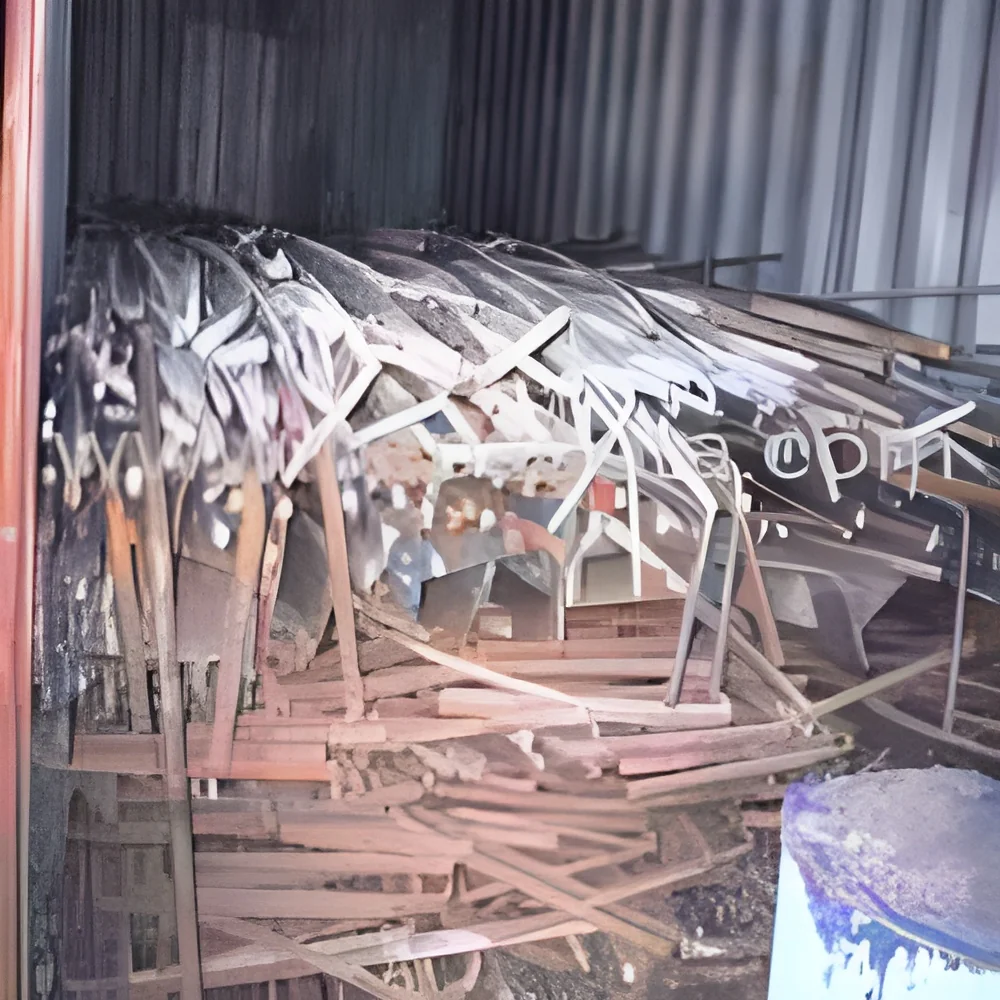
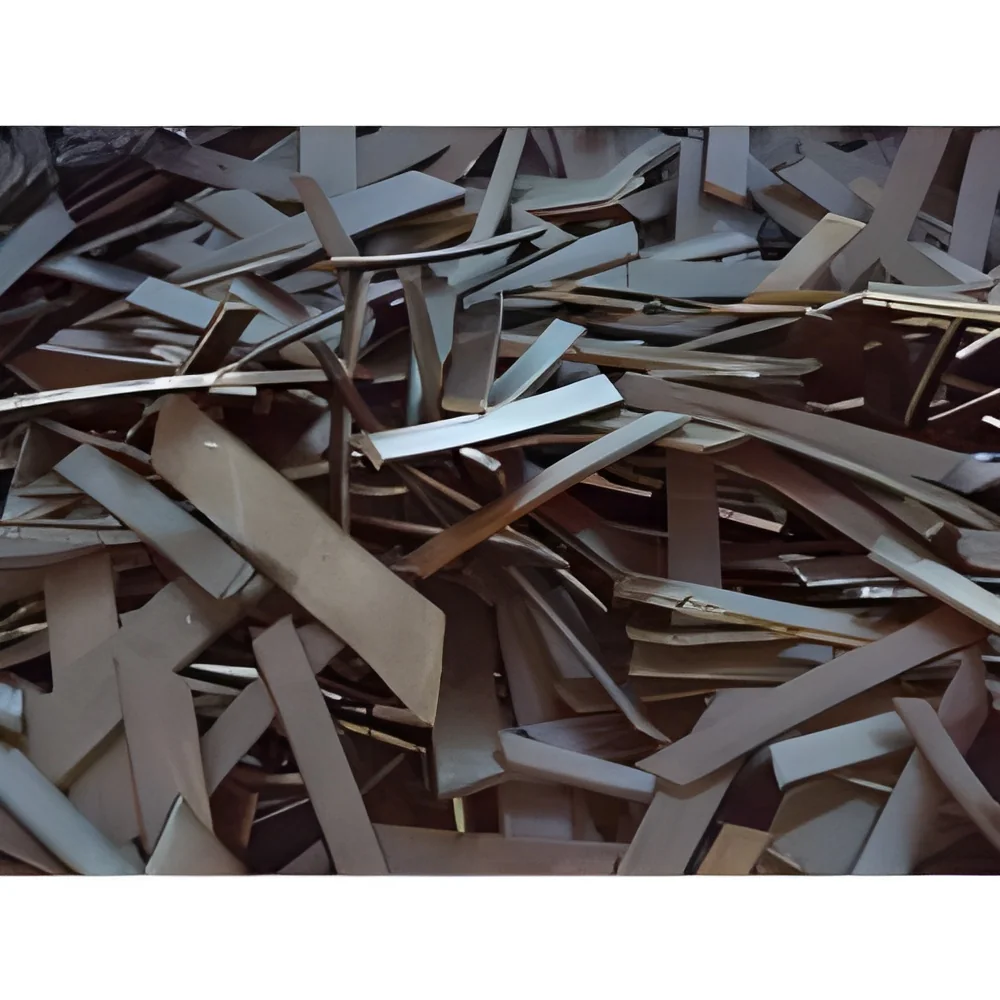
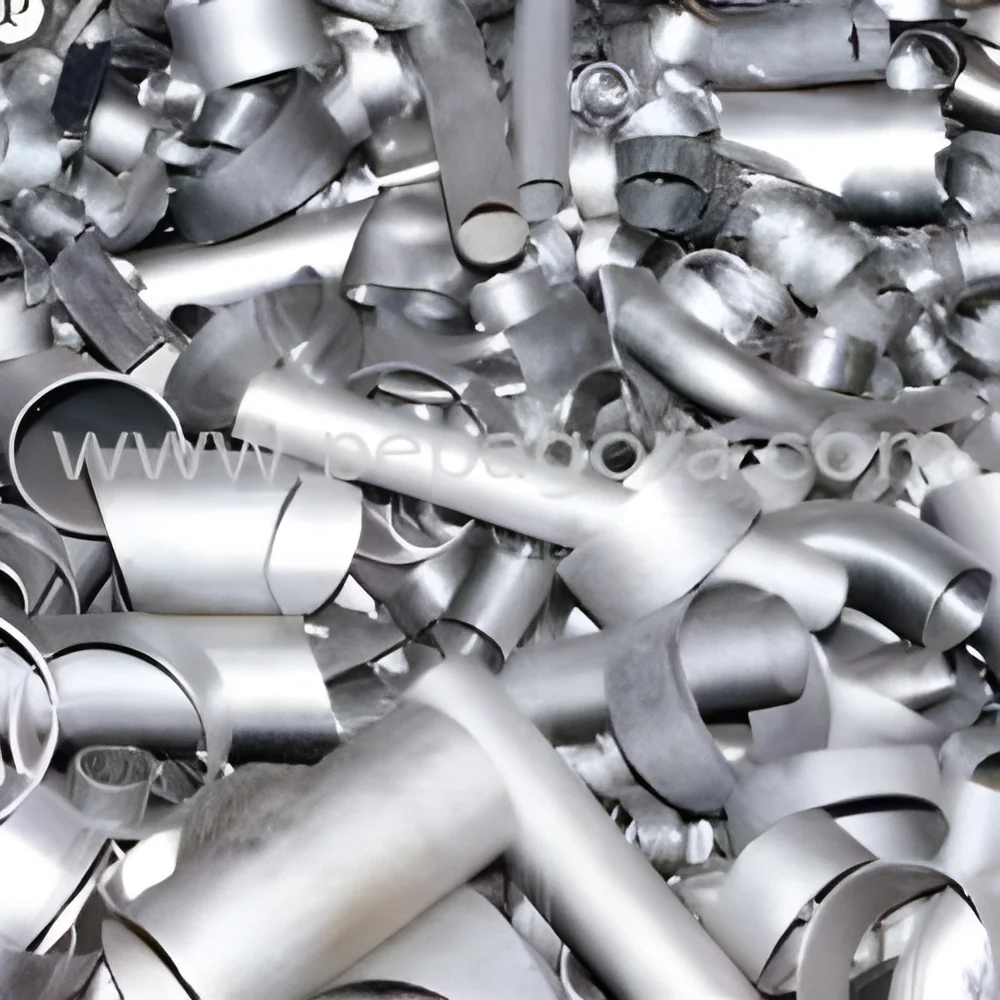
Shredded Stainless Steel Scrap: This variant consists of small pieces and shavings, making it easier to process and recycle. It is often used in manufacturing new stainless steel products due to its uniform size and purity.
Mixed Stainless Steel Scrap: This type includes various grades and forms of stainless steel, offering versatility in recycling. It is frequently used by recyclers who can sort and segregate materials based on quality and composition.
Benefits and Advantages
Sourcing stainless steel scrap provides numerous advantages for businesses looking to enhance their operations.
Key benefits include:
1. Cost Efficiency: Using recycled stainless steel scrap can significantly lower production costs compared to utilizing raw materials.
2. Environmental Sustainability: Recycling stainless steel reduces waste, conserves natural resources, and lowers energy consumption, contributing to a greener economy.
3. High Quality: Recycled stainless steel can match or exceed the quality of virgin materials, ensuring reliable performance in end products.
4. Supply Chain Stability: By utilizing local stainless steel scrap, businesses can reduce dependency on imported raw materials and enhance supply chain resilience.
5. Regulatory Compliance: Using recycled materials helps companies meet environmental regulations and sustainability goals, improving corporate responsibility.
6. Market Demand: There is a growing market demand for sustainable products made from recycled materials, allowing businesses to appeal to environmentally conscious consumers.
Buying Guide for B2B Buyers
When sourcing stainless steel scrap, businesses should consider several key factors to ensure optimal purchasing decisions.
1. Quality Assessment: Buyers should evaluate the quality of stainless steel scrap, focusing on composition, purity, and form. Conducting material tests may be necessary to verify quality.
2. Supplier Verification: It is crucial to vet suppliers to ensure they are reputable and reliable. Checking references, certifications, and customer reviews can aid in this process.
3. Pricing and MOQ: Understanding the pricing structure and minimum order quantities (MOQ) is essential for budgeting. Prices can vary based on quality and market conditions.
4. Delivery and Lead Times: Assessing the logistics of delivery and expected lead times is important for planning production schedules. Clear communication with suppliers can help manage expectations.
5. Compliance Requirements: Buyers should be aware of any regulatory compliance requirements related to sourcing and recycling stainless steel scrap, ensuring adherence to local and international standards.
Compliance and Certifications
Compliance and certifications play a vital role in the stainless steel scrap industry. Various quality standards, such as ISO 9001, ensure that suppliers maintain high-quality management systems. Certifications like CE indicate that products meet European safety and health requirements.
Safety and testing requirements are also critical in the recycling process. Ensuring that stainless steel scrap is free from hazardous materials is essential for the safety of workers and the environment.
In addition to quality and safety standards, businesses must consider regional compliance regulations. Different regions may have specific guidelines regarding the sourcing and recycling of stainless steel scrap, necessitating awareness and adherence to local laws.
Why Source Stainless Steel Scrap from Pepagora?
Pepagora provides a trusted platform for sourcing stainless steel scrap with several key advantages that enhance the buyer's experience.
Verified Supplier Network: Pepagora connects buyers with a network of verified suppliers, ensuring that all listed vendors meet stringent quality and reliability standards. This reduces the risk associated with sourcing materials.
Streamlined RFQ Process: The request for quotation (RFQ) process on Pepagora is designed to be efficient and user-friendly. Buyers can easily submit their requirements and receive competitive quotes from multiple suppliers, simplifying the decision-making process.
Trade Assurance and Support: Pepagora offers trade assurance and support, providing buyers with confidence in their transactions. This includes buyer protection policies that safeguard against potential issues.
Regional Coverage: With a broad geographic reach across India, the GCC, and Southeast Asia, Pepagora ensures that businesses can access stainless steel scrap suppliers that are local to them. This enhances logistical efficiency and reduces shipping costs.
In summary, sourcing stainless steel scrap from Pepagora offers businesses a reliable and efficient pathway to secure high-quality materials while benefiting from a strong support network.

 India
 India
 India
 India
 India
 India
 India
 India
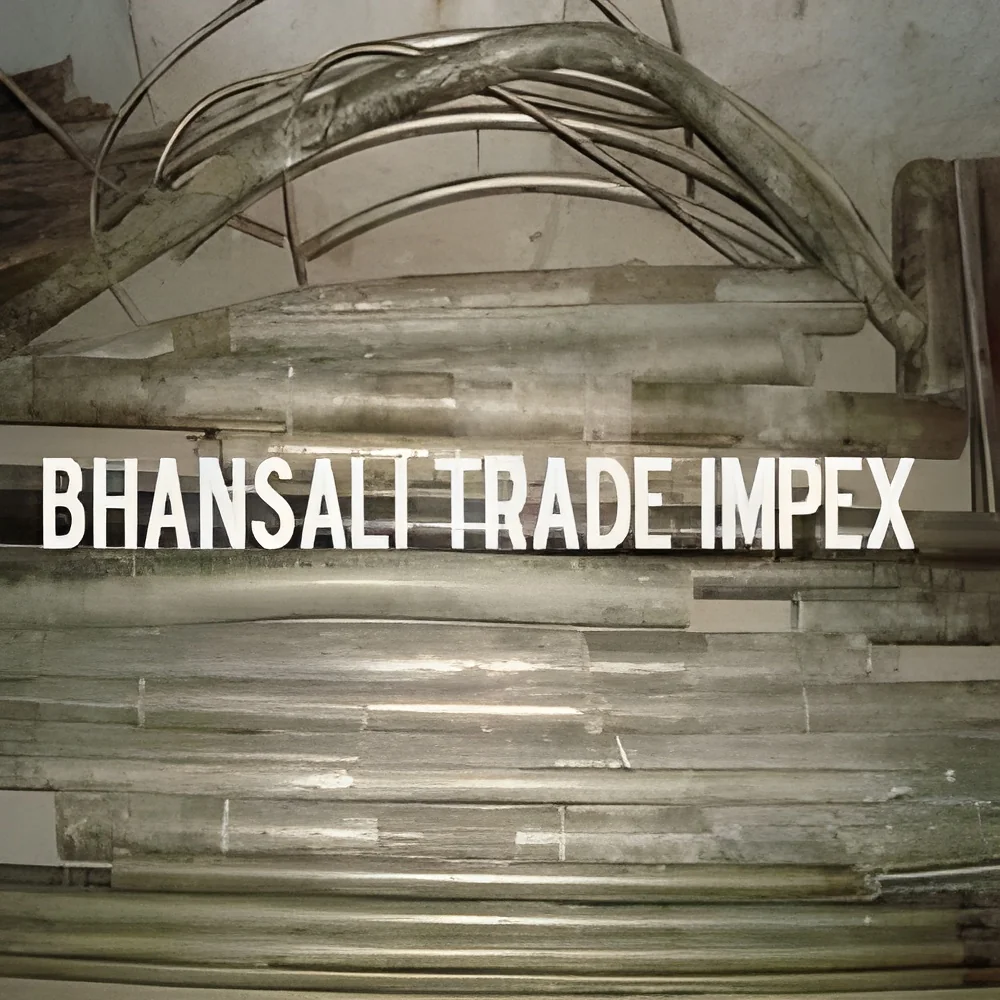 India
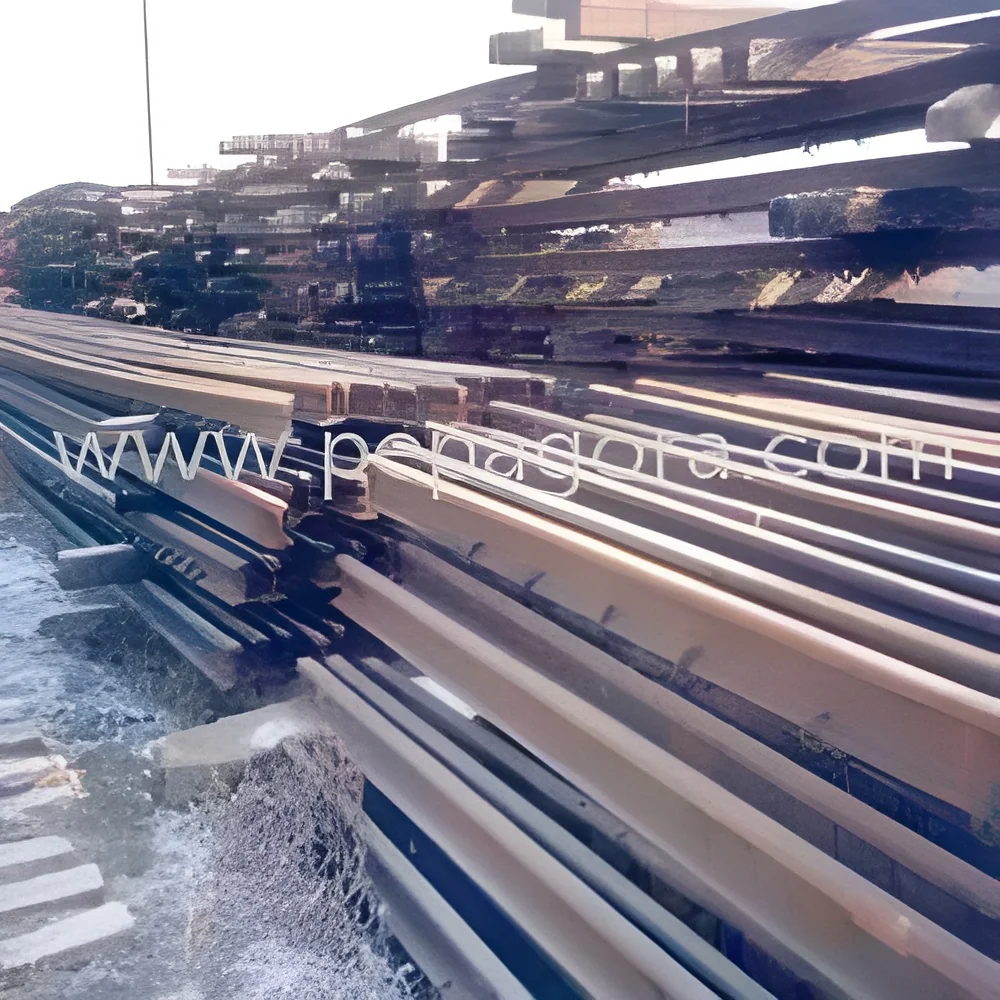 India
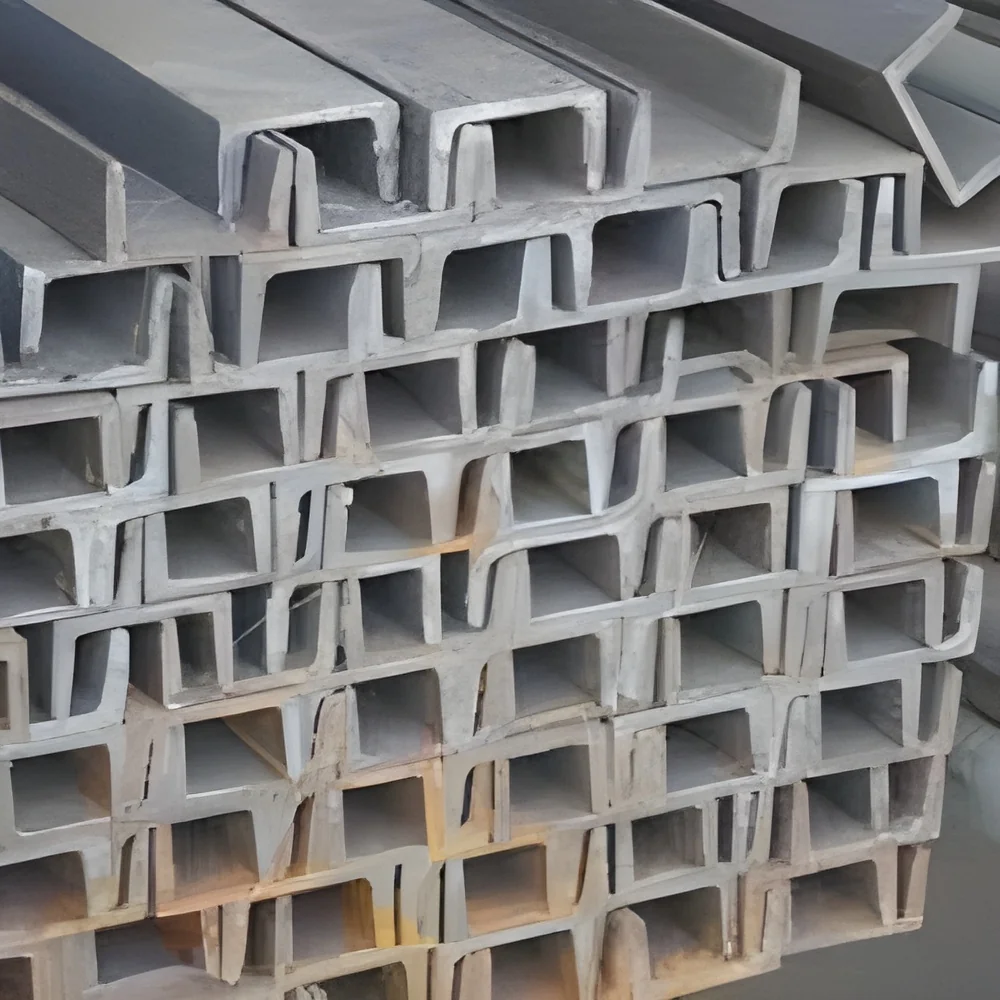

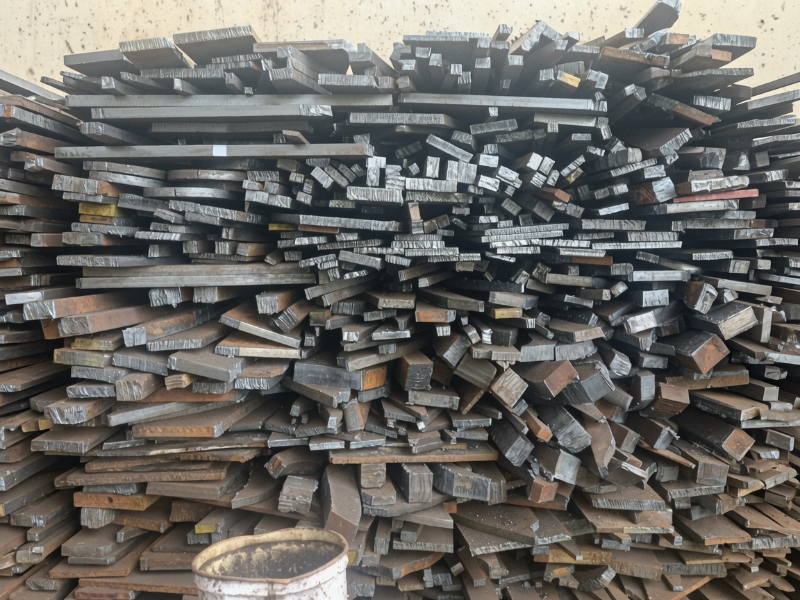

Frequently Asked Questions
What are Stainless Steel Scrap?
Stainless Steel Scrap refers to leftover pieces of stainless steel that are generated during the manufacturing process or after the end of a product's life cycle. This scrap can be recycled and repurposed to create new stainless steel products, contributing to sustainability and resource efficiency.
What are the different types of Stainless Steel Scrap?
The different types of Stainless Steel Scrap include 303, 304, 316, and 430 grades, among others. Each type has unique properties and applications, making them suitable for various industrial purposes.
How do I choose the right Stainless Steel Scrap?
Choosing the right Stainless Steel Scrap involves considering factors such as the grade of stainless steel required for your project, the intended application, and the availability of the scrap. It's also essential to ensure that the scrap meets the necessary quality standards.
What are the standard specifications for Stainless Steel Scrap?
Standard specifications for Stainless Steel Scrap typically include grade, thickness, and contamination levels. These specifications ensure that the scrap is suitable for recycling and meets the requirements of the manufacturing processes.
What is the price range for Stainless Steel Scrap?
The price range for Stainless Steel Scrap can vary significantly based on factors such as type, quality, and market demand. Generally, prices can range from INR 50 to INR 150 per kilogram, but it is advisable to check current market trends for accurate pricing.
What quality standards apply to Stainless Steel Scrap?
Quality standards for Stainless Steel Scrap include compliance with industry norms such as IS 15961 and ASTM specifications. Adherence to these standards ensures that the scrap is suitable for recycling and can be transformed into high-quality stainless steel products.
Where can I find Stainless Steel Scrap suppliers in India?
You can find Stainless Steel Scrap suppliers in India through B2B marketplaces like Pepagora, industry trade shows, and local recycling centers. These platforms provide a comprehensive list of manufacturers and suppliers offering various grades of stainless steel scrap.
Can Stainless Steel Scrap be customized?
Stainless Steel Scrap is generally not customizable due to its nature as a recycled material. However, suppliers may offer different grades or processed types of scrap that can suit specific requirements.
What is the typical minimum order quantity for Stainless Steel Scrap?
The typical minimum order quantity (MOQ) for Stainless Steel Scrap can vary by supplier but often ranges from 1 ton to 5 tons. It is important to check with individual suppliers for their specific MOQ policies.
What is the typical lead time for Stainless Steel Scrap?
The typical lead time for Stainless Steel Scrap can range from a few days to several weeks, depending on the supplier's inventory and processing capabilities. It is advisable to confirm the lead time with the supplier when placing an order.
Why Businesses Trust Pepagora
Thousands of companies trust Pepagora to source smarter and sell faster
Expand Your Sales Globally

Source Smarter,Grow Faster
