
 IN
Spider Fittings
2 products available
What are Spider Fittings?
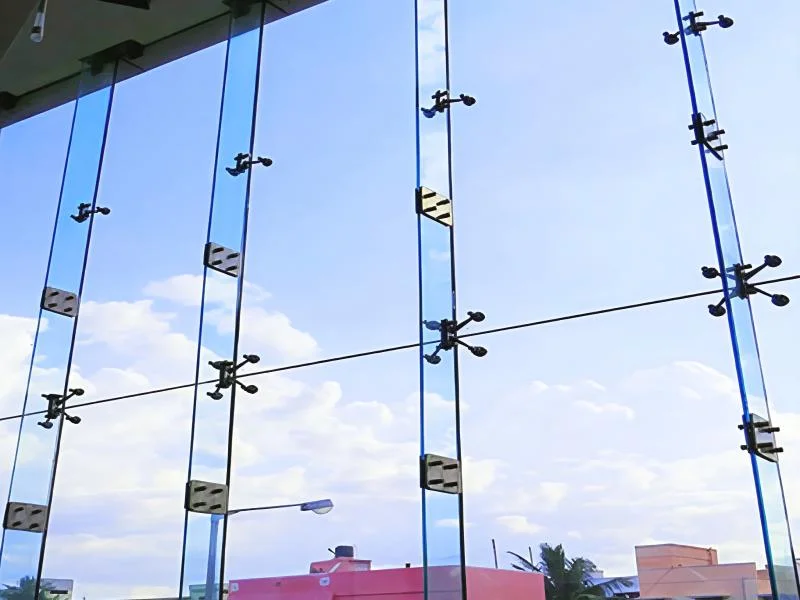
Spider fittings are specialized hardware used primarily in glass and structural support applications. They are designed to hold and secure glass panels in place, providing both stability and aesthetic appeal. These fittings are typically made from durable materials such as stainless steel, which offers resistance to corrosion and ensures longevity in various environmental conditions. Their unique design allows for flexible installation options, accommodating both vertical and horizontal glass surfaces.
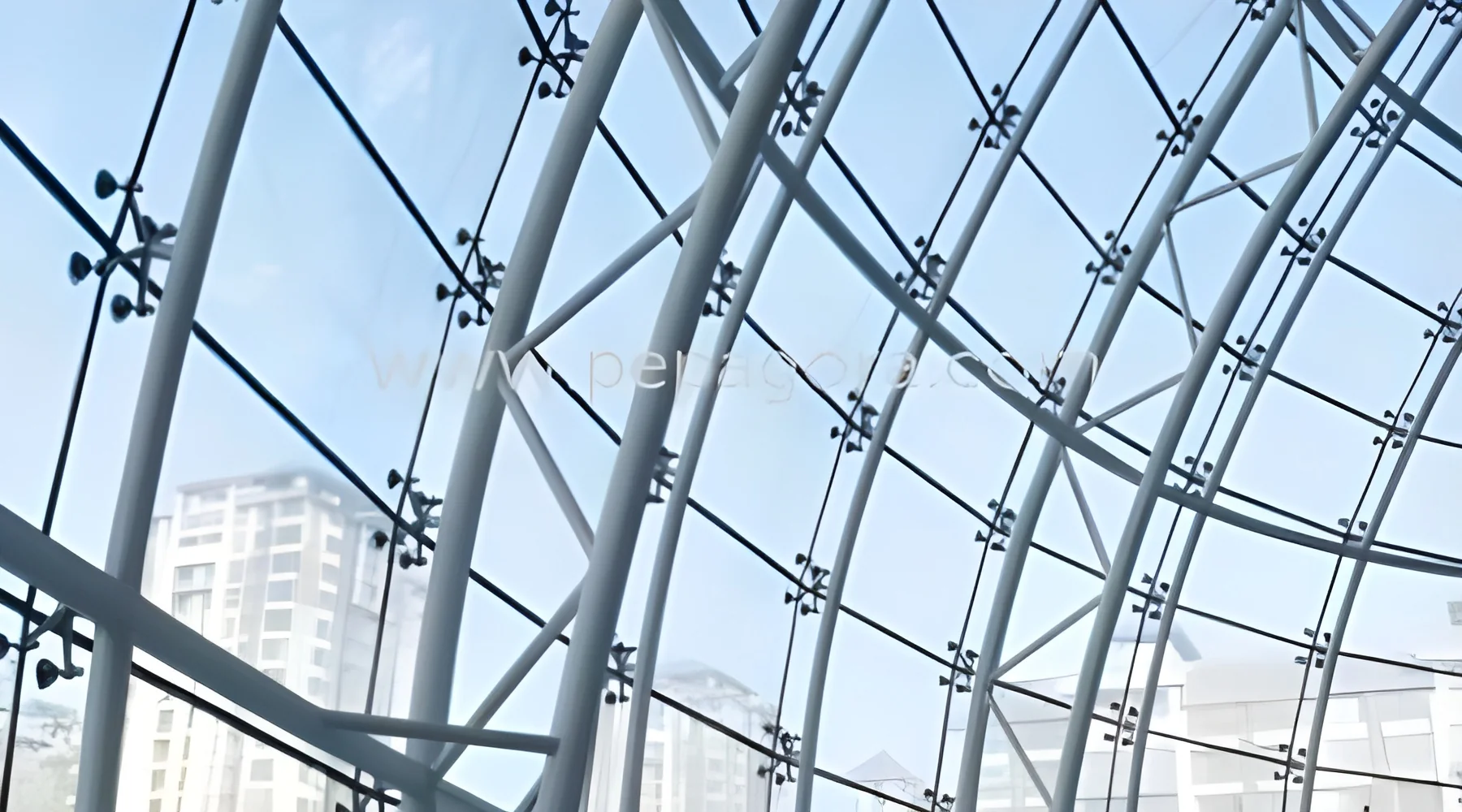
Spider fittings are widely used in commercial and industrial sectors. Common applications include glass facades in buildings, skylights, and canopies. They enable architects and designers to create visually striking structures while ensuring the necessary support and safety standards are met. The growing trend toward modern architecture, which often incorporates large glass surfaces, has increased the demand for spider fittings in recent years. As the market expands, these fittings remain a critical component in the construction and design industries.
Key Features and Specifications
Spider fittings come with several key features that make them suitable for various applications. Understanding these specifications is essential for selecting the right fittings for your project needs.
Key specifications include:
1. Material Composition
- Typically crafted from stainless steel
- Offers durability and corrosion resistance
2. Load Capacity
- Varies based on design and size
- Generally supports significant weight for glass panels
3. Design Variations
- Available in different shapes such as single, double, and multi-point configurations
- Allows for adaptability in design
4. Installation Type
- Can be surface-mounted or embedded
- Flexibility in installation methods enhances usability
5. Finish Options
- Offered in various finishes, including polished and brushed
- Aesthetic choices cater to different design requirements
6. Compliance with Industry Standards
- Adheres to safety and quality standards
- Ensures reliability in structural applications
7. Customization Possibilities
- Potential for tailored designs to meet specific project needs
- Enhances versatility for unique architectural requirements
In summary, spider fittings are engineered to provide reliable support for glass structures while offering various design and installation options.
Common Applications and Use Cases
Spider fittings find utility across numerous industries due to their robust design and versatility.
1. Construction: Used in commercial buildings for glass facades and curtain walls, enhancing both aesthetics and structural integrity.
2. Retail: Employed in storefronts and display cases to create an open and modern look while securely holding glass elements.
3. Transportation: Utilized in train stations and airports for glass canopies and walls, ensuring safety and visibility.
4. Hospitality: Incorporated in hotels and restaurants for elegant glass designs that enhance guest experiences.
5. Interior Design: Used in offices and residential spaces for stylish glass partitions and balustrades, adding elegance and space optimization.
6. Exhibition Spaces: Essential in trade shows and galleries for showcasing art and products through glass displays.
7. Outdoor Structures: Applied in pergolas and patios to provide shelter while maintaining an airy feel.
Product Variants and Subcategories
Spider fittings come in various configurations to suit different applications and design preferences.
Single Point Spider Fittings
These fittings are ideal for securing glass panels at a single point, making them suitable for minimalistic designs. They provide a clean look and are often used in interior partitions.
Double Point Spider Fittings
Designed to hold glass panels at two points, these fittings offer additional stability. They are commonly used in larger glass installations, such as facades and curtain walls.
Multi-Point Spider Fittings
These fittings can support glass panels at multiple points, providing maximum stability. They are beneficial for complex architectural designs that require robust support.
Benefits and Advantages
Choosing spider fittings comes with several key benefits.
1. Aesthetic Appeal: Their sleek design enhances the visual impact of glass structures, making them popular in modern architecture.
2. Versatility: Available in various configurations, they can be tailored to meet specific project requirements, providing flexibility in design.
3. Durability: Made from high-quality materials like stainless steel, they offer long-lasting performance even in harsh environments.
4. Ease of Installation: Designed for user-friendly installation, they reduce labor costs and time on site.
5. Safety Assurance: Compliance with industry standards ensures that spider fittings provide reliable support for glass applications.
6. Customization Options: Many suppliers offer the ability to customize fittings to suit unique design needs, enhancing usability.
Buying Guide for B2B Buyers
When sourcing spider fittings, it is crucial to consider several factors to ensure you make informed purchasing decisions.
1. Quality Assessment: Evaluate materials and construction quality. Look for suppliers who provide detailed specifications and compliance with industry standards.
2. Supplier Verification: Research potential suppliers to confirm their reputation and reliability. Check for reviews and testimonials from previous clients.
3. Pricing and MOQ: Understand the pricing structure and minimum order quantities. Compare quotes from multiple suppliers to ensure competitive pricing.
4. Delivery and Lead Times: Clarify delivery schedules and lead times to avoid project delays. Ensure the supplier can meet your timelines.
5. Compliance Requirements: Be aware of any regulatory standards that apply to your region. Ensure that the fittings you purchase meet all necessary compliance guidelines.
Compliance and Certifications
Spider fittings must adhere to specific quality standards to ensure their reliability and safety in structural applications. Key standards include ISO 9001, which sets out the criteria for a quality management system. Compliance with this standard indicates that a manufacturer consistently provides products that meet customer and regulatory requirements.
Additionally, industry certifications such as CE mark signify that the products meet the European Union's safety, health, and environmental protection standards. This is particularly important for buyers looking to ensure that their spider fittings are safe for use in various applications.
Testing requirements also play a crucial role in the certification process. Manufacturers must conduct rigorous testing to validate the performance and safety of their fittings. Regional compliance considerations may vary, so it is essential to understand the specific requirements in your market.
Why Source Spider Fittings from Pepagora?
Pepagora offers a reliable platform for sourcing spider fittings, providing numerous advantages for B2B buyers.
Verified Supplier Network: Pepagora connects you with a network of verified suppliers, ensuring that you work with reputable manufacturers. This reduces the risk of subpar products and enhances your sourcing experience.
Streamlined RFQ Process: The request for quotation (RFQ) process is designed to be efficient and straightforward. You can quickly obtain quotes from multiple suppliers, making it easier to compare prices and specifications.
Trade Assurance and Support: Pepagora prioritizes buyer protection through trade assurance programs. This offers peace of mind when making purchases and ensures that you receive quality products as promised.
Regional Coverage: With a strong presence in India, the GCC, and Southeast Asia, Pepagora provides extensive regional coverage. This allows you to access a wide variety of suppliers and products tailored to your local market needs.
By choosing Pepagora for your spider fittings sourcing needs, you can benefit from a trusted network, efficient processes, and reliable support, ensuring your projects are completed successfully.


Frequently Asked Questions
What are Spider Fittings?
Spider fittings are specialized hardware used to connect glass panels to structural supports in buildings. They provide a sleek and modern aesthetic while allowing for large expanses of glass to be utilized without the need for bulky frames.
What are the different types of Spider Fittings?
Spider fittings come in various types, including mono, duo, and multi-point fittings. Each type varies in design and functionality, allowing for different installation configurations to meet specific architectural needs.
How do I choose the right Spider Fittings?
Selecting the right spider fittings involves considering factors such as load capacity, the thickness of the glass, and the specific architectural design. Consulting with manufacturers or suppliers can help ensure the correct fittings are chosen for your project requirements.
What are the standard specifications for Spider Fittings?
Standard specifications for spider fittings typically include material composition, load capacity, and finish type. Most fittings are made from stainless steel or aluminum to ensure durability and corrosion resistance.
What is the price range for Spider Fittings?
The price of spider fittings can vary widely based on material, design, and manufacturer. Generally, prices can range from a few hundred to several thousand Indian Rupees per fitting, depending on the complexity and specifications.
What quality standards apply to Spider Fittings?
Spider fittings are subject to various quality standards, including those set by ISO and ASTM. Ensuring that fittings meet these standards is crucial for safety and reliability in construction applications.
Where can I find Spider Fittings suppliers in India?
Spider fittings suppliers in India can be found through various online B2B marketplaces, like Pepagora, or by searching for local manufacturers and distributors. It's advisable to check reviews and compare offerings to find reliable suppliers.
Can Spider Fittings be customized?
Yes, many manufacturers offer customization options for spider fittings to meet specific project requirements. Customization can include variations in size, finish, and design features based on client specifications.
What is the typical minimum order quantity for Spider Fittings?
The minimum order quantity (MOQ) for spider fittings varies by manufacturer but typically ranges from 10 to 50 units. It is essential to check with suppliers for their specific MOQ policies.
What is the typical lead time for Spider Fittings?
The lead time for spider fittings can vary based on order size and customization requirements, but it generally ranges from 2 to 6 weeks. Factors such as manufacturing capacity and shipping logistics also influence delivery times.
Why Businesses Trust Pepagora
Thousands of companies trust Pepagora to source smarter and sell faster
Expand Your Sales Globally

Source Smarter,Grow Faster
