
 IN
Sphygmomanometers (BP Monitors)
7 products available
Key Features and Specifications
Sphygmomanometers are designed with several key features that enhance their functionality and usability. Understanding these specifications is essential for selecting the right device for specific applications.
Key specifications include:
1. Measurement Method
- Commonly includes oscillometric or auscultatory methods.
- Oscillometric devices provide automatic readings, while auscultatory devices require manual interpretation.
2. Cuff Size
- Available in various sizes to accommodate different arm circumferences.
- Proper cuff size is essential for accurate readings.
3. Pressure Range
- Generally ranges from 0 to 300 mmHg.
- Ensures the device can measure a wide range of blood pressures.
4. Display Type
- Digital or analog displays available.
- Digital displays offer ease of reading, while analog displays may be preferred in specific clinical environments.
5. Battery Life
- Varies by model, typically lasting from several months to years.
- Important for devices used in home healthcare settings.
6. Portability
- Some models are designed to be lightweight and compact for easy transport.
- Ideal for use in various settings, including home visits.
7. Memory Function
- Many digital models include memory storage for multiple readings.
- Facilitates tracking changes in blood pressure over time.
8. Certification and Compliance
- CE certification indicates compliance with European health and safety standards.
- Ensures reliability and safety for clinical use.
In summary, understanding the key features and specifications of sphygmomanometers is essential for healthcare providers and businesses to make informed purchasing decisions.
Common Applications and Use Cases
Sphygmomanometers serve a variety of industries and applications, reflecting their versatility and importance in health monitoring.
1. Healthcare: Hospitals and clinics rely on sphygmomanometers for routine blood pressure assessments, helping diagnose conditions like hypertension.
2. Home Healthcare: Patients use portable sphygmomanometers for regular monitoring, enabling them to manage their blood pressure effectively at home.
3. Fitness and Wellness: Gyms and wellness centers utilize these devices to track clients' blood pressure, promoting overall health awareness.
4. Research: Clinical trials and health studies employ sphygmomanometers to collect data on blood pressure responses in various populations.
5. Occupational Health: Companies may use sphygmomanometers for health screenings, ensuring employee wellness and compliance with health regulations.
6. Veterinary Medicine: Animal clinics use sphygmomanometers adapted for pets to monitor blood pressure in animals during health assessments.
7. Elderly Care: Assisted living facilities implement sphygmomanometers to regularly check the blood pressure of elderly residents, aiding in their health management.
Product Variants and Subcategories
Sphygmomanometers come in various designs to suit different needs and preferences in healthcare settings.
Digital Sphygmomanometers: These devices provide automatic readings and often feature memory functions for tracking historical data. They are user-friendly and suitable for both professional and home use.
Manual Sphygmomanometers: Often used in clinical settings, these require the operator to manually inflate the cuff and listen for heartbeats with a stethoscope. They are preferred by some healthcare professionals for their accuracy and control.
Wrist Blood Pressure Monitors: Compact and easy to use, these devices are designed for wrist application. They are ideal for patients who may find arm cuffs uncomfortable.
Ambulatory Blood Pressure Monitors: These devices are worn by patients for 24-hour monitoring, providing comprehensive data on blood pressure fluctuations throughout the day.
Benefits and Advantages
Sphygmomanometers offer several key benefits that enhance their value in healthcare settings.
1. Accurate Monitoring: Reliable measurements provide healthcare professionals with critical data for patient assessments and treatment decisions.
2. Early Detection: Regular blood pressure monitoring can lead to early identification of health issues, allowing for timely intervention.
3. User-Friendly: Many modern sphygmomanometers are designed for ease of use, making them accessible for both healthcare professionals and patients.
4. Versatility: Available in various forms, these devices can be used in hospitals, clinics, and at home, catering to diverse healthcare needs.
5. Patient Empowerment: Home monitoring allows patients to take an active role in managing their health, promoting better adherence to treatment plans.
6. Cost-Effective: Investing in sphygmomanometers can reduce healthcare costs by facilitating early diagnosis and preventing complications associated with unmanaged blood pressure.
Buying Guide for B2B Buyers
When sourcing sphygmomanometers, B2B buyers should consider several critical factors to ensure they select the best products for their needs.
1. Quality Assessment: Look for devices that meet industry standards and have positive reviews from healthcare professionals. Quality is paramount for accurate and reliable readings.
2. Supplier Verification: Vet suppliers to ensure they have a good reputation and provide high-quality products. Check for certifications and customer feedback to gauge reliability.
3. Pricing and MOQ: Consider the cost of sphygmomanometers and the minimum order quantities required by suppliers. Finding a balance between price and quality is essential.
4. Delivery and Lead Times: Understand the expected delivery times and logistics involved in sourcing. Timeliness is crucial for healthcare providers needing immediate supplies.
5. Compliance Requirements: Ensure that the sphygmomanometers meet necessary regulatory standards and certifications, such as CE, to comply with health and safety regulations.
Compliance and Certifications
Sphygmomanometers must adhere to relevant quality standards and certifications to ensure safety and efficacy in their use. ISO 9001 is a commonly referenced standard that indicates quality management practices in manufacturing.
CE certification is essential for products sold in the European market, indicating compliance with health and safety regulations. This certification assures buyers of the product's reliability and effectiveness.
Safety and testing requirements are critical for sphygmomanometers, as inaccurate readings can lead to misdiagnosis and improper treatment. Compliance with regional regulations also ensures that the devices meet local health standards, further safeguarding patient care.
Why Source Sphygmomanometers (BP Monitors) from Pepagora?
Pepagora provides a trusted platform for sourcing sphygmomanometers with several key advantages. The verified supplier network ensures that buyers have access to high-quality products from reliable manufacturers.
The streamlined RFQ process simplifies procurement, allowing buyers to request quotes quickly and efficiently. This system saves time and enhances the purchasing experience for B2B buyers.
Trade assurance and support are integral to the Pepagora platform, providing buyers with protection and confidence in their purchases. This commitment to customer satisfaction fosters trust and encourages long-term partnerships.
With regional coverage extending across India, the GCC, and Southeast Asia, Pepagora ensures that buyers have access to quality sphygmomanometers tailored to their specific market needs.


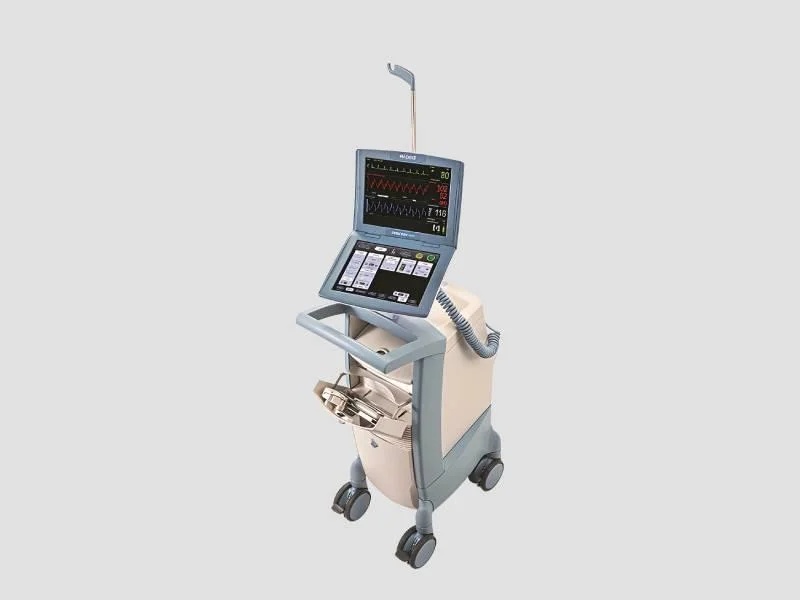

 India
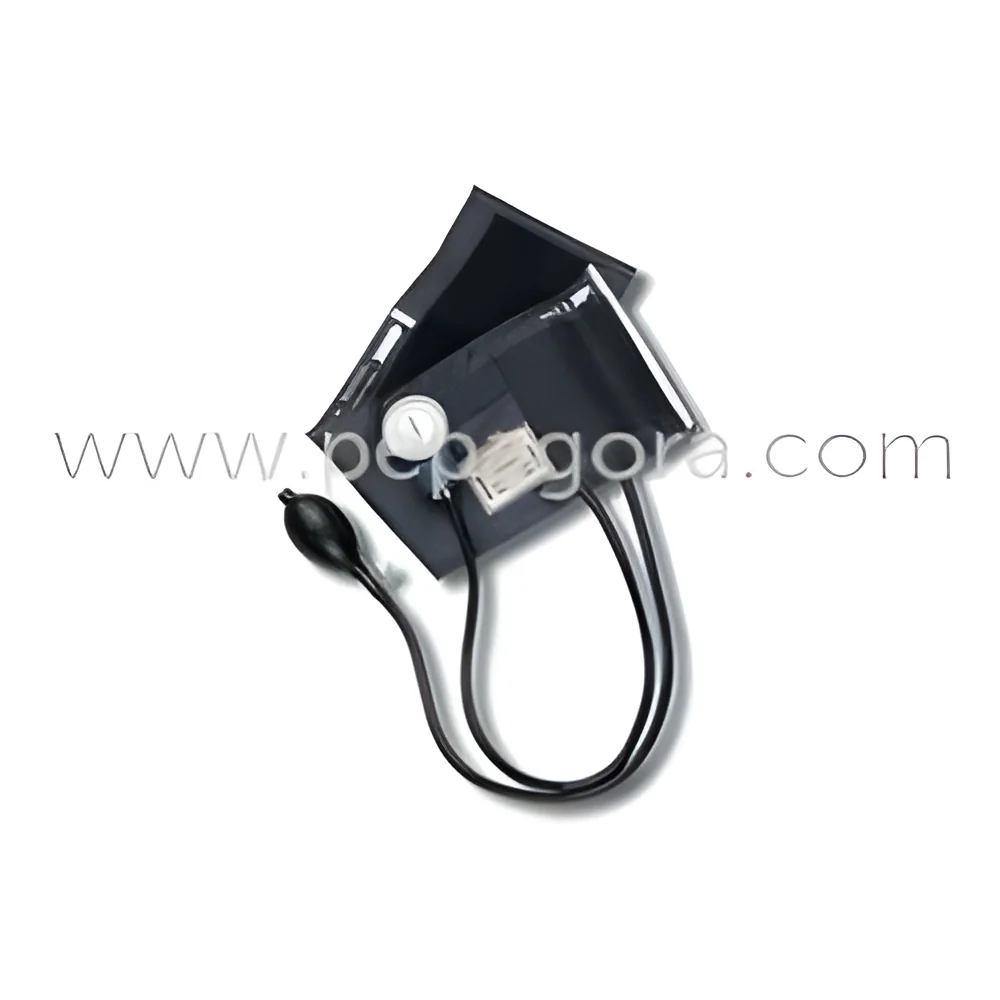
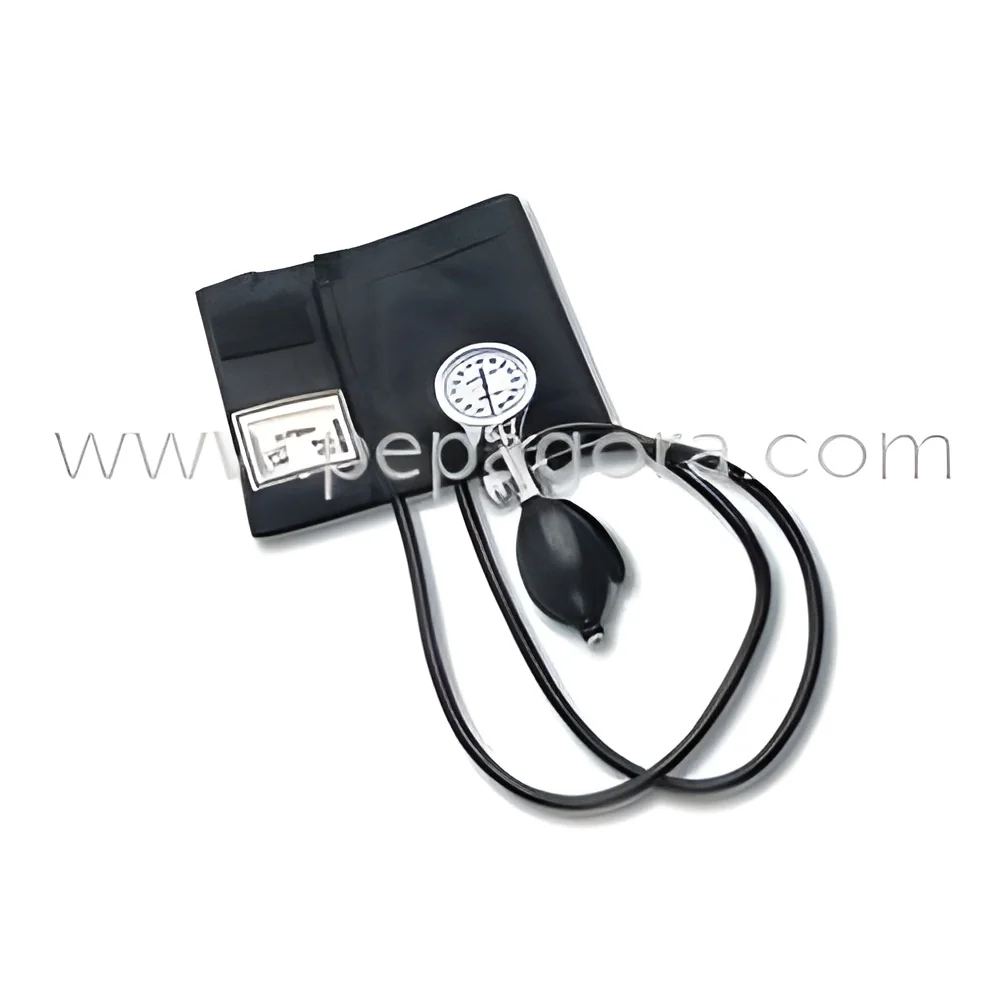 India
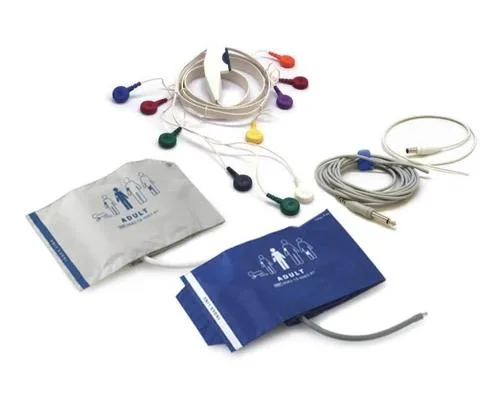 India
 India
 India

Frequently Asked Questions
What are Sphygmomanometers (BP Monitors)?
Sphygmomanometers, commonly known as BP monitors, are medical devices used to measure blood pressure. They consist of an inflatable cuff and a pressure gauge, which can be either manual or digital, to assess the force of blood against the walls of the arteries.
What are the different types of Sphygmomanometers (BP Monitors)?
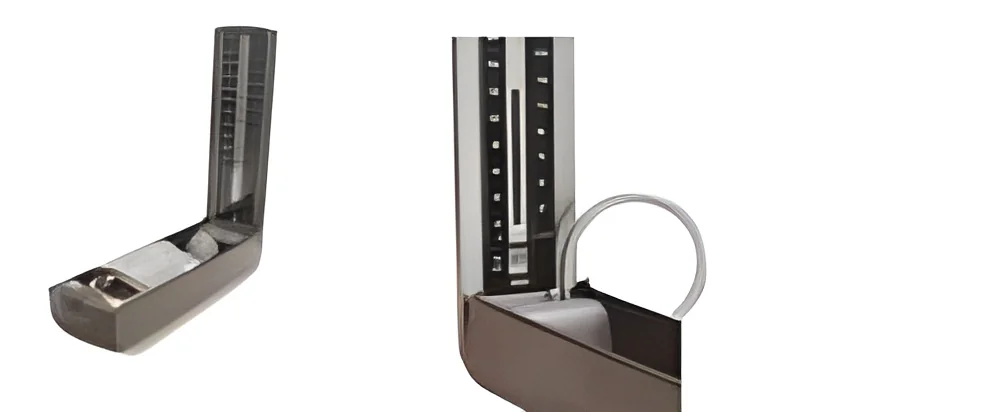
There are primarily three types of Sphygmomanometers: aneroid, digital, and mercury. Aneroid devices use a dial gauge, digital monitors display readings electronically, and mercury sphygmomanometers are considered highly accurate but are less commonly used due to safety concerns.
How do I choose the right Sphygmomanometers (BP Monitors)?
When selecting a Sphygmomanometer, consider factors such as accuracy, ease of use, and the type of measurement (manual or digital). Additionally, assess the cuff size to ensure a proper fit, as this can significantly affect the accuracy of the readings.
What are the standard specifications for Sphygmomanometers (BP Monitors)?
Standard specifications for Sphygmomanometers typically include measurement range, accuracy, and cuff sizes. Most devices should meet medical standards set by organizations such as the American National Standards Institute (ANSI) and the British Hypertension Society (BHS).
What is the price range for Sphygmomanometers (BP Monitors)?
The price of Sphygmomanometers can vary widely depending on the type and features. Generally, manual sphygmomanometers may range from INR 500 to INR 3000, while digital models typically cost between INR 1500 and INR 7000.
What quality standards apply to Sphygmomanometers (BP Monitors)?
Sphygmomanometers must comply with various quality standards, including ISO 81060 for non-invasive blood pressure measuring devices. Additionally, they should meet regulatory requirements set by health authorities such as the FDA and the European Medicines Agency.
Where can I find Sphygmomanometers (BP Monitors) suppliers in India?
You can find Sphygmomanometers suppliers in India through B2B marketplaces like Pepagora.com, medical equipment distributors, or directly from manufacturers. It is advisable to check for reviews and certifications to ensure reliability.
Can Sphygmomanometers (BP Monitors) be customized?
Yes, many manufacturers offer customization options for Sphygmomanometers, which can include branding, specific features, or tailored cuff sizes. It is important to discuss your requirements with suppliers to explore available customization options.
What is the typical minimum order quantity for Sphygmomanometers (BP Monitors)?
The minimum order quantity (MOQ) for Sphygmomanometers can vary by supplier, ranging from as few as 10 units to several hundred. Always check with the supplier for their specific MOQ requirements before placing an order.
What is the typical lead time for Sphygmomanometers (BP Monitors)?
The typical lead time for Sphygmomanometers can range from 2 to 6 weeks, depending on the supplier, order size, and customization requirements. It is recommended to confirm the lead time with the supplier at the time of order placement.
Why Businesses Trust Pepagora
Thousands of companies trust Pepagora to source smarter and sell faster
Expand Your Sales Globally

Source Smarter,Grow Faster
