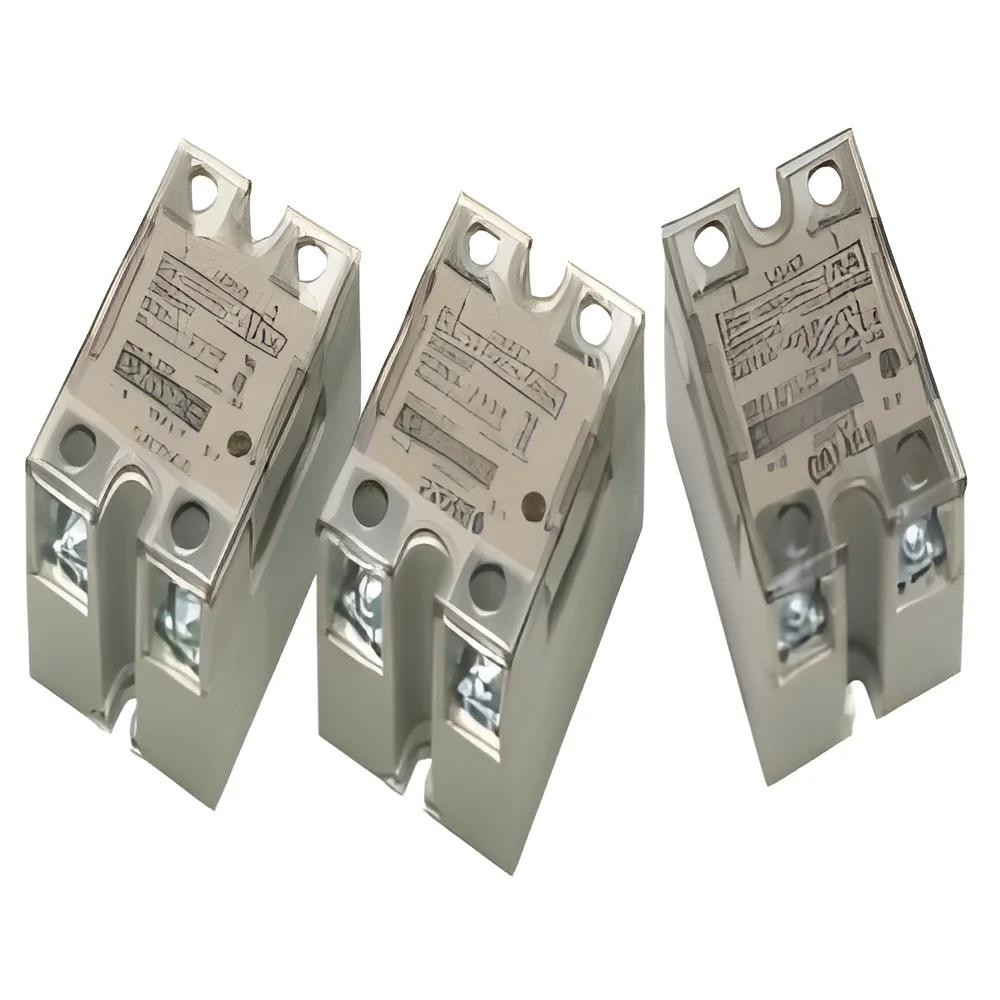
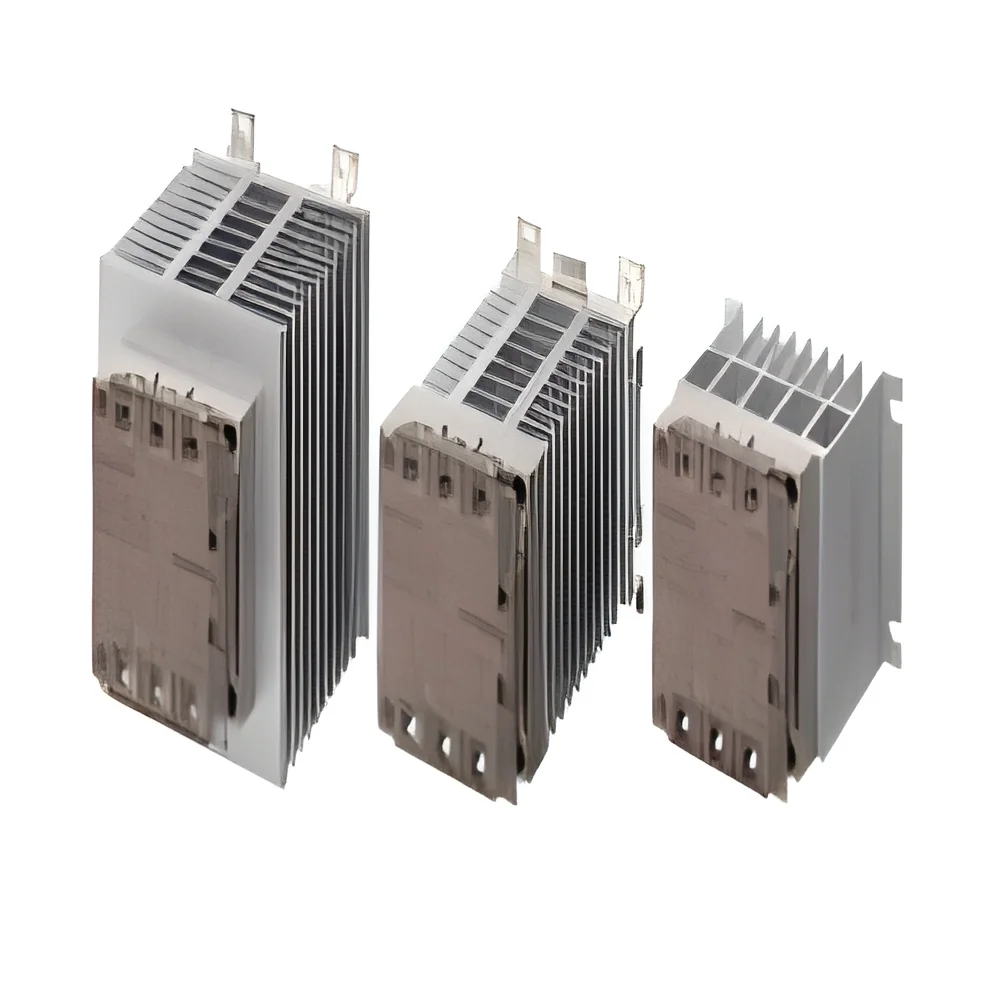
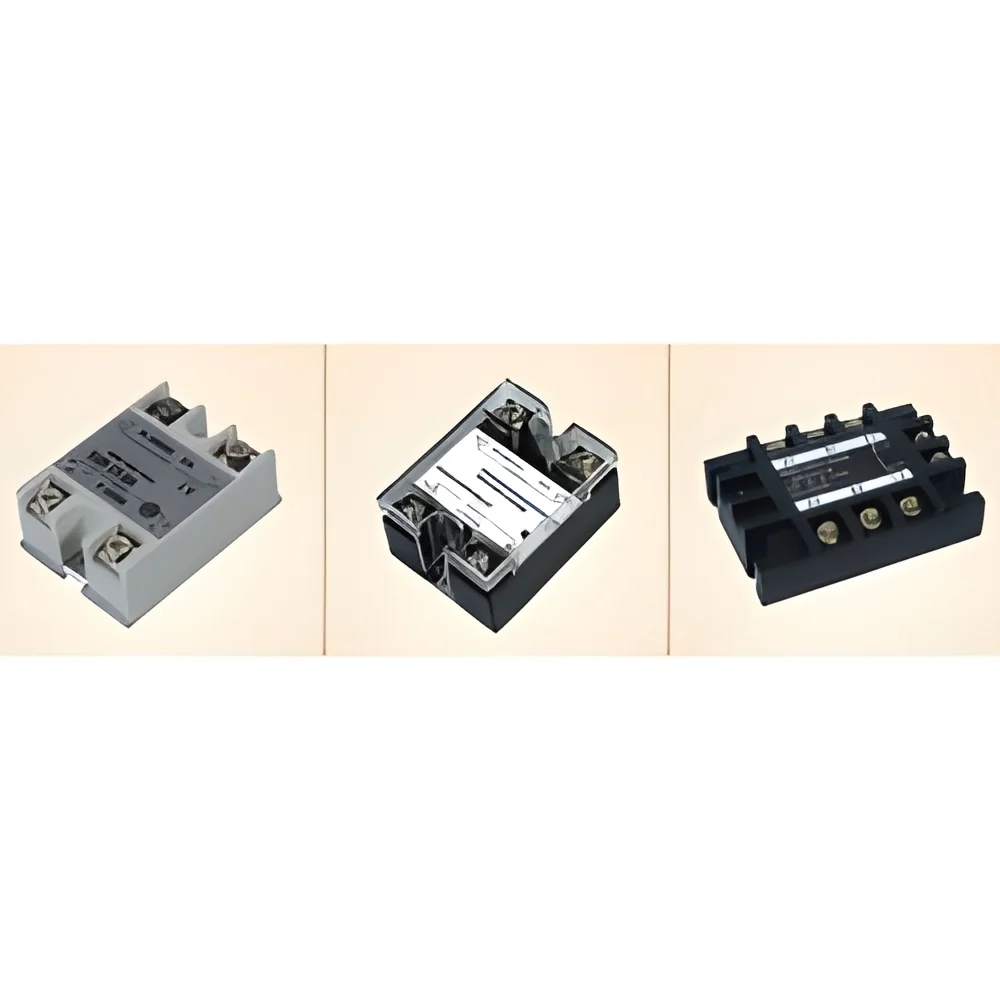
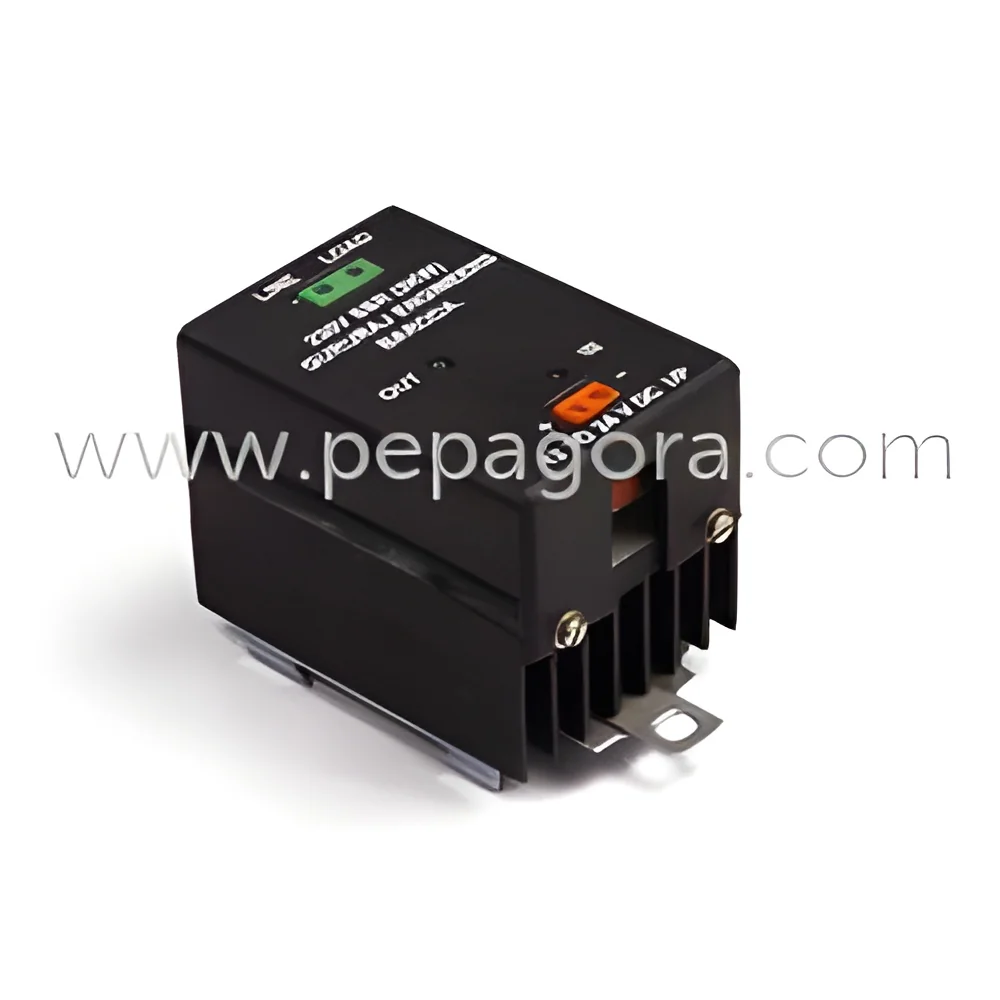
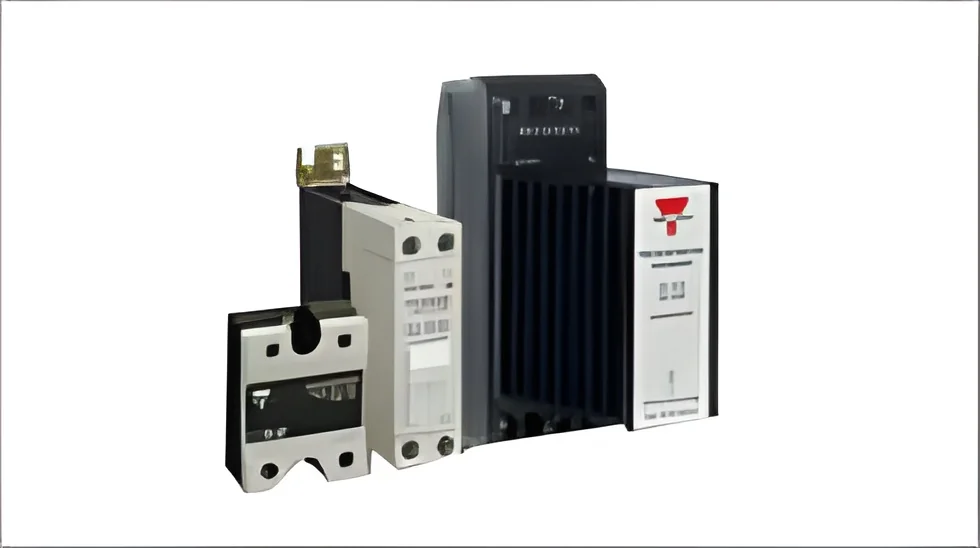
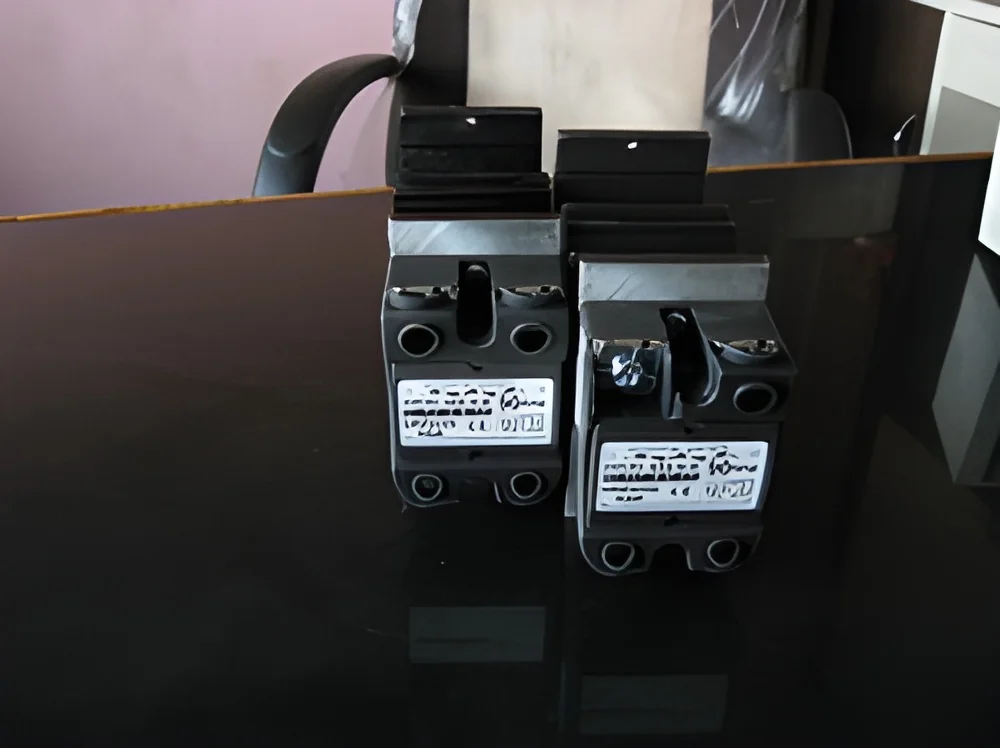
Key Features and Specifications
Solid State Relays come with several features designed for optimal performance in industrial settings. These features enhance their efficiency, reliability, and suitability for various applications.
Key specifications include:
1. Switching Voltage Range
- This specification indicates the maximum voltage the SSR can handle.
- Typical ranges are from 24V to 480V.
2. Load Current Rating
- This indicates the maximum current that the relay can switch.
- Ratings often range from 10A to 100A.
3. Control Voltage Range
- This specifies the range of voltage required to activate the relay.
- Common control voltages include 3-32V DC and 90-280V AC.
4. On-State Resistance
- This indicates the resistance when the relay is in the 'on' state.
- Lower resistance values lead to reduced heat generation and energy loss.
5. Isolation Voltage
- This is the voltage level that guarantees electrical isolation between the control side and the load side.
- Typical isolation voltage is around 2500V.
6. Switching Speed
- This defines how quickly the relay can switch from on to off and vice versa.
- SSRs often provide switching times in the range of microseconds.
7. Operating Temperature Range
- This specifies the temperature limits within which the SSR can operate.
- Typical ranges can vary, but many operate between -30°C to +80°C.
8. Certifications
- SSRs may come with various industry certifications, such as CE.
- Certifications ensure compliance with safety and quality standards.
In summary, Solid State Relays offer a range of specifications that cater to diverse industrial needs. Understanding these features helps businesses select the right SSR for their applications.
Common Applications and Use Cases
Solid State Relays are utilized across many industries due to their versatility and reliability.
1. Manufacturing: In manufacturing environments, SSRs control machinery and process automation systems, providing precise control over equipment.
2. HVAC: SSRs are commonly used in heating, ventilation, and air conditioning systems to manage compressors and fans, enhancing energy efficiency and operational reliability.
3. Automotive: In automotive applications, SSRs can manage lighting and power distribution, ensuring safer and more efficient vehicle operation.
4. Food Processing: SSRs play a crucial role in temperature control for food processing equipment, maintaining quality and compliance with safety standards.
5. Renewable Energy: In solar energy systems, SSRs help in managing power distribution, optimizing energy use from solar panels.
6. Printing: SSRs are used to control heating elements in printing machines, ensuring consistent temperature for high-quality output.
7. Medical Equipment: In medical devices, SSRs are utilized for precise control over various electronic systems, enhancing reliability and safety.
Product Variants and Subcategories
Solid State Relays come in various forms to meet specific application needs.
General Purpose SSRs: These are designed for broad applications where standard control functions are required. They offer flexibility and ease of use.
Zero-Cross SSRs: These relays turn on when the AC waveform crosses zero volts, reducing electrical noise and stress on the load. They are ideal for applications requiring minimal interference.
Phototransistor SSRs: This variant is used for low-power applications, offering reliable isolation and control in sensitive environments.
Benefits and Advantages
Solid State Relays provide numerous advantages over traditional electromechanical relays.
1. Durability: SSRs have no moving parts, leading to a longer lifespan and reduced maintenance costs.
2. Faster Switching: The electronic design allows SSRs to switch much faster than mechanical relays, enhancing operational efficiency.
3. Increased Reliability: With higher tolerance to shock and vibration, SSRs are less likely to fail in demanding environments.
4. Reduced Heat Generation: Low on-state resistance results in less heat generation, improving energy efficiency and decreasing the need for cooling solutions.
5. Electrical Isolation: SSRs provide excellent isolation between control and load circuits, enhancing safety in electrical systems.
6. Compact Design: The small size of SSRs allows for space-saving installations in control panels and equipment.
Buying Guide for B2B Buyers
When sourcing Solid State Relays (SSR), businesses should consider several critical factors to ensure they select the best product for their needs.
1. Quality Assessment: Buyers should evaluate the quality of SSRs by looking for manufacturers that adhere to industry standards and have quality assurance programs in place.
2. Supplier Verification: It is essential to verify suppliers' credibility through references and reviews. A reputable supplier is more likely to provide reliable products.
3. Pricing and MOQ: Understanding the pricing structure and minimum order quantities (MOQ) is crucial for budgeting and inventory management. Buyers should compare prices across different suppliers.
4. Delivery and Lead Times: Timely delivery is vital for maintaining production schedules. Buyers should discuss lead times with suppliers to ensure they can meet project deadlines.
5. Compliance Requirements: Ensure that the SSRs meet relevant industry compliance and safety standards. This reduces the risk of operational issues and enhances product reliability.
Compliance and Certifications
Solid State Relays must adhere to various quality standards to ensure safety and performance in their applications. ISO 9001 is a common quality management standard that many manufacturers follow, ensuring that their products meet customer and regulatory requirements.
In addition to quality standards, certain industry certifications, such as CE, indicate compliance with European safety and health standards. This certification is essential for products being sold in the European market.
Safety and testing requirements for SSRs include rigorous assessments to confirm their performance under specified conditions. Manufacturers often conduct tests for electrical isolation, temperature ranges, and durability.
Regionally, compliance considerations may vary, with different countries having unique safety regulations. Understanding these requirements is crucial for buyers to ensure that the Solid State Relays they source are suitable for their specific markets.
Why Source Solid State Relays (SSR) from Pepagora?
Pepagora provides a trusted platform for sourcing Solid State Relays (SSR) with several key advantages for B2B buyers.
Verified Supplier Network: Pepagora has a robust network of verified suppliers, ensuring that buyers can access high-quality SSRs from reputable manufacturers. This reduces the risk associated with sourcing from unverified vendors.
Streamlined RFQ Process: The platform offers a streamlined request for quotation (RFQ) process, allowing buyers to easily compare prices and specifications from multiple suppliers. This efficiency saves time and helps buyers make informed decisions.
Trade Assurance and Support: Pepagora offers trade assurance features that protect buyers against discrepancies in product specifications and delivery. This support provides peace of mind throughout the purchasing process.
Regional Coverage: With a geographic reach that includes India, the GCC, and Southeast Asia, Pepagora caters to a diverse range of buyers. This regional focus ensures that companies can find SSRs that meet local standards and requirements.

 IN
IN

 India
India