
 IN
Solar Cables
6 products available
What are Solar Cables?
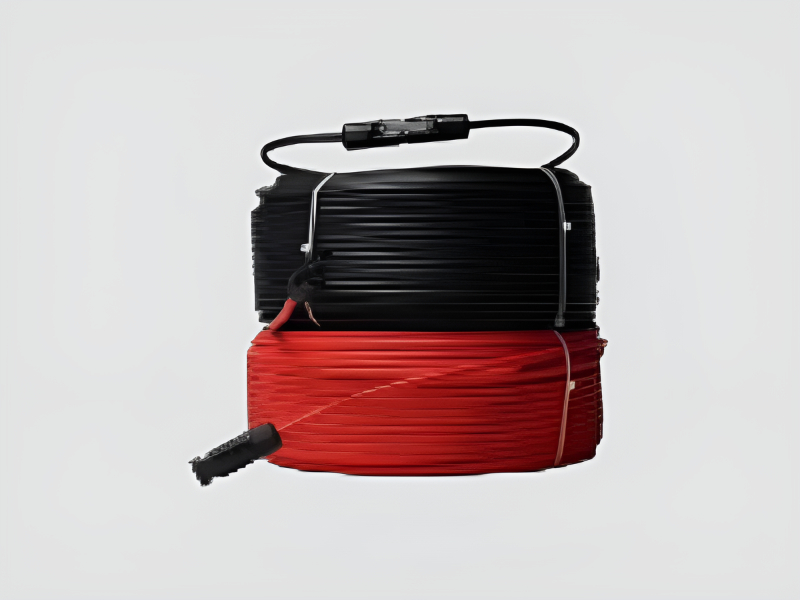
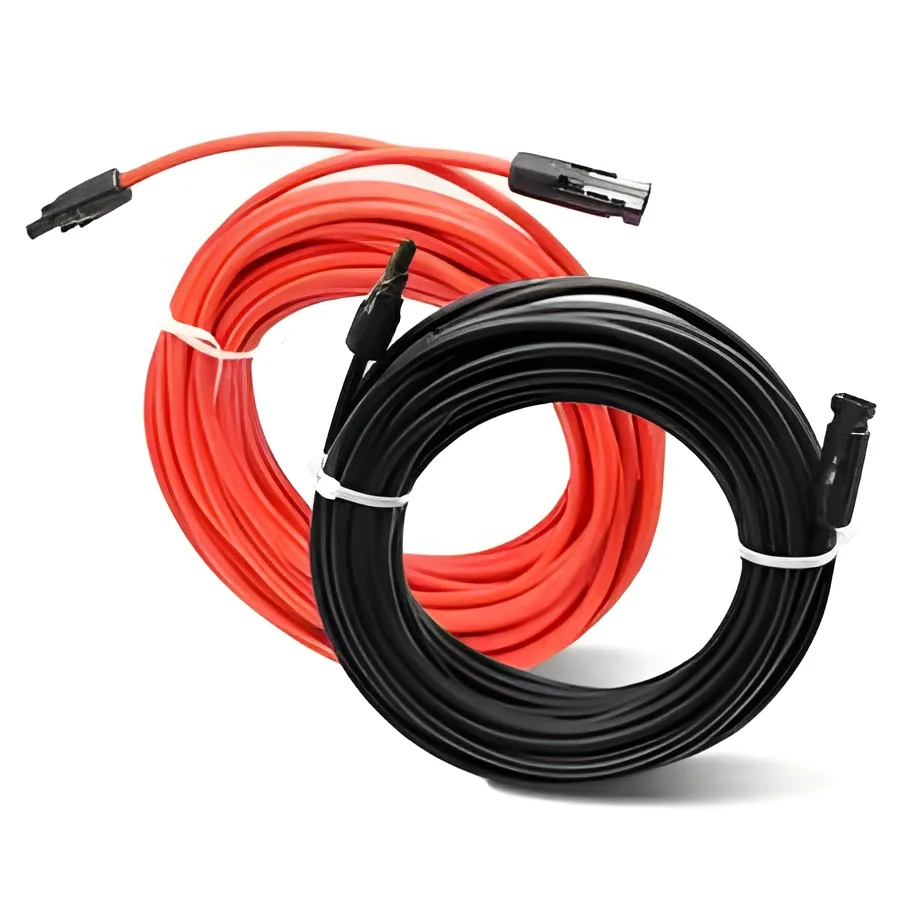
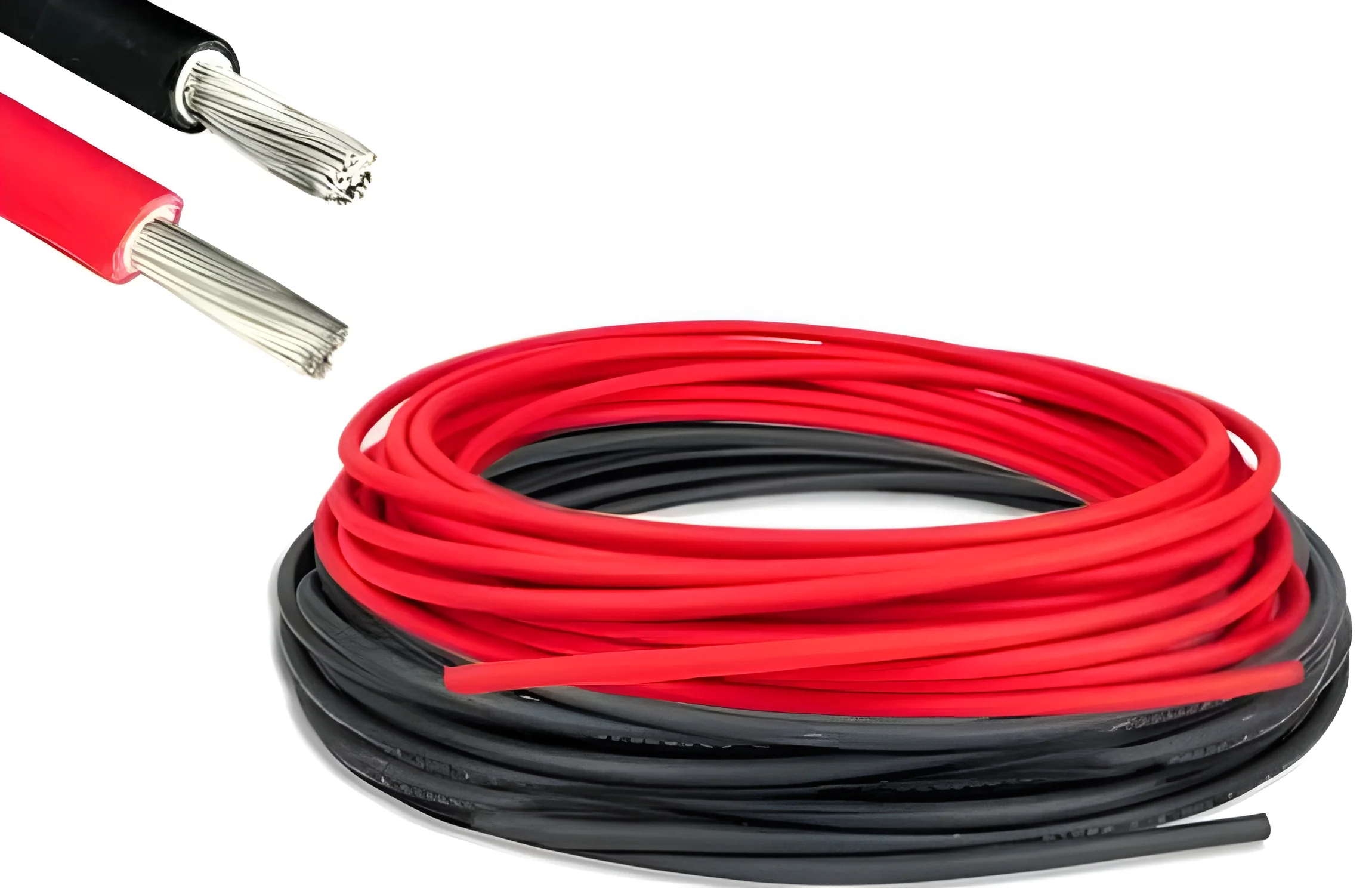
Solar cables are specialized electrical cables designed to connect solar photovoltaic (PV) panels to inverters and other electrical components in solar power systems. These cables are engineered to withstand various environmental conditions while ensuring optimal electrical performance and safety. Their construction typically includes high-quality insulation materials that provide protection against UV radiation, extreme temperatures, and moisture.
Solar cables are primarily used in solar energy applications, making them essential for both residential and commercial installations. They facilitate the efficient transfer of electricity generated by solar panels, ensuring that energy is effectively harnessed and utilized. Businesses in the renewable energy sector rely heavily on these cables to maintain system efficiency and reliability. With the growing emphasis on sustainable energy solutions, solar cables have become increasingly relevant, driving demand in the solar market.
Key Features and Specifications
Solar cables are characterized by their robust construction and specific technical specifications that cater to the demands of solar energy systems. Understanding these features is essential for selecting the right cables for your application.
Key specifications include:
1. Conductor Material
- Typically made from copper or aluminum
- Provides excellent conductivity for efficient energy transfer
2. Insulation Material
- Commonly made from cross-linked polyethylene (XLPE) or polyvinyl chloride (PVC)
- Offers resistance to UV rays, moisture, and temperature fluctuations
3. Temperature Rating
- Designed to operate effectively within a temperature range of -40°C to +90°C
- Ensures reliability in various environmental conditions
4. Voltage Rating
- Often rated for 600V to 1,000V DC
- Suitable for use in most solar applications
5. Cable Diameter
- Available in various sizes to accommodate different installation needs
- Allows for flexibility in design and layout
6. Flame Resistance
- Many solar cables are designed to meet specific flame resistance standards
- Enhances safety and reduces fire risk
7. UV Resistance
- Engineered to withstand prolonged exposure to sunlight
- Ensures longevity and durability in outdoor applications
8. Certification
- Often certified to international standards such as CE
- Confirms quality and safety compliance
In summary, the right solar cables not only enhance system performance but also ensure safety and longevity in solar energy solutions.
Common Applications and Use Cases
Solar cables find applications across various industries and sectors, making them versatile components in renewable energy solutions.
1. Residential Solar Installations: These cables are essential for connecting solar panels to home inverters, enabling homeowners to harness solar energy for their electricity needs.
2. Commercial Solar Projects: In commercial settings, solar cables facilitate the connection of large solar arrays to inverters and grid systems, promoting energy efficiency and sustainability.
3. Industrial Applications: Industries with high energy demands use solar cables to integrate solar power into their operations, reducing reliance on traditional energy sources.
4. Solar Farms: Large-scale solar farms depend on durable and efficient solar cables to connect multiple PV panels and inverters, optimizing energy production.
5. Off-grid Systems: In remote locations, solar cables are critical for creating off-grid solar power systems, providing electricity to areas without access to conventional power sources.
6. Agricultural Installations: Farmers utilize solar energy for irrigation and other operations, relying on solar cables to connect their systems.
7. Electric Vehicle Charging Stations: Solar cables support the integration of solar power into EV charging stations, enhancing sustainability in transportation.
Product Variants and Subcategories
The diversity of solar cables allows for tailored solutions to meet specific project needs.
Solar PV Cable
This variant is specifically designed for photovoltaic applications, featuring durable insulation and excellent conductivity. It is ideal for both residential and commercial solar installations.
Solar DC Cable
Designed for direct current applications, this type of cable is optimized for solar energy systems, ensuring efficient energy transfer and minimal losses.
Twin Core Solar Cable
This variant includes two conductors, making it suitable for systems that require dual connections. It is often used in both residential and commercial applications.
Benefits and Advantages
Investing in solar cables offers numerous advantages for businesses and applications.
1. Enhanced Efficiency: High-quality solar cables ensure minimal energy loss during transmission, maximizing the efficiency of solar power systems.
2. Durability: Designed to withstand harsh environmental conditions, solar cables have a longer lifespan, reducing the need for frequent replacements.
3. Safety Compliance: Many solar cables meet international safety standards, providing peace of mind regarding system safety and reliability.
4. Easy Installation: Solar cables are designed for straightforward installation, which can reduce labor costs and installation time.
5. Versatile Applications: With their adaptability, solar cables can be used in a variety of settings, from residential to industrial, making them a versatile choice.
6. Cost-Effectiveness: By optimizing energy transfer and reducing maintenance needs, solar cables contribute to long-term cost savings in solar energy projects.
Buying Guide for B2B Buyers
When sourcing solar cables, it is important for businesses to consider several key factors to ensure they make informed purchasing decisions.
1. Quality Assessment: Look for cables that meet industry standards and certifications. Evaluate materials, insulation, and overall construction to ensure durability and performance.
2. Supplier Verification: Vet suppliers by checking their reputations, customer reviews, and certifications. A reliable supplier provides assurance of quality and service.
3. Pricing and MOQ: Understand the pricing structure, including bulk order discounts. Be aware of the minimum order quantities to align your purchasing strategy with project needs.
4. Delivery and Lead Times: Discuss logistics with suppliers to ensure timely delivery. Consider lead times in your project planning to avoid delays.
5. Compliance Requirements: Familiarize yourself with local regulations and compliance standards for solar cables, ensuring that your choices meet legal and safety requirements.
Compliance and Certifications
Solar cables must adhere to various quality standards and certifications to ensure safety and performance in solar energy applications. One relevant standard is ISO 9001, which emphasizes a quality management system focused on customer satisfaction and continuous improvement.
Many solar cables also carry CE certification, indicating compliance with European health, safety, and environmental protection standards. This certification assures buyers of the cable's quality and reliability.
Additionally, safety and testing requirements play a crucial role in the manufacturing of solar cables. These cables undergo rigorous testing to confirm their ability to withstand environmental stresses and electrical demands.
Regional compliance considerations should also be addressed. Different countries may have specific regulations governing the use of electrical components, including solar cables. It is essential for businesses to stay informed about these requirements to ensure compliance and avoid potential issues.
Why Source Solar Cables from Pepagora?
Pepagora provides a trusted platform for sourcing solar cables, offering several key advantages for B2B buyers.
Verified Supplier Network: Pepagora connects buyers with a network of verified suppliers, ensuring a high level of trust and reliability in procurement. Each supplier undergoes a thorough vetting process, giving buyers confidence in their choices.
Streamlined RFQ Process: The platform features a streamlined Request for Quotation (RFQ) system, making it easy for buyers to obtain quotes from multiple suppliers quickly. This efficiency saves time and helps buyers make informed decisions.
Trade Assurance and Support: Pepagora offers trade assurance, providing protection for buyers throughout the purchasing process. This support ensures that transactions are secure and that buyers can resolve any issues that may arise.
Regional Coverage: With a strong presence in markets like India, the GCC, and Southeast Asia, Pepagora facilitates access to a wide range of suppliers and products. This regional coverage enables buyers to find the right solar cables for their specific needs while benefiting from local market insights.


 India
 India
 India
 India
 India
Frequently Asked Questions
What are Solar Cables?
Solar cables are specialized electrical cables designed to connect solar panels to inverters and other components in a solar power system. They are built to withstand outdoor conditions and have high resistance to UV radiation, making them ideal for solar applications.
What are the different types of Solar Cables?
The main types of solar cables include PV1-F cables, which are used for connecting solar panels, and AC cables, which are used for connecting inverters to the grid. Additionally, there are various gauges and insulation types tailored for specific installation environments.
How do I choose the right Solar Cables?
Choosing the right solar cables involves considering factors such as the cable's voltage rating, current capacity, and environmental resistance. It is also important to ensure compatibility with the solar panels and inverters in your system.
What are the standard specifications for Solar Cables?
Standard specifications for solar cables typically include a temperature range of -40°C to +90°C, UV resistance, and a minimum voltage rating of 600V for DC applications. The cables should also meet international standards such as IEC 60228 and IEC 62619.
What is the price range for Solar Cables?
The price range for solar cables can vary widely based on type, length, and specifications. Generally, prices can range from INR 10 to INR 100 per meter, depending on the quality and supplier.
What quality standards apply to Solar Cables?
Solar cables must adhere to various quality standards, including IEC and UL certifications, which ensure their durability and safety in solar applications. Compliance with these standards is crucial for reliable performance and longevity.
Where can I find Solar Cables suppliers in India?
You can find solar cables suppliers in India through online B2B marketplaces like Pepagora, trade fairs, and industry exhibitions. It is advisable to check supplier reviews and request product samples before making a purchase.
Can Solar Cables be customized?
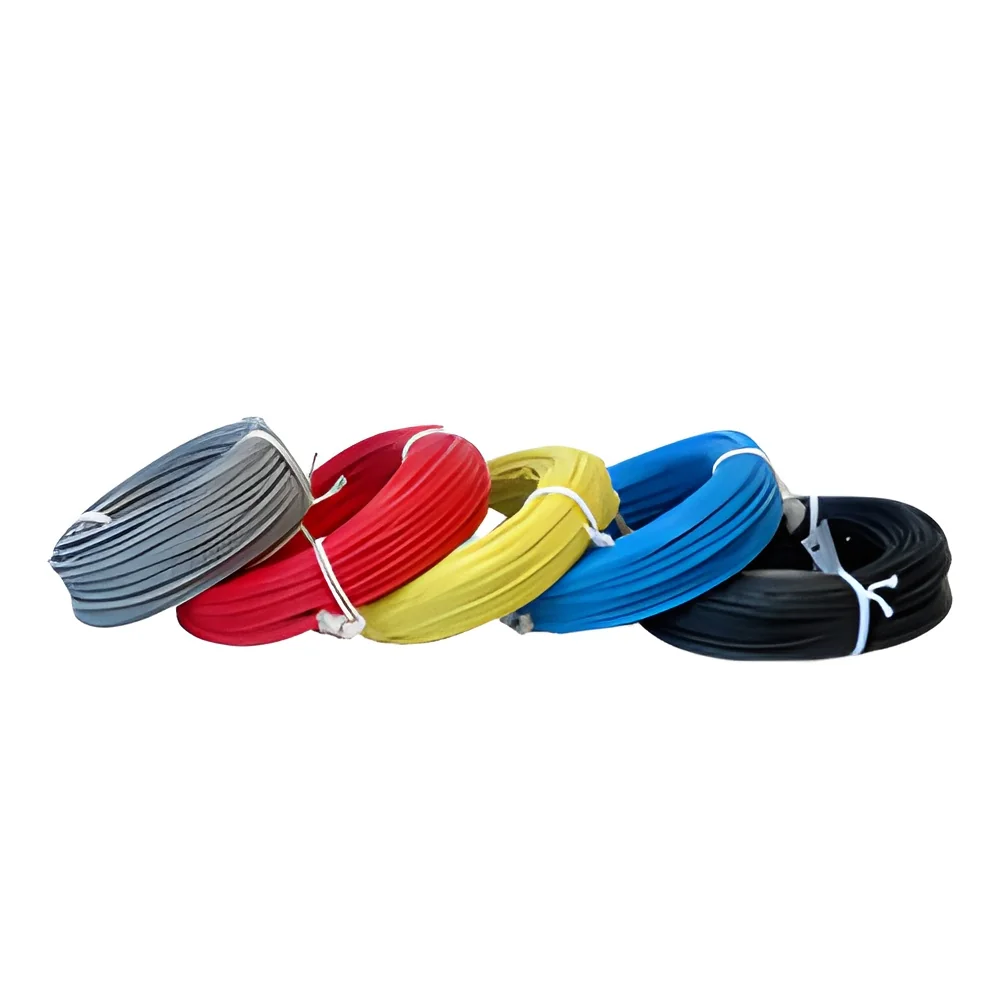
Yes, many manufacturers offer customization options for solar cables, including variations in length, color, and insulation types. Customization is often available to meet specific project requirements.
What is the typical minimum order quantity for Solar Cables?
The typical minimum order quantity (MOQ) for solar cables can vary by supplier but usually ranges from 100 meters to 1000 meters. It is best to confirm the MOQ with the supplier you are considering.
What is the typical lead time for Solar Cables?
The typical lead time for solar cables can range from 1 to 4 weeks, depending on the supplier and the availability of materials. It is advisable to discuss lead times during the ordering process to ensure timely delivery.
Why Businesses Trust Pepagora
Thousands of companies trust Pepagora to source smarter and sell faster
Expand Your Sales Globally

Source Smarter,Grow Faster
