
 IN
Soil Testing Instruments
23 products available
What are Soil Testing Instruments?
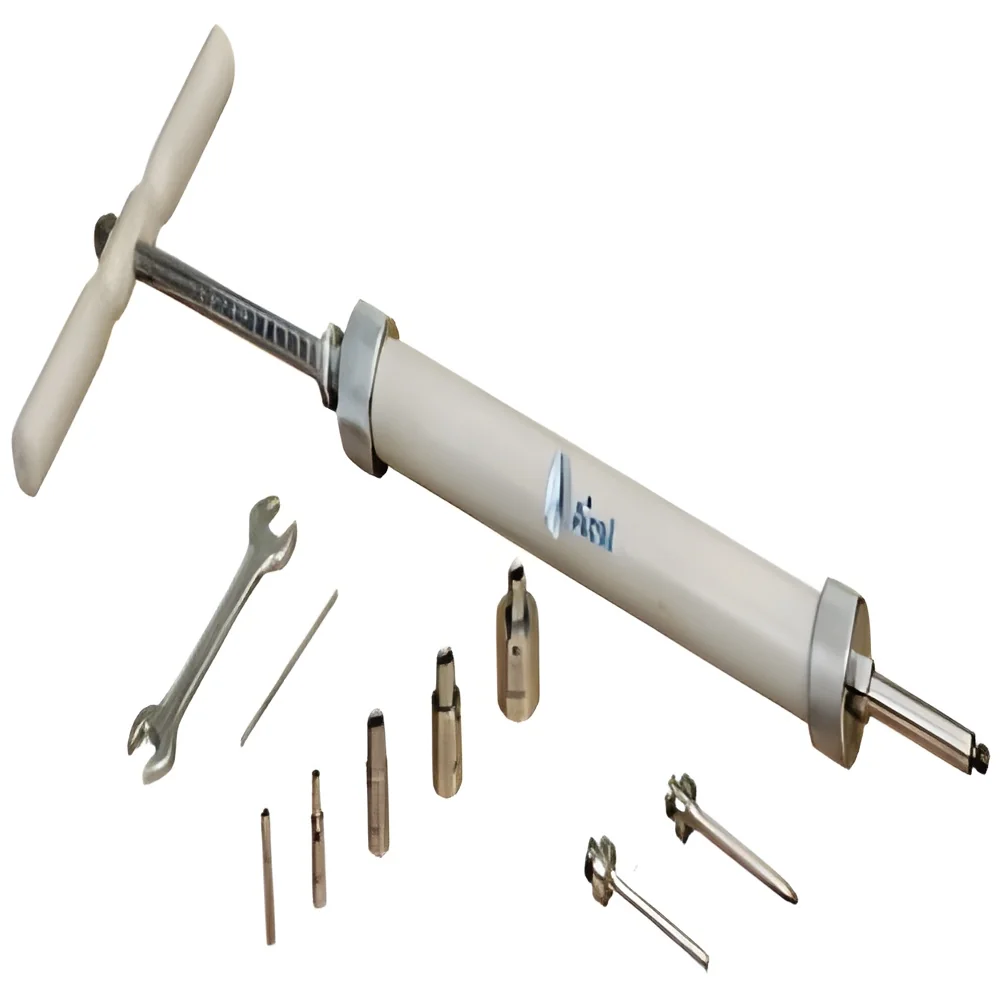
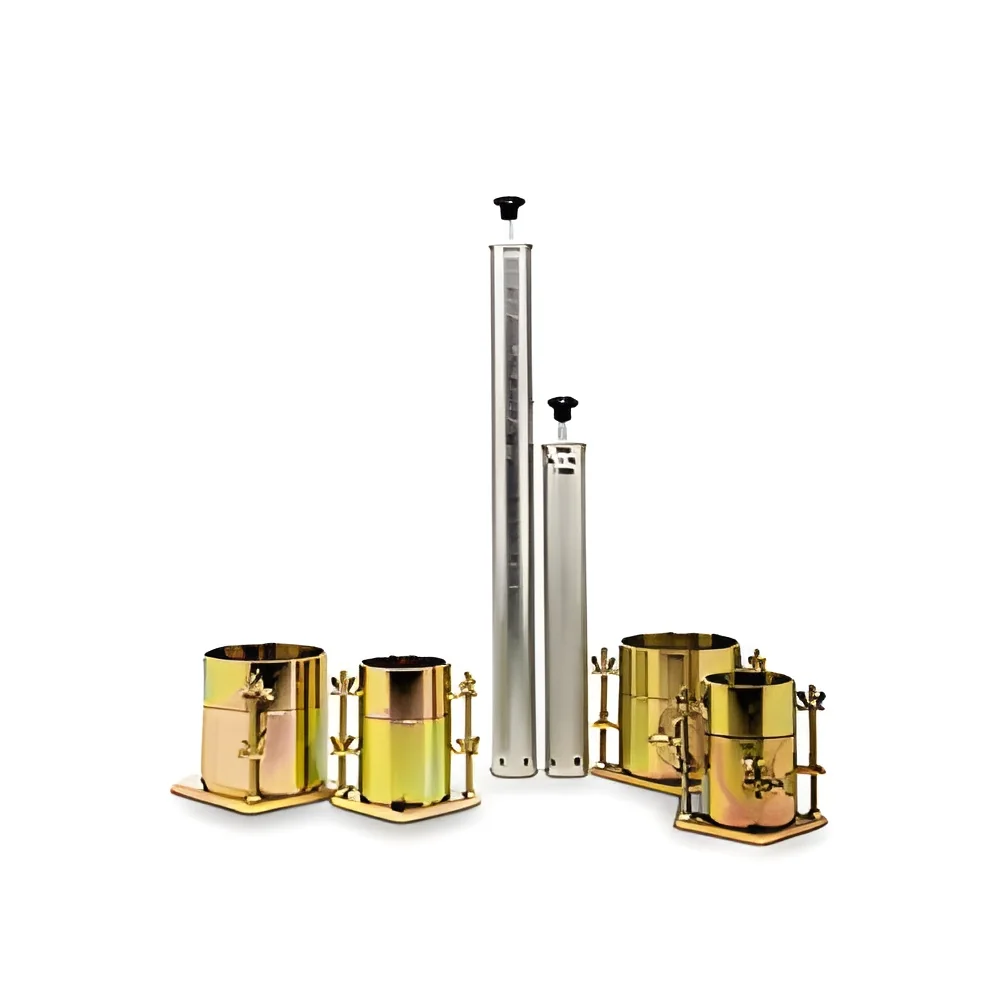
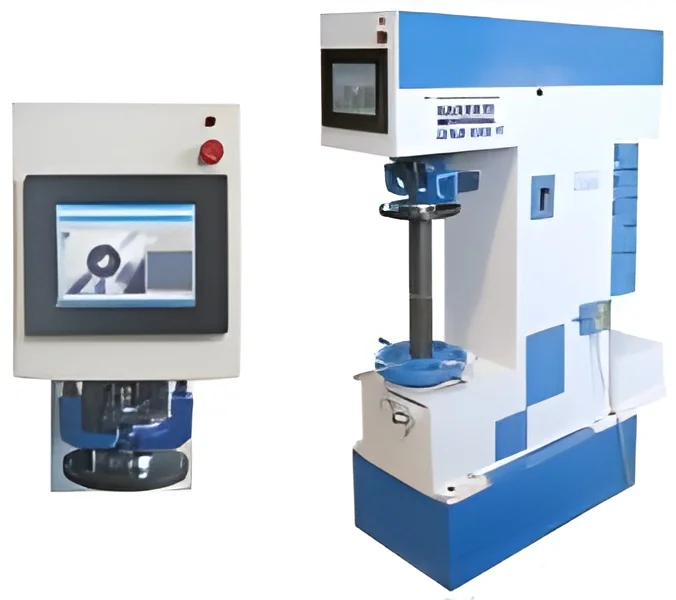
Soil testing instruments are specialized tools used to analyze the physical and chemical properties of soil. These instruments provide essential data regarding soil composition, moisture levels, pH, nutrient content, and other critical factors that influence agricultural productivity and environmental health. Accurate soil testing is crucial for understanding soil fertility and determining the appropriate amendments needed for optimal crop growth.
The primary uses of soil testing instruments extend across various sectors, including agriculture, environmental science, and construction. In agriculture, these tools help farmers make informed decisions about fertilization and soil management to enhance crop yield. Environmental scientists utilize soil testing to monitor pollution levels and assess land suitability for development. Furthermore, construction engineers rely on soil testing to evaluate soil stability and suitability for building foundations.
The relevance of soil testing instruments in today's market is significant, particularly as sustainable practices gain momentum. With increasing awareness of environmental sustainability, accurate soil analysis is vital for reducing chemical inputs in agriculture and ensuring the safe development of land. As global food demands rise, the need for effective soil testing grows, making these instruments essential for various industries.
Key Features and Specifications
Soil testing instruments come with a range of features designed to provide accurate and reliable results. The specifications of these instruments can vary based on the specific type and intended use.
Key specifications include:
1. Measurement Range
- Determines the soil properties that can be evaluated
- Common ranges include pH levels from 0 to 14 and moisture content from 0% to 100%
2. Accuracy Level
- Indicates the precision of the measurements taken
- Typically ranges from ±0.1 to ±0.5 for pH readings
3. Operating Temperature
- Specifies the temperature range within which the instruments can operate effectively
- Data not available
4. Humidity Control
- Details the humidity conditions suitable for accurate readings
- Data not available
5. Power Source
- Indicates whether the instrument operates on batteries, mains electricity, or solar power
- Common types include rechargeable batteries or direct plug-in options
6. Display Type
- Refers to the readability of the instrument's results
- Options may include analog dials, digital screens, or mobile app connectivity
7. Portability
- Describes the ease of transport for field use
- Instruments may vary from handheld devices to larger, more complex setups
8. Data Logging Features
- Allows for the recording and saving of measurements over time
- Some models offer connectivity to computers or mobile devices for data analysis
These specifications help buyers select the right soil testing instruments based on their specific needs and application requirements.
Common Applications and Use Cases
Soil testing instruments find applications in numerous industries, each benefiting from the accurate data these tools provide.
1. Agriculture: Farmers utilize soil testing to assess nutrient levels and pH, enabling them to optimize fertilization strategies and improve crop yields.
2. Environmental Science: Researchers and environmental consultants use soil testing to monitor contamination, evaluate the effects of land use, and support remediation efforts.
3. Construction: Engineers conduct soil testing to determine the load-bearing capacity of soil, ensuring safe and stable foundations for buildings and infrastructure.
4. Landscaping: Landscape professionals use soil testing to tailor soil amendments and ensure the health of plants and gardens in residential and commercial properties.
5. Mining: Soil testing instruments aid in evaluating soil composition and stability, which is critical for safe mining operations and land reclamation.
6. Forestry: Foresters utilize soil testing to assess the suitability of land for tree planting, helping to promote sustainable forestry practices.
7. Sports Turf Management: Groundskeepers use soil testing to maintain optimal soil conditions for sports fields, ensuring the quality and safety of play surfaces.
Product Variants and Subcategories
Soil testing instruments are diverse, catering to various needs and applications in different fields.
Portable Soil Testers
These compact and lightweight devices allow for easy field use. They typically measure pH, moisture, and nutrient levels, making them ideal for on-the-spot assessments.
Laboratory Soil Analyzers
These more advanced instruments are used in controlled settings to conduct detailed and comprehensive soil analyses. They often provide precise measurements of multiple parameters simultaneously.
Digital Soil Meters
These instruments feature digital displays and often connect to mobile applications. They allow users to track soil conditions in real-time and analyze data over time.
Benefits and Advantages
Investing in soil testing instruments offers numerous benefits for businesses and organizations.
1. Improved Decision-Making: Accurate soil analysis provides critical information that helps stakeholders make informed decisions regarding land use, agricultural practices, and environmental management.
2. Cost Efficiency: By understanding soil conditions, businesses can optimize inputs, such as fertilizers and water, reducing unnecessary expenses while improving crop yields.
3. Enhanced Productivity: Soil testing helps farmers and land managers maximize their outputs by ensuring that soil health is maintained and improved over time.
4. Environmental Protection: Proper soil management informed by testing can minimize negative impacts on the environment, promoting sustainability and compliance with regulations.
5. Risk Mitigation: Conducting soil tests can identify potential contamination or instability, allowing companies to address issues before they escalate into costly problems.
6. Compliance with Regulations: Many industries are required to adhere to environmental standards, making soil testing a critical component of regulatory compliance.
Buying Guide for B2B Buyers
When sourcing soil testing instruments, it is essential for buyers to consider several key factors to ensure they make informed purchases.
1. Quality Assessment: Look for instruments that meet industry standards for accuracy and reliability. Consider certifications such as CE to ensure product quality.
2. Supplier Verification: Vetting suppliers is crucial in ensuring that they are reputable and can provide high-quality products. Check reviews and request references to confirm their reliability.
3. Pricing and MOQ: Understand the pricing structure and minimum order quantity (MOQ) requirements. Compare prices across different suppliers to find the best value.
4. Delivery and Lead Times: Inquire about delivery schedules and lead times to ensure that the products arrive when needed for projects.
5. Compliance Requirements: Familiarize yourself with any regulatory compliance needs specific to your industry or region to ensure that the instruments purchased meet necessary guidelines.
Compliance and Certifications
Soil testing instruments must adhere to various quality standards and certifications to ensure they are safe and effective for use. Relevant quality standards include ISO 9001, which sets criteria for quality management systems. This standard helps ensure that products meet customer and regulatory requirements consistently.
Industry certifications such as CE mark indicate that the products conform to European health, safety, and environmental protection standards. Such certifications are essential for gaining trust and acceptance in various markets.
Additionally, soil testing instruments may need to meet specific safety and testing requirements based on their intended use. Buyers should be aware of regional compliance considerations, as regulations can vary significantly from one area to another, impacting the selection and deployment of soil testing instruments.
Why Source Soil Testing Instruments from Pepagora?
Pepagora provides a trusted platform for sourcing soil testing instruments, offering several key advantages that facilitate seamless purchasing experiences.
Verified Supplier Network: Pepagora connects buyers with a network of verified suppliers, ensuring that products meet quality standards and that suppliers are reputable and reliable.
Streamlined RFQ Process: The request for quotation (RFQ) process simplifies procurement. Buyers can easily submit their requirements and receive competitive quotes from multiple suppliers, saving time and effort.
Trade Assurance and Support: With trade assurance, buyers benefit from protection against potential issues, providing peace of mind when making purchases. Pepagora offers comprehensive support throughout the buying process.
Regional Coverage: Pepagora's geographic reach spans across India, the GCC, and Southeast Asia, enabling buyers to access a wide variety of soil testing instruments and suppliers tailored to their regional needs.


 India

 India
 India

 India
 India
 India
 India
Frequently Asked Questions
What are Soil Testing Instruments?
Soil Testing Instruments are tools and devices used to analyze the physical and chemical properties of soil. These instruments help determine soil fertility, pH levels, nutrient content, and other critical factors that affect agricultural productivity.
What are the different types of Soil Testing Instruments?
There are several types of Soil Testing Instruments, including soil pH meters, moisture meters, conductivity meters, and soil nutrient testers. Each type serves a specific purpose and can be used for various soil assessments.
How do I choose the right Soil Testing Instruments?
When choosing Soil Testing Instruments, consider factors such as the specific tests you need to conduct, the accuracy required, and your budget. It's also important to look for instruments that are user-friendly and come with reliable customer support.
What are the standard specifications for Soil Testing Instruments?
Standard specifications for Soil Testing Instruments may include measurement range, accuracy, calibration requirements, and operating conditions. Additionally, some instruments may need to comply with specific industry standards depending on their intended use.
What is the price range for Soil Testing Instruments?
The price range for Soil Testing Instruments varies widely based on type and features. Basic models may start from a few thousand rupees, while advanced instruments with more features can cost significantly more.
What quality standards apply to Soil Testing Instruments?
Quality standards for Soil Testing Instruments typically include ISO certifications and compliance with agricultural testing regulations. These standards ensure that instruments provide accurate and reliable results.
Where can I find Soil Testing Instruments suppliers in India?
You can find Soil Testing Instruments suppliers in India through B2B marketplaces like Pepagora, trade shows, and agricultural equipment expos. Additionally, online searches and industry directories can help you locate reputable suppliers.
Can Soil Testing Instruments be customized?
Yes, many manufacturers offer customization options for Soil Testing Instruments to meet specific user requirements. Customizations may include features, calibration, and branding options.
What is the typical minimum order quantity for Soil Testing Instruments?
The typical minimum order quantity (MOQ) for Soil Testing Instruments can vary by supplier and product type. Generally, MOQs can range from a single unit for higher-end instruments to larger quantities for bulk orders.
What is the typical lead time for Soil Testing Instruments?
The typical lead time for Soil Testing Instruments depends on factors such as the supplier, customization requirements, and order quantity. Standard delivery times may range from a few days to several weeks.
Why Businesses Trust Pepagora
Thousands of companies trust Pepagora to source smarter and sell faster
Expand Your Sales Globally

Source Smarter,Grow Faster
