
 IN
Satin Weave Fabric
42 products available
What are Satin Weave Fabric?
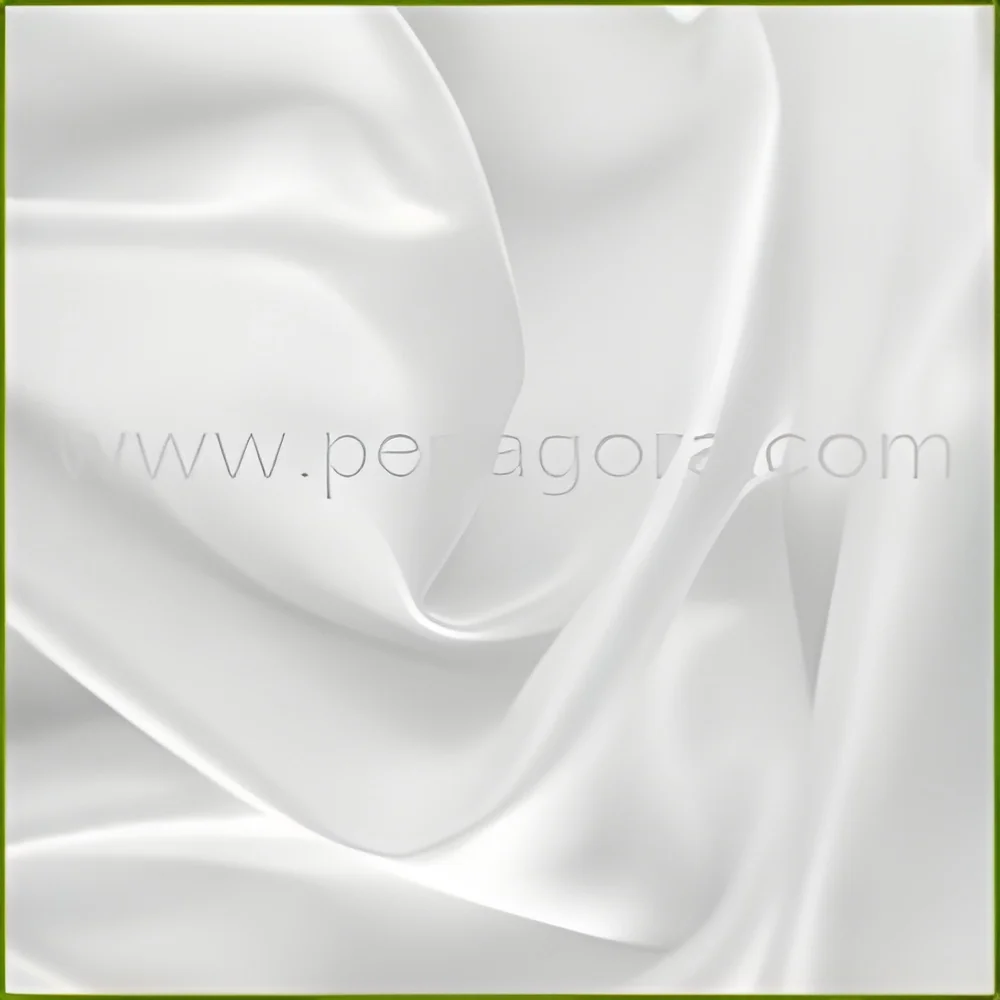
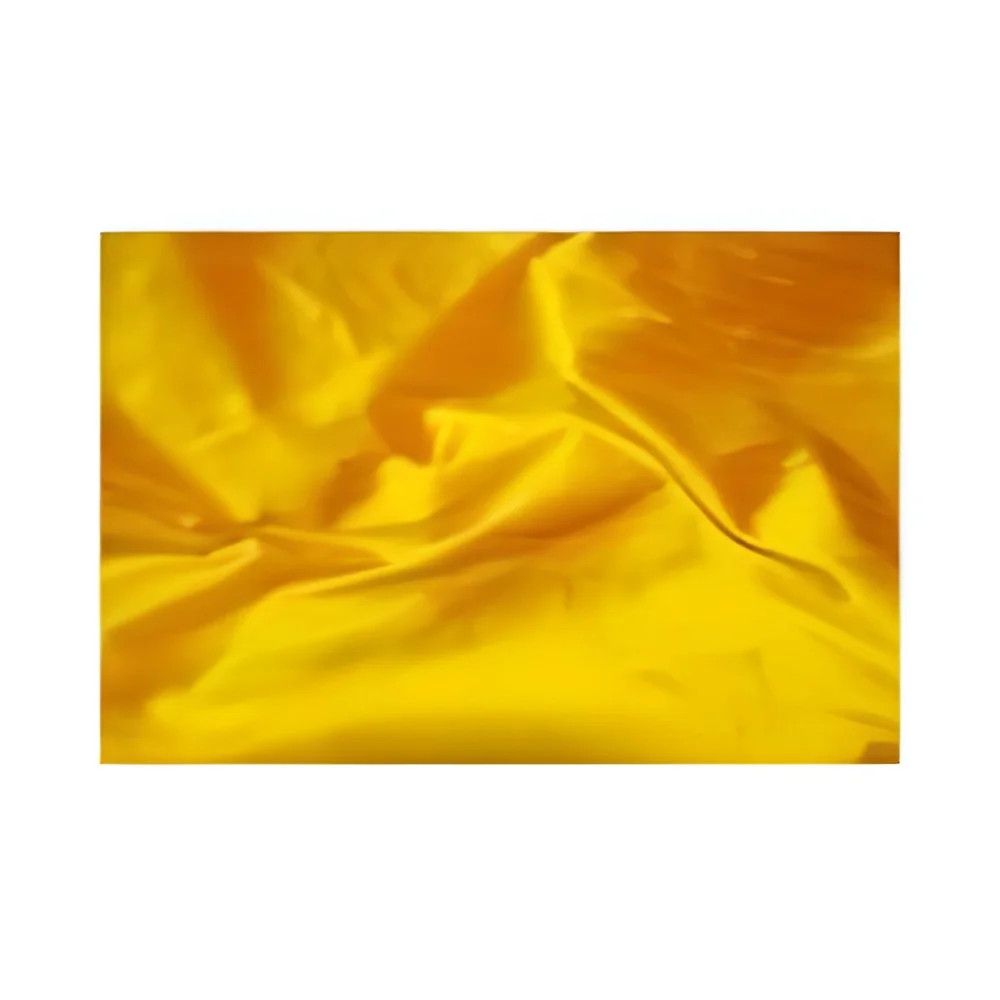
Satin weave fabric is a type of textile characterized by its smooth, lustrous surface and a distinctive weave pattern. This fabric is created by weaving threads in a way that allows for a high thread count, resulting in a soft and glossy finish. The satin weave can be made from various materials such as silk, polyester, or nylon, making it versatile for different applications.
The primary uses of satin weave fabric span across multiple sectors, including fashion, upholstery, and industrial applications. In the fashion industry, satin is popular for evening gowns, lingerie, and accessories due to its luxurious appearance. In upholstery, it is used for drapes and cushions, while in industrial settings, satin fabric can serve specialized functions such as protective coverings or linings.
With growing demand in various markets, satin weave fabric holds significant relevance in today’s textile industry. Its appealing aesthetics and functional properties make it a preferred choice for manufacturers and designers alike. Understanding the market context around satin weave fabric is essential for businesses looking to invest in this product.
Key Features and Specifications
Satin weave fabric comes with a range of features that cater to different business needs. The unique weaving technique offers not only aesthetic appeal but also functional benefits, making it suitable for various applications. The following specifications outline the essential characteristics of satin weave fabric.
Key specifications include:
1. Material Composition
- Can be made from silk, polyester, or nylon
- Each material offers distinct properties such as durability and sheen
2. Weave Structure
- Characterized by a high thread count
- Produces a smooth and glossy surface
3. Weight
- Typically ranges from lightweight (around 90-150 grams per meter) to heavier options (up to 300 grams per meter)
- Heavier fabrics offer more durability while lighter ones provide fluidity
4. Width
- Common widths include 54 inches to 60 inches
- Custom widths may be available based on client needs
5. Color Range
- Available in a vast array of colors and patterns
- Options for custom dyeing services to meet specific requirements
6. Finish
- Can have additional finishes such as water-resistant or flame-retardant
- Enhances functionality for specific applications
7. Care Instructions
- Typically requires dry cleaning or gentle hand washing
- Care instructions may vary based on material used
In summary, satin weave fabric is a versatile textile with numerous specifications that can be tailored to meet the demands of various industries.
Common Applications and Use Cases
Satin weave fabric serves various industries with its unique properties and aesthetic appeal. Its applications are widespread, making it a valuable material for multiple sectors.
1. Fashion Industry: Satin is widely used in the creation of evening and formal wear, offering a luxurious look and feel. It is also popular for lingerie and accessories due to its soft texture.
2. Home Décor: In the home décor sector, satin fabric is often used for curtains, cushion covers, and upholstery. Its sheen adds elegance to living spaces.
3. Industrial Applications: Satin weave fabric can be utilized in protective coverings and linings for equipment. Its durability makes it suitable for various industrial uses.
4. Hospitality: Hotels and restaurants use satin for table linens and decorative items, enhancing the aesthetic appeal of dining environments.
5. Sportswear: Some athletic apparel incorporates satin weave for its lightweight and breathable properties, providing comfort during physical activities.
6. Costumes and Theatrical Wear: Satin is a favorite for costumes in theater and performance art due to its dramatic appearance.
7. Medical Textiles: In some cases, satin weave fabric is used in the medical field for specialized applications, providing comfort and protection.
Product Variants and Subcategories
Satin weave fabric showcases diversity in its variants, each tailored for specific applications and characteristics.
Luxury Satin
Luxury satin is often made from high-quality silk and is used in high-end fashion and formal wear. Its softness and sheen make it ideal for dresses and luxurious bed linens.
Polyester Satin
This variant is more affordable and widely used in the fashion and home décor industries. It offers durability and is easy to care for, making it suitable for everyday use.
Bridal Satin
Bridal satin is a specialized type designed for wedding dresses. It typically features a heavier weight and luxurious finish, ideal for creating structured gowns.
Stretch Satin
This variant includes spandex or similar materials, allowing for elasticity. It is commonly used in form-fitting garments and activewear.
Benefits and Advantages
Satin weave fabric offers numerous benefits that make it an attractive choice for businesses across various sectors.
Key benefits include:
1. Aesthetic Appeal: The glossy finish of satin enhances the visual appeal of any product, making it ideal for fashion and décor.
2. Versatility: Satin can be made from different materials, allowing businesses to choose based on cost and performance needs.
3. Comfort: The smooth texture of satin provides comfort, making it suitable for clothing and upholstery.
4. Durability: Depending on the material used, satin can be quite durable, ensuring long-lasting applications in various industries.
5. Easy Maintenance: Many satin fabrics are easy to care for, especially polyester variants, which can withstand regular laundering.
6. Customization Options: Satin weave fabric can often be dyed in various colors and patterns, allowing for tailored solutions to meet specific customer demands.
Buying Guide for B2B Buyers
When sourcing satin weave fabric, businesses should consider several critical factors to ensure they make informed purchasing decisions.
1. Quality Assessment: Buyers should evaluate the fabric's texture, weight, and finish to ensure it meets their quality standards. Sampling can provide insight into the material's performance.
2. Supplier Verification: It is essential to vet suppliers for reliability and quality assurance. Checking reviews, certifications, and past performance can help in selecting trustworthy partners.
3. Pricing and MOQ: Understanding the price range and minimum order quantities (MOQ) is crucial for budgeting. Buyers should compare quotes from multiple suppliers to find the best deal.
4. Delivery and Lead Times: Logistics play a significant role in supply chain management. Buyers need to confirm delivery timelines and ensure they align with project schedules.
5. Compliance Requirements: Familiarity with relevant compliance standards is necessary, especially for industrial applications. Buyers should ensure that the fabric meets any regulatory requirements for their industry.
Compliance and Certifications
Satin weave fabric is subject to various quality standards and certifications that ensure safety and reliability.
ISO 9001 is a widely recognized standard that ensures effective quality management systems in manufacturing processes. Adherence to this standard indicates that the fabric is produced with consistent quality.
CE certification is another essential mark, particularly in regions where safety standards are mandated. This certification ensures that the product complies with European health, safety, and environmental protection standards.
Safety and testing requirements may vary depending on the intended use of the fabric, especially for industrial applications. Regional compliance considerations are also important, as different countries may have specific regulations regarding textile products.
Why Source Satin Weave Fabric from Pepagora?
Pepagora provides a trusted platform for sourcing satin weave fabric, offering several key advantages to buyers.
Verified Supplier Network: Pepagora has a robust network of verified suppliers, ensuring that buyers can connect with reputable manufacturers who meet quality standards.
Streamlined RFQ Process: The request for quotation (RFQ) process on Pepagora is designed to be efficient, allowing buyers to receive competitive quotes quickly and easily.
Trade Assurance and Support: Buyers can benefit from trade assurance programs that protect their purchases and provide support during the sourcing process.
Regional Coverage: Pepagora's extensive reach includes markets in India, the GCC, and Southeast Asia, making it easy for businesses to source satin weave fabric regardless of their location.

 India
 India
 India
 India

 India

 India
 India
 India
 India

 India


Frequently Asked Questions
What are Satin Weave Fabric?
Satin Weave Fabric is a type of textile characterized by a smooth, glossy surface created through a weaving technique that typically involves floating yarns over and under others. This results in a soft and luxurious feel, making it a popular choice for clothing, upholstery, and various decorative applications.
What are the different types of Satin Weave Fabric?
There are several types of Satin Weave Fabric, including silk satin, polyester satin, and nylon satin. Each type varies in terms of texture, sheen, and durability, catering to different needs and preferences in fashion and home decor.
How do I choose the right Satin Weave Fabric?
When choosing Satin Weave Fabric, consider the intended use, desired texture, and weight of the fabric. Additionally, pay attention to the fiber content and finish to ensure it meets your quality and durability requirements.
What are the standard specifications for Satin Weave Fabric?
Standard specifications for Satin Weave Fabric generally include width, weight (measured in grams per square meter), and fiber content. Typically, satin fabrics range from lightweight (around 80 g/m²) to heavier options (up to 300 g/m²), depending on their application.
What is the price range for Satin Weave Fabric?
The price range for Satin Weave Fabric varies significantly based on the type and quality, typically ranging from ₹100 to ₹800 per meter. High-end options, such as silk satin, may cost more due to their luxurious nature and production processes.
What quality standards apply to Satin Weave Fabric?
Quality standards for Satin Weave Fabric may include tests for colorfastness, durability, and fabric weight. Certifications like ISO or Oeko-Tex can indicate adherence to environmental and safety standards, ensuring the fabric is free from harmful substances.
Where can I find Satin Weave Fabric suppliers in India?
You can find Satin Weave Fabric suppliers in India through various online B2B marketplaces, trade shows, and fabric fairs. Websites like Pepagora.com provide listings of reputable manufacturers and suppliers, facilitating easy comparisons and procurement.
Can Satin Weave Fabric be customized?
Yes, Satin Weave Fabric can often be customized in terms of color, print, and finishing options. Many manufacturers offer bespoke services to meet specific design requirements and preferences.
What is the typical minimum order quantity for Satin Weave Fabric?
The typical minimum order quantity (MOQ) for Satin Weave Fabric usually ranges from 50 to 100 meters, depending on the supplier. Smaller quantities may be available, but this can vary significantly by vendor.
What is the typical lead time for Satin Weave Fabric?
The typical lead time for Satin Weave Fabric can vary from 2 to 6 weeks, depending on factors such as availability, customization, and shipping. It's advisable to confirm lead times with suppliers during the order process to ensure timely delivery.
Why Businesses Trust Pepagora
Thousands of companies trust Pepagora to source smarter and sell faster
Expand Your Sales Globally

Source Smarter,Grow Faster
