
 IN
Rubber Gaskets & Weather Strips
7 products available
What are Rubber Gaskets & Weather Strips?
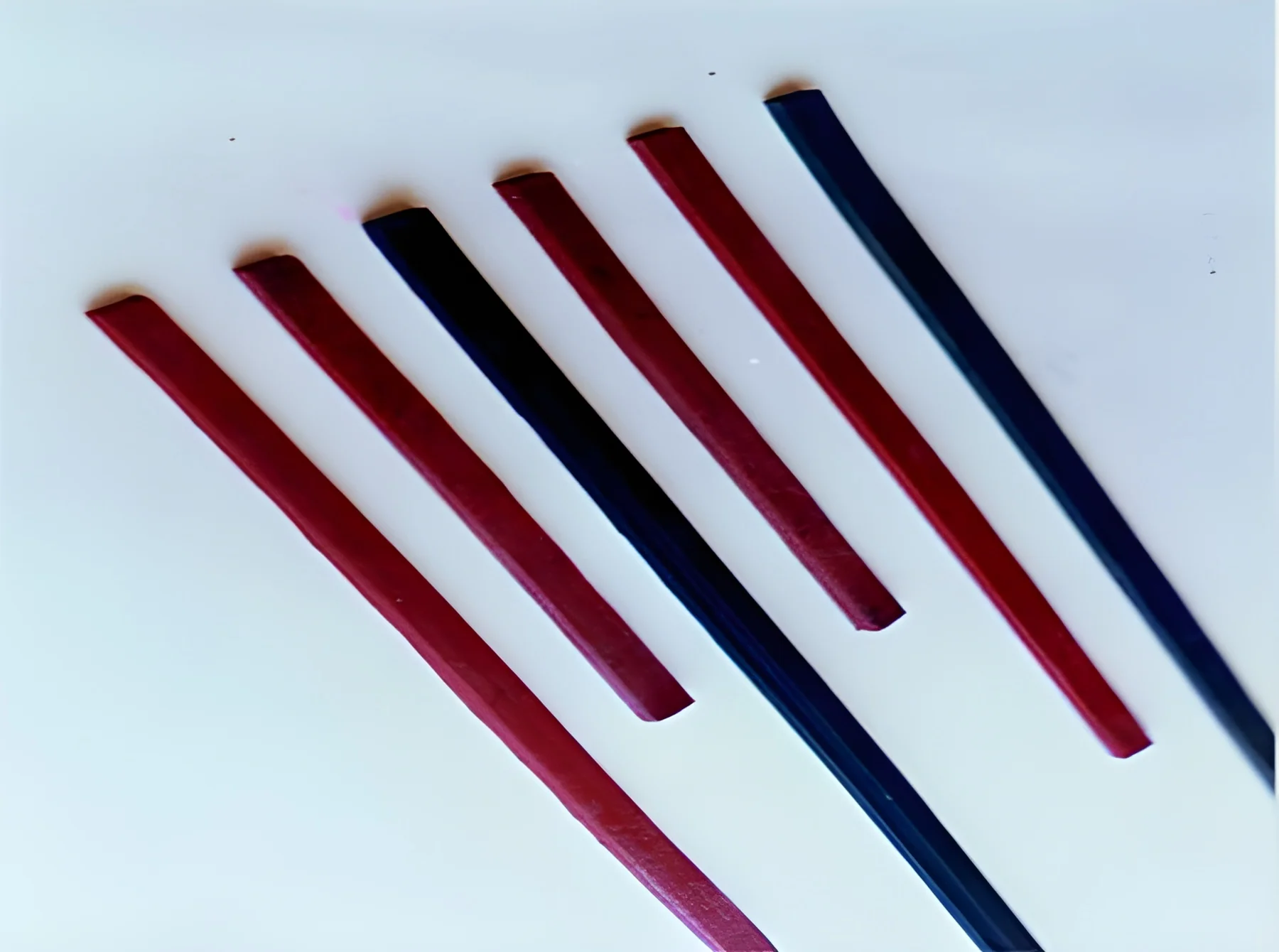
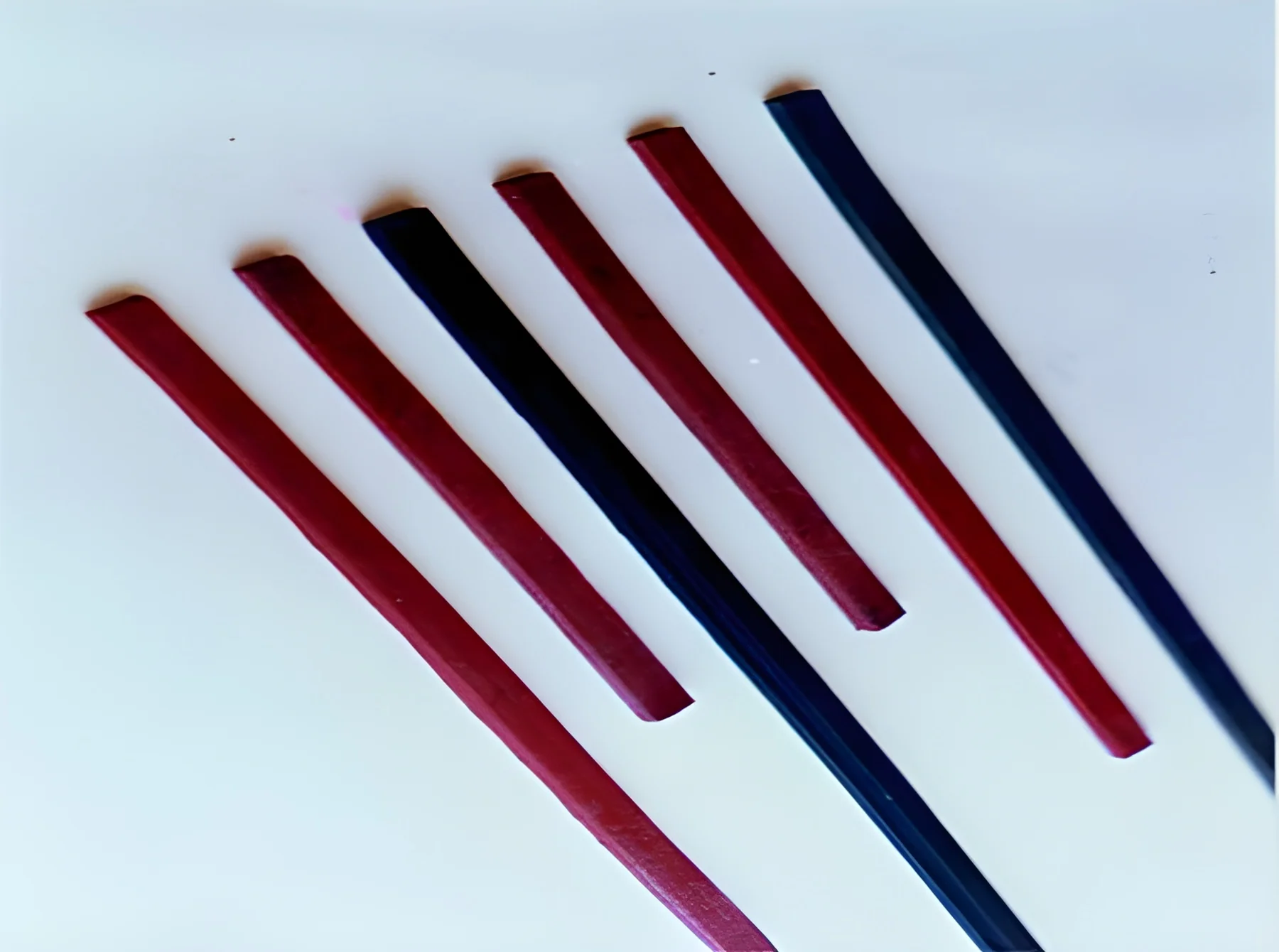
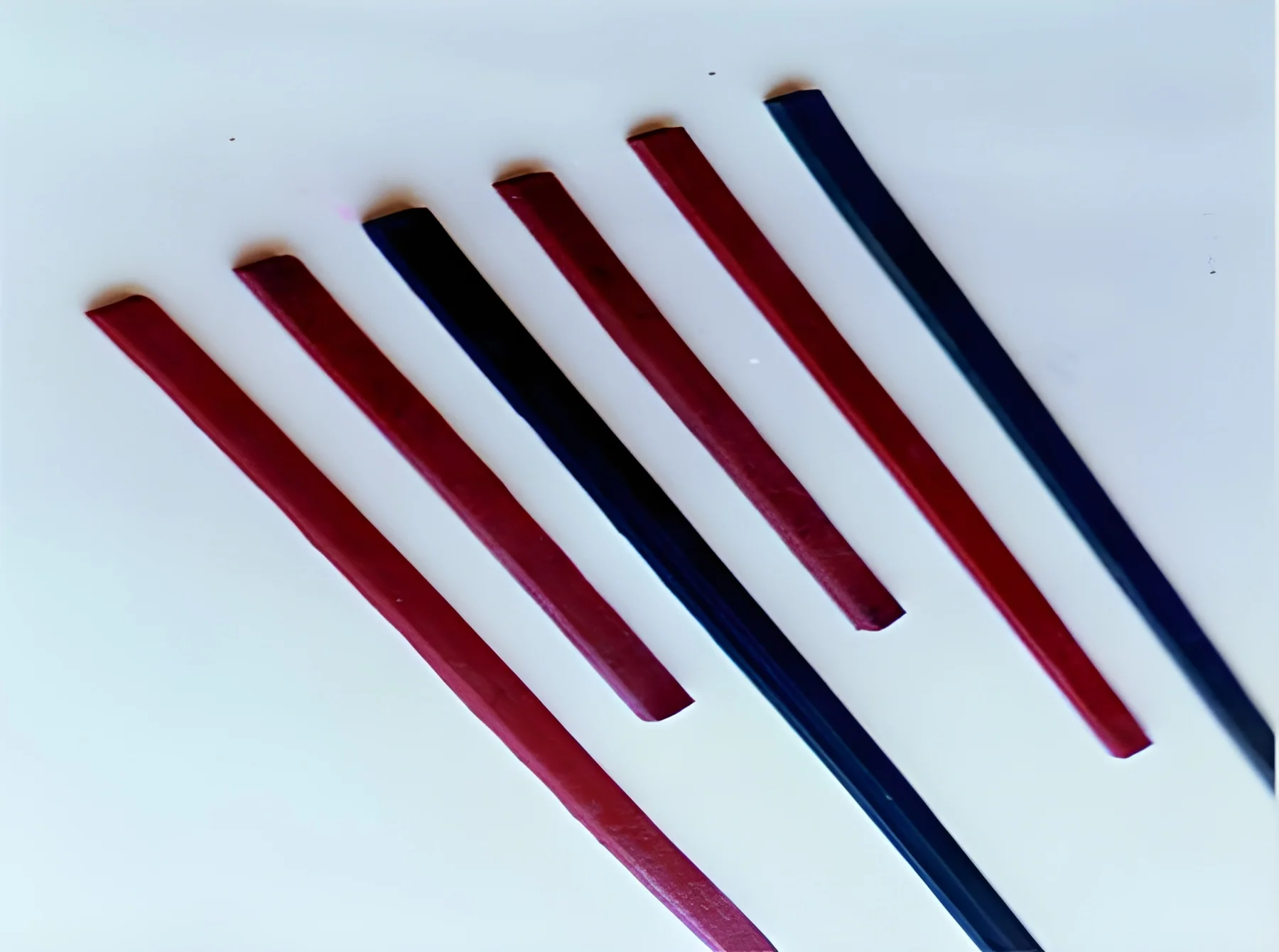
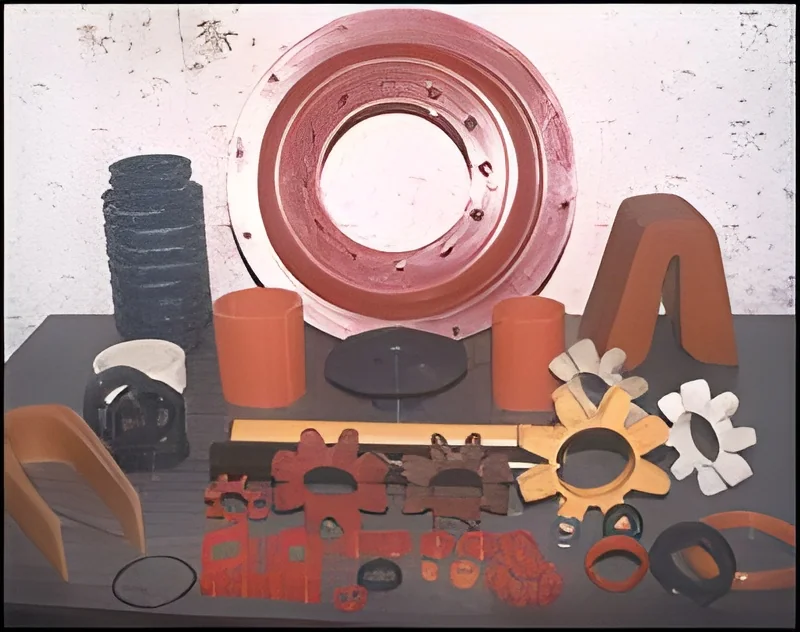
Rubber gaskets and weather strips are essential components used for sealing applications in various industries. A rubber gasket serves as a sealing material between two surfaces to prevent leaks, while weather strips are designed to seal gaps around doors and windows, providing insulation and protection against external elements. Both products are crucial in maintaining the integrity of structures and equipment by preventing air, water, and dust infiltration.
These products have widespread applications across multiple sectors including construction, automotive, aerospace, and manufacturing. In construction, they are used to ensure tight seals in buildings, enhancing energy efficiency and comfort. In the automotive industry, they help minimize noise and vibrations, contributing to passenger comfort. The relevance of these components is evident in their ability to meet rigorous industry standards and customer expectations, making them vital in today’s market.
Key Features and Specifications
Rubber gaskets and weather strips come with various features and specifications that cater to different applications. Understanding these specifications is crucial for selecting the right product for specific needs.
Key specifications include:
1. Material Composition
- Typically made from various types of rubber, including EPDM, silicone, and neoprene.
- These materials provide flexibility, durability, and resistance to environmental factors.
2. Temperature Resistance
- Capable of withstanding a range of temperatures based on material type.
- Some gaskets can operate effectively in temperatures from -50°C to 150°C.
3. Size and Thickness
- Available in various sizes and thicknesses to fit specific applications.
- Custom sizes can also be produced to meet unique requirements.
4. Compression Set
- Refers to the ability of the gasket to maintain its shape after compression.
- Important for long-term sealing performance.
5. Water Resistance
- Designed to prevent water penetration, making them suitable for outdoor applications.
- Essential for protecting sensitive equipment and structures.
6. UV Resistance
- Certain rubber types are treated to resist degradation from UV exposure.
- Important for applications in sunlight-exposed environments.
7. Chemical Resistance
- Some gaskets can withstand exposure to various chemicals, making them suitable for industrial applications.
- Essential for maintaining integrity in chemical processing environments.
8. Certification Compliance
- Many rubber gaskets and weather strips meet industry standards such as CE certification.
- Ensures quality and safety for various applications.
In summary, understanding these key specifications helps in selecting the right rubber gaskets and weather strips that meet specific operational needs.
Common Applications and Use Cases
Rubber gaskets and weather strips have a diverse range of applications across numerous industries.
1. Construction: In construction, these products are used to seal windows and doors, preventing drafts and improving energy efficiency.
2. Automotive: In vehicles, rubber gaskets are utilized in engines, doors, and windows to provide insulation and reduce noise levels.
3. Aerospace: In the aerospace industry, gaskets ensure airtight seals in aircraft, contributing to safety and performance.
4. Manufacturing: Used in manufacturing machinery, these seals prevent contamination and ensure operational efficiency.
5. HVAC: Weather strips are critical in HVAC systems to maintain indoor temperatures and reduce energy costs.
6. Marine: In marine applications, rubber gaskets protect against water ingress in boats and ships.
7. Electronics: Gaskets are used in electronic enclosures to provide protection against dust and moisture.
Product Variants and Subcategories
Rubber gaskets and weather strips come in various forms to meet specific requirements.
Solid Rubber Gaskets
These gaskets are typically used in static applications, providing a strong seal against liquids and gases. They are customizable in size and thickness to meet specific needs.
Foam Weather Strips
Foam strips offer excellent insulation and are commonly used in residential and commercial buildings. They are easy to install and provide a cost-effective sealing solution.
Silicone Gaskets
Silicone gaskets are highly durable and resistant to extreme temperatures. They are often used in high-performance applications, such as automotive and aerospace industries.
Neoprene Weather Strips
Neoprene strips are known for their excellent weather resistance. They are ideal for use in outdoor applications where exposure to the elements is a concern.
Benefits and Advantages
Rubber gaskets and weather strips provide significant benefits across various applications.
1. Enhanced Sealing Performance: These products effectively prevent leaks and drafts, ensuring optimal performance in sealing applications.
2. Durability: Made from high-quality materials, they are designed to withstand harsh environmental conditions, providing long-lasting performance.
3. Energy Efficiency: By sealing gaps and preventing air leaks, they contribute to energy savings in buildings and vehicles.
4. Noise Reduction: Rubber gaskets help minimize noise and vibrations, enhancing comfort in automotive and residential applications.
5. Versatility: Available in various sizes and materials, they can be tailored to meet specific application needs.
6. Cost-Effectiveness: These products are often inexpensive solutions that can significantly improve efficiency and comfort.
Buying Guide for B2B Buyers
When sourcing rubber gaskets and weather strips, it is important to consider several factors to ensure the right choice.
1. Quality Assessment: Evaluate the quality of materials used and the manufacturing process. Look for certifications that indicate compliance with industry standards.
2. Supplier Verification: Research potential suppliers to ensure they have a reputable track record. Check customer reviews and request samples if possible.
3. Pricing and MOQ: Understand the pricing structure and minimum order quantities. Compare quotes from different suppliers to find the best deal.
4. Delivery and Lead Times: Confirm the expected lead times for delivery to ensure timely project completion. Factor in logistics and shipping options.
5. Compliance Requirements: Ensure that the products meet all relevant regulatory and compliance standards for your industry.
Compliance and Certifications
Rubber gaskets and weather strips are subject to various quality standards and certifications that ensure their reliability and safety.
ISO 9001 is a widely recognized standard that focuses on quality management systems. Compliance with this standard indicates that a manufacturer has established processes to ensure consistent quality in their products.
HACCP (Hazard Analysis and Critical Control Points) is particularly relevant for industries dealing with food safety. Certifications in this area assure that rubber components do not introduce contaminants in food processing environments.
CE certification signifies that the products meet European safety standards, ensuring that they are safe for use within the European market.
Additionally, safety and testing requirements often dictate the performance metrics of these products, emphasizing the importance of rigorous testing to comply with industry regulations.
Regional compliance considerations may vary, so it is essential to be aware of local regulations that may affect product specifications and certifications.
Why Source Rubber Gaskets & Weather Strips from Pepagora?
Pepagora offers a trusted platform for sourcing rubber gaskets and weather strips, providing several key advantages to buyers.
Verified Supplier Network: Pepagora ensures transparency and reliability by connecting buyers with a network of verified suppliers. This reduces risks associated with sourcing and guarantees product quality.
Streamlined RFQ Process: The platform simplifies the request for quotation process, allowing buyers to easily compare pricing and specifications from multiple suppliers, saving time and effort.
Trade Assurance and Support: Pepagora offers trade assurance, providing buyers with protection against potential risks in transactions. Dedicated support is available to assist with any inquiries or issues.
Regional Coverage: With a strong presence in India, the GCC, and Southeast Asia, Pepagora connects buyers with local suppliers, facilitating quicker deliveries and better service tailored to regional needs.

 India
Frequently Asked Questions
What are Rubber Gaskets & Weather Strips?
Rubber gaskets and weather strips are sealing components made from rubber materials designed to prevent leaks, drafts, and moisture ingress. They are commonly used in various applications, including automotive, construction, and manufacturing, to ensure a tight fit between surfaces.
What are the different types of Rubber Gaskets & Weather Strips?
There are several types of rubber gaskets and weather strips, including O-rings, flat gaskets, and sponge rubber strips. Each type is tailored for specific applications, such as sealing between two surfaces or providing insulation against environmental factors.
How do I choose the right Rubber Gaskets & Weather Strips?
Choosing the right rubber gaskets and weather strips involves considering factors such as the materials used, the application requirements, and the environmental conditions. It is essential to assess the compatibility of the rubber with the substances it will be exposed to, as well as the dimensions and shape needed for a proper fit.
What are the standard specifications for Rubber Gaskets & Weather Strips?
Standard specifications for rubber gaskets and weather strips may include material type, thickness, hardness, and temperature tolerance. Additionally, certain industry standards, such as ASTM or ISO, may apply depending on the specific application and regulatory requirements.
What is the price range for Rubber Gaskets & Weather Strips?
The price range for rubber gaskets and weather strips can vary widely based on factors such as material quality, type, size, and order quantity. Generally, prices may range from a few cents for basic strips to several dollars for specialized or custom gaskets.
What quality standards apply to Rubber Gaskets & Weather Strips?
Rubber gaskets and weather strips are often subject to quality standards such as ASTM D2000 for rubber materials and ISO 9001 for quality management systems. Adhering to these standards ensures that the products meet performance and durability requirements for their intended applications.
Where can I find Rubber Gaskets & Weather Strips suppliers in India?
You can find rubber gaskets and weather strips suppliers in India through online B2B marketplaces like Pepagora, industry trade shows, or local business directories. Additionally, contacting manufacturers directly can provide insights into their product offerings and capabilities.
Can Rubber Gaskets & Weather Strips be customized?
Yes, rubber gaskets and weather strips can be customized in terms of size, shape, material, and other specifications to meet specific application needs. Many manufacturers offer customization services to ensure the products fit the unique requirements of their clients.
What is the typical minimum order quantity for Rubber Gaskets & Weather Strips?
The typical minimum order quantity (MOQ) for rubber gaskets and weather strips varies by supplier and product type. Generally, MOQs can range from a few pieces for standard products to larger quantities for custom orders.
What is the typical lead time for Rubber Gaskets & Weather Strips?
The typical lead time for rubber gaskets and weather strips can range from a few days to several weeks, depending on factors such as the complexity of the order, customization requirements, and supplier capabilities. It is advisable to confirm lead times with the supplier prior to placing an order.
Why Businesses Trust Pepagora
Thousands of companies trust Pepagora to source smarter and sell faster
Expand Your Sales Globally

Source Smarter,Grow Faster
