- Residential Sector – Used for houses, apartments, villas, residential complexes, and housing developments.
- Commercial Industry – Suitable for offices, retail buildings, shopping complexes, hotels, and business facilities.
- Industrial Industry – Used for factories, workshops, production units, and industrial support buildings.
- Educational Sector – Suitable for schools, colleges, training centers, libraries, and academic facilities.
- Healthcare Industry – Used for hospitals, clinics, diagnostic centers, medical offices, and healthcare facilities.
- Government & Institutional Sector – Suitable for administrative offices, public buildings, community centers, and institutional facilities.

 IN
IN₹
Apparel & Fashion
Description
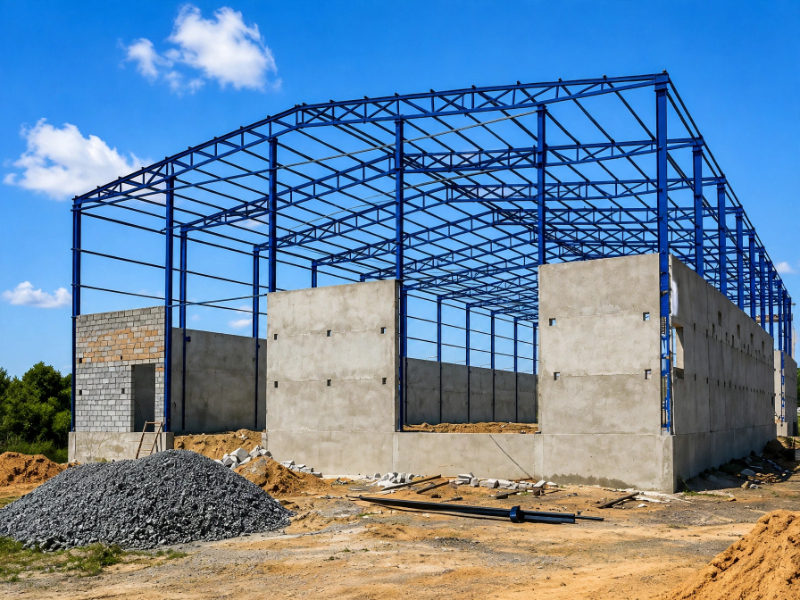
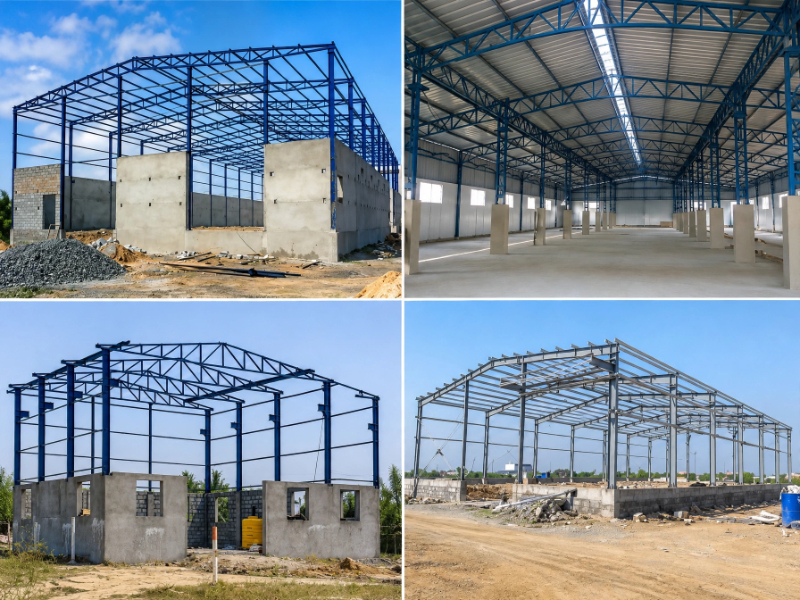
Conventional Building Construction involves planning, designing, and developing structures using established construction methods carried out primarily at the project site. The process commonly includes excavation, foundation work, concrete construction, masonry, structural work, roofing, electrical systems, plumbing, and finishing activities. Buildings can be designed in different sizes, layouts, heights, and architectural styles according to functional and site requirements. The use of locally available construction materials and skilled workmanship allows flexibility throughout different stages of the project. Proper coordination of civil, structural, electrical, plumbing, and finishing works helps achieve a functional and durable building. With quality materials, experienced execution, regular supervision, and suitable maintenance, Conventional Buildings provide reliable solutions for a wide range of construction needs.
Specifications
| Key Attributes | |
|---|---|
| Product Type | Conventional Building |
| Structure Type | Reinforced Concrete / Masonry Structure |
| Primary Materials | Concrete, Cement, Steel, Bricks & Blocks |
| Construction Method | On-Site Construction |
| Foundation Type | As per Soil & Structural Design |
| Frame Type | RCC / Structural Steel Frame |
| Roof Type | Flat / Sloped Roof |
| Wall Type | Brick / Block Masonry |
| Flooring | Concrete / Tiles / Industrial Flooring |
| Building Height | Customized as per Requirement |
Application
Company Profile
Mvm Infrastructures, Tamil Nadu
 Tamil Nadu, India
Tamil Nadu, India9 yrs
Manufacturer
Turn Over
₹1 Crore – ₹5 Crore
Factory Details
Factory SizeBelow 1000 sqm
Contract ManufacturingOEM Service
Main Markets
India
Frequently Asked Questions
1
What is Conventional Building Construction?
It is a construction method in which major building activities are carried out at the project site using established construction practices.
2
What are the benefits of Conventional Buildings?
They offer design flexibility, material choices, architectural customization, and suitability for a wide range of building applications.
3
Can Conventional Buildings be customized?
Yes, layouts, dimensions, architectural styles, materials, finishes, and functional spaces can be customized.
4
Are Conventional Buildings suitable for commercial projects?
Yes, they are widely used for offices, retail spaces, hotels, commercial complexes, and business facilities.
5
Where are Conventional Buildings commonly used?
They are used for homes, offices, schools, hospitals, factories, commercial buildings, government facilities, and institutional projects.
Conventional Building
Conventional Buildings are constructed using established on-site construction methods and a combination of concrete, steel, masonry, and other building materials. They provide flexible and durable solutions for residential, commercial, institutional, and industrial requirements.
Min. Order Quantity: 1 piece
Shipping
Shipping fee and delivery date to be negotiated. Contact supplier now for more details.
Mvm Infrastructures
 Tamil Nadu, India
Tamil Nadu, IndiaManufacturer