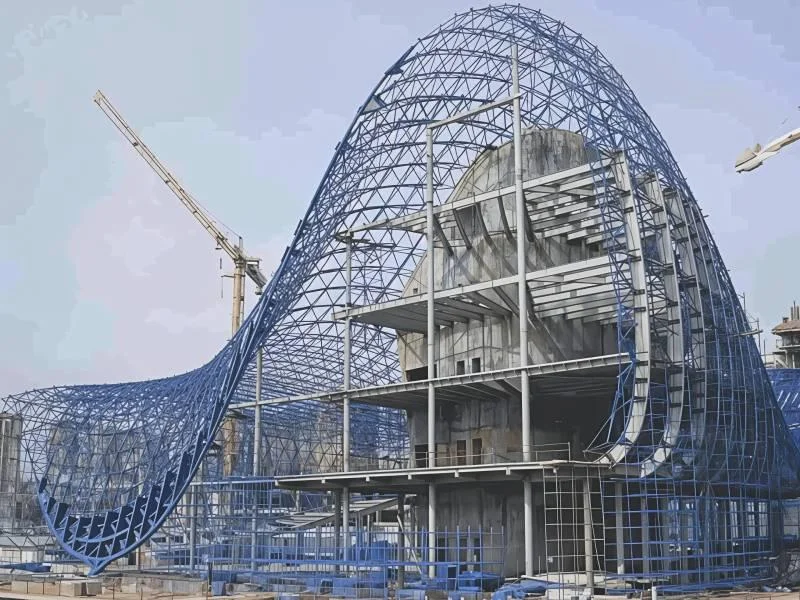
- Site Office – Used in the Construction Industry for project offices, administrative areas, and site facilities.
- Worker Accommodation – Used in the Infrastructure Industry for staff accommodation and workforce facilities.
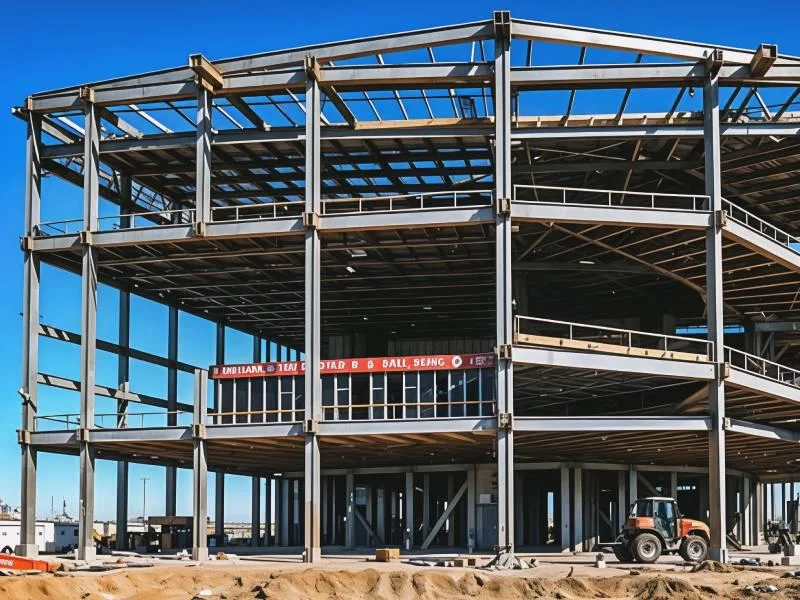
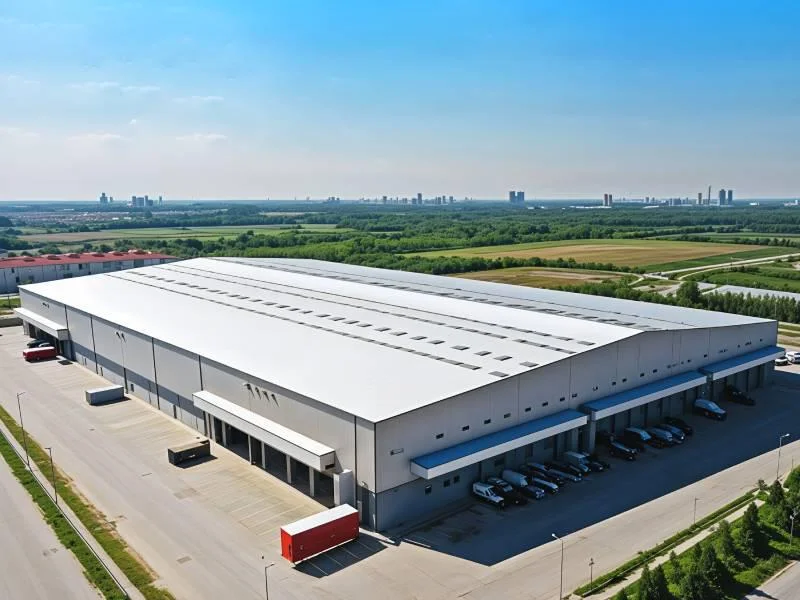
- Storage Building – Used in the Logistics & Warehousing Industry for storing materials, equipment, and inventory.
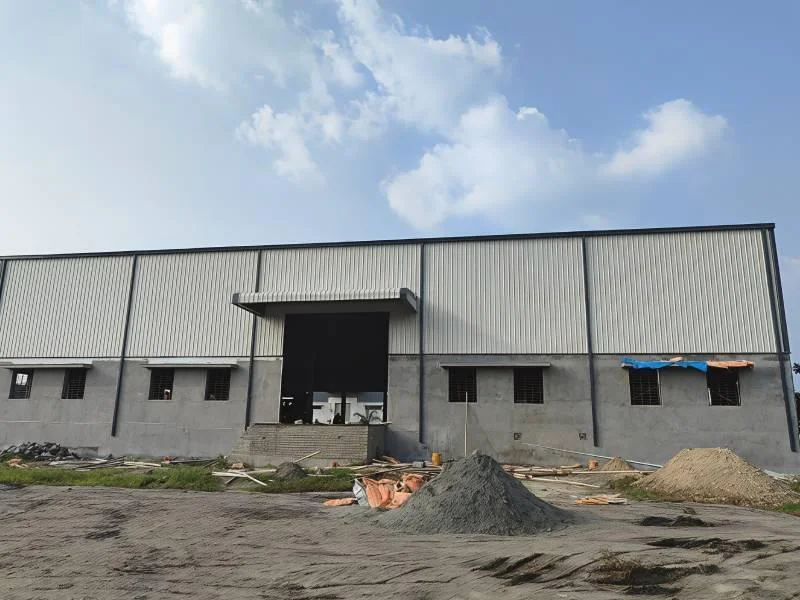
- Industrial Workspace – Used in the Manufacturing Industry for workshops, production support areas, and utility spaces.
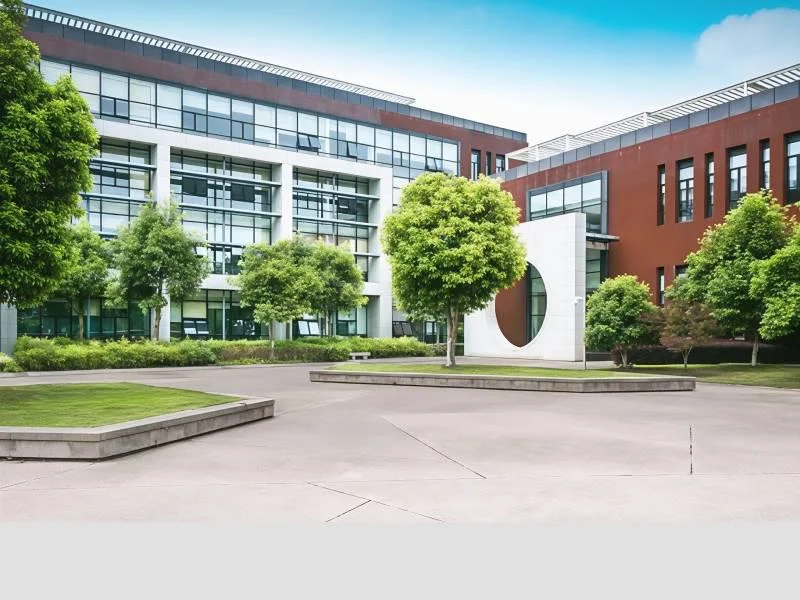
- Commercial Facility – Used in the Commercial Industry for offices, service centers, and retail spaces.
- Classroom Building – Used in the Education Industry for classrooms, training centers, and temporary learning facilities.

 IN
IN₹
Apparel & Fashion
Loading subcategories...
View More
Description
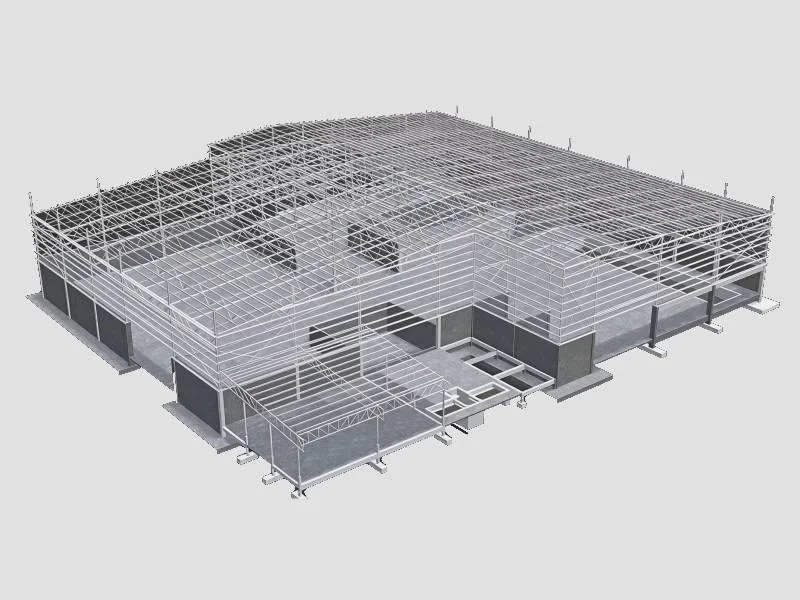
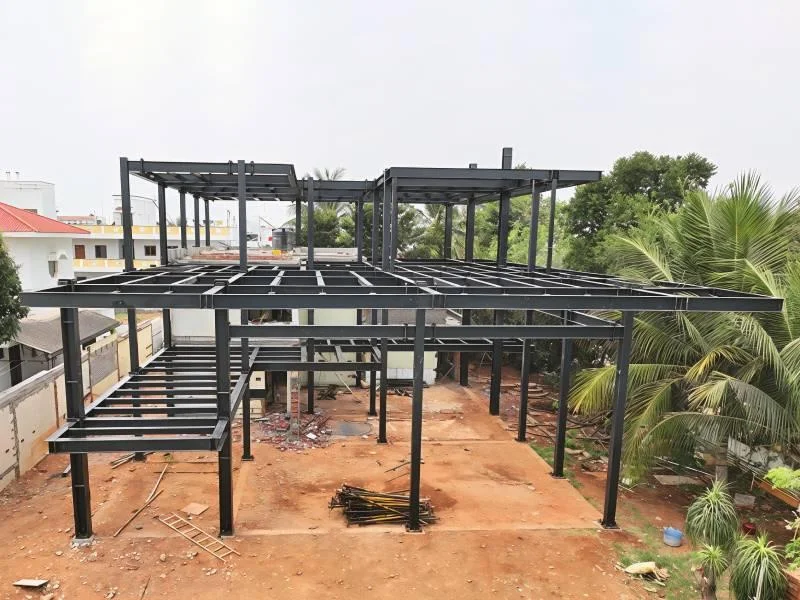
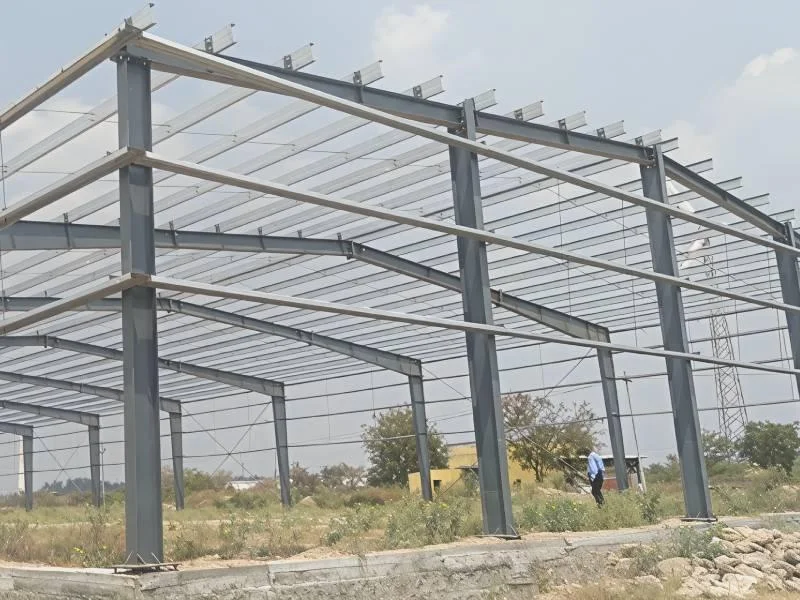
Prefab Building is manufactured using pre-engineered components that are prepared before being transported to the construction site. Structural frames, wall panels, roofing systems, doors, windows, and other components can be fabricated according to the required building design. The layout, dimensions, openings, insulation, and interior configuration can be customized for different applications. Prefabricated construction provides a systematic approach to building assembly with reduced dependence on extensive on-site fabrication. The structure can be configured for offices, accommodation, storage, workshops, classrooms, and other functional spaces. Prefab Buildings are suitable for projects requiring adaptable structures with planned manufacturing and site installation.
Specifications
| Attribute | Value |
|---|---|
| Structural Strength | High-strength steel or reinforced concrete frame for durability |
| Assembly Time | Rapid assembly: 1–4 weeks depending on size and modules |
| Design Flexibility | Modular design allowing custom layouts and easy reconfiguration |
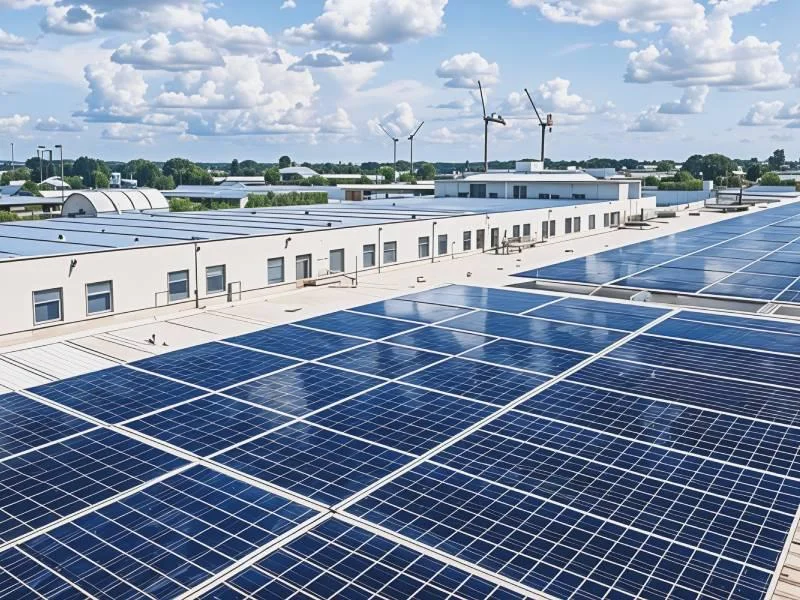
| Energy Efficiency | Thermal insulation, energy-efficient materials, optional solar panel integration |
| Material Type | Lightweight steel, aluminum, or composite panels |
| Cost Efficiency | Lower construction and maintenance costs compared to conventional construction |
| Finishing Options | Variety of exterior and interior finishes: paint, cladding, tiles, and laminates |
| Environmental Resistance | Wind-resistant, waterproof, fire-resistant, and seismic compliant |
| Sustainability | Minimal construction waste, recyclable materials |
| Additional Information | |
|---|---|
| SKU | 1 |
| Country of Origin | India |
| Customisable | No |
Application
Trade Details
| Production Lead Time | 4-7 Days |
| Available Stock | In Stock |
| Production Capacity | 1 sets/ weekly |
| Sample Availability | No |
Payment Terms
| Payment Terms |
|
| Payment Methods |
|
Shipping & Logistics
| Shipping Internationally | No | |
| Methods |
| |
| IncoTerms |
| |
| Port of Dispatch | ||
| Packaging Type | -- | |
| Units per Package | -- | |
| Barcode / HSN / GTIN / UPC | ||
| Dispatch Lead time | Ships in 7 Days |
Company Profile

MRK Roofing, Tamil Nadu
 Tamil Nadu, India
Tamil Nadu, India32 yrs
Manufacturer
Turn Over
₹25 Lakhs – ₹1 Crore
Factory Details
Factory SizeBelow 1000 sqm
Frequently Asked Questions
1
What is a prefab building?
A prefab building, or prefabricated building, is constructed using pre-manufactured materials and components assembled on-site. This method allows for faster construction times and often lowers costs.
2
What payment methods do you accept for purchasing a prefab building?
We accept payments via cheque, demand draft, and cash.
3
Can I customize my prefab building design?
Yes! We offer various customization options to suit your specific needs and preferences. You can discuss your requirements with our team for tailored solutions.
4
How long does it take to build a prefab structure?
The construction timeline can vary based on the size and complexity of the project, but generally, prefab buildings can be erected significantly faster than traditional structures. Expect anywhere from a few weeks to a couple of months.
5
Are there any limitations regarding where I can install a prefab building?
Prefab buildings can be installed in most locations; however, zoning laws and site conditions must be considered. It's advisable to check with local authorities regarding regulations before proceeding.
SKU: 1
Prefab Building
Prefab Building is a pre-manufactured building system in which structural and building components are produced in advance and assembled at the project site. It offers a flexible solution for industrial, commercial, residential, and institutional applications.
Min. Order Quantity: 1 set
Shipping
Shipping fee and delivery date to be negotiated. Contact supplier now for more details.
Shipping InternationallyNo
Estimated Delivery11 - 14 business days
MRK Roofing Tamil Nadu, India
Tamil Nadu, IndiaManufacturer